user profile avatar

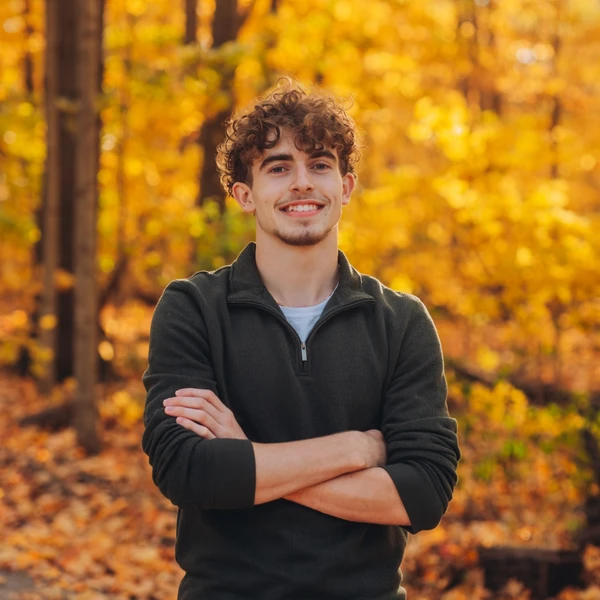
Brady Bruin

1x

Finalist

Bio

Dedicated student athlete who demonstrates exceptional time management skills. Three sport varsity athlete/team captain while holding two jobs as a PCT at Mercy Health St. Rita's (Lima) and Lima Memorial Hospital. 3.5 GPA and a dual enrolled student with multiple courses completed at James A. Rhodes State Community College. Vice President of my HOSA (Healthcare Occupational Students of America) chapter at Apollo Career Center. Recipient of the Mark Thompson "Little Diamond Award" for demonstrating the following characteristics: "Loyalty, hard work, dedication, and the willingness to do the little things that need to be done". OHSBCA Gold member for earning a 3.2+ GPA and demonstrating the best kind of sportsmanship. Attending Ashland University in fall 2026 to pursue career in nursing, play on the basketball team, and graduate with honors. Plan to go back to school to get my DNP and become a CRNA (20+ hours shadowed).

Education

Apollo Career Center

High School
2024 - 2026
  • GPA:
    3.5

Elida High School

High School
2022 - 2026
  • GPA:
    3.5

Miscellaneous

  • Desired degree level:

    Bachelor's degree program

  • Majors of interest:

    • Registered Nursing, Nursing Administration, Nursing Research and Clinical Nursing
  • Not planning to go to medical school
  • Test scores:

    • 25
      ACT

    Career

    • Dream career field:

      Nursing

    • Dream career goals:

    • Patient Care Technician

      Mercy Health - St. Rita's Medical Center
      2025 – Present1 year

    Sports

    Cross-Country Running

    Varsity
    2024 – 20262 years

    Awards

    • Regional Qualifier
    • Team Captain

    Football

    Varsity
    2023 – 20241 year

    Track & Field

    Varsity
    2025 – Present1 year

    Awards

    • Team Captain
    • State Qualifier
    • All-Ohio Academic Honors

    Basketball

    Varsity
    2021 – Present5 years

    Awards

    • Mark Thompson "Little Diamond Award"
    • OHSBCA Gold Member
    • Team Captain

    Arts

    • Elida High School and Encore Theatre

      Acting
      The Jungle Book, Newsies
      2019 – 2021
    Sola Family Scholarship
    Growing up, my mother was a single parent who worked tirelessly to provide opportunities for my siblings and me. While I had shared parenting between my parents, much of my childhood was shaped by watching my mom navigate the challenges of raising a family while building a career in healthcare. Those experiences had a profound impact on the person I am today. My childhood was not always easy. My mother had two children while in high school, myself and my older sister who is two years older than me. There were periods when we moved frequently and lived in unstable environments. Some of the households we lived in were filled with conflict, arguments, and alcohol abuse. As a child, it was difficult to fully understand those situations, but they taught me important lessons about resilience, adaptability, and the type of life I wanted to build for myself in the future. Experiencing instability at a young age forced me to mature quickly and appreciate the importance of creating a positive environment for those around me. Despite the challenges, my mother remained committed to providing for our family. She worked as an RN and consistently demonstrated determination and perseverance. No matter what obstacles she faced, she continued moving forward. One of the most influential experiences in my life was watching her grow professionally. Over the years, I saw her advance from getting her associate's degree in nursing to becoming an Acute Care Nurse Practitioner. Watching her pursue higher education, work long hours, and continually improve herself showed me what is possible through hard work and dedication. Her example inspired many of my own goals. I learned that difficult circumstances do not have to determine your future. Instead of making excuses, my mother focused on finding solutions and creating better opportunities for our family. That mindset has influenced the way I approach academics, athletics, and work. Whether I am in the classroom, on the basketball court, or working as a Patient Care Technician, I try to bring the same work ethic and determination that I saw in her. My experiences growing up also played a major role in my decision to pursue a career in healthcare. Watching my mother care for patients and seeing the impact she had on others sparked my interest in the medical field. Today, I work two jobs as a Patient Care Technician and plan to pursue a nursing degree at Ashland University before eventually becoming a Certified Registered Nurse Anesthetist (CRNA). Healthcare allows me to combine my passion for helping others with my interest in science and medicine. Growing up with a single mother taught me lessons that extend far beyond academics or career goals. It taught me the importance of perseverance, responsibility, and maintaining a positive attitude during difficult times. It also showed me the value of education and lifelong learning. Most importantly, it taught me that circumstances do not define a person; character and effort do. Looking back, I am grateful for both the challenges and the opportunities that shaped my childhood. Watching my mother overcome adversity and build a successful healthcare career inspired me to pursue my own ambitions and believe that hard work can create a better future. The lessons I learned from her continue to guide me as I work toward my goals and strive to make a positive impact on the lives of others.
    Learner Mental Health Empowerment for Health Students Scholarship
    Mental health is important to me as a student because it affects every aspect of a person's life, including academic performance, athletic success, relationships, and overall well-being. As a student-athlete, I have learned that physical ability alone is not enough to succeed. Confidence, resilience, discipline, and the ability to handle adversity all come from a strong mindset. Throughout high school, I have balanced challenging academics, athletics, work, and preparing for my future career. These experiences have shown me that mental health is just as important as physical health and deserves the same level of attention and care. Athletics have had a major impact on my understanding of mental health. Basketball has taught me many lessons about perseverance and overcoming obstacles. There have been times when things did not go the way I hoped, whether it was not receiving as much playing time as I wanted, dealing with injuries, or facing setbacks in recruiting. In those moments, it would have been easy to become discouraged or give up. Instead, I learned the importance of maintaining a positive mindset, controlling what I can control, and continuing to work toward my goals. Mental health plays a huge role in athletics because confidence and focus often determine how well an athlete performs. Taking care of my mental health has helped me remain motivated through challenges and continue pursuing opportunities to play basketball at the collegiate level. My work as a Patient Care Technician has also shaped my perspective on mental health. In healthcare, I interact with patients who are facing some of the most difficult moments of their lives. While many people focus on physical illnesses and injuries, I have seen how emotional and mental well-being can be equally important. Some patients experience anxiety, loneliness, fear, or uncertainty during their hospital stay. These experiences have taught me that mental health challenges are often invisible and can affect anyone regardless of age, background, or circumstances. Working directly with patients has strengthened my empathy and shown me the importance of listening, encouraging others, and treating every person with dignity and respect. I advocate for mental health in my community by creating an environment where people feel comfortable talking about their struggles and seeking support. As an athlete, I try to encourage teammates to support one another and understand that asking for help is not a sign of weakness. Very often, athletes feel pressure to appear mentally tough at all times, which can prevent them from speaking openly about challenges they are facing. I believe true strength comes from being honest, supporting others, and working through difficulties together. Whether a teammate is struggling with confidence, stress, or personal challenges, I try to be someone they can trust and talk to. I also advocate for mental health through my work in healthcare. Something as simple as listening to a patient, offering encouragement, or taking a few extra moments to make them feel valued can have a meaningful impact. Every interaction is an opportunity to show compassion and remind someone that they are not alone. These experiences have reinforced my desire to pursue a career in nursing and eventually become a CRNA. Mental health is important because it influences how we think, perform, and interact with others every day. Through athletics and my work as a Patient Care Technician, I have learned the value of resilience, empathy, and support. By encouraging open conversations, being a positive role model, and helping those around me feel heard and valued, I hope to make a positive impact on the mental health of my school, workplace, and community.
    Dashanna K. McNeil Memorial Scholarship
    As a graduating high school student, I want to become a nurse because I have already experienced what it means to be responsible for patient care, and I know I want to take that responsibility further. Working as a Patient Care Technician at both Mercy Health St. Rita’s and Lima Memorial Hospital has given me direct exposure to the healthcare environment. I have been in situations where patients are dealing with pain, uncertainty, and loss of control. In those moments, I realized that nursing is not just about completing tasks. It is about recognizing changes, making decisions, and being someone patients can rely on when they are at their most vulnerable. My interest in healthcare originally started in sports and exercise science, where I was drawn to physical therapy. I was interested in recovery, movement, and helping athletes improve. However, once I began working in a hospital setting, my perspective changed. I realized I was more interested in the clinical side of care and the deeper, more personal relationships that nurses build with patients. Physical therapy focuses on long-term rehabilitation, but nursing places you in the center of a patient’s experience, especially during critical moments where attention to detail and decision making directly impact outcomes. That level of involvement is what I am pursuing. I am particularly interested in critical care or anesthesia-related pathways, with the long-term goal of becoming a CRNA or potentially advancing further into medicine. These areas require precision, focus, and the ability to perform under pressure. Through my experience in athletics and healthcare, I have developed a mindset that fits that environment. I am used to high expectations, structured routines, and staying composed in fast-paced situations. I am not drawn to nursing because it is comfortable. I am drawn to it because it demands consistency and attention to detail. What motivates me most is the level of impact. In high-acuity settings, small decisions can directly affect patient outcomes. I want to be in a position where my preparation, awareness, and discipline contribute to those outcomes in a meaningful way. At the same time, I want to maintain the ability to connect with patients as individuals. Even in fast-paced environments, communication and trust remain critical. Becoming a nurse is not just a career choice for me. It is the foundation for the level of responsibility I want to reach in healthcare. I am committed to continuing my education, developing my clinical judgment, and building the consistency required to operate at a high level. Nursing provides the path to do that, and it aligns with both my experience and my long-term goals.
    Richard Neumann Scholarship
    One problem I have spent time thinking about is social division within schools. Through a HOSA Creative Problem Solving event, I worked on a theoretical solution focused on reducing cliques and creating more connection between students. While we did not build the product, the process challenged me to think beyond identifying a problem and instead focus on how it could realistically be addressed. The issue is that most schools allow social groups to form naturally but do little to create interaction between them. As a result, many students feel disconnected or overlooked. That lack of connection affects confidence, participation, and overall engagement. Our idea focused on creating a system that would encourage structured interaction between students who would not normally engage with each other. Instead of leaving connection to chance, it would be intentional. If I had the resources to fully develop this concept, I would create a platform designed to promote consistent, meaningful interaction across different groups of students. The goal would not be to force friendships, but to increase exposure and understanding. Students would be placed into rotating groups based on shared interests and differences, giving them repeated opportunities to collaborate and communicate. Over time, those small, structured interactions could break down barriers that usually remain in place throughout high school. My clinical experience has reinforced why this type of solution matters. Working as a Patient Care Technician, I have seen how isolation affects people in real situations. Patients who feel alone or unsupported often struggle more, both emotionally and physically. Even small interactions, like taking time to talk or listen, can improve how someone experiences care. That principle carries over into schools. When people feel connected, they are more engaged, more confident, and more willing to participate. Because of that, I would expand this idea beyond education. A similar system could be applied in healthcare settings to improve connection between patients and even among staff. In both environments, the goal is the same: reduce isolation and improve outcomes by making connection intentional rather than accidental. This experience changed how I approach problem solving. I learned that identifying a problem is not enough. You have to think about practical ways to address it, even if the solution starts as an idea. It also showed me that meaningful problems are often the ones people overlook. Social connection is not always measured, but it has a real impact on performance and well-being. With the right resources, I believe this concept could create measurable change by addressing a problem that affects both schools and healthcare environments. It may have started as a theoretical exercise, but the need it addresses is real, and the potential impact is significant.
    Dream BIG, Rise HIGHER Scholarship
    Education has shaped my goals by forcing me to confront inconsistency and replace it with discipline and direction. Earlier in high school, I did not approach academics with the level of focus I do now. My grades during my underclassmen years reflected that lack of structure. At the same time, I experienced a setback in athletics when I was cut from the basketball team in 8th grade. That moment exposed a pattern in my life. I was not as consistent, focused, or intentional as I needed to be if I wanted to succeed at a higher level. Instead of ignoring that reality, I used it as a turning point. Being cut forced me to take an honest look at my habits, both academically and athletically. I realized that talent and interest were not enough without discipline and consistency. From that point forward, I made a decision to change how I approached everything. That meant being more intentional with my time, more accountable for my results, and more consistent in my daily effort. The change did not happen overnight, but over time it became a standard. By my upperclassmen years, that shift showed clearly in my academics. I began earning straight A’s in my college level courses, including Anatomy and Physiology and other dual enrollment classes. More importantly, my mindset toward education changed. I was no longer working just to complete assignments or maintain a GPA. I was focused on understanding and applying what I was learning. Education became preparation for real responsibility, not just a requirement to complete. That same mindset carried over into athletics. After being cut earlier in my career, I stayed committed to improving instead of stepping away. I continued to train, develop my skills, and focus on the details that often go unnoticed. By my senior year, I was recognized with the Mark Thompson “Little Diamond Award,” which is given to athletes who demonstrate loyalty, discipline, and a willingness to do the small things consistently. I also earned the opportunity to continue my basketball career at Ashland University as a walk-on. That opportunity represents more than just a roster spot. It reflects years of consistent effort, discipline, and a refusal to let early failure define my future. Education has also given me a clear sense of direction through real-world application. My coursework at Apollo Career Center and my college classes provided a strong academic foundation, but it was my experience working as a Patient Care Technician that connected that knowledge to reality. In the hospital, what I learn in the classroom directly impacts how I care for patients. Concepts are no longer abstract. They apply in situations where decisions matter and where attention to detail can affect outcomes. Working in healthcare has shown me the level of responsibility required in that field. I have been in patient rooms where individuals are dealing with pain, fear, and uncertainty. In those moments, I learned that technical skill alone is not enough. Communication, awareness, and consistency are just as important. Those experiences have led me to pursue nursing as a career, with the goal of continuing to grow into a role where I can take on greater responsibility in patient care. One of the biggest challenges I have overcome is managing the volume of responsibilities I have taken on. I balance academics, three sports, and two jobs in healthcare. There is no extra time in that schedule. It requires careful time management, discipline, and the ability to stay focused even when I am tired or under pressure. There have been times where the workload felt overwhelming, and it would have been easy to lower my standards. Instead, I learned how to stay consistent and prioritize long-term goals over short-term comfort. Another challenge has been changing my mindset toward growth. Earlier in my academic career, I focused on results rather than development. If something was difficult, my instinct was to complete it as quickly as possible rather than fully understand it. That approach limited my progress. Through more advanced coursework and real-world experience, I learned that growth requires discomfort and effort. Now, I approach challenges with the expectation that they will be difficult, and I focus on improving rather than avoiding them. I plan to use my education to build a career in healthcare where I can contribute at a high level. My goal is to become a nurse and continue advancing, potentially into a CRNA or physician role. Through that path, I want to be someone who is reliable in critical situations and capable of making informed decisions that improve patient outcomes. I also want to contribute to my community by providing care that is both clinically strong and personally attentive. Patients should feel both confident in the care they are receiving and respected as individuals. Beyond clinical care, I want to contribute by setting a standard for consistency and effort. Whether in healthcare, athletics, or academics, I have learned that success is built on daily habits rather than occasional motivation. I want to bring that mindset into my career and use it to positively influence the people I work with and the patients I serve. Education has given me more than knowledge. It has forced me to develop discipline, accountability, and a focus on long-term growth. It has shown me that setbacks can either limit you or define your direction, depending on how you respond. Being cut from a team and struggling academically early on could have set a ceiling on my potential. Instead, those experiences became the foundation for change. As I move forward, I plan to continue building on that foundation. I am not aiming for short-term success. I am focused on long-term growth, consistent performance, and meaningful contribution. Education has given me the direction to pursue that path, and I intend to use it to create a future where I not only succeed, but also make a measurable impact on others.
    Community Health Ambassador Scholarship for Nursing Students
    I want to pursue a degree in nursing because I have already experienced the level of responsibility that comes with patient care, and I know I want to take that responsibility further. Working as a Patient Care Technician at both Mercy Health St. Rita’s and Lima Memorial Hospital has exposed me to the reality of healthcare. I have seen patients at their most vulnerable, dealing with pain, fear, and uncertainty. In those moments, I realized that nursing is not just about completing tasks. It is about making decisions, recognizing changes in a patient’s condition, and being someone patients can rely on when they feel a lack of control. That level of responsibility is what draws me to the profession. My decision to pursue nursing also comes from understanding the difference between simply being present and actually making an impact. As a PCT, I assist with care and support the nursing staff, but I want to be in a position where I can take a more active role in decision making and patient outcomes. I want to build the clinical knowledge and judgment required to assess situations, respond effectively, and advocate for patients. Nursing provides that pathway, and it aligns with how I approach challenges in other areas of my life. I am not looking for something easy. I am looking for a role where preparation, discipline, and attention to detail matter every day. As a nurse, I hope to contribute to my community by being someone who is both reliable and effective in high pressure situations. In healthcare, consistency matters. Patients and their families depend on nurses to be attentive, accurate, and composed. I want to be known as someone who can be trusted to handle responsibility without hesitation. That means recognizing problems early, communicating clearly with the healthcare team, and maintaining a high standard of care regardless of the situation. At the same time, I want to contribute by building strong, personal connections with patients. Through my experience in the hospital, I have learned that small actions can have a significant impact. Taking the time to communicate clearly, listen, and treat patients as individuals can change how they experience care. In a community setting, that level of connection builds trust, and trust leads to better outcomes. I want to be part of that process. Long term, I plan to continue advancing in healthcare, potentially pursuing a role as a CRNA or physician. However, regardless of the level I reach, my goal remains the same. I want to contribute through consistency, discipline, and a commitment to improving both patient outcomes and patient experience. Nursing is not just a career choice for me. It is a commitment to developing the skills and mindset required to make a real impact in my community.
    David Foster Memorial Scholarship
    One teacher who significantly influenced how I approach my life is Ms. Benda at Apollo Career Center. She is one of the most intense teachers I have had, but also one of the most genuine and supportive people I know. That combination is what made her impact different. She did not just expect more from her students, she showed what it meant to consistently give more. In her classroom, there was no option to be average. She pushed us to understand material at a deeper level and to apply it, not just memorize it. Whether we were learning anatomy or working through clinical concepts, she challenged us to think critically and take ownership of our learning. At times, that intensity was uncomfortable. It required focus, discipline, and effort every single day. However, it changed how I approached school. I stopped working just to complete assignments and started working to actually understand and improve. What set Ms. Benda apart, though, was not just her expectations. It was how much she genuinely cared about her students. One moment that stands out to me happened during a regular class day. I mentioned that I was thirsty, and without hesitation, she gave me her own water bottle from her lunch and said, “This is what I do.” It was a simple action, but it showed a level of selflessness that stuck with me. She was willing to give up something of her own without thinking twice. Later, I brought in a full case of water bottles to return the favor, but the lesson had already been made. That moment reflected the way she approached teaching as a whole. She gave her time, energy, and attention fully to her students. She was demanding, but she was also invested in our success. She supported me in my academic and career goals, especially as I began pursuing healthcare. Her belief in my ability pushed me to hold myself to a higher standard. Because of her influence, I have changed how I define effort and responsibility. I have learned that it is not enough to meet expectations, you have to raise them. I have also learned that leadership and impact come from consistency and willingness to give more than what is required. I have applied those lessons in my own life through athletics, academics, and my work in healthcare. Balancing multiple responsibilities requires discipline, and her example showed me what that looks like in practice. Most importantly, she shaped how I approach helping others. In healthcare, small actions can make a difference, just like that moment in her classroom. Being attentive, selfless, and consistent matters. That is the standard I am working toward. Because of Ms. Benda, I no longer look for the easiest path. I look for the one that challenges me to grow and allows me to make a meaningful impact. That mindset will continue to shape how I move forward in my education, career, and life.
    Beverly J. Patterson Scholarship
    I am passionate about nursing because it places you in a position where your actions directly affect someone’s outcome in real time. Through my experience working as a Patient Care Technician at both Mercy Health St. Rita’s and Lima Memorial Hospital, I have seen how important it is to have someone who is both clinically competent and fully present. Nursing is not just about completing tasks. It is about making decisions under pressure, recognizing changes early, and building trust with patients when they are at their most vulnerable. That combination of responsibility and impact is what draws me to the profession. What I hope to get out of my career is growth in both skill and responsibility. I want to reach a level where I am trusted to handle complex situations and make meaningful contributions to patient care. I am not interested in staying at a surface level. I want to understand the reasoning behind decisions, improve my clinical judgment, and continuously raise my standard. At the same time, I want to maintain the ability to connect with patients as individuals. The best nurses I have observed are not just technically strong. They are consistent, composed, and intentional in how they interact with people. That is the level I am working toward. As of now, I am most interested in critical care or anesthesia-related pathways, with the long-term goal of becoming a CRNA or potentially advancing further into medicine. These areas require precision, focus, and the ability to stay calm in high-pressure situations. That environment fits how I operate. I am used to performing under pressure through athletics, and I have already experienced the pace and expectations of a hospital setting. I am not looking for comfort. I am looking for a role where preparation, attention to detail, and decision making matter every day. In my specific specialty, I want to make an impact by being someone who is reliable in critical moments and intentional with patient care. In high-acuity environments, small mistakes can have serious consequences, and small details can make a difference. I want to be the type of nurse who notices changes early, communicates clearly with the team, and contributes to better outcomes through consistency and awareness. At the same time, I want patients to feel that they are being treated as individuals, not just cases. Even in fast-paced environments, that standard should not drop. Ultimately, my goal is to build a career where I am trusted, effective, and continuously improving. Nursing gives me the opportunity to do that while making a direct impact on people’s lives. That is why I am committed to this path.
    Wieland Nurse Appreciation Scholarship
    I decided to pursue a career in nursing because I have seen firsthand what the profession demands and what it can offer. My mom worked as a nurse while raising two kids, and growing up, I watched the level of discipline, responsibility, and consistency that required. That example set a standard for me early. It showed me that nursing is not just a job, but a commitment to showing up for people regardless of circumstances. My initial interest in healthcare was not nursing. Through my coursework in sports and exercise science, I was drawn to physical therapy. I enjoyed learning about movement, recovery, and performance, and it aligned with my background as a multi-sport athlete. However, once I began working in a hospital setting as a Patient Care Technician at both Mercy Health St. Rita’s and Lima Memorial Hospital, my perspective changed. I realized I was more interested in the clinical side of care and the deeper, more personal relationships built with patients. Physical therapy focuses primarily on rehabilitation over time, but nursing places you in the center of a patient’s experience. You are present during uncertainty, decision making, and recovery. That level of involvement challenged me in a way I did not expect. I have been in patient rooms where individuals are dealing with pain, fear, and loss of control. In those moments, I learned that small actions such as clear communication, attention to detail, and simply being present can make a meaningful difference. I also observed nurses managing complex clinical responsibilities while still treating patients as individuals. That balance between technical skill and human connection is what I want to develop. My background in athletics has reinforced this path. Competing in basketball, cross country, and track has required discipline, time management, and the ability to perform under pressure. Balancing academics, sports, and two healthcare jobs has forced me to be efficient and accountable. There is no room for inconsistency in that schedule. Those same qualities translate directly into nursing, where patients depend on reliability and focus in high pressure situations. I am not choosing nursing because it is easy or comfortable. I am choosing it because it is demanding and because the impact is real. Every shift carries responsibility, and every interaction has the potential to affect a patient’s outcome. That level of responsibility is something I am prepared to take on. This scholarship will allow me to continue pursuing nursing while gaining clinical experience without financial limitations interfering with my progress. I am already investing significant time into both my education and hands-on work in healthcare. Financial support would allow me to stay focused on growth and development rather than outside pressures.
    Treye Knorr Memorial Scholarship
    My name is Brady Bruin, and my journey has been built on discipline, pressure, and a clear understanding that nothing meaningful comes easy. I am a student, a three sport varsity athlete, and a healthcare worker. Each role has forced me to grow quickly, manage responsibility, and perform consistently under pressure. Academically, I have taken an accelerated path. Before graduating high school, I have already completed college level coursework including Anatomy and Physiology, Statistics, Public Speaking, and Sociology. Maintaining a strong GPA while balancing athletics and two jobs has required strict time management and accountability. There is no room for wasted time in my schedule, and that has shaped how I approach everything. My experience in healthcare has had the greatest impact on my development. I currently work as a Patient Care Technician at both Mercy Health St. Rita’s and Lima Memorial Hospital. In these roles, I provide direct patient care, assist with clinical procedures, monitor vital signs, and support nursing staff in fast paced environments. More importantly, I have learned how to connect with patients during some of the most vulnerable moments of their lives. I have seen fear, pain, and uncertainty up close. What I have learned is that skill matters, but trust is what truly changes outcomes. Patients respond when they feel understood. Leadership has been a consistent part of my journey. As Vice President of HOSA, I help lead and support students pursuing healthcare careers. Through athletics, I have learned how to lead through effort, energy, and consistency rather than words. Being dependable every day has become my standard. My strengths are discipline, work ethic, and the ability to operate under pressure. I do not avoid challenges; I seek them out because they force growth. At the same time, I recognize my weaknesses. I tend to take on heavy workloads, sometimes pushing myself to the limit. I am learning how to manage that intensity in a way that is sustainable without lowering my expectations. Looking ahead, my goal is to build a career in healthcare at the highest level, potentially as a CRNA or physician. I want to combine clinical expertise with the ability to connect with patients in a way that improves not just outcomes, but experiences. I also plan to continue competing in basketball at the collegiate level, because the discipline and mindset it requires directly translate into every other area of my life. This scholarship would directly support my ability to continue pursuing both academics and healthcare experience without financial strain limiting my opportunities. With two jobs and a full academic and athletic schedule, I am already fully invested in my future. Financial support would allow me to stay focused on growth and performance rather than financial pressure. My goal is not just to succeed personally, but to contribute in meaningful ways. Whether in a hospital room, on a team, or in my community, I want to be someone people can rely on. I am building a life centered on discipline, service, and growth, and this scholarship would be an important step in continuing that path.
    Big Picture Scholarship
    One movie that has had a significant impact on my life is Coach Carter. While it is widely known as a basketball film, its real message goes far beyond the game. It presents a standard of discipline, accountability, and personal responsibility that has shaped the way I approach both athletics and academics. What stands out most to me is the way Coach Carter holds his players to a higher standard than they expect from themselves. When the team begins to succeed on the court but fails to meet academic expectations, he makes the decision to bench the entire team. That moment is powerful because it shows that success without structure and responsibility is empty. It forced me to think differently about what it really means to be successful. Talent and performance might get attention, but discipline and consistency are what sustain success over time. As a student athlete, I see how easy it is for people to separate their athletic identity from their academic and personal responsibilities. Many athletes focus only on their sport, thinking that performance alone will carry them forward. This movie challenged that mindset for me. It made it clear that ignoring academics or cutting corners in other areas of life will eventually limit opportunities. Watching Coach Carter emphasize education just as much as basketball reinforced the idea that being well rounded is not optional, it is necessary. Another reason this movie impacted me is the way it portrays leadership. Coach Carter is not concerned with being liked. He is focused on doing what is right for his players, even when they resist him. That type of leadership requires confidence, consistency, and a willingness to stand alone when necessary. It showed me that real leadership is not about popularity, it is about setting a standard and holding people accountable to it. This has influenced how I carry myself on my own teams. I have learned that leadership starts with personal accountability. If I expect discipline and effort from others, I have to demonstrate it first in my own actions. The film also highlights the importance of long term thinking. Many of the players initially only care about immediate success and recognition. Coach Carter forces them to consider their future, especially life after basketball. That message connects with me because I understand that sports, while important, are not guaranteed. Injuries, competition, and circumstances can change quickly. Because of that, having a strong academic foundation and a clear plan beyond athletics is critical. This perspective has pushed me to take my education more seriously and to think about my long term goals, not just my current performance. Overall, Coach Carter has had a lasting impact on me because it reinforced values that I want to live by. It showed me that discipline is more important than motivation, that accountability matters in every area of life, and that true success comes from balancing both athletic and academic responsibilities. The lessons from this film continue to influence my mindset and actions, pushing me to hold myself to a higher standard every day.
    Philippe Forton Scholarship
    I believe one of the most effective ways to connect with a patient is to find something you can relate to, but I have learned that connection goes far beyond shared experiences. Not every patient will have something in common with you, and relying only on relatability can limit the quality of care you provide. True compassion requires awareness, patience, and the ability to understand someone even when their situation is completely different from your own. Working as a patient care assistant at two different hospitals has exposed me to a wide range of patients, personalities, and circumstances. These experiences have shown me that many patients are not just dealing with physical pain, but also emotional stress, fear, and a loss of independence. One interaction in particular had a lasting impact on how I approach patient care. I was assigned to a patient who had been in the hospital for an extended period of time. He was clearly frustrated and emotionally exhausted. When I first entered the room, he was short with me and did not seem interested in conversation. It would have been easy to complete my assigned tasks as quickly as possible and move on, especially during a busy shift. Instead, I made the decision to slow down and approach the situation differently. I began by asking him simple questions about how he was feeling, not just physically but mentally. At first, his responses were brief, but as I continued to listen and show genuine interest, he started to open up. He talked about how difficult it was to rely on others for basic needs and how being in the hospital made him feel like he had lost control over his own life. That conversation changed my perspective in the moment. From that point forward, I focused on giving him as much control as possible within the situation. I explained each step before I did anything, asked for his preferences when I could, and made sure he understood what was happening. I also made an effort to check in with him beyond just completing tasks. Over time, his attitude shifted. He became more cooperative, less frustrated, and more willing to engage. At the end of one interaction, he thanked me. What stood out was that he did not thank me for completing my responsibilities. He thanked me for taking the time to treat him like a person. That moment reinforced something important. Patients may not remember every task you complete, but they remember how you make them feel during a vulnerable time in their lives. This experience affected me in a direct way. It showed me that compassion is not just about being kind when it is convenient. It is about choosing to be patient and present, even when the environment is fast paced and demanding. While finding ways to relate to a patient can help build an initial connection, it is not the foundation of compassion. The foundation is respect, active listening, and the willingness to adapt to each individual. Working in two different hospital environments has strengthened this understanding. I have seen how different patients respond to care, and I have learned that there is no single approach that works for everyone. What remains consistent is the impact of genuine compassion. This understanding has shaped how I approach every patient interaction and reinforced my commitment to pursuing a career in healthcare. I want to be someone who not only provides effective care, but also makes patients feel valued, heard, and respected when they need it most.