Working with a child like Rebecca Lynn Seto requires more than instructional skill—it demands presence, patience, and a deep commitment to understanding the whole child. Rebecca’s story reminds us that communication is not limited to words, and that joy, curiosity, and connection can be expressed in countless ways. As someone who works daily with students who have disabilities, I believe the key to reaching and teaching children like Rebecca lies in building trust, honoring individuality, and collaborating closely with families.
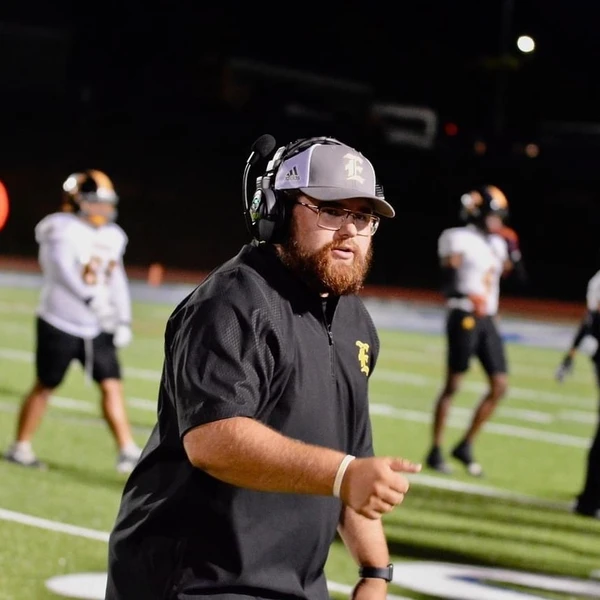
I am a full time student pursuing a degree in education, a paraprofessional supporting students with disabilities, and a varsity coach mentoring young athletes. These roles reflect my dedication to leadership, service, and inclusive education. In my work as a paraprofessional, I’ve supported students who are non-verbal, use assistive technology, or communicate through gestures and expressions. I’ve learned that the most effective educators are those who take the time to observe, listen, and adapt. Whether it’s using visual schedules, tactile supports, or music and movement, I strive to create environments where students feel safe, understood, and excited to learn.
If I were working with a child like Rebecca, I would begin by learning her preferences, strengths, and sensory needs. I would collaborate with her family and team to develop a communication system that works for her—whether that’s through AAC devices, picture exchange, or consistent routines. I would build goals around her interests, like music, movement, and social interaction, and celebrate every milestone with genuine enthusiasm. Most importantly, I would make sure she knows she is valued, respected, and capable.
Family plays a central role in the education and progress of a disabled child. Families offer insight into their child’s personality, history, and daily life. They are the first teachers and lifelong advocates. I believe educators must honor that partnership by communicating openly, involving families in decision-making, and creating programming that reflects their child’s identity and culture. When families feel heard and supported, students thrive.
I confirm my intent to work in special education, pre-k through 12th grade. My goal is to become a certified special education teacher who designs accessible, strengths-based instruction for students with diverse needs. I want to help students discover their own presence, as Professor Harold Bloom described, and to build classrooms where every learner is seen and celebrated.
Financially, I face significant challenges. I work full time as a paraprofessional while attending college full time. I also coach two varsity sports, which adds to my weekly responsibilities. I receive limited financial aid and rely on personal income to cover tuition, books, and living expenses. I have taken out student loans to continue my education, and I am committed to repaying them through service and dedication to my field. This scholarship would ease the financial burden and allow me to focus more fully on my academic and professional growth.
Rebecca’s legacy is one of joy, resilience, and connection. I hope to honor that legacy by becoming the kind of educator who sees beyond disability, who listens with intention, and who builds learning experiences that spark laughter, curiosity, and pride. Thank you for considering my application.