user profile avatar

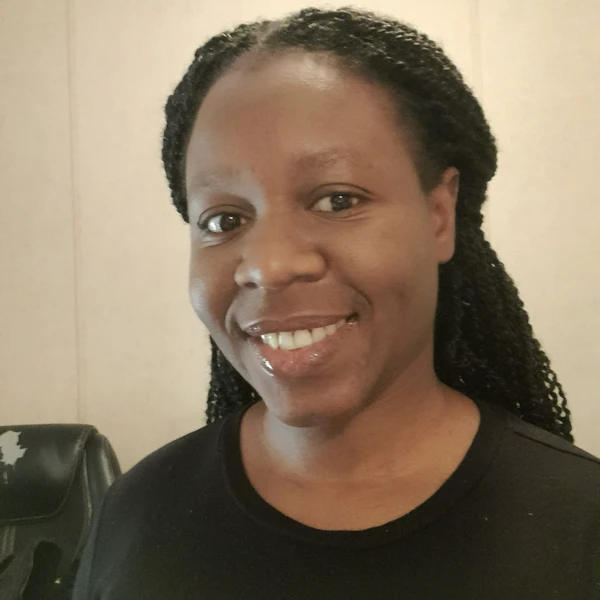
Beulah Musangu

1x

Finalist

Bio

Beulah M. Musangu is a Health Sciences student at Bunker Hill Community College, where she maintains a 4.0 GPA and was named to the Dean's List in Fall 2025. She holds a Diploma in CIMA (Chartered Institute of Management Accounting) and a Diploma in Gender Studies, bringing a multidisciplinary approach that combines analytical rigor, ethical frameworks, and human-centered perspectives to healthcare. Her poetry has been published in Tell Magazine, Bunker Hill's literary magazine. Beulah's long-term vision is to become a transformative leader in healthcare by integrating clinical expertise with strategic financial management. With plans to pursue the Global Chartered Management Accountant (GCMA) designation, she is positioning herself to lead healthcare organizations that balance compassionate patient care with sound operational stewardship. Her ultimate dream is to give back to her home country of Zambia by building a school and a hospital—institutions that will provide essential services while creating opportunities for education, employment, and community development. This vision is rooted in her commitment to service, leadership, and the belief that access to healthcare and education are fundamental human rights.

Education

Bunker Hill Community College

Associate's degree program
2025 - 2027
  • Majors:
    • Registered Nursing, Nursing Administration, Nursing Research and Clinical Nursing
Bunker Hill Community College

Associate's degree program
2025 - 2027
  • Majors:
    • Registered Nursing, Nursing Administration, Nursing Research and Clinical Nursing

Miscellaneous

  • Desired degree level:

    Bachelor's degree program

  • Graduate schools of interest:

  • Transfer schools of interest:

  • Majors of interest:

  • Not planning to go to medical school
  • Career

    • Dream career field:

      Hospital & Health Care

    • Dream career goals:

      My long-term vision is to become a transformative leader in healthcare by integrating clinical expertise with strategic financial management. I am currently pursuing an Associate Degree in Nursing at Bunker Hill Community College, with plans to complete studies in Management Accounting and earn the Global Chartered Management Accountant (GCMA) designation. This dual expertise will position me to lead healthcare organizations with both compassionate patient care and sound operational stewardship. I believe that effective healthcare leadership requires more than clinical knowledge—it demands an understanding of the systems, resources, and financial structures that sustain quality care. By combining nursing with management accounting, I will be equipped to make informed decisions that balance patient outcomes with organizational sustainability, ensuring that the institutions I lead can serve their communities effectively and ethically. My ultimate dream is to give back to my home country of Zambia by building a school and a hospital. These institutions will not only provide essential services but will also create opportunities for education, employment, and community development. I envision a healthcare facility that delivers quality care to underserved populations and a school that empowers the next generation with knowledge and skills to build a brighter future. This vision is rooted in my commitment to service, leadership, and the belief that access to healthcare and education are fundamental human rights. I am driven by the desire to create lasting change—not just for individuals, but for entire communities. Through strategic planning, financial acumen, and compassionate leadership, I will work toward making this dream a reality, one step at a time.

      Future Interests

      Advocacy

      Volunteering

      Philanthropy

      Entrepreneurship

      Michele L. Durant Scholarship
      I am a Zambian student pursuing an associate degree in health sciences, and my academic journey has been shaped as much by ambition as by financial reality. I have always been drawn to fields that require precision, discovery, and problem-solving. As a child, I dreamed of becoming a pilot. Later, I considered aerospace engineering because I was fascinated by how complex systems function and how innovation transforms possibility into reality. Over time, my path shifted—not because my curiosity faded, but because I had to think strategically about sustainability. I chose programs of study based not only on interest but also on economic survival. I studied gender studies believing it would provide stable employment. I explored accounting with the intention of financing my long-term goals independently. I am now in health sciences, where I see a direct connection between science, infrastructure, and community well-being. My journey may appear nonlinear, but it reflects determination. I have never abandoned my goals; I have simply adjusted the route toward them. As a Black woman pursuing higher education, I am acutely aware of the financial barriers that disproportionately affect women of color. Access to education often comes with debt, limited mentorship, and the pressure to choose practicality over passion. I have had to weigh every academic decision carefully, asking not only what inspires me, but what will sustain me. These experiences have strengthened my resilience and sharpened my long-term vision. My aspiration is to contribute meaningfully to healthcare infrastructure and educational access in Zambia. I have witnessed hospitals operate under severe resource limitations and rural communities struggle with preventable health conditions linked to environmental and economic factors. My long-term goal is to help build a healthcare facility that integrates clinical care with public health outreach and community education. I also hope to establish a school that emphasizes science and leadership, particularly for young girls who may not see themselves represented in STEM and medical fields. Impact, to me, is not measured only by titles but by systems strengthened. I want to occupy spaces where decisions about healthcare access, research priorities, and resource allocation are made. Representation matters in leadership. When Black women enter high-level positions in science and healthcare, we expand what is considered possible for those who come after us. This scholarship would provide more than financial support. It would create breathing room—time to focus on academic excellence, leadership development, and community engagement without constant financial strain. Michele L. Durant’s legacy as a lifelong learner resonates deeply with me. Education, especially for Black women, is not simply personal advancement; it is generational investment. I plan to use my education to build institutions, mentor young women, and contribute to equitable healthcare systems. My journey has required adaptability, discipline, and courage. Those same qualities will guide the impact I intend to make in my community and the world.
      Stephan L. Daniels Lift As We Climb Scholarship
      Growing up in Zambia, I wanted to be a pilot. I was fascinated by flight—how something so heavy could rise into the sky through engineering, calculation, and precision. That curiosity led me to dream about becoming an aerospace engineer because I have always loved discovery, fixing problems, and understanding how systems work. As I grew older, I began to understand that dreams require resources. I chose to study gender studies not because it was my passion, but because I believed it was a practical path toward employment. I planned to secure a job and fund my true ambitions myself. Later, I began studying accounting, thinking financial stability would give me the freedom to pursue engineering. Eventually, I found myself in health sciences, recognizing that science—no matter the branch—remains the foundation of problem-solving. My academic journey may look nonlinear, but the goal has never changed: I want to build systems that improve lives. I once imagined becoming a nurse anesthesiologist, earning enough to sponsor myself into medical school, becoming a physician, and one day building a hospital and a school in Zambia. Those dreams remain, even if I do not always speak them aloud. STEM represents possibility to me. It is the power to solve practical problems—whether designing aircraft, improving surgical outcomes, or developing better public health systems. In Zambia, I have seen hospitals operate with limited equipment, communities rely on charcoal despite respiratory risks, and families lose crops to drought without technological support. These challenges are not abstract; they are engineering, medical, and scientific gaps. Black students remain underrepresented in STEM, particularly in engineering and advanced medical fields. When we are absent from research labs, design teams, and hospital leadership, solutions are often created without understanding our realities. I pursue STEM because representation influences innovation. Communities like mine need scientists, engineers, and healthcare professionals who understand both technical systems and lived experience. Even when my path shifted from aerospace dreams to health sciences, my desire to fix, discover, and build has never changed. STEM has taught me resilience—the ability to test, adjust, and try again. That same mindset guides my life. This scholarship would not only reduce financial strain; it would reinforce my belief that ambitious dreams are not unrealistic simply because they require detours. My long-term vision remains centered on service: strengthening healthcare infrastructure, mentoring young students in Zambia, and contributing to scientific fields where Black voices are still underrepresented. Dreams evolve. Circumstances shift. But the commitment to use science and education to uplift communities remains constant. Through STEM, I intend to transform adaptation into impact—and ensure that the next generation does not have to choose between survival and aspiration.
      Maggie's Way- International Woman’s Scholarship
      Reading about “Maggie” Kwiecien, I did not just see an accomplished engineer—I saw courage. I saw a woman who crossed borders alone, embraced challenge without fear, and pursued excellence relentlessly. In many ways, her journey mirrors my own. Like Maggie, I moved to the United States in pursuit of education, leaving behind familiarity, comfort, and a support system to build something greater for my future. I was born in Zambia and arrived in the U.S. with hope, determination, and limited financial security. Adjusting to a new country while navigating immigration restrictions, financial hardship, and academic pressure has tested me in ways I never anticipated. As an F-1 student, I am restricted in employment opportunities, and after my brother—who initially supported me—returned to Africa, I had to learn how to stand independently with minimal resources. Like Maggie, I stepped into a foreign environment without a safety net. The courage to stay, to adapt, and to succeed despite uncertainty is something I deeply relate to in her story. Before coming to the U.S., my life had already shaped my resilience. I experienced financial instability during high school when my family lost our home due to debt. I studied under stress, with loan collectors knocking at our door, yet I refused to abandon my education. Later, during my Chartered Institute of Management Accounting studies, I was involved in a road accident and broke my femur. After three months in the hospital, I returned to sit for exams, barely walking on crutches. I studied a 700-page textbook within weeks and completed seven consecutive exams over seven months to catch up with my class. Maggie’s fearlessness in physical challenges resonates with me—not because I climbed mountains, but because I faced my own physical and emotional mountains and chose not to retreat. Like Maggie, I am intellectually ambitious. I love pursuing knowledge beyond comfort. I began in Gender Studies, later studied accounting, and now I am pursuing nursing—a STEM field that demands both scientific precision and emotional intelligence. Despite financial stress and personal health challenges, I earned a 4.0 GPA and was named to the Dean’s List at Bunker Hill Community College. Academic excellence, to me, is not about competition—it is about honoring the sacrifices that brought me here. Maggie was known for her boldness in debate and her drive to become an expert in whatever she pursued. I, too, am driven by mastery. Nursing requires courage to make critical decisions, to remain calm under pressure, and to advocate for vulnerable patients. My long-term goal is to specialize in nurse anesthesiology and eventually help improve healthcare access in underserved communities, including in Zambia. Like Maggie, I do not want to participate in my field—I want to excel in it. Financial need is part of my reality. As an international student without access to federal aid, every semester represents both opportunity and uncertainty. However, I do not see need as weakness. Instead, it fuels my ambition. It reminds me daily why I must succeed—not only for myself, but for the communities I hope to serve. What makes me most like Maggie is not just ambition or bravery, but the willingness to move forward despite fear. She moved across continents alone. I did the same. She pursued expertise relentlessly. I strive to do the same. She lived boldly. I am learning to live boldly, too. This scholarship would not only ease financial strain; it would affirm that women who cross borders with courage and purpose belong in spaces of excellence. Like Maggie, I aim to build a life defined not by obstacles, but by determination, intellect, and impact.
      Julie Holloway Bryant Memorial Scholarship
      I am a student shaped by movement, culture, and the necessity of adaptation. My father is Mbunda, my mother is Lozi, and I was born in Mpika, a Bemba-speaking region of Zambia. At four years old, I faced my first identity crisis: Which language should I speak? My father’s Mbunda, my mother’s Lozi, or Bemba—the language my peers used? I tried to navigate all three at once. Instead, I went silent. I stopped speaking entirely. My mother took me to the clinic, worried. The advice was simple but painful: choose one language. So I learned Bemba, the language of the land, and slowly found my voice again. But a year later, at five, we relocated to Lusaka, where Nyanja became the dominant language taught in schools. If I wanted to pass my exams, I had no choice but to learn it. English, the official language of instruction, was non-negotiable. At home, our farm workers came from my mother’s Lozi-speaking homeland. To communicate with them, I was forced to speak Lozi. My cousins on my father’s side refused to use English and had little patience for anything but Mbunda. To belong with them, I had to pick up enough of my father’s language to appease them. By the time I was a teenager, I had become a linguistic chameleon—switching between Bemba, Nyanja, Lozi, Mbunda, and English depending on who stood in front of me. This is not a romantic story of being “gifted” with languages. It is a story of necessity, displacement, and constant code-switching just to be heard. But what began as survival became strength. Multilingualism taught me how to listen beyond words—to hear tone, read silence, and understand what is not being said. It sharpened my empathy and gave me the ability to connect across cultural and social boundaries. The challenge of multilingualism is real. Translating my thoughts into academic English sometimes feels like crossing a river—carefully choosing words so meaning is not lost. There are concepts in Lozi that have no English equivalent, emotions in Bemba that resist translation. But the benefits far outweigh the struggle. I can meet people where they are. I can serve communities that others cannot reach. Post-graduation, I plan to build a career in nursing, where my cultural awareness and language skills can directly serve patients. I am particularly drawn to working with underserved and immigrant populations, where trust, communication, and cultural sensitivity determine whether care succeeds or fails. My multilingualism is not a credential—it is lived experience that prepares me to care for patients who feel invisible or unheard in systems not built for them. I see myself as a bridge between cultures, between patients and providers, and between systems and the people they serve. I am not scattered by my diversity; I am woven by it. Each language I carry has prepared me to listen deeply, serve compassionately, and lead with humility. I am Mbunda and Lozi, born in Bemba land, raised in Nyanja warmth, and shaped by English structure. I am not one thing. I am the convergence. And as I move forward, I carry the voices, values, and resilience of generations before me—rooted in heritage, guided by purpose, and committed to becoming a nurse who heals not only bodies, but communities.
      Harvest Scholarship for Women Dreamers
      My “pie in the sky” dream is to build a life that heals people individually while transforming the systems that shape their well-being. It feels just out of reach, not because it is impossible, but because it requires patience, courage, and long-term commitment. At its core, my dream is to become a Certified Registered Nurse Anesthetist (CRNA) who serves with compassion, helping to create sustainable healthcare and educational structures that uplift underserved communities. This dream was sparked by lived experience rather than imagination. I grew up in Lusaka Province and later relocated to a rural area, where I witnessed the stark contrast in access to healthcare. I recall visiting a small church-funded clinic that served an entire community—patients waiting on wooden benches under a tin roof, with limited medications and no surgical capacity. In rural communities, clinics were scarce, under-resourced, and often overwhelmed; yet, they served as lifelines for entire populations. Later, caring for my parents through serious illness showed me how fragile life becomes when healthcare is limited, and how powerful, consistent, compassionate care can be. Nursing became the foundation of my dream because it allows me to serve people at their most vulnerable moments while grounding my work in dignity and human connection. What makes this dream feel “pie in the sky” is my desire to think beyond individual success and toward collective impact. I imagine a future where healthcare is not a privilege reserved for a few, but a shared responsibility sustained by thoughtful systems. I want to work as a CRNA while contributing to community health initiatives that improve access, education, and preventive care—especially in underserved and rural settings. I envision mobile surgical teams that bring safe anesthesia and essential procedures to remote areas, and training programs that equip local healthcare workers to provide quality perioperative care. My goal is not to fix everything at once, but to participate in building solutions that last. What scares me is the scale of the need and the possibility of falling short. There are moments when I wonder if one person’s effort can truly make a difference against such overwhelming inequality. But I have learned that fear is not a reason to stop—it is a reminder that the work matters. Reaching this dream will require discipline, humility, and continuous learning. The first step is completing my nursing education with excellence and gaining hands-on experience in patient care. From there, I plan to pursue advanced training to become a CRNA, mastering not only technical skills but also leadership, communication, and cultural competence. I know that service without competence can cause harm, so mastery of my profession is essential. Equally important is personal growth. This dream demands resilience—the ability to persist through setbacks, uncertainty, and slow progress. I have learned that meaningful change rarely happens quickly. It requires showing up consistently, listening deeply, and adapting when plans evolve. I will need mentors, collaboration, and the courage to start small while thinking long-term. To me, this dream represents a life guided by purpose rather than comfort. It is the courage to imagine a future where care, equity, and sustainability coexist, and the commitment to work patiently toward that vision. Even if the dream remains just beyond reach, striving toward it ensures that my life is rooted in service, growth, and meaningful impact—and that, in itself, is a life well lived.
      Dashanna K. McNeil Memorial Scholarship
      I am currently pursuing an Associate of Science in Nursing because my life experiences have shown me the profound impact that compassionate, skilled healthcare can have on individuals and communities. I was raised in Lusaka Province, Zambia, and later relocated to a rural area in 2016. This move exposed me to stark differences in healthcare access between urban and rural communities. In the rural setting, clinics were few, under-resourced, and served large populations. Witnessing families struggle to access care deeply shaped my perspective and inspired my commitment to nursing, particularly for underserved populations who often feel overlooked by healthcare systems. My personal journey has strengthened my resilience, empathy, and dedication. During my final year of secondary school, my family faced severe financial hardship that resulted in the loss of our home. Despite these obstacles, I persevered and continued to prioritize education. In 2014, I was involved in a serious road accident that left me with a broken femur. After a three-month hospitalization, I returned to my studies just two weeks after surgery, using crutches and completing seven consecutive exams to catch up with my peers. These experiences taught me determination, mental endurance, and deep appreciation for healthcare professionals. After relocating to the rural area, limited resources and minimal electricity meant I often studied by candlelight. Caring for my parents through serious health challenges—my mother’s kidney condition and my father’s stroke—taught me the importance of patience, consistency, and compassion in caregiving. These experiences shaped my commitment to human dignity and reinforced my desire to serve others professionally as a nurse. As I continue my nursing education, I am particularly drawn to nurse anesthesiology as my long-term career goal. During my own hospitalization, I witnessed firsthand the critical role that anesthesia professionals play in patient safety, comfort, and surgical outcomes. The precision, clinical expertise, and calm presence required in that role left a lasting impression on me. Pursuing certification as a Certified Registered Nurse Anesthetist (CRNA) represents the intersection of my interest in acute care, my respect for scientific rigor, and my desire to serve patients during their most vulnerable moments. Beyond direct patient care, I am interested in the broader systems of healthcare delivery. My background in gender studies and management accounting has given me skills in leadership, organization, and strategic thinking. I aspire to use these skills to improve access to anesthesia services in underserved areas, educate communities on surgical safety, and advocate for policies that reduce disparities in perioperative care. To me, a successful life in nursing is one where technical skill and compassion coexist. It is measured by the trust built with patients, the lives improved through equitable care, and the positive changes made within healthcare systems. As a nurse anesthetist, I hope to provide excellent clinical care while expanding access to safe anesthesia services in communities that lack adequate resources. In summary, my personal and academic journey has prepared me for the challenges and rewards of nursing and the rigorous path toward becoming a CRNA. The obstacles I have faced have shaped my character, strengthened my empathy, and confirmed my commitment to healthcare. Through nursing and ultimately nurse anesthesiology, I aim to transform these experiences into compassionate, competent care, serving individuals and communities with dignity and dedication.
      Jessie Koci Future Entrepreneurs Scholarship
      I am currently studying Health Sciences with the goal of becoming a nurse because I believe healthcare is one of the most direct and meaningful ways to serve humanity. Nursing, to me, is not only a profession but a calling—one rooted in compassion, dignity, and service. I want to uplift the souls of people by caring for them at their most vulnerable moments, advocating for their well-being, and restoring hope through competent and empathetic care. My educational journey across health sciences, gender studies, and management has reinforced my belief that healing individuals and strengthening communities are deeply connected. Alongside my nursing career, I have intentionally planned an entrepreneurial path because I understand that sustainable service requires sustainable systems. My background in Chartered Institute of Management Accounting (CIMA) taught me that impact is amplified when compassion is paired with sound financial strategy. I was inspired by a close friend in Zambia who runs a nonprofit focused on hepatitis B advocacy and prevention. Watching him successfully write grants and secure over $100,000 annually to fund his organization taught me that resourcefulness and clear vision can attract support. However, I also observed the limitations of grant dependency—the constant need to appeal to external funders, the uncertainty of renewal cycles, and the lack of long-term financial autonomy. This realization shaped my entrepreneurial direction. Rather than relying solely on donations or grants, I chose to build wealth through nursing and strategic investment so that I can self-fund sustainable community projects. My vision is to invest in real estate by developing rental housing, and to establish a hybrid healthcare and education model where urban hospitals and schools operate as for-profit institutions while rural hospitals and schools function as nonprofit organizations. This model is based on market segmentation—pricing and service delivery aligned with geography and demographics. Urban institutions serving populations with greater financial capacity will generate revenue that helps subsidize healthcare and education in rural communities where access and affordability are limited. In this way, economic participation from those who can afford to pay supports those who cannot, creating a balanced system that promotes equity without sacrificing quality or sustainability. I believe I will be successful in my business endeavors because my motivation goes beyond profit, and my strategy goes beyond charity. Many ventures fail because they lack purpose, discipline, or adaptability. I bring all three. My academic record reflects consistency and self-discipline, while my diverse educational background allows me to understand people, systems, and resources holistically. I am not afraid to learn, to start small, or to think long-term. I also understand that service without structure collapses, and profit without purpose empties. Having witnessed both grant-funded models and for-profit ventures, I am building an approach that combines the best of both: financial sustainability with social mission. To me, a successful life is one where impact and integrity coexist. Success means using my skills to heal, to build, and to redistribute opportunity in a way that uplifts communities rather than exploits them. It looks like hospitals that save lives, schools that educate future leaders, homes that provide stability, and a career that remains anchored in service. Ultimately, success is leaving the world more just, more compassionate, and more hopeful than I found it.
      Rose Ifebigh Memorial Scholarship
      I describe myself as a resilient, purpose-driven learner shaped by movement, adaptation, and service. I was raised in Lusaka Province, Zambia, in an urban environment where access to education and basic services was more structured. In 2016, my family relocated to a rural area, a transition that deeply reshaped my worldview. Moving from an urban center to a community with limited healthcare infrastructure exposed me to stark inequalities in access to care, education, and opportunity. In the rural area, a single clinic—funded by a church—served a large population with minimal resources. Witnessing this contrast between environments instilled in me values of compassion, responsibility, and a strong commitment to community service. As a member of the African diaspora now studying in the United States, I carry with me the lessons of both urban privilege and rural scarcity, which continue to shape who I am today. Living and studying in a cultural and educational environment different from where I grew up has been transformative. As an international student in the United States, I have had to navigate new academic expectations, digital learning platforms, and social norms. The U.S. education system emphasizes independence, self-advocacy, and critical thinking—skills I had to intentionally develop. Initially, adjusting to this environment required courage: learning to speak up in class, seek academic support, and manage unfamiliar technologies. Over time, these challenges strengthened my adaptability and confidence. Being immersed in a multicultural learning environment also expanded my understanding of global interconnectedness and equity, allowing me to appreciate both the differences and shared humanity across cultures. Through my educational journey so far, I have gained new perspectives about myself and my role in the world. Academically, I learned that excellence is built through discipline and consistency, a lesson reflected in my 4.0 GPA and Dean’s List recognition. Personally, I discovered resilience not as silent endurance, but as the ability to grow through change and uncertainty. Culturally, I now see myself as a bridge—someone who carries African communal values into Western academic spaces while acquiring knowledge that can be reinvested into underserved communities. One of the most meaningful lessons I have learned is that representation matters. As an African woman pursuing Health Sciences, my presence challenges limitations placed on who belongs in academic and healthcare spaces. My academic interests in Health Sciences are directly connected to the impact I hope to make. I aspire to become a nurse who provides compassionate, culturally competent care while advocating for health equity and patient education. My experiences in both urban and rural Zambia have shown me how preventable conditions persist when access to care and information is limited. In the future, I hope to work with underserved and immigrant populations in the United States and eventually contribute to healthcare initiatives in Africa. Receiving this scholarship would reduce financial barriers and allow me to focus fully on my education, leadership development, and community engagement. More importantly, it would affirm my journey and strengthen my capacity to transform education into service. My story is one of transition—from Lusaka Province to rural Zambia, and from there to an American classroom. With continued support, I am committed to turning my experiences into advocacy, my education into impact, and my goals into meaningful service for communities that deserve dignity, care, and opportunity.
      Ed and Flora Pellegri Scholarship
      The obstacles I have faced in my life have been numerous, deeply personal, and transformative. Rather than breaking me, they have shaped my resilience, strengthened my empathy, and guided me toward a career rooted in service and compassion. Each challenge has reinforced my belief that adversity, when met with perseverance and faith, can become a powerful source of purpose. One of the earliest and most impactful obstacles I encountered was financial hardship. During my final year of secondary school, my family faced overwhelming debt that resulted in the loss of our home. Loan collectors frequently came to our door, creating an environment of constant stress and fear. Attempting to focus on my studies under such pressure was extremely difficult, and despite my efforts, I did not earn enough points to gain immediate admission to university. This experience taught me humility and perseverance, and it forced me to confront disappointment without surrendering my belief in education as a pathway forward. Health-related obstacles further tested my determination. In 2014, I was involved in a road accident that resulted in a broken femur and a three-month hospital admission. Falling behind academically was discouraging, but giving up was never an option. With encouragement from my father, I returned to my studies just two weeks after surgery, using crutches and studying intensively. Over seven consecutive months, I sat for seven examinations to catch up with my classmates. This period strengthened my discipline, mental endurance, and appreciation for the healthcare professionals who supported my recovery—an early influence on my eventual career choice. Another major obstacle was instability caused by relocation and limited resources. In 2016, my family moved from town to a rural farm and began rebuilding our lives from scratch. We faced extreme hardship, including inadequate housing and limited electricity, which meant studying by candlelight. During this time, I failed a course and temporarily abandoned my academic goals. However, living in a rural area also exposed me to the reality of limited access to healthcare and reinforced my awareness of how vulnerable communities suffer when medical services are scarce. My greatest challenges came through family illness. After several years on the farm, my mother developed a kidney condition, followed by my father suffering a stroke. I became deeply involved in their care—monitoring blood pressure, managing medications, and providing daily support. Witnessing their vulnerability and the gaps in available care awakened my desire to serve others facing similar challenges. I learned that healing is not only about treatment, but about patience, consistency, and compassion. These obstacles shaped my career choice by revealing my capacity for caregiving and my commitment to human dignity. Nursing aligns with who I have become through adversity: resilient, attentive, and service-oriented. My experiences taught me to remain calm under pressure, advocate for others, and approach suffering with empathy rather than fear. Today, as a nursing student, I see my past obstacles not as limitations, but as preparation. They have given me a deep understanding of hardship, a strong work ethic, and a genuine desire to make a difference in the lives of others. Through nursing, I aim to transform my lived experiences into compassionate, competent care for those who need it most.
      Susie Green Scholarship for Women Pursuing Education
      My educational journey began during one of the lowest points in my life. In 12th grade, my family faced overwhelming debt that caused us to lose our home. Loan sharks frequently knocked on our door, creating a constant environment of stress and fear. Focusing on my studies seemed impossible. When I wrote my final exams under such pressure, I did not score enough points to gain admission to university, leaving me feeling lost and uncertain about my future. Despite these challenges, I refused to surrender to despair. I was accepted into a government-sponsored diploma program in Gender Studies, which allowed me to continue learning despite my circumstances. Later, I pursued a diploma with the Chartered Institute of Management Accounting (CIMA), sponsored by my brother, who had earned a scholarship to study in the United States and worked at a university library. While grateful for his support, my journey remained far from easy. During my second semester, I suffered a road accident and broke my leg. Many would have given up, but I was determined to continue. My father encouraged me, saying I would write my exams by the end of the month—just two weeks after surgery. Barely able to walk on crutches, I studied a 700-page Kaplan textbook for three weeks and wrote the exam in the fourth. For seven consecutive months, I wrote seven exams to catch up with my class. That experience taught me that perseverance is not the absence of storms but learning to sail through them. In 2016, my family relocated to a rural farm. Life was extremely challenging—sleeping in unfinished shelters, studying by candlelight, and building our home from scratch. I failed my project management course and temporarily gave up on my academic dreams. Yet when my brother invited me to visit the United States in September 2024, he encouraged me to consider staying and continuing my studies. Adjusting to a new country brought immigration stress, financial hardship, and the limitations of an F-1 student visa, which allowed only minimal campus work. With my brother back in Africa, I had only one sibling supporting me. Through it all, faith and self-belief sustained me. I expressed my resolve in a poem: “Not every storm means shipwreck. Not every silence means absence. For even the God who walks on water sometimes lets the winds rise— just to test if I’ve learned to float.” This poem reminds me that challenges do not define my ability to succeed. Age, past failures, or the accomplishments of my younger siblings—some of whom hold PhDs and master’s degrees—have never discouraged me. Instead, they motivate me. I believe there is a time for everything, and with persistence, focus, and faith, anyone can achieve their goals. Today, I am thriving academically, earning a 4.0 GPA and a place on the Dean’s List while pursuing my nursing degree at Bunker Hill Community College. The courage to return to school came from faith, determination, family support, and the refusal to let circumstances beyond my control steal my peace or my potential. I now approach education as a purpose-driven journey: to equip myself to serve others, make a positive impact, and transform challenges into opportunities. My story is a testament that perseverance and faith can turn even the darkest chapters into a future full of promise, hope, and accomplishment.
      Losinger Nursing Scholarship
      My inspiration to pursue a career in nursing is rooted in lived experience, resilience, and a deep sense of responsibility toward others. I was born in Mpika, Zambia, and completed my schooling in Lusaka. In 2016, my family relocated from town to a rural area to establish a farm, where access to healthcare was limited and often delayed. This transition exposed me to the realities faced by underserved populations and revealed how profoundly health outcomes are shaped by geography, resources, and education. Coming from a low-income family, my educational journey required perseverance and faith. I began my studies through a government-sponsored diploma in Gender Studies, which helped me understand how poverty, gender, and social structures affect access to healthcare. Later, I pursued a diploma with the Chartered Institute of Management Accounting with the support of my brother, who funded my education through income earned while working in the United States. Although my academic path was interrupted by hardship, including building a farm from scratch and periods of instability, these experiences strengthened my resilience and commitment to service. My calling to nursing became deeply personal when illness affected my family. My mother developed a kidney condition, and later my father suffered a stroke. I became closely involved in caregiving—monitoring blood pressure, managing medications, and providing constant support. Through this experience, I learned that healing extends beyond medical treatment; it requires patience, compassion, and presence. A family member once told me that I had “the heart of a nurse or a doctor,” affirming what I had already begun to feel. Nursing became my chosen path because it allows me to provide direct, compassionate care while advocating for dignity and equity in health. To me, the phrase “human touch” represents the intentional presence, empathy, and compassion that nurses bring into every patient interaction. While clinical skills and medical knowledge are essential, human touch is what transforms healthcare from a technical service into a healing experience. It is expressed not only through physical contact, but through listening, reassurance, respect, and genuine concern for a patient’s well-being. Human touch means recognizing patients as individuals rather than diagnoses. It involves acknowledging their fears, cultural backgrounds, emotional states, and personal stories. During my experience caring for my parents, I saw firsthand how reassurance, calm communication, and attentiveness could reduce anxiety even when outcomes were uncertain. A gentle tone, patience while explaining procedures, or simply being present during moments of vulnerability can provide comfort that medicine alone cannot offer. In patient care, human touch plays a critical role in building trust. When patients feel seen and heard, they are more likely to engage in their care, follow treatment plans, and communicate concerns. This trust is especially important for patients facing chronic illness, trauma, or stigma. For example, individuals managing long-term conditions often struggle not only with physical symptoms but also with fear, isolation, and loss of dignity. Compassionate nursing care helps restore a sense of control and hope. Human touch also impacts outcomes by supporting emotional and psychological healing. Research and lived experience show that stress and fear can negatively affect recovery. A nurse’s ability to provide reassurance, maintain eye contact, and offer encouragement can reduce stress levels and promote healing. Even small gestures—such as explaining a procedure clearly or checking in frequently—can make a significant difference in how patients experience care. As a future nurse, I view human touch as a professional responsibility and a moral commitment. It requires self-awareness, cultural sensitivity, and emotional intelligence. In a fast-paced healthcare environment, it can be easy to focus solely on tasks, but human touch reminds us why nursing exists: to care for people at their most vulnerable moments. By combining clinical competence with compassion, I aim to provide care that heals both the body and the spirit, ensuring that every patient feels valued, respected, and supported.
      Harry & Mary Sheaffer Scholarship
      Building a more empathetic and understanding global community begins with awareness, collaboration, and a willingness to serve beyond personal boundaries. While I do not yet have a fixed blueprint for global impact, I believe empathy grows when people use their lived experiences, professional skills, and relationships to address real human needs. My journey has taught me that meaningful change often starts by learning from those already doing the work and allowing their example to shape future action. My unique perspective is shaped by my upbringing in Zambia and my current education in the United States. Navigating different cultures, healthcare systems, and socioeconomic realities has helped me develop a deep sense of empathy and adaptability. I have witnessed how lack of information, stigma, and limited access to care can isolate individuals and communities. These experiences have motivated me to seek ways—both locally and globally—to contribute to understanding, dignity, and health equity. As a nursing student, my primary contribution to building a more empathetic global community lies in healthcare education and patient advocacy. Nursing is fundamentally about listening, educating, and providing care without judgment. Through culturally sensitive health education, I can help individuals understand their conditions, reduce fear, and make informed decisions. Even when working in one community, these efforts ripple outward by fostering trust and shared understanding. I am particularly inspired by a close friend who runs a non-governmental organization in Zambia dedicated to fighting Hepatitis B. His organization travels across the country providing education on prevention, treatment options, and emotional support for individuals facing stigma related to the disease. Observing this work has shown me the power of combining medical knowledge with compassion and community engagement. It has also made me realize how much impact can be achieved through education, advocacy, and presence—often with limited resources but strong commitment. In the future, with the right mentorship and collaborative partners, I hope to either support or help lead an organization with a similar mission. I envision using my nursing education to contribute to public health outreach, particularly in areas where misinformation and stigma prevent people from seeking care. This could involve remote health education, partnerships with local organizations, or on-the-ground initiatives focused on disease prevention and mental health support. While I recognize that leadership of such an organization requires experience and guidance, I am open to learning from those already engaged in this work. In addition to healthcare, I believe storytelling and communication are powerful tools for building empathy. Having had my poetry published in a college magazine, I have seen how personal narratives can humanize health issues and reduce stigma. Sharing stories—whether through writing, community forums, or digital platforms—helps people understand that illness does not define a person’s worth. These conversations are essential in creating a global culture rooted in compassion rather than fear. Ultimately, I believe that one does not need vast resources to make a difference. Empathy begins with the people around us and expands through collaboration. By combining my healthcare training, cultural awareness, creativity, and willingness to learn, I hope to contribute to a global community that values understanding, supports vulnerable populations, and works collectively toward a healthier, more compassionate world.
      Jim Maxwell Memorial Scholarship
      This opportunity is deeply meaningful to me because it represents far more than academic or professional advancement; it affirms a journey shaped by faith, perseverance, and a calling to serve others. My story is one of resilience, grounded in the belief that God equips each person with talents meant not for personal gain alone, but for the upliftment of humanity. Throughout my life, faith has been my anchor during hardship and my compass during moments of uncertainty. I was born in Mpika, Zambia, and educated in Lusaka. Coming from a low-income family, I learned early that progress often requires sacrifice, patience, and trust in God’s timing. My faith sustained me through educational interruptions, financial hardship, and physical adversity. In 2014, I was hospitalized for three months due to a broken femur, which caused me to fall significantly behind in school. With prayer, discipline, and determination, I spent seven consecutive months writing examinations until I caught up with my classmates. That experience strengthened my belief that perseverance, guided by faith, can overcome even the most discouraging obstacles. My commitment to service has always been closely tied to my faith. I have served as Vice Treasurer at Situmbeko City Seventh-day Adventist Church, a role that taught me accountability, stewardship, and integrity. Managing church resources reinforced my belief that faith is expressed not only through words, but through responsible action. In addition, I worked with Catholic Relief Services for one month and completed an internship with Community for Human Development, where I witnessed faith in action through humanitarian service. These experiences showed me that compassion transcends denomination and that serving others is a universal expression of God’s love. Faith also sustained me during my family’s most difficult moments. When my mother developed a kidney condition and later when my father suffered a stroke, I became a caregiver at a young age. During long days of monitoring vital signs, administering medications, and managing uncertainty, prayer became my source of strength and peace. I learned to trust God not only for healing, but for the endurance to care faithfully when answers were not immediate. My guiding principle is simple: to use the talents God has given me to uplift the souls of others, in whatever capacity I am called to serve. This belief motivates my pursuit of nursing and fuels my long-term vision. If I am able to complete my education, secure stable employment, and earn sufficient resources, building a hospital or a school in an underserved community would be a dream fulfilled. However, my faith has also taught me that one does not need abundance to do good. True impact begins with those around us—family, neighbors, and community members—through small, consistent acts of kindness and service. Looking ahead, I plan to continue using my faith as a guiding force in reaching greater heights. Faith will shape my leadership, strengthen my compassion, and keep me grounded in humility as I pursue professional excellence. With God’s guidance, I aim to serve with integrity, uplift others through my work, and remain faithful to the calling that has shaped every step of my journey.
      Beverly J. Patterson Scholarship
      My passion for nursing is rooted in lived experience, resilience, and a deep respect for the role compassionate, skilled care plays in patient outcomes. My journey into nursing did not begin with a single moment, but through years of witnessing healthcare inequities, providing hands-on caregiving to my family, and overcoming personal and academic challenges. These experiences shaped my commitment to nursing as both a service and a lifelong calling. I was born in Mpika, Zambia, and completed my schooling in Lusaka. In 2016, my family relocated to a rural area to establish a farm, where access to healthcare was limited and often delayed. This transition exposed me to the realities faced by underserved populations and reinforced my desire to contribute meaningfully to healthcare. Coming from a low-income family, my education required persistence and sacrifice. I began with a government-sponsored diploma in Gender Studies, which deepened my understanding of social inequality and how poverty, gender, and geography affect access to care. Later, I pursued a CIMA diploma with the support of my brother, who funded my studies through income earned while working at a university library in the United States. My interest in nursing became deeply personal when illness entered my family. After several years on the farm, my mother developed a kidney condition, and caring for her became my primary responsibility. Two years later, my father suffered a stroke, requiring vigilant monitoring, medication management, and constant support. Measuring blood pressure, observing neurological changes, and ensuring adherence to treatment plans taught me the importance of precision, critical thinking, and calm decision-making—skills that align closely with advanced nursing practice. During this time, I learned that patients depend not only on medical knowledge, but on nurses who are attentive, steady, and compassionate. These qualities are what draw me specifically to nurse anesthesiology. I am passionate about this specialty because it combines advanced scientific knowledge, technical expertise, and direct patient advocacy. Nurse anesthetists play a critical role in patient safety, often caring for patients at their most vulnerable moments. I am particularly drawn to the responsibility of managing pain, maintaining physiological stability, and making rapid, evidence-based decisions in high-pressure environments. My experiences as a caregiver and my ability to remain focused under stress have prepared me well for this level of practice. Through my nursing career, I hope to gain advanced clinical expertise, leadership skills, and the ability to deliver safe, equitable anesthesia care across diverse settings. I aspire to work in environments that serve underserved and rural populations, where access to anesthesia providers is limited and outcomes depend heavily on skilled practitioners. As a nurse anesthetist, I hope to contribute to closing gaps in surgical and procedural care, both in the United States and eventually in resource-limited settings abroad. The impact I aim to make in nurse anesthesiology is grounded in patient-centered care, cultural sensitivity, and excellence in practice. I want my patients to feel safe, heard, and respected, and my colleagues to trust my competence and judgment. Having overcome personal hardship, health challenges, and academic pressure—including earning a 4.0 GPA and Dean’s List recognition while facing financial and health difficulties—I bring resilience, discipline, and empathy to everything I do. These qualities will define my contribution to nursing and to the specialized field of nurse anesthesiology.
      Mighty Memorial Scholarship
      My inspiration to pursue a nursing career is shaped by a lifetime of resilience, caregiving, and a deep awareness of how access to healthcare can change lives. I was born in Mpika, a district in Zambia, and completed my schooling in Lusaka. Although I did not grow up in a village, my understanding of healthcare disparities deepened in 2016, when my family relocated from town to a rural area to build a farm from the ground up. That experience exposed me to the stark contrast between urban and rural access to healthcare and solidified my desire to serve underserved communities. Coming from a poor family, my education has always required determination and sacrifice. I began my academic journey with a diploma in Gender Studies through a Zambian government-sponsored program for students from disadvantaged backgrounds. This education helped me understand how poverty, gender, and geography intersect to limit opportunities, particularly in healthcare. Later, I pursued a diploma with the Chartered Institute of Management Accounting (CIMA), made possible through the generosity of my brother, who was living in the United States at the time. He funded my studies using income from his job at the library at Furman University, reinforcing for me the value of education, family support, and perseverance. My CIMA studies were interrupted when my family moved to the rural area in 2016 to establish our farm. We faced extreme hardship, including sleeping in cars and a garage until we could build basic shelter. While this period paused my formal education, it strengthened my resilience, adaptability, and sense of responsibility—qualities that later became essential in both caregiving and nursing. My path toward nursing became unmistakably clear through personal health challenges within my family. After four years on the farm, my mother developed a kidney condition, and caring for her became my top priority. Two years later, my father suffered a stroke. I became deeply involved in his care, monitoring his blood pressure, ensuring medication adherence, and learning firsthand that stroke patients require constant, compassionate, and knowledgeable care. During this time, the lack of adequate medical support was overwhelming, but it also revealed my natural inclination toward patient-centered care. A significant part of my resilience was shaped earlier in life. In 2014, I was admitted to the hospital for three months due to a broken femur. I fell behind academically, but I refused to give up. For seven consecutive months, I wrote examinations every month to catch up with my classmates until I rejoined them at the same academic level. That experience taught me discipline, endurance, and the importance of advocating for myself—lessons that continue to guide me. When my cousin later observed my caregiving efforts, he told me, “Beulah, you have the heart of a nurse or a doctor.” Although I considered becoming a physician, I chose nursing because it allows me to provide direct, hands-on care while entering the profession sooner. Today, I am pursuing an Associate Degree in Nursing at Bunker Hill Community College, where I continue to demonstrate academic excellence despite challenges. During the Fall 2025 semester, I earned a 4.0 GPA and was named to the Dean’s List, even while struggling with dental health issues and financial hardship. Additionally, my poem was published in Tell Magazine, the college literary publication, reflecting my commitment to both academic and personal expression. These experiences—hardship, caregiving, academic perseverance, and creative expression—have shaped me into a compassionate and determined future nurse. I am driven not only by personal history, but by a lifelong commitment to improving healthcare access and outcomes for underserved communities like those that shaped my journey.