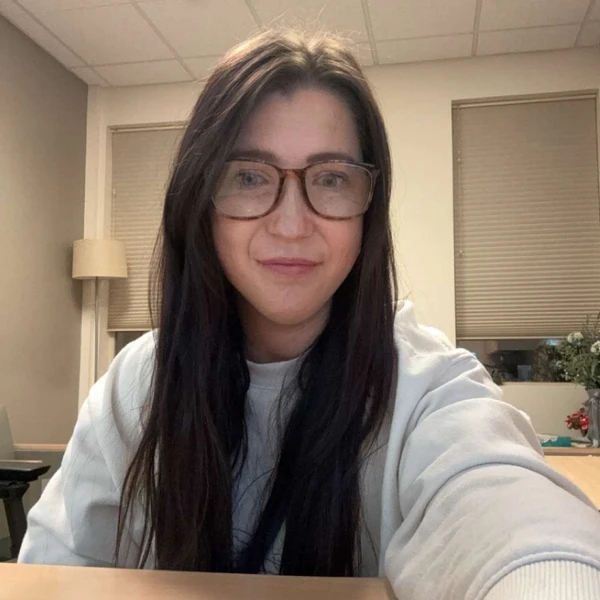
user profile avatar

Beth Pickett

1x

Finalist

Bio

I’m a Licensed Clinical Social Worker living in southern Utah with my amazing husband and daughter. I’m passionate about mental health, the healing power of connection, and creating access to care for underserved communities. Outside of work, I enjoy camping with my family, biking through the beautiful landscapes of Utah, reading a variety of books, and surrounding myself with people who inspire and uplift me. Through both personal experience and professional work, I’ve come to understand the deep importance of community—especially when facing medical or emotional challenges. I’ve had the privilege of connecting with others around the world through social media, offering and receiving support for shared health journeys. These connections remind me how vital it is to foster spaces of understanding, wherever they may exist. My career goal is to lead the development of integrated behavioral health programs within specialty clinics across the healthcare network I serve. I want to ensure that people—especially those who may not otherwise have access—receive compassionate, holistic mental health care. This work is personal to me. I’ve been fortunate to have support systems in place during difficult times, and I believe everyone deserves that same chance to heal and grow. I’m pursuing a Doctorate in Behavioral Health to further this mission, and I’m grateful for any support that brings me closer to making behavioral health integration more accessible, inclusive, and effective.

Education

Arizona State University Online

Doctoral degree program (PhD, MD, JD, etc.)
2025 - 2027

University of Nevada-Reno

Master's degree program
2017 - 2018
  • Majors:
    • Social Work

Brigham Young University-Idaho

Bachelor's degree program
2008 - 2012
  • Majors:
    • Social Work

Miscellaneous

  • Desired degree level:

    Doctoral degree program (PhD, MD, JD, etc.)

  • Graduate schools of interest:

  • Transfer schools of interest:

  • Majors of interest:

    • Health Professions and Related Clinical Sciences, Other
    • Mental and Social Health Services and Allied Professions
  • Not planning to go to medical school
  • Career

    • Dream career field:

      • Hospital & Health Care
    • Dream career goals:

    • Social Work Care Manager

      Intermountain Health
      2019 – 20201 year
    • Licensed Clinical Social Worker

      The OCD and Anxiety Treatment Center
      2020 – 20211 year
    • Licensed Clinical Social Worker

      Intermountain Health
      2021 – Present5 years

    Sports

    Track & Field

    Intramural
    2007 – 2007

    Awards

    • None

    Research

    • Mental and Social Health Services and Allied Professions

      Arizona State University — Author for literary review
      2026 – 2026

    Arts

    • Jordan High school

      Music
      high school level productions
      2007 – 2008

    Public services

    • Volunteering

      Empowerment Employment Specialists — employment specialist
      2012 – 2013

    Future Interests

    Advocacy

    Frank and Patty Skerl Educational Scholarship for the Physically Disabled
    Becoming part of the disabled community has fundamentally changed how I see people, healthcare, and success. My disabilities have taught me that many of life's greatest challenges are invisible and that every person carries a story others may never fully understand. More importantly, they have shown me that disability is not simply a medical diagnosis—it is a lived experience that shapes how individuals interact with healthcare systems, workplaces, education, and their communities. Over the years, I have learned to navigate life with Carney Complex, four open-heart surgeries, fibromyalgia, hypermobile Ehlers-Danlos syndrome (hEDS), chronotropic incompetence requiring cardiac pacing, primary adrenal insufficiency following bilateral adrenalectomy, and ongoing autoimmune-related health challenges. While each diagnosis has presented unique physical limitations, they have also challenged assumptions about what disability looks like. Many of my conditions are invisible, yet they affect nearly every aspect of daily life through chronic pain, fatigue, mobility limitations, medical appointments, and the constant need to balance activity with recovery. Living with invisible disabilities has made me more aware of how often people are judged by what others can—or cannot—see. I have learned that someone who appears healthy may be managing significant pain, exhaustion, or uncertainty. That realization has changed how I interact with everyone, encouraging me to approach each person with greater empathy, patience, and curiosity rather than assumptions. As a Licensed Clinical Social Worker, these experiences have strengthened my ability to connect with patients facing chronic illness and disability. I understand that successful treatment involves far more than managing symptoms. It also requires acknowledging grief, loss of independence, changes in identity, family dynamics, financial stress, and the emotional burden of adapting to a new way of life. My own experiences have helped me recognize that resilience does not mean pretending life is easy—it means continuing to move forward while asking for support when needed and adapting to changing circumstances. These lessons have directly influenced my educational and professional goals. As I pursue my Doctor of Behavioral Health degree, I am developing a Specialty Behavioral Health Integration (SBHI) framework that embeds behavioral health directly into specialty medical clinics. My vision is to create healthcare systems where individuals living with chronic illnesses and disabilities receive comprehensive, person-centered care that addresses both physical and emotional health. I believe patients should never have to choose between treating their medical condition and receiving support for the psychological challenges that often accompany it. Being part of the disabled community has also taught me that advocacy extends beyond speaking for others—it means helping build systems that allow people to thrive. My future goals include partnering with healthcare organizations to improve integrated care, educate healthcare professionals about invisible disabilities, and design models of care that recognize the unique needs of individuals living with complex chronic conditions. My disabilities have undoubtedly changed my life, but they have also given me a perspective I would not trade. They have taught me compassion, perseverance, humility, and the importance of seeing the whole person rather than a diagnosis. I hope to carry those lessons throughout my career, using both my professional training and lived experience to create a healthcare system where every individual feels understood, respected, and empowered to live their healthiest life.
    Joe Gilroy "Plan Your Work, Work Your Plan" Scholarship
    My long-term goal is to transform how healthcare systems care for individuals living with chronic and complex medical conditions by integrating behavioral health into specialty medical care. As a Licensed Clinical Social Worker currently pursuing my Doctor of Behavioral Health (DBH) degree, I am developing a Specialty Behavioral Health Integration (SBHI) framework designed to improve patient outcomes, strengthen multidisciplinary collaboration, and advance value-based healthcare. My objective is to move this model from implementation within individual specialty clinics to broader organizational adoption. My plan consists of three phases. Phase One (Current–2027): Complete my Doctor of Behavioral Health degree while continuing to refine and evaluate the SBHI model in clinical practice. During this time, I will complete my doctoral coursework and capstone project while continuing to work as a behavioral health clinician. Remaining actively engaged in patient care allows me to evaluate workflows, identify barriers to implementation, and gather practical insights that strengthen the model. This phase also includes collaborating with physicians, nurses, clinic leadership, and behavioral health colleagues to continuously improve integrated specialty care. Phase Two (2027–2029): Expand leadership and implementation efforts. After graduation, I plan to pursue leadership opportunities focused on integrated care, behavioral health innovation, and value-based healthcare. My goal is to partner with healthcare organizations to expand SBHI into additional specialty clinics such as rheumatology, endocrinology, oncology, nephrology, neurology, and other services caring for patients with chronic illnesses. Success during this phase will be measured through improved patient outcomes, enhanced provider collaboration, patient satisfaction, and reduced healthcare utilization. Phase Three (Long-Term): Influence healthcare systems through education, research, and implementation. Ultimately, I hope to contribute to healthcare on a systems level by helping organizations design sustainable integrated care models that improve both patient outcomes and operational performance. I also hope to mentor future behavioral health professionals and contribute to research that demonstrates the value of specialty behavioral health integration. The resources necessary to achieve these goals include completing my doctoral education, mentorship from healthcare leaders, collaboration with multidisciplinary teams, organizational support for implementation, and ongoing professional development in healthcare leadership, quality improvement, and implementation science. Strong partnerships with physicians, nursing leadership, administrators, and behavioral health professionals will be essential to successfully expanding integrated care. Financially, completing my education requires continued investment in tuition, textbooks, conference attendance, research activities, professional licensing, and travel associated with doctoral training and leadership development. Because I continue working while completing my doctorate, I have developed a plan that combines employment income, careful budgeting, scholarships, and employer educational benefits whenever available. Receiving scholarship support would reduce financial barriers, allowing me to dedicate additional time to research, program development, and implementation activities rather than focusing solely on educational expenses. Although my ultimate vision is ambitious, I recognize that meaningful healthcare change occurs one step at a time. Whether implementing integrated behavioral health within a single specialty clinic or influencing system-wide practice, my commitment remains the same: to improve the lives of individuals living with chronic illnesses by creating healthcare systems that care for the whole person. My education is not simply a personal achievement—it is the foundation that will allow me to make that vision a reality.
    Elizabeth Schalk Memorial Scholarship
    Mental illness has touched my life in ways I never anticipated. Although I entered the mental health profession because I wanted to help others, my own experiences with chronic illness, trauma, and uncertainty have given me a much deeper understanding of the emotional challenges that so many people quietly carry every day. I have lived with Carney Complex, a rare genetic disorder, for most of my life. It has resulted in four open-heart surgeries to remove recurrent cardiac tumors, Cushing syndrome, primary adrenal insufficiency following bilateral adrenalectomy, fibromyalgia, hypermobile Ehlers-Danlos syndrome, and ongoing evaluation for autoimmune disease. While these diagnoses have affected me physically, they have also profoundly impacted my mental and emotional well-being. One of the most difficult periods of my life occurred in 2024 when I learned that my Cushing syndrome had returned. After believing I had overcome one of the most challenging chapters of my health journey, facing that diagnosis again was overwhelming. The fear of what it could mean for my future became so intense that I experienced a severe anxiety attack that lasted more than twenty-four hours. It was unlike anything I had experienced before. I found myself consumed by fear, uncertainty, and a sense that my body had once again become unpredictable. That experience changed my understanding of mental health. As a Licensed Clinical Social Worker, I had spent years helping others navigate anxiety, grief, trauma, and depression. Suddenly, I found myself experiencing many of those same emotions in a deeply personal way. I learned that mental health struggles are not a sign of weakness or a lack of resilience. They are often a natural response to overwhelming circumstances, especially when living with chronic or life-threatening illness. Despite these challenges, I have continued to pursue my Doctor of Behavioral Health degree while working as a therapist and developing a Specialty Behavioral Health Integration (SBHI) framework to improve care for patients with chronic medical conditions. My own experiences have reinforced my belief that behavioral health should never be separated from physical healthcare. Individuals living with chronic illnesses often carry invisible burdens—fear of recurrence, uncertainty about the future, grief over lost abilities, chronic pain, treatment fatigue, and anxiety about what comes next. Those emotional experiences deserve the same attention and compassion as the physical illness itself. Rather than allowing my experiences to define me, they have given me a greater sense of purpose. They have made me a more empathetic clinician, a stronger advocate, and a more compassionate leader. They have taught me to meet people where they are, to recognize that healing involves far more than treating symptoms, and to understand that hope can exist even during life's most difficult seasons. Mental illness has shaped my life not because it has limited me, but because it has deepened my understanding of the human experience. My goal is to use both my personal journey and my professional training to help build healthcare systems where no one facing chronic illness feels alone, misunderstood, or unsupported. If my experiences can help even one person feel seen, heard, and hopeful, then they will have served a meaningful purpose.
    Michael Rudometkin Memorial Scholarship
    To me, selflessness is not defined by grand gestures but by consistently choosing to put the needs of others before my own. As a Licensed Clinical Social Worker, I have learned that some of the most meaningful opportunities to serve others occur during moments of fear, vulnerability, and crisis. In those moments, people often need someone who is willing to slow down, listen, and see the person behind the diagnosis or behavior. One experience that profoundly shaped my understanding of selflessness occurred while working with a patient who had severe heart failure, post-traumatic stress disorder, and a history of significant trauma. During a hospitalization, the patient became overwhelmed, resulting in a Code Green being called. While others understandably focused on managing the immediate crisis, I recognized that the patient's behaviors were rooted in fear, trauma, and hopelessness rather than defiance. I chose to stay. I spent hours at the patient's bedside, de-escalating the situation, rebuilding trust, and advocating for the patient's needs while also supporting the medical team. Through patience, empathy, and trauma-informed care, we were able to restore communication and reestablish a therapeutic relationship. Ultimately, the patient accepted the heart failure medications and treatment that had previously been refused—care that was essential to improving their health and recovery. This experience was especially meaningful because it reflected the kind of healthcare I believe every patient deserves. Healing is not accomplished through medications and procedures alone. It also requires dignity, trust, compassion, and the willingness to understand the experiences that shape a person's response to illness. This encounter also reaffirmed why I am pursuing my Doctor of Behavioral Health degree and developing a Specialty Behavioral Health Integration (SBHI) framework. My own experiences living with Carney Complex, four open-heart surgeries, Cushing syndrome, primary adrenal insufficiency, fibromyalgia, hypermobile Ehlers-Danlos syndrome, and autoimmune-related health challenges have shown me firsthand how closely physical and emotional health are connected. As both a patient and a clinician, I have seen the consequences of separating behavioral health from specialty medical care. My goal is to build healthcare systems where moments like this become the standard rather than the exception. Through SBHI, I hope to integrate behavioral health directly into specialty clinics so that patients with chronic illnesses receive comprehensive, person-centered care from multidisciplinary teams. If taking the time to help one patient during a crisis can change the course of their care, imagine the impact of designing healthcare systems that make that level of compassion possible every day. Recently, I was humbled to be nominated for an award for the health care system I work for; it was specifically the L.O.V.E Award because of this patient encounter. While the recognition was deeply meaningful, what mattered most was knowing that one person felt seen, heard, and supported during one of the most difficult moments of their life. That is what selflessness means to me, and it is the kind of service I hope to continue providing throughout my career.
    Sloane Stephens Doc & Glo Scholarship
    Healthcare has given me both extraordinary challenges and extraordinary purpose. Living with a rare genetic condition and multiple chronic illnesses has allowed me to experience healthcare from both sides of the exam room—as a patient whose life has depended on exceptional medical care and as a Licensed Clinical Social Worker committed to improving how that care is delivered. Those experiences have shaped my vision for the future and continue to inspire the impact I hope to make through my Doctor of Behavioral Health education. Throughout my life, I have undergone four open-heart surgeries, managed Cushing syndrome, adapted to primary adrenal insufficiency following bilateral adrenalectomy, and learned to live with fibromyalgia, hypermobile Ehlers-Danlos syndrome, and other complex health conditions. While I have always been grateful for the expertise of my medical teams, I also experienced firsthand how behavioral health and specialty medicine often operate in separate systems. Patients facing life-changing diagnoses are frequently left to navigate fear, grief, uncertainty, and treatment fatigue without integrated behavioral support. Those experiences inspired my professional mission. My vision is to transform how healthcare systems care for individuals living with chronic and complex medical conditions by integrating behavioral health directly into specialty medical care. As I complete my Doctor of Behavioral Health degree, I am developing a Specialty Behavioral Health Integration (SBHI) framework designed to embed behavioral health within specialty clinics while supporting multidisciplinary collaboration and value-based care. Beginning with heart failure as the initial implementation, my long-term goal is to expand this model to specialties such as rheumatology, endocrinology, nephrology, oncology, neurology, and other areas that care for patients living with chronic illness. I believe that improving healthcare requires more than treating disease—it requires caring for the whole person. My goal is to help healthcare organizations create systems where behavioral health is recognized as an essential component of specialty care rather than an optional referral. By improving collaboration among healthcare professionals, supporting patient self-management, and addressing the psychological impact of chronic disease, I hope to improve quality of life while contributing to better clinical outcomes and more sustainable value-based healthcare. I am inspired every day by the patients I serve. Their resilience in the face of uncertainty, pain, and life-changing diagnoses reminds me why this work matters. I am also inspired by the healthcare professionals who have cared for me throughout my own journey. Their compassion, expertise, and commitment to seeing me as a whole person have influenced the clinician and leader I strive to become. Ultimately, I hope my career will extend beyond caring for individual patients. I want to help design healthcare systems that make integrated, compassionate, and evidence-based care the standard rather than the exception. If my work can reduce suffering, improve outcomes, and ensure that even one person facing a chronic illness feels truly seen, heard, and supported, then I will know I have helped create a better future. That is the impact I am determined to make, and it is the purpose that continues to guide both my education and my career.
    TRAM Panacea Scholarship
    One of the greatest healthcare challenges facing our nation is the separation of behavioral health from specialty medical care for people living with chronic illnesses. While advances in medicine have improved survival for many complex diseases, healthcare systems often continue to treat physical and mental health as though they are independent of one another. I am passionate about changing that because I have experienced the consequences firsthand. Throughout my life, I have lived with multiple rare and chronic medical conditions, including Carney Complex, Cushing syndrome, primary adrenal insufficiency following bilateral adrenalectomy, fibromyalgia, hypermobile Ehlers-Danlos syndrome, and ongoing autoimmune-related health challenges. I have undergone four open-heart surgeries to remove recurrent cardiac tumors and have spent countless hours as both a patient and an advocate within the healthcare system. These experiences taught me that chronic illness affects far more than the body. It impacts identity, relationships, careers, mental health, and every aspect of daily life. Despite receiving exceptional medical care, I repeatedly witnessed how behavioral health was treated as a separate service rather than an essential part of chronic disease management. Patients were often expected to manage anxiety, depression, grief, uncertainty, treatment fatigue, and the emotional burden of lifelong illness on their own or seek help through an entirely different system. Yet these psychological challenges directly influence treatment adherence, self-management, quality of life, healthcare utilization, and long-term outcomes. As a Licensed Clinical Social Worker pursuing my Doctor of Behavioral Health degree, I have made it my mission to address this gap. I am developing a Specialty Behavioral Health Integration (SBHI) model that embeds behavioral health directly within specialty medical clinics. Rather than asking patients to navigate disconnected healthcare systems, my vision is to create integrated, multidisciplinary care teams that address both the physical and behavioral aspects of chronic disease. Beginning with heart failure as the initial implementation, the framework is designed to expand across specialty care, including rheumatology, endocrinology, nephrology, oncology, neurology, and other clinics that care for individuals living with chronic and autoimmune conditions. I am particularly passionate about this work because I understand both perspectives. As a patient, I know the uncertainty of waiting for test results, recovering from major surgeries, adapting to new diagnoses, and learning to live with conditions that have no cure. As a clinician, I have witnessed how untreated psychological distress can affect disease management, healthcare utilization, and patient outcomes. These experiences have reinforced my belief that behavioral health is not separate from chronic disease care—it is fundamental to it. Healthcare is rapidly transitioning toward value-based care, creating an opportunity to redesign how services are delivered. My goal is to help build healthcare systems where behavioral health is fully integrated into specialty medicine, improving not only mental health but also physical outcomes, patient experience, and quality of life. I believe that every individual living with a chronic illness deserves care that recognizes them as a whole person rather than a collection of diagnoses. My passion for this issue is rooted in lived experience, strengthened through my clinical practice, and driven by the belief that integrated care has the power to transform the lives of millions of people living with chronic disease.
    Elijah's Helping Hand Scholarship Award
    Mental health has profoundly shaped both my personal life and my professional calling. While I have never viewed myself solely through the lens of my diagnoses, living with multiple chronic and rare medical conditions has given me firsthand experience with the psychological impact of serious illness and the gaps that often exist between physical and mental healthcare. Throughout my life, I have undergone four open-heart surgeries to remove recurrent cardiac tumors caused by Carney Complex, a rare genetic disorder. I have also lived with Cushing syndrome, primary adrenal insufficiency following bilateral adrenalectomy, fibromyalgia, hypermobile Ehlers-Danlos syndrome, and ongoing autoimmune-related health challenges. These conditions have required countless medical appointments, surgeries, hospitalizations, and life-altering decisions. Each diagnosis brought uncertainty, fear, grief, and the need to continually adapt to a new reality. What surprised me most was not simply the physical burden of chronic illness, but how often the emotional impact went unrecognized. I experienced the anxiety of waiting for test results, the grief that accompanies losing parts of the life you once expected, the frustration of navigating complex healthcare systems, and the exhaustion that comes from managing conditions that have no cure. Although my medical teams expertly treated my physical illnesses, behavioral health support was rarely integrated into the specialty care I received. Too often, the emotional consequences of chronic disease were addressed only if they became severe enough to warrant a separate mental health referral. Those experiences changed the trajectory of my career. As a Licensed Clinical Social Worker and Doctor of Behavioral Health student, I have dedicated my work to improving how healthcare systems care for the whole person. My professional goal is to develop and expand a Specialty Behavioral Health Integration (SBHI) model that embeds behavioral health directly into specialty medical clinics. Rather than asking patients with complex illnesses to navigate disconnected systems, I envision care in which behavioral health is integrated alongside specialty medical treatment from the beginning. Patients facing heart failure, autoimmune diseases, cancer, neurological disorders, and other chronic illnesses deserve care that recognizes the inseparable connection between physical and emotional health. My own experiences have strengthened my empathy as a clinician and reinforced the importance of meeting patients where they are. When I sit with someone struggling to cope with a life-changing diagnosis, uncertainty about the future, or the daily challenges of living with chronic disease, I understand that those emotions are not secondary to their medical condition—they are part of it. Living with chronic illness has undoubtedly presented significant challenges, but it has also given me a clear sense of purpose. Rather than allowing those experiences to define me, I have chosen to use them to advocate for more compassionate, integrated, and person-centered healthcare. My hope is that the work I do throughout my career will help ensure that future patients receive not only exceptional medical treatment, but also the behavioral health support they need to build resilience, improve quality of life, and navigate chronic illness with dignity and hope.
    Diabetes Impact Scholarship
    Living with chronic illness has transformed both my personal and professional purpose. Throughout my life, I have experienced the physical, emotional, and psychological challenges that accompany complex chronic medical conditions. My own health journey has included multiple open-heart surgeries, lifelong management of a rare genetic condition, primary adrenal insufficiency following bilateral adrenalectomy, chronic pain, fibromyalgia, hypermobile Ehlers-Danlos syndrome, and ongoing evaluation for autoimmune disease. These experiences have given me a unique understanding of what it means to navigate healthcare as both a patient and a clinician. As a Licensed Clinical Social Worker pursuing my Doctor of Behavioral Health degree, I have seen firsthand that behavioral health and chronic medical conditions cannot be treated as separate issues. Individuals living with autoimmune and other chronic illnesses often experience anxiety, depression, grief, trauma, uncertainty, and treatment fatigue alongside the physical symptoms of their disease. Yet healthcare systems frequently address these challenges only after they become crises rather than as an integrated part of specialty medical care. My goal is to change that. I am developing a Specialty Behavioral Health Integration (SBHI) model that embeds behavioral health directly within specialty medical clinics. Rather than requiring patients to navigate disconnected systems, this model integrates behavioral health into the same environment where they receive treatment for chronic disease. Beginning with heart failure as the initial implementation, the framework is designed to expand across specialty care, including disciplines such as rheumatology, endocrinology, nephrology, oncology, neurology, and other clinics that care for individuals with complex chronic illnesses, including autoimmune conditions. My vision extends beyond providing therapy. I hope to create a care delivery framework that improves collaboration between medical specialists and behavioral health professionals while supporting patients through every stage of their illness. By integrating evidence-based behavioral interventions, improving communication among multidisciplinary teams, and addressing barriers to self-management and treatment adherence, I believe we can improve quality of life while also advancing value-based healthcare through better outcomes and reduced healthcare utilization. My passion for this work is deeply personal. I know what it feels like to sit on the other side of the exam room, to wonder how another diagnosis will change the future, and to experience the emotional burden that often accompanies chronic disease. Those experiences have strengthened my empathy and reinforced my commitment to designing healthcare systems that recognize the whole person rather than treating medical and behavioral health as separate concerns. Receiving this scholarship would support my continued education and research as I work toward implementing innovative models of integrated specialty care. My hope is that my professional work will help ensure that future patients living with autoimmune and other chronic illnesses receive not only excellent medical treatment, but also the behavioral health support necessary to improve resilience, quality of life, and long-term health outcomes.
    Future Nonprofit Leaders Award
    Why I Want to Pursue a Career in the Nonprofit Sector My decision to pursue a career in the nonprofit healthcare sector is rooted in a simple belief: healthcare should exist to improve lives, not maximize profits. As a Licensed Clinical Social Worker and current Doctor of Behavioral Health student specializing in healthcare management, I have had the privilege of building my career within Intermountain Health, a nonprofit healthcare system whose mission closely aligns with my own values. Every day, I see the impact that mission-driven healthcare can have when patient well-being remains at the center of every decision. Throughout my career, I have worked in outpatient behavioral health, primary care, and specialty medical clinics. These experiences have shown me that many of the greatest barriers patients face are not solely medical—they are systemic. Behavioral health services remain difficult to access, mental health is often separated from physical healthcare, and patients with chronic or complex illnesses frequently struggle to navigate fragmented systems. While medicine has made incredible advances in treating disease, we have not always evolved at the same pace in treating the whole person. Working within Intermountain Health has strengthened my desire to remain in nonprofit healthcare because I have witnessed an organization that continually strives to improve the health of the communities it serves. Beyond treating illness, Intermountain invests in prevention, education, innovation, and improving access to care. That mission has inspired my own career goals and reinforced my belief that meaningful change occurs when healthcare organizations prioritize people over profit. One of the most meaningful experiences of my career has been developing a Specialty Behavioral Health Integration program within a Heart Failure Clinic. Working alongside cardiologists, nurses, pharmacists, and care managers demonstrated how behavioral health can improve outcomes for patients living with chronic disease. Many of these patients experience anxiety, depression, grief, and reduced quality of life, yet these concerns often go untreated despite directly affecting their health. Integrating behavioral health into specialty care allows patients to receive comprehensive, whole-person treatment in the setting where they already receive their medical care. This experience fundamentally changed how I view healthcare leadership. Innovation is not always about discovering new treatments; sometimes it means redesigning healthcare systems so patients receive the right care from the right professionals at the right time. It means recognizing that mental and physical health cannot be separated. As I complete my Doctor of Behavioral Health degree, my goal is to expand integrated behavioral health programs into additional specialty clinics, including oncology. Patients facing serious illnesses such as breast cancer often experience significant emotional distress alongside their physical diagnosis. By embedding behavioral health professionals within specialty practices, I hope to ensure that emotional support becomes a standard part of medical care rather than an afterthought. My own journey living with complex medical conditions has further shaped my commitment to nonprofit healthcare. Experiencing the healthcare system as both a clinician and a patient has given me a deeper appreciation for compassionate, coordinated care. It has reinforced my belief that every patient deserves to be seen as a whole person—not simply a diagnosis. Ultimately, I hope my career creates lasting change by designing healthcare systems that are more compassionate, accessible, and integrated. Whether through developing innovative behavioral health programs, improving patient outcomes, or leading healthcare initiatives that strengthen communities, I want my work to leave healthcare better than I found it. The nonprofit sector offers the opportunity to pursue that mission every day, and I cannot imagine a more meaningful way to serve others.
    Annie Pringle Memorial Scholarship
    Why Breast Health Education Is Important to Me Historically, healthcare has often approached disease from a primarily medical perspective: diagnose the illness, provide the appropriate treatment, and the patient should recover. While this approach has saved countless lives, it has also left significant gaps in care. One of the largest gaps is the recognition that physical health and mental health are deeply interconnected. Although awareness of mental health has grown tremendously over the past decade, it is still too often treated as a separate concern rather than an essential part of comprehensive medical care. This is especially true for individuals diagnosed with breast cancer. As a licensed clinical social worker, I have had the privilege of supporting individuals through some of the most difficult moments of their lives. I have also experienced my own complex health journey, one that has given me a firsthand understanding of the uncertainty, grief, and fear that accompany serious medical conditions. Through my experiences and participation in online communities for individuals living with chronic illness and cancer, I have witnessed the emotional struggles that so many breast cancer patients face. While tremendous attention is given to surgery, chemotherapy, radiation, and medications, the psychological impact of diagnosis and treatment is frequently overlooked. A breast cancer diagnosis changes far more than someone’s medical record—it changes the trajectory of a person’s life. Every individual has a vision of what they expect their future to look like. They may be raising young children, preparing for retirement, pursuing higher education, building a career, planning a wedding, or welcoming grandchildren into the world. In an instant, those plans become uncertain. Medical appointments replace normal routines. Treatment schedules interrupt careers and education. Fatigue, pain, and side effects limit the ability to participate in family activities, friendships, and hobbies that once brought joy. Even after treatment ends, many continue to live with anxiety surrounding recurrence, changes in body image, financial strain, and uncertainty about the future. These experiences naturally give rise to grief. Patients grieve not only the loss of health but also the temporary or permanent loss of independence, identity, and the life they imagined. Alongside grief, many experience anxiety, depression, trauma, relationship difficulties, and, for some, thoughts of hopelessness or suicide. None of these reactions are signs of weakness—they are normal human responses to an extraordinary life event. Yet mental health support is rarely integrated into cancer care in a consistent and accessible way. Breast health education, in my view, extends far beyond teaching women how to perform self-exams or encouraging regular mammograms. Those components are critically important because early detection saves lives. However, true breast health education should also prepare patients and families for the emotional realities of diagnosis, treatment, survivorship, and recovery. It should normalize conversations about mental health, reduce stigma around seeking counseling, educate caregivers on how to support loved ones, and ensure that patients know psychological support is just as important as physical treatment. This passion has shaped my professional goals. I am currently pursuing my Doctorate in Behavioral Health with a focus on healthcare management because I believe healthcare systems must evolve to care for the whole person. My long-term vision is to develop integrated behavioral health programs within specialty medical clinics, including oncology. Rather than expecting patients to seek mental health services on their own, I want emotional support to become a routine part of specialty care. Imagine a newly diagnosed breast cancer patient meeting with a behavioral health professional as naturally as they meet with their oncologist or surgeon. Imagine hospitals where patients receiving chemotherapy have immediate access to counseling, coping strategies, caregiver resources, and support groups without navigating a separate referral process. This kind of integrated care has the potential to improve quality of life, increase treatment adherence, strengthen family resilience, and ultimately improve overall health outcomes. Breast health education is important to me because education empowers people. It empowers individuals to advocate for themselves, seek preventive care, recognize symptoms early, ask informed questions, and understand that caring for their mental health is not secondary to their treatment—it is part of their treatment. Every patient deserves compassionate, whole-person care that recognizes they are far more than a diagnosis. I hope to contribute to a future where breast cancer care is measured not only by survival rates but also by how well we support patients emotionally, psychologically, and socially throughout their journey. By integrating behavioral health into oncology and expanding education to address both physical and emotional wellness, we can ensure that every patient feels seen, heard, supported, and empowered from diagnosis through survivorship.
    Women in Healthcare Scholarship
    I have chosen to pursue a degree in healthcare because I have seen, both professionally and personally, how deeply mental and physical health are connected—and how harmful it can be when they are treated as separate concerns. As a therapist working in medical settings and as a patient who has undergone multiple open-heart surgeries and other health challenges, I have witnessed the emotional toll that serious illness takes when psychological support is absent from routine medical care. These experiences have shaped my commitment to building a career that bridges this divide and strengthens whole-person treatment. Mental health has long been stigmatized within healthcare and historically excluded from standard medical treatment. Although progress has been made, many patients are still expected to cope with fear, grief, and identity changes on their own while their medical teams focus primarily on physical recovery. Through peer support communities, I have connected with others navigating similar experiences, many of whom describe feeling unprepared for the emotional and personality changes that follow major medical events. Their stories mirror what I see clinically: patients may be medically stabilized yet emotionally overwhelmed, which can affect adherence, recovery, and overall quality of life. Over the past year, I have been working to launch mental health programs within specialty medical clinics in my community, including a heart failure clinic. I have seen meaningful changes when patients receive emotional support alongside medical treatment. Patients become more engaged in their care, more willing to follow treatment recommendations, and more hopeful about their futures. Because of my own medical history, I am often able to build trust quickly with patients who feel frightened and powerless. This shared understanding allows me to meet patients where they are and support them in managing both the emotional and behavioral challenges of chronic illness. As a woman in healthcare, I hope to make a positive impact by advocating for compassionate, collaborative models of care and by contributing to leadership that values interdisciplinary perspectives. Women are often at the forefront of caregiving, communication, and patient advocacy, yet are still underrepresented in many healthcare leadership roles. I intend to use my education and clinical experience to help shape programs and policies that prioritize patient-centered care, provider collaboration, and equitable access to behavioral health services in medical settings. Pursuing a healthcare degree will allow me to expand my scope of practice and my ability to influence systems of care, not only individual patient encounters. My long-term goal is to develop and lead integrated behavioral health programs that address the full impact of illness on patients and families, including emotional adjustment, coping, and long-term wellbeing. By combining clinical skill, lived experience, and leadership training, I hope to contribute to a healthcare system that recognizes healing as more than symptom management. Ultimately, I am pursuing this path because I believe patients deserve to be treated as whole people, not as isolated diagnoses. Through continued education and advocacy, I aim to help create healthcare environments where emotional health is valued as essential to recovery, and where patients feel seen, supported, and empowered throughout their healing journey.
    Bulkthreads.com's "Let's Aim Higher" Scholarship
    Mental health has long been stigmatized and historically excluded from routine medical treatment. Although progress has been made, many patients are still expected to cope with fear, grief, and identity changes on their own while their medical teams focus primarily on physical symptoms. I know this gap both professionally and personally. In addition to working as a therapist, I have undergone multiple open-heart surgeries and other health challenges. My recovery taught me that medical stability does not always mean emotional readiness, and that psychological healing is often the missing piece of true recovery. What I want to build is a health care model in which mental and physical health are treated as inseparable parts of recovery, not as separate systems that patients must navigate alone. I am building this future through my education, my professional work as a therapist, and my commitment to advancing integrated care within medical settings. Through peer support communities, I have also witnessed how common this experience is. One individual described feeling unprepared for the emotional and personality changes that followed cardiac surgery, despite being medically informed and physically monitored. Their words reflected what I see clinically: patients may survive life-threatening conditions yet struggle to recognize themselves afterward. These are not failures of resilience, but signs that our system has not built adequate emotional support into medical care. Over the past year, I have helped launch a mental health program within specialty medical clinics in my community, including a heart failure clinic. I have seen meaningful changes when patients receive emotional support alongside medical treatment. Patients become more engaged, more hopeful, and better able to manage the behavioral demands of chronic illness. Because of my own medical history, I am able to build trust quickly with patients who feel frightened and powerless, helping them feel seen not only as diagnoses, but as people. What I hope to continue building is a career focused on strengthening collaboration between medical and behavioral health providers and expanding access to integrated services. Through continued education, I aim to develop and lead programs that address the full impact of illness on patients and families, including emotional adjustment, coping, and long-term quality of life. This work will allow me to contribute not only at the individual level, but also at the systems level, where lasting change can occur. Building this future will positively impact both my community and me. For patients, it means more comprehensive care and better outcomes. For providers, it means less fragmentation and greater support in addressing complex patient needs. For me, it represents the ability to turn my professional skills and lived experience into meaningful advocacy and leadership. By building integrated pathways of care, I hope to help create a health care system where healing addresses the whole person and where no patient feels they must recover alone.
    Learner Mental Health Empowerment for Health Students Scholarship
    Mental health is important to me not only as a student, but as a therapist and as a patient who has experienced firsthand how deeply psychological and physical health are intertwined. Through my professional work, personal medical history, and community advocacy, I have come to understand that healing cannot be compartmentalized. When mental health is treated as separate from physical health, patients are left to manage the most frightening aspects of illness alone. Mental health has long been stigmatized within health care and historically excluded from routine medical treatment. Although progress has been made, we still lack a full understanding—and the ability to address—how mental and physical health interact. Too often, healthcare systems focus on physical symptoms while overlooking the emotional and behavioral responses that determine whether patients can truly recover, adhere to treatment, and regain quality of life. In addition to my work as a therapist, my own medical journey—including multiple open-heart surgeries and other health challenges—has profoundly shaped how I understand the emotional consequences of serious illness. Through online peer support communities, I have connected with others navigating similar experiences. One peer shared a post that powerfully captured the psychological aftermath of cardiac surgery—an aspect of recovery that is rarely discussed or treated: “I’m not the same… I was prepared only for the physical side of this surgery and recovery. There is no preparation for the mental, emotional, and personality changes… Most days, I barely recognize myself… Some days I am sad… Some days I am angry… Some days I am confused… I am not the same.” —Anonymous This reflection reinforced that patients are often medically stabilized yet emotionally unprepared for the lasting impact of serious diagnoses and invasive treatments. These psychological responses are not weaknesses; they are normal human reactions to trauma, loss of control, and fear. Over the past year, I have helped launch a new mental health program in my community that focuses on specialty medical clinics and the unique challenges their patients face. While working in a heart failure clinic, I have seen meaningful changes when patients finally feel emotionally supported alongside receiving medical care. Patients become more engaged, more willing to follow treatment recommendations, and more hopeful about their futures. Because of my personal and professional experiences, I am able to connect with patients in a way that builds trust and reduces the isolation many feel after receiving life-altering diagnoses. This work has become a defining passion for me. I am committed to advancing integrated models of care that recognize the patient as a whole person—mind, body, and soul. When everything feels out of control, it is difficult for patients to thrive. As a health care system, we do our patients a disservice when we separate their emotional well-being from their physical recovery. Healing requires both. Receiving this scholarship would allow me to continue my education and expand my ability to advocate for and implement integrated behavioral health services within medical settings. My goal is to contribute to systems that do not treat mental health as an afterthought, but as a core component of quality medical care. I intend to use my training to strengthen collaboration between medical and behavioral health providers and to develop programs that address the full impact of illness on patients and families. I believe that when patients feel seen and supported both physically and emotionally, outcomes improve in ways that medication alone cannot accomplish. Through continued education and leadership, I hope to be part of the change that ensures patients are treated not as diagnoses, but as whole human beings deserving of comprehensive, compassionate care.
    SnapWell Scholarship
    Our aspirations are often shaped by our life experiences. Throughout my life, I have had several impactful personal and educational experiences that have given me the unique opportunity to see the link between physical and mental health. I have an extensive and complex medical history that sparked my interest in the medical field. In my early to mid-20s, I experienced various serious medical issues related to a rare genetic condition. Because of this condition, I’ve undergone several major surgeries, including a left adrenalectomy and four open-heart surgeries. These resulted in multiple complications, including coding, internal bleeding, and stroke. During this time, I had genetic testing done that revealed a genetic deletion responsible for tumor growth, along with other health conditions. These experiences helped me gain in-depth knowledge of cardiology, endocrinology, and genetics, and that knowledge ignited a passion for understanding physical health. I’ve also been fortunate to have close friends and family who are nurses and doctors. They helped me develop a working understanding of the medical field, which has played a big role in helping me better understand what’s happening in my body. Over the last six years, I’ve had unique encounters with several doctors who’ve expressed a desire to have someone like me on their medical teams because of the insight I bring through both education and life experience. These moments have only strengthened my desire to help heal bodies and heal souls in the medical field. Through my experiences, I’ve been able to help others navigate their own medical challenges—offering support, insight, and encouragement to advocate for themselves. Recently, in a Facebook group I belong to for open-heart surgery patients, one member wrote something that struck me deeply: “I’m not the same. I still look the same with the added scar down my chest, but I am not the same. That person you remember, I am not the person anymore. I was prepared only for the physical side of this surgery and recovery. No preparation for the mental, emotional, and personality changes. Most days I barely recognize myself and let me tell you that is very confusing for me. I am not the same. I’m no longer that person from the day of that surgery… some days I am sad… some days I am angry… some days I am confused… some days I am all of those things and I don’t know why.” This powerful statement perfectly captures why I believe Behavioral Health Integration is so crucial for the success of patients being treated and served in healthcare today. For decades, the medical field has focused primarily on the physical side of health and often neglected the behavioral and emotional needs of the patient. But to truly care for someone, we must aim to heal both body and soul. Healing the soul, to me, includes addressing the behavioral health aspects of each patient’s experience. If the future of healthcare truly wants to address the complex needs of patients, medical and behavioral health providers must work together. Treating the whole patient means clinicians and practitioners consistently consulting with each other on how to best serve the person in front of them—not just based on their diagnoses, but also considering their mental health and social and economic circumstances. Most patients are facing multifaceted challenges that one provider alone cannot meet. It takes a team that’s willing to collaborate and draw from the full strength of the healthcare system. That’s the kind of care I want to be part of—where we don’t just treat symptoms, but truly support the whole person.
    John Young 'Pursue Your Passion' Scholarship
    Before I applied for my Master's in Social Work program, I underwent emergency open-heart surgery in 2016 to remove what would be the first of 6 internal cardiac tumors. During that surgery, I coded on the operating table for 12 minutes and miraculously did not have any deficits. I applied for my masters after that surgery because I learned life is too short. Each subsequent year until 2019, I would have another open heart surgery for the same type of tumor, and multiple would present with their challenges, including having a stroke and internal bleeding after surgery. Two of those surgeries would occur while I was in graduate school. However, I learned that in the medical world, there were few to no mental health questions or discussions about each situation. These experiences opened my eyes to the disparity in this area of mental health and medical care. By obtaining my Doctor of Behavioral Health, I plan to integrate behavioral health into cardiovascular clinics to address the needs of patients with various complex cardiac conditions and those undergoing cardiothoracic surgeries. In endocrinology clinics, meet with patients newly diagnosed with multiple endocrine disorders who need to make significant life changes to manage those disorders—oncology clinics to support cancer patients. Transplant teams to support patients with new lifestyles and changes their bodies will undergo. Overall, these patients need support on multiple fronts that are not being addressed in many of the current ways they are being treated in the general healthcare sector. I am passionate about this area due to specific experiences I have had in my own life. Not everyone has been as fortunate as me to be in a healthy mental state, where they can grow from challenges or have a support system to buoy them up during the difficult times they go through. Recently, in a Facebook group that centers around open heart surgery patients, a member shared, "I'm not the same. I still look the same with the added scar down my chest, but I am not the same. That person you remember, I am not the person anymore. I was prepared only for the physical side of this surgery and recovery. There is no preparation for the mental, emotional, and personality changes. Most days, I barely recognize myself, and let me tell you, that is very confusing for me. I am not the same. I'm no longer that person from the day of that surgery… Some days I am sad… Some days I am angry… Some days I am confused… Some days, I am all those things, and I don't know why… I am not the same!" The quote from the previous paragraph discusses why behavioral health integration is crucial for the success of patients treated and served in healthcare. For decades, the medical field has focused on the physical aspect of healthcare and neglected the patient's mental/behavioral health aspect. To adequately care for the patient, we must heal the body and heal the soul.
    HeySunday Scholarship for Moms in College
    Ripple effects is a term I came to love; I had an experience where someone made the point that there are situations where there are no silver linings. I have lived several experiences that illustrated the idea of ripple effects. I applied to start my Master's in Social Work after emergency open-heart surgery in 2016 to remove what would be the first of 6 internal cardiac tumors. During that surgery, I coded on the operating table for 12 minutes and miraculously did not have any deficits. Each subsequent year until 2019, I would have another open heart surgery for the same tumor regrowth, and multiple would present with their own challenges, including having a stroke and internal bleeding after surgery. There were no mental health questions or discussions with each situation. These experiences opened my eyes to the disparity in this area of mental health and medical care. Recently, in a Facebook group that centers around open heart surgery patients, a member shared, "I'm not the same. I still look the same with the added scar down my chest, but I am not the same. That person you remember, I am not the person anymore. I was prepared only for the physical side of this surgery and recovery. There is no preparation for the mental, emotional, and personality changes. Most days, I barely recognize myself, and let me tell you, that is very confusing for me. I am not the same. I'm no longer that person from the day of that surgery… Some days I am sad… Some days I am angry… Some days I am confused… Some days, I am all those things, and I don't know why… I am not the same!" The quote from the previous paragraph discusses why behavioral health integration is crucial for the success of patients treated and served in healthcare. For decades, the medical field has focused on the physical aspect of healthcare and neglected the patient's mental/behavioral health aspect. To adequately care for the patient, we have to heal bodies and heal souls. Healing the soul encompasses treating the behavioral health aspects of the patient. Attending school will allow me to support my daughter with her homework better and share time doing school work. This will also set an example for my daughter of the benefits of college and higher education while increasing my connection with her. My career goals in obtaining my Doctor of Behavioral Health include integrating behavioral health into cardiovascular clinics to address the needs of patients with various complex cardiac conditions and those undergoing cardiothoracic surgeries. In endocrinology clinics, meet with patients newly diagnosed with multiple endocrine disorders who need to make significant life changes to manage those disorders—oncology clinics to support cancer patients. Transplant teams to support patients with new lifestyles and changes their bodies will undergo. Overall, these patients need support on multiple fronts that are not being addressed in many of the current ways they are being treated in the general healthcare sector. Attending school will allow me to support my daughter more actively with her homework and share time doing schoolwork. This will also set an example for my daughter of the benefits of college and higher education and increase my connection with her.
    Redefining Victory Scholarship
    "I'm not the same. I still look the same with the added scar down my chest, but I am not the same. That person you remember, I am not the person anymore. I was prepared only for the physical side of this surgery and recovery. There is no preparation for the mental, emotional, and personality changes. Most days, I barely recognize myself, and let me tell you, that is very confusing for me. I am not the same. I'm no longer that person from the day of that surgery… Some days I am sad… Some days I am angry… Some days I am confused… Some days, I am all those things, and I don't know why… I am not the same!" A member shared this in a Facebook group centered around open-heart surgery patients. This resonates with me with many other complex medical conditions and surgical procedures. The quote from the previous paragraph discusses why behavioral health integration is crucial for the success of patients treated and served in healthcare in specialty clinics. For decades, the medical field has focused on the physical aspect of healthcare and neglected the patient's mental/behavioral health aspect. When patients get diagnosed with complex conditions or undergo major surgeries, and they have a successful outcome. From a medical standpoint, there is nothing left to do. To adequately care for the patient, we have to heal bodies and heal souls. Healing the soul encompasses treating the behavioral health aspects of the patient. I am passionate about this area due to specific experiences I have had in my own life. Not everyone has been as fortunate as me to be in a healthy mental state, where they can grow from challenges or have a support system to buoy them up during the difficult times they go through. My career goal in obtaining my Doctor of Behavioral Health includes bringing a behavioral health integration program into specialty clinics and helping them successfully address the needs of those populations. Currently, behavioral health integration primarily occurs in primary care clinics. Most patients with complex needs see their specialists more frequently than primary care. This is due to needing more specific care that a primary care physician can provide. They may see their primary care provider for colds and yearly physicals. However, when they have significant issues, the specialists are the ones they will often reach out to. The specialists frequently know more about these patients than the primary care providers, yet they don't have the same mental health resources as easily accessed. I plan to integrate behavioral health into cardiovascular clinics to address the needs of patients with various complex cardiac conditions and those undergoing cardiothoracic surgeries. In endocrinology clinics, meet with patients newly diagnosed with multiple endocrine disorders who need to make significant life changes to manage those disorders—oncology clinics to support cancer patients. Transplant teams to help patients with new lifestyles and changes their bodies will undergo. Overall, these patients need support on multiple fronts that are not being addressed in many of the current ways they are being treated in the general healthcare sector. This would be a success for me by helping patients who can be overlooked and fall through the cracks by bringing mental health care into specialty clinics, thus providing more comprehensive care.
    Jennifer Gephart Memorial Working Mothers Scholarship
    In 2017, I started my Master's in Social Work degree online through the University of Nevada Reno. I applied to this program after my emergency open-heart surgery in 2016 to remove what would be the first of 6 internal cardiac tumors. During that surgery, I coded on the operating table for 12 minutes and miraculously did not have any deficits. Each subsequent year until 2019, I would have another open heart surgery for the same tumor regrowth, each presenting with its own challenges. With the second one, we were moving and living in my parent's basement, and I was in my second semester of completing my Master's in Social Work. The third was with my second to last semester of my Masters degree, and I had a stroke in the middle of the night. My fourth surgery was in Houston, Texas, on the recommendation of the surgeon in my home state of Utah. My fourth surgery was a year after graduating with my Masters Degree and working full time in a health care system in Northern Utah. These experiences opened my eyes to the disparity in this area of mental health and medical care. My career goals in obtaining my Doctor of Behavioral Health include bringing a behavioral health integration program into specialty clinics within the healthcare network I am employed in and helping make it successful in addressing the needs of those populations. I am passionate about this area due to specific experiences I have had in my own life, and I feel not everyone has been as fortunate as me to be in a healthy mental state, where they can grow from challenges or have a support system to buoy them up during the difficult times they go through. Recently, in a Facebook group that centers around open heart surgery patients, a member shared, "I'm not the same. I still look the same with the added scar down my chest, but I am not the same. That person you remember, I am not the person anymore. I was prepared only for the physical side of this surgery and recovery. There is no preparation for the mental, emotional, and personality changes. Most days, I barely recognize myself, and let me tell you, that is very confusing for me. I am not the same. I'm no longer that person from the day of that surgery… Some days I am sad… Some days I am angry… Some days I am confused… Some days, I am all those things, and I don't know why… I am not the same!" The quote from the previous paragraph discusses why behavioral health integration is crucial for the success of patients treated and served in healthcare. For decades, the medical field has focused on the physical aspect of healthcare and neglected the patient's mental/behavioral health aspect. To adequately care for the patient, we have to heal bodies and heal souls. Healing the soul encompasses treating the behavioral health aspects of the patient. I plan to integrate behavioral health into cardiovascular clinics to address the needs of patients with various complex cardiac conditions and those undergoing cardiothoracic surgeries. In endocrinology clinics, meet with patients newly diagnosed with multiple endocrine disorders who need to make significant life changes to manage those disorders—oncology clinics to support cancer patients. Transplant teams to support patients with new lifestyles and changes their bodies will undergo. Overall, these patients need support on multiple fronts that are not being addressed in many of the current ways they are being treated in the general healthcare sector.
    Elevate Mental Health Awareness Scholarship
    I have had two life-changing experiences, from divorce and suicidal ideations and multiple near-death medical experiences. The first was when I was in middle school, and my parents were going through a divorce. I felt a sense of ownership due to the financial burden I felt my parents had from medical expenses from my infancy. During this time, I was experiencing depression, suicidal ideations, and the beginnings of an eating disorder. I reached out to friends and confided in them, which, unfortunately, resulted in my parents no longer allowing me to be friends with their children. Fortunately, during this time, I demonstrated resiliency and grit. I was able to push through with the support of my father, who was always willing to listen and offer support despite his struggles with depression and suicidal ideations. This is where my passion for mental health began, and I wanted to be able to help others make it through the most challenging situations in life. I pursued my Bachelor's in Social Work and received that degree in 2012. I intended to get my Master's in Social Work immediately after. However, life had a plan that went differently than I thought. I would not obtain my Master's for 6 years after receiving my Bachelor's. In the spring of 2016, I was diagnosed with a cardiac tumor that required emergency open-heart surgery due to the critical nature of the tumor and its location within my heart. During this surgery, I coded for 12 minutes, and my family was told that it was uncertain the state I would wake up from surgery. Again, fortunately, I did not have any defects from coding during surgery. This experience taught me that life is far too short to put off our dreams and aspirations. I applied for my master's Degree and started the following spring. This is not where my story ends, though. During my master's program, I had an additional two tumors and two open heart surgeries. The first was uneventful, besides moving at the same time; the second one, however, I had a stroke and was in the hospital for 2 weeks. After the third surgery, I would graduate in August of 2018 with my Master's in Social Work and would begin working in the behavioral health field. With each surgery, my anxiety increased due to the risk of not surviving due to the fragility of the heart and surrounding tissues. In 2018, with the third surgery, I began the work-up for a heart transplant due to concerns about how frequently I was growing tumors and requiring open-heart surgery. I was also having monthly cardiac MRIs in the hope if another tumor grew, the doctors would be able to catch it sooner. In July 2019, another tumor was found, and surgery was decided to go to Houston, Texas, to have surgery performed by a world-renowned surgeon who would reconstruct the internal parts of my atriums. During this surgery, my anxiety increased due to the increased risk, and I remember struggling more than I had in the past. Facing your own mortality is an interesting experience; there was not so much the fear of death but more the fear of those we leave behind. These experiences have increased my passion for mental health and my desire to bring mental health care to those with complex and complicated medical issues. Often, those with complex and challenging medical problems slip through the cracks and are seen as "you survived, aren't you fortunate." This has led me to further my education to gain a Doctorate in Behavioral Health, to study Integrated Behavioral Health care more in-depth, and to work with medical professionals to treat the whole patient. Behavioral health providers and physicians must work more as a team to improve patient outcomes by evaluating how to reinforce positive behavioral changes to improve patient adherence to recommendations.