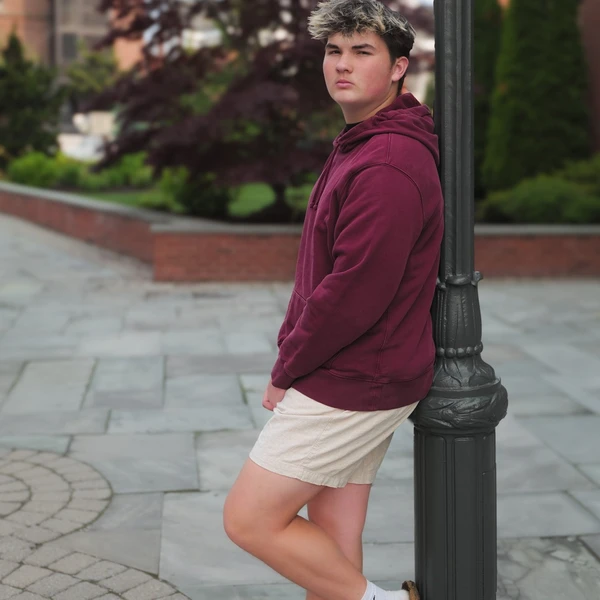
I plan to attend University of Maine Orono with a major in Sports Management.
Education
Erskine Academy
High School
2022 – 2026
Miscellaneous
Desired degree level:
Bachelor's degree program
Majors of interest:
Business, Management, Marketing, and Related Support Services, Other
Desired degree modality:
In-Person
Medical school interest:
No
Career
Miscellaneous
Dream career field:
Management Consulting
Dream career goals:
Sports Management
Work experience:
2 years
Has nursing license:
No
Treye Knorr Memorial Scholarship
My name is Ben Carle, and this fall I will be attending the University of Maine at Orono to study Sports Management. Throughout high school, I have challenged myself to become a leader, a teammate, and someone who gives back to my community. Whether I was serving as Vice President of my school's FBLA chapter, participating in community service through Leo Club and Hope Club, competing as a varsity lacrosse player, or leading my football team as a captain, I have always believed that success comes from hard work, dedication, and helping others reach their goals alongside you.
Leadership has been one of the most important parts of my educational journey. As Vice President of FBLA, I have worked with other students to organize events, encourage participation, and develop valuable business and leadership skills. Through Student Council, I have had the opportunity to represent my classmates and help create a positive school environment. Being a member of the Spanish Honors Society has also strengthened my appreciation for learning about different cultures and perspectives, something I believe is important in today's connected world.
Community service has taught me lessons that cannot be learned in a classroom. As a member of both Leo Club and Hope Club, I have participated in projects that support people in need within my community. These experiences have shown me that even small acts of kindness can have a meaningful impact. I have learned that true leadership is about serving others, listening to their needs, and working together to make a difference.
Athletics have also shaped who I am. Playing varsity lacrosse has taught me discipline, resilience, and teamwork. As a captain of my football team, I have learned that leadership is earned through consistency, accountability, and setting a positive example every day. Being a captain means encouraging teammates during difficult moments, celebrating their successes, and always putting the team's goals ahead of my own. These experiences have prepared me to lead in many areas of life beyond sports.
One of my greatest strengths is my determination. When I commit to something, I work hard until I achieve my goals. I enjoy challenging myself both academically and athletically, and I am always looking for ways to improve. Like anyone, I have weaknesses as well. Sometimes I put a great deal of pressure on myself because I want everything to be done well. Over time, I have learned that mistakes are opportunities to grow and that asking for help is also a sign of strength.
My passion for sports and business led me to choose Sports Management as my major. I have always loved sports, but I am equally interested in the business side of the industry. I hope to build a career that combines these interests by helping organizations operate successfully while creating positive experiences for athletes and fans. I also appreciate that Sports Management offers strong career opportunities, allowing me to build a stable future while doing work I genuinely enjoy.
Receiving this scholarship would help ease the financial burden of college and allow me to focus more of my energy on my education, campus involvement, and personal growth. It would also allow me to continue pursuing leadership opportunities and community service while preparing for my future career. My goal is not only to succeed professionally but also to use my education and experiences to give back by mentoring young athletes, supporting local communities, and helping create opportunities for others.
As I begin this next chapter at the University of Maine, I am excited about the opportunities ahead. I know that success will require continued hard work, perseverance, and a willingness to learn. I hope to build a meaningful career, support my community, and make a positive impact on the people around me. This scholarship would be an important investment in helping me turn those goals into reality.
Ethel Hayes Destigmatization of Mental Health Scholarship
I first learned about my scoliosis when I was around 11 years old. Believe it or not, it was actually my dentist who noticed it. During an X-ray of my teeth, they saw a curve in my spine and recommended that I get it checked out. At the time, it did not seem like a big deal. It was just this unusual thing that I had, and I never thought much about it.
As I started going through puberty and hit my growth spurt, everything changed. My curve began getting significantly worse, and I started experiencing back pain. Suddenly, I was spending more time at doctor's appointments and hearing conversations about braces and surgery. One appointment stands out in particular. My family traveled to Boston to meet with the surgeon who would potentially perform my spinal surgery. After reviewing my scans, he explained that I was right on the line. Surgery was an option, but he would not recommend it unless my condition continued to worsen. I remember feeling overwhelmed and confused. Everything seemed to be happening so fast.
Soon after, I was fitted for a back brace. Wearing it was one of the hardest things I have ever had to do. I was embarrassed and worried that people would notice it, so I started wearing baggy clothes to hide it. Even then, I constantly felt self-conscious. Unfortunately, my fears came true. Some classmates found out about the brace and would knock on it or try to lift my shirt to show other people. Looking back, those moments seem small, but at the time they felt huge.
I began pulling away from people and keeping to myself. I became ashamed of something that was completely out of my control. Eventually, I stopped wearing my brace altogether and hid it from my parents. I convinced myself that avoiding the embarrassment was worth the risk. In reality, I was only making things worse. My scoliosis continued to progress, and eventually the curve became noticeable even without the brace. I could see the difference in my own body, and for the first time, I realized the consequences of the choices I was making.
That experience shaped my understanding of mental health more than anything else in my life. I learned how quickly fear, embarrassment, and isolation can affect the way a person thinks and acts. I also learned the importance of accepting help from others instead of trying to handle everything alone. Once I stopped seeing myself as a victim and started focusing on what I could control, my mindset began to change.
Today, I am stronger because of what I went through. My experience with scoliosis taught me resilience, accountability, and empathy. It showed me that many people are fighting battles that are not visible to everyone else. Because of that, I try to treat others with kindness and understanding. The challenges I faced with my scoliosis not only changed my relationship with myself, but also shaped the person I want to become someone who faces adversity head on and helps others do the same.
Future Green Leaders Scholarship
As someone planning to study sports management at the University of Maine, I believe sustainability needs to be a bigger priority in the sports industry. Most people only see what happens on the field, but behind every game there are stadiums using huge amounts of energy and water, large amounts of waste being produced, and constant travel from teams and fans. When you look at how big the sports industry is, the environmental impact adds up quickly, which is why it can’t be ignored.
Being a captain on my football team has taught me what leadership really means, and I think that same idea applies to sports organizations. Teams and leagues are leaders whether they realize it or not. Fans pay attention to what they do and often follow their example. That gives the sports industry a unique opportunity to influence thousands of people at once. If sustainability becomes part of how teams operate, it can make a real difference beyond just the game.
From playing football and lacrosse, I’ve seen firsthand how much waste comes from sporting events. After games, there’s always a lot left behind, especially plastic bottles and other trash. One of the main ways I see myself helping in the future is by improving how events are managed. That could include better recycling systems, reducing single-use plastics, and working with vendors to use more sustainable materials. These may seem like small changes, but when you’re dealing with large crowds, they have a big impact.
My experiences outside of sports have also shaped how I approach this. I’ve worked at Wendy’s for the past two years while staying involved in multiple clubs, including Leo Club and Hope Club, which focus on volunteering. I’m also the Vice President of FBLA at Erskine Academy, along with being part of Student Council and Spanish Honors Society. Balancing all of this has taught me responsibility, leadership, and how to work with others. Volunteering, especially, has shown me how small efforts can create positive change in a community, which connects directly to sustainability.
In the future, I want to bring these skills into the sports industry. I don’t expect to completely change everything, but I do want to be part of making sports more environmentally responsible. Whether that’s helping reduce waste at events, improving daily operations, or encouraging organizations to make better decisions, I want to contribute in a way that actually makes a difference.
Growing up in Maine, I’ve always been around the outdoors, and that’s made me appreciate how important it is to take care of the environment. Sports bring people together and create experiences that matter, but they also rely on the world around us. I want to help make sure that future generations can continue to enjoy both.