On June 1, 2023, my mother was shot while pregnant with my younger sibling. She survived, but that moment shattered the illusion of safety I had always known. In the weeks that followed, I became more than a daughter—I became a caregiver, an advocate, and a witness to the gaps in our healthcare and justice systems. Sitting beside her in hospital rooms, I realized that healing is about more than medicine; it is about dignity, access, and understanding. That experience defined me, and it continues to shape my determination to rise above hardship and pursue a future in medicine.
My journey has not been easy. As a Black Hispanic, low‑income, first‑generation student raised in a single‑parent household, I have faced challenges that extend far beyond academics. Financial hardship meant balancing school with responsibilities at home. Family circumstances—including my mother’s trauma and my own battles with depression, PTSD, and suicidal ideation—tested my resilience in ways few of my peers could imagine. At times, I felt invisible, especially when systems treated me as a statistic rather than a person. Yet through these struggles, I discovered strength. I learned that progress is not always linear, but it is possible when we commit to perseverance and purpose.
My faith in God has been central to that perseverance. In my darkest moments, when I questioned my worth and my future, prayer reminded me that my life has meaning. I believe God spared my mother’s life and mine for a reason: to use our story as testimony and to serve others through compassion and healing. My faith has taught me that trials are not punishments, but preparation. Each obstacle has refined me, giving me the empathy to connect with patients, the resilience to pursue rigorous training, and the vision to create systems of care that extend beyond hospital walls.
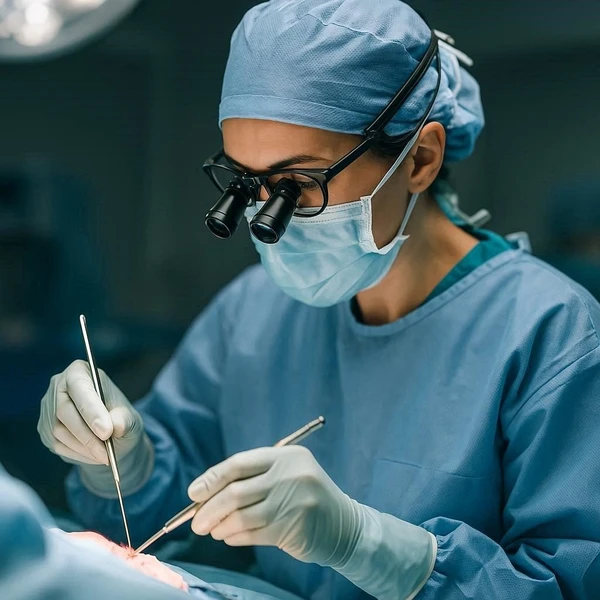
That vision drives my career goals. I plan to become a trauma‑informed neurosurgeon who fuses science with empathy. I want to serve families like mine—those who are often overlooked or misunderstood—and ensure that patients are treated not just as cases, but as whole people with stories that matter. Beyond medicine, I plan to launch a nonprofit that integrates neurological care with culturally competent mental health services in underserved communities. By partnering with clinics, training bilingual providers, and leveraging telehealth, I will help dismantle barriers—financial, geographic, and cultural—that keep families from receiving care.
Scholarships like this one are essential for students like me. Financial support would ease the burden of tuition and allow me to focus fully on my studies, research, and service. It would also affirm that my effort, potential, and commitment to success are recognized. For me, this scholarship is not just about money—it is about opportunity. It is about proving that students from disadvantaged backgrounds can rise above hardship and become leaders in their fields. It is about ensuring that my journey with God and higher education continues without interruption, so I can fulfill the purpose He has placed on my life.
I believe motivated and high‑achieving students from disadvantaged backgrounds deserve scholarships because we bring more than grades to the table—we bring grit, perspective, and a relentless drive to succeed. Our experiences teach us empathy, resilience, and leadership. We know how to navigate obstacles without a roadmap, and we understand the importance of creating opportunities not just for ourselves, but for others. When given support, we do not waste it; we multiply it, turning investment into impact.
I carry my past not as a burden, but as a blueprint. With this scholarship, I will continue turning pain into purpose, fear into focus, and uncertainty into action. I will continue building the foundation for my career, my faith, and my service to others. Most importantly, I will continue proving that mental health care, dignity, and healing should never be privileges—they should be rights. My journey with God has taught me that I am called to serve, and higher education is the path that will allow me to fulfill that calling.
Ultimately, I believe this scholarship is an investment not only in my education, but in the communities I will serve. With God guiding my path, I will use this support to transform adversity into advocacy, and hardship into healing. My journey has taught me that success is not measured only by personal achievement, but by the lives we touch along the way. This scholarship would allow me to continue building a future where care, dignity, and hope are accessible to all.