user profile avatar

Bea Robinson

2x

Finalist

Bio

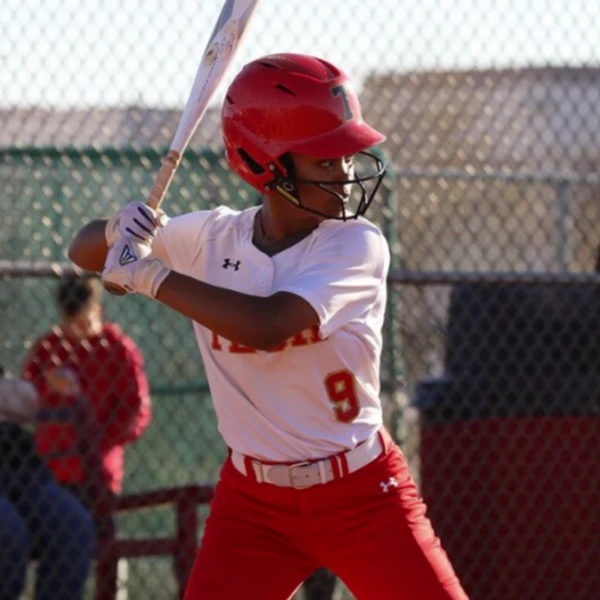
Hi! My name is Bea Robinson, and I am a student-athlete from Las Vegas, NV. I am attending Albright College in Reading, PA, to major in Biology with a Pre-Medical focus, minor in Music, and play softball at the D3 level. ROLL LIONS!!! I graduated first in my class from Southeast Career & Technical Academy with an emphasis in Medical Professions with a 4.95 weighted and 4.0 unweighted GPA. Softball is my passion, and I have been playing competitively for over ten years. I was a four-year varsity starter and a two-year captain on my high school's team. I also volunteer as an assistant coach to a local youth softball team. I want to become a Family Medicine Physician when I grow up because of my interests in the human body, anatomy, and playing an important role in people's lives. When I participated in HOSA - Future Health Professionals, I won international and state awards for competitions regarding Public Health and Family Medicine. My favorite hobby is music. I taught myself not only how to play multiple instruments, but also music composition and writing my own songs. I recently wrote a musical with original songs, music, and characters!

Education

Albright College

Bachelor's degree program
2026 - 2030
  • Majors:
    • Medicine
    • Biological and Biomedical Sciences, Other
  • Minors:
    • Music

Southeast Career Technical Academy High School

High School
2022 - 2026

Miscellaneous

  • Desired degree level:

    Doctoral degree program (PhD, MD, JD, etc.)

  • Majors of interest:

  • Planning to go to medical school
  • Test scores:

    • 1430
      SAT

    Career

    • Dream career field:

      Medicine

    • Dream career goals:

      Owning my own family medicine practice, especially in a community with low access to healthcare.

    • Independent Contractor - Delivery Driver

      DoorDash
      2026 – Present6 months
    • Independent Contractor - Shopper & Delivery Driver

      Instacart
      2026 – Present6 months

    Sports

    Softball

    Club
    2017 – Present9 years

    Softball

    Varsity
    2022 – Present4 years

    Awards

    • 1st Team All-Conference
    • NIAA All-State Academic Team
    • Scholar-Athlete Award
    • MVP Award
    • Offensive Award
    • Athlete of the Month

    Arts

    • Matawan-Aberdeen Middle School

      Music
      Spongebob Squarepants: The Musical
      2022 – 2022
    • Wrote Original Musical

      Music
      2024 – Present

    Public services

    • Volunteering

      Henderson Girls Softball Association — Assistant Coach
      2024 – Present
    • Volunteering

      Vitalant NV — Assisted in planning, organizing, and managing school blood drives; Publicized & recruited donors
      2024 – Present

    Future Interests

    Advocacy

    Volunteering

    Entrepreneurship

    Treye Knorr Memorial Scholarship
    Sweat dripped down my back as I stared down the batter, trying not to hear the other team's taunts or think about the winning run standing just 60 feet away from home plate. That pressure is where I learned how to stay composed, just as other aspects of my life taught me how to be a leader, a mentor, and a hard worker. My experiences have shaped me into the person I am today and inspired the dreams I hope to pursue in the future. While softball has been one of the biggest parts of my life, it has also helped me discover what matters most to me: helping others grow, overcome challenges, and feel supported. One of the most meaningful experiences of my life came through coaching youth softball. At first, I agreed to coach because I thought it would be a good addition to my resume. Instead, it completely changed my understanding of leadership and impact. During one game, I told a player and her grandmother how proud I was of her for being such a good teammate. Her grandmother smiled and told me that the girl's parents were separated and often couldn't make her games, but she talked about me all the time. I was her favorite coach, and she wanted me to coach her until she went to college. That moment warmed my heart. I had given an 8-year-old with a tough home life something to look forward to. That experience taught me that true impact often lies in the small, meaningful connections made in everyday life. Those same values drive my passion for medicine. Through my experiences with my school's HOSA - Future Health Professionals chapter, I interviewed family medicine physicians from across the country. Through those conversations, I realized that family medicine is truly about connection, not just diagnosing or treating. It's about knowing a patient through every stage of life, understanding the context behind their health, and adapting with them as they grow. My long-term goal is to become a family medicine physician who serves underserved communities and builds lasting relationships with patients and families. I want patients to feel respected, safe, and understood. I want to adjust my care based on people's cultural, social, and personal differences rather than forcing individuals to fit a checklist. My experiences have taught me that even if science cures, medicine heals. At the same time, I hope to continue mentoring young athletes and serving as a positive role model in my community. Whether I am coaching athletes, caring for patients, or supporting those around me, I want people to know that they matter. This scholarship would help me continue pursuing both my academic and athletic goals while reducing the financial burden of college and the long educational journey that follows. After earning my undergraduate degree, I still plan to attend medical school and complete years of additional training before becoming a physician. Receiving this scholarship would allow me to focus more fully on learning, serving my community, and preparing for a career dedicated to helping others. If my experiences have taught me anything, it is that lasting change does not always come from changing the entire world. Sometimes it comes from changing one person's world at a time. Whether that person is a patient in my office or a young athlete on a softball field, that is the impact I hope to make throughout my life.
    STEAM Generator Scholarship
    I grew up not understanding how people could have fewer than ten cousins. I was one of sixteen cousins I saw all the time. Technically, half of them were second cousins, but when your mom and her siblings grew up in the same house with their cousins, there's barely a difference. On top of that, there were twenty more "cousins" (that, looking back, probably weren't actually related to us) I saw every few years. Our family photos at Christmas were legendary, but also took hours to organize. That’s just what happens when you grow up in a big Filipino family. The way I grew up, everyone was family, and everyone showed up for you. My cousin's big cheerleading competition two states away? We were there. My fifth-grade graduation? You best believe eight aunties and uncles rolled up and screamed their hearts out when I walked across the stage. That support never went away. They always told me that I had a bright future growing up and that they would support me no matter what. I didn't realize how rare that was until I got older. There was also something else passed down through generations: the desire to help others. My great-grandmother was a midwife. My grandmother was a nurse. Despite the Asian stereotypes, nobody ever pressured me into a medical career. Sometimes, it's just meant to be. Maybe it was my Lola telling me stories about her nursing school friends, or maybe it was seeing how much my grandparents did for my cousins and me, especially when my parents were working. They showed me the value of community and always helping the people around you. As I prepare to enter higher education, I recognize that I am stepping into a world that can feel unfamiliar and intimidating. College applications, financial aid forms, degree requirements, and the path to medical school are all things that I have had to learn largely on my own. While my family has always supported my goals, navigating higher education has sometimes felt lonely. There are moments when I worry about making the wrong decisions or not knowing something that everyone else seems to understand. At the same time, I am far more excited than I am nervous. My family spent years encouraging me to dream big, and higher education is the opportunity to turn those dreams into reality. Through a degree in biology and a future career in medicine, I will be able to combine my passion for science with the values that my family instilled in me. I want to not only help strangers, but also take care of the people who took care of me. I want to become a family medicine physician because of the opportunity to build long-term relationships with patients and support them throughout every stage of life. I want patients to feel respected, safe, and understood. I want to not only help strangers, but also take care of the people who took care of me. Most importantly, want to give other families the same chance to create memories like the ones I hold close. I want little kids to grow up with six-person cousin sleepovers that turned into beach trips. I want grandparents to live long enough to spoil their grandkids. I want to help patients not just survive, but have the time and health to be present for their families. To me, that's the ultimate goal of medicine.
    SigaLa Education Scholarship
    When kids are asked what they want to be when they grow up, most pick "doctor" without a second thought. I was one of those kids, but I wasn't always clear on the reasoning behind that dream. Though I was confident that I would be a good doctor, I was completely lost on why I felt that way. For years, I dodged the terrifying "Why medicine?" question. Joining my school's HOSA - Future Medical Professionals chapter was my way of confirming my childhood aspirations, and it was one of the best decisions I've ever made. Through HOSA, I've created lessons for classmates, organized blood drives, and traveled across the country to attend workshops and network with medical leaders from all over the world. However, the most impactful experience was competing in the Family Medicine Physician competition, where I interviewed four family medicine physicians from across the country. One of the physicians I interviewed spoke about how important it is to mentor the next generation of African-American medical professionals. In a world where we are too often judged, stereotyped, or overlooked, he found it important to prove that African-Americans are just as capable, compassionate, and intelligent as anyone else. That physician's words have truly inspired me to be a part of the healing that begins with a more diverse healthcare system. After interviewing him and three other physicians, I realized that family medicine is truly about connection, not just diagnosing or treating. It's about knowing a patient through every stage of life, understanding the context behind their health, and adapting with them as they grow. The idea of caring for a patient or a patient's family for their entire life enthralls me. As a family medicine physician, I plan to focus on genuinely listening to my patients, allowing their voices to guide a truthful and productive conversation. I want to adjust my care based on people's cultural, social, and personal differences rather than forcing individuals to fit a checklist. My short-term goals are to earn a degree in Biology, continue gaining healthcare experience through clinical opportunities, and attend medical school. My long-term goal is to become a family medicine physician who builds lasting relationships with patients while serving as a mentor for future healthcare professionals, especially students from underrepresented backgrounds. I hope to not only treat patients to the best of my ability but also inspire others to pursue careers in medicine. This scholarship would help ease the financial burden of pursuing both my undergraduate education and the long road that follows. After completing my bachelor's degree, I will still face significant costs of medical school, residency, and professional training. Receiving this scholarship would allow me to focus more fully on my education, clinical experiences, and service opportunities while reducing financial stress. More importantly, it would be an investment in my goal of improving access to healthcare, increasing representation in medicine, and making every patient feel seen, heard, and valued.
    7023 Minority Scholarship
    Anyone who knew me between the ages of seven and ten would remember that Jackie Robinson was my uncle. I frequently discussed our familial connection, and no one could deny my claims. We had the same last name, so of course, he had to be my uncle. How else could two individuals share a last name? Jackie Robinson is not my uncle, nor is he related to me in any way. Although I might have fibbed about him being my relative, I never lied about the impact he made on my life. The last name “Robinson” may have many meanings across families, but for me, “Robinson” means perseverance. “Robinson” means courage. “Robinson” means breaking barriers, not just in sports, but in society. Jackie Robinson changed history when he stepped onto Ebbets Field in a Brooklyn Dodgers uniform, opening doors for countless African-American athletes who came after him. However, he changed more than baseball. He fought against inequality, supported Black-owned businesses, and used his platform to create opportunities for others. His tireless struggle for representation and opportunity had lasting impacts far beyond the game. His legacy inspires the impact I hope to make through my chosen major. Ever since I was young, I have known that I wanted to pursue a career in medicine. Through my high school's Medical Professions program, HOSA, physician interviews, and healthcare coursework, I discovered that I am especially passionate about family medicine because of its focus on long-term relationships and personalized care. I want to build trust with patients, understand their unique backgrounds, and help them feel seen. That goal became deeply personal because of my family's experiences with healthcare. For years, my father, an African-American man, was treated poorly and ignored by numerous physicians and specialists. As a result, an infection that could have been treated quickly devolved into a chronic condition that cost him his kidney. If his doctors had empathized with his situation or recognized that, as an African-American, he was more vulnerable to certain types of kidney diseases, our family would be in a much different position now. Unfortunately, there is still progress to be made in representation and healthcare equity. When an African-American patient enters a doctor's office, there is a wide variety of negative reactions that can occur. Too often, patients are misunderstood, dismissed, or treated differently because of unconscious biases. Increasing diversity in healthcare is about more than filling a statistic. It's about saving lives. When patients see doctors who look like them, trust grows. When doctors understand their patients' history and culture, healing begins. As a future family medicine physician, I hope to work in underserved communities where primary care physicians are in short supply. I want to make sure that patients who previously did not feel comfortable walking into a clinic have a space to feel safe, educated, and respected. I also hope to mentor the next generation of African-American healthcare professionals, just as others have inspired me. Jackie Robinson showed the world that representation creates opportunity. Because of his example, I understand that breaking barriers is not about personal success alone; it is about opening doors for those who come after you. Through medicine, I hope to carry that legacy forward by building trust, expanding access to care, and helping every patient feel seen, valued, and heard.
    Byte into STEM Scholarship
    When kids are asked what they want to be when they grow up, most pick "doctor" without a second thought. I was one of those kids, but I wasn't always clear on the reasoning behind that dream. Though I was confident that I would be a good doctor, I was lost on why I felt that way. For years, I dodged that terrifying "Why medicine?" question. Applying to my high school's Medical Professions program was my way of confirming my childhood aspirations, and it was one of the best decisions I've made. Through my coursework and HOSA - Future Health Professionals, I've interviewed physicians, created lessons for classmates, organized blood drives, and traveled across the country to attend workshops and network with medical leaders from all over the world. Along with learning, I've grown into a more compassionate, curious, and dedicated person through medicine. One of the most impactful experiences I've had was competing in the Family Medicine Physician competition for our school's HOSA chapter. For the competition, I interviewed four family medicine physicians from across the country. Interviewing family medicine physicians was an eye-opening experience. The people I interviewed spoke about the joys of family medicine and how rewarding it was to build long-term relationships with patients from all backgrounds and grow alongside them throughout their lives. Through this project, I realized that family medicine is truly about connection, not just diagnosing or treating. It's about knowing a patient through every stage of life, understanding the context behind their health, and adapting with them as they grow. The idea of caring for a patient or a patient's family for their entire life enthralls me. My passion for medicine is also deeply personal. I've seen the dangers of treatment without empathy in my own family. For years, my father, an African-American man, was treated poorly and ignored by numerous physicians and specialists. As a result, an infection that could have been treated quickly devolved into a chronic condition that cost him his kidney. That experience showed me how important trust, cultural understanding, and empathy are in healthcare. As a physician, I want patients to step into my office feeling safe, not afraid or vulnerable. I want to adjust my care based on people's cultural, social, and personal differences rather than forcing individuals to fit a checklist. I hope to work in underserved communities where primary care physicians are in short supply and ensure that patients who previously did not feel comfortable walking into a clinic have a space to feel safe, educated, and relaxed. Pursuing a degree in biology on a pre-medical track will provide me with the scientific foundation necessary to achieve these goals while preparing me for medical school and a career in family medicine. More importantly, it will equip me with the knowledge and experiences needed to serve others effectively. My experiences have taught me that even if science cures, medicine heals. Through my education and future career, I hope to create lasting change by improving access to care, mentoring future healthcare professionals, and making every patient feel seen, heard, and valued.
    Brett Brakel Memorial Scholarship
    I became a pitcher because I was bored. While I wish I had a more interesting story, it’s the truth. My best friend was a pitcher, and because she drove me to practice, I had to stay an extra 30 minutes while the pitchers and catchers worked. Sitting in a batting cage with nothing to do felt like the end of the world to a 9-year-old. So I figured, why sit there when I could just pitch myself? My parents hated the idea. They thought that I wouldn’t be able to handle the pressure. After all, they had seen me quit ballet, swimming, and basketball because I didn’t like it when I wasn’t the best on the team. Soccer was the worst; I got hit in the head with the ball, and my team cheered because I was the “goalie?” But t-ball was different. Maybe it was that all of my friends played, or maybe it was the free pizza after games. But t-ball turned into rec, rec turned into travel, and as my friends began going off to other sports, my love for the sport only grew. When I was on the field, I didn’t have to think about homework, family problems, or mean kids at school. The minute a softball touched my hand, everything else faded away. On the mound, I felt connected to the present. Instead of quitting when I wasn’t the best, softball motivated me to work harder than ever before to rise above everyone’s expectations. In situations where others might’ve faltered, I pushed harder (both figuratively and literally – sometimes the solution to an off day is actually just to “pitch faster”). As it turns out, I loved the pressure that my parents feared. I didn’t believe that I could love softball more until I became an 8U coach. Aside from the drills I ran and game plans I strategized, I loved watching my girls become confident. They walked up to the plate smiling, no matter what happened in their last at-bat. Seeing them cheer for each other and grow to love softball was like falling in love with this sport all over again. I will forever be grateful for the lessons that softball has brought to my life. When I come across a course or test that seems overly difficult, I’ll know that I can excel in it because of how I excelled in pitching through international tie-breakers. When I feel too tired to practice, I’ll remember how working diligently on my own allowed me to prosper in games. And coaching kids who thought that “touching home plate” meant bending down and patting it taught me the patience I’ll need to work with others in group settings. Most importantly, I learned how to have fun, which will carry me further than college. Because of softball, I know I can choose to do things that the little kid in me enjoys and loves.
    Kalia D. Davis Memorial Scholarship
    Sweat dripped down my back as I stared down the batter, trying not to hear the other team's taunts or think about the winning run standing just 60 feet away from home plate. That pressure is where I learned how to stay composed, just as other aspects of my life taught me how to be a leader, a mentor, and a hard worker. My experiences have shaped me into the person I am today, and a scholarship will help me continue to grow and prosper through college and medical school. I don't remember my life before softball came into it. Practicing through late nights and early mornings taught me responsibility and discipline. Injuries that took me out of the game I love showed me the importance of listening to my body. With my experience in softball came the opportunity to become a youth softball coach. As a coach, I encouraged my athletes to cheer for their teammates, work hard, and be confident in themselves. I realized how incredibly rewarding it was to watch my girls grow into confident, hardworking athletes and even better people. Hearing parents say that their daughters praised me at home filled me with immeasurable pride. Even when my girls told me long stories about class pets completely unrelated to softball, I knew it was because they felt comfortable and safe with me. I had watched too many of my friends fall out of love with softball because of terrible coaches. So when I realized that I was helping my girls do the opposite, I knew that I wanted to continue being a positive presence. My mentorship carried with me off the field and into my school community. I've stepped into a leadership role for my school's African-American History Challenge team without ever having an official title. After winning first place freshman year, I did everything possible to continue that legacy and passion for learning more about African-American history. I worked hard to recruit new members by sharing my experience and emphasizing the importance of learning about our culture. I took the initiative of organizing team study sessions, delegating topics, and creating study materials for everyone. When nerves were high before competitions, I encouraged everyone and reminded them that all of our hard work would take us to the end. Through this team, I realized that leadership isn't about official titles or honors, but about showing up for others and creating unity within a community. All of this will help me become a conscious, compassionate, and competent family medicine physician. After speaking with family medicine physicians and learning about how they change lives every day, I've become enthralled by the idea of building long-term relationships with patients from all backgrounds and with all kinds of illnesses and diseases. I want to make sure that patients are respected regardless of their background and feel safe, educated, and relaxed when I'm treating them. Through my school's HOSA chapter, I've interviewed physicians who spoke to me about how grateful they are to be in medicine and get to change people's lives, which has only inspired me to do the same. I'm more certain than ever that I want to be a doctor and use my knowledge to improve lives and strengthen communities. This scholarship will help me carry on Kalia's loving legacy. I'll stay calm under pressure as I did on the field, I'll mentor future medical professionals to be compassionate and confident as I did for my athletes, and I'll be a leader amongst my medical team as I was amongst my school team.
    Stewart Family Legacy Scholarship
    Leadership and science shape how we move forward as a society. While science provides us with innovation and discovery, leadership determines how those discoveries are used and spread throughout the world. Without science, leadership would be based on opinion rather than knowledge and facts, and power would get into the wrong hands. However, without leadership, science would be ignored or misapplied. This is why leadership and science must coincide to create lasting change. This has been evident throughout history, as advances in medicine and technology required not only researchers making breakthroughs in labs, but leaders who could guide people to accept and implement them. For instance, vaccines didn't change the world until communities were led to understand their value and adopt them. The balance between science and leadership is what allows progress to benefit everyone, not just a few. I've seen this connection through my own experiences. In my school's medical professionals program, I've learned about anatomy, diseases, and proper patient protocols. However, I've also had opportunities to act as a leader in my school and community. I used my knowledge of blood transfusions, for example, to plan blood drives at my school. I was directly involved in organizing blood drives, spreading the word and encouraging people to donate, and managing operations, which resulted in hundreds of units of blood being donated to people in need. That taught me that knowledge alone isn't enough because you have to be able to communicate, motivate, and guide others. The future of health and science as a whole depends on people who can combine both qualities. As science continues to evolve, we need leaders who understand the responsibility that comes with it. Leadership grounded in science ensures that decisions are evidence-based and ethical. Science fortified by leadership ensures that discoveries and knowledge reach real people and address real needs. To me, leadership and science are inseparable in shaping the future. Together, they create progress that is not only innovative but also human-centered and sustainable. As a future researcher, scientist, and medical professional, I plan to use both leadership and science skills to support others through their challenges and do my part to improve people's lives.
    Leading Through Humanity & Heart Scholarship
    1. When kids are asked what they want to be, most kids pick "doctor" without a second thought. I was one of those kids, but I wasn't always confident that I truly wanted to go into medicine. Applying to my high school's Medical Professions program was my way of confirming my childhood aspirations, which was one of the best decisions I've made. I've studied a variety of topics, including anatomy, diseases, and public health. Through my school's HOSA Future Medical Professionals club, I've interviewed physicians, created lessons for classmates, organized blood drives, and traveled across the country to attend workshops and network with medical leaders from all over the world. I'm fortunate to have had opportunities to explore the fascinating field of medicine throughout high school, and now I am more certain than ever that I want to be a medical professional. My interest in medicine isn't about the image of being a doctor or the money, but the impact. Along with learning, I've grown into a more compassionate, curious, and dedicated person through medicine. I want to use my knowledge to improve lives and strengthen communities, which is what keeps me passionate. 2. Empathy is the difference between science and service. Empathy is the ability to step into someone else's perspective and recognize that every person's story, background, and challenges are unique. It allows us to see patients as people before the diagnosis. Without empathy, treatment would feel cold and clinical. Too often, patients walk into a doctor's office and feel as if they aren't being listened to and their needs are being ignored in the face of efficiency and technicality. However, a "routine" checkup is more than just a procedure; it's a chance to make a person feel valued, respected, and safe. I've seen the dangers of treatment without empathy in my own family. For years, my father, an African-American man, was treated poorly and ignored by numerous physicians and specialists, likely due to negative stereotypes and biases towards him. As a result, an infection that could have been treated quickly devolved into a chronic condition that cost him his kidney. If his doctors had empathized with his situation or recognized that, as an African-American, he was more vulnerable to certain types of kidney diseases, our family would be in a much different position now. As a physician, I will ensure that empathy is central to every interaction. I want patients to step into my office feeling safe, not afraid or vulnerable. My responsibility is not only to treat the body, but also to acknowledge that people's backgrounds and experiences can affect their health. This is why empathy means remembering that people are more than their symptoms, and that healing also involves respect and compassion. I aspire to be a family medicine physician. This means that I will be treating people from all walks of life, in all stages of life, and with a wide variety of diseases and conditions. I love the idea of caring for a patient or a patient’s family for their entire life because I’ll be able to not only care for them but form personal connections with them. I plan to focus on genuinely listening to my patients, allowing their voices to guide a truthful and productive conversation. I want to adjust my care based on people's cultural, social, and personal differences as opposed to forcing the individual to fit a checklist. People respond differently when they feel genuinely cared for, which is why empathy is such a crucial part of medicine. It bridges the gap between a good medical professional and a great one. My experiences have taught me that even if science cures, medicine heals. My goal is to carry that perspective forward, ensuring that every effort I take in medicine keeps people at the center. Empathy isn't optional; it's essential.
    Diana Wagner Memorial Scholarship
    Leaders change the world. They are always the smartest in the room, and they have the natural authority to take control of as many people as they need. That’s what I believed for most of my life. So, I dreamed of becoming a doctor. I thought real leaders were curing diseases in labs or rewriting textbooks. Working tirelessly for perfect grades and a lengthy extracurricular list left me with one goal: becoming successful enough to change the world. With a lofty goal like that, I never felt like I was doing enough. So, I agreed to be a softball coach, thinking it would add an extra boost to my resume. Having played softball for my entire life, I thought I could use my experience to help them understand the game. But I didn’t expect that my experience might not translate well to a group of 9-year-olds. Girls would bend down and pat the ground when being told to “touch home plate,” and they struggled to understand what “having a green light” meant. I realized that I needed to adapt my language to others to be a leader, not rise above them. During one game, we took out our starting pitcher after a tough inning. Surprisingly, one of her teammates gave that pitcher a high five and told her not to lose her self-confidence. I was so proud of her for being a good teammate, which is exactly what I told her grandmother after the game. Her grandmother smiled and told me that her parents were separated and often couldn't make it to games, so she looked up to me as a coach. Apparently, I was her favorite coach, and she wanted me to coach her until she went to college. That moment warmed my heart. I hadn't changed the entire world, but I had given a 9-year-old with a tough home life something to look forward to. And the best part was that she wasn’t the only one. Even when my girls told me long stories about class pets completely unrelated to softball, I knew it was because they felt comfortable and safe with me. I had watched too many of my friends fall out of love with softball because of terrible coaches. So when I realized that I was helping my girls do the opposite, I knew that I wanted to keep building people up. I know now that true leadership lies in the small, meaningful connections made in everyday life. Leadership isn’t always authority and intelligence, but compassion and patience. I still want to become a doctor, not because I think I’ll cure every disease, but because I want to make my patients feel seen the way I did with my young athletes. If true leadership means saving lives one hug, diagnosis, or laugh at a time, I know I’m ready.
    Jimmie “DC” Sullivan Memorial Scholarship
    Leaders change the world. They are always the smartest in the room, and they have the natural authority to take control of as many people as they need. That’s what I believed for most of my life. So, I dreamed of becoming a doctor. I thought real leaders were curing diseases in labs or rewriting textbooks. Working tirelessly for perfect grades and a lengthy extracurricular list left me with one goal: becoming successful enough to change the world. With a lofty goal like that, I never felt like I was doing enough. So, I agreed to be a softball coach, thinking it would add an extra boost to my resume. Having played softball for my entire life, I thought I could use my experience to help them understand the game. But I didn’t expect that my experience might not translate well to a group of 9-year-olds. Girls would bend down and pat the ground when being told to “touch home plate,” and they struggled to understand what “having a green light” meant. I realized that I needed to adapt my language to others to be a leader, not rise above them. During one game, we took out our starting pitcher after a tough inning. Surprisingly, one of her teammates gave that pitcher a high five and told her not to lose her self-confidence. I was so proud of her for being a good teammate, which is exactly what I told her grandmother after the game. Her grandmother smiled and told me that her parents were separated and often couldn't make it to games, so she looked up to me as a coach. Apparently, I was her favorite coach, and she wanted me to coach her until she went to college. That moment warmed my heart. I hadn't changed the entire world, but I had given a 9-year-old with a tough home life something to look forward to. And the best part was that she wasn’t the only one. Even when my girls told me long stories about class pets completely unrelated to softball, I knew it was because they felt comfortable and safe with me. I had watched too many of my friends fall out of love with softball because of terrible coaches. So when I realized that I was helping my girls do the opposite, I knew that I wanted to keep building people up. I know now that true leadership lies in the small, meaningful connections made in everyday life. Leadership isn’t always authority and intelligence, but compassion and patience. I still want to become a doctor, not because I think I’ll cure every disease, but because I want to make my patients feel seen the way I did with my young athletes. And I will certainly continue coaching after my collegiate softball career, because now, I can't imagine a future where I'm not involved in youth softball. If true leadership means saving lives one hug, diagnosis, or laugh at a time, I know I’m ready.
    Bre Hoy Memorial Softball Scholarship
    I became a pitcher because I was bored. While I wish I had a more interesting story, it’s the truth. My best friend was a pitcher, and because she drove me to practice, I had to stay an extra 30 minutes while the pitchers and catchers worked. Sitting in a batting cage for half an hour with no electronics, no toys, and nothing to do felt like the end of the world. So I figured, why sit there when I could just pitch myself? My parents hated the idea because they thought that I couldn’t handle the pressure. But I was determined to do SOMETHING with those 30 minutes besides stare at the ceiling. Plus, I’d have more time to bond with my best friend. After all, the main reason that I took softball seriously was that all of my friends played it. My parents had me try every sport until I found something I liked. Ballet, gymnastics, swimming, basketball, you name it. I enjoyed most of them (except for soccer. Soccer was terrible. I got hit in the head with the ball, and my team cheered because I was the “goalie”?), but I loved t-ball. Maybe it was the fact that all of my friends played, and my coaches were my friends’ parents, or maybe it was the free pizza after games. But t-ball turned into rec, rec turned into travel, and as my friends began going off to play other sports or be in Girl Scouts instead, my love for the sport only grew. When I was on the field, I didn’t have to think about homework, family problems, or mean kids at school. The minute a bat touched my hand, everything else faded away. As for pitching, I was terrible at first. Strikes came few and far between, and outs only happened when my defense made great plays. But none of that mattered, because on the mound, I felt connected to the game like never before. My passion and skills alike only grew as I continued along my softball journey. I loved learning new pitches and watching batters reach for my curveball or throw their bats out of their hands for my changeup. And turns out, I loved the pressure that my parents feared. I didn’t believe that I could love softball more until I became an 8U coach. At first, I just helped run drills. It didn’t take long for me to look forward to every practice and give the girls a big hug. I proudly wore my team jersey with "Coach Bea" emblazoned across my back to every game. But most of all, I loved watching my girls become confident. They walked up to the plate smiling, no matter what happened in their last at-bat, and part of that attitude was due to me. Seeing them cheer for each other and grow to love softball was like falling in love with it all over again. I will forever be grateful for the invaluable lessons that softball has brought to my life. Pitching through an international tie-breaker taught me composure. Skipping individual practice and seeing the consequences taught me the importance of responsibility and accountability. Injuries taught me how to listen to my body. And coaching kids who thought that “touching home plate” meant bending down and patting it taught me patience. I still play now, and I hope to keep playing for the next four years in college. Even after that, I know that softball will forever be in my life, whether I’m playing or coaching. I wouldn’t want it any other way.
    Tanya C. Harper Memorial SAR Scholarship
    When a Black or African-American patient enters a doctor's office, there is a wide variety of negative reactions that can occur. At best, a doctor will have a negative attitude toward the patient, leading to mistrust and hesitance from the patient. However, it is too often that a doctor will mistreat an African-American patient, or worse, incorrectly treat them because they do not understand the crucial differences that ethnicity or race can have on a patient's health status. Increasing racial diversity in healthcare is about more than filling a statistic. It's about saving lives. When patients see doctors who look like them, trust grows. When doctors understand their patients' history and culture, healing begins. This is why I strive to become a family physician. I want to work in underserved communities where primary care physicians are in short supply. I want to make sure that patients who previously did not feel comfortable walking into a clinic have a space to feel safe, educated, and relaxed. I want to educate patients on their conditions in a way that makes sense to them, especially because of how many diseases and disorders affect certain cultures differently than others. And I believe I can do all of this by being a family medicine physician and focusing on personalized care. In my future, I hope to not only treat patients to the best of my ability, but to mentor the next generation. I already have experience in mentoring young athletes through my volunteer role as a youth softball coach, and I've learned how powerful it can be to uplift others and inspire the next generation to be the best that they can be. One day, I hope to be able to mentor young African-American students interested in medicine, especially if they believe that they aren't strong enough to tread that path. While medicine is certainly difficult, African-Americans deserve to be in scrubs, in white coats, and in operating rooms. I have been lucky enough to have role models who have shown me that people can look like me to succeed, and I believe that every African-American medical student should have one as well. One day, I hope to be one of those role models. As a future family medicine physician, I want to be a consistent, trustworthy presence in underserved communities, especially for patients who often feel ignored or mistreated by the healthcare system. I want my older patients to come into my office relaxed and confident in my abilities because I've treated them as well as I possibly could for their entire life. I want my patients' children to see me treating patients and realize that no matter what they look like, where they come from, or what their background is, they can do anything they want to.
    Sewing Seeds: Lena B. Davis Memorial Scholarship
    There are 8 billion people in the world. Out of all 8 billion people, 2.2 billion will go to bed hungry every night, and an astounding 5.4 billion will die of some incurable cancer. Truthfully, I completely made those statistics up. But in the mind of 5-year-old me, who thought that making an impact on the world meant solving world hunger or curing cancer, they might as well have been true. So, I dreamed of becoming a doctor. I thought that when I grew up, I'd be smart enough to find a cure for breast cancer, or dementia, or heart failure. I worked hard to get good grades in school, believing that going to an Ivy League school was necessary to get into medical school. I had only one goal in mind: becoming successful enough to change the world. I continued down that path through my high school's Medical Professionals program. I sought leadership opportunities, college classes, and anything that would look good on a college application. But one experience shifted my mindset completely: I became a softball coach. I'd played softball my whole life and didn't think I could love it more. That was, until I began volunteering as an assistant youth softball coach for an 8-and-under team. At first, I just helped run drills, gave individual instruction, and used my experience to help them understand the game. Gradually, however, my experience shifted. I looked forward to every practice, where the girls would sprint to hug me. I wore my team jersey with "Coach Bea" emblazoned across my back with pride. I loved teaching them everything I knew, even if their questions turned into five-minute-long stories about class pets. But most of all, I loved watching these girls become confident. They walked up to the batter's box with the biggest smile on their faces, no matter if they hit a home run or struck out looking last at-bat. Seeing them cheer for each other, support one another, and grow to love softball was like falling in love with the sport all over again. So, I did everything I could to encourage confidence, compassion, and dedication in my athletes. During one game, we took out our starting pitcher after a tough inning. Before I could even turn around, one of her teammates gave her a high five and some words of encouragement. After the game, I told that girl and her grandmother how proud I was of her for being such a good teammate. Her grandmother smiled and told me that the girl's parents were separated and often couldn't make her games, but they still reminded her to always be kind. And apparently, she talked about me all the time. I was her favorite coach, and she wanted me to coach her until she went to college. That moment warmed my heart. I hadn't solved world hunger or cured cancer, but I had given an 8-year-old with a tough home life something to look forward to. Deep down, I knew that this was worth way more than some arbitrary goal that, realistically, would never be accomplished by one person. That shaped everything about the way I now view success. I know that true impact often lies in the small, meaningful connections made in everyday life, whether on the field or in a doctor's office. I still want to become a doctor, not because I think I'm going to cure every disease, but because I want to keep making people feel seen.
    Beacon of Light Scholarship
    When a Black or African-American patient enters a doctor's office, there is a wide variety of negative reactions that can occur. At best, a doctor will have a negative attitude toward the patient, leading to mistrust and hesitance from the patient. However, it is too often that a doctor will mistreat an African-American patient, or worse, incorrectly treat them because they do not understand the crucial differences that ethnicity or race can have on a patient's health status. Increasing racial diversity in healthcare is about more than filling a statistic. It's about saving lives. When patients see doctors who look like them, trust grows. When doctors understand their patients' history and culture, healing begins. This is why I strive to become a family physician. Ever since I was young, I have known that I wanted to pursue a career in medicine in my future. However, I have found myself to be extremely excited about the idea of building long-term relationships with patients from all backgrounds and with all kinds of illnesses and diseases. I want to make the greatest impact that I can, and I believe that I can do so by serving as a consistent source of support and treatment for all types of families. I had the opportunity to interview multiple family medicine physicians for a school project. One of the physicians whom I had the honor of interviewing was African-American. He told me about how important it is to him to mentor the next generation of African-American medical professionals. In a world where we are shamed, judged, and mistreated, he found it important to prove to the world that African-Americans are just as capable, compassionate, and intelligent as anyone else. That physician's words have truly inspired me to be a part of the healing that begins with a more diverse healthcare system. I want to work in underserved communities where primary care physicians are in short supply. I want to make sure that patients who previously did not feel comfortable walking into a clinic have a space to feel safe, educated, and relaxed. I want to educate patients on their conditions in a way that makes sense to them, especially because of how many diseases and disorders affect certain cultures differently than others. And I believe I can do all of this by being a family medicine physician and focusing on personalized care. In my future, I hope to not only treat patients to the best of my ability, but to mentor the next generation. I already have experience in mentoring young athletes through my volunteer role as a youth softball coach, and I've learned how powerful it can be to uplift others and inspire the next generation to be the best that they can be. One day, I hope to be able to mentor young African-American students interested in medicine, especially if they believe that they aren't strong enough to tread that path. While medicine is certainly difficult, African-Americans deserve to be in scrubs, in white coats, and in operating rooms. I have been lucky enough to have role models who have shown me that people can look like me to succeed, and I believe that every African-American medical student should have one as well. One day, I hope to be one of those role models.
    Alexander de Guia Memorial Scholarship
    I grew up not understanding how people could have fewer than ten cousins. I was one of sixteen cousins I saw all the time. Technically, half of them were second cousins, but when your mom and her siblings grew up in the same house with their cousins, there's barely a difference. On top of that, there were twenty more "cousins" (that, looking back, probably weren't actually related to us) I saw every few years. Our family photos at Christmas were legendary, but also took hours to organize. That’s just what happens when you grow up in a big Filipino family. The way I grew up, everyone was family, and everyone showed up for you. My cousin's, who lives 2 states away, big cheerleading competition? We were there. My 5th-grade graduation? You best believe eight aunties and uncles rolled up and screamed their hearts out when I walked across the stage. That support never went away. They always told me that I had a bright future growing up, and that they would support me no matter what. I didn’t realize how rare that was until I got older. There was also something else passed down through generations: the desire to help others. My great-grandmother was a midwife. My grandmother was a nurse. Nobody ever pressured me into a medical career, but it’s funny how things work out. Maybe it was my lola telling me stories about her nursing school friends, or maybe it was my lolo introducing me to his Coast Guard buddies who all somehow remembered that I loved Kraft Macaroni and Cheese (all of whom, by the way, I referred to as my grandparents, even though they certainly weren't related to me). Maybe it was seeing how much my grandparents did for my cousins and me, especially when my parents were working. They’d take me “gallivanting,” as we called it, around Staten Island, showing me the value of community, laughter, and always sharing your snacks. My grandma lived with us for my entire life, just like her siblings lived with their own kids. That’s how it’s always been in my family: when parents get older, they move in with their children. I fully intend to continue that tradition by giving back to my parents for everything they’ve given me and making sure they grow old surrounded by love and care. That’s a major reason for my medical aspirations. I want to not only help strangers, but also take care of the people who took care of me. I also want to give other families the same chance to create memories like the ones I hold close. I want little kids to grow up with 6-person cousin sleepovers that turned into beach trips. I want grandparents to live long enough to spoil their grandkids. I want to help patients not just survive, but have the time and health to be present for their families. To me, that’s the ultimate goal of medicine. When you grow up in a Filipino family, you learn that caring for others is not just a value. It’s a legacy, which I plan to carry into every exam room, every hospital hallway, and every patient I have the honor of treating.
    Our Destiny Our Future Scholarship
    There are 8 billion people in the world. Out of all 8 billion people, 2.2 billion will go to bed hungry every night, and an astounding 5.4 billion will die of some incurable cancer. Truthfully, I completely made those statistics up. But in the mind of 5-year-old me, who thought that making an impact on the world meant solving world hunger or curing cancer, they might as well have been true. So, I dreamed of becoming a doctor. I thought that when I grew up, I'd be smart enough to find a cure for breast cancer, or dementia, or heart failure. I worked hard to get good grades in school, believing that going to an Ivy League school was necessary to get into medical school. I had only one goal in mind: becoming successful enough to change the world. I continued down that path through my high school's Medical Professionals program. I sought leadership opportunities, college classes, and anything that would look good on a college application. Amidst all of that, I did something unexpected: I agreed to be a softball coach. I'd played softball my whole life and didn't think I could love it more. That was, until I began volunteering as an assistant youth softball coach for an 8-and-under team. At first, I helped run drills, gave individual instruction, and used my experience to help them understand the game. Gradually, however, something shifted. I looked forward to every practice, where the girls would sprint to hug me. I wore my team jersey with "Coach Bea" emblazoned across my back with pride. I loved teaching them everything I knew, even if their questions turned into five-minute-long stories about class pets. But most of all, I loved watching these girls become confident. They walked up to the batter's box with the biggest smile on their faces, no matter if they hit a home run or struck out looking last at-bat. Seeing them cheer for each other, support one another, and grow to love softball was like falling in love with the sport all over again. So, I did everything I could to encourage confidence, compassion, and dedication in my athletes. During one game, we took out our starting pitcher after a tough inning. Before I could turn around, one of her teammates gave her a high five and some words of encouragement. After the game, I told that girl and her grandmother how proud I was of her for being such a good teammate. Her grandmother smiled and told me that the girl's parents were separated and often couldn't make her games, but they still reminded her to always be kind. And apparently, she talked about me all the time. I was her favorite coach, and she wanted me to coach her until she went to college. That moment warmed my heart. I hadn't solved world hunger or cured cancer, but I had given an 8-year-old with a tough home life something to look forward to. Deep down, I knew that this was worth way more than some arbitrary goal that, realistically, would never be accomplished by one person. I know now that true impact often lies in the small, meaningful connections made in everyday life, whether on the field or in a doctor's office. I still want to become a doctor, not because I think I'm going to cure every disease, but because I want to keep making people feel seen. And to me, that's changing the world.
    MedLuxe Representation Matters Scholarship
    When a Black or African-American patient enters a doctor's office, there is a wide variety of negative reactions that can occur. At best, a doctor will have a negative attitude toward the patient, leading to mistrust and hesitance from the patient. However, it is too often that a doctor will mistreat an African-American patient, or worse, incorrectly treat them because they do not understand the crucial differences that ethnicity or race can have on a patient's health status. Increasing racial diversity in healthcare is about more than filling a statistic. It's about saving lives. When patients see doctors who look like them, trust grows. When doctors understand their patients' history and culture, healing begins. This is why I strive to become a family physician. Ever since I was young, I have known that I wanted to pursue a career in medicine in my future. However, I have found myself to be extremely excited about the idea of building long-term relationships with patients from all backgrounds and with all kinds of illnesses and diseases. I want to make the greatest impact that I can, and I believe that I can do so by serving as a consistent source of support and treatment for all types of families. I had the opportunity to interview multiple family medicine physicians for a school project. One of the physicians whom I had the honor of interviewing was African-American. He told me about how important it is to him to mentor the next generation of African-American medical professionals. In a world where we are shamed, judged, and mistreated, he found it important to prove to the world that African-Americans are just as capable, compassionate, and intelligent as anyone else. That physician's words have truly inspired me to be a part of the healing that begins with a more diverse healthcare system. I want to work in underserved communities where primary care physicians are in short supply. I want to make sure that patients who previously did not feel comfortable walking into a clinic have a space to feel safe, educated, and relaxed. I want to educate patients on their conditions in a way that makes sense to them, especially because of how many diseases and disorders affect certain cultures differently than others. And I believe I can do all of this by being a family medicine physician and focusing on personalized care. In my future, I hope to not only treat patients to the best of my ability, but to mentor the next generation. I already have experience in mentoring young athletes through my volunteer role as a youth softball coach, and I've learned how powerful it can be to uplift others and inspire the next generation to be the best that they can be. One day, I hope to be able to mentor young African-American students interested in medicine, especially if they believe that they aren't strong enough to tread that path. While medicine is certainly difficult, African-Americans deserve to be in scrubs, in white coats, and operating rooms. I have been lucky enough to have role models who have shown me that people can look like me to succeed, and I believe that every African-American medical student should have one as well. One day, I hope to be one of those role models.
    TLau "Love Fiercely" Scholarship
    One of my most memorable outdoor experiences was the time I went snow tubing with my cousins and my uncle. We aren’t particularly close—we only see each other on rare occasions, and our conversations tend to be brief and surface-level. This trip was especially meaningful because it happened right after COVID, and we hadn’t seen each other in years. But on that freezing winter day, bundled up in layers of coats and scarves, we found an unexpected connection in the thrill of racing down the slopes. What started as a simple family outing became an experience that changed my perspective on relationships, spontaneity, and the joy of living in the moment. At first, I was hesitant. I wasn’t sure how to break through the awkwardness that always seemed to linger between us. But the moment we climbed to the top of the hill, our differences faded. The cold, crispy air was filled with laughter as we linked our tubes together and launched ourselves down the icy slope, spinning uncontrollably and screaming the whole way down. Over and over we slid down the hill, and each run brought new excitement—sometimes we challenged each other to see who could go the fastest, other times we crashed into a heap of tangled limbs at the bottom, laughing until our stomachs hurt. For the first time, I wasn’t focused on the distance between us but instead on the pure joy of the experience. As the day went on, I realized something important: connection doesn’t always come from deep conversations or shared history. Sometimes, it’s built in the simple moments—like when my cousin wiped out in a dramatic fashion, and we couldn’t stop laughing, or when we all huddled together for warmth, sipping hot chocolate and recalling the best (and worst) wipeouts of the day. That snowy adventure taught me that relationships don’t have to be perfect to be meaningful. They just need to be embraced in whatever way they come. Since that day, I’ve approached my relationships differently. I’ve learned to appreciate the small, unexpected moments of connection rather than waiting for the perfect, heartfelt conversation. Snow tubing with my cousins reminded me that sometimes, the best way to grow closer to someone is simply by sharing an experience—laughing, falling, and getting back up together. It may have just been one winter afternoon, but it shaped the way I view family, connection, and the importance of making the most of every moment.