user profile avatar

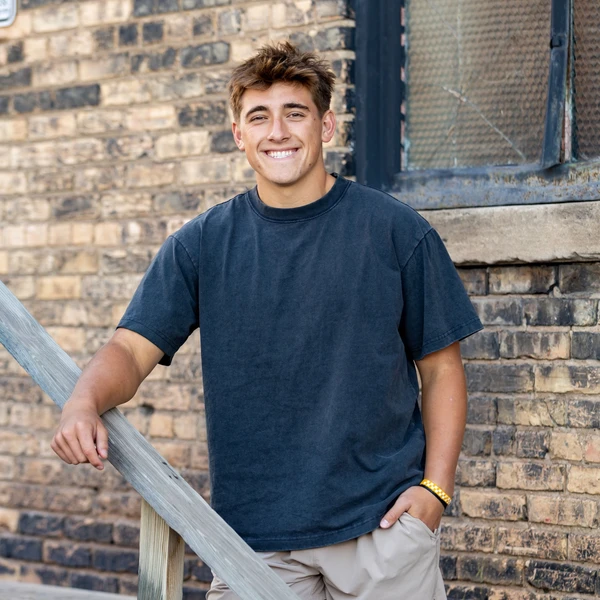
Brayden Daniels

1x

Nominee

1x

Finalist

Bio

As a multi-sport athlete, I have learned that leadership is about more than performance it is about accountability, resilience, and serving others. Balancing varsity athletics with academics has taught me discipline and time management. I hold myself to high standards in the classroom and on the field. Football has given me a platform, but it has also taught me humility, teamwork, and how to respond when things do not go as planned. I am passionate about giving back to younger athletes in my community. I volunteer as a youth football coach and serve as a field director, helping organize practices and create a positive environment for developing players. I also help organize and coach youth lacrosse camps, focusing on building confidence, character, and sportsmanship. In addition, I volunteer with Tapestry of Rockford, collecting and distributing gently used sports equipment so financial barriers do not prevent kids from participating in athletics. Seeing a child gain access to a sport because of that support reminds me why opportunity matters. I am especially committed to mental health awareness among young male athletes. After facing personal challenges that affected both my focus and academic performance, I learned the importance of speaking up and seeking support. That experience strengthened my resilience and inspired me to lead with empathy. As I continue my education and athletic career, I plan to pursue a path centered on leadership and service. I believe true strength is shown not only in ability, but in character and the willingness to lift others up.

Education

Rockford High School

High School
2022 - 2026

Miscellaneous

  • Desired degree level:

    Bachelor's degree program

  • Majors of interest:

    • Registered Nursing, Nursing Administration, Nursing Research and Clinical Nursing
    • Sports, Kinesiology, and Physical Education/Fitness
    • Business, Management, Marketing, and Related Support Services, Other
    • Social Work
    • Special Education and Teaching
    • Communication, Journalism, and Related Programs, Other
    • Community Organization and Advocacy
    • Journalism
    • Public Relations, Advertising, and Applied Communication
    • Public Administration and Social Service Professions, Other
  • Not planning to go to medical school
  • Career

    • Dream career field:

      Sports

    • Dream career goals:

      My long-term career goal is to create a nonprofit sports performance and wellness facility that supports athletes physically, mentally, and emotionally through training, recovery services, sports psychology, mentorship, academic support, and affordable equipment access. This dream comes from my experiences as an athlete, mentor, coach, and volunteer. As a quarterback at a large high school, I experienced the pressure, injuries, and mental struggles athletes often hide. Coaching youth sports also showed me how many talented kids cannot afford proper equipment or training opportunities. That inspired me to help organize equipment drives through Tapestry of Rockford’s sports exchange program, helping dozens of youth athletes safely participate in sports. I also discovered how social media can create real impact by increasing awareness, donations, and support for the program. Sports gave me confidence, discipline, and purpose, and I hope to create those same opportunities for others.

    • Co-founder

      I started my own landscaping business
      2024 – Present2 years
    • Cook

      Chipotle
      2025 – Present1 year
    • Boat part machinist

      OG Services Inc
      2024 – Present2 years

    Sports

    Lacrosse

    Varsity
    2021 – Present5 years

    Awards

    • Underclassman Player of the Year
    • First in program history junior team captain
    • All conference HM

    Football

    Varsity
    2021 – Present5 years

    Awards

    • offensive player of the year
    • Captain
    • Ram Pride Award
    • academic All-state
    • Academic All American
    • Ram Tough Award
    • All Conference
    • Leadership Conference honoree

    Basketball

    Club
    2021 – Present5 years

    Public services

    • Volunteering

      Rockford Boys Youth Lacrosse — A youth camp and regular season volunteer and coach
      2022 – Present
    • Volunteering

      Rockford Youth Football — I have been a volunteer coach, field director and mentor
      2022 – Present
    • Volunteering

      Tapestry — Student organizer of the sports exchange program
      2025 – Present
    • Volunteering

      Hand2Hand — I helped deliver bags each week to the schools. I also organized food drives, collected donations and packed
      2018 – Present

    Future Interests

    Advocacy

    Volunteering

    Philanthropy

    Entrepreneurship

    Heather Brown Sports Information Scholarship
    Sports have shaped nearly every part of my life. My parents and my brothers are all sports obsessed especially my Mom. I love a come from behind win, a packed stadium of cheering fans during playoffs as much as the next guy, but some of my favorite memories are driveway family basketball games (my mom & I still remain undefeated) Playing backyard football games with my brothers and friends until it got too dark to see the ball. Weekends spent traveling together for tournaments and games. Those moments taught me that sports are about far more than competition. They build relationships, confidence, perseverance, and a sense of belonging. As a starting quarterback at one of the largest Division 1 high schools in Michigan, I experienced both the excitement and pressure that come with leadership. Football taught me how to stay calm under pressure, respond to adversity, and encourage others even when I felt overwhelmed myself. It pushed me to become mentally tough, disciplined, and driven in every area of my life. While I plan to continue playing football at Adrian College, my long-term goals in sports go far beyond the field. My dream is to build a nonprofit all-inclusive sports performance and wellness facility that supports athletes physically, mentally, and emotionally regardless of their financial situation. I want it to provide training, mentorship, recovery services, sports psychology, and properly fitted equipment so young athletes feel supported both as players and as people. This goal became personal to me through coaching youth football teams and lacrosse camps and working with younger athletes in my community. Some of my favorite moments have come from watching kids gain confidence in themselves through sports. At the same time, I noticed many families struggled to afford basic equipment like cleats, shoulder pads, or safe helmets. Some athletes were using expired or improperly fitting gear simply because they wanted the opportunity to play. Seeing that inspired me to start a small sports equipment drive in my neighborhood. What began with a few donations eventually grew into a partnership with Tapestry of Rockford to help create the Sports Exchange program. Together, we have helped fit more than 35 athletes with equipment so they could safely participate in sports they otherwise may not have been able to play. Watching kids light up after receiving gear that fit them properly reminded me how powerful small acts of service can be. One experience that impacted me most was serving as a peer mentor for another senior football player this year. He struggled academically and personally and often talked about giving up on school. Throughout the year, I encouraged him, checked in on him, and reminded him that people cared about him beyond football. After graduation, he told me he honestly did not think he would have made it there without my support. That moment showed me how important mentorship, kindness, and human connection truly are. I also understand firsthand that athletes sometimes struggle silently with mental health. As a quarterback, there were times when the pressure and expectations became difficult to manage. Finding affordable mental health support or access to a sports psychologist was not easy. Those experiences strengthened my desire to someday create a place where athletes can receive support without feeling alone or financially limited. Sports changed my life by giving me confidence, purpose, friendships, and opportunities. More importantly, they taught me the importance of leadership, generosity, and helping others. My goal is to spend my life creating those same opportunities and support systems for future athletes. A Lions Super Bowl win would be nice too : )
    Tawkify Meaningful Connections Scholarship
    In a world increasingly shaped by technology, social media, and artificial intelligence, it has never been easier to communicate yet somehow harder to truly connect. We can text instantly, post constantly, and share our lives online, but genuine human connection still cannot be replaced by a screen. Real connection is built through presence, empathy, support, and relationships that make people feel seen and valued. Throughout my life, I have learned that human connection has the power to change lives, and preserving it will remain one of my greatest priorities no matter what career path I pursue. Sports first taught me the importance of connection. As a quarterback at a large high school football program and a multi-sport athlete, I experienced firsthand how relationships shape confidence, leadership, and resilience. Coaches, teammates, friends, and family became the people who pushed me forward during difficult moments and reminded me of my worth when I struggled to see it myself. Like many student-athletes, there were times when the pressure to perform, injuries, expectations, and balancing life became overwhelming. During some of my darkest moments, including periods of depression, it was not technology that helped pull me through it was people. My parents, brothers, teammates, and mentors noticed when something was wrong. They checked in, supported me, and reminded me that I was never alone. That experience showed me how critical authentic human relationships truly are. The people who genuinely know you are often the first to recognize when you are struggling and the ones who can help change the direction of your life. Because of those experiences, I have become passionate about creating those same connections for others. One of the most meaningful parts of my life has been volunteering with Tapestry of Rockford through its sports exchange program. Our mission is simple but powerful: provide gently used sports equipment to kids who may not otherwise have the opportunity to participate in athletics. For many families, the cost of equipment can prevent children from playing the sports they love. Through this program, I have helped organize equipment drives, sort donations, fit younger athletes with gear, and make sure kids feel included rather than left behind. What I quickly realized is that we are not simply handing out equipment we are giving kids confidence, a sense of belonging, mentorship, and opportunity. Sports create friendships, discipline, purpose, and emotional support systems that often last a lifetime. Human connection grows in locker rooms, on sidelines, during practices, and through our shared experiences. I have also experienced the impact of connection through coaching youth football and lacrosse and serving as a peer mentor this past year. One moment, in particular, changed my perspective forever. At the end of our senior year, a fellow student I mentored told me, “I honestly do not think I would still be here if it was not for you.” Hearing those words meant more to me than any touchdown, playoff win, or athletic accomplishment ever could. It reminded me that success is not measured only by personal achievements, but by the impact we have on other people’s lives. Technology can be an incredible tool. It allows us to learn, communicate, organize communities, and spread awareness faster than ever before. I have even used social media to help promote equipment drives and encourage community involvement. But technology should support human connection not replace it. The future depends on people who are willing to show up for others in real and meaningful ways. As I continue into college and beyond, I want human connection to remain at the center of everything I do. Whether through coaching, volunteering, mentoring, healthcare, business, or community leadership, I hope to continue building environments where people feel supported, valued, and connected. I want to be the type of person who notices when someone is struggling, who creates opportunities for others, and who reminds people they matter. The most meaningful change in the world will never come solely from technology. It will come from people choosing to care for one another. Human connection has the power to save lives, strengthen communities, and shape futures. I hope to spend my life protecting and building more of it.
    200 Bold Points No-Essay Scholarship
    $25,000 "Be Bold" No-Essay Scholarship
    1000 Bold Points No-Essay Scholarship
    100 Bold Points No-Essay Scholarship
    Learner Mental Health Empowerment for Health Students Scholarship
    Mental health is an important part of a student’s overall well being, yet it is often overlooked. School can bring a lot of pressure, including academic expectations, social challenges, and uncertainty about the future. Because of this, students may struggle silently with stress, anxiety, or self-doubt. For me, mental health is important because it affects not only how students perform in school but also how they see themselves and interact with others. When students feel supported and understood, they are more likely to succeed academically and emotionally. One of the biggest things I have learned about mental health is that struggles are not always obvious. Someone might appear fine on the outside while dealing with a lot internally. Because of this, I believe one of the most important ways to advocate for mental health is simply by paying attention to the people around you. Small changes in someone’s behavior such as becoming quieter than usual, seeming more stressed, or withdrawing from friends can sometimes be signs that they are going through something difficult. When I notice a change in someone’s behavior, I try to do something simple but meaningful: reach out to them. This might mean asking how they are doing, checking in with a quick message, or taking a moment to talk if they seem overwhelmed. Many people assume that helping someone with mental health struggles requires the perfect advice or solution, but often that is not what someone needs most. Sometimes the most powerful thing you can offer is simply your willingness to listen. Listening shows someone that they are not alone. When a person feels comfortable sharing what they are going through, it can relieve some of the weight they have been carrying. Even if I cannot solve their problem, being present and supportive can make a real difference. It lets them know that someone cares and that their feelings matter. I have learned that small moments of support such as asking a friend if they are okay or taking the time to listen without judgment can have a larger impact than people realize. Advocating for mental health in my community starts with creating an environment where people feel safe opening up about their struggles. At school, this means encouraging kindness, patience, and understanding among classmates. At home and among friends, it means being someone who others know they can talk to without fear of being judged. When people feel comfortable discussing mental health, it becomes easier for them to seek support when they need it. Mental health advocacy does not always require large programs or major initiatives. Sometimes it begins with simple actions, noticing when someone is struggling, asking how they are doing, and taking the time to truly listen. These small acts can help break the feeling of isolation that many people experience when dealing with mental health challenges. As a student, mental health matters to me because every person deserves to feel supported and understood. By paying attention to the people around me and reaching out when I notice someone may be struggling, I hope to contribute to a more caring and supportive community. Even small gestures of kindness and understanding can remind someone that they are not alone, and that reminder can make all the difference.
    Kalia D. Davis Memorial Scholarship
    Higher education has always represented opportunity to me an opportunity to grow, to build meaningful skills, and to pursue a career where I can make a lasting impact. However, the financial burden of college can make that path difficult to navigate. Receiving this scholarship would not only ease that burden, but it would also allow me to focus more fully on my education and the goals I hope to accomplish in the future. The cost of tuition, textbooks, housing, and other expenses adds up quickly, and for many students, including myself, these financial challenges can create stress that distracts from learning. This scholarship would help reduce that pressure and allow me to dedicate more of my time and energy to my academic work. Instead of worrying about how to cover each semester’s expenses, I would be able to concentrate on developing the knowledge and skills necessary for my chosen field. Beyond simply covering costs, this scholarship would represent an investment in my potential. When someone believes enough in a student’s future to support their education, it provides motivation to work even harder. It would encourage me to take full advantage of the opportunities college offers, such as internships, research projects, and involvement in campus organizations. Experiences like these are essential for building both professional skills and personal growth. My long-term goal is to pursue a career where I can apply what I learn in college to make a meaningful contribution. Education is the foundation that will allow me to reach that goal. The classes I take, the mentors I meet, and the experiences I gain will shape the kind of professional and person I become. This scholarship would help ensure that financial limitations do not prevent me from pursuing these opportunities or reaching my full potential. In addition, reducing the financial strain of college would allow me to think more about my future career and less about accumulating debt. Many graduates leave college facing significant student loans, which can limit their ability to explore career paths or pursue opportunities that may not offer immediate financial rewards. By helping offset the cost of my education, this scholarship would give me more freedom to focus on finding a career that aligns with my passions, values, and long term goals. I also believe that education creates a responsibility to give back. The support I receive through this scholarship would motivate me to contribute positively to my community and profession in the future. Whether through mentorship, community involvement, or simply using my career to help others, I hope to pay forward the opportunities that others have helped provide for me. Ultimately, this scholarship would do far more than help me pay for college. It would allow me to focus on learning, growing, and preparing for a meaningful career. With this support, I would be better equipped to pursue my goals, develop my abilities, and build a future where I can make a positive difference. For these reasons, receiving this scholarship would have a lasting impact not only on my education but also on the career and life I hope to build afterward.
    Janice Louise Olach Scholarship
    For much of my life, I believed that anything less than perfect meant failure. I held myself to standards that were nearly impossible to meet, and when I inevitably fell short, the disappointment felt overwhelming. What started as a desire to do well slowly turned into something heavier—a constant pressure fueled by self-doubt and the feeling that I was never quite good enough. At first, the struggle wasn’t obvious to others. On the outside, I appeared motivated and hardworking. I spent extra time revising assignments, checking details repeatedly, and pushing myself to outperform expectations. But internally, the pressure was exhausting. Every small mistake felt magnified. If something didn’t go exactly as planned, my mind would spiral with thoughts about how I should have done better. I compared myself to others constantly and convinced myself that everyone else had things figured out while I was barely keeping up. The hardest part was the self-doubt that came with it. No matter how much effort I put into something, it never felt like enough. Even when I succeeded, I struggled to appreciate it because I focused on the tiny imperfections that remained. Over time, that mindset became mentally draining. Instead of feeling proud of my work or enjoying progress, I felt trapped in a cycle of trying to prove my worth through perfection. Eventually, I reached a point where I realized that this way of thinking wasn’t sustainable. The pressure I put on myself wasn’t motivating me anymore—it was holding me back. I began to understand that perfection wasn’t a realistic goal, and more importantly, it wasn’t necessary to grow or succeed. Learning to accept that was not easy. It required me to challenge the critical voice in my head that constantly told me I should be doing more or doing better. Gradually, I started shifting my mindset. Instead of seeing mistakes as failures, I began viewing them as part of the learning process. I allowed myself to step back and recognize effort rather than only focusing on outcomes. That change didn’t happen overnight, but over time it helped me develop a healthier perspective on both success and failure. Looking back, that period of mental struggle shaped me in ways I didn’t expect. It forced me to become more self-aware and to understand the importance of balance and self-compassion. I learned that growth comes from persistence, not perfection. By working through those feelings of doubt, I developed resilience and a stronger sense of confidence in my abilities. Most importantly, the experience helped me become more understanding toward others. I realized that many people face similar internal battles that aren’t always visible from the outside. That awareness has made me more empathetic and supportive of those around me. Although the pressure to be perfect once felt overwhelming, overcoming that mindset ultimately made me stronger. It taught me that progress matters more than perfection and that personal growth often comes from the challenges we struggle through the most.
    Matthew E. Minor Memorial Scholarship
    I would describe myself as someone who believes leadership is not about being the loudest person in the room it’s about using whatever platform you have to protect and support others. As a multi-sport athlete and starting quarterback, some people might assume that my biggest accomplishments happened under Friday night lights. In reality, the moments I’m most proud of have happened in hallways, locker rooms, and quiet conversations. Community involvement has always been a priority in my family. My parents raised me to be inclusive and to “stand up for the little guy.” My mom experienced bullying growing up as a minority in a small, not very diverse town, and she was determined that our home would be different. Kindness was not optional in our house it was expected. That foundation shaped how I move through the world. At school, I’ve been involved in coaching youth sports, mentoring at-risk students, and participating in programs like RAM Buddies that promote inclusion and belonging. Through those experiences, I’ve seen firsthand how damaging bullying both in person and online can be. As social media has grown, so has the pressure to fit in, and it doesn’t take much for teasing to turn into something harmful. I’ve made it a personal rule: if I see something, I say something. Whether it’s a comment in a locker room, a post online, or someone being excluded in a group setting, I step in. I don’t try to embarrass anyone most people who bully are dealing with their own insecurities, but I do ask them to stop. Sometimes it’s as simple as sending a message or pulling someone aside and letting them know it’s not cool to treat others that way. Because of my role as an athlete, younger students often look up to me. I don’t always feel like the “cool kid,” but I understand that visibility comes with responsibility. If I can make kindness visible, it becomes contagious. Financially, my family has worked hard to provide opportunities for my siblings and me. We are a middle-class family with three children, and I am planning to attend a Division III college to continue my academic and athletic career. While I have earned academic scholarships, the cost of tuition remains significant. I want to do my part to ease that burden and contribute to my own education. Receiving scholarship support would allow me to focus on academics, athletics, and continued community involvement without placing additional strain on my family. Ultimately, I hope to continue creating environments both online and in person where students feel safe, valued, and included. Kindness is not weakness. It is leadership. And if I can use my voice and actions to make even one person feel less isolated, that is a responsibility I am proud to carry. The golden rule is timeless treat others the way you want to be treated!
    Losinger Nursing Scholarship
    1. My inspiration for pursuing a career in nursing comes from witnessing how powerful compassionate care can be during life’s most vulnerable moments. Healthcare is not just about treatment, it is about presence, dignity, and trust. I want to be part of a profession that allows me to serve others in a way that is both skilled and deeply human. One of the most formative experiences in my life was visiting my grandfather at the VA hospital before he passed away. Sitting in those rooms, I listened as veterans shared stories of service, sacrifice, and brotherhood. I saw strength, but I also saw vulnerability. Some veterans had family members constantly by their side. Others sat alone for long stretches of time. What stood out to me most was how much a nurse’s presence mattered not only for medical care, but for reassurance and connection. That experience shaped my desire to work with veterans in particular. Many carry both visible injuries and invisible wounds. They deserve care that honors their sacrifice and recognizes them as individuals, not just patients. I want to be someone who listens carefully, advocates consistently, and treats every person with respect. As a student-athlete, I have learned how to stay composed under pressure, communicate clearly, and support others during difficult situations. Nursing allows me to apply those strengths in a setting where they truly matter. I want to build a career centered on service one where compassion and competence work together to improve lives every day. 2. To me, the phrase “human touch” represents the part of healthcare that cannot be measured by charts, test results, or technology. It is the presence, empathy, and intentional connection that remind patients they are more than a diagnosis. Human touch is what transforms clinical care into compassionate care. Medicine can treat illness, but human touch supports the person experiencing it. It can be as simple as sitting down instead of standing over a patient’s bed. It can be maintaining eye contact when someone is afraid. It can be taking a moment to listen without interrupting. These small actions communicate something powerful: You matter. You are seen. You are not alone. During my visits to the VA hospital with my grandfather, I observed how meaningful those moments of connection were. Some veterans did not have frequent visitors. In those cases, nurses often became the most consistent human interaction in their day. A calm voice, a steady hand, or a few extra minutes of conversation could ease anxiety in a way medication alone could not. That is the impact of human touch. As a student-athlete and leader, I have learned that people respond not only to instruction, but to understanding. When teammates felt discouraged, what helped most was not criticism, but reassurance. That same principle applies in healthcare. Patients may be facing fear, uncertainty, or pain. When a nurse approaches them with patience and empathy, it builds trust. And trust improves communication, cooperation, and overall outcomes. Human touch also means recognizing what may not be visible. Sometimes the greatest need is emotional rather than physical. By paying attention to body language, tone, and subtle changes in behavior, a nurse can identify concerns that might otherwise go unnoticed. In a field increasingly shaped by technology, human touch ensures that compassion remains central. As Mother Teresa once said, “Not all of us can do great things. But we can do small things with great love.” In nursing, those small moments of presence, patience, and kindness can make the greatest difference of all.
    Community Health Ambassador Scholarship for Nursing Students
    I want to pursue a degree in nursing because I have seen firsthand how powerful compassionate care can be during someone’s most vulnerable moments. Nursing represents more than a profession to me it represents service, trust, and the opportunity to make a meaningful difference in someone’s life every single day. I am especially drawn to serving veterans. Visiting my grandfather at the VA hospital before he passed away left a lasting impression on me. I remember those visits listening to veterans share stories. There were so many stories of sacrifice, brotherhood, and experiences that most people will never fully understand. There was a quiet strength in those conversations, but there was also vulnerability. I noticed that some veterans had frequent visitors and strong family support, while others sat alone for long stretches of time. That contrast stayed with me. Many veterans carry not only physical injuries, but invisible wounds from trauma and loss. I want to care for them not just as patients, but as people. Being a nurse at a VA hospital would mean more than administering medications or monitoring vitals. It would mean listening when they want to talk. It would mean sitting down for a few extra minutes when they feel forgotten. It would mean advocating for their needs, ensuring they feel respected, and honoring the sacrifices they made long before they entered a hospital room. For veterans who may not have many visitors, a nurse can become one of the most consistent human connections in their day. I want to be the kind of nurse who brings patience, dignity, and a steady reassurance into those moments. Sometimes healing is not just physical, but also emotional, relational, and rooted in feeling valued. My experiences as a student-athlete have prepared me for that responsibility. I have learned how to remain calm under pressure, communicate clearly, and support others during challenging situations. I understand how important it is to notice what may not be immediately visible to recognize when someone needs more than what they are saying out loud. In my community, I hope to serve not only as a healthcare provider, but as an advocate. I want patients and their families to feel heard and understood. I want veterans to feel that their stories matter and that their service is remembered. Nursing allows me to combine compassion, resilience, and purpose into a career centered on impact. I want to wake up each day knowing that my work helps people feel cared for, respected, and less alone. For me, that is the kind of difference worth pursuing.
    Valerie Rabb Academic Scholarship
    My name is Brayden Daniels, and I am a student-athlete, mentor, and future entrepreneur who believes leadership is defined not by titles or statistics, but by the impact you have on others. While much of my life has revolved around sports, the most meaningful lessons I’ve learned have come through adversity and service. As a starting quarterback at a Division I high school, I carried significant pressure much of it self-imposed. I believed I had to be perfect: perfect decisions, perfect leadership, perfect performance. I felt responsible not only for my own success, but for the energy and expectations of an entire team and community. During my junior year, that pressure took a toll on my mental health. I struggled quietly, convincing myself that strong leaders did not show weakness. It became one of the most difficult seasons of my life, not because of wins or losses, but because of the internal battle I was fighting every day. What helped me overcome that adversity was learning to accept support. My family and mentors recognized the signs I tried to hide and encouraged me to speak openly and seek help. Through that process, I began to understand that strength is not about pretending everything is fine it is about confronting challenges honestly, asking for help when you need it, and allowing yourself to grow. That experience reshaped how I view leadership. It gave me empathy, awareness, and the ability to recognize when others may be silently struggling. The following year, when a teammate confided in me about his own mental health challenges, I recognized the warning signs immediately. Because I had experienced similar pressure, I understood how important it was to simply listen and not look away. I made it a priority to check in consistently, include him intentionally, and ensure he felt supported by our team. I encouraged him to connect with trusted adults and professional resources. That experience reinforced my desire to build a career centered on supporting the whole person not just performance. Beyond the field, I have worked to serve underserved youth in my community by helping collect and distribute sports equipment, mentoring younger athletes, and encouraging teammates to volunteer their time. Through those experiences, I’ve seen how access, mentorship, and encouragement can change a young person’s confidence and trajectory. Looking ahead, I plan to pursue a path that combines business, sports medicine, performance training, recovery and sports psychology to eventually create a comprehensive wellness facility for young athletes. My vision is to build a space that integrates injury prevention, rehabilitation, sports psychology, mentorship, and leadership development under one roof. I want to create scholarship opportunities within that facility so that no athlete is denied support because of financial limitations. Too often, young athletes are trained physically but unsupported mentally. I want to change that. Sports have shaped my character, but adversity has strengthened it. Through my education and career, I hope to create a comprehensive wellness center where young athletes are supported physically and mentally. A place where they learn that their identity and worth extend far beyond the scoreboard.
    Ava Wood Stupendous Love Scholarship
    “Creating Connection” Creating connection in my community has meant focusing on students who are often overlooked. For years, I have volunteered alongside my mom for Hand2Hand, helping organize food drives and pack snack and breakfast packs, and weekend meals for children who rely on school as their primary source of food. Through our partnership with Tapestry of Rockford, we also helped provide clothing and toiletries to the same families. Seeing how many kids lacked basic necessities changed the way I view opportunity. That experience led us to start something called “The Locker Room.” If food and clothing matter, so does belonging. Sports equipment can be expensive, and I realized some kids were missing out simply because they couldn’t afford to play. What started as a small equipment drive in my neighborhood grew into a larger community effort. We collected gently used gear and partnered with youth programs, middle school, and high school coaches to ensure equipment reached athletes who would otherwise be sidelined. But equipment alone wasn’t enough. I began encouraging some of my teammates including several of the “star” athletes in our community to volunteer with me. Together, we mentor and coach underserved youth, help with fittings, donate gear, and run training sessions completely free of charge. Watching younger athletes light up when someone they look up to invests time in them has been incredibly meaningful. Some of my favorite moments haven’t been under Friday night lights, but in those quiet interactions helping a kid tie his cleats, running drills, or simply listening. As a starting quarterback, I know younger athletes notice what I do. I don’t see that as status, I see it as responsibility. If I can use my platform to create belonging and inspire others to serve alongside me, that is the kind of connection that truly matters! “Kindness in Action” This past football season, a senior transferred into our program. At first glance, he looked like any other athlete strong, confident, ready to compete. But as I spent more time with him, I realized he was carrying something heavy. He had endured a difficult past and was quietly battling his mental health. One day, he opened up to me and shared how dark things had become that he had come close to taking his own life. He told me football felt like the only thing holding him together. Hearing that stopped me. The year before, as a starting quarterback, I had struggled deeply with the pressure I placed on myself to be perfect. My mental health suffered in ways most people never saw. I was fortunate to have family and mentors who recognized the signs and helped me through it. But I remember how lonely it felt. Because I had been there, I recognized the weight in him. I made it a point to check in regularly, to sit with him after practice, to include him intentionally, and to encourage him to seek help. I spoke with trusted adults and made sure he was connected to resources beyond just our team. Slowly, he began to open up more, to feel supported, and to accept the help he needed. That season, our biggest win wasn’t on the scoreboard. It was knowing a teammate was still here. That experience taught me that kindness isn’t always loud. Sometimes it’s simply noticing someone who is hurting and refusing to let them fight alone.
    Forever90 Scholarship
    A life of service is not just something I value, it is something I was raised to live. My Christian faith has always been the foundation of my family, and from a young age I was taught that we are called to serve others the way Christ served. Mark 10:45 says, “For even the Son of Man did not come to be served, but to serve, and to give His life as a ransom for many.” That verse has shaped my understanding of leadership, humility, and purpose. Growing up, I watched my faith modeled through action. Multiple generations of my family served in the military, answering a call to protect and sacrifice for others. Their example taught me that true strength is not about recognition it is about commitment to something greater than yourself. My faith reinforced that idea by reminding me that service begins with the heart. As a student-athlete, I have learned that leadership is one of the clearest ways I can live out my faith. Being a quarterback meant more than calling plays; it meant being steady under pressure, encouraging teammates, and taking responsibility when things went wrong. During seasons when I faced injuries and struggled mentally with the pressure I put on myself, I leaned heavily on my faith. Those challenges humbled me and reminded me that my identity is not defined by performance, but by who God created me to be. They also gave me empathy for others who may be silently struggling. I try to embody service in practical ways. I volunteer as a youth football coach and field director, helping younger athletes build confidence and character. I help organize and coach youth lacrosse camps, investing in the next generation the same way others once invested in me. I also volunteer with Tapestry of Rockford, collecting and distributing sports equipment so that financial barriers do not prevent children from participating in athletics. These acts may seem small, but I believe service is often found in consistent, everyday faithfulness. My education is the next step in living out that calling. I plan to pursue nursing because it allows me to care for people in their most vulnerable moments. I am especially drawn to working with veterans, ideally in a VA hospital. Visiting my grandfather at the VA before he passed away left a lasting impression on me. Listening to veterans share their stories made me realize how much sacrifice often goes unseen. Many of them served our country with courage and humility. I want to serve them in return with patience, skill, and compassion. In the long term, I’d love to build a comprehensive sports wellness facility for young athletes a place that integrates orthopedic care, rehabilitation, sports psychology, and mentorship. I want to offer scholarship opportunities so that no athlete is turned away because of financial limitations. I hope to create an environment that supports the whole person body, mind, and spirit. Matthew 5:16 says, “Let your light shine before others, that they may see your good deeds and glorify your Father in heaven.” My goal is not to serve for recognition, but to reflect Christ through my actions. A life of service, to me, is not a single career choice. It is a daily decision to lead with humility, to care deeply, and to use the gifts God has given me to lift others up. Through my education, I hope to continue living out that calling not to be served, but to serve.
    Spark the Change Scholarship
    If I’m being completely honest, my childhood dream was to become a professional athlete. I pictured packed stadiums, highlight reels, and my name on the back of a jersey. While I’m grateful to be continuing my football career at the Division III level, I also recognize that the NFL is probably not in my future and I’m okay with that. What I’ve gained from sports is far more valuable than any contract could offer. Sports have shaped my identity, but they have also exposed me to challenges that changed my perspective. As a quarterback, I put enormous pressure on myself to be perfect to lead flawlessly, to perform consistently, to never let my team down. When I faced injuries, the physical recovery was difficult, but the mental battle was even harder. Being sidelined made me question who I was outside of the game. I struggled quietly at times, unsure how to process the frustration and fear that came with setbacks. Through those experiences, I began to notice something: young athletes are often trained physically, but rarely supported mentally. Orthopedic care, rehab, strength training, and sports psychology are typically separate services, and many families cannot afford comprehensive support. I personally felt the gap between physical recovery and mental resilience. That realization inspired my long-term goal. I plan to pursue a career in business that combines my passion for sports, medicine, and performance to eventually open a comprehensive health and wellness facility designed specifically for young athletes. My vision is to create a space that integrates orthopedic medicine, rehabilitation, athletic training, sports psychology, and recovery services under one roof. It would not only help athletes return from injury, but proactively support their physical development and mental well-being. I want this facility to treat the whole athlete not just the injury. Equally important to me is accessibility. I hope to build scholarship opportunities within the program so that financial barriers do not prevent young athletes from receiving high-quality care and training. Talent and potential should never depend on a family’s ability to pay. Through partnerships, sponsorships, and community fundraising, I envision offering reduced-cost or sponsored services to those who need them most. In addition, I want to establish a youth mentorship program within the facility. Older athletes, coaches, and professionals could mentor younger players, helping them navigate pressure, setbacks, and identity beyond sports. If I had structured mentorship during some of my own mental health struggles and injuries, I know how meaningful it would have been. Entrepreneurship excites me because it allows me to build solutions instead of waiting for someone else to create them. I do not see business as simply profit-driven, I see it as purpose-driven. By combining business leadership with healthcare and athletics, I can create something that addresses real challenges I have personally experienced. I may not play professionally, but I can still dedicate my life to the world of sports in a way that creates lasting impact. My goal is to build a facility where young athletes feel supported physically, mentally, and emotionally a place where they are developed not just as competitors, but as confident, resilient individuals prepared for life beyond the field. That is a future I would be proud to build.
    Evan James Vaillancourt Memorial Scholarship
    Growing up, I was taught that service is not just something you talk about it is something you live. That belief has been passed down through generations in my family. My great-grandfather, my grandfathers, and many other close relatives served in the military. Their commitment to our country shaped not only their lives, but mine as well. Some of my most meaningful memories involve visiting my grandfather at the VA hospital before he passed away. While he was receiving care, I watched him connect with other veterans sharing stories, laughing, reflecting on their time in service. There was a deep bond between them, an understanding that only those who have worn the uniform truly share. At the same time, I saw how many veterans felt overlooked or forgotten once their service ended. That realization stayed with me. Hearing their stories and witnessing both their strength and vulnerability planted something in me. I began to understand that serving those who have served our country is one of the most honorable callings a person can pursue. That understanding is a major reason I want to become a nurse. My journey as a student-athlete has taught me discipline, teamwork, and resilience. My experiences with mental health challenges have taught me empathy and the importance of compassionate care. Volunteering as a youth coach and working with organizations like Tapestry of Rockford has reinforced how powerful it is to show up for others consistently. All of those experiences point me toward a profession centered on service. Nursing represents the intersection of leadership, science, and compassion. It requires strength, but also patience. It demands knowledge, but also heart. I am drawn to the idea that, as a nurse, I could build relationships with patients during some of their most difficult moments. I could be a steady presence, an advocate, and a source of reassurance. One day, I hope to work in a VA hospital. I want to care for the men and women who protected our country and made sacrifices most people will never fully understand. Many veterans carry not only physical wounds, but invisible ones as well. I want to be part of a system that ensures they feel valued, respected, and cared for long after their military service ends. For me, nursing is not just a career choice it is a continuation of my family’s legacy of service. While I may not wear a military uniform, I can still serve those who did. I want to wake up each day knowing that my work matters, that I am helping people who once helped protect the freedoms I enjoy. Serving those who served our country would be both a responsibility and a privilege. Through nursing, I believe I can combine compassion, leadership, and purpose into a profession that allows me to make a meaningful difference every single day.
    David Foster Memorial Scholarship
    One of the most influential people in my life was my freshman honors English teacher. English had never been my favorite subject. In fact, it was probably my least favorite. I struggled during my first semester and felt frustrated and disconnected from the material. As a student-athlete, most of my identity revolved around sports. Reading and writing felt like obligations, not passions. But she saw something in me that I did not yet see in myself. Instead of letting me fall behind or accept mediocrity, she took the time to work with me individually. She paid attention to my interests and introduced me to authors and literature that connected to the things I cared about. She showed me that reading was not just about assignments it was about perspective, leadership, and understanding people. Through her guidance, I began to unlock a genuine appreciation for literature. I remember one paper in particular. I had put more effort into it than usual, but I still wasn’t sure it was good enough. When she handed it back, she had written a note in the margin that changed me. She wrote, “Brayden you have a powerful presence on the field but your written word is an equally valuable gift. Your actions and words will impact this world in such a positive way.” I read that sentence over and over. No one had ever affirmed me in that way academically before. In that moment, I began to see myself differently. I realized I was more than an athlete. My voice mattered. My ideas mattered. My words could matter. She continued to encourage me to grow, even connecting me with art and writing programs I never would have considered as a student-athlete. She helped me understand that creativity and athletics were not opposites they were both forms of leadership and expression. What made her influence even more meaningful was the way she lived. While teaching us, she was also battling cancer. Despite treatments, exhaustion, and uncertainty, she showed up each day with strength, humor, and commitment. We never felt like anything less than her priority. Watching her fight with quiet courage while continuing to invest in her students taught me more about resilience than any lesson plan could. She retired in May of 2025 after an inspiring career, and just a few short months later, her cancer returned and she passed away. The loss was devastating for our school and for me personally. But her legacy lives on in the confidence she instilled in her students. Because of her, I no longer see impact as limited to one arena. I strive to lead not only on the field, but in the classroom and beyond. Her belief in me helped shape the way I view myself and the way I hope to influence others with both my actions and my words.