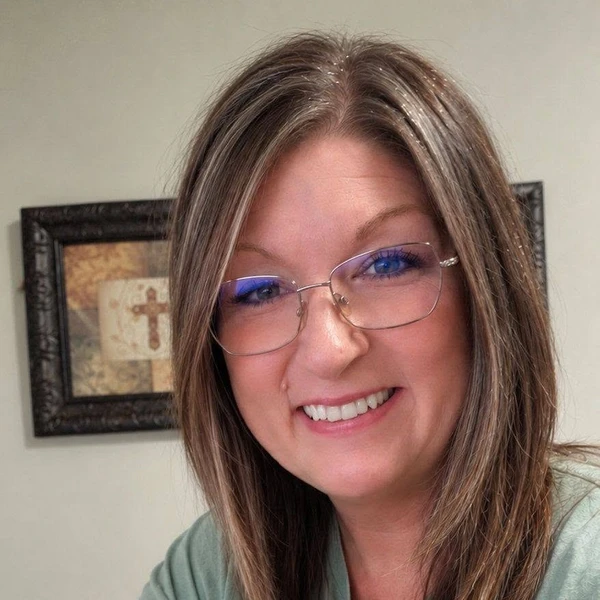
user profile avatar

Barbara Hill

1x

Finalist

General information

Hobbies & Interests

  • Babysitting And Childcare
  • Bible Study
  • Church
  • Coaching
  • Community Service And Volunteering
  • Counseling And Therapy
  • Mental Health
  • Mentoring
  • Social Work

Bio

I am a mental health coach and graduate student committed to advancing trauma‑informed care through evidence‑based practice and faith‑anchored resilience frameworks. I completed my B.S. in Psychology: Professional Life Coaching with a minor in Christian Counseling, and I am currently pursuing my M.A. in Human Services Counseling specializing in Crisis Response and Trauma. My academic work focuses on the intersection of trauma, emotional regulation, and restorative healing within both individual and family systems. My professional experience includes seven years of recovery and reunification coaching, where I have supported individuals navigating trauma, instability, and complex emotional patterns. I am passionate about integrating neuroscience, crisis intervention strategies, and biblically grounded principles to create accessible tools for emotional stabilization and long‑term healing. This passion has shaped my work through Dare to Hope and The Steady Heart Method, where I develop trauma‑informed teaching materials and practical regulation skills for diverse communities. I believe I am a strong candidate because I bring together academic training, applied coaching experience, and a deep commitment to serving vulnerable populations. My goal is to expand trauma‑responsive programming, contribute to research‑supported interventions, and continue developing resources that help individuals rebuild their lives with dignity and hope. Psalm 147:3 remains foundational to my work: He heals the brokenhearted and binds up their wounds.

Education

Liberty University

Bachelor's degree program

2022 – 2026

Majors:
  • Psychology, Other

Miscellaneous

Desired degree level:
Master's degree program
Medical school interest:
No

Career

Miscellaneous

Dream career field:
Mental Health Care
Has nursing license:
No
Fishers of Men-tal Health Scholarship
I did not enter the mental health field because it looked admirable from a distance. I entered it because I know what it feels like to break. My earliest experiences with mental health were not shaped in a classroom but in the quiet places where fear, instability, and emotional pain lived inside me. Before I ever learned the language of trauma, I lived it. And before I understood the science of healing, I experienced the grace of it through Christ. Those experiences have shaped my beliefs, my relationships, and the calling that now guides my career. My story begins with wounds that left me feeling rejected, insecure, and overwhelmed. I grew up learning how to survive emotions that felt too big for my body and too heavy for my heart. I didn’t know then that trauma rewires the nervous system or that chronic fear reshapes identity. I only knew that I felt broken. When I encountered the healing presence of Jesus, everything shifted. I learned that emotional pain is not weakness but a signal that something deep within us needs care. God does not shame the wounded; He binds them up. That truth reshaped my beliefs about mental health. Faith and psychology are not opposites. They work together to restore what trauma tries to steal. This belief influences how I see people, how I listen, and how I build relationships. Trauma taught me that behavior is often a reflection of pain rather than character. Because of that, I approach people gently. I listen for what is underneath the words. I pay attention to the tremble in a voice, the hesitation in a sentence, and the silence that says more than speech. My relationships—personal, professional, and spiritual—are built on safety. Healing happens when people feel safe enough to be honest. The fruits of the Spirit are not just virtues to me; they are clinical tools. Gentleness regulates. Patience stabilizes. Kindness disarms shame. My faith and my trauma‑informed lens work together in every relationship I build. My experiences shaped my academic path. I completed my B.S. in Psychology: Professional Life Coaching with a minor in Christian Counseling, and I am now pursuing my Master of Arts in Human Services Counseling with a specialization in Crisis Response and Trauma. Every class I take feels like another layer of understanding—not just about the people I serve, but about the girl I used to be. Learning about attachment, emotional regulation, crisis intervention, and neuroscience has given me language for what I lived and tools to help others navigate their own storms with dignity and hope. My education strengthened my conviction that mental health work is holy work. When I study trauma, I see the fingerprints of God’s compassion. When I learn about the brain’s ability to heal, I see His design for restoration. My academic journey has anchored me more deeply in faith. I believe God uses both Scripture and science to heal His people, and I want to honor both. My professional journey began when I started coaching individuals in recovery and reunification. Over the past seven years, I have walked with people through trauma, addiction, instability, and emotional dysregulation. I have seen the way trauma steals identity, the way addiction numbs pain, and the way shame silences people who desperately need support. I have also seen the way faith, when paired with trauma‑informed care, can restore hope in ways clinical interventions alone cannot. One moment stands out. I worked with a young woman who had survived years of abuse. She told me she felt “too damaged” for God to use. As we worked together, I watched her learn to regulate her emotions, understand her trauma responses, and rebuild her sense of identity. The day she said, “I don’t feel broken anymore,” I felt the weight of my calling settle deeper into my heart. Mental health work is not just about reducing symptoms. It is about restoring dignity and reminding people of their God‑given worth. These experiences led to the creation of Dare to Hope and The Steady Heart Method—a trauma‑informed, faith‑anchored framework that teaches people how to regulate their emotions and rebuild what trauma has damaged. My work blends biblical truth with evidence‑based practices, helping individuals and families develop tools that support long‑term healing. I believe the mental health field needs more professionals who can bridge the gap between faith communities and clinical care. Many people seek spiritual support but also need trauma‑responsive tools. Many churches want to help but lack training. My goal is to stand in that gap with excellence and compassion. My experiences with mental health have also shaped my long‑term career aspirations. I want to expand Dare to Hope into a comprehensive trauma‑informed program that offers courses, workshops, and community resources. I plan to continue developing The Steady Heart Method into a full curriculum that integrates emotional regulation, biblical teaching, and neuroscience. I also hope to create materials for churches, helping faith leaders recognize trauma responses, support individuals in crisis, and connect them with appropriate professional care. Ultimately, my goal is to serve individuals and families who feel overwhelmed, unseen, or unsure where to turn. I want to help them understand their emotions without shame and experience the healing presence of Christ. My personal experiences taught me that healing is possible, but it requires both spiritual and practical support. My academic training has equipped me to provide that support with excellence. My relationships have taught me how to walk with people gently and consistently. Together, these experiences form the foundation of my calling. Matthew 4:19 says, “Follow me, and I will make you fishers of men.” For me, this reflects the heart of mental health work: reaching people in their deepest need and helping them move toward healing with dignity and hope. My life, my education, and my career aspirations are all shaped by this calling. The Fishers of Men-tal Health Scholarship would support my ability to continue my graduate studies and expand the work I am building through Dare to Hope. My experiences with mental health have shaped every part of who I am, and they have given me a clear mission: to help the broken heal and restore hope where it has been lost. I am committed to this work, and I am grateful for the opportunity to share my story.
Barbara Hill Student Profile | Bold.org