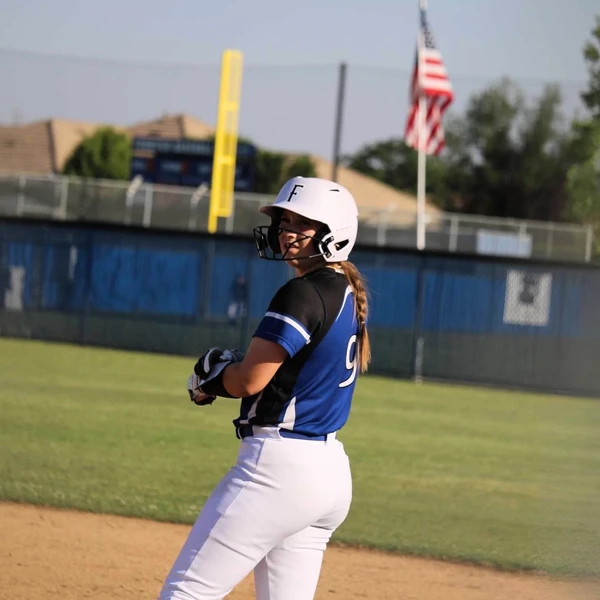
Kindness in action means turning empathy into something real—choosing to show up for others through support, encouragement, or understanding when it matters most. Kindness in action is more than just good intentions; it is the decision to step in, offer support, and make someone feel seen and valued, especially during difficult moments. After losing our Valley Championship game by just two runs, emotions were high. We had spent months preparing, sacrificing time, energy, and even parts of our personal lives for that moment. When the final pitch was thrown, it felt like everything had slipped away. Instead of walking away frustrated, I focused on my teammates. Some were in tears, others sat silently trying to process the loss. I made it a priority to go from player to supporter—checking in on my teammates, offering encouragement, and reminding them how far we had come. In that moment, kindness wasn’t about big gestures, but about being present. That experience taught me that kindness can be most powerful during difficult moments. It has shaped how I show up for others, not only in sports but in my everyday life. Whether in the classroom or as an ASB officer, I strive to create an environment where people feel supported, valued, and not alone.
Outside of school, I have also created connection by hosting team bonding activities at my house. Whether it was small get-togethers or team hangouts, I made an effort to invite everyone and create a space where people felt comfortable and included. As both a student-athlete and a three-year ASB officer, I have learned the importance of creating connection within a community. In high school, it is easy for students to feel divided—by friend groups, activities, or social pressures. I have made it a goal to help bridge those gaps. Through ASB, I have helped organize events that encourage school spirit and participation, creating opportunities for students from different backgrounds to come together. Whether it was planning school activities or simply reaching out to include others, I focused on making people feel seen and valued. On my team, connection was just as important. Building trust and supporting one another allowed us to grow stronger, both as athletes and individuals. I learned that connection is not something that happens automatically—it requires effort, empathy, and leadership.By creating inclusive environments in both athletics and leadership, I have helped foster a sense of belonging within my school. I will continue to carry these values forward, knowing that strong communities are built through connection.