Hobbies and interests
Volleyball
Basketball
Soccer
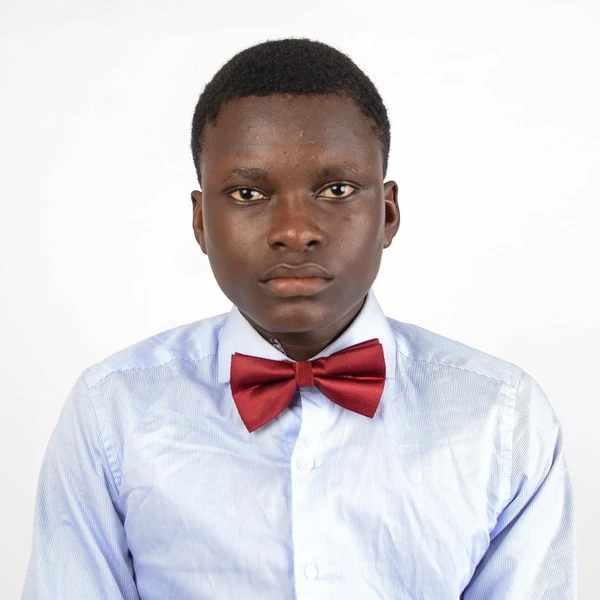
Babatunfisayomi Oderinde
1x
Finalist
Babatunfisayomi Oderinde
1x
FinalistBio
I aspire to become a neurosurgeon because I am passionate about helping people regain hope and mobility. I am especially driven to support those who have lost the ability to walk, and to play a role in restoring their independence.
I have a strong interest in science and a genuine desire to care for others, which has shaped my decision to pursue medicine. As a Year 12 student, I am disciplined, determined, and ready to work hard to achieve this goal.
I believe I am a strong candidate because of my clear purpose, commitment, and passion to make a meaningful difference in people’s lives.
Education
Air Force Acad High School
High SchoolMiscellaneous
Desired degree level:
Bachelor's degree program
Majors of interest:
- Medicine
Career
Dream career field:
Medicine
Dream career goals:
Sports
Soccer
Varsity2025 – Present1 year
Awards
- no
Volleyball
Varsity2025 – Present1 year
Awards
- Yes
Basketball
Varsity2025 – Present1 year
Awards
- Yes
Research
Biological and Biomedical Sciences, Other
Air force Academy High school — Contributed in write up2025 – Present
Arts
Air force Academy High school
SculptureI made a chair2026 – Present
Public services
Volunteering
Air force Academy High School — Support in cleaning and others2025 – Present
Future Interests
Volunteering
Philanthropy
Entrepreneurship
Maxwell Tuan Nguyen Memorial Scholarship
What inspired me to pursue a career in the medical field is my passion for helping people and making a real difference in their lives. From a young age, I have always admired medical professionals because of the way they bring hope, healing, and comfort to people during difficult times. Over time, my interest in science and the human body grew stronger, especially my fascination with the brain and nervous system. This inspired my dream of becoming a neurosurgeon.
What motivates me most is the opportunity to help people who have lost hope due to serious injuries or neurological conditions. I am especially passionate about helping individuals who have lost the ability to walk because of spinal cord injuries or brain-related conditions. I believe that restoring someone’s movement and independence can completely change their life. The idea that I could one day help a patient regain confidence, hope, and the ability to enjoy everyday activities again is what continues to inspire me to pursue medicine.
Another reason I am drawn to the medical field is because medicine combines knowledge, compassion, and service. Doctors are not only responsible for treating illnesses, but also for supporting patients emotionally during some of the hardest moments of their lives. I admire the level of dedication, patience, and sacrifice required in the profession, and I want to develop those same qualities in myself. I understand that becoming a doctor will require years of hard work, discipline, and perseverance, but I am willing to make those sacrifices because I know the impact this career can have on others.
Throughout my education, I have learned the importance of resilience and determination. Preparing for a future in medicine can feel challenging at times because of academic pressure and financial concerns, but those challenges have only strengthened my commitment to my goals. They have also helped me develop empathy for people facing struggles of their own. I believe personal experiences can shape someone into a more understanding and compassionate healthcare professional.
In the future, I plan to make a difference through my career by using my skills and knowledge to serve people in meaningful ways. I want to provide care not only to patients who can easily afford medical treatment, but also to underserved communities that often lack proper healthcare access. Many people around the world struggle to receive quality medical care because of financial limitations or lack of resources, and I hope to be part of changing that.
I also want to make a difference by inspiring young people who dream of entering the medical field, especially students from underrepresented backgrounds. Sometimes students lose confidence because they feel their goals are too difficult or financially impossible. I want to encourage them to believe in themselves and continue pursuing their dreams despite challenges. Representation and mentorship are important, and I hope my journey can motivate others to work toward their own goals.
Beyond medicine, I hope to make a difference through kindness, compassion, and service. I believe a good doctor should not only focus on treating illnesses but also on making patients feel heard, respected, and supported. Sometimes even simple acts of encouragement and empathy can positively affect someone’s healing process.
In conclusion, my passion for helping people, my interest in neuroscience, and my desire to restore hope to others inspired me to pursue a career in medicine. Through my future career as a neurosurgeon, I hope to improve lives, support underserved communities, and inspire others to pursue their dreams. I want my work to have a lasting impact not only medically, but also emotionally and socially.
Michael Rudometkin Memorial Scholarship
Selflessness, to me, means helping others without expecting anything in return. It means giving your time, support, and care to people who need it, even when it may not be convenient. I believe true kindness is shown through simple everyday actions. Sometimes helping someone does not require money or grand gestures. Sometimes people simply need encouragement, understanding, or someone who is willing to stand by them during difficult moments. These values have shaped who I am and continue to influence both my personal life and my future goals.
One of the biggest ways I embody selflessness is through my desire to pursue a career in medicine. My goal is to become a neurosurgeon because I want to help people who have lost hope due to spinal cord injuries or neurological conditions. I am especially passionate about helping individuals who have lost the ability to walk regain their independence and confidence. I know this path will require years of hard work, sacrifice, and discipline, but I am willing to make those sacrifices because I want my future career to focus on helping others and improving lives.
I also try to practice selflessness in my daily life. Throughout school, I have supported classmates who were struggling academically or emotionally. During stressful periods, I would help classmates study, explain assignments, or encourage them when they felt discouraged. I understand how overwhelming school can feel when someone feels alone or unsupported, so I try to be someone people can rely on.
One experience that really stayed with me involved a younger student who was having difficulty adjusting to school. He often kept to himself and seemed isolated from others. Instead of ignoring the situation, I decided to reach out to him. I spoke with him regularly, encouraged him, and tried to make him feel included. Over time, I noticed him becoming more comfortable and confident around other students. That experience taught me that helping someone is not always about solving major problems. Sometimes simply listening and showing kindness can make a huge difference in someone’s life.
Perseverance has also shaped my understanding of selflessness. Pursuing higher education and preparing for a future in medicine comes with academic and financial challenges. There are moments when the pressure feels overwhelming, but I continue working hard because I know my goals are connected to something bigger than myself. My experiences have taught me resilience, discipline, and empathy for others who may also be struggling.
What inspires me most about the Michael Rudometkin Memorial Scholarship is its focus on kindness, relationships, and making a positive impact on others. It reminds me that life is not only about grades or achievements, but also about how we treat people and support our communities. I want to be remembered not only for my accomplishments, but also for my compassion and willingness to help others. Receiving this scholarship would support my education and encourage me to continue living with the values of service, perseverance, and kindness throughout my future career and life.
In the future, I hope to use my medical career to give back to underserved communities and inspire younger students to believe in themselves. Many young people lose confidence because of financial struggles or lack of support, and I want to encourage them to keep pursuing their dreams. I believe every person deserves the opportunity to succeed and feel valued. Whether through medicine, mentorship, or acts of kindness, I want my life to have a positive impact on people. To me, success is measured not only by achievements, but also by the number of lives you help along the way.
Sgt. Albert Dono Ware Memorial Scholarship
The legacy of Sgt. Albert Dono Ware—service, sacrifice, and bravery—really speaks to me and connects with the kind of life I want to live. These values are not just words to me. They are principles that shape my mindset, my goals, and the way I treat other people. Service means helping others in ways that truly matter and using your abilities to make life better for someone else. Sacrifice means being willing to give up comfort, time, and ease in order to achieve something greater. Bravery means continuing to move forward even when situations are difficult, uncertain, or uncomfortable.
These values have strongly influenced my personal journey and my dream of becoming a neurosurgeon. I have always been interested in science and medicine, but what inspires me most is the opportunity to help people who have lost hope. I especially want to help individuals who have lost the ability to walk because of spinal cord injuries, brain injuries, or neurological conditions. The thought of helping someone regain movement, confidence, and independence means a lot to me. I believe being able to restore hope to someone’s life is one of the greatest forms of service.
I know the journey to becoming a neurosurgeon will not be easy. It will require years of education, hard work, discipline, and sacrifice. There will be moments when I may feel tired, stressed, or discouraged, but I understand that success does not come without challenges. The bravery and sacrifice shown by Sgt. Albert Dono Ware remind me that difficult journeys are often worth taking when they are connected to a greater purpose. His example motivates me to stay committed to my goals even when the road becomes difficult.
As a student, I have learned that sacrifice is necessary for growth. There are times when I have had to give up comfort, free time, or social activities in order to focus on my education and future goals. Even though it can be difficult, I know these sacrifices are important if I want to build a successful future and make a positive impact in people’s lives. My family has also made sacrifices to support my education and dreams, which motivates me even more to work hard and stay focused.
These same values also shape how I see the challenges facing the African diaspora in the United States today. Many African and Black communities continue to face problems such as unequal access to healthcare, limited educational opportunities, poverty, discrimination, and lack of resources. These challenges affect families, students, and entire communities. In many neighborhoods, people struggle to receive proper medical treatment because healthcare is too expensive or not easily available. At the same time, some schools lack the funding, support, and opportunities needed for students to reach their full potential.
One of the most important reforms I believe is needed is improving access to quality healthcare. Quality healthcare should not only be available to wealthy people or certain communities. Everyone deserves the opportunity to receive proper medical treatment and support. More funding should be given to community clinics and healthcare centers in underserved areas so that families can access affordable care. Preventive healthcare and health education programs should also be expanded because many illnesses can be treated earlier when people have the right information and support.
Another important area for reform is education. Education is one of the most powerful tools for changing lives and creating opportunities. Many talented students have dreams and potential, but financial struggles and lack of support often limit what they can achieve. More scholarships, mentorship programs, and educational resources should be provided for students from underrepresented backgrounds. Schools should also invest more in science, technology, and career development programs so students can prepare for successful futures. I believe that when young people are encouraged and supported, they can achieve great things and positively impact their communities.
Community involvement is also very important. Real change cannot happen through government policies alone. Local organizations, churches, teachers, mentors, and community leaders understand the struggles people face every day. They can provide support, guidance, and encouragement to young people who may feel overlooked or discouraged. Communities become stronger when people work together and invest in each other’s success.
The key stakeholders who should be involved in driving change include government leaders, educational institutions, healthcare providers, nonprofit organizations, and community advocates. Government leaders can create policies and provide funding for important programs. Schools and universities can create opportunities for students and improve educational access. Healthcare providers can work to make medical services more available and affordable. Community organizations and leaders can connect directly with people and help ensure that real needs are being addressed.
For me, the values of service, sacrifice, and bravery are not just ideas that sound inspiring. They are principles I want to live by every day. They remind me why I work hard and why I want to succeed—not only for myself, but so I can make a meaningful difference in the lives of others. My dream of becoming a neurosurgeon is connected to my desire to serve people and give hope to those facing difficult situations. I believe that by working together, supporting education and healthcare, and encouraging future generations, we can help create stronger and more equal communities for the African diaspora in the United States.