user profile avatar

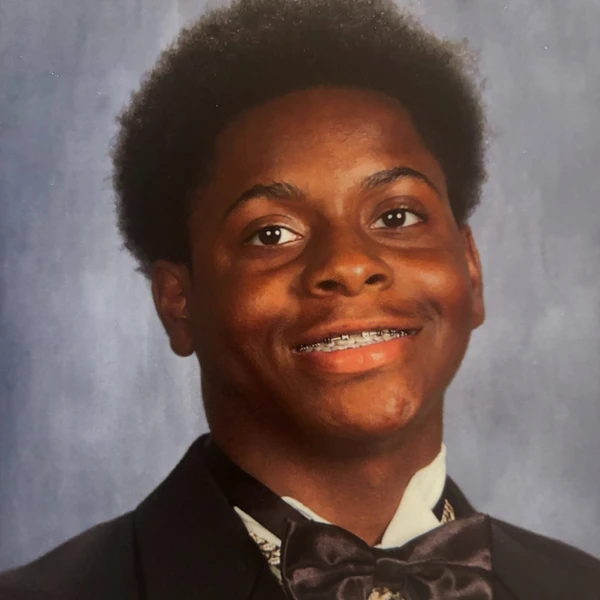
Ayris Anderson

1x

Finalist

Bio

I am a Sport Administration major who is passionate about using athletics, education, and community leadership to create meaningful opportunities for others. Growing up in competitive sports taught me discipline, teamwork, and how to lead with integrity—values I now carry into my academic and professional goals. I’m committed to uplifting my community, supporting youth, and building inclusive environments where everyone feels valued. My long‑term goal is to work in sport administration to help athletes grow on and off the field while making a positive impact through service, mentorship, and ethical leadership.

Education

University of Cincinnati-Main Campus

Bachelor's degree program
2025 - 2029
  • Majors:
    • Sports, Kinesiology, and Physical Education/Fitness
Central High School

High School
2021 - 2025

Miscellaneous

  • Desired degree level:

    Master's degree program

  • Graduate schools of interest:

  • Transfer schools of interest:

  • Majors of interest:

    • Sports, Kinesiology, and Physical Education/Fitness
    • Business/Corporate Communications
  • Not planning to go to medical school
  • Career

    • Dream career field:

      • Sports
    • Dream career goals:

    • Intern

      CPS Athletics
      2026 – Present7 months

    Sports

    Baseball

    Varsity
    2021 – 20254 years

    Public services

    • Volunteering

      Zeta Phi Beta Sorority Inc. — Volunteer
      2023 – Present
    Marie J. Lamerique Scholarship for Aspiring Scholars
    When I think about the moment my upbringing truly challenged me, my mind always goes back to the day my mother was diagnosed with kidney cancer. I was old enough to understand what the word “cancer” meant, but not old enough to be prepared for how much it would change everything around me. Up until then, Cincinnati was all I knew. It was home. It was where I grew up, where I played sports, where my friends were, and where my life felt familiar. But when the doctors told my mom her best chance at surviving required treatment in Louisville, everything shifted at once. We didn’t have time to think about it. We had to move. Just like that, I was packing up my room, leaving behind the only city I had ever called home, and stepping into a situation that didn’t feel real. I remember sitting in the car on the way to Louisville, watching the city I knew fade in the rearview mirror, and feeling this mix of fear, confusion, and responsibility settle in my chest. I didn’t know what was waiting for us, but I knew I had to be strong for my mom. Growing up in a single‑parent household already taught me a lot about stepping up, but this moment pushed me into a different level of maturity. My father wasn’t consistently present, so supporting my mom wasn’t something I could share with anyone else. It was on me. I helped her get to appointments, kept track of what the doctors were saying, and tried to make our temporary life in Louisville feel stable. At the same time, I was trying to keep up with school, adjust to a new environment, and deal with the fear of possibly losing the person who had always been my foundation. There were nights when I felt overwhelmed, when I missed Cincinnati so much it hurt, and when I wondered why life had to be this hard. But even in those moments, I refused to let the situation break me. Instead, I learned how to adapt. I learned how to stay focused even when everything around me felt uncertain. I learned how to carry responsibility without complaining. And most importantly, I learned what real resilience looks like, not the kind people talk about casually, but the kind you build when you don’t have another choice. That experience changed the way I approach my future. It taught me that nothing in life is guaranteed, so when opportunities come, you don’t waste them. It taught me that leadership isn’t about being the loudest person in the room, it’s about showing up consistently, especially when things get hard. It taught me that my circumstances don’t define me, but how I respond to them does. Now, as I work toward my education and career goals, I carry those lessons with me every day. I want to build a future where I can support my family the way my mother supported me. I want to be someone younger kids in my community can look up to, especially those who come from single‑parent households or unstable situations. I want to show them that their story doesn’t have to limit them, it can motivate them. The move to Louisville, the fear of losing my mom, and the responsibility I had to take on at a young age shaped me into someone who doesn’t run from challenges. Instead, I face them with determination and purpose. That moment didn’t just challenge me, it built me. And it continues to guide the way I move forward, the goals I set, and the future I’m working toward.
    Sharra Rainbolt Memorial Scholarship
    Cancer is a word you never expect to become part of your everyday life, but for my family, it became a reality twice. My mother has battled both breast cancer and kidney cancer, and watching her fight through those diagnoses changed the way I see strength, responsibility, and what it means to show up for the people you love. Her journey didn’t just affect our family; it shaped who I am and the goals I carry with me today. When my mom was first diagnosed with breast cancer, I was old enough to understand the fear in the room but young enough to feel helpless. I remember the quiet moments more than anything, the way she tried to smile through pain, the way my family rearranged our lives around doctor visits, and the way I learned to step up without being asked. Cancer forced us to grow closer, to communicate more honestly, and to appreciate the days that felt normal. It taught me that strength isn’t always loud; sometimes it’s just getting out of bed and choosing to fight again. Her second diagnosis, kidney cancer, hit even harder. It felt unfair, like we were being asked to climb the same mountain twice. But my mom faced it with the same determination she always had. She kept working when she could, supported me through school, and still found ways to serve our community. Watching her push forward showed me that resilience isn’t about pretending everything is okay; it’s about refusing to let hardship define you. Through these experiences, I learned responsibility in a way most people my age doesn’t. I learned how to manage stress, how to support someone going through something unimaginable, and how to stay focused on my goals even when life feels uncertain. Cancer taught me empathy, patience, and the importance of being present. It also inspired my commitment to education and community service, because I’ve seen firsthand how much people need support during their hardest moments. My mother’s battles with cancer changed my family forever, but they also shaped me into someone who values perseverance, compassion, and purpose. Her strength motivates me to pursue my goals, give back to my community, and become the kind of person who can lift others the way she has always lifted me. I favor my mother very much and watching her go through her recovery will forever be unforgettable, but I use it as a motivation to keep being a positive person.
    James T. Godwin Memorial Scholarship
    Growing up with a military father meant that lessons in discipline, respect, and responsibility didn’t come from lectures, they came from the way he moved through the world. My dad never sat me down with a list titled “How to Be a Man.” Instead, he taught me through small moments, the kind you don’t realize are shaping you until years later. One of those moments happened when I was about ten. We were walking into a store, and a woman was coming out with her hands full. Without thinking twice, my dad jogged ahead, opened the door, and stepped aside so she could pass. She thanked him, and he just nodded like it was nothing. When I asked why he did it, he said, “Because it’s the right thing to do, even when nobody’s watching.” That was the first unwritten rule: character is measured in the quiet moments. As I got older, I started noticing how intentional he was with his words. He spoke to people, especially women, with a level of respect that wasn’t performative. He listened fully, never interrupting, never dismissing. He taught me that strength isn’t loud or controlling; it’s steady, patient, and grounded. That became the second unwritten rule: real men don’t demand respect; they earn it through how they treat others. The third rule came during a tougher moment. I had made a mistake, one of those teenage decisions you regret immediately. I expected anger, maybe even disappointment. Instead, he sat beside me and said, “Owning what you do is part of becoming a man. Fix it, learn from it, and move forward.” He didn’t shield me from consequences, but he didn’t abandon me either. That day I learned that accountability isn’t punishment, it’s growth. My father’s military background shaped him, but the lessons he passed down weren’t about toughness or authority. They were about humility, responsibility, and respect. He showed me that being a man isn’t about being the strongest person in the room; it’s about being the one people can trust. And when it comes to treating women, he taught me to lead with kindness, listen with intention, and act with integrity. These unwritten rules guide me every day. They shape how I show up for my community, how I carry myself in relationships, and the kind of man I’m still becoming. Till this day I thank my father his honest and authentic advice to me.