Hobbies and interests
Acting And Theater
Archery
Combat Sports
Aviation
Camping
Culinary Arts
Coffee
Chess
Scuba Diving
Fishing
Snorkeling
Archaeology
Anthropology
ATV Riding
Baking
Beach
Board Games And Puzzles
Bodybuilding
Collecting
Flying And Aviation
Food And Eating
Geocaching
Hospitality
Hiking And Backpacking
Jiu Jitsu
Linguistics
Travel And Tourism
List
Art History
Birdwatching
Wrestling
Conservation
Reading
Academic
Anthropology
Historical
History
Philosophy
I read books multiple times per week
Ayden Davern
3x
Nominee1x
FinalistAyden Davern
3x
Nominee1x
FinalistBio
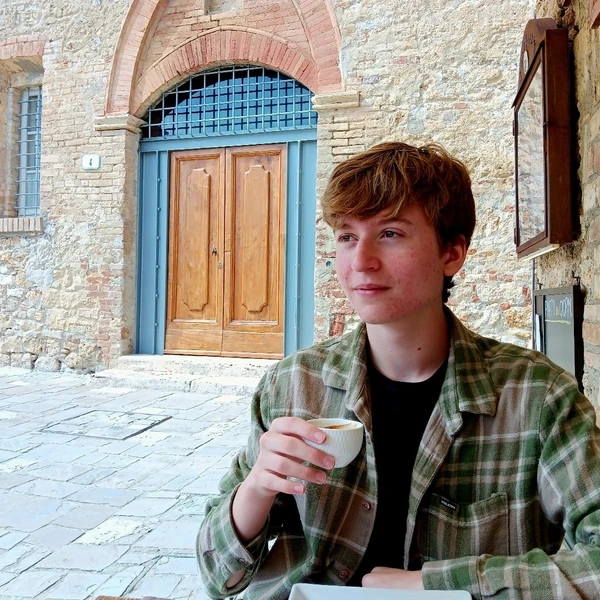
I’m an eighteen-year-old student from Truckee, California, training toward my Private Pilot License and working toward a career as a commercial pilot. I believe in consistency, self-discipline, and adventure—and I’m determined to turn my passion for aviation into a lifetime career connecting people and places.
Education
Sierra College
Trade SchoolMajors:
- Aerospace, Aeronautical, and Astronautical/Space Engineering
Sierra High (Continuation)
High SchoolTahoe Truckee High
High SchoolMiscellaneous
Desired degree level:
Trade School
Graduate schools of interest:
Transfer schools of interest:
Majors of interest:
- Air Transportation
- Aerospace, Aeronautical, and Astronautical/Space Engineering
Career
Dream career field:
Airlines/Aviation
Dream career goals:
Commercial pilot for Alaska Airlines, flying routes across the West and Pacific. My goal is to build a career that values precision, responsibility, and steady leadership.
Light and Sound Technician
Truckee Community Theater2021 – 20254 yearsBarista
Cafe Lupine2025 – Present1 year
Sports
Alpine Skiing
Club2015 – 20216 years
Mixed Martial Arts
Intramural2023 – Present3 years
Wrestling
Varsity2023 – Present3 years
Awards
- Sportsmanship
- Mental Toughness
Tennis
Varsity2021 – 20254 years
Arts
Truckee Community Theater and Sierra Audio Solutions
Theatre2022 – 2025
Public services
Volunteering
Rotary Club — Labor2021 – 2025Volunteering
Truckee Community Theater — Tech2021 – 2025
Future Interests
Advocacy
Volunteering
Philanthropy
Grover Scholarship Fund
I chose aviation as a vocational path because my goal is to become a professional pilot. I am pursuing flight training because it is a skill-based career focused on technical knowledge, hands-on experience, and FAA licensing rather than a traditional four-year degree. Flying requires discipline, precision, and sound decision-making. Pilots must understand aircraft systems, procedures, weather, and safety regulations, then apply that knowledge correctly in real time. That level of responsibility is what drew me to aviation.
I have completed ground school, earned my FAA medical certificate, and begun flight training with Biggest Little Flight School in Reno, Nevada. I currently have over 30 hours of flight time, completed my first solo two weeks ago, and am preparing for my Private Pilot License written and flight exams. My immediate objective is to earn my Private Pilot License, then continue building flight hours toward a career as a commercial pilot. I am committed to developing the skills and judgment required to succeed in this field.
Flight training requires a significant financial investment. I pay for my training personally and work every day that I am not flying or attending school to cover expenses such as flight lessons, aircraft rental, study materials, and travel. Living in Truckee, California, means traveling about a two-hour round trip to reach the nearest flight school. Mountain weather can also affect scheduling, sometimes increasing training costs and slowing progress.
Because of these financial and access challenges, lessons are occasionally spaced out, making it harder to maintain momentum. Despite this, I budget carefully, manage my time responsibly, and stay focused on steady progress.
This scholarship would reduce the financial burden of my training and allow me to fly more consistently. More frequent lessons would help me maintain proficiency and move forward efficiently toward earning my Private Pilot License and advancing toward my career goals.
Thank you for your time and consideration.
Tawkify Meaningful Connections Scholarship
The Future of Human Connection
One of the first things my flight instructor told me was, “Before we fly, we talk.” Before the engine starts or the checklist begins, we sit down face-to-face and walk through the flight plan. We talk about what we’re working on, what the weather looks like, and what could realistically go wrong. That conversation isn’t optional, and it isn’t rushed.
At the time, I didn’t think much of it. It just felt like part of learning how to fly. But as I’ve spent more time training, I’ve realized how important those conversations are. Aviation relies heavily on technology, but it still depends on people communicating clearly, being honest about what they know and don’t know, and trusting one another to do their part. That’s something technology can’t replace.
Technology has changed how people communicate, but it hasn’t changed the need for real human connections. We can text, message, and video call from anywhere, yet many interactions still feel distant or incomplete. I think the future of human connection depends on how intentionally we choose to stay present, responsible, and engaged with the people around us—especially in fields where trust and accountability matter.
I’ve seen this firsthand through aviation and the community around it. Flying is highly technical, but it is not an isolated activity. Every flight depends on communication between people—pilots, instructors, air traffic controllers, mechanics, and ground staff. You can’t hide behind a screen or avoid responsibility. You show up in person, speak clearly, listen carefully, and take ownership of your decisions. In that environment, connection is built through reliability and trust, not constant contact.
In flight training, relationships are built face-to-face. You sit next to an instructor, receive direct feedback, and learn through shared experience. There’s no algorithm telling you what to fix—you’re having real conversations, sometimes uncomfortable ones, about mistakes and improvement. Those interactions build confidence and respect and reinforce that learning happens best when people are fully engaged.
I also see the importance of human connection within the aviation community. Airports bring people together from different backgrounds around a shared responsibility for safety. Conversations happen in hangars, briefing rooms, and on the ramp. These moments might seem small, but they matter. They create accountability and a sense of shared purpose that technology alone can’t provide.
As technology continues to advance, we need to be careful not to let convenience replace connection. Digital tools are useful, but they shouldn’t replace listening, mentorship, or presence. In many careers—especially technical and service-oriented ones—relationships are built through consistency and follow-through. People remember how you show up, how you communicate under pressure, and whether they can rely on you.
I believe the future of human connection depends on balancing efficiency with intention. Technology can help us stay organized and informed, but meaningful relationships still require effort. That means choosing direct communication when possible and taking responsibility for how our actions affect others.
Looking ahead, I want to be part of a future where technology supports connection rather than replaces it. I want to work in environments where communication, trust, and accountability are valued, and where relationships are built through shared effort and mutual respect.
That’s how I believe we can strengthen authentic human connection: by staying present, choosing responsibility, and remembering that meaningful relationships are built through actions, not screens.
This scholarship would help me continue my training and progress toward my career goals, and I appreciate your time and consideration.
Koehler Family Trades and Engineering Scholarship
I’m pursuing aviation because I want a career built on technical skill, responsibility, and problem-solving. Flying requires understanding systems, procedures, weather, and safety, then applying that knowledge correctly every time. It’s a field where preparation matters and mistakes have real consequences. That level of responsibility is what drew me to aviation and why I take the training seriously.
My upbringing had a big influence on how I think about work. I grew up around people who respected skilled trades and took pride in doing difficult jobs well. One of the biggest influences in my life has been my grandfather, who worked as a lineman for over 45 years. His job required long hours, technical knowledge, and a willingness to respond when people depended on him. Watching him showed me that success comes from consistency, preparation, and doing the job right, even when it’s hard.
Because of that, I’ve always respected careers built on real skills. Trades and engineering aren’t just jobs—they’re work people rely on every day. Aviation fits into that same category. Aircraft don’t operate safely without proper design, maintenance, and operation, and pilots have to understand how those systems work in order to make good decisions. Knowing that people are depending on you changes how seriously you approach the work.
Through my own experiences, I’ve learned that progress comes from steady effort. I completed ground school, earned my FAA medical certificate, and began flight training. Training has taught me that attention to detail matters and that preparation makes a difference. You can’t rush learning in aviation, and you can’t rely on shortcuts. You either know what you’re doing or you don’t, and that keeps you accountable.
I’ve also learned perseverance. Aviation training takes time and money, and progress isn’t always as fast as you want. Working through those challenges has taught me patience, discipline, and how to stay focused even when things move slowly. Those lessons apply to any technical field, especially engineering and the trades.
What I’ve learned through my upbringing and training is that meaningful work comes from building real skills and taking responsibility for the outcome. Whether someone is working in construction, electrical systems, engineering, or aviation, the same expectations apply: show up prepared, learn continuously, and take pride in doing the job right.
That’s why I’m committed to pursuing aviation. It gives me the chance to build technical skills, keep learning, and work in a field where responsibility and precision matter every day.
Thank you for your time and consideration.
Grover Scholarship Fund
My career objective is to become a professional pilot. I am pursuing aviation as a trade because it is a skill-based career that depends on technical training, discipline, and hands-on experience rather than a traditional four-year degree. Flying requires learning aircraft systems, procedures, weather, and safety regulations, then applying that knowledge correctly in real time. It is a field where progress is earned through training and experience, and that approach fits me well.
I have completed ground school, earned my FAA medical certificate, and begun flight training with Biggest Little Flight School in Reno, Nevada. I currently have over 20 hours of flight time and am preparing for my first solo flight. My immediate goal is to earn my Private Pilot License, then continue building flight hours and training toward a commercial pilot career. I want to work in aviation long term as a dependable, safety-focused pilot who takes the responsibility of the job seriously.
I chose a trade-based path because it allows me to focus on practical skills and enter the workforce without taking on the cost of a four-year degree. Even so, aviation training still requires a significant financial commitment. I pay for my flight training myself and work every day that I am not flying or in school to cover the cost of lessons, aircraft rental, and travel. Living in Truckee, CA means traveling about a two-hour round trip to reach the nearest flight school, which adds ongoing expense and limits how often I can train.
Because of these costs, progress can be slower than I would like. Lessons are sometimes spaced out due to finances or mountain weather, which makes consistent training difficult. I manage this by budgeting carefully, planning ahead, and staying disciplined with my time, but financial limitations remain the biggest barrier to moving forward more quickly.
This scholarship would directly reduce the financial burden of my training and allow me to fly more consistently. More frequent lessons would help me build skills and flight time efficiently and stay on track toward my career goals. Thank you for your consideration.
Uniball's Skilled Trades Scholarship
The trade I am pursuing is aviation. I view flying as a skilled trade because it depends on technical knowledge, hands-on training, and clear standards. It isn’t something you pick up casually or rush through. Pilots have to understand aircraft systems, weather, procedures, regulations, and safety, then apply all of that correctly in real time. That level of responsibility is what first drew me to aviation.
I chose this path because I like learning skills that are precise and measurable. In flight training, preparation matters every time you fly, and consistency is expected. I completed ground school, earned my FAA medical certificate, and began flight training with Biggest Little Flight School in Reno, Nevada. I now have over 20 hours of flight time and am preparing for my first solo flight. Progress in aviation is straightforward—you put in the work, and it shows. That keeps me motivated and focused.
My goal is to earn my Private Pilot License and continue building experience toward a commercial pilot career. I want to work in aviation long term and develop into a pilot who is dependable, detail-oriented, and safety-conscious. Aviation values experience and professionalism, and I want to build a career where those qualities matter every day.
Access and cost have been the biggest challenges I’ve faced. I pay for my training myself and work every day that I’m not flying or in school to make it possible. Living in Truckee, CA means the nearest flight school is a two-hour drive, and mountain weather often limits when I can train. Because flight training is expensive, lessons aren’t always as frequent as I would like. Learning to stay patient and consistent while making slower progress has been an important part of the process.
I’ve worked through these challenges by staying organized and focused on what I can control. I budget carefully, plan my schedule, and take advantage of every opportunity to fly. Aviation has taught me that improvement comes from steady effort, not rushing, and that mindset has carried into other parts of my life, including school and work.
To me, a successful life means being skilled at what you do, earning your progress, and taking responsibility for your work. Aviation has already taught me the value of discipline, preparation, and follow-through, and those lessons will guide me as I continue building my career.
I appreciate the chance to apply and to be considered for support as I continue my training.
Russell Koci Skilled Trade Scholarship
The skilled trade I am pursuing is aviation, specifically professional pilot training. Flying is a hands-on, technical field that requires structured training, precision, and constant learning. It is not something you can shortcut or learn casually. Pilots must understand aircraft systems, procedures, weather, regulations, and safety, and apply that knowledge in real time. That balance of technical skill and responsibility is what drew me to aviation, where the results of your work matter every time you fly.
I chose aviation because I enjoy learning skills with clear standards and real consequences. From the beginning, I was drawn to the structured nature of flight training and the expectation that you show up prepared every time. I completed ground school, earned my FAA medical certificate, and began flight training with Biggest Little Flight School in Reno, Nevada. I currently have over 20 hours of flight time and am preparing for my first solo flight. Aviation is a field where effort directly translates into progress, which motivates me to keep improving.
I plan to build a career in aviation because it offers long-term stability and continued opportunity to grow. Pilots rely on skill, judgment, and consistency, not shortcuts. Aviation rewards those who are dependable, disciplined, and willing to keep learning throughout their careers. I want a profession where experience matters, safety is the priority, and I can take pride in doing the work correctly.
I believe I will be successful in this field because I take preparation seriously and am willing to put in the time required to do things right. Flight training has already taught me patience, accountability, and how to stay calm under pressure. Living in Truckee, CA means driving over an hour and a half round trip to attend flight school, and mountain weather often affects scheduling. Training is expensive, and progress can be slow. Instead of being discouraged, I have learned to plan ahead, manage my time, and stay committed even when training does not move as quickly as I would like.
To me, a successful life means being skilled at what you do, supporting yourself honestly, and taking responsibility for your work. It means building a career you can be proud of and continuing to improve over time. I believe I will be successful because I am focused on developing real skills, not just reaching an end goal. Aviation has already reinforced the importance of discipline, consistency, and effort, and those values will carry through my career and my life.
I appreciate the opportunity to apply for this scholarship and to be considered alongside others pursuing skilled trades that support our communities.
Ali Safai Memorial Scholarship
Aviation has had a real and lasting impact on my life. It has shaped my goals, my work ethic, and how I approach responsibility.
I grew up in Truckee, CA, and was first introduced to aviation around the age of ten through the Young Eagles program at the Tahoe Truckee Airport. Being around airplanes and pilots at a young age showed me that flying was something real and achievable. I was able to sit in the cockpit, ask questions, and see how much preparation and focus flying requires. That early exposure stayed with me and continued to influence me as I got older.
I completed ground school, earned my FAA medical certificate, and began flight training with Biggest Little Flight School in Reno, Nevada. I currently have a little over 20 hours of flight time and am scheduled to take my first solo flight next week. I am excited, and honestly a little nervous, but I also understand that soloing means my instructor trusts my preparation and judgment, and that is something I take seriously. Each flight reinforces that flying is the career I want to pursue.
Training has not been easy. The nearest flight school is about a 1.5-hour round-trip drive from Truckee, and mountain weather often affects scheduling. Flight training is expensive, and the cost of instruction, aircraft rental, and travel adds up quickly. I work to help pay for my training, but progress can be slower than I would like. Aviation has taught me patience and consistency, and I have learned to stay committed even when progress takes time.
I have also learned how important it is to take responsibility for my own progress. If I want to move forward, I have to plan ahead, manage my time, and stay motivated even when it is difficult. Aviation does not allow shortcuts, and that expectation has helped me mature and take ownership of my goals.
Flying has also changed how I handle pressure and decision-making. From weather planning to cockpit procedures, every flight requires preparation and attention to detail. You learn quickly that small mistakes matter and that staying calm and focused is critical. That mindset has carried over into other parts of my life, including school and work.
My goal is to earn my Private Pilot License and continue training to become a commercial pilot. This scholarship would help reduce the financial barriers that limit how often I can fly and would allow me to continue training more consistently.
Ali Safai’s dedication to aviation and his work as a flight instructor represent the kind of impact I hope to have one day—helping others learn, improve, and fly safely. I appreciate your consideration and the opportunity to apply for this scholarship.
Learner Math Lover Scholarship
My name is Ayden Davern, and math has always made sense to me, even if it’s not my best subject. I like that it’s consistent, direct, and based on rules that don’t change depending on who is solving the problem. There’s a clear process, and if you follow it, you can figure things out. That structure is something I’ve always appreciated.
Math connects directly to aviation, which I’m training in now. Every flight involves math: headings, airspeed, fuel planning, altitude changes, and wind correction angles. You need to know how to calculate what’s happening around you and how to make adjustments. It’s all problem-solving, and math gives you a reliable way to approach each step.
Math has helped me understand aviation in a straightforward way. When you break a problem down into smaller pieces—just like you would in a math problem—you can stay focused and make good decisions. That’s important in flying, where accuracy matters and you have to rely on what you know instead of guessing.
Math has also helped me in other areas of my life. In geography, map-making, technical systems, and even game creation, the same approach applies: break things down, take them step by step, and use the information you have. It’s practical, and it shows up in more places than people realize.
This scholarship would help me pay for flight lessons and keep me consistent with my training, and I appreciate your consideration.
Frederick and Bernice Beretta Memorial Scholarship
My name is Ayden Davern, and I’m an eighteen-year-old from Truckee, California, and I’m currently in flight training. I’m earning my Private Pilot License through Biggest Little Flight School in Reno, Nevada. Aviation appeals to me because it’s technical, structured, and based on skills you build through study and practice. Each lesson covers something specific—weather, navigation, radio work, aircraft systems, and the procedures and operations involved in safe flying.
I first got involved in flying through the Young Eagles program at the Tahoe Truckee Airport when I was younger. That was the first time I learned what goes into flying and how much preparation and knowledge it takes. Later, I completed an introductory flight in Key West, which made me want to continue moving forward in training. Since then, I’ve completed ground school, earned my medical certificate, and started logging flight hours.
There are challenges that come with this path. I live in Truckee, so each flight lesson requires nearly a two-hour round-trip drive to Reno, which adds time and cost to every flying day. Because the lessons are expensive, I work most days I’m not in the air and save what I earn to cover the costs.
I hope one day to use my license to help others. Organizations like Pilots N Paws and Wings of Rescue transport animals that need relocation or medical help, and I would like to volunteer with groups like these. I also plan to take part in the EAA Young Eagles program, offering introductory flights to younger students the same way pilots once did for me. Aviation gives people practical ways to serve their communities, and I want to contribute to that.
My long-term goal is to become a commercial pilot. Aviation is a skilled trade that requires focus, consistency, and responsibility, and those are qualities I stand by. They also reflect the quiet, steady values that Frederick Beretta lived by—helping people, being reliable, and doing good work without needing attention.
This scholarship would help me continue my training and stay on track with the next certification steps. It would ease some of the financial challenges and support my progress in a field I’m committed to pursuing, and I appreciate your consideration.
Coach "Frank" Anthony Ciccone Wrestling Scholarship
My name is Ayden Davern, and I’m an eighteen-year-old from Truckee, California. I wrestled on my high school varsity team for two years and earned the Mental Toughness Award my senior year. I started wrestling later than most, which meant I was often up against competitors with a lot more experience and confidence on the mat.
In my second ever match, I was paired against a two-time state champion in my weight class. I knew going in that I didn’t stand much of a chance, but I stepped onto the mat determined to do my best and to learn whatever I could. What stood out most to me wasn’t the loss—it was how my opponent handled the match. He could have pinned me in a few seconds, but instead, he gave me time to wrestle. He grappled with me, let me try moves, and allowed me to gain real experience before finally pinning me. He showed grace, patience, and sportsmanship, and in that moment, I learned something important about humility and respect.
That match stayed with me. It taught me that strength isn’t just about being the best—it’s also about how you treat others when you have the upper hand. Losing that day gave me more than a lesson in wrestling technique; it showed me how much character matters, both in competition and in life. It also reminded me that growth often happens when things are uncomfortable, and that respect can be earned even in defeat. Those lessons have stuck with me far beyond wrestling.
Since then, I’ve continued training through Jiu Jitsu and other forms of mixed martial arts. I like the discipline it takes and the respect that comes with the sport. Every time I train, I think about how much wrestling shaped my attitude toward improvement. I’m also training toward my Private Pilot License through Biggest Little Flight School in Reno, Nevada. Aviation, like wrestling, demands focus, patience, and self-control. You have to stay calm under pressure, trust your preparation, and keep learning from every experience.
Coach Frank was known for rooting for the underdog. I’ve learned that being the underdog isn’t about losing—it’s about how you carry yourself, learn from every challenge, and keep pushing forward. I would appreciate being considered for this scholarship so that I may continue applying those same lessons of humility, focus, and persistence toward completing my pilot training and building a professional career in aviation. Thank you for your consideration.
Hector L. Villarreal Memorial Scholarship
I’ve been interested in flying since I was a kid. I live in Truckee, and when I was about ten, I joined the Young Eagles program at the Tahoe Truckee Airport. That’s when I got my first experience being around airplanes and pilots, and ever since then, I’ve wanted to become a pilot myself.
Through the Young Eagles program, I had the chance to see what goes into aviation—from pre-flight checks to communicating with air traffic control. I remember how focused the pilots were, but also how much they enjoyed what they were doing. That combination of skill and passion really stuck with me. Over the years, I’ve kept finding ways to stay connected to aviation, whether it’s visiting the airport, volunteering, or learning more on my own.
Recently, I’ve finished ground school, taken my introductory flight, and completed my FAA medical exam. I currently have about four hours of flight training with Biggest Little Flight School in Reno, Nevada, and I’m enjoying every bit of it. Each flight gives me more confidence and makes me even more certain that this is the career path I want to pursue.
My goal is to earn my Private Pilot License and eventually become a commercial pilot. I like the idea of a job that’s challenging, rewarding, and constantly pushing me to keep learning and improving.
The biggest challenge so far has been access and cost. The nearest flight school is about a 1.5-hour round trip drive from Truckee, and lessons and flight time add up fast. Between the cost of instruction, aircraft rental, and travel, it’s hard to move as quickly as I’d like. I work to help pay for my training, but it’s a slow process, especially with the commute and weather delays in the mountains. Still, I try to see it as part of the journey—flying teaches you patience and perseverance, and I think those lessons start long before you ever take off.
Aviation has already changed how I think and approach things. It’s taught me that preparation and focus matter, that every small detail counts, and that staying calm under pressure can make all the difference. Whether it’s dealing with a crosswind on landing or balancing different tasks in the cockpit, flying forces you to stay composed and think clearly. Those lessons apply in life, too.
This scholarship would make a big difference in helping me continue flight training and stay on track toward earning my license. It would help cover more flight hours and make it possible to move forward without such long gaps between lessons. It would also mean a lot to know that people believe in what I’m working toward.
I respect the story behind this scholarship and what it represents—hard work, commitment, and a love for aviation that lasts a lifetime. With support like this, I can keep building on what I’ve started and work toward a career doing something I truly love. Someday, I hope I can give back by helping other young people discover aviation the same way I did—by giving them their first chance to experience what it’s like to fly.
Thank you for your consideration, Ayden Davern