Hobbies and interests
Acting And Theater
African American Studies
Advocacy And Activism
Anime
Art
Baking
Biotechnology
Choir
Theater
Singing
Softball
Track and Field
Sewing
Community Service And Volunteering
Volunteering
Reading
Academic
I read books multiple times per month
Ava Pitts
1x
FinalistAva Pitts
1x
FinalistBio
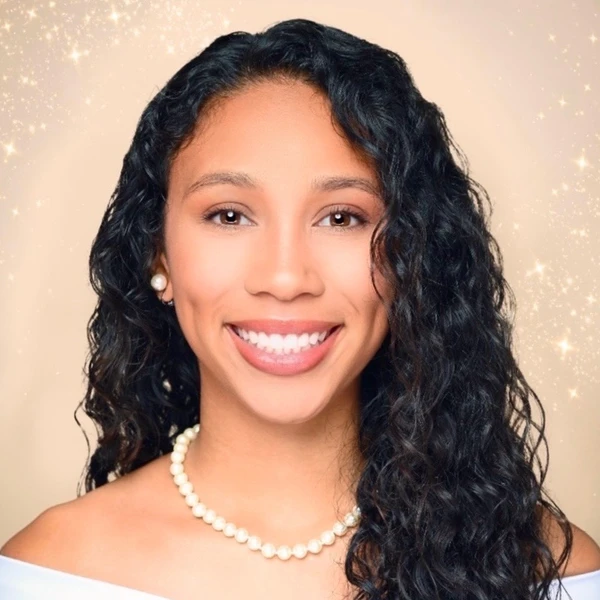
Ava Pitts is a senior at Oxford Academy, maintaining a 4.1 GPA at California's #3-ranked academic high school. She is an accomplished scholar, leader, athlete, and performer who prides herself on being an involved community member. Having been awarded Biotechnology Student of the Year 2023 and 2024, Singer of the Year for five successive years, and being on Varsity Softball for 3 years, she has learned resilience and strong interpersonal skills. Her most prominent clubs are Health Occupation Students of America, Sustainability Club, and Black Student Union.
At Oxford, her main engagement on campus is being president of the OA Singers Choir, leading over 240 students. She is passionate about performing–and through her presidency she aims to encourage and inspire other youths to express themselves through music and the stage. Outside of school, Ava is heavily active in volunteering for those with both food and home insecurity, as she is an aspiring Public Health Policy Analyst. She has spent over 90 hours at LA Food Bank, Our Big Kitchen LA, A Sense of Home, HOSA Servathon, and Sustainability Club Beach Cleanups. In addition, her 3 years and continuing involvement with The 3in1Experience musical program, working with inner city students to film movies and put on shows. Furthermore, she took a college nutrition course and became CPR certified to create an informational class to educate her youth circle on basic safety procedures.
Education
Oxford Academy
High SchoolMiscellaneous
Desired degree level:
Bachelor's degree program
Majors of interest:
- Public Health
- Registered Nursing, Nursing Administration, Nursing Research and Clinical Nursing
- Health and Medical Administrative Services
Career
Dream career field:
Hospital & Health Care
Dream career goals:
Server
Church2025 – 2025
Sports
Softball
Varsity2021 – 20254 years
Awards
- CIF Finalist
Research
Biotechnology
Orange County ROP — Student Researcher2023 – 2025
Arts
OA Singers
Performance ArtMamma Mia, In the Heights, Once On This Island, Aladdin2020 – Present
Public services
Volunteering
LA Food Bank — Volunteer2022 – Present
Our Destiny Our Future Scholarship
I plan to make a positive impact on the world by working to improve the systems that shape people’s health and quality of life. My goal is to pursue a career that combines public health and nursing to address both the human and structural aspects of healthcare. Through this path, I hope to help design programs, expand health education, and improve access to resources that allow people to live healthy and dignified lives.
My interest in improving community health has been shaped by both my upbringing and my experiences volunteering. Growing up with parents who work in healthcare, I saw how powerful compassionate care can be in helping individuals heal. At the same time, I began to recognize that many health outcomes are determined long before someone enters a clinic. Access to food, safe environments, education, and preventative care often determines whether someone can maintain their health. These observations led me to believe that creating lasting change requires improving the systems that support communities.
One way I have already started working toward this goal is through community service. From 2023 to 2025, I volunteered regularly at the Los Angeles Food Bank, where I helped sort, inspect, and package food for families experiencing food insecurity. Each shift showed me how many people rely on organized support systems that they may never see. Preparing thousands of food boxes for distribution made it clear that consistent planning, teamwork, and infrastructure are essential to meeting basic needs. It also reminded me that behind every box is a family whose well-being depends on those systems working effectively.
I also learned the importance of making health knowledge accessible. While working as a student teacher in The 3 in 1 Experience, a youth performing arts program, I noticed that many younger students struggled with low energy and frequent illness but did not have basic knowledge about nutrition or self-care. Because performance requires both physical and mental stamina, I created and taught a nutrition lesson designed specifically for the students in the program. I also developed educational pamphlets and led a CPR crash course so students could understand basic emergency response skills. Over time, I saw students bring healthier meals, participate with more energy, and become more confident in caring for their own health. That experience showed me how education can empower people to make better decisions for themselves and their communities.
Another experience that shaped my perspective was spending five weeks in the Philippines visiting my mother’s side of the family. While I was there, I saw how access to clean water, healthcare facilities, and basic resources can vary greatly depending on location and infrastructure. These differences made the concept of public health feel very real. They showed me that health systems influence nearly every aspect of daily life, from education and work opportunities to long-term stability.
In the future, I hope to apply my education in both nursing and public health to develop programs that improve access to preventative care, health education, and community resources. I want to help build systems that prioritize equity and ensure that underserved communities are not overlooked. By combining direct patient care with system-level problem-solving, I hope to contribute to a healthcare system that supports individuals while strengthening the communities they live in. Making a positive impact means using my skills, education, and experiences to help create environments where people have the opportunity to thrive. Through leadership, service, and continued learning, I hope to contribute to a future in which health is treated as a shared foundation for human dignity rather than a privilege available only to some.
Sunshine Legall Scholarship
My academic and professional goal is to earn degrees in public health and nursing, and one day become a public health administrator who designs equitable, community-centered health programs. I want to work at both the individual and systems level, giving direct patient care as a nurse while also looking at the bigger picture and addressing the structural factors that shape health outcomes. For me, healthcare isn’t just about treatment—it’s also about prevention, education, access, and dignity. I hope to help lead initiatives that focus on underserved communities and make sure health resources aren’t privileges, but shared foundations for opportunity and stability.
My interest in this field has really been shaped by both education and service. Through Cypress College’s dual enrollment program, I took Nutritional Science to better understand how food and lifestyle influence long-term health. That class totally changed the way I saw prevention and public health. Instead of thinking healthcare begins in a hospital, I started to see how it really starts at home, at school, and in our neighborhoods. Wanting to put what I’d learned into practice, I created and taught a nutrition lesson for over 40 students in The 3 in 1 Experience, an inner-city youth musical program where I serve as a student teacher, actor, and performer.
I put together educational pamphlets, which my professor reviewed, to give students easy-to-understand info about balanced meals, hydration, and energy. My hope was to help students connect healthy eating to their performance stamina and overall confidence. Over time, I saw students start bringing fuller lunches and paying more attention during rehearsals. That experience really showed me how education empowers people to make informed choices—and it inspired me to pursue a career where I can design preventative health programs that are practical and actually fit people’s lives.
Outside the classroom, I’ve also made a point to give back through steady volunteer work. From 2023 to 2025, I volunteered at the Los Angeles Food Bank, helping prepare and distribute thousands of food boxes to over 500 families each year. I also got involved with organizations like Our Big Kitchen LA and Small Touch Big Impact, preparing and distributing meals to people in need all across Los Angeles. These experiences taught me that public health takes both compassion and solid organization. Food insecurity isn’t just about hunger, it’s about systems, logistics, and making sure resources are shared fairly. Seeing how behind-the-scenes organization impacts real communities really motivated me to work in health administration, where I can improve these systems on a larger scale.
My involvement in The 3in1 Experience also deepened my commitment to advocacy. I participated in creating a short anti-bullying film in which I portrayed the sister of a student who was bullied. The project aimed to open conversations about in-person bullying and cyberbullying and to encourage empathy and accountability among youth. Through mentorship and open dialogue, I work to create safe, supportive spaces for younger students. This reinforced my belief that health includes mental and emotional well-being, not only physical care.
As someone who is African American and Filipino, I have also navigated spaces where I am in the minority. That experience has strengthened my resilience and deepened my understanding of representation and equity. Giving back has shown me that leadership begins with service. Each experience, whether teaching nutrition, distributing food, or mentoring youth, has inspired me to think beyond individual impact and toward sustainable change. My goal is to build programs that empower communities, address inequities at their roots, and create lasting improvements in public health worldwide.
Chi Changemaker Scholarship
I noticed a major issue in my community: youth in the performing arts program where I serve as a student teacher lacked accessible, practical health education. As I mentored middle and high school students in acting, singing, and dance, I saw many often felt tired, dizzy, or unwell during rehearsals. Some skipped meals or relied on chips and sugary snacks to get through long practices. Despite their talent and drive, they didn’t understand how nutrition affected their stamina, focus, and health.
I was inspired to act after taking Nutritional Science through Cypress College’s dual enrollment program. I learned that small, consistent choices—like balanced meals and hydration—significantly impact long-term health. Prevention and education are key to public health, and I saw my knowledge could make a real difference for these students.
I created and taught a health and nutrition lesson tailored for young performers, making the content practical and relevant. I explained how protein supports muscle recovery, complex carbs provide energy, and hydration boosts vocal strength and focus. By linking healthy habits to stage success, the information became relatable and motivating.
I also made health pamphlets with simple key points, including affordable meal ideas, snack swaps, and hydration tips, which were reviewed by my professor before I gave them to over 40 students. I included a CPR crash course to reinforce safety and responsibility.
Since then, I’ve seen real changes. Students now bring more substantial lunches, their energy and participation have improved, and they ask thoughtful questions about food. The culture shifted from reacting to health issues to focusing on prevention.
Given the chance, I’d expand my efforts with a broader youth health curriculum, adding workshops on mental health, injury prevention, and digital wellness. I’d collaborate with healthcare professionals to involve parents and hope to bring this model to other underserved arts programs.
This experience showed me that leadership starts with observation, empathy, and action. By empowering others through education, I made a meaningful impact and strengthened my commitment to accessible, preventative public health.
Williams Foundation Trailblazer Scholarship
I identified a significant issue in my community: the lack of accessible and practical health education among youth in the performing arts program where I serve as a student teacher, The 3 in 1 Experience. While working closely with middle and high school students as an actor, singer-dancer, and choreography mentor, I observed a recurring pattern. Many students frequently reported feeling tired, dizzy, or unwell during rehearsals. Some skipped meals or relied on chips and sugary snacks during long practice days. Although they demonstrated considerable talent and energy, they often lacked an understanding of how nutrition directly influenced their stamina, focus, and overall well-being.
My motivation to address this issue stemmed from my experience taking Nutritional Science through Cypress College’s dual enrollment program. In that course, I learned that small, consistent lifestyle choices, such as balanced meals and adequate hydration, can significantly influence long-term health outcomes. More importantly, I came to understand that prevention and education are fundamental to public health. I recognized that knowledge is most impactful when shared, particularly in communities with limited access to reliable health information. By connecting my academic learning to my observations during rehearsals, I realized I could make a meaningful contribution.
I took the initiative to design and teach a structured health and nutrition lesson specifically tailored to young performers. My objective was to ensure that health education was practical and relevant, rather than overwhelming students with technical information. I contextualized nutrition in terms of performance, an area of deep interest for them. I explained that protein supports muscle recovery after dance rehearsals, complex carbohydrates provide sustained energy for extended practices, and hydration influences vocal strength and concentration. By directly linking healthy habits to their success on stage, I made the information both relatable and motivating.
In addition to teaching the class, I created educational health pamphlets summarizing key points in simple, accessible language. My professor reviewed the materials to ensure they were accurate and effective before I distributed them to over 40 students. The pamphlets included examples of affordable balanced meals, snack swaps, hydration tips, and reminders about rest and recovery. I wanted students to have something tangible they could take home and reference with their families. I also incorporated a CPR crash course to reinforce the importance of safety and responsibility within our performing community.
To date, I have observed measurable changes. Students began bringing more substantial lunches rather than only snacks. Their energy during rehearsals improved, and participation became more consistent. Beyond these physical changes, I noticed increased awareness among students. They began asking thoughtful questions about food choices and encouraged one another to drink water and eat before practice. The culture gradually shifted from reactive health discussions to a focus on prevention.
If provided the opportunity to expand my efforts, I would develop a more comprehensive youth health curriculum within the program, incorporating workshops on mental health, injury prevention, and digital wellness. I would also seek collaboration with local healthcare professionals to host interactive sessions for both students and parents, ensuring that health education extends beyond rehearsals. Ultimately, I aspire to scale this model to other youth arts programs in underserved communities.
Addressing this issue demonstrated that leadership begins with observation, empathy, and action. By transforming education into empowerment, I was able to create a small yet meaningful shift in my community. This experience reinforced my commitment to pursuing public health and designing accessible, preventative programs on a broader scale.
Kerry Kennedy Life Is Good Scholarship
My plan is to become a Public Health Administrator while also earning my nursing degree. What excites me about this path is the opportunity to work with people, providing direct care and ensuring the systems behind the scenes work for everyone. For me, health isn’t solely about treatment. It’s about dignity, stability, and opportunity. I want to help build systems that let communities live healthy lives, not just recover from things that could have been prevented.
My passion for this kind of work really grew through service. When I volunteered at Our Big Kitchen LA, I cooked and hand-packed 600 meals for people experiencing homelessness. That hands-on experience showed me how much health depends on having food, consistency, and a support system. Working with groups like Small Touch Big Impact and LA Food Bank also taught me that caring about people isn’t enough; you need a plan, too. Resources only matter if they actually get to people the right way. These experiences helped me see how public health works behind the scenes and inspired me to lead and strengthen those systems.
Education has been a big part of my journey as well. Through Cypress College’s dual enrollment program, I took Nutritional Science to better understand prevention and how food connects to long-term health, and I also received my CPR certification. Instead of keeping that info to myself, I put together a nutrition class and made pamphlets for over 40 students in The 3 in 1 Experience, a youth musical program where I’m a student teacher. I wanted to help them understand the different food groups and the nutrients, vitamins, and minerals necessary for growing kids, so they’d have more energy and perform better. Along with the lesson, I included a ‘crash-course’ on CPR that had a hands-on example. When I saw students start bringing bigger meals and having more stamina, it really showed me that health education can make a real difference. That project made me want to create community health programs that give people knowledge, not just services.
Being African American and Filipino has increased my passion for this work. Going to a school where I’m often in the minority has made me learn to stand in my identity, even when it feels different. Growing up in more than one culture taught me how to listen, adapt, and lead with empathy. It also made me realize that just being represented isn’t enough. Diversity has to mean action. I’ve learned that real equity happens when communities aren’t just included, but actually get to lead and help shape solutions. That’s how I want to approach public health: by creating programs that are culturally informed, accessible, and co-designed with the people they serve.
Chasing these goals hasn’t always been easy. Balancing tough classes, biotech studies, college courses, volunteer work, and leadership roles has meant many late nights, little free time, and staying disciplined. I’ve picked service hours over hanging out and schoolwork over comfort. Spending five weeks in the Philippines gave me a clearer view of global health issues, but it also meant leaving what I knew and facing some tough truths about access and opportunity. All these sacrifices have made me tougher and even more focused on what I want to accomplish. I’m committed to a career that blends nursing and public health so I can help people one-on-one and also make lasting changes to the system. My goal is to make sure health isn’t only a privilege, but something every community can count on.
Linda Kay Monroe Whelan Memorial Education Scholarship
Giving back to my community has shaped not only what I want to study in college, but also who I want to become. Through service, learning, and getting involved, I’ve realized that health isn’t just a personal thing; it’s tied to opportunity, dignity, and fairness. Every experience has made me even more committed to studying public health and nursing, so I can help build systems where people don’t just get by, they really thrive.
Volunteering at the Los Angeles Food Bank from 2023 to 2025 was one of the most meaningful ways I gave back. Sorting and packing food for families with lower incomes opened my eyes to how much people depend on behind-the-scenes systems. I helped prepare boxes that supported over 500 families each year and learned how important teamwork is for community health. My work with Our Big Kitchen LA and Small Touch Big Impact taught me that compassion is important, but so is making sure resources truly reach people who need them.
Education has also been a great way for me to give back. At Cypress College, I took Nutritional Science to learn how food impacts health, especially where health info is limited. The class made me see that prevention matters as much as treatment. I wanted to share that knowledge, not just keep it to myself. As a student teacher for The 3 in 1 Experience, a youth musical program, I noticed students often felt tired or got sick. I taught a nutrition lesson, made pamphlets, and led a quick CPR course for over 40 students. I saw students grow more confident and energetic. The experience showed me how powerful education can be and helped me find my voice as a teacher and advocate. My upbringing shaped my goals, too. With two parents in healthcare, I saw the human side of medicine: trust and compassion. But I also noticed that health is influenced by things like food, housing, and education. Studying biotechnology in high school and visiting family in the Philippines made me realize how much access to basic needs shapes lives.
In college, I want to study public health and nursing. Nursing will give me hands-on experience, and public health will help me design programs that make a difference. My goal is to become a public health administrator who builds programs for communities that need them most. Giving back taught me that leadership starts with helping others. It’s made me even more committed to building a future where everyone can count on health.