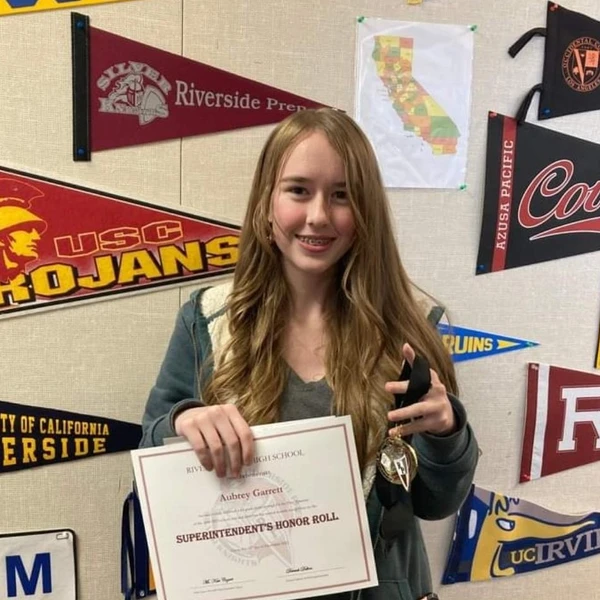
I am a determined young student looking to find some scholarships that want to boost my education and support my growth.
Education
Riverside Preparatory
High School
2014 – 2026
Miscellaneous
Desired degree level:
Master's degree program
Majors of interest:
Medicine
Medical school interest:
No
Career
Miscellaneous
Dream career field:
Medicine
Has nursing license:
No
"Most Gen Z Human Alive" Scholarship
Cancer sucks. There’s really no gentler way to put it. It’s a word that carries weight, fear, and heartbreak. Almost everyone has been touched by it—whether through a personal diagnosis, a loved one, or a friend. It doesn’t care about age, gender, wealth, or kindness. It strikes randomly and cruelly, upending lives and leaving pain in its wake. And despite advances in medicine and research, it remains one of the most dreaded diagnoses a person can receive.
One of the worst things about cancer is its unpredictability. There are over 100 different types, each with its own symptoms, treatments, and prognosis. Some are treatable and beatable. Others are not. Sometimes cancer is caught early, giving people a chance at remission. Other times, it’s discovered too late, with limited options and devastating consequences. The randomness of it all is terrifying—why one person and not another? Why now? Why at all?
Cancer isn’t just a disease of the body—it attacks everything. It drains physical energy, mental strength, and emotional stability. It can destroy relationships, careers, and futures. The treatments, often brutal and exhausting, can be just as hard as the ill.
Individualized Education Pathway Scholarship
Why Cancer Sucks
Cancer sucks. There’s really no gentler way to put it. It’s a word that carries weight, fear, and heartbreak. Almost everyone has been touched by it—whether through a personal diagnosis, a loved one, or a friend. It doesn’t care about age, gender, wealth, or kindness. It strikes randomly and cruelly, upending lives and leaving pain in its wake. And despite advances in medicine and research, it remains one of the most dreaded diagnoses a person can receive.
One of the worst things about cancer is its unpredictability. There are over 100 different types, each with its own symptoms, treatments, and prognosis. Some are treatable and beatable. Others are not. Sometimes cancer is caught early, giving people a chance at remission. Other times, it’s discovered too late, with limited options and devastating consequences. The randomness of it all is terrifying—why one person and not another? Why now? Why at all?
Cancer isn’t just a disease of the body—it attacks everything. It drains physical energy, mental strength, and emotional stability. It can destroy relationships, careers, and futures. The treatments, often brutal and exhausting, can be just as hard as the illness itself. Chemotherapy, radiation, surgeries—none of them are easy. Side effects like hair loss, nausea, fatigue, and pain are common. The entire experience can feel like a war zone inside your own body, with no promise of peace at the end.
Then there’s the emotional toll. The constant uncertainty. The waiting for test results, the fear of recurrence, the anxiety that never really leaves, even if you're declared “cancer-free.” Survivors live with a kind of trauma that’s hard to describe, a shadow that lingers. And for those who lose the battle, their families are left behind with grief, questions, and a sense of helplessness that doesn’t fade easily.
What makes cancer especially cruel is that it often affects people who’ve done everything “right.” People who eat healthy, exercise, avoid bad habits. There’s no fairness to it. It’s not something you earn or deserve. That randomness makes it even harder to accept. It’s a stark reminder that life is fragile, and we’re not always in control.
But for all its pain and destruction, cancer doesn’t always win. The strength and resilience of people who fight it, support others through it, and work to cure it are powerful. Communities rally. Families get closer. Strangers offer support. Researchers and doctors devote their lives to finding better treatments and—hopefully—a cure. There is courage and love in the middle of all the darkness. But that doesn’t make cancer suck any less.
In the end, cancer is a thief. It steals time, energy, and people. It causes suffering that words can barely capture. Yes, we fight back. Yes, there is hope. But the fight is hard, and the cost is high. And that’s why cancer sucks.
Charles Bowlus Memorial Scholarship
Why Cancer Sucks
Cancer sucks. There’s really no gentler way to put it. It’s a word that carries weight, fear, and heartbreak. Almost everyone has been touched by it—whether through a personal diagnosis, a loved one, or a friend. It doesn’t care about age, gender, wealth, or kindness. It strikes randomly and cruelly, upending lives and leaving pain in its wake. And despite advances in medicine and research, it remains one of the most dreaded diagnoses a person can receive.
One of the worst things about cancer is its unpredictability. There are over 100 different types, each with its own symptoms, treatments, and prognosis. Some are treatable and beatable. Others are not. Sometimes cancer is caught early, giving people a chance at remission. Other times, it’s discovered too late, with limited options and devastating consequences. The randomness of it all is terrifying—why one person and not another? Why now? Why at all?
Cancer isn’t just a disease of the body—it attacks everything. It drains physical energy, mental strength, and emotional stability. It can destroy relationships, careers, and futures. The treatments, often brutal and exhausting, can be just as hard as the illness itself. Chemotherapy, radiation, surgeries—none of them are easy. Side effects like hair loss, nausea, fatigue, and pain are common. The entire experience can feel like a war zone inside your own body, with no promise of peace at the end.
Then there’s the emotional toll. The constant uncertainty. The waiting for test results, the fear of recurrence, the anxiety that never really leaves, even if you're declared “cancer-free.” Survivors live with a kind of trauma that’s hard to describe, a shadow that lingers. And for those who lose the battle, their families are left behind with grief, questions, and a sense of helplessness that doesn’t fade easily.
What makes cancer especially cruel is that it often affects people who’ve done everything “right.” People who eat healthy, exercise, avoid bad habits. There’s no fairness to it. It’s not something you earn or deserve. That randomness makes it even harder to accept. It’s a stark reminder that life is fragile, and we’re not always in control.
But for all its pain and destruction, cancer doesn’t always win. The strength and resilience of people who fight it, support others through it, and work to cure it are powerful. Communities rally. Families get closer. Strangers offer support. Researchers and doctors devote their lives to finding better treatments and—hopefully—a cure. There is courage and love in the middle of all the darkness. But that doesn’t make cancer suck any less.
In the end, cancer is a thief. It steals time, energy, and people. It causes suffering that words can barely capture. Yes, we fight back. Yes, there is hope. But the fight is hard, and the cost is high. And that’s why cancer sucks.
Matthew E. Minor Memorial Scholarship
My name is Aubrey Garrett, and I’m someone who cares deeply about helping others, especially youth in my community. I come from a hardworking family and a neighborhood where opportunities aren't always easy to come by. Despite the challenges around me, I’ve always believed that we can create change by starting with ourselves and looking out for the people around us.
One way I stay involved is by volunteering at local youth programs and community events. I’ve helped organize back-to-school drives, assisted with after-school tutoring, and spoken to younger kids about the importance of staying focused in school and standing up for each other. I know how hard it can be to deal with bullying, both in person and online, so I make it a point to check in with younger students, encourage kindness, and share resources that promote mental health and digital safety. I remind them that there’s strength in speaking up, and that no one deserves to feel alone.
Financially, my journey toward higher education comes with some serious obstacles. My family works hard, but the cost of college or trade school is something we simply can’t afford on our own. I’m applying for every scholarship and aid opportunity available because I don’t want money to be the reason I can’t reach my goals. I’m determined to succeed and to give back to my community, but I know I’ll need help to get there.
When it comes to keeping kids safe, I believe education and conversation are powerful tools. I talk to young people about how to recognize signs of bullying, how to protect their privacy online, and how to report harmful behavior. I also try to be a role model; Showing others what it looks like to treat others with respect, both online and off. In today’s world, digital safety is just as important as physical safety, and I do my best to make sure the kids around me understand that. KYoung children are very impressionable, and it is our job to protect their development and ensure that they grow up healthy and happy. Cyberbullying has caused many children to be stunted menatally, and has led to a dramatic spike in mental illness.
My goal is to continue being a leader in my community while building a future through higher education. I want to be someone who doesn’t just succeed for myself, but brings others up with me.
Richard (Dunk) Matthews II Scholarship
My name is Aubrey, and I am currently pursuing a career in welding. From a young age, I was always drawn to working with my hands, solving problems, and creating things that served a real purpose. Whether I was helping my uncle fix a broken outlet or watching YouTube videos on how to build simple wood furniture, I found a deep sense of satisfaction in making something functional and lasting. That passion eventually turned into a clear path: entering the skilled trades, where I could turn natural curiosity and determination into a lifelong career.
I have chosen to pursue welding not only because of the demand and opportunities it offers but because it allows me to contribute directly to people’s daily lives. In a world that increasingly values digital work, the need for well-trained, skilled tradespeople remains just as vital—perhaps even more so. Every home, school, hospital, and business depends on trade professionals to function safely and efficiently. I take great pride in knowing that the work I do can make someone’s day better, their home safer, or their community stronger.
To master my trade, I am committed to a hands-on, lifelong learning approach. I am currently enrolled in Riverside prepatory, where I’m receiving both theoretical knowledge and practical experience under the guidance of seasoned professionals. Beyond the classroom, I actively seek out extra opportunities to learn—whether it’s through volunteering for side projects, attending workshops, or watching instructional videos on advanced techniques. I believe mastery comes not just from repetition but from reflection and a willingness to grow. I make it a goal to learn something new every week and to ask questions even when I think I know the answer.
But learning the trade is just the beginning. I believe that with skill comes responsibility—to give back and uplift others along the way. Once I am established in my field, I plan to mentor younger individuals in my community who may not see college as the right path but haven’t yet discovered the dignity and opportunity found in skilled trades. I want to be the person who shows them that a fulfilling, stable, and respected career is within reach, even if they don’t wear a suit and tie.
In the future, I also hope to partner with local schools and community centers to offer workshops or basic skill-building classes. Teaching someone how to safely use tools, install a light fixture, or even build a bookshelf can inspire confidence and self-reliance—qualities that strengthen both individuals and communities.
To me, mastering a trade means more than becoming technically skilled. It means developing the discipline, humility, and heart to serve others. Through hard work, continued learning, and a commitment to my community, I hope to build not just a successful career, but a legacy of impact.