
Hobbies and interests
Surfing
Bible Study
Business And Entrepreneurship
Camping
Canoeing
Church
Community Service And Volunteering
Ethics
Exercise And Fitness
Exploring Nature And Being Outside
Gardening
History
Learning
Psychology
Mentoring
Reading
Philosophy
Historical
Christianity
How-To
Psychology
Spirituality
I read books multiple times per week
Ashley Thomas
1x
Finalist
Ashley Thomas
1x
FinalistBio
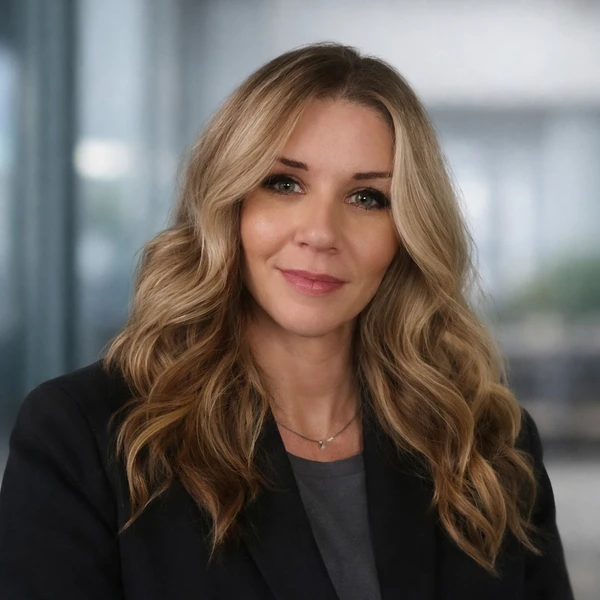
My name is Ashley Thomas, and I am currently pursuing a Bachelor’s degree in Business Management at the University of Arkansas. I also serve as the Service Manager at NXTLVL Marine.
My journey back to school has been shaped by a strong desire to grow, both personally and professionally. I returned to college as an adult student with a clear goal: to strengthen my leadership and business skills so I can continue building a meaningful career in the marine industry. This experience has given me a real-world understanding of teamwork, responsibility, and problem solving.
Education has become an important part of my long-term goals. Each course helps me better understand the business side of the industry I work in every day. By continuing my education, I hope to expand my ability to lead teams, improve operations, and contribute to the growth of the marine industry.
Outside of work and school, I value time with my family. I am an avid wake surfer and love spending time outdoors. My family and I enjoy camping together, and our two Catahoula dogs usually come along on every trip. Being on the water and outdoors with the people I love keeps me grounded and reminds me why the boating community is so important.
As a working professional, student, wife, and mother, I am committed to continuing my education and building a future that reflects perseverance, growth, and service to others. Scholarships will help make that journey possible and allow me to keep moving forward toward my goals.
Education
University of Arkansas Grantham
Bachelor's degree programMajors:
- Business, Management, Marketing, and Related Support Services, Other
Minors:
- Accounting and Computer Science
Penn Foster College
Associate's degree programMajors:
- Business, Management, Marketing, and Related Support Services, Other
Minors:
- Accounting and Computer Science
Miscellaneous
Desired degree level:
Master's degree program
Graduate schools of interest:
Transfer schools of interest:
Majors of interest:
- Business, Management, Marketing, and Related Support Services, Other
- Finance and Financial Management Services
Career
Dream career field:
Financial Services
Dream career goals:
Service Manager
The Inboard Shop2023 – 20252 yearsService Manager
NXTLVL Marine2025 – Present1 year
Sports
Volleyball
Varsity1999 – 20034 years
Public services
Volunteering
Helping Hands — Organizing donations2024 – 2025Volunteering
Streetside Showers — Handing out hygiene kits2025 – PresentVolunteering
Dallas County — My role is to stand as proof that the program works and to support others while they walk through it. My goal is to stand as a peer example and support system.2025 – Present
Future Interests
Advocacy
Volunteering
Entrepreneurship
Wicked Fan Scholarship
When my daughters first asked me to go see Wicked, I did not want to go. The movie was long, and I had a long list of things to do. But I went because they were excited, and I wanted to spend time with them. I thought I was just doing it for them. I did not expect to walk out feeling inspired.
One lesson that stood out to me was the difference between popularity and goodness. Glinda is admired and loved by almost everyone. But she has to choose between being liked and doing what is right. The movie shows that approval means nothing when it lacks integrity. Being popular is not the same as being good. That message feels important, especially for young people who feel pressure to fit in.
Another strong lesson is how truth does not always win right away. In the story, lies spread fast, and people believe what is easy instead of what is true. Elphaba is misunderstood and labeled unfairly. It shows how quickly public opinion can turn. Sometimes you can be doing the right thing and still lose friends or support. But standing strong in your convictions matters more than keeping everyone happy.
I also love the message about identity. Elphaba refuses to let others define her. Even when people call her wicked, she does not accept that as her truth. She stays true to who she is. That is powerful. It teaches that your character is built by your choices, not by what others say about you.
The movie also shows the difference between comfort and courage. Some characters choose safety because it is easier. Others take risks because they know it is right. Making the right choice is not always comfortable. It might cost you relationships. But growth usually comes from choosing courage over comfort.
Films can easily influence young adults. That is why I love the messages in Wicked. Instead of teaching kids to chase popularity, it teaches them to value integrity. Instead of encouraging them to blend in, it shows them how to stand firm. Those are lessons I want my daughters to carry with them.
After we saw the movie, we were hooked. On a road trip not long after, we listened to the soundtrack the entire way and sang every song at the top of our lungs. What started as something I did for them became something that inspired all of us. I am a fan of Wicked because it reminds us that doing what is right matters more than being liked.
Sabrina Carpenter Superfan Scholarship
Sabrina Carpenter’s journey means a lot to me because I see parts of my own life in her story. I work in the marine industry, and there are days when her music fills the cove and everyone gets excited. Guys and girls sing the lyrics at the top of their lungs. It makes work feel fun and brings people together. Moments like that remind me how powerful music can be.
I also admire Sabrina because she is honest in her songs. In Emails I Can’t Send, she shares real feelings and real experiences. She does not pretend everything is perfect. That connects with me because I have had times in my life when I had to be honest about my mistakes and work hard to grow. Being open about hard things is not easy, but it leads to real change. Sabrina shows that you can be truthful and still be strong.
Another reason I relate to her is how people underestimated her at first. She is small and soft-spoken, and many did not think she would be this big artist. But she kept working and improving. That reminds me of myself. I have worked hard to become better and stronger than I was before. I have had to prove to myself and others that I can rise above what people expect.
My daughters are huge fans too. They sing her songs all the time, and they light up whenever her music plays. I really want to take them both to a concert when she comes back to Dallas. It would be a dream for us to share that experience together. Seeing their excitement makes her music even more meaningful to me.
Sabrina Carpenter inspires me because she shows that real growth comes from being honest, working hard, and staying true to who you are. Her music has brought joy to my job, and it has brought smiles to my daughters’ faces. That is why her work has had such an impact on me.
Jimmy Cardenas Community Leader Scholarship
There was a time in my life when giving up would have been easy. I had made poor choices and was facing the consequences. I was incarcerated, and for the first time, I had no distractions. I could have blamed my past or decided that my future was already ruined. Instead, I chose to take responsibility. I decided that if I had to sit still, I would use that time to grow.
While I was incarcerated, I signed up for every class and program available. I read books that challenged my thinking. I reflected on the kind of woman I wanted to become. I knew that if my life was going to change, it would start with my mindset. I stopped seeing myself as a victim of circumstances and started seeing myself as someone capable of rebuilding.
After my release, I entered a fifteen-month court-ordered drug court program. It was strict and demanding. There were regular court appearances, classes, meetings, and frequent drug testing. The structure was intense, and there were no shortcuts. Some days were exhausting, but I showed up anyway. I never missed a court date. I never missed a class. I never had a failed drug test. I made a decision early on that I would not just complete the program, I would excel in it. I kept a positive attitude, encouraged others who were struggling, and followed every rule. When I graduated, I was honored with the Shining Star Award. This award is given to participants who demonstrate consistency, integrity, and support for others. Receiving that award meant more to me than I can explain. It proved to me that real change was possible.
Starting over was not easy. Finding stable work with a record required persistence. I began at a boat dealership in an entry-level position. I cleaned. I organized. I helped wherever I was needed. I treated every task as important. I asked questions and learned how the business operated. Over time, my work ethic built trust. That trust created opportunity. I was promoted multiple times and now serve in a leadership role. In my position, I guide a team, solve problems, and help customers through stressful situations. I lead by example. I show up prepared. I stay calm under pressure. I take ownership of mistakes and work toward solutions.
Leadership for me is about service. I continue to volunteer with the drug court program that helped rebuild my life. I speak to participants who are walking the same path I once walked. I share honestly about the discipline required to change and the rewards that come with it. When they see someone who completed the program and built a stable career, hope becomes real.
Overcoming obstacles taught me resilience. Leadership has taught me responsibility. I refused to let my lowest moment define the rest of my life. Instead, I chose growth. I chose discipline. I chose to build something better.
Christian Fitness Association General Scholarship
Going back to school as an adult has been one of the hardest things I have done. I did not return with a simple schedule. I work full time in a leadership position. I am a mother to two beautiful girls. I am a wife to my incredibly supportive husband. I help care for my elderly disabled mother-in-law. I also make time for my own mental health. Balancing all of that while earning a degree has been my biggest challenge.
Time was the first obstacle. My days are already full before I open a textbook. At work, I solve problems, manage responsibilities, and make decisions that cannot wait. When I get home, my focus shifts to my family. My daughters need help with homework and want to talk about their day. My husband and I protect time for each other because our marriage matters. My mother-in-law needs support with daily tasks and appointments. There is always something that needs attention.
When I first started school, I thought I could just study whenever I found a free moment. That did not work. I felt behind and exhausted. I realized I needed structure. I started waking up earlier to study before work. I set aside certain evenings for school and treated that time seriously. I broke large assignments into smaller pieces so they would not feel overwhelming. Once I built a routine, things became more manageable.
One of the biggest academic challenges was financial accounting. It had been years since I had taken a math-heavy class. Sometimes I would read the chapter more than once and still not understand it. Instead of quitting, I looked for different ways to learn. When the textbook was confusing, I searched for YouTube videos that explained the steps visually. Watching someone work through journal entries and financial statements helped everything start to make sense.
When I still struggled, I asked for help. A family friend who is an accountant spent time walking me through the concepts that did not click at first. He explained debits, credits, and balance sheets in simple terms. He even taught me a couple of small tricks. One of them was that if your balance sheet is off and the difference is divisible by nine, you probably made a transposition error. That tip stayed with me. It made the subject feel more practical and less intimidating. It also reminded me that learning does not have to happen alone.
I have used every resource available to me. I take detailed notes and rewrite them in my own words. I practice problems more than once. I review until I can explain the concept without looking at the book. I do not want to just pass my classes. I want to truly understand what I am learning.
Proctored exams were another challenge. Knowing I had one opportunity to perform well added pressure. I created study plans weeks ahead of time. I reviewed weaker areas more than once and practiced under timed conditions. When I completed those exams successfully, I felt proud because I knew I had prepared with intention.
Taking care of my mental health has been just as important as studying. Each morning, my husband and I read our daily devotional together. That quiet time sets the tone for our day. It gives us a moral compass to guide our decisions and interactions. It reminds me to live with purpose, patience, and integrity. Starting my day grounded in faith helps me handle stress in a healthier way. I know that when I live purposefully, I am setting an example for my children and striving to live as a good Christian. That foundation brings clarity and peace, especially during busy seasons.
It is easy to feel overwhelmed when juggling work, school, and family. I make time to exercise or sit quietly when I can. Even small moments help me reset. If I am not steady, I cannot show up well for my family, my job, or my education.
My husband has supported me every step of the way. He encourages me when I doubt myself. My daughters see me studying and working toward my degree. I hope they learn that growth does not stop when you become an adult. You can always choose to improve.
The biggest challenge has not been one single class. It has been learning how to manage everything at once and still give my best effort. Going back to school has taught me discipline, patience, and persistence. It has shown me that when I commit to something, I will use every tool available to succeed while staying grounded in what matters most.
Susie Green Scholarship for Women Pursuing Education
The courage to go back to school did not come from confidence. It came from discomfort. After rebuilding my life in recovery, I knew I had changed on the inside. I was sober. I was stable. I was working hard. But I also knew I had limited myself for years. I had convinced myself that I was not capable of more. That belief began to bother me.
For a long time, survival was my only goal. Stay clean. Show up to work. Be present for my family. Those were victories, and they still matter. But once stability became normal, I felt a deeper pull. I wanted growth. I wanted to prove to myself that my past did not define my ceiling. Going back to school felt intimidating. I had been out of the classroom for years. I worried that I would not understand the material or keep up with deadlines. I was afraid of failing.
What pushed me forward was the realization that fear had controlled enough of my life already. I had made hard changes before. I had walked into recovery rooms when I was ashamed. I had rebuilt relationships that felt broken beyond repair. Compared to those battles, enrolling in school was simply another step of faith. I decided that being uncomfortable was better than being stagnant.
My family also gave me courage. I wanted my children to see that growth never stops. I wanted them to know that education is not just for young people fresh out of high school. It is for anyone willing to put in the effort. I also wanted to build a stronger future for them. Education opened doors that hard work alone sometimes cannot. It gave structure to my ambition.
Returning to school has strengthened more than my knowledge. It has strengthened my discipline. Balancing coursework with a full-time leadership role requires focus and time management. There are late nights and early mornings. There are moments when I feel stretched thin. But every completed assignment reminds me that I am capable of more than I once believed.
School also sharpened my thinking. I now understand business, leadership, and finance at a deeper level. That knowledge directly supports my career. Instead of simply reacting to situations, I can analyze them. I can make decisions with strategy instead of instinct alone. Education has given me tools that match the work ethic I already had.
The courage to return to school came from a desire to grow beyond survival. It came from refusing to let my past limit my future. Most of all, it came from understanding that change is possible at any stage of life. I went back to school not because it was easy, but because I wanted to keep becoming better. Every class is proof that courage does not mean the absence of fear. It means moving forward anyway.
Arthur and Elana Panos Scholarship
My faith began in a place of brokenness. I did not come to it from comfort or tradition. I found it in a faith-based recovery program when my life had reached a point where I could no longer fix it on my own. I was tired of running, tired of pretending, and tired of hurting the people I loved. In recovery, I was introduced to the idea that surrender was not weakness. It was the beginning of freedom.
As I continued in AA and NA, my faith grew stronger. Those rooms taught me honesty, humility, and accountability. I learned to admit my flaws and to depend on a Higher Power instead of my own will. At first, my belief felt fragile. I believed, but I was still ashamed. It took time for me to gather the courage to walk into a church. I carried guilt. I worried about what people might think. I did not feel worthy of sitting in those pews.
But when I finally showed up, everything changed. I realized church was not a place for perfect people. It was a place for healing. Once I stepped through those doors, I was all in. I joined a weekly women’s Bible study group where I could speak openly, ask questions, and grow alongside other women who were also learning. I began reading a daily devotional with my husband each morning over coffee. Those quiet moments before the day begins have become sacred. They center us. They remind us who we are and who we serve.
Finding my faith rocked me to my foundation. It changed the way I see myself. It changed the way I see others. I recently heard a sermon that compared the moon to our lives. The moon does not produce its own light. It shines because it reflects the light of the sun. In the same way, I shine because of the light of the Son of God. That image stayed with me. On my own, I am limited. But when I reflect Christ’s love, patience, and grace, I become something brighter than I ever could be alone.
My faith now guides how I move through life and career. In a leadership role, I face pressure, conflict, and constant decisions. Faith keeps my motives in check. It reminds me that success without integrity is empty. It helps me pause before reacting, speak with care, and lead with consistency. I try to treat people with the same grace that was shown to me when I did not deserve it.
I know what it feels like to live in darkness. That is why shining matters to me. If my story, my work ethic, or my leadership can reflect even a small part of the light that restored me, then I am walking in purpose. My faith does not make me perfect, but it keeps me anchored. It gives me strength to keep growing, to keep serving, and to keep shining.
Future Green Leaders Scholarship
Sustainability should be a priority in the marine industry because the entire field depends on clean, healthy water. Boats are built for lakes, rivers, and coastal areas. If those ecosystems are damaged, the industry suffers. Wake boating, in particular, brings both opportunity and responsibility. While it supports recreation and local economies, it can also affect shoreline plant life and aquatic habitats if not managed carefully.
Wake boats are designed to create large waves by using ballast systems that add weight to the hull. These larger wakes can increase shoreline erosion, especially on smaller lakes or in shallow areas. When waves repeatedly strike the shore, they loosen soil and uproot native plants. Shoreline plants are not just decorative. Their root systems hold soil in place, reduce runoff, and filter pollutants before they enter the water. They also provide shelter and breeding areas for insects, fish, and birds. When these plants are disturbed, it weakens the entire shoreline ecosystem.
In addition to erosion, wake boats can affect underwater vegetation. Aquatic plants improve water clarity and provide oxygen for fish and other organisms. Repeated turbulence in shallow water can damage these plant beds. There is also the risk of spreading invasive species. Ballast systems can carry water from one lake to another if not properly drained and cleaned. Invasive plants can quickly overtake native flora, changing the balance of the ecosystem and harming wildlife.
Because of these risks, sustainability must be woven into every part of the marine industry. It should not be seen as a limitation, but as long-term protection of the industry itself. As someone working in marine operations and leadership, I see several ways to reduce environmental impact through my profession.
Education is the first step. Many boat owners are unaware of how operating close to shore or in shallow water affects plant life. Promoting best practices, such as wake surfing only in deep water and maintaining proper distance from shorelines, can significantly reduce erosion. Encouraging customers to follow local lake guidelines protects ecosystems without eliminating recreation.
Second, service standards matter. Preventing oil leaks, maintaining fuel systems, and ensuring engines run efficiently reduces pollution. Making ballast system cleaning part of routine service can help prevent invasive species transfer. Even small habits inside a dealership, such as proper disposal of fluids and parts, contribute to broader environmental protection.
Looking ahead, I see myself supporting innovation in cleaner engine technology and more efficient hull designs. As electric and hybrid propulsion systems continue to develop, the marine industry will have opportunities to reduce emissions and noise pollution. In leadership, I can influence purchasing decisions, promote responsible boating, and build partnerships with lake associations focused on conservation.
The marine industry relies on the health of water and plant life. Protecting shoreline flora and aquatic ecosystems ensures that boating remains both enjoyable and sustainable. By combining education, responsible service practices, and forward-thinking leadership, I can help reduce environmental impact while still supporting growth in the industry. Sustainability is not separate from success in marine operations. It is the foundation that makes long-term success possible.
RonranGlee Literary Scholarship
Thus Spoke Zarathustra – Friedrich Nietzsche
“I teach you the Overman. Man is something that shall be overcome. What have you done to overcome him?
All beings so far have created something beyond themselves: and do you want to be the ebb of this great tide, and rather go back to the beast than overcome man?
What is the ape to man? A laughingstock or a painful embarrassment. And man shall be just that for the Overman: a laughingstock or a painful embarrassment.”
In this passage, Nietzsche argues that human beings are not a finished achievement but a stage in development, and he challenges the reader to reject comfort and inherited beliefs in order to participate in the difficult work of self-transformation.
The paragraph opens with a direct declaration: “I teach you the Overman.” The statement does not begin with explanation or background. It begins with instruction. The word teach suggests that what follows is not automatic or natural. It must be learned. Nietzsche does not describe the Overman as something that will appear on its own. Instead, it is presented as an idea that requires effort and understanding. The tone feels urgent. It places responsibility on the listener.
The next sentence strengthens that demand: “Man is something that shall be overcome.” Nietzsche does not say that humanity should be improved or refined. He chooses the word overcome. That word carries weight. To overcome something means to struggle with it, to push past it, even to defeat it. In this context, the obstacle is not an outside enemy. The obstacle is the current version of humanity itself. The phrase suggests that what we are now is incomplete. It is not the goal. It is a stage.
Nietzsche immediately turns the idea into a question: “What have you done to overcome him?” This question shifts the focus from theory to action. It forces the reader to look inward. The sentence implies that many people live without attempting to rise above their present condition. It challenges passivity. The reader cannot remain a spectator. The structure of the question makes the demand personal. Growth is not something that happens to humanity as a group; it must begin with the individual.
The next line expands the argument beyond humanity: “All beings so far have created something beyond themselves.” Here, Nietzsche describes life as movement. He presents existence as a process that continually produces something new. The phrase “created something beyond themselves” suggests that development is not static. Every stage of life gives rise to another stage. There is a sense of direction. Life moves forward, not in comfort, but through transformation.
Then Nietzsche introduces the image of a tide: “do you want to be the ebb of this great tide?” The tide represents force and motion. It rises and falls, but it never stands still. By asking whether the reader wants to be the ebb, Nietzsche is asking whether they wish to be part of decline instead of growth. The word ebb suggests retreat. It suggests pulling back from possibility. The question implies that refusing to change is not neutral. It is a form of regression.
He sharpens this idea by adding, “and rather go back to the beast than overcome man?” The contrast here is clear. Either one pushes forward, or one slips backward. The beast symbolizes instinct without reflection. It represents a life driven by impulse rather than thought. Nietzsche’s warning is that if humanity refuses the task of self-overcoming, it may fall into a lower form of existence, guided only by habit and fear. The danger is not physical but spiritual. Without effort, people may live small lives shaped by comfort and imitation.
The comparison with the ape deepens the point: “What is the ape to man? A laughingstock or a painful embarrassment.” The ape resembles humanity but appears primitive. To modern humans, the ape may seem amusing or awkward because it reminds them of earlier stages of development. Nietzsche uses this image to create distance between stages of life. The ape is not evil. It is simply less developed. The embarrassment comes from recognizing where one came from.
The final sentence completes the comparison: “And man shall be just that for the Overman: a laughingstock or a painful embarrassment.” Nietzsche turns the image back toward humanity. Just as humans look at apes with a sense of superiority, a higher form of existence may one day look at humanity in the same way. The sentence carries certainty. It suggests that growth does not end with the present. Humanity, too, may appear limited when viewed from a higher perspective.
The deeper meaning of this passage lies in its call for courage. Nietzsche presents human beings as transitional. We are not the final step. We are a bridge. To overcome man does not mean rejecting humanity entirely. It means refusing to settle for inherited beliefs and borrowed values. Nietzsche is challenging the idea that current moral systems are permanent. He suggests that new values must be created by those willing to question what they have been taught.
The repeated use of questions throughout the paragraph increases the pressure. Nietzsche does not calmly explain his philosophy. He confronts the reader. The questions break comfort. They require reflection. Each question pushes the reader to consider whether they are contributing to growth or clinging to safety. This style mirrors the message itself. Self-overcoming is not gentle. It demands honesty.
Another important detail is the language of embarrassment. Nietzsche does not flatter humanity. He implies that future generations may view current values as narrow or timid. This possibility creates tension. It asks the reader whether they want to remain part of a stage that will later seem incomplete. The fear of being outdated becomes motivation for transformation.
At the same time, the passage contains hope. If humanity can be surpassed, then growth is possible. The tide continues to move. The idea of the Overman represents the potential to shape one’s own direction rather than simply accept tradition. Nietzsche’s argument rests on the belief that human beings can create meaning rather than merely inherit it.
The central message of the paragraph is that life demands forward movement. To remain unchanged is to fall behind. Nietzsche presents development as both a challenge and an opportunity. Humanity must decide whether it will act as a stepping stone toward something greater or remain satisfied with its present form.
Through careful attention to the language, it becomes clear that Nietzsche is not predicting a specific future individual. He is describing an attitude. The Overman symbolizes the willingness to confront limits and push beyond them. The call to overcome man is a call to examine one’s beliefs, confront fear, and accept responsibility for growth.
In this passage, Nietzsche portrays humanity as unfinished. He urges the reader to resist complacency and participate in the difficult work of self-transformation. The choice he presents is simple but demanding: move forward into uncertainty, or retreat into comfort. The future, he suggests, belongs to those willing to overcome themselves.
Ella's Gift
A very small portion of my life has been stable. Up until 5 years ago, I struggled with my mental health and turned to drugs to cope. I felt anxious, ashamed, and lost. I did not know how to deal with hard emotions in a healthy way. Instead of asking for help, I tried to escape. What started as a way to numb pain slowly took over my life. My choices hurt my family, my future, and myself.
Eventually, I faced legal trouble because of my addiction. I was court ordered into a treatment program. At first, I was embarrassed and defensive. I did not want to admit I had a problem. But over time, I realized the program was a chance to change. I spent fifteen months in a structured drug court program. I had to attend counseling, take regular drug tests, go to meetings, and report to the court. It was strict, but it helped me build discipline and accountability.
During treatment, I learned that my addiction was connected to deeper mental health struggles. I had been carrying grief, trauma, and low self-esteem for years. Drugs were my way of avoiding those feelings. In counseling, I started talking about things I had never talked about before. I learned coping skills like journaling, exercise, and being honest with people I trust. I learned that asking for help is not weakness. It takes courage.
Recovery was not just about staying sober. It was about rebuilding my life. I had to earn back trust. I had to show up every day and do the right thing, even when it was hard. When I returned to work, I started in a basic position. I focused on being dependable. I showed up on time. I did what was asked of me. Over time, my effort paid off. I earned promotions and took on more responsibility. Each step forward reminded me that change is real when you stay consistent.
Education has also become an important part of my growth. I am currently working toward a degree in Business Management. For a long time, I doubted I was smart enough for college. Addiction had damaged my confidence. Going back to school has helped rebuild it. Each class I complete proves to me that I am capable of more than I once believed. I want to grow in leadership and finance so I can build a stable future for my family and continue advancing in my career.
Staying in recovery is something I take seriously every day. I continue to attend meetings and stay connected to people who support my sobriety. I keep structure in my routine. I protect my mental health by getting enough rest, exercising, and setting healthy boundaries. When I feel overwhelmed, I talk to someone instead of keeping it inside. I know that isolation can lead to bad choices, so I stay connected to family and community.
I also give back when I can. Helping others who are struggling reminds me where I came from and how far I have come. It keeps me grounded and grateful.
My past includes addiction and mental health struggles, but it does not define who I am today. Recovery has taught me discipline, honesty, and resilience. Education is helping me build a better future. I am proud of the work I have done, and I am committed to continuing this path. Every day I choose to stay sober, grow, and move forward.
Debra S. Jackson New Horizons Scholarship
My decision to pursue higher education did not happen right after high school. It came later, after life forced me to grow up. I made choices that led me down a destructive path. I struggled with addiction, became homeless, and eventually served time in prison. I lost relationships and trust. After my release, I completed a 15-month drug court program. That portion of my life required strict structure, accountability, and daily effort. It also gave me the chance to start again.
Those experiences shaped my values in a deep way. I no longer chase quick results. I value discipline, honesty, and responsibility. I learned that real change does not have to be loud or dramatic. It is steady, consistent and not always noticeable right away. When I came home, I had to rebuild from the ground up. I started working as an office cleaner because it was the only job offered to me. I showed up every day and did the work. Over time, I moved into office support and then into management within the marine industry. That journey taught me that growth happens one step at a time.
I chose to pursue a Bachelor of Business Administration because I want to strengthen the practical experience I have gained. I am especially interested in finance and operations. I see how strong leadership and careful financial planning can create stable jobs and healthy businesses. My career goal is to continue growing in leadership and help build departments that operate with integrity and clear structure. I want to lead in a way that gives others opportunities, especially those who may feel overlooked because of their past.
My commitment to community service is personal. I volunteer with the 4C Drug Court program that helped me rebuild my life. I speak with participants who are returning home and trying to find work. I know how hard it is to start over, especially with court requirements and a record. I try to offer both honesty and encouragement. I also help create job opportunities during our busy season at work for people in recovery. Employment builds confidence and stability, which are critical in early recovery.
I plan to use my education to make a positive impact by leading responsibly and mentoring others. Strong businesses can strengthen communities. When companies operate with fairness and discipline, families benefit. I want to be part of building that kind of environment.
This scholarship would ease the financial pressure of tuition and allow me to focus more fully on my studies. It would support not only my education, but also my continued growth as a leader and mentor. My life today looks very different from where it began. Higher education is a key part of ensuring that the future I am building is stable, purposeful, and rooted in service.
Curtis Holloway Memorial Scholarship
I am grateful to have a wonderful support system in my education journey. I could not do it without them. My mom, my husband, and my daughter have been my biggest support system. I lost my dad to suicide. I was not prepared for that loss. I had so many unanswered questions. I blamed myself for not seeing the signs. It changed how I saw the world and how I saw myself. Before he passed, he would always tell me, “Happy is a choice. You can look for reasons to be happy or reasons to be mad. You will always find what you are looking for.” I think about those words every single day. The irony does not escape me. I used to resent him for not choosing happy. I understand now, that sometimes mental health or illness relieves you of your choices. Even though his life ended in a painful way, I still hold on to what he taught me. I choose to look for good. I choose to move forward. I choose happy.
After my dad died, my mom had to rebuild her life. She had depended on him financially. She could have given up, but she didn’t. She worked hard and stayed strong, even when I know she was hurting. She always finds something positive to say. When I feel stressed from school or start to doubt myself, she reminds me how far I have come. Watching her stand back up after losing my dad showed me what real strength looks like. She taught me that you keep going, even when it’s hard.
My husband has also played a huge role in my education. He encourages me to study when I feel tired. He reminds me why finishing my degree matters. He helps with responsibilities at home so I can focus on schoolwork. There are nights when I feel overwhelmed, and he tells me school isn't going to last forever. Having someone believe in you makes a difference.
My daughter is one of my biggest motivations. I want her to see that education is important. I want her to know that mistakes do not have to define your whole life. When she sees me studying or working toward my goals, I hope she learns that growth never stops. I want to set an example for her that shows strength, responsibility, and commitment.
Growing up in a single-parent home after losing my dad shaped me in many ways. It made me realize how quickly life can change. It also showed me how important family support is. Without my mom’s strength, my husband’s encouragement, and my daughter’s motivation, I would not be where I am today.
I honor them by continuing my education and working toward my goals. I honor my dad by choosing happiness and not giving up. I honor my mom by staying strong when things get difficult. I honor my husband and daughter by building a future that is stable and secure. Their support pushes me to keep going, even on the hardest days.
Lost Dreams Awaken Scholarship
Recovery means building a life I do not want to run from. I was homeless and using meth and heroin intravenously. My addiction led me to prison. When I came home, I knew staying clean would be harder than being locked up. In prison, I did not have a choice. At home, every decision was mine. That freedom was scary. It was the hardest thing I have ever done.
My first night home, someone from an AA group picked me up and took me to a meeting. I felt so out of place. As people shared, I heard my story in theirs. That night I found a sponsor and committed to working the steps honestly. I had never been that vulnerable before. I saw that I had buried years of anger and anxiety. When I took my inventory and made amends, I had to face the harm I caused. It was painful, but it changed me. Once I stopped hiding, the anger and anxiety began to ease.
Today I have a home, a husband, my children, and a steady job. I spend my weekends doing things that matter. I mentor people who want to get clean and speak to those coming home from prison.
Writing this makes me cry because it shows me how far I have come. My sobriety date is 06-27-22, and I am proud of it. Recovery is not just about staying sober. It is about honesty, responsibility, and protecting the life I worked hard to rebuild.
Text-Em-All Founders Scholarship
Each year during our busy season at NXTLVL Marine, we need to hire three or four temporary employees. I choose to offer those spots to participants in the 4C Drug Court program. The program is one that I participated in myself. I remember what it felt like to come home with a record and try to start over. One person gave me a chance when I needed it most. Now I try to do the same for others.
I volunteer with the 4C Drug Court about once every three months, especially when new participants return home from their units. I talk with them about what reentry really looks like. It is hard to find a job when you have to take random drug tests several times a week, go to court weekly, report to your probation officer, and attend counseling more than once a week. That schedule alone can push employers away. When I hire participants for seasonal work, I tell them clearly that their main responsibility is to the court. The job comes second. If they need to leave for testing or court, they go. Recovery has to come first.
The work may seem simple, but it makes a difference. Having a job builds confidence. It gives structure to their day and a reason to stay focused. I have seen how steady work helps people stay sober. People remain in recovery when the life they are building is better than the life they left behind. At the end of the season, I promote the top performer into a permanent position. I write letters of recommendation for the others. Those letters help when they apply for other jobs. Seeing them grow in confidence means a lot to me. In many ways, this work helps me just as much as it helps them.
I have also gone back twice to the unit where I served my sentence to speak in the Faith Based program. Walking back into that place was humbling. I speak plainly about my mistakes, about the struggle of coming home, and about the choices that matter. I want the women there to know that change is possible, but it takes effort every day.
Many people who struggle with addiction come from broken homes or unstable situations, but that does not mean they cannot build something different for themselves. With support and opportunity, they can create a new life and break the cycle. I believe people with lived experience can become strong leaders because we understand the struggle firsthand. We are relatable. We are not speaking from a distance.
If we expect people to change, we have to give them a real chance. Through my time with the 4C Drug Court program, I try to be part of that chance.
Beatrice Diaz Memorial Scholarship
Five years ago, I was in prison, thinking about how my life had fallen apart. I had made choices that led to serious consequences. I served a year, and after my release, I completed a 15-month court-ordered drug court program. The program required weekly check-ins, drug testing, counseling, and steady employment. It was not easy, but it gave me structure and accountability. For the first time in years, I followed rules and stayed consistent. That season forced me to slow down and take responsibility for my actions.
I was born and raised in Athens, Texas. I come from a hardworking family, but for a period of my life, I lost my direction. When I returned home, I realized that rebuilding would take time and patience. Finding a job with a criminal record was harder than I expected. Many applications went unanswered. Some employers were honest and said they could not hire someone with my background. Eventually, I was offered a position in the marine industry as an office cleaner. It was simple work. I cleaned restrooms, emptied trash cans, and swept the shop floors. It was not the job I dreamed of, but it was honest work, and I was thankful for the chance.
I decided that if this was my starting point, I would give it my full effort. I paid attention to how the business worked. I listened to conversations about service orders, parts, scheduling, and customer concerns. I asked questions and volunteered to help when I could. Over time, I moved from cleaning to office support and later to management. Today, I help oversee daily operations and support our team. I handle tasks that affect productivity and profit. The progress did not happen quickly. It came from showing up each day, being dependable, and doing my job well.
I am now working toward a Bachelor of Business Administration at the University of Arkansas at Grantham. I chose this degree because I want to understand better how businesses operate. I am especially interested in finance and operations. I see how budgeting, planning, and leadership decisions shape a company’s future. I want my education to support the experience I have gained at work. Completing this degree requires discipline, time management, and focus, and I am committed to finishing it.
My long-term goal is to continue developing my leadership in the marine industry, with a focus on financial management and steady growth. I also plan to stay involved with the 4C Court program that helped me rebuild my life. My past taught me hard lessons. My future is built on responsibility, education, and consistent effort.