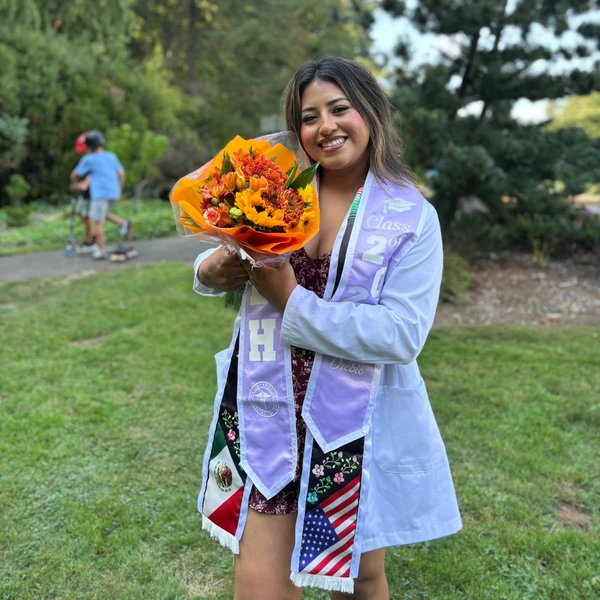
Being a first-generation Mexican-American college student is more than a personal milestone; it is a living testament to resilience, responsibility, and representation. Nearly thirty years ago, my parents left their small pueblos in Mexico, armed with little more than hope to begin a new life in the United States. They dreamed that their children would earn the education they themselves were denied. Today, I carry that dream forward, determined to turn my degree into the key that breaks generational curses of poverty, limited opportunity, and silence around mental health.
I grew up in a household of seven: my parents, three siblings, my grandmother, and me. Resources were scarce, but love and perseverance weren't. My mother, a humble hardworking woman, has always juggled multiple jobs; factory shifts, housekeeping, and restaurant work to keep us fed and clothed. My father is equally hardworking, but he battles chronic alcoholism and depression, and this burden is intensified by cultural stigma that tells men to suffer quietly. My father’s refusal to seek help has often left my mother to shoulder the emotional and financial weight of our household alone. Watching her navigate those hardships has inspired me more than words can express. She is the reason I keep going. She is the reason I believe that breaking cycles and building new paths is possible.
Growing up in a low-income household, financial freedom is something I have never known, but it is something I am determined to achieve. Not just for myself, but for my parents, who have given their all without ever asking for anything in return. Higher education is my path to that freedom; it is how I will shatter generational barriers that once seemed immovable. Earning my college degree will be far more than a personal accomplishment. It will be a gift to my parents, proof that their sacrifices, faith and labor were not in vain, and a symbol it will serve as a symbol to other first-generation Mexican-American kids that we do belong in higher education, that we can succeed despite society constantly trying to tell us we are not welcome and pushing us out.
My journey toward dental hygiene began at 18, when I enrolled in dental-assisting school straight out of high school. That decision changed my life. Working as a dental assistant opened my eyes to the profound link between oral health and overall well-being, including to the harsh inequities faced by Spanish-speaking, low-income communities.
Only about 12% of dental hygienists nationwide are Hispanic. This cultural gap translates to language barriers, limited cultural competence among providers, and intimidating environments for patients who feel unseen. I know that fear firsthand. I have accompanied my parents to appointments where no one spoke Spanish, where explanation and empathy were absent. Those memories fuel my passion to become a provider who welcomes patients in their own language, advocates for their needs, and earns their trust.
I envision my future in public health, working in clinics within low-income, Spanish-speaking communities. Places where families like mine would have felt seen, understood, and safe. My goal is not merely to clean teeth; it is to empower patients through education, dismantle fear with familiarity, and raise the Latino representation in my profession so that the next generation finds comfort where we once felt isolation.
Becoming a first generation college graduate will honor my mother’s sacrifices, recognize my father’s silent struggles, help increase access to low income communities and Spanish speakers, and demonstrate to every young Latino student that resilience can rewrite destinies. In funding my education, you would also be investing in this dream of mine.