
Hobbies and interests
Animals
Agriculture
Baking
Beach
Boxing
Softball
Singing
Nursing
Nutrition and Health
Exercise And Fitness
National Honor Society (NHS)
Exploring Nature And Being Outside
Horseback Riding
Hiking And Backpacking
Hunting
Ashley Aguirre
1x
Finalist
Ashley Aguirre
1x
FinalistBio
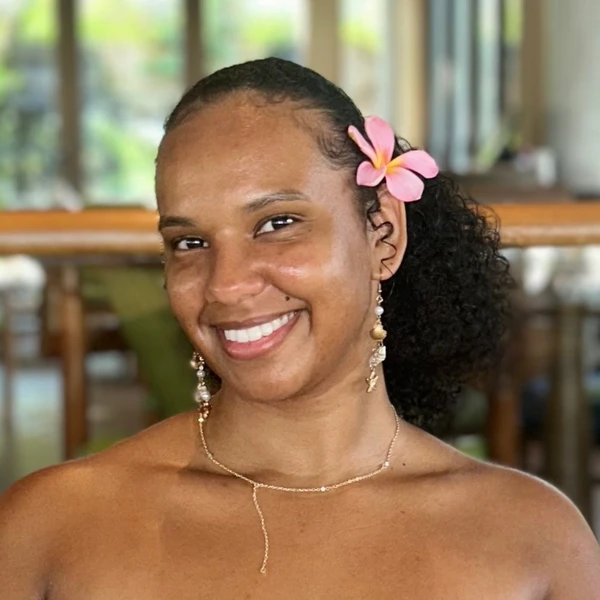
I am a registered nurse working on a medical-surgical cardiac unit, where I care for patients with complex cardiovascular conditions. My experiences at the bedside have deepened my passion for patient-centered care and strengthened my commitment to advancing my education. As a first-generation college student, earning my nursing degree was a milestone built on resilience and determination. Continuing on to complete my Bachelor’s degree reflects my dedication to growth, leadership, and lifelong learning. I am newly wed and have a 3 year old German shorthair pointer.
My long-term goal is to transition into case management, where I can improve care coordination and reduce hospital readmissions for patients managing chronic cardiac conditions. Ultimately, I aspire to become a Nurse Practitioner so I can expand my clinical impact, provide preventative care, and serve vulnerable populations with compassion and expertise. I am especially passionate about patient education and empowering individuals to take an active role in their health.
I am a strong candidate for scholarships because I combine real-world clinical experience with perseverance and vision. Working in a high-acuity cardiac unit has strengthened my critical thinking skills and resilience. As a first-generation student, I deeply value the opportunity to further my education and am committed to using it to uplift the communities I serve.
Education
Herzing University-Winter Park
Bachelor's degree programMajors:
- Registered Nursing, Nursing Administration, Nursing Research and Clinical Nursing
Minors:
- Registered Nursing, Nursing Administration, Nursing Research and Clinical Nursing
Herzing University-Winter Park
Associate's degree programMajors:
- Registered Nursing, Nursing Administration, Nursing Research and Clinical Nursing
Miscellaneous
Desired degree level:
Bachelor's degree program
Graduate schools of interest:
Transfer schools of interest:
Majors of interest:
- Registered Nursing, Nursing Administration, Nursing Research and Clinical Nursing
Career
Dream career field:
Human Resources
Dream career goals:
Audra Dominguez "Be Brave" Scholarship
I want to pursue a degree in nursing because it allows me to combine my passion for helping others with my interest in science, problem-solving, and patient care. From a young age, I have been drawn to careers that provide both purpose and the opportunity to make a meaningful difference. Nursing is more than a profession—it is a way to positively impact people during some of the most vulnerable and important moments of their lives. The ability to care for, educate, and advocate for patients motivates me to advance my knowledge, refine my skills, and dedicate myself to this field.
Working as a nurse on a medical-surgical cardiac unit has provided me with firsthand experience of the profound difference skilled and compassionate care can make. I have seen patients navigate serious illnesses, complex treatments, and emotional challenges, often while feeling anxious or overwhelmed. In these moments, nursing is more than administering medication or monitoring vital signs—it is about understanding patients’ needs, communicating clearly, and providing reassurance and guidance. These experiences confirmed my desire to pursue a degree in nursing, so I can deepen my knowledge, expand my capabilities, and provide care that is not only clinically effective but also empathetic and holistic.
Pursuing a nursing degree will also give me the tools to better advocate for patients and improve long-term health outcomes. I hope to specialize in areas such as case management, chronic illness support, or patient education, where I can help individuals navigate healthcare systems, understand their conditions, and develop strategies to manage their health effectively. Education in nursing equips me to make informed decisions, implement evidence-based care, and mentor future healthcare professionals—all of which contribute to strengthening my community’s health and well-being.
Beyond direct patient care, I aim to contribute to my community by promoting health education and awareness. Many people face barriers to healthcare or struggle to understand how to manage chronic conditions, prevent illness, or access support services. As a nurse, I will be able to provide guidance, teach practical strategies, and empower individuals and families to make informed decisions about their health. I envision organizing educational workshops, mentoring younger generations, and participating in outreach programs that encourage preventive care and healthy lifestyle choices. My goal is to create a ripple effect, where knowledge and support extend beyond the hospital setting and help strengthen the community as a whole.
Additionally, nursing allows me to lead by example through empathy, professionalism, and advocacy. I want to inspire trust, respect, and collaboration in my workplace and community, showing that healthcare is not only about treating illness but also about building relationships, understanding challenges, and fostering hope. By combining clinical expertise with compassion, I can help ensure that every patient feels heard, supported, and empowered to take an active role in their health.
In conclusion, I want to pursue a degree in nursing because it aligns with my values, skills, and desire to make a meaningful difference in people’s lives. It provides the opportunity to care for individuals during critical moments, educate and empower patients, and advocate for improvements in healthcare access and outcomes. Through direct patient care, community education, and mentorship, I hope to contribute to the well-being of my community, strengthen healthcare systems, and inspire others to prioritize their health. Nursing is more than a career to me—it is a calling to serve, support, and uplift those in need, and I am committed to using my education and talents to make a lasting impact.
Women in Healthcare Scholarship
I want to pursue a degree in nursing because it allows me to combine my passion for helping others with my interest in science, problem-solving, and patient care. From a young age, I have been drawn to careers that provide both purpose and the opportunity to make a meaningful difference. Nursing is more than a profession—it is a way to positively impact people during some of the most vulnerable and important moments of their lives. The ability to care for, educate, and advocate for patients motivates me to advance my knowledge, refine my skills, and dedicate myself to this field.
Working as a nurse on a medical-surgical cardiac unit has provided me with firsthand experience of the profound difference skilled and compassionate care can make. I have seen patients navigate serious illnesses, complex treatments, and emotional challenges, often while feeling anxious or overwhelmed. In these moments, nursing is more than administering medication or monitoring vital signs—it is about understanding patients’ needs, communicating clearly, and providing reassurance and guidance. These experiences confirmed my desire to pursue a degree in nursing, so I can deepen my knowledge, expand my capabilities, and provide care that is not only clinically effective but also empathetic and holistic.
Pursuing a nursing degree will also give me the tools to better advocate for patients and improve long-term health outcomes. I hope to specialize in areas such as case management, chronic illness support, or patient education, where I can help individuals navigate healthcare systems, understand their conditions, and develop strategies to manage their health effectively. Education in nursing equips me to make informed decisions, implement evidence-based care, and mentor future healthcare professionals—all of which contribute to strengthening my community’s health and well-being.
Beyond direct patient care, I aim to contribute to my community by promoting health education and awareness. Many people face barriers to healthcare or struggle to understand how to manage chronic conditions, prevent illness, or access support services. As a nurse, I will be able to provide guidance, teach practical strategies, and empower individuals and families to make informed decisions about their health. I envision organizing educational workshops, mentoring younger generations, and participating in outreach programs that encourage preventive care and healthy lifestyle choices. My goal is to create a ripple effect, where knowledge and support extend beyond the hospital setting and help strengthen the community as a whole.
Additionally, nursing allows me to lead by example through empathy, professionalism, and advocacy. I want to inspire trust, respect, and collaboration in my workplace and community, showing that healthcare is not only about treating illness but also about building relationships, understanding challenges, and fostering hope. By combining clinical expertise with compassion, I can help ensure that every patient feels heard, supported, and empowered to take an active role in their health.
In conclusion, I want to pursue a degree in nursing because it aligns with my values, skills, and desire to make a meaningful difference in people’s lives. It provides the opportunity to care for individuals during critical moments, educate and empower patients, and advocate for improvements in healthcare access and outcomes. Through direct patient care, community education, and mentorship, I hope to contribute to the well-being of my community, strengthen healthcare systems, and inspire others to prioritize their health. Nursing is more than a career to me—it is a calling to serve, support, and uplift those in need, and I am committed to using my education and talents to make a lasting impact.
Community Health Ambassador Scholarship for Nursing Students
I want to pursue a degree in nursing because it allows me to combine my passion for helping others with my interest in science, problem-solving, and patient care. From a young age, I have been drawn to careers that provide both purpose and the opportunity to make a meaningful difference. Nursing is more than a profession—it is a way to positively impact people during some of the most vulnerable and important moments of their lives. The ability to care for, educate, and advocate for patients motivates me to advance my knowledge, refine my skills, and dedicate myself to this field.
Working as a nurse on a medical-surgical cardiac unit has provided me with firsthand experience of the profound difference skilled and compassionate care can make. I have seen patients navigate serious illnesses, complex treatments, and emotional challenges, often while feeling anxious or overwhelmed. In these moments, nursing is more than administering medication or monitoring vital signs—it is about understanding patients’ needs, communicating clearly, and providing reassurance and guidance. These experiences confirmed my desire to pursue a degree in nursing, so I can deepen my knowledge, expand my capabilities, and provide care that is not only clinically effective but also empathetic and holistic.
Pursuing a nursing degree will also give me the tools to better advocate for patients and improve long-term health outcomes. I hope to specialize in areas such as case management, chronic illness support, or patient education, where I can help individuals navigate healthcare systems, understand their conditions, and develop strategies to manage their health effectively. Education in nursing equips me to make informed decisions, implement evidence-based care, and mentor future healthcare professionals—all of which contribute to strengthening my community’s health and well-being.
Beyond direct patient care, I aim to contribute to my community by promoting health education and awareness. Many people face barriers to healthcare or struggle to understand how to manage chronic conditions, prevent illness, or access support services. As a nurse, I will be able to provide guidance, teach practical strategies, and empower individuals and families to make informed decisions about their health. I envision organizing educational workshops, mentoring younger generations, and participating in outreach programs that encourage preventive care and healthy lifestyle choices. My goal is to create a ripple effect, where knowledge and support extend beyond the hospital setting and help strengthen the community as a whole.
Additionally, nursing allows me to lead by example through empathy, professionalism, and advocacy. I want to inspire trust, respect, and collaboration in my workplace and community, showing that healthcare is not only about treating illness but also about building relationships, understanding challenges, and fostering hope. By combining clinical expertise with compassion, I can help ensure that every patient feels heard, supported, and empowered to take an active role in their health.
In conclusion, I want to pursue a degree in nursing because it aligns with my values, skills, and desire to make a meaningful difference in people’s lives. It provides the opportunity to care for individuals during critical moments, educate and empower patients, and advocate for improvements in healthcare access and outcomes. Through direct patient care, community education, and mentorship, I hope to contribute to the well-being of my community, strengthen healthcare systems, and inspire others to prioritize their health. Nursing is more than a career to me—it is a calling to serve, support, and uplift those in need, and I am committed to using my education and talents to make a lasting impact.
Sabrina Carpenter Superfan Scholarship
I am a fan of Sabrina Carpenter not only because of her talent but also because of her drive, versatility, and authenticity. Watching her grow as an artist and actress has been inspiring, and her career has had a significant impact on my perspective on creativity, perseverance, and pursuing one’s goals. From her early roles on Disney Channel to her music and more recent projects, Sabrina Carpenter demonstrates the dedication and work ethic necessary to succeed in a competitive industry, and she shows that it’s possible to remain true to yourself while navigating challenges.
Sabrina first caught my attention through her role on Disney Channel’s Girl Meets World, where she portrayed Maya Hart, the witty, energetic, and sometimes unpredictable best friend of Riley Matthews. Maya was a complex character who often struggled with feelings of insecurity, family challenges, and growing up, yet she was always fiercely loyal and courageous. Watching Sabrina bring Maya to life reminded me that characters—and people—are multidimensional, and that authenticity and vulnerability can be just as impactful as talent. Maya’s journey resonated with me personally, especially the way she navigated friendships, challenges, and self-discovery, and it inspired me to embrace my own individuality and pursue my goals confidently.
Beyond Girl Meets World, I have admired Sabrina’s other Disney Channel projects, including her appearances in movies like Adventures in Babysitting and The Hate U Give, where she tackled different genres and complex storylines. Seeing her successfully adapt to a variety of roles highlighted the importance of versatility, resilience, and continuous growth. Sabrina’s willingness to challenge herself as an actress while maintaining her authenticity has taught me that pursuing excellence often requires stepping outside of your comfort zone and embracing opportunities for development.
Her career as a singer-songwriter also inspires me. Sabrina has used music as a platform to express herself creatively, discuss personal experiences, and connect with fans worldwide. Watching her balance acting, music, and public appearances demonstrates remarkable dedication, time management, and self-discipline. It has motivated me to approach my own ambitions—both in my studies and in personal projects—with the same level of focus, commitment, and passion. She exemplifies the idea that pursuing multiple passions is possible when you maintain discipline and a clear sense of purpose.
What impacts me most about Sabrina Carpenter, however, is her authenticity and the way she engages with her audience. She shares her journey openly, acknowledging mistakes, growth, and the challenges of balancing career, personal life, and public attention. Her honesty encourages fans like me to accept that growth is a process, that setbacks are part of learning, and that staying true to your values is as important as professional success. She has taught me that success is not only about talent or recognition—it’s about resilience, integrity, and using your platform to inspire and uplift others.
In conclusion, I am a fan of Sabrina Carpenter because of her talent, versatility, and authenticity. Her roles on Disney Channel, particularly as Maya Hart on Girl Meets World, have shown me the power of genuine storytelling, resilience, and personal growth. Her dedication to both acting and music demonstrates that pursuing multiple passions is achievable with commitment, discipline, and courage. Most importantly, her authenticity and engagement with fans have inspired me to approach my own goals with honesty, perseverance, and confidence. Sabrina Carpenter’s career has influenced not just how I view entertainment, but also how I approach my own ambitions—encouraging me to pursue my passions fully, embrace challenges, and stay true to myself throughout the journey.
Raise Me Up to DO GOOD Scholarship
Growing up in a single-parent household with five siblings taught me resilience, responsibility, and the importance of community from an early age. Our household was often busy, loud, and full of challenges, but it was also full of love, determination, and the constant drive to support one another. Watching my parent balance work, household responsibilities, and our education showed me the power of perseverance and selflessness. These experiences shaped not only who I am today but also the goals I have for my future and the ways I hope to use my talents to make a positive impact on others.
From a young age, I learned to contribute to my family’s well-being in meaningful ways. Whether it was helping my younger siblings with homework, preparing meals, or managing household tasks, I developed skills in organization, problem-solving, and empathy. I also learned the value of patience and understanding, as every family member had unique needs and personalities. These lessons translated into a strong sense of responsibility, leadership, and care for others—qualities that have guided my personal growth and career ambitions.
Being raised in a single-parent household also instilled in me an awareness of the challenges that families face, particularly when resources are limited. I saw how financial constraints, time pressures, and emotional stress can affect not only parents but also children. These experiences motivated me to pursue a path where I can support others, educate them, and help create opportunities for improved well-being. I realized early on that my talents—empathy, organization, communication, and problem-solving—could be used to assist others in navigating challenges, whether through direct care, education, or community support.
My upbringing has also influenced my vision for the future. I want to create a life where I can combine my skills, knowledge, and compassion to improve the lives of others. While I have chosen nursing as my career path, the lessons I learned in my family extend beyond healthcare—they are about leadership, empathy, and service. I hope to work in a role where I can empower people to make informed decisions about their health, advocate for resources that enhance their quality of life, and mentor others who may be facing challenges similar to those I experienced growing up. My ultimate goal is to use my talents to build systems of support, guidance, and encouragement that help individuals and communities thrive.
Even outside of a professional setting, my experiences have taught me the importance of giving back and using one’s abilities to make a difference. I am committed to volunteering, mentoring, and sharing knowledge whenever possible, recognizing that small acts of support can have a ripple effect. My upbringing taught me that resilience, empathy, and determination can overcome obstacles and create opportunities for positive change. By combining these qualities with education, skills development, and professional experience, I hope to create a future where my work has a meaningful impact on the lives of others.
In conclusion, being raised in a single-parent household with five siblings shaped my character, work ethic, and aspirations. It taught me responsibility, compassion, and the importance of supporting others, lessons that have guided both my personal growth and my career ambitions. I am determined to use my talents to create positive change, whether through direct service, mentorship, or professional leadership. My experiences have shown me that challenges can be transformed into opportunities, and I am committed to building a future where I help others succeed, thrive, and find hope in their own journeys.
Arthur and Elana Panos Scholarship
Faith has been a guiding force in my life, providing strength, clarity, and purpose during both challenges and moments of growth. From an early age, I learned that trusting in God gives direction when life feels uncertain and resilience when circumstances seem overwhelming. My personal faith has shaped the way I approach challenges, relationships, and opportunities, grounding me in values such as compassion, patience, and service. These qualities are essential not only for personal growth but also for the career I have chosen in nursing.
Throughout my life, faith has provided a sense of hope and perspective in difficult times. Life inevitably presents challenges—whether academic, personal, or professional—and my faith has given me the courage to face them with determination rather than fear. It has taught me to see obstacles as opportunities to grow and to trust that perseverance, combined with integrity and effort, will yield meaningful outcomes. This mindset has been particularly important as a first-generation college student navigating higher education, clinical rotations, and work responsibilities. When faced with uncertainty or setbacks, my faith reminds me that I am capable of overcoming challenges and making purposeful choices that align with my values and goals.
Faith has also shaped my understanding of service. Nursing is a career rooted in helping others during their most vulnerable moments, and my spiritual beliefs have reinforced the importance of treating each patient with dignity, compassion, and respect. I approach my work knowing that every interaction is an opportunity to make a positive impact—whether by providing comfort to a patient, listening to their concerns, or educating them about their care. Faith encourages me to act with patience and empathy, even in stressful or challenging situations, and reminds me that caring for others is not only a professional responsibility but a moral and spiritual calling.
I believe my faith will continue to support me as I advance in my nursing. Choosing to work at a Christian based hospital like Advent health has allowed me to easily integrate my faith and passion. Healthcare is demanding, both physically and emotionally, and nurses often encounter situations that test their patience, resilience, and emotional strength. My faith provides a foundation of calm and confidence in these moments, allowing me to respond with thoughtfulness and compassion rather than frustration. It also encourages me to be a source of hope for patients and families who are facing uncertainty, chronic illness, or life-changing diagnoses. I can draw on the principles of my faith to offer not only clinical support but also emotional reassurance, recognizing the holistic nature of healing.
Additionally, faith inspires a commitment to lifelong learning and growth. I am motivated to continue advancing my education, refining my skills, and expanding my ability to advocate for patients and communities. Through case management and potential future roles as a Nurse Practitioner, I aim to combine clinical expertise with empathy and advocacy, helping individuals navigate complex healthcare systems while promoting wellness, education, and empowerment. My faith reminds me that these goals are not simply professional ambitions—they are part of a broader mission to serve others and make a meaningful difference in the world.
In conclusion, my personal faith has shaped my life by giving me strength, perspective, and a sense of purpose. It has taught me resilience, empathy, and the importance of service, all of which directly inform my approach to nursing. Nursing is more than a profession—it is a vocation, and my faith ensures that I approach it with compassion, integrity, and unwavering commitment.
Ella's Gift
Mental health became personal for me the day my twenty-eight-year-old older brother was diagnosed with schizophrenia. Before that moment, mental illness was something I had only encountered in textbooks or briefly discussed in lectures. It felt distant and clinical. When it entered my family, it became real, emotional, and life-altering. My brother’s diagnosis reshaped my goals, deepened my relationships, and transformed my understanding of how mental health is perceived—especially within the African American community.
My brother’s diagnosis followed months of behavioral changes that were confusing and painful to witness. He began experiencing positive symptoms such as hallucinations and delusional thinking. He heard voices that no one else could hear and developed beliefs that did not align with reality. At the same time, he exhibited negative symptoms, including emotional withdrawal, lack of motivation, and diminished expression. Watching someone you grew up with slowly retreat from the world is heartbreaking. It felt as though I was losing pieces of the brother I had always known.
At first, I struggled with fear and uncertainty. Media portrayals of schizophrenia often reinforce stereotypes, which only heightened my anxiety. However, as a nursing student, I was equipped with something powerful: education. Learning about neurotransmitters, psychiatric disorders, and evidence-based treatment helped me reframe my brother’s condition. I began to understand schizophrenia not as a character flaw or personal weakness, but as a complex medical condition requiring consistent care, medication management, and compassion. Nursing school transformed my fear into informed advocacy.
My education has directly shaped how I support my brother. I recognize the importance of medication adherence and early intervention when symptoms begin to escalate. I have learned how to communicate with him in ways that validate his emotions without reinforcing delusional thoughts. Instead of dismissing what he experiences, I respond with calm reassurance and grounding techniques. I also advocate for him in healthcare settings to ensure he is treated with dignity and respect. Too often, individuals with severe mental illness face stigma even within medical environments. My training has given me the confidence to speak up on his behalf.
While education has empowered me, navigating mental health within my cultural background has been challenging. In many African American households, mental health is not openly discussed. Emotional struggles are sometimes minimized, spiritualized, or framed as something that can simply be overcome with prayer and strength. Historical mistrust of the healthcare system and generational trauma also contribute to hesitation around psychiatric treatment. Encouraging extended family members to fully accept my brother’s diagnosis and actively support him has not been easy. Silence can be just as isolating as the illness itself.
This experience has shaped my worldview in profound ways. I now understand how stigma compounds suffering. Mental illness already creates internal battles, but stigma adds external barriers—misunderstanding, avoidance, and shame. My brother is not only managing hallucinations and withdrawal; he is navigating a world that often misunderstands him. Witnessing this has strengthened my commitment to destigmatizing mental health, particularly within minority communities.
My brother’s journey has also influenced my professional goals. As I continue my nursing education, I am increasingly passionate about integrating mental health awareness into all areas of patient care. Physical and mental health are deeply interconnected, yet they are often treated separately. I aspire to advocate for culturally competent mental healthcare that acknowledges the unique challenges faced by underserved communities. Representation matters. When families see healthcare professionals who look like them openly discussing mental health, it builds trust and encourages openness.
Ultimately, my brother’s diagnosis has reshaped my relationships and strengthened my sense of purpose. It has taught me patience, empathy, and resilience. Healing is not linear; there are setbacks and progress, good days and difficult ones. Through it all, I have learned that mental health is not a weakness. It is a human experience that deserves compassion, understanding, and evidence-based care.
Destigmatizing mental health begins with education, empathy, and courageous conversations. My brother’s journey has challenged me, but it has also clarified my mission. I am committed to using my education, my voice, and my lived experience to help create a world where mental illness is met with support rather than silence.
Mighty Memorial Scholarship
My inspiration to pursue a career in nursing comes from a combination of personal experiences, a desire to help others, and a fascination with the human body and healthcare. From a young age, I felt drawn to caregiving, whether it was assisting friends and family during times of illness or volunteering in community health programs. Over time, I realized that nursing offered a unique opportunity to combine science, problem-solving, and empathy to make a tangible difference in people’s lives. It became clear to me that this profession would allow me not only to care for individuals but also to educate, advocate, and empower them to take charge of their health.
Working in a medical-surgical cardiac unit has reinforced my passion for nursing and deepened my understanding of its importance. I witness patients facing complex conditions every day, many of whom are dealing with chronic illnesses that affect not only their physical health but also their emotional well-being. Observing the challenges they encounter and the resilience they demonstrate has shown me how impactful compassionate, patient-centered care can be. I have learned that nursing is about more than administering medication or monitoring vitals—it is about listening, understanding, and responding to the unique needs of each individual. These experiences have strengthened my commitment to this profession and inspired me to pursue advanced education to expand my knowledge and skillset.
One aspect of nursing that particularly inspires me is the ability to educate and advocate for patients. Many individuals are overwhelmed by medical terminology, complex treatment plans, or the lifestyle changes necessary to manage their conditions. As a nurse, I can help patients understand their care, make informed decisions, and develop practical strategies to improve their health. I take pride in empowering people with knowledge, whether it is explaining medication schedules, offering guidance on nutrition and exercise, or providing emotional support during difficult times. This combination of education and advocacy is central to the impact I hope to have throughout my career.
In addition, nursing allows me to continuously grow and challenge myself. The healthcare field is constantly evolving, and I am motivated by the opportunity to learn new skills, explore advanced roles, and develop leadership abilities. I plan to pursue a Bachelor’s degree in nursing, which will prepare me for specialization in case management and advanced practice. Through this education, I will gain the knowledge and tools to coordinate care for patients with complex conditions, improve long-term outcomes, and advocate for systemic improvements in healthcare delivery.
Ultimately, nursing appeals to me because it is a career that combines heart and science. It demands critical thinking, adaptability, and empathy, all of which align with my personal strengths and values. By pursuing nursing, I can make a lasting difference in individual lives while contributing to broader improvements in healthcare. Each patient interaction is an opportunity to educate, empower, and provide support—opportunities that continually inspire me to grow as a professional and as a person.
In conclusion, my motivation to pursue nursing comes from a deep desire to help others, a fascination with healthcare, and a commitment to improving patients’ quality of life. It is a career that allows me to combine scientific expertise with compassion, advocacy, and education. Through dedication, continuous learning, and patient-centered care, I hope to make a meaningful impact on the lives of individuals and communities, while building a fulfilling and purposeful career in healthcare. Thank you.
Online Education No Essay Scholarship
Eden Alaine Memorial Scholarship
Losing my sister was one of the most defining experiences of my life. She was my twin, my first companion, and a part of me from the very beginning. Born with a congenital heart defect, she faced challenges from the moment she entered the world. While my little brother survived with no health issues, my sister had to fight for every breath, every heartbeat, and every milestone. Her battle lasted only a year, during which we learned both the fragility of life and the strength of the human spirit. Though she was ultimately ineligible for a heart transplant and passed away, her life left an indelible mark on mine, shaping my values, my ambitions, and my dedication to making a difference in the lives of others.
From the earliest moments, my sister’s struggle introduced me to the realities of illness, vulnerability, and caregiving. I watched my family navigate hospital stays, specialists, and treatments that were sometimes confusing and often emotionally exhausting. Even as a child, I noticed how healthcare professionals’ knowledge, empathy, and communication could bring comfort or, in contrast, increase fear and uncertainty. These experiences planted a seed of understanding in me: the way we care for others—especially those who are most vulnerable—matters profoundly.
Her brief life taught me lessons about resilience, compassion, and perspective that continue to influence my personal and professional choices. Seeing her fight daily, even with limited strength, showed me the courage it takes to face adversity and inspired me to approach my own challenges with determination. At the same time, witnessing the heartbreak and helplessness my parents experienced shaped my empathy, teaching me to recognize and respond to the emotional needs of others, not just their physical ones.
This experience became a central reason why I chose nursing as my career path. I want to be the nurse who advocates, educates, and comforts families in moments of uncertainty, just as my family needed support during my sister’s illness. Working in a medical-surgical cardiac unit has allowed me to witness how critical compassionate, patient-centered care can be. I see families who, like mine, are navigating complex diagnoses and treatment plans, and I am able to provide guidance, reassurance, and advocacy that I now understand can make a lasting impact. My sister’s experience fuels my desire to not only care for patients but also educate them and their families, empowering them to make informed decisions and feel supported in their journeys.
Losing her also instilled a deep sense of purpose and urgency in me. Life can be fragile and unpredictable, and I want to dedicate mine to making a positive difference wherever I can. It has shaped my long-term goals in nursing, including case management and patient advocacy, where I can support individuals with chronic or life-threatening conditions and ensure they receive comprehensive, compassionate care. Her memory drives me to approach every patient with the understanding that they are not just a diagnosis—they are people with hopes, fears, and families who rely on their well-being.
In conclusion, my sister’s short but impactful life has profoundly shaped who I am. Her fight and her passing taught me resilience, compassion, and the importance of advocacy. They inspired me to pursue nursing and dedicate myself to improving the lives of patients and families facing similar challenges. Though her time with us was brief, the lessons she left behind continue to guide me in my personal growth, my professional ambitions, and my commitment to making a meaningful difference in the world.
Skin, Bones, Hearts & Private Parts Scholarship for Nurse Practitioners, Physician Assistants, and Registered Nurse Students
My motivation for pursuing advanced education stems from a deep desire to grow both personally and professionally while making a meaningful difference in the lives of others. As a registered nurse working in a medical-surgical cardiac unit, I have witnessed the profound impact that skilled, compassionate, and informed care can have on patients and their families. Every day, I see the challenges that individuals face when managing chronic conditions, navigating the healthcare system, or coping with sudden illness. These experiences have shown me that knowledge and expertise are powerful tools for improving not only individual health outcomes but also the well-being of entire communities. Pursuing a Bachelor’s degree in nursing is the next step in equipping myself with the advanced skills, critical thinking, and leadership abilities necessary to provide high-quality, patient-centered care.
Education has always been a source of empowerment for me. Coming from a first-generation college background, I understand the barriers that can limit opportunity and the importance of perseverance, discipline, and self-advocacy. Advanced education offers the opportunity to deepen my clinical knowledge, refine my ability to assess and manage complex cases, and expand my understanding of health systems and patient advocacy. It is not just about career advancement; it is about being able to serve patients more effectively, mentor future nurses, and influence positive change in healthcare delivery. This motivation is rooted in my experiences at the bedside, where I have seen how education and expertise directly translate into improved patient outcomes, increased trust, and greater support for families navigating difficult health challenges.
Receiving this scholarship would have a significant impact on my ability to pursue these goals. Financial support would reduce the burden of tuition and associated expenses, allowing me to focus fully on my studies, clinical practice, and professional development. It would provide the resources to engage in advanced coursework, pursue additional certifications, and participate in community health initiatives that enhance my understanding of patient care in diverse populations. The scholarship would not only make higher education more accessible but also allow me to dedicate more energy and attention to learning and growth, accelerating my journey toward becoming a skilled, compassionate, and effective healthcare professional.
Furthermore, this scholarship would enable me to invest in the broader impact I hope to make in the healthcare field. With fewer financial constraints, I could devote time to patient education programs, community outreach, and mentorship initiatives that empower others to achieve their own health and educational goals. I envision using my education to advocate for patients, improve care coordination, and address health disparities, particularly for underserved populations. By supporting my education, this scholarship helps me strengthen the foundation I need to create lasting, positive change both for the individuals I care for and for the communities I serve.
In conclusion, my motivation for pursuing advanced education is grounded in my commitment to personal growth, professional excellence, and meaningful service. Nursing is more than a career—it is a calling that requires skill, compassion, and continuous learning. This scholarship represents not only an opportunity to achieve my educational goals but also a means to extend the impact of my work to patients, families, and communities who rely on compassionate, informed care. By supporting my education, it empowers me to reach my full potential and to contribute to a healthier, more informed, and more equitable world.
Sammy Hason, Sr. Memorial Scholarship
I have always been drawn to careers that allow me to make a tangible difference in people’s lives, and nursing provides the perfect balance between science, empathy, and advocacy. Working on a medical-surgical cardiac unit has shown me firsthand how chronic and complex illnesses affect not only physical health but emotional well-being, family dynamics, and overall quality of life. My goal is to use my nursing career to improve the lives of others by providing compassionate care, educating patients and families, and advocating for better healthcare access and outcomes. I am particularly drawn to helping individuals with lung disease and rare medical conditions, populations that often face unique challenges and require specialized support.
Lung disease, including conditions such as chronic obstructive pulmonary disease (COPD), pulmonary fibrosis, and asthma, can dramatically limit a person’s ability to live independently and maintain a high quality of life. Through my experiences in nursing, I have observed the physical, emotional, and social impact of these illnesses. Patients often struggle with fatigue, anxiety, and the frustration of managing complex medication regimens or oxygen therapy. I hope to improve their lives by providing holistic care that addresses not only the physiological symptoms but also the psychological and educational needs of each patient. This includes teaching strategies for managing symptoms, navigating healthcare resources, and preventing complications, as well as offering emotional support and encouragement during difficult times.
In addition to lung disease, I am inspired to help patients with rare medical conditions, a population that frequently experiences gaps in knowledge, limited access to specialized care, and feelings of isolation. Rare conditions often require individualized treatment plans and constant coordination among multiple healthcare providers. As a nurse, I can serve as a bridge between patients and the healthcare system, ensuring that care is coordinated, clear, and patient-centered. I also want to advocate for increased awareness and research into these conditions, helping patients and families feel seen, supported, and empowered to participate in their care.
My plan to achieve this impact begins with building a strong foundation in nursing knowledge and clinical skills. Completing my Bachelor’s degree will allow me to gain advanced expertise in patient assessment, chronic disease management, and interdisciplinary collaboration. I aim to pursue further specialization in pulmonary or rare disease case management, where I can combine bedside care with advocacy, education, and long-term care planning. By understanding both the medical and psychosocial needs of these patients, I can tailor interventions that promote independence, adherence to treatment, and emotional resilience.
Education and patient advocacy are central to my approach. I will work closely with patients to help them understand their conditions, develop realistic self-care strategies, and navigate resources such as support groups, home health services, and financial assistance programs. I also intend to collaborate with healthcare teams to improve care protocols and provide guidance on managing complex cases. Through mentorship, outreach, and public health initiatives, I hope to increase awareness of lung disease and rare conditions, helping communities recognize early signs, reduce stigma, and access appropriate care.
Ultimately, my career in nursing will allow me to combine compassion, clinical expertise, and advocacy to create meaningful change in the lives of those with lung disease and rare medical conditions. By addressing both their medical and emotional needs, I aim to empower patients to live fuller, healthier lives while fostering understanding and support within the healthcare system and the broader community. Nursing gives me the opportunity not only to heal but also to educate, advocate, and inspire—improving lives one patient at a time.
Second Chance Scholarship
I want to make a meaningful change in my life because I believe that growth, education, and purpose are the keys to creating both personal fulfillment and positive impact in the lives of others. As a first-generation college student pursuing a nursing career, I have faced challenges that required resilience, determination, and a willingness to step into the unknown. From navigating the complexities of higher education to balancing work, family responsibilities, and clinical rotations, I have learned that real change is not instant—it is earned through consistent effort, reflection, and the courage to pursue a vision bigger than myself.
The first steps I have taken toward creating change have been grounded in education and service. Choosing nursing as a career was a conscious decision to dedicate myself to helping others while building a stable and meaningful future. I began by completing prerequisites, studying rigorously, and seeking opportunities to gain clinical experience. Working on a medical-surgical cardiac unit has taught me invaluable lessons about empathy, communication, and advocacy. I have witnessed how a single act of understanding—listening to a patient’s concerns, explaining a procedure in accessible language, or simply holding a hand during a moment of fear—can transform someone’s experience. These experiences have not only solidified my passion for nursing but have also shaped my understanding of how I can create positive change in the world.
In addition to professional growth, I have worked to overcome personal and systemic challenges. Being a first-generation student meant learning to navigate academic and financial systems without guidance. I have had to advocate for myself, seek mentorship, and persist despite moments of self-doubt. These experiences have strengthened my resilience, taught me the value of resourcefulness, and instilled a deep appreciation for opportunities that others may take for granted. I now understand that change requires both self-discipline and the courage to ask for support when it is needed.
Receiving this scholarship would significantly advance my ability to create the change I aspire to. Financial support would reduce the burden of tuition and living expenses, allowing me to focus more fully on my studies, clinical learning, and professional development. It would give me the freedom to pursue additional certifications, volunteer opportunities, and community outreach initiatives that will enhance my skills and expand my impact. This scholarship would not simply be an investment in my education—it would be an investment in my ability to serve, lead, and inspire others through my work as a nurse.
Equally important, I am committed to paying this support forward. I hope to mentor other first-generation students, share guidance about navigating higher education, and model the importance of perseverance and service. In my nursing career, I aim to educate patients, advocate for equitable healthcare, and support individuals in taking control of their health. By sharing the opportunities I receive and the lessons I learn, I want to create a ripple effect, empowering others to pursue their goals and make meaningful contributions to their communities.
In conclusion, the change I seek is rooted in growth, education, and service. Through deliberate action, resilience, and the pursuit of knowledge, I have moved closer to realizing my goals. This scholarship will provide the resources, focus, and encouragement to continue on this path, allowing me not only to achieve my personal aspirations but to pay it forward by lifting others as I rise. It is through this combination of self-improvement and community impact that I hope to create lasting, meaningful change for myself and for others.
Harvest Scholarship for Women Dreamers
My “pie in the sky” dream is to become a Nurse Practitioner specializing in case management for patients with chronic and complex conditions, particularly in underserved communities. This dream feels both inspiring and just out of reach because it combines my passion for direct patient care with the broader goal of systemic impact. I want to use my knowledge, skills, and compassion not only to treat illness but also to empower individuals and communities to take control of their health, reduce disparities, and improve long-term outcomes.
This dream was sparked early in my career as a nurse on a medical-surgical cardiac unit. I witnessed patients returning to the hospital repeatedly because they lacked support systems, education, or access to resources to manage chronic conditions like heart disease or diabetes. One patient in particular stays with me in memory: a man in his forties, recently diagnosed with congestive heart failure, who was overwhelmed by the lifestyle changes, medications, and appointments he suddenly faced. Despite my guidance, he struggled to understand and apply the advice in his daily life. It struck me that healthcare is not just about treating a disease—it’s about meeting people where they are, understanding the social and emotional barriers they face, and creating systems of care that empower them to thrive. That experience crystallized my dream: I want to bridge the gap between medical care and everyday life, helping patients transform knowledge into action and hope into results.
Achieving this dream will require intentional steps and unwavering commitment. First, I am pursuing my Bachelor’s degree in nursing to deepen my clinical knowledge and expand my leadership abilities. Each course I take builds a foundation in evidence-based practice, patient communication, and critical thinking that will be essential as a Nurse Practitioner. Next, I plan to gain experience in case management, learning to coordinate care across multidisciplinary teams, advocate for patients in complex healthcare systems, and develop strategies that address both medical and social determinants of health.
Alongside formal education and clinical experience, I recognize the importance of soft skills: empathy, patience, cultural competence, and communication. Working with patients from diverse backgrounds, including those with chronic illnesses, mental health challenges, and limited resources, has taught me that listening, understanding, and validating a person’s experiences are as important as any clinical intervention. I plan to continue honing these skills by seeking mentorship, participating in professional development, and engaging with community-based programs that provide insight into the lived experiences of the populations I hope to serve.
Finally, I aspire to extend my impact beyond individual patients to broader communities. This may include leading educational workshops on disease prevention, advocating for policy changes that improve access to care, and mentoring future nurses who share my passion for patient-centered, equitable healthcare. My ultimate goal is not only to transform individual lives but to contribute to a healthcare system that is accessible, inclusive, and proactive in addressing the factors that influence health outcomes.
This “pie in the sky” dream challenges me to grow every day, academically, professionally, and personally. It requires courage to face obstacles, creativity to find solutions, and commitment to continuous learning and improvement. While the path may be long, I am motivated by the knowledge that every patient I care for, every skill I develop, and every lesson I learn brings me closer to making this dream a reality. By combining clinical expertise, empathy, and advocacy, I hope to create a legacy of care that uplifts individuals, strengthens communities, and inspires others to pursue ambitious, transformative goals of their own.
Dream BIG, Rise HIGHER Scholarship
Education has always been more than a pathway to a career for me; it has been a source of empowerment, a guide to self-discovery, and a framework for shaping the future I envision for myself and those I care about. Growing up as a first-generation college student, the idea of higher education initially felt both exciting and intimidating. No one in my family had walked this path before, and the responsibility of navigating academic systems, applications, and expectations fell largely on me. Yet, this challenge also instilled in me a sense of determination and resilience that has continued to shape my goals and aspirations.
From the beginning, my experiences in education provided clarity about my passion for nursing. The combination of science, critical thinking, and human connection drew me to the field, and every class and clinical rotation reinforced the importance of purposeful learning. Anatomy and physiology gave me insight into the complexity of the human body, pharmacology taught me the precision necessary in administering care, and psychology helped me understand the nuances of mental health and human behavior. Each lesson illuminated not only how to care for patients, but also how to think critically, communicate effectively, and advocate for those whose voices may not always be heard.
While my educational journey has been deeply rewarding, it has also been marked by challenges. Being a first-generation college student meant learning to navigate systems that others in my life had never experienced. From understanding financial aid to navigating clinical placements, I had to rely on self-advocacy, research, and mentorship to move forward. Balancing rigorous academic demands with work and family responsibilities often tested my resilience. There were moments of self-doubt and fatigue, yet each obstacle reinforced the importance of perseverance. These challenges taught me not only practical skills—time management, problem-solving, and self-discipline—but also the deeper lesson that determination and resourcefulness can overcome systemic and personal barriers.
Education has also provided me with perspective on the disparities in healthcare and social systems. Working in a medical-surgical cardiac unit, I have observed patients whose health outcomes are directly influenced by socioeconomic status, access to education, and health literacy. These experiences have clarified my goals: I want to not only care for patients at the bedside, but also advocate for systemic improvements that empower individuals and communities to take control of their health. Through education, I have developed both the knowledge and the confidence to approach these challenges thoughtfully, ethically, and creatively.
One area where education has been particularly transformative is in understanding mental health. My older brother’s diagnosis of schizophrenia, a condition marked by both positive and negative symptoms, provided a deeply personal lens through which I could apply my academic learning. Nursing school gave me insight into his condition, teaching me the biological, psychological, and social factors that influence mental health. This understanding allowed me to support him more effectively, communicate with our family about his needs, and advocate for his care with empathy and knowledge. Education did not just teach me facts; it gave me the tools to translate knowledge into real-world support, making a tangible difference in my brother’s life and in my family’s understanding of mental illness.
Beyond the personal impact, education has shaped my vision for a future that extends beyond my own career. I hope to use my knowledge and skills to create opportunities and foster understanding for others. As a nurse, I can educate patients about preventive care, nutrition, and disease management, empowering them to make informed decisions about their health. I also aspire to mentor future nursing students, particularly those from underrepresented or first-generation backgrounds, helping them navigate challenges I have faced and inspiring them to pursue their goals with confidence. Education has taught me that knowledge is most powerful when shared, and that by lifting others up, we create a ripple effect of growth, empowerment, and positive change.
Furthermore, my education has instilled a commitment to lifelong learning. Healthcare is constantly evolving, and staying informed is critical to providing the best possible care. I plan to continue my studies, advancing into case management and eventually pursuing a Nurse Practitioner role. Each step of education equips me with new skills and perspectives, enabling me to have a greater impact on patient outcomes, community health, and the broader healthcare system. Education has transformed my sense of direction; it has clarified my purpose, strengthened my commitment to service, and reinforced the belief that knowledge, compassion, and action can change lives.
In conclusion, education has been the foundation of my personal growth, professional development, and vision for the future. It has given me direction, strengthened my resilience, and empowered me to overcome challenges as a first-generation student. Through my nursing career, I aim to use this education to improve healthcare outcomes, advocate for vulnerable populations, and mentor others navigating similar paths. Education has taught me that knowledge is most meaningful when applied with empathy and action. By combining the skills, insights, and experiences I have gained, I hope to create a better future—not only for myself but for the patients, families, and communities I serve.
Champions for Intellectual Disability Scholarship
My inspiration to pursue a career supporting the intellectual disability community comes from both personal experiences and professional observations as a nurse. Early in my nursing education, I encountered patients with varying levels of cognitive and developmental challenges, and I quickly realized how unique and essential the support they require is. Many individuals with intellectual disabilities face barriers to healthcare, education, and social inclusion, often due to misunderstanding or stigma rather than their abilities. Witnessing these inequities motivated me to dedicate my career to advocating for, educating, and providing compassionate care to this community.
During my clinical rotations, I saw firsthand how individualized care and empathy can dramatically improve a patient’s experience and quality of life. Simple actions—taking extra time to explain a procedure in accessible language, providing reassurance, or adapting care to meet cognitive needs—made a tangible difference. These moments revealed the profound impact of patience, understanding, and tailored support. They also highlighted the importance of treating individuals with intellectual disabilities as whole people with unique strengths, preferences, and potential, rather than focusing solely on limitations.
My experience as a nurse has given me a foundation to make meaningful contributions to this community. I have developed skills in communication, advocacy, and patient education that are critical when working with individuals who may have difficulty expressing themselves or navigating complex healthcare systems. I have learned to collaborate with families, caregivers, and interdisciplinary teams to create care plans that respect both the patient’s autonomy and their support network. These experiences have solidified my commitment to ensuring that people with intellectual disabilities receive equitable care and opportunities to thrive.
Beyond clinical care, I hope to make a difference by advocating for systemic improvements that promote inclusion, accessibility, and dignity. This includes educating healthcare professionals about best practices in supporting patients with intellectual disabilities, addressing biases, and promoting person-centered care. I also aim to mentor future nurses and caregivers, emphasizing the importance of empathy, patience, and advocacy in improving outcomes for this population. By combining hands-on care with education and policy awareness, I believe I can contribute to a more inclusive healthcare environment and society.
On a personal level, supporting the intellectual disability community resonates with my values of empathy, patience, and social justice. Many individuals face not only cognitive challenges but also societal barriers that limit their independence, self-expression, and opportunities. By dedicating my career to this work, I hope to amplify their voices, create supportive environments, and empower individuals to reach their full potential. Every patient interaction, educational initiative, or advocacy effort is an opportunity to dismantle stigma, foster understanding, and demonstrate that intellectual disability does not define worth or ability.
In conclusion, my inspiration comes from observing the challenges and strengths of individuals with intellectual disabilities and recognizing the critical need for compassionate, informed, and patient-centered support. Through my nursing career, I plan to make a difference by providing tailored care, advocating for inclusion, educating others, and promoting dignity and independence for this community. My ultimate goal is to ensure that people with intellectual disabilities are seen, heard, and empowered to live fulfilling lives, both in healthcare settings and within society at large.
Harry & Mary Sheaffer Scholarship
I have always believed that empathy is a skill that can be nurtured, expanded, and shared. As a registered nurse working on a medical-surgical cardiac unit and a first-generation college student pursuing my Bachelor’s degree, I have seen firsthand how compassion and understanding can transform lives. Caring for patients during moments of vulnerability has taught me that empathy is more than a feeling—it is an actionable skill that bridges differences, builds trust, and strengthens human connection. I hope to use my unique talents and skills to foster a more empathetic and understanding global community, both within healthcare and beyond.
Nursing has given me a unique perspective on the human experience. Each patient I care for brings a distinct story, shaped by their culture, background, and personal struggles. Some patients are managing chronic illness, while others face sudden health crises. Many carry fears and anxieties that are invisible at first glance. My ability to listen actively, interpret nonverbal cues, and respond with compassion allows me to provide care that respects each individual’s dignity. These same skills—listening, observing, and responding thoughtfully—can extend beyond the hospital walls to communities, workplaces, and international interactions, fostering empathy on a broader scale.
One of the most profound lessons I have learned as a nurse is the importance of cultural competence. Working with patients from diverse backgrounds, I have witnessed how misunderstandings, assumptions, or stereotypes can create barriers to care. Being sensitive to cultural differences, addressing biases, and engaging in open dialogue are essential for building trust and promoting well-being. These practices are not limited to healthcare—they are vital in global communication and collaboration. By applying cultural awareness and active listening to interactions across borders, I can help bridge divides, reduce prejudice, and encourage understanding between individuals and communities.
Beyond cultural competence, nursing has also taught me patience, resilience, and the power of emotional presence. Sitting with a patient through fear or pain, validating their feelings, and guiding them through uncertainty requires focus, empathy, and humility. These same qualities are essential in addressing global challenges, from climate change to refugee crises, which require collaboration, mutual respect, and the ability to understand others’ lived experiences. My skills in providing emotional support, educating others, and advocating for vulnerable populations equip me to contribute meaningfully to a world where understanding is often scarce.
Finally, I plan to leverage education, mentorship, and community engagement to expand the impact of empathy beyond my immediate environment. Sharing my knowledge of health, wellness, and social support systems can empower individuals and communities to approach challenges with compassion. By mentoring future healthcare professionals and participating in global health initiatives, I can help foster a culture of empathy, where understanding and collaboration are prioritized over judgment and division.
In conclusion, my nursing career has provided me with skills that extend far beyond the bedside: active listening, cultural competence, emotional presence, and advocacy. By applying these skills to global contexts, I aim to build bridges across cultures, support vulnerable populations, and encourage empathetic engagement on a larger scale. Through intentional action, education, and compassion, I hope to contribute to a global community that values understanding as much as knowledge, connection as much as progress, and humanity as much as achievement.
Beverly J. Patterson Scholarship
My Passion for Nursing and Vision for Impact
I am passionate about nursing because it allows me to combine my desire to help others with my interest in science, problem-solving, and patient advocacy. From a young age, I have been drawn to care for people in vulnerable moments, whether it was comforting family members during illness or volunteering in community health programs. Nursing offers the unique opportunity to make a tangible difference in someone’s life every day. It is a profession that demands both skill and compassion, and that balance is what inspires me to grow as a nurse.
My experiences working in a medical-surgical cardiac unit have reinforced this passion. I have witnessed how critical attentive care, empathy, and clear communication are to patient outcomes. From educating patients about their conditions to providing emotional support during recovery, every interaction is an opportunity to improve lives. These experiences have shown me that nursing is not simply about administering medication or monitoring vitals—it is about building trust, understanding patients’ unique needs, and helping them navigate complex health challenges. I find deep fulfillment in knowing that my presence and expertise can ease someone’s fear, reduce complications, or improve their overall quality of life.
Looking forward, I hope to expand my knowledge and skills by pursuing a Bachelor’s degree in nursing, which will provide a foundation for leadership, research, and advanced clinical practice. Ultimately, I aim to specialize in case management, particularly for patients with chronic or complex cardiac conditions. In this role, I can coordinate care, bridge communication between healthcare providers and patients, and ensure that individuals receive the resources and support they need for long-term health. Case management requires critical thinking, organization, and empathy—the same qualities that drew me to nursing in the first place.
The impact I hope to make in my specialty is multifaceted. On an individual level, I want to empower patients to take control of their health through education, support, and advocacy. Teaching patients about lifestyle modifications, medication adherence, and early warning signs for complications can prevent hospital readmissions and improve long-term outcomes. On a broader scale, I hope to contribute to improving systems of care for patients with chronic cardiac conditions, particularly in underserved communities where barriers to care are significant. By advocating for better access to resources, supporting patient education programs, and mentoring other nurses, I can help strengthen the quality and equity of cardiac care.
Nursing also offers a personal reward that is difficult to quantify. It teaches patience, resilience, and empathy in ways few professions do. Every day, I am reminded that each patient interaction is an opportunity to learn, grow, and make a difference. My career as a nurse is not just a job; it is a lifelong commitment to helping others, advancing health, and creating positive change in the lives of patients and their families.
In conclusion, I am passionate about nursing because it allows me to serve others while continuously learning and growing professionally. Through case management in the cardiac specialty, I hope to improve patient outcomes, empower individuals to manage their health, and contribute to better healthcare systems. Nursing is both my calling and my path to making a lasting, meaningful impact.
VNutrition and Wellness Nursing Scholarship
Improving Nutrition and Overall Health Through Nursing
As a registered nurse and a student pursuing my Bachelor’s degree, I have seen firsthand how poor nutrition can affect overall health. Many of the patients I care for on my medical-surgical cardiac unit struggle with conditions like hypertension, diabetes, and heart disease—often directly linked to diet. These experiences have shown me that nursing is not just about treating illness, but also about educating, empowering, and supporting patients in making healthier choices that prevent disease and improve quality of life. My nursing career provides a unique platform to help people understand the connection between nutrition and wellness, and to guide them toward sustainable lifestyle changes.
The first step in my plan to promote healthier eating habits is education. Many patients lack access to accurate nutritional information or struggle to interpret conflicting advice from the media. As a nurse, I can provide clear, evidence-based guidance tailored to individual needs. This includes helping patients understand portion sizes, the benefits of whole foods, the impact of sugar and sodium, and the importance of balanced meals. By framing nutrition in the context of improving energy levels, managing chronic conditions, and enhancing overall health, I can make the information practical and relevant rather than overwhelming.
In addition to education, I plan to incorporate personalized goal setting. Every patient’s circumstances, culture, and lifestyle are different, and a one-size-fits-all approach rarely works. For example, I have African American patients in my unit whose traditional foods are often high in sodium or saturated fats. Instead of eliminating these dishes entirely, I encourage modifications that maintain cultural relevance while improving nutritional value. By helping patients set small, realistic goals—such as increasing vegetable intake, reducing sugary drinks, or swapping fried foods for baked alternatives—they are more likely to sustain changes over time.
Another crucial step is modeling and support. Nursing is inherently relational, and the trust patients place in nurses allows us to influence behavior positively. I actively encourage patients to engage in meal planning, read nutrition labels, and develop practical strategies to overcome barriers like time constraints or limited access to fresh produce. I also emphasize family involvement whenever possible, because habits are easier to maintain when supported by loved ones. Sharing resources, cooking tips, and simple meal prep strategies empowers patients to take control of their health in a meaningful way.
Finally, I plan to leverage technology to reinforce healthy habits. Mobile apps, virtual nutrition workshops, and telehealth consultations can extend education beyond the hospital or clinic setting. For patients with mobility issues or chronic conditions, these tools can provide ongoing guidance, reminders, and encouragement, making it easier to adopt and maintain healthier behaviors. Technology, combined with the human connection inherent in nursing, creates a balanced approach to promoting nutrition and overall wellness.
In conclusion, my nursing career allows me to address both the clinical and lifestyle factors that influence health. Through education, personalized goal setting, relational support, and strategic use of technology, I can help patients improve their nutrition and prevent disease. Ultimately, my goal is to empower individuals to make sustainable changes that enhance energy, manage chronic conditions, and improve their quality of life. By combining my clinical expertise with a passion for wellness, I can be a catalyst for healthier, more informed choices in the communities I serve.
Tawkify Meaningful Connections Scholarship
The Future of Human Connection
In a world increasingly driven by technology, the way we connect with one another is shifting rapidly. Social media, video calls, and instant messaging have made communication faster and more convenient than ever. Yet, these technological advances often come at the cost of depth and authenticity. As a registered nurse working in a medical-surgical cardiac unit and a student pursuing my Bachelor’s degree, I have witnessed firsthand how human connection—real, empathetic, face-to-face interaction—can profoundly impact lives. My experience in healthcare has shown me that technology should not replace human connection; rather, it should enhance it and provide new ways to strengthen relationships.
Nursing is fundamentally about connection. Every day, I care for patients who are experiencing vulnerability, fear, or pain. It is not enough to administer medication or monitor vital signs; patients need to feel seen, heard, and understood. I have observed that the smallest gestures—a hand held during a moment of panic, a calm explanation of a procedure, or simply listening to someone’s story—can bring comfort and reassurance that no amount of technology can replicate. These moments illustrate the irreplaceable value of authentic human interaction, reminding me that connection is about empathy, presence, and trust.
At the same time, technology can be a powerful tool to maintain and expand connection if used thoughtfully. For example, I have seen families stay in touch with hospitalized loved ones through video calls when in-person visits were limited. Electronic medical records allow healthcare teams to coordinate care efficiently, ensuring that patients receive consistent attention and understanding from multiple providers. Telehealth, while not a replacement for bedside care, enables patients to access support from specialists who may otherwise be out of reach. In each case, technology amplifies the potential for human connection, but the core of that connection still relies on genuine empathy and communication.
My experience caring for patients has also revealed a deeper social challenge: the modern reliance on digital interaction can sometimes weaken interpersonal skills and emotional awareness. In a society where “likes” and emojis are shorthand for understanding, the ability to read body language, interpret tone, and respond with compassion may be diminished. Nursing requires constant attention to these subtle cues, and it is often the difference between a patient feeling valued or neglected. If we allow technology to dominate all communication, we risk losing the nuanced understanding that defines authentic human connection.
Looking toward the future, I believe we can reimagine human connection by intentionally blending technology with empathy. Healthcare provides a model: we can use technology to bridge distance and access while preserving the human elements that truly matter. In everyday life, this might mean using video calls to maintain relationships with faraway friends or family, while still prioritizing in-person interactions whenever possible. It might involve digital platforms designed to encourage meaningful conversation, reflection, and shared experiences rather than passive scrolling or superficial engagement.
Ultimately, human connection thrives when it is intentional, empathetic, and present. My experiences as a nurse have taught me that connection is not optional—it is essential. It saves lives, improves well-being, and fosters resilience in both patients and caregivers. As technology continues to evolve, we have the opportunity to strengthen and reimagine connection rather than allowing it to diminish. By combining the tools of the modern world with the timeless qualities of empathy, listening, and shared presence, we can ensure that the future remains not only connected, but authentically human.
Wicked Fan Scholarship
Wicked, the hit Broadway musical by Stephen Schwartz, is a masterful reimagining of the world of The Wizard of Oz. It is a show that captivates audiences not only through its stunning music and choreography but also through its powerful storytelling, complex characters, and thought-provoking themes. For these reasons, Wicked remains one of the most beloved and critically acclaimed musicals of the modern era.
One of the strongest aspects of Wicked is its music. Songs like “Defying Gravity” and “For Good” are emotionally powerful, showcasing both the vocal range of the performers and the depth of the characters’ feelings. The score combines soaring ballads, catchy ensemble numbers, and heartfelt solos that stay with the audience long after the curtain falls. Each song is carefully crafted to reflect the characters’ inner struggles, dreams, and transformations, making the music not just entertaining but meaningful.
The characters in Wicked are another reason why the musical stands out. Unlike the one-dimensional witches of the original Wizard of Oz, Elphaba and Glinda are fully realized, multidimensional characters. Elphaba, the misunderstood “Wicked Witch,” challenges stereotypes and highlights themes of social injustice and individuality. Glinda, initially superficial and self-absorbed, grows into a more compassionate and self-aware person. Their friendship, with all its ups and downs, feels authentic and relatable, showing how human relationships can be both complicated and rewarding.
Beyond music and character development, Wicked excels in its thematic depth. The musical encourages audiences to question assumptions about “good” and “evil,” explore the consequences of prejudice, and consider how choices shape identity. It prompts reflection on morality and the gray areas of human behavior, making it more than just a fun show—it becomes a commentary on society.
Finally, the production value of Wicked enhances its greatness. The elaborate sets, imaginative costumes, and special effects create a magical, immersive world. From Elphaba’s dramatic levitation to the sparkling Emerald City scenes, the visual spectacle matches the emotional intensity of the story, making the experience unforgettable.
In conclusion, Wicked is a remarkable musical because of its unforgettable music, complex and relatable characters, meaningful themes, and impressive production design. It entertains, inspires, and challenges audiences, which is why it continues to be celebrated and loved by theatergoers around the world
Ethel Hayes Destigmatization of Mental Health Scholarship
Mental health became personal for me the day my twenty-eight-year-old older brother was diagnosed with schizophrenia. Before that moment, mental illness was something I had only encountered in textbooks or briefly discussed in lectures. It felt distant and clinical. When it entered my family, it became real, emotional, and life-altering. My brother’s diagnosis reshaped my goals, deepened my relationships, and transformed my understanding of how mental health is perceived—especially within the African American community.
My brother’s diagnosis followed months of behavioral changes that were confusing and painful to witness. He began experiencing positive symptoms such as hallucinations and delusional thinking. He heard voices that no one else could hear and developed beliefs that did not align with reality. At the same time, he exhibited negative symptoms, including emotional withdrawal, lack of motivation, and diminished expression. Watching someone you grew up with slowly retreat from the world is heartbreaking. It felt as though I was losing pieces of the brother I had always known.
At first, I struggled with fear and uncertainty. Media portrayals of schizophrenia often reinforce stereotypes, which only heightened my anxiety. However, as a nursing student, I was equipped with something powerful: education. Learning about neurotransmitters, psychiatric disorders, and evidence-based treatment helped me reframe my brother’s condition. I began to understand schizophrenia not as a character flaw or personal weakness, but as a complex medical condition requiring consistent care, medication management, and compassion. Nursing school transformed my fear into informed advocacy.
My education has directly shaped how I support my brother. I recognize the importance of medication adherence and early intervention when symptoms begin to escalate. I have learned how to communicate with him in ways that validate his emotions without reinforcing delusional thoughts. Instead of dismissing what he experiences, I respond with calm reassurance and grounding techniques. I also advocate for him in healthcare settings to ensure he is treated with dignity and respect. Too often, individuals with severe mental illness face stigma even within medical environments. My training has given me the confidence to speak up on his behalf.
While education has empowered me, navigating mental health within my cultural background has been challenging. In many African American households, mental health is not openly discussed. Emotional struggles are sometimes minimized, spiritualized, or framed as something that can simply be overcome with prayer and strength. Historical mistrust of the healthcare system and generational trauma also contribute to hesitation around psychiatric treatment. Encouraging extended family members to fully accept my brother’s diagnosis and actively support him has not been easy. Silence can be just as isolating as the illness itself.
This experience has shaped my worldview in profound ways. I now understand how stigma compounds suffering. Mental illness already creates internal battles, but stigma adds external barriers—misunderstanding, avoidance, and shame. My brother is not only managing hallucinations and withdrawal; he is navigating a world that often misunderstands him. Witnessing this has strengthened my commitment to destigmatizing mental health, particularly within minority communities.
My brother’s journey has also influenced my professional goals. As I continue my nursing education, I am increasingly passionate about integrating mental health awareness into all areas of patient care. Physical and mental health are deeply interconnected, yet they are often treated separately. I aspire to advocate for culturally competent mental healthcare that acknowledges the unique challenges faced by underserved communities. Representation matters. When families see healthcare professionals who look like them openly discussing mental health, it builds trust and encourages openness.
Ultimately, my brother’s diagnosis has reshaped my relationships and strengthened my sense of purpose. It has taught me patience, empathy, and resilience. Healing is not linear; there are setbacks and progress, good days and difficult ones. Through it all, I have learned that mental health is not a weakness. It is a human experience that deserves compassion, understanding, and evidence-based care.
Destigmatizing mental health begins with education, empathy, and courageous conversations. My brother’s journey has challenged me, but it has also clarified my mission. I am committed to using my education, my voice, and my lived experience to help create a world where mental illness is met with support rather than silence
Love Island Fan Scholarship
If I could create a brand new challenge for Love Island it would be called “Truth or Temptation: The Loyalty Test.” This challenge would test not only physical chemistry, but emotional honesty and communication, which are the foundation of any strong couple in the villa.
The challenge would begin with all Islanders gathering around the fire pit. Each couple would be separated and placed in different parts of the villa so they cannot see or hear each other. Every Islander would then answer a series of anonymous questions on a tablet. The questions would be bold, honest, and slightly uncomfortable — similar to the kinds of thoughts people might secretly have but never say out loud. For example: “Who in the villa are you most physically attracted to besides your partner?” “Have you ever doubted your current connection?” or “Would you turn your head if someone new walked in tomorrow?” The key is that they must answer truthfully, knowing their responses could be revealed.
After everyone submits their answers, the real game begins. Each Islander is brought back to the fire pit one at a time. A large screen displays either a “Truth” clip or a “Temptation” scenario. If it’s a Truth round, one of their partner’s anonymous answers is revealed — but not the question. The Islander must guess what question their partner was responding to. If they guess correctly, the couple earns a point and wins a romantic reward, such as a private dinner or a night in the hideaway. If they guess incorrectly, the full question is revealed, which could spark tension or deeper conversation.
If it’s a Temptation round, a new bombshell enters temporarily for a short, supervised speed-date with one partner while the other watches live from a private viewing room. However, the twist is that the bombshell has already been briefed on the Islander’s earlier answers. They subtly bring up topics that relate to any doubts or attractions the Islander admitted privately. This forces the Islander to either stand firm in their relationship or entertain temptation in front of everyone.
The challenge would end with all couples reuniting and discussing what they learned. Instead of focusing only on drama, this challenge encourages communication. Couples who handle the situation maturely and honestly would be voted by fellow Islanders as the “Strongest Couple of the Night,” giving them immunity at the next recoupling.
What makes “Truth or Temptation: The Loyalty Test” different from other challenges is that it combines emotional vulnerability with classic Love Island drama. It tests trust, intuition, and self-control. Viewers would love it because it reveals what Islanders are really thinking, while still giving couples the opportunity to grow stronger.
In a villa where attraction is constant and new bombshells arrive weekly, loyalty is everything. This challenge would show who is truly there for love and who is just playing the game.
Taylor Swift Fan Scholarship
One of the most moving performances of Taylor Swift’s career, in my opinion, was her performance of “All Too Well (10 Minute Version)” at the Grammy Awards. Out of all the stadium tours, award show moments, and surprise appearances she has done, this performance stood out because of how simple yet powerful it was. There were no elaborate costume changes or dramatic choreography. It was just her, the music, and a story that she told with complete honesty.
“All Too Well” has always been a special song to her fans. When she originally released it on her album Red, it wasn’t even a single, yet many people connected to it deeply because of its detailed storytelling and emotional lyrics. Years later, she released the ten-minute version as part of Red (Taylor’s Version), giving fans a fuller version of the story she had written when she was younger. Seeing her perform the full ten-minute version on one of the biggest stages in music felt symbolic. It showed how much she has grown and how she has taken control of her own narrative. What made the Grammy performance so moving to me was the vulnerability she displayed. Singing for ten minutes straight requires confidence, but it also requires emotional strength. The lyrics describe heartbreak in such specific detail that it almost feels like reading pages from someone’s diary. When she performed it, she didn’t shy away from those emotions. Instead, she leaned into them. You could see it in her facial expressions and hear it in the way her voice softened during certain lines. It felt genuine, not rehearsed or exaggerated.
I also think this performance represented her journey as an artist. Over the years, Taylor Swift has faced criticism, public breakups, media scrutiny, and even battles over ownership of her music. Despite all of that, she continues to reinvent herself and stay relevant. Performing “All Too Well (10 Minute Version)” at the Grammys was more than just singing a song. It was a statement. It showed that a song once considered just a “deep cut” could become one of the most celebrated pieces of her career. It also highlighted the importance of artistic ownership and resilience. As a junior in college, I find this inspiring because it shows that growth takes time. Something you create when you are young might not be fully appreciated right away, but that doesn’t mean it lacks value. Taylor revisiting this song years later reminds me that personal and professional development is a process. Her performance demonstrated confidence, maturity, and pride in her work.
In the end, what makes this particular performance so moving is its honesty. It wasn’t about flashy production or impressing the audience with spectacle. It was about storytelling and connection. That is what being a true performer is about. Through that performance, Taylor Swift showed that sometimes the most powerful moments on stage come from simply standing in your truth and sharing your story with courage.