
Hobbies and interests
Advocacy And Activism
Ashleigh Dreyer
1x
Finalist
Ashleigh Dreyer
1x
FinalistBio
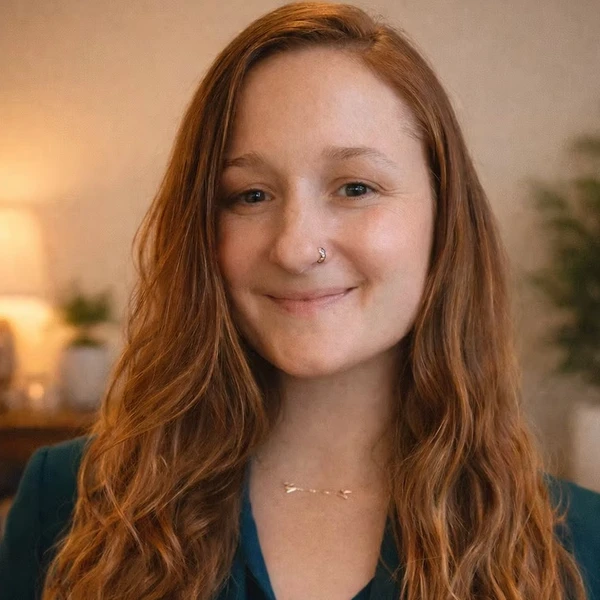
I was born deaf into a third-generation Deaf family that communicates through American Sign Language (ASL). Growing up, I was deeply inspired by my grandmother and aunt—both talented home cooks—who could transform simple ingredients into nourishing, delicious meals. Watching my aunt support my grandmother in reversing her diabetes through a plant-based diet sparked my passion for healing through food and the power of lifestyle change.
Today, I am a certified health coach with over 12 years of experience and currently pursuing my Bachelor’s degree in Integrative Health and Ayurveda Wellness at Maharishi International University. I also serve as a Health Educator at Michigan School for the Deaf, where I teach and advocate for accessible wellness education.
My work is rooted in empowering individuals—especially within the Deaf, hard of hearing, and nonverbal community—to take control of their health through real food, mindful living, and sustainable lifestyle changes. I am passionate about breaking down communication barriers in the wellness space and raising awareness about the importance of accessible, inclusive health education.
My goal is to further expand my impact by becoming certified in yoga and meditation, continuing my education at the master’s level, and creating spaces where individuals of all abilities feel seen, supported, and empowered to make informed choices for a healthier, more fulfilling life.
Education
Maharishi International University
Bachelor's degree programMajors:
- Foods, Nutrition, and Related Services
Miscellaneous
Desired degree level:
Bachelor's degree program
Graduate schools of interest:
Transfer schools of interest:
Majors of interest:
- Education, Other
Career
Dream career field:
Alternative Medicine
Dream career goals:
Public services
Advocacy
Community Health & Literacy Program — Deaf Mentor/Deaf Advocacy/ Deaf Interpreter2026 – Present
Henry Respert Alzheimer's and Dementia Awareness Scholarship
As a deaf mother of three and a student of Maharishi International University pursuing a bachelor's degree in Integrative Health and Ayurveda Wellness with a specialization in Yoga, I have witnessed firsthand how nutritional choices can profoundly impact health outcomes. My journey was shaped by my deaf aunt, who helped reverse my grandmother’s diabetes and dementia through a plant-based diet. This experience showed me that food is not only nourishment, but a powerful tool for prevention, management, and even reversal of chronic disease.
It is my mission to educate and assist patients and their families by making nutrition and wellness both accessible and practical. My approach centers on meeting people where they are, especially those in the deaf, hard-of-hearing, and non-verbal communities who often face communication barriers in healthcare settings. By using American Sign Language and visual teaching methods, I would ensure that health education is inclusive, clear, and empowering. I would guide patients in understanding the connection between whole, plant-based foods and the body’s ability to heal and function optimally. This includes teaching simple, affordable ways to prepare nutrient-dense meals, read food labels, and reduce processed food intake. For families, I would emphasize realistic lifestyle changes that can be implemented together, creating a supportive environment that encourages long-term success rather than short-term fixes.
In addition to nutrition education, I would incorporate holistic practices such as yoga, breath-work, and meditation to address stress, which plays a significant role in many chronic conditions. These practices can improve both physical and mental well-being, enhancing overall quality of life. By teaching patients how to manage stress and develop consistent self-care routines, I would help them build resilience and improve daily functioning. I am also deeply committed to addressing food insecurity, which often limits people’s ability to make healthy choices. I would work to connect families with affordable resources, community programs, and practical strategies to access nutritious foods within their budget. Education alone is not enough—people need realistic options that fit their circumstances.
In addition to working directly with patients and families, I strongly believe that lasting change must begin early. I would advocate for making nutrition and health education mandatory in school curricula. Teaching students about whole foods, cooking skills, and healthy lifestyle habits equips them with essential tools for lifelong well-being. Early education can help prevent the development of chronic diseases, improve mental health, and empower young people to make informed decisions about their bodies. By normalizing these lessons in schools, we can create a stronger, healthier future generation.
Ultimately, my goal is to empower individuals and families with the knowledge and tools they need to take an active role in their health. By combining evidence-based nutrition with accessible communication and holistic care, I hope to improve both the quantity and quality of life for those I serve.
Harry & Mary Sheaffer Scholarship
As a deaf mother of three and a student of Maharishi International University pursuing a bachelor's degree in Integrative Health and Ayurveda Wellness with a specialization in Yoga, I have witnessed firsthand how nutritional choices can profoundly impact health outcomes. My journey was shaped by my deaf aunt, who helped reverse my grandmother’s diabetes through a plant-based diet. This experience showed me that food is not only nourishment, but a powerful tool for prevention, management, and even reversal of chronic disease.
If awarded, I would educate and assist patients and their families by making nutrition and wellness both accessible and practical. My approach centers on meeting people where they are, especially those in the deaf, hard-of-hearing, and non-verbal communities who often face communication barriers in healthcare settings. By using American Sign Language and visual teaching methods, I would ensure that health education is inclusive, clear, and empowering.I would guide patients in understanding the connection between whole, plant-based foods and the body’s ability to heal and function optimally. This includes teaching simple, affordable ways to prepare nutrient-dense meals, read food labels, and reduce processed food intake. For families, I would emphasize realistic lifestyle changes that can be implemented together, creating a supportive environment that encourages long-term success rather than short-term fixes.
In addition to nutrition education, I would incorporate holistic practices such as yoga, breath-work, and meditation to address stress, which plays a significant role in many chronic conditions. These practices can improve both physical and mental well-being, enhancing overall quality of life. By teaching patients how to manage stress and develop consistent self-care routines, I would help them build resilience and improve daily functioning.I am also deeply committed to addressing food insecurity, which often limits people’s ability to make healthy choices. I would work to connect families with affordable resources, community programs, and practical strategies to access nutritious foods within their budget. Education alone is not enough—people need realistic options that fit their circumstances.
In addition to working directly with patients and families, I strongly believe that lasting change must begin early. I would advocate for making nutrition and health education mandatory in school curricula. Teaching students about whole foods, cooking skills, and healthy lifestyle habits equips them with essential tools for lifelong well-being. Early education can help prevent the development of chronic diseases, improve mental health, and empower young people to make informed decisions about their bodies. By normalizing these lessons in schools, we can create a stronger, healthier future generation.
Ultimately, my goal is to empower individuals and families with the knowledge and tools they need to take an active role in their health. By combining evidence-based nutrition with accessible communication and holistic care, I hope to improve both the quantity and quality of life for those I serve.
TRAM Resilience Scholarship
Being deaf has shaped nearly every aspect of who I am, from how I communicate to how I connect with others and navigate the world. It has taught me resilience, adaptability, and the importance of advocacy—not only for myself, but for others who face similar barriers. Growing up and now raising three children as a deaf mother, I have experienced firsthand the challenges of living in a hearing-dominant society, especially within healthcare and education systems where communication is often limited or overlooked.
These experiences have deeply influenced my purpose. I have learned that access is not always given—it must be created. Simple interactions that others take for granted, such as understanding medical advice or participating fully in conversations, can become obstacles without proper support. This has strengthened my determination to ensure that others in the deaf, hard-of-hearing, and non-verbal communities do not feel excluded or misunderstood.
My disability has also shaped my educational goals. As a student pursuing a degree in Integrative Health and Ayurveda Wellness, I am driven to bridge the gap between health education and accessibility. I want to create spaces where communication is not a barrier, but a bridge. By incorporating American Sign Language and visual learning methods into my future work, I hope to make health and wellness education inclusive, empowering individuals to take control of their well-being with confidence.
Beyond academics, my experiences have inspired my long-term vision of establishing a community health service tailored specifically to individuals with communication challenges. I aim to provide health coaching, nutrition education, and holistic wellness practices such as yoga and meditation in ways that are accessible and culturally sensitive. My goal is not only to improve physical health outcomes, but also to foster a sense of belonging and empowerment within underserved communities.
Being deaf has never limited my potential—it has clarified my purpose. It has given me a unique perspective and a deep sense of empathy that I carry into everything I do. I understand what it feels like to be unheard, and that understanding fuels my commitment to advocacy, education, and service.
I strongly believe that lasting change must begin early. With my expertise, I hope to make nutrition and health education mandatory in school curricula. Teaching students about whole foods, cooking skills, and healthy lifestyle habits equips them with essential tools for lifelong well-being. Early education can help prevent the development of chronic diseases, improve mental health, and empower young people to make informed decisions about their bodies. By normalizing these lessons in schools, we can create a stronger, healthier future generation.
Ultimately, my goal is to transform my lived experiences into meaningful change. Through my education and future career, I hope to break down barriers, expand access to wellness resources, and ensure that every individual—regardless of ability—has the opportunity to live a healthy, informed, and empowered life.
Future Nonprofit Leaders Award
As a deaf mother of three and a student of Maharishi International University pursuing a bachelor's degree in Integrative Health and Ayurveda Wellness with a specialization in Yoga, I have witnessed firsthand how nutritional choices can profoundly impact health outcomes. My journey was shaped by my deaf aunt, who helped reverse my grandmother’s diabetes through a plant-based diet. This experience showed me that food is not only nourishment, but a powerful tool for prevention, management, and even reversal of chronic disease.
If awarded, I would educate and assist patients and their families by making nutrition and wellness both accessible and practical. My approach centers on meeting people where they are, especially those in the deaf, hard-of-hearing, and non-verbal communities who often face communication barriers in healthcare settings. By using American Sign Language and visual teaching methods, I would ensure that health education is inclusive, clear, and empowering.
I would guide patients in understanding the connection between whole, plant-based foods and the body’s ability to heal and function optimally. This includes teaching simple, affordable ways to prepare nutrient-dense meals, read food labels, and reduce processed food intake. For families, I would emphasize realistic lifestyle changes that can be implemented together, creating a supportive environment that encourages long-term success rather than short-term fixes.
In addition to nutrition education, I would incorporate holistic practices such as yoga, breath-work, and meditation to address stress, which plays a significant role in many chronic conditions. These practices can improve both physical and mental well-being, enhancing overall quality of life. By teaching patients how to manage stress and develop consistent self-care routines, I would help them build resilience and improve daily functioning.
I am also deeply committed to addressing food insecurity, which often limits people’s ability to make healthy choices. I would work to connect families with affordable resources, community programs, and practical strategies to access nutritious foods within their budget. Education alone is not enough—people need realistic options that fit their circumstances.
Ultimately, my goal is to empower individuals and families with the knowledge and tools they need to take an active role in their health. By combining evidence-based nutrition with accessible communication and holistic care, I hope to improve both the quantity and quality of life for those I serve.
In addition to working directly with patients and families, I strongly believe that lasting change must begin early. I would advocate for making nutrition and health education mandatory in school curricula. Teaching students about whole foods, cooking skills, and healthy lifestyle habits equips them with essential tools for lifelong well-being. Early education can help prevent the development of chronic diseases, improve mental health, and empower young people to make informed decisions about their bodies. By normalizing these lessons in schools, we can create a stronger, healthier future generation.
Amber D. Hudson Memorial Scholarship
As a deaf mother of three and a student of Maharishi International University pursuing a bachelor's degree in Integrative Health and Ayurveda Wellness with a specialization in Yoga, I have witnessed firsthand how nutritional choices can profoundly impact health outcomes. My journey was shaped by my deaf aunt, who helped reverse my grandmother’s diabetes through a plant-based diet. This experience showed me that food is not only nourishment, but a powerful tool for prevention, management, and even reversal of chronic disease.
If awarded, I would educate and assist patients and their families by making nutrition and wellness both accessible and practical. My approach centers on meeting people where they are, especially those in the deaf, hard-of-hearing, and non-verbal communities who often face communication barriers in healthcare settings. By using American Sign Language and visual teaching methods, I would ensure that health education is inclusive, clear, and empowering.
I would guide patients in understanding the connection between whole, plant-based foods and the body’s ability to heal and function optimally. This includes teaching simple, affordable ways to prepare nutrient-dense meals, read food labels, and reduce processed food intake. For families, I would emphasize realistic lifestyle changes that can be implemented together, creating a supportive environment that encourages long-term success rather than short-term fixes.
In addition to nutrition education, I would incorporate holistic practices such as yoga, breath-work, and meditation to address stress, which plays a significant role in many chronic conditions. These practices can improve both physical and mental well-being, enhancing overall quality of life. By teaching patients how to manage stress and develop consistent self-care routines, I would help them build resilience and improve daily functioning.
I am also deeply committed to addressing food insecurity, which often limits people’s ability to make healthy choices. I would work to connect families with affordable resources, community programs, and practical strategies to access nutritious foods within their budget. Education alone is not enough—people need realistic options that fit their circumstances.
In addition to working directly with patients and families, I strongly believe that lasting change must begin early. I would advocate for making nutrition and health education mandatory in school curricula. Teaching students about whole foods, cooking skills, and healthy lifestyle habits equips them with essential tools for lifelong well-being. Early education can help prevent the development of chronic diseases, improve mental health, and empower young people to make informed decisions about their bodies. By normalizing these lessons in schools, we can create a stronger, healthier future generation.
Ultimately, my goal is to empower individuals and families with the knowledge and tools they need to take an active role in their health. By combining evidence-based nutrition with accessible communication and holistic care, I hope to improve both the quantity and quality of life for those I serve.
Let Your Light Shine Scholarship
I am a deaf mother of three, deeply inspired by my deaf aunt and grandmother, whose ability to transform simple ingredients into nourishing, flavorful meals shaped my understanding of food as medicine. Watching my aunt help reverse my grandmother’s diabetes through a plant-based diet profoundly influenced my path toward health and wellness. Today, I am pursuing a degree in Integrative Health and Ayurveda Wellness at Maharishi International University, with the goal of becoming a health educator and yoga instructor.
My mission is rooted in empowering the deaf, hard-of-hearing, and non-verbal community through education and accessibility. Too often, individuals in these communities face barriers in healthcare due to communication gaps in a hearing-dominant world. I aim to bridge this divide by using American Sign Language and creating inclusive spaces where individuals can access accurate, practical health information. By promoting the benefits of plant-based nutrition, herbal medicine, and self-care practices such as yoga, pranayama, and transcendental meditation, I hope to equip others with the tools to take control of their health.
I envision establishing a community health service dedicated to providing personalized health coaching for deaf and non-verbal individuals. This service would focus on sustainable lifestyle changes, guiding clients toward healthier dietary habits and daily routines that support long-term well-being. In addition, I am committed to addressing food insecurity by working to make nutritious foods, natural remedies, and wellness resources more affordable and accessible, particularly in underserved and low-income communities.
Beyond individual coaching, I aspire to create inclusive wellness programs, including yoga classes tailored specifically for non-verbal individuals and those with special needs, such as autism and Down syndrome. These classes would incorporate American Sign Language and emphasize stress management, mindfulness, and physical well-being. By fostering a supportive and accessible environment, participants can build confidence, reduce anxiety, and develop lifelong self-care practices.
Another critical component of my vision is improving health education within schools. The rise in mental health challenges among youth—including anxiety, depression, bullying, and digital addiction—highlights the urgent need for preventative education. I believe nutrition and health literacy should be mandatory components of high school curricula. Teaching students about whole foods, cooking skills, and healthy habits provides them with essential tools that extend far beyond the classroom.
Children are our future, and they depend on us to create environments that support their growth and well-being. By prioritizing accessible health education and inclusive wellness services, we can empower the next generation to make informed choices and lead healthier lives. My goal is to combine my lived experience, education, and passion to build a more equitable health landscape—one where communication barriers no longer limit access to knowledge, and where every individual has the opportunity to thrive.