Hello!
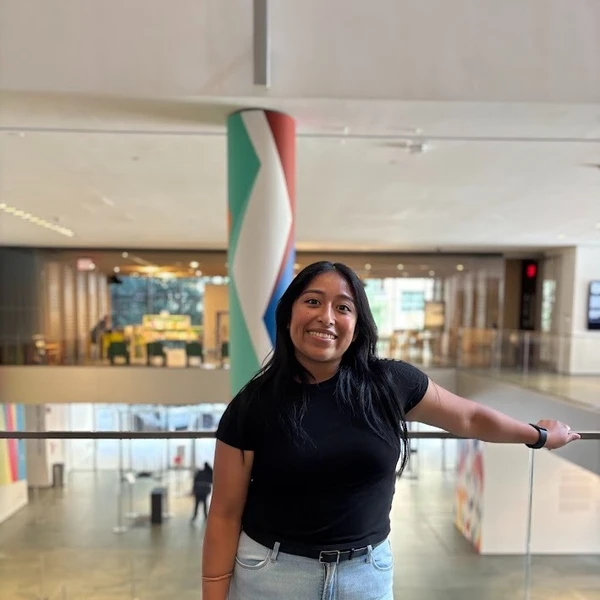
My name is Ashley Huitzil, and I am an information systems student at NJIT working towards becoming a data analyst specializing in Human Resources Information Systems (HRIS). My path into STEM did not begin with a childhood fascination or early exposure to technology. It started with practicality. As someone who grew up in a low-income household, I saw firsthand how financial instability affects every aspect of life. I sought a career that offered stability, growth, and opportunities. For that reason, I initially chose STEM with the intention of becoming a software engineer. That role would provide me with a high-paying, in-demand role that promised financial security. At the time, I believed that choosing the “right” career was the key to changing my circumstances.
But as I progressed in my coursework and gained more exposure to different areas of technology, I realized that software engineering was not something I genuinely wanted. I enjoyed learning it, yet it was not something I wanted to continue learning. I was not excited by building programs or writing hundreds of lines of code. I worried that maybe I had chosen the wrong field. Still, I continued studying because I knew education was my way forward. What I did not know then was that a completely different part of STEM was waiting for me, and it was one that I was scared to consider since I knew very little about it.
Everything changed when I began working with data for the first time in the database fundamentals course. It started with something simple, like creating a table in Oracle SQL. As I began to learn more and more, I felt something I had never experienced in my software courses, which was curiosity. I wanted to understand why certain values were inconsistent, why certain columns could not be put together, and what story the data was trying to tell. It was the first time in STEM where the work did not feel forced but rather natural. I found myself enjoying this course and exploring on my own, and realizing the power of data.
This small moment sparked something bigger, and I started taking SQL more seriously. I started exploring how data analytics shape real decisions in workplaces, specifically in HR. I soon realized that data analytics, particularly HRIS analytics, blended everything I am passionate about. Problem solving, improving systems, helping people, and uncovering insights that can drive meaningful change. This choice of pursuing a career in data analytics gave me purpose instead of pressure.
My personal life strengthened that purpose. Growing up low-income, balancing school with a full-time job, and supporting my partner through hip surgery taught me resilience, empathy, and discipline. These experiences made me appreciate the systems found in HRIS that help people navigate inconvenient situations. HRIS analytics allows me to contribute to those systems, ensuring that employees have accurate information, fair processes, and a smoother experience at work.
Choosing STEM for financial reasons may be more common than one thinks, especially in low-income families, and fortunately for me, it became a blessing in disguise. My initial motivation got me through the door, but my curiosity for data and my desire to make a meaningful impact are what keep me moving forward today. Pursuing a career as a data analyst specializing in HRIS now feels not just practical but purposeful. STEM gave me a direction, but data is what gave me a reason to stay.
Thank you,
Ashley Huitzil Cuacuitl