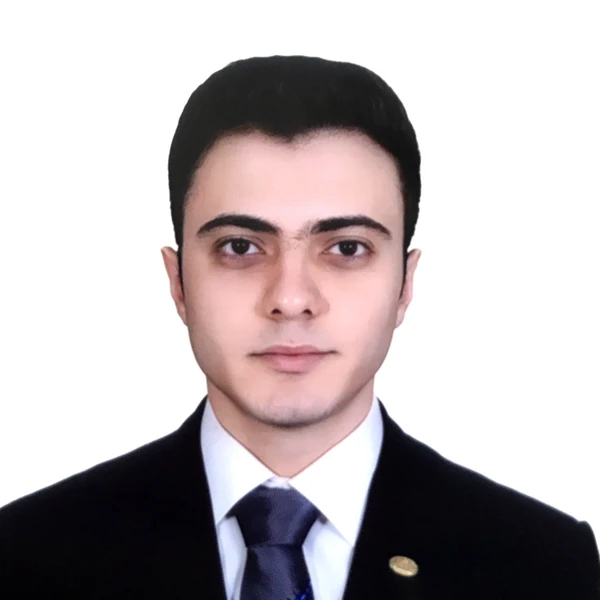
user profile avatar

Arsalan Zafarmand

1x

Finalist

1x

Winner

General information

Hobbies & Interests

  • Bodybuilding
  • Exercise And Fitness
  • Fitness
  • Drag Racing
  • Art
  • Sculpture
  • Drawing And Illustration
  • Travel And Tourism
  • Dentistry
  • STEM
  • Biology
  • Biochemistry
  • Boxing
  • Comedy
  • Chemistry
  • Ecology
  • Foreign Languages
  • Culinary Arts
  • Crossfit
  • Zoology
  • Weightlifting
  • Sports
  • Wrestling
  • Research
  • Social Work
  • Science
  • Soccer
  • Studying
  • Learning
  • History
  • Cooking
  • Driving

Reading

  • Science‎
  • Health
  • Leadership

I read books multiple times a week.

Bio

I am a first-generation immigrant, nontraditional student, and UCLA Biology major with a 4.0 GPA. After a six-year gap in my education, I migrated to the United States in 2021, and returned to college determined to build a future through hard work, resilience, and education. I began at community college, earned top academic honors, and transferred to UCLA, where I am now involved in research and will complete my bachelor’s degree in Spring 2027. My goal is to become a dentist and eventually pursue oral and maxillofacial surgery. I have applied to 13 dental schools, completed two interviews so far, and am currently awaiting additional opportunities. Beyond academics, I care deeply about community service, healthcare, mentorship, and helping students who, like me, have had to navigate higher education without a clear roadmap. My journey has taught me that a delayed path is not a failed path. I am proud of how far I have come, but even more motivated by what I hope to accomplish through science, research, dentistry, and service to others.

Education

University of California-Los Angeles

Bachelor's degree program

2025 – 2027

Majors:
  • Biology, General

Irvine Valley College

Associate's degree program

2022 – 2025

Majors:
  • Liberal Arts and Sciences, General Studies and Humanities
  • Chemistry
  • Natural Sciences

Miscellaneous

Desired degree level:
Doctoral degree program (PhD, MD, JD, etc.)
Graduate schools of interest:
University of California-Los Angeles, Western University of Health Sciences, Roseman University of Health Sciences, Harvard College, Harvard Graduate School Of Education, University of California-San Francisco, California Northstate University, University of Nevada-Las Vegas, University of Southern California, University of Michigan-Ann Arbor, University of North Carolina at Chapel Hill, University of the Pacific, Pacific Northwest University of Health Sciences
Majors of interest:
Dentistry
Desired degree modality:
In-Person, Full-Time, Hybrid
Medical school interest:
No

Career

  • Teacher Assistant

    Education · Irvine Valley College

    Jan 2023 – Jan 2023

  • Salesperson/Fragrances

    Retail · Macy's

    Jan 2021 – Jan 2024

  • Fragrance Specialist

    Retail · Bloomingdales

    Jan 2024 – Jan 2025

Miscellaneous

Dream career field:
Dentistry
Work experience:
10+ years
Has nursing license:
No

Future Interests

  • Volunteering
  • Philanthropy
  • Entrepreneurship
Bulkthreads.com's "Let's Aim Higher" Scholarship
Building More Than Smiles: Building Access, Trust, and Opportunity Through Dentistry When I think about the future I want to build, I do not think about a title or a position. I think about a place where people feel seen, valued, and cared for. I want to build a career in dentistry that goes beyond treating teeth, I want to build connections between healthcare and communities that are often overlooked. My journey toward this goal began when I immigrated to the United States in 2021 after waiting eighteen years for the opportunity to start a new chapter. Arriving in a new country meant rebuilding many parts of my life: adapting to a new culture, navigating a new educational system, and finding my place in an unfamiliar environment. However, my family’s sacrifices taught me an important lesson: opportunities are not only meant to change our own lives; they are meant to create opportunities for others. Through my experiences as an immigrant and first-generation college student, I have learned that healthcare is about more than science. It is about trust. It is about having someone who listens, understands, and provides care regardless of someone’s background or circumstances. These lessons have shaped my vision of becoming a dentist who serves as both a healthcare provider and a community advocate. What I hope to build is a future where dentistry becomes more accessible and personal. I want to contribute to communities where people delay dental care because of financial limitations, fear, or lack of resources. Through my future career, I hope to provide compassionate care, educate patients about prevention, and help individuals understand that their oral health is an essential part of their overall well-being. The foundation for this future has already been built through my own journey. Beginning at Irvine Valley College and transferring to UCLA as a Biology major required persistence, discipline, and constant growth. Maintaining academic excellence while overcoming challenges has strengthened my belief that meaningful goals are achieved through consistency and determination. Outside of academics, my commitment to fitness and athletics has reinforced the same values. Playing soccer throughout my childhood and maintaining a decade-long dedication to strength and fitness training have taught me discipline, resilience, and the importance of long-term commitment. Building anything meaningful, whether a stronger body, an education, or a career, requires showing up every day. The education I am pursuing is not simply a pathway to personal success. It is a foundation for service. I hope to use my future as a dentist to build healthier communities, create meaningful relationships with patients, and inspire others who are also working to overcome obstacles. The greatest things we build are not always physical structures. Sometimes they are relationships, opportunities, and moments where someone feels supported. I hope to build a future where my journey becomes a source of impact for others, just as the sacrifices of my family became the foundation for my own.
Carlos F. Garcia Muentes Scholarship
A Journey Built on Sacrifice, Resilience, and Purpose For eighteen years, America was not a place I could visit; it was a dream my family carried. When I finally arrived in the United States in 2021, I realized that immigration was not simply about moving to a new country. It was about carrying the sacrifices, hopes, and expectations of everyone who helped me reach that moment. I was not beginning a new life alone, I was continuing a journey built by my family’s courage and perseverance. Growing up in Iran, I learned early that life does not always follow the path we imagine. My family faced challenges that shaped the way I view responsibility, opportunity, and success. The sacrifices made by those before me taught me that opportunities are not guaranteed; they are earned, protected, and shared. My family instilled in me the belief that education is more than a personal achievement, it is a way to honor where I come from and create a better future for those around me. Coming to America as an adult meant rebuilding every part of my life. I had to adapt to a new culture, navigate a different educational system, and find my place in a country where I had no established foundation. Instead of seeing those challenges as barriers, I viewed them as opportunities to grow. I began my academic journey at Irvine Valley College, where I worked tirelessly to build the foundation for my future. Through dedication and persistence, I transferred to the University of California, Los Angeles, as a Biology major, where I continue to pursue excellence while preparing for a career in dentistry. My journey has taught me that success is not defined only by accomplishments, but by the ability to overcome uncertainty and continue moving forward. Over the years, I have developed this mindset through every challenge I have faced, including balancing education, financial responsibilities, and personal growth. The discipline I developed through years of athletic training and fitness has also shaped me. Whether playing soccer throughout my childhood and teenage years or maintaining a decade-long commitment to strength and fitness training, sports have taught me consistency, resilience, and the importance of showing up even when progress feels slow. These lessons have guided my career aspirations in dentistry. I want to become a healthcare provider who understands that every patient carries a story beyond what is visible. My own experience as an immigrant has shown me the importance of compassion, trust, and access to quality care. I hope to use my education to serve communities that face barriers to healthcare and to become the type of professional who makes people feel valued and understood. Receiving the Carlos F. Garcia Muentes Scholarship would represent more than financial support. It would be a reminder that the sacrifices my family made and the challenges I overcame have meaning. It would allow me to continue pursuing my education with the same determination that brought me to this country and eventually use that opportunity to create an impact for others. My journey began with my family’s dream of a better future. I carry that dream with me every day, and I hope to honor it by building a life dedicated to service, excellence, and giving back.
Kalia D. Davis Memorial Scholarship
When I think about the meaning of a legacy, I do not think about awards, titles, or achievements. I think about the people whose lives become better because someone chose to care. That is what stood out to me about Kalia D. Davis. Although her life was far too short, she represented qualities that transcend time: kindness, determination, excellence, and a commitment to becoming the best version of herself while uplifting those around her. One of the strongest connections I felt with Kalia was through athletics. Throughout elementary school, middle school, and high school, soccer was an important part of my life. Being part of a team taught me lessons that extended far beyond the field: accountability, communication, perseverance, and the importance of supporting the people around me. Those lessons shaped the way I approach challenges today. For the past decade, fitness training and bodybuilding have remained an important part of my life. Training has become more than a physical activity; it has been a way for me to develop discipline, maintain balance, and reset mentally during difficult periods. The consistency required to show up every day, even when motivation is low, has taught me patience and resilience. Those same principles have guided me through my academic journey and personal challenges. My journey has taught me that challenges do not define us; they reveal what we are willing to work for. I immigrated to the United States after waiting nearly two decades for the opportunity to build a new life. Starting over in a new country meant adapting to a different culture, creating a support system from the ground up, and navigating unfamiliar paths as a first-generation college student. Rather than allowing those challenges to limit me, I used them as motivation. I began my education at community college and worked hard to transfer to UCLA as a Biology major. Today, I continue to challenge myself academically while preparing for a career in dentistry. However, my education has never been only about personal achievement. I believe success becomes meaningful when it allows us to serve others. My passion for dentistry comes from understanding that healthcare is not only about treating physical conditions; it is about restoring confidence, dignity, and connection. As a child, receiving orthodontic treatment from my uncle, a dentist, changed the way I viewed myself. That experience showed me that a healthcare provider can create an impact that extends beyond a procedure. It inspired me to pursue dentistry as a way to create those same moments of transformation for others. Throughout my journey, I have tried to embody service through my actions. Whether supporting classmates, contributing to research focused on the relationship between science and care, or helping people from different backgrounds, I have learned that meaningful impact often comes through consistent acts of compassion. This scholarship would provide more than financial assistance; it would allow me to continue pursuing an education dedicated to service. My goal is to become a dentist who provides compassionate care, especially for individuals who may feel overlooked or underserved. Kalia’s life reminds me that a meaningful legacy is not measured only by years lived, but by the determination, kindness, and positive influence we leave behind. I hope to honor her memory by continuing to grow, serve others, and use my education to make a lasting difference.
Michael Rudometkin Memorial Scholarship
A 4.0 GPA can describe how I perform in a classroom, but it cannot measure the hours I have spent helping someone understand a medical form, navigate an unfamiliar system, or believe that returning to college is still possible. To me, selflessness means recognizing that another person’s need cannot always wait until my schedule becomes convenient. After immigrating to the United States, I became one of the primary people my family relied on to navigate life in a new country. My father had limited English, and my grandmother was living with Alzheimer’s disease. I translated documents, handled phone calls, scheduled appointments, accompanied them to medical and pharmacy visits, managed paperwork and bills, and helped with my grandmother’s daily needs. These responsibilities followed an eighteen-year immigration process and a six-year interruption in my own education, yet caring for them was never something I considered separate from my goals. They were part of the reason those goals mattered. My grandmother taught me that helping someone is not always about solving a dramatic problem. Sometimes it means repeating an explanation without showing frustration, remaining patient when progress is slow, or simply being present when someone feels confused or vulnerable. Caring for her changed my understanding of service. It is not a performance or a title. It is consistency when no one is watching. That lesson followed me into college. As a nontraditional student who resumed his education after a long gap, I understood how isolating it could feel to enter a classroom believing everyone else was ahead. Through the GAP Club at Irvine Valley College, I supported students returning after immigration, divorce, parenthood, financial hardship, or other disruptions. I could not remove every obstacle they faced, but I could listen without judgment, share what I had learned, and remind them that an interrupted education was not a failed education. I also helped classmates work through challenging chemistry and physics material. My favorite moments were not receiving my own grades, but watching a student’s expression change when a concept finally made sense. At UCLA, I continued serving through the Pre-Dental Student Outreach Program, where I participated in oral-health education, community service, and activities that made dentistry more understandable and accessible. These experiences reinforced that knowledge becomes most valuable when it is shared. My commitment to service has required perseverance. Between supporting relatives, working full-time during much of community college, maintaining academic excellence, transferring to UCLA, conducting research, and preparing for dental school, there were periods when my responsibilities felt overwhelming. Still, I refused to treat compassion as something reserved for a less demanding season of life. People need support in the present. I plan to carry that belief into dentistry. My goal is to establish a practice that reserves time each week for low-income patients who cannot otherwise afford treatment and to create outreach programs that bring preventive education and care directly into underserved communities. I want patients to receive more than clinical treatment; I want them to feel heard, respected, and safe. Selflessness, to me, is not forgetting my own ambitions. It is ensuring that as I move toward them, I do not leave behind the people who may need a patient hand, an explanation, or someone who believes in their ability to continue.
Learner Math Lover Scholarship
The first subject I did not have to translate when I immigrated from Iran was mathematics. In the schools I attended in Iran, math was approached with seriousness, discipline, and pride. I also grew up surrounded by the awareness that our region has a deep mathematical heritage. The Persian scholar Muhammad ibn Musa al-Khwarizmi helped establish systematic methods for solving equations. The word “algebra” comes from al-jabr in the title of his treatise, while “algorithm” traces to the Latinized form of his name. Learning that history made mathematics feel like more than a school subject; it felt like an intellectual inheritance. When I arrived in the United States, nearly everything was unfamiliar: the language, culture, educational system, and even the process of enrolling in college. Math remained constant. Numbers did not care about my accent or my six-year interruption in education. A problem had structure, and through patience and logic, I could reach an answer that was true regardless of where I had been born. During an uncertain transition, math gave me stability and confidence. Today, as a biology student at UCLA preparing for dentistry, I see mathematics everywhere. It appears in chemical concentrations, enzyme kinetics, genetics, population models, research statistics, medication dosages, and the precise measurements required in dental treatment. Math is what allows science to move beyond observation and measure the size, direction, and meaning of change. It turns biological questions into evidence and clinical decisions into safer, more precise care. I also love the way math can transform someone’s confidence. While helping classmates in chemistry, physics, and other difficult courses, I have watched frustration disappear when a complicated calculation is broken into understandable steps. Hearing someone say, “Now it makes sense,” can be as rewarding as solving the problem myself. I love math because it is ancient yet constantly evolving, deeply connected to my heritage yet universal enough to cross every border. It connects where I came from to the scientist and future dentist I am becoming, giving me a precise language for solving problems that can improve another person’s life.
Emerging Leaders in STEM Scholarship
For eighteen years, the United States existed in my life as a promise delayed. I grew up on the rural outskirts of Tehran, where limited resources, economic instability, and restricted access to information made higher education feel distant. When my father and I finally immigrated, I did not arrive with a clear map for college. I arrived as an Iranian immigrant, first-generation student, and nontraditional learner responsible for helping my family navigate an unfamiliar country. Because my father has limited English and chronic health conditions, I became the person who handled medical appointments, pharmacy visits, bills, forms, and phone calls. I also helped care for my grandmother as she lived with Alzheimer’s disease. At the same time, I worked full-time and tried to rebuild an education interrupted by years of immigration uncertainty and family responsibility. Those experiences did not make my path easier, but they gave my interest in STEM a purpose: I wanted to understand the science behind illness and use that knowledge to relieve suffering. I returned to college after a six-year gap and committed myself fully to biology, chemistry, and the path toward dentistry. I maintained a 4.0 GPA through community college and after transferring to UCLA, where I now study biology and participate in research. My coursework in biochemistry, genetics, and marine biology has taught me to see health as a system shaped by molecules, environments, behavior, and access. Research has taught me to ask better questions, test assumptions, and accept that meaningful answers require patience. My greatest adversity has not been one isolated event. It has been learning how to pursue an ambitious education while serving as a caregiver, translator, worker, commuter, and advocate for my family. There were periods when exhaustion made progress feel almost impossible. Still, every responsibility strengthened the discipline I now bring to science. I learned to manage uncertainty, remain calm when others depended on me, and continue working even when the results were far away. I also believe leadership in STEM is measured by who benefits from what we learn. At Irvine Valley College, I supported peers in difficult science courses and participated in the GAP Club, which helps nontraditional students returning after immigration, divorce, parenthood, or other life disruptions. At UCLA, I have continued supporting students and participated in pre-dental outreach. These experiences showed me that talent is everywhere, but opportunity and guidance are not. My long-term goal is to become a dentist who combines clinical care, research, and community service. I want to build a practice where low-income patients are not treated as exceptions and where part of each week is reserved for people who cannot otherwise afford care. I also hope to organize outreach programs that bring preventive education and treatment to underserved communities. As a Middle Eastern immigrant and first-generation student, I do not see my background as something I had to escape. It is the reason I understand what exclusion feels like and why access matters. STEM gave me a way to transform hardship into knowledge, and dentistry will allow me to transform that knowledge into relief, confidence, and opportunity for others.
Learner Calculus Scholarship
Calculus is important in STEM because science rarely stands still. Cells divide, medications move through the bloodstream, populations change, forces act on structures, and biological systems respond continuously to their environments. Calculus gives us the language to describe those changes, measure them, and predict what may happen next. As a biology student at UCLA preparing for dental school, I have learned that scientific understanding requires more than memorizing facts. It requires recognizing relationships. A derivative can describe how quickly a quantity is changing, while an integral can measure the total effect of that change over time. Those ideas appear throughout biology, chemistry, physics, engineering, and healthcare. In biology, calculus helps scientists model population growth, genetic change, disease transmission, and the movement of substances across cell membranes. In biochemistry, it supports the study of reaction rates, enzyme activity, and changes in molecular concentrations. In medicine and dentistry, it contributes to research involving drug absorption, dosage, tissue mechanics, blood flow, and medical imaging. A healthcare professional may not solve a calculus problem during every patient visit, but the treatments, instruments, medications, and technologies used in that visit often depend on research built with calculus. My coursework has helped me see this connection clearly. In biochemistry, understanding metabolism requires following how molecules are transformed through interconnected pathways. In population genetics, change must be considered across generations rather than at a single moment. In research, measurements become meaningful only when we analyze patterns, compare rates, and determine whether an observed relationship reflects something real. Calculus trains students to think dynamically instead of viewing scientific problems as isolated snapshots. Calculus is also valuable because it teaches persistence. A difficult problem often cannot be solved by applying one memorized formula. Students must identify what is changing, determine which information matters, and break a complicated system into manageable parts. That same process is essential in research and patient care. A scientist must examine evidence carefully, and a healthcare provider must understand how multiple biological, behavioral, and environmental factors interact. During my educational journey, I have helped other students work through challenging subjects such as chemistry and physics. I learned that many students do not struggle because they lack ability; they struggle because they have not yet seen how an abstract concept connects to something meaningful. When calculus is presented only as symbols, it can feel intimidating. When it is connected to motion, growth, medication, metabolism, or disease, it becomes a powerful way to understand the world. My long-term goal is to become a dentist who combines clinical care, scientific reasoning, and community service. Calculus is part of the foundation that will help me evaluate research, understand developing technologies, and make evidence-based decisions. More broadly, it teaches every STEM student an essential lesson: the world is constantly changing, and meaningful progress begins when we learn how to measure that change.
Charles B. Brazelton Memorial Scholarship
My “awkward” thing is that I am often the oldest undergraduate in the room—and sometimes I am not sure whether my classmates think I am another student, the teaching assistant, or someone who accidentally walked into the wrong lecture. At twenty-eight, I did not reach UCLA through the traditional route. There was a six-year separation between high school and the beginning of my college education. During those years, I immigrated from Iran, adapted to a new country, worked full-time, and became the person my household depended on for English communication, paperwork, bills, medical appointments, and everyday decisions. When I eventually returned to school, many of my classmates were several years younger and already familiar with an educational system I was still learning to navigate. At first, that difference made me self-conscious. I wondered whether I had started too late. I felt awkward explaining why my timeline looked different or why responsibilities outside school sometimes shaped my schedule. However, I gradually realized that being older was not evidence that I had fallen behind. It meant I had arrived with experiences that could not be learned from a textbook. I had already learned how to remain calm when someone needed help, how to communicate across language and cultural barriers, and how to continue working when circumstances were difficult. I brought those lessons into the classroom. I became the student who stayed after class to understand a concept fully, helped peers work through chemistry and physics, and treated education as an opportunity rather than an obligation. That mindset helped me maintain a 4.0 GPA throughout college, transfer to UCLA, participate in research, and continue preparing for dental school. My age has also made me more aware of students who feel invisible. Through the GAP Club at Irvine Valley College, I supported nontraditional students returning after immigration, divorce, parenthood, financial hardship, or other interruptions. I understood the hesitation behind their questions because I had felt it myself. Sometimes the most meaningful encouragement was simply telling another student, “You are not late. You are still moving forward.” Today, I no longer try to hide the parts of my journey that make me different. I am an immigrant, a first-generation college student, a researcher, and a future dentist who took the long road to UCLA. My path may look awkward on a traditional timeline, but it has given me resilience, patience, and a deeper understanding of the people I hope to serve. I may still be the older student in the lecture hall, but now I see that as something worth standing out for.
Learner Mental Health Empowerment for Health Students Scholarship
Mental health became important to me when I learned that determination alone cannot protect someone from exhaustion. For years, I treated every responsibility as something I simply had to carry. After immigrating to the United States, I became the person my family relied on for translations, paperwork, medical appointments, pharmacy visits, bills, and important phone calls. I helped care for my grandmother while she lived with Alzheimer’s disease and supported my father as he managed chronic health conditions. At the same time, I worked, returned to college as a nontraditional student, and pushed myself to maintain a 4.0 GPA. I was proud of everything I was accomplishing, but I gradually reached a point where constant responsibility became burnout. I remained productive on the outside, yet internally I was mentally and physically depleted. I felt guilty whenever I rested because there was always another assignment, obligation, or family need waiting. That experience changed my understanding of mental health. I realized that burnout is not a weakness or a lack of ambition. It is often what happens when a committed person carries too much for too long without enough support. I began responding by becoming more intentional about boundaries, rest, exercise, and asking for help before reaching a breaking point. I learned to treat recovery as part of success rather than something that must be earned after every responsibility is completed. This shift did not reduce my ambition. It made my effort more sustainable and allowed me to remain present for the people who depend on me. My experience also shaped how I support others. At Irvine Valley College, I participated in the GAP Club, which supported nontraditional students returning to education after long interruptions caused by immigration, parenthood, divorce, financial hardship, or other life challenges. Many students felt embarrassed about being older, uncertain, or overwhelmed. I tried to create the reassurance I had once needed by listening without judgment, sharing what had helped me, and reminding them that an unconventional timeline did not make them less capable. I have also supported classmates through demanding science courses by explaining difficult concepts, studying alongside them, and encouraging them to seek assistance rather than struggle silently. At UCLA, I continue to check in with peers and treat emotional well-being as seriously as academic performance. Advocacy does not always require a formal title. Sometimes it begins with noticing that someone is withdrawing, asking how they are doing, and making it safe for them to answer honestly. As a future dentist, I want to carry this awareness into patient care. Fear, chronic pain, financial stress, and anxiety can strongly affect whether a person seeks treatment and feels respected during it. I hope to build a practice where patients and team members are treated as whole people, not simply as cases or appointments. Mental health matters to me because achievement should not require someone to quietly fall apart. My goal is to help create communities where resilience includes rest, strength includes asking for help, and no one has to struggle alone.
J&Y Law Yahouda Yahoudai Service Scholarship
"Making the Path Easier for the Next Person" Service, to me, means using what I have learned to make another person’s path less confusing, less isolating, and more manageable. My commitment to helping others began at home. After immigrating to the United States, I became the person my family depended on to translate documents, make phone calls, complete paperwork, manage bills, attend medical appointments, and communicate with pharmacies. I helped care for my grandmother while she lived with Alzheimer’s disease and continue to support my father as he manages chronic health conditions. These responsibilities taught me that meaningful service is often quiet. It means being patient, showing up consistently, and helping someone preserve their dignity when they feel vulnerable or overwhelmed. I carried those lessons into my college community. As a nontraditional student who returned to school after a six-year gap, I understood how intimidating higher education can feel when a student does not have a clear roadmap. Through the GAP Club at Irvine Valley College, I supported returning students who were trying to rebuild their confidence and navigate college after years away. I shared what I had learned about transferring, balancing responsibilities, and asking for academic support. I wanted other students to understand that an unconventional timeline does not mean they are less capable or less deserving of success. I also served students through chemistry instruction. As an in-class chemistry support assistant, I helped explain difficult concepts, answered questions, and worked with students who initially believed they were simply “not good at science.” I learned that teaching is not about repeating the same explanation more loudly. It is about finding another way to make the material understandable. Sometimes a student needed a new example; other times, they needed someone to slow down and reassure them that confusion was part of learning. Helping students move from frustration to confidence became one of the most rewarding parts of my education. At UCLA, I have continued building toward service through my involvement in pre-dental activities and oral-health outreach. These experiences have allowed me to connect my academic interests with my long-term goal of becoming a dentist. Dentistry appeals to me because it combines science, precision, communication, and direct service. Oral pain can affect a person’s ability to eat, speak, work, and feel confident, yet many patients delay treatment because of cost, fear, language barriers, or limited access to care. My future goal is to create a dental practice where patients feel respected, informed, and safe. I hope to reserve time for low-income patients who cannot afford treatment and participate in outreach programs that provide oral-health education and care to underserved communities. I also want to mentor immigrant, first-generation, transfer, and nontraditional students who may have the ability to succeed but lack guidance. The most important lesson I have learned is that service does not always require a large organization or public recognition. It can begin with explaining one difficult concept, helping one student remain in school, translating one medical conversation, or making one patient feel less afraid. My goal is to keep turning the challenges I have experienced into practical support for others and to leave every community I enter easier to navigate than I found it.
Champions Of A New Path Scholarship
My advantage is not that I have faced more hardship than every other applicant. It is that I have already proven what I can build when the path is uncertain, resources are limited, and no one is there to hand me a roadmap. I am a first-generation college student, a first-generation immigrant, and a nontraditional student. I grew up on the rural outskirts of Tehran, where financial hardship, economic instability, and limited access to educational resources shaped what was possible. After high school, I spent six years away from formal education because I needed to work full-time and help support my household. I studied English independently and stayed connected to science, but I had no guarantee that I would ever return to a classroom. We waited eighteen years for the opportunity to immigrate to the United States. When I arrived in 2021, I was not simply beginning college in a new country. I became the person responsible for translating documents, completing paperwork, making phone calls, managing bills, and helping my household navigate medical appointments and pharmacies. I helped care for my grandmother while she lived with Alzheimer’s disease, and I continue to support my father as he manages chronic health conditions. I was learning a new educational system while helping the people closest to me navigate an entirely new life. What gives me an advantage is that I did not allow those responsibilities to become excuses. I began at community college because it was the most affordable and realistic path available. After six years outside formal education, I earned a 4.0 GPA, received repeated academic achievement honors, graduated summa cum laude, and transferred to UCLA. At UCLA, I have continued maintaining a 4.0 GPA while completing advanced science coursework and participating in undergraduate research. My record shows more than academic ability. It shows discipline under pressure. I have balanced a long commute, limited finances, caregiving responsibilities, and the demands of navigating higher education as a first-generation student without lowering the standard I set for myself. I earned a 480 Academic Average on the Dental Admission Test, including a perfect 600 in Organic Chemistry. I have applied to thirteen dental schools and completed two interviews as I prepare to graduate from UCLA in Spring 2027 and begin dental school the following fall. Another advantage I bring is that my ambition is connected to service. My goal is not simply to earn a prestigious degree or secure a stable income. I want to become a dentist and eventually pursue oral and maxillofacial surgery so I can relieve pain, restore function, and help patients regain confidence. Translating for my household and navigating healthcare with my father and grandmother showed me how frightening care can feel when language, finances, illness, or unfamiliar systems prevent patients from advocating for themselves. I plan to build a career that responds to those barriers. In my future practice, I hope to reserve time for patients who cannot afford care, participate in community outreach, and create a multilingual, patient-centered environment. I also want to mentor first-generation, immigrant, transfer, and returning students. I know what it feels like to be capable but unsure where to begin. I want to become the person who helps someone else see a path forward. This scholarship would help with the immediate cost of completing UCLA and preparing for dental school, but its value would extend beyond the amount awarded. I currently live in low-income Section 8 housing, and every educational expense competes with essential household needs. The award would reduce financial pressure and allow me to invest more time in coursework, research, service, and dental-school preparation rather than replacing that time with additional paid work. I do not believe I deserve this scholarship because my story is more painful than someone else’s. I believe I deserve it because I have transformed every opportunity I received into measurable progress. I turned a six-year educational gap into a 4.0 GPA. I turned community college into UCLA. I turned caregiving into a commitment to compassionate healthcare. I turned uncertainty into a detailed plan for becoming a dentist and serving people who face the same barriers I have known. That is my advantage: I do not wait for the path to become easy before moving forward. I study the obstacles, build a plan, and keep going. This scholarship would not be funding a possibility. It would be investing in a record of follow-through and a future that is already being built.
Larry Darnell Green Scholarship
Every important milestone in my life has had one person standing beside me: my father. My mother died in a car accident while she was pregnant with me. Emergency physicians saved my life, but my father became a single parent before I was even born. He never remarried. As his only child, I grew up watching him carry every role at once, provider, protector, teacher, and the person who made home feel safe. He rarely spoke about what he gave up, but I saw it in the long hours he worked, the opportunities he postponed, and the way every major decision centered on giving me a better future. Being raised by a single father shaped my education long before I entered college. It taught me that opportunity is never automatic and that sacrifice deserves a response. After high school, financial hardship kept me away from formal education for six years. I worked full-time, helped support our household, studied English, and tried to remain connected to science. We waited eighteen years to immigrate to the United States, and when we finally arrived in 2021, my father left behind the life he knew so I could have a chance to build mine. In the United States, our roles began to change. Because my English was stronger, I became the person who handled paperwork, phone calls, bills, medical appointments, and pharmacy visits. I also supported my father as he managed chronic health conditions. Being his only child meant there was no one else to divide those responsibilities with, but it also deepened the partnership between us. He had carried me through childhood; now I was learning how to carry part of the weight for him. I began at community college because it was the path I could afford. After six years away from school, I maintained a 4.0 GPA, earned repeated academic honors, and transferred to UCLA. I am now pursuing a Bachelor of Science in Biology, participating in undergraduate research, and preparing to graduate in Spring 2027. We currently live in low-income Section 8 housing, so every educational expense requires careful planning. I have applied to thirteen dental schools and completed two interviews as I work toward becoming a dentist and, eventually, an oral and maxillofacial surgeon. My father’s example also shaped how I understand giving back. He taught me that service is not always public or celebrated; often, it is the quiet decision to keep showing up for another person. I have tried to carry that lesson into my community. Through GAP Club, I supported returning and nontraditional students navigating education after time away. As a chemistry teaching assistant, I helped students work through difficult material and regain confidence. Through my pre-dental involvement, I have participated in oral-health outreach and service. In the future, I plan to create community dental outreach programs, provide care to patients who cannot afford treatment, and mentor students from single-parent, immigrant, first-generation, and nontraditional backgrounds. I want them to know that limited guidance or an unconventional path does not limit their potential. Being the only child of a single father did not make my educational journey easier. It made it purposeful. My degree will carry my name, but it will also carry my father’s sacrifice. The best way I can honor him is to use that education the way he used his life: to create opportunity for someone else.
Humanize LLC Gives In Honor of Shirley Kelley Scholarship
Before I took my first breath, I had already lost my mother. She died in a car accident while pregnant with me, and emergency medical professionals acted quickly enough to save my life. I grew up knowing that my life began in the middle of loss, but also in the presence of extraordinary care. After her death, my father and grandparents raised me together. My father never remarried. He gave up the possibility of building a different life because he believed raising me was his most important responsibility. My grandparents became a steady presence beside him. They helped create the structure, affection, and security that a child needs. They did not allow my beginning to define my future. Being raised by my father and grandparents taught me that love is often expressed through sacrifice. It is waking up early, staying up late, working through exhaustion, and continuing to show up when no one is watching. My father taught me responsibility through the way he lived. My grandparents taught me patience, humility, and the value of caring for someone across every stage of life. Together, they gave me a model of devotion that has shaped every major decision I have made. Years later, after immigrating to the United States in 2021, those roles began to reverse. My grandmother was living with Alzheimer’s disease, and I helped care for her until her passing. I became my household’s translator, advocate, and problem-solver. I completed paperwork, made phone calls, handled bills, attended medical appointments, visited pharmacies, and helped my father manage chronic health conditions. The people who had once protected me now depended on me to help them navigate illness, language barriers, and an unfamiliar healthcare system. That experience changed the way I understand care. Caregiving is rarely one dramatic act. More often, it is explaining something again without frustration, remembering the medication someone else may forget, sitting through another appointment, and protecting a person’s dignity when illness has taken away part of their independence. Caring for my grandmother showed me how memory loss affects not only one person, but everyone who loves them. Supporting my father taught me how easily patients can feel powerless when pain, language, finances, or complicated systems stand between them and help. My upbringing also shaped my educational path. I am a Middle Eastern immigrant, a first-generation college student, and a nontraditional student. Financial hardship kept me away from formal education for six years after high school. During that time, I worked full-time, supported those who depended on me, studied English, and held on to my interest in science. When I returned, I began at community college, maintained a 4.0 GPA, earned repeated academic honors, and transferred to UCLA. I am now pursuing a Bachelor of Science in Biology, participating in undergraduate research, and preparing to graduate in Spring 2027. My long-term goal is to become a dentist and eventually pursue oral and maxillofacial surgery. I want to relieve pain, restore function and confidence, and care for patients who feel frightened, overlooked, or unable to advocate for themselves. I also hope to reserve time in my future practice for patients who cannot afford treatment, create outreach programs for underserved communities, and mentor immigrant, first-generation, transfer, and returning students. My father and grandparents taught me that a difficult beginning does not determine the ending. They gave me care before I could understand its cost, and later entrusted me with the responsibility of returning it. The future I am building is my way of continuing what they began: showing up for others, protecting their dignity, and turning sacrifice into service.
New Beginnings Immigrant Scholarship
The first system I had to learn in the United States was not college. It was survival. My family waited eighteen years for the opportunity to immigrate. I grew up on the rural outskirts of Tehran, where financial hardship, economic instability, censorship, and limited access to educational resources shaped what was possible. After high school, I spent six years away from formal education because I needed to work full-time and help support my family. I continued studying English and stayed connected to science, but every year outside the classroom made returning feel more distant. When I arrived in the United States in 2021, I was beginning again in nearly every sense. I was a first-generation immigrant, a first-generation college student, and a nontraditional student entering an unfamiliar educational system. At the same time, I became the person my family relied on to translate documents, complete paperwork, make phone calls, manage bills, attend medical appointments, visit pharmacies, and explain systems I was still learning myself. I helped care for my grandmother as she lived with Alzheimer’s disease before her passing, and I continue to support my father as he manages chronic health conditions. Those responsibilities taught me that immigration is not simply moving from one country to another. It is rebuilding confidence, identity, and opportunity while carrying the needs of the people who came with you. I began at community college because it was the path I could afford. After six years away from school, I maintained a 4.0 GPA, earned repeated academic honors, and transferred to UCLA. I am now completing a Bachelor of Science in Biology, participating in undergraduate research, and preparing to graduate in Spring 2027. I have also applied to thirteen dental schools and completed two interviews as I work toward entering dental school in Fall 2027. My career aspiration is to become a dentist and eventually pursue oral and maxillofacial surgery. I want to relieve pain, restore function and confidence, and care for patients who feel frightened, overlooked, or unable to advocate for themselves. My immigrant experience has made that goal more personal. I know what it feels like to face language barriers, unfamiliar institutions, financial pressure, and the fear of making a costly mistake because no one has explained the system. In my future practice, I hope to create a multilingual, patient-centered environment where people understand their treatment and feel respected. I also plan to reserve time for patients who cannot afford care, develop outreach programs that bring oral-health education and treatment to underserved communities, and mentor immigrant, first-generation, transfer, and nontraditional students. This scholarship would help reduce the financial pressure of completing UCLA and preparing for dental school. More importantly, it would support a journey already defined by ambition, discipline, and service. I have transformed an eighteen-year immigration wait and a six-year educational gap into a 4.0 GPA, UCLA research, and a path toward dentistry. My new beginning in the United States was not easy, but it gave me a clear purpose: to use education not only to rebuild my own future, but to make healthcare and opportunity easier to reach for others.
Hines Scholarship
For six years after high school, college was not a place I attended; it was a promise I refused to let die. I grew up on the rural outskirts of Tehran, where financial hardship, economic instability, and limited access to educational resources shaped what was possible. My family waited eighteen years for the chance to immigrate to the United States. Before that opportunity came, I worked full-time, helped support my household, studied English, and tried to stay connected to science. The longer I remained outside a classroom, the easier it would have been to accept that higher education was no longer meant for me. I refused to make that choice. When I immigrated in 2021, I arrived as a Middle Eastern immigrant, a first-generation college student, and a nontraditional student with no roadmap for American higher education. I also became the person my household depended on to translate documents, complete paperwork, handle phone calls and bills, attend medical appointments, visit pharmacies, and navigate unfamiliar systems. I helped care for my grandmother while she lived with Alzheimer’s disease and supported my father as he managed chronic health conditions. We currently live in low-income Section 8 housing, so every educational decision has required careful financial planning. Going to college means reclaiming the future that hardship postponed. I began at community college because it was the path I could afford. After six years away from formal education, I maintained a 4.0 GPA, earned repeated academic honors, and transferred to UCLA. I am now completing a Bachelor of Science in Biology, participating in undergraduate research, and preparing to graduate in Spring 2027. College has shown me that an interrupted path is not a failed path and that where someone begins does not determine how far they can go. What I am trying to accomplish extends beyond earning a degree. I plan to enter dental school in Fall 2027, become a dentist, and eventually pursue oral and maxillofacial surgery. I have already applied to thirteen dental schools and completed two interviews. My goal is to relieve pain, restore function and confidence, and care for patients who may feel frightened, overlooked, or unable to advocate for themselves. I also want my education to create opportunities for others. In my future practice, I hope to reserve time for patients who cannot afford dental care and develop outreach programs that bring oral-health education and treatment to underserved communities. I also want to mentor immigrant, minority, transfer, first-generation, and returning students who may have the ability to succeed but lack guidance. College means proving that sacrifice can become opportunity. It means honoring my father, who raised me alone and left behind the life he knew so I could build mine here. It means transforming years of delay into purpose and using education not only to change my own circumstances, but to improve the lives of future patients and students. This scholarship would reduce the financial pressure of completing UCLA and preparing for dental school, giving me more time for coursework, research, service, and interviews. More importantly, it would support a goal already in motion. I am not pursuing college simply to obtain a credential. I am using it to become a healthcare professional, a mentor, and a source of opportunity for people who have also been told—directly or indirectly—that the path ahead is not meant for them.
Joe Gilroy "Plan Your Work, Work Your Plan" Scholarship
I learned to plan because my life rarely followed a simple timeline. After high school, financial hardship kept me away from formal education for six years. When I returned, I did not have the luxury of moving without direction. I had to work, study, support those who depended on me, and build each step carefully. That approach has taken me from community college to UCLA, where I have maintained a 4.0 GPA, joined undergraduate research, and prepared for dental school. My primary goal is to graduate from UCLA with a Bachelor of Science in Biology in Spring 2027 and begin dental school in Fall 2027. I have already applied to thirteen dental schools and completed two interviews. Between now and graduation, my plan is to complete my remaining science coursework, continue contributing to research, prepare thoroughly for additional interviews, and compare every acceptance by total cost, scholarship support, clinical opportunities, and overall fit. My financial plan is as important as my academic plan. Depending on the school, I expect four years of dental education to cost approximately $400,000 to $500,000, or roughly $100,000 to $125,000 per year when tuition, fees, instruments, insurance, housing, transportation, and living expenses are included. I plan to reduce that burden through institutional scholarships, outside scholarships, federal financial aid, fee-assistance programs, careful budgeting, and selecting the school with the strongest combination of training and lowest net cost. I will avoid unnecessary private borrowing, continue working until dental school begins, and meet with each school’s financial-aid office before making my final decision. My timeline after matriculation is also specific. During the first two years, I will focus on building a strong biomedical foundation, developing clinical and manual skills, participating in research, and maintaining the academic standing needed for competitive residency options. During the clinical years, I will seek experience with medically complex patients, oral surgery, community clinics, and patient communication. I will also pursue mentors in oral and maxillofacial surgery and prepare for the examinations and application requirements associated with that path. My long-term goal is to become a dentist and eventually an oral and maxillofacial surgeon. If I do not enter an oral surgery residency immediately after dental school, I will pursue a general practice or advanced education residency, strengthen my surgical experience, and reapply. Regardless of specialty, I plan to build a career that relieves pain, restores function and confidence, serves patients who struggle to afford care, and mentors first-generation and nontraditional students. This scholarship would be applied toward my remaining UCLA educational expenses and help preserve my limited resources for the transition to dental school. More importantly, it would support a plan already in motion. I have transformed a six-year educational gap into a 4.0 GPA, UCLA research, and dental-school interviews. My goal is ambitious, but it is not vague. I understand the timeline, resources, financial risks, and alternative routes. I have planned the work, and every day, I am working the plan.
Bright Lights Scholarship
My plans for the future are rooted in one simple goal: to become the kind of healthcare professional who makes people feel heard, cared for, trusted, less afraid, less overlooked, and less alone. I am a first-generation college student, a nontraditional student, and an immigrant who grew up on the rural outskirts of Tehran. Neither of my parents earned a bachelor’s degree. After high school, financial hardship kept me away from formal education for six years while I worked, studied English, and tried to preserve my connection to science. When I immigrated to the United States in 2021, I entered college without a roadmap while also becoming the person my household relied on for translation, paperwork, medical appointments, pharmacy visits, bills, and daily problem-solving. I began at community college because it was the most affordable path available to me. I maintained a 4.0 GPA, earned repeated academic honors, and transferred to UCLA, where I am now completing a Bachelor of Science in Biology. I have continued to maintain a 4.0 GPA while participating in undergraduate research and preparing to graduate in Spring 2027. I have also applied to thirteen dental schools, completed two interviews, and hope to begin dental school in Fall 2027. My immediate plan is to finish UCLA with the same discipline that brought me here, continue contributing to research, and enter dental school prepared for the academic and financial demands ahead. My long-term goal is to become a dentist and eventually pursue oral and maxillofacial surgery. I want to relieve pain, restore function and confidence, and care for patients who may feel intimidated by healthcare or unable to advocate for themselves. I also want my career to reach beyond the treatment room. I hope to create community outreach programs that provide oral-health education and care to underserved populations, reserve time in my future practice for patients who cannot afford treatment, and mentor first-generation, immigrant, transfer, and returning students. I know how capable a student can be while still feeling lost simply because no one has shown them how the system works. I want to become the mentor I once needed. This scholarship would help me protect the progress I have worked so hard to build. I currently live in low-income Section 8 housing, and the costs of completing UCLA, commuting, interviewing, and preparing for dental school create constant pressure. Scholarship support would reduce the amount I need to earn or borrow during my final undergraduate year, allowing me to devote more time to coursework, research, service, and dental school preparation. The award may be modest compared with the total cost of higher education, but its impact on my life would be immediate. It would help turn time spent worrying about the next expense into time invested in becoming a stronger student and future dentist. I have already transformed a six-year educational gap into a 4.0 GPA, UCLA research, and a path toward dental school. With this support, I will continue building a future in which my education does not end with my own success, but becomes a source of care, opportunity, and hope for others.
Dr. Christine Lawther First in the Family Scholarship
eing a first-generation college student means entering higher education without an inherited roadmap, while carrying the hope that education can change the direction of my life. Neither my father nor my late mother earned a bachelor’s degree. My mother died in a car accident while pregnant with me, and my father raised me alone. He never remarried. Instead, he devoted his life to giving me opportunities he never had and eventually left behind the life he knew so I could build mine in the United States. My degree will carry my name, but it will also carry my father’s sacrifice. We waited eighteen years for the opportunity to immigrate. Before arriving in the United States in 2021, financial circumstances required me to spend six years away from formal education. During that time, I worked full-time, helped support those who depended on me, studied English, and tried to remain connected to science. After immigrating, I became the person responsible for translating, completing paperwork, handling phone calls and bills, attending medical appointments, visiting pharmacies, helping care for my grandmother with Alzheimer’s disease, and supporting my father as he managed chronic health conditions. Being a first-generation student has meant learning every step through persistence. I had to understand financial aid, course planning, transfer requirements, research opportunities, and professional-school applications without guidance from someone who had already completed the process. I began at community college because it was the most accessible and affordable path. After six years away from school, I maintained a 4.0 GPA, earned repeated academic honors, and transferred to UCLA. I am now pursuing a Bachelor of Science in Biology at UCLA and plan to graduate in Spring 2027. I have continued to maintain a 4.0 GPA while completing advanced science coursework and participating in undergraduate research. I have also applied to thirteen dental schools, completed two interviews, and hope to begin dental school in Fall 2027. My long-term goal is to become a dentist and eventually pursue oral and maxillofacial surgery. I want to relieve pain, restore function and confidence, and provide compassionate care to patients who feel vulnerable or overlooked. I also hope to develop outreach programs that expand access to oral-health education and treatment, while reserving time in my future practice for patients who cannot afford care. Being a first-generation student has also inspired me to become the mentor I once needed. I hope to support immigrant, transfer, nontraditional, and first-generation students who are capable of succeeding but may not know how to navigate higher education. I want them to understand that an interrupted path is not a failed path. Becoming a college graduate will represent more than an academic achievement. It will prove that years away from school did not erase my potential, that sacrifice can create opportunity, and that a first-generation student can turn uncertainty into purpose. I hope not only to walk through the doors education has opened for me, but also to hold them open for those who follow.
Nadia Ansari Design Award
The problem I refuse to accept is not illness itself, but the preventable suffering created when healthcare assumes every patient can understand, coordinate, and advocate for themselves. After immigrating to the United States in 2021, I became the person my family relied on to navigate care. My father lives with several chronic conditions, and my grandmother lived with Alzheimer’s disease before her passing. I translated during medical appointments, called pharmacies, completed forms, organized bills, tracked instructions, and tried to make sense of information scattered across offices, portals, and conversations. I saw how quickly a patient can become invisible when language, financial difficulties, memory, illness, or fear limits their ability to speak for themselves. What troubled me most was that the quality of care often depended on whether a family member happened to be available to bridge those gaps. My family was fortunate that I could step in, but many patients and families do not have someone who can leave work, interpret unfamiliar terminology, call insurance companies, remember medication changes, or ask the question the patient did not know to ask. I refuse to accept that confusion and isolation should be treated as inevitable parts of chronic illness. Living this problem taught me to examine care from the patient’s side, not only the provider’s. I learned that a technically correct treatment plan can still fail if the patient does not understand it, cannot access it, or feels too overwhelmed to follow it. My Biology studies and undergraduate research at UCLA have strengthened my ability to analyze complex systems, but caregiving taught me what those systems feel like from the inside. I plan to bring that perspective into dentistry by developing a multilingual, compassionate, caregiver-inclusive navigation model for patients with chronic health conditions. In dental school and eventually in my own practice, I hope to create a simple “care map” that brings essential information into one place: the patient’s medications and medical conditions, their possible relevance to dental treatment, instructions written in plain language, the next step, and the person to contact with questions. Patients would receive the information in their preferred language, and, with permission, a caregiver could be included in the plan rather than treated as an afterthought. I also want to test this model through community clinics and improve it using feedback from patients, caregivers, dentists, and physicians. My goal is not to replace professional interpreters or solve every failure in healthcare with a single form. It is to design a more humane process, one that recognizes that communication, continuity, and dignity are part of treatment. I plan to graduate from UCLA in Spring 2027, enter dental school, and eventually pursue oral and maxillofacial surgery. The future I hope to create is one in which medically complex patients are not punished for being older, chronically ill, unfamiliar with the system, or unable to advocate for themselves. I cannot remove every diagnosis, but I can help ensure that healthcare does not add unnecessary fear and confusion to the burden patients already carry. To me, that is where better care begins: not by accepting suffering, but by asking what can be redesigned.
Christian Fitness Association General Scholarship
My education in the United States began long before I entered an American classroom. It began with an eighteen-year wait. I was raised by my father after my mother died in a car accident while pregnant with me. Emergency medical professionals saved my life, and my father never remarried. Instead, he devoted his life to raising me and preserving the possibility that one day I might have opportunities that were unavailable to us. Growing up on the rural outskirts of Tehran, I saw how financial hardship, economic instability, censorship, and limited access to educational resources could narrow a capable student’s choices. After high school, I could not move directly into the education I wanted. I worked full-time to help support my family, studied English independently, and remained connected to science while six years passed outside a formal classroom. When I finally immigrated to the United States in 2021, I arrived with hope, but not with a roadmap. As a first-generation immigrant, first-generation college student, and nontraditional student, I had to learn an unfamiliar educational system while becoming my family’s translator, advocate, and problem-solver. I completed paperwork, handled phone calls and bills, accompanied my father to medical appointments and pharmacies as he managed chronic health conditions, and helped care for my grandmother while she lived with Alzheimer’s disease before her passing. These responsibilities did not pause when assignments were due or exams approached. They taught me that leadership is often quiet: it means showing up consistently, solving the next problem, and making sure the people who depend on you are not left behind. I began at community college because it was the path I could afford and the place where I could rebuild after six years away from school. I approached every course as an opportunity I had once feared I had lost. I maintained a 4.0 GPA, earned Summa Cum Laude recognition and repeated academic achievement honors, and transferred to UCLA as a Biology major. At UCLA, I have continued to maintain a 4.0 GPA while completing advanced science coursework and participating in undergraduate research. I am preparing to graduate in Spring 2027. My accomplishments extend beyond grades. At community college, I worked as a general chemistry teaching assistant, helping students understand difficult material and making myself available through office hours. I participated in programs such as GAP Club and MESA, where I supported returning, transfer, and first-generation students who often shared the uncertainty I had once felt. At UCLA, I have continued building toward dentistry through research and pre-dental involvement. I also earned a dental assistant certificate, completed extensive dental shadowing, and prepared for the Dental Admission Test, earning a 480 Academic Average and a perfect 600 in Organic Chemistry. I have now applied to thirteen dental schools and completed two interviews as I prepare to enter dental school in Fall 2027. I believe I should be considered for this scholarship because I have consistently turned limited access into achievement and personal responsibility into service. I did not return to education simply to improve my own circumstances. Each stage of my journey has made me more committed to helping people who feel overlooked, confused, or unable to advocate for themselves. Teaching chemistry showed me how much a student’s confidence can change when someone explains a difficult idea with patience. Caring for my family showed me how vulnerable people can feel when language, illness, or finances stand between them and the help they need. Research has taught me to approach problems carefully, ask better questions, and contribute to work larger than myself. Financial need remains a serious part of my journey. My family has relied on Section 8 housing assistance, and we do not have the financial safety net that many students can depend on. I have worked while pursuing my education and have used financial aid, scholarships, fee assistance, and careful budgeting to continue moving forward. Even now, the costs of completing UCLA, attending dental school interviews, relocating, and beginning professional school create constant pressure. Dental education may require several hundred thousand dollars in borrowing, so every scholarship I receive reduces the debt that could later restrict where and whom I am able to serve. This scholarship would help protect the time and focus I need to finish UCLA strongly. It would reduce the amount I must earn or borrow for educational and living expenses, allowing me to devote more attention to research, coursework, dental school interviews, and service. Although the award represents only part of the cost of my education, its impact would be immediate and meaningful: fewer hours spent worrying about the next bill and more hours invested in becoming the healthcare professional I have worked toward becoming. My long-term goal is to become a dentist and eventually pursue oral and maxillofacial surgery. I want to relieve pain, restore function and confidence, and create a practice that makes room for patients who cannot afford care. I also hope to develop community outreach programs that provide oral-health education and treatment to underserved populations while mentoring first-generation, immigrant, transfer, and nontraditional students. My path has taken longer than I once imagined, but it has given me a clear understanding of what education can do. It can change one student’s future, strengthen an entire family, and eventually improve the lives of patients and communities. Supporting me would not simply recognize what I have overcome. It would invest in what I am already building: a life in which academic excellence, service, and healthcare are used to open doors for others.
STEAM Generator Scholarship
For years, higher education in the United States felt like a building with a door I could see but no instructions for opening. I am a first-generation college student, a first-generation immigrant, and a nontraditional student. After high school, I spent six years away from formal education because my family’s circumstances required me to work full-time and help support them. I continued studying English and stayed connected to science, but the longer I was away from school, the more uncertain returning felt. When I immigrated to the United States in 2021, I was not only starting over in a new country; I was trying to enter an educational system that no one in my family knew how to navigate. My greatest fear was never that I could not do the work. It was that I would miss an unwritten rule or make a costly mistake simply because I did not know the system. I had no family roadmap for choosing courses, transferring, applying for financial aid, finding research opportunities, or preparing for professional school. At the same time, I became my family’s translator and problem-solver. I was learning how to navigate college while helping the people I loved navigate a new country. I started at community college because it was the path I could afford and the place where I could rebuild my academic life after six years away. As a nontraditional student, I did not view returning to school as starting late. I viewed it as finally having the opportunity to continue something I had never truly given up on. I treated every class as an opportunity I had once feared I had lost. I maintained a 4.0 GPA, earned top academic honors, and transferred to UCLA. Today, I am a Biology major at UCLA, involved in undergraduate research, and preparing to graduate in Spring 2027. I have applied to 13 dental schools and completed two interviews. Every step has required me to learn a system from the outside and then prove that an unconventional path can still lead to excellence. Being first-generation and nontraditional has shaped both my fears and my hopes. I still worry about the financial burden of professional education and how much one wrong decision can cost when there is no family safety net or inherited knowledge to rely on. But I also know what education can change. A six-year gap became a return to school; community college became UCLA; uncertainty became research, a 4.0 GPA, and a path toward dentistry. My goal is to become a dentist and eventually pursue oral and maxillofacial surgery. My background has also given me a second goal: to make the path less lonely for people who come after me. I hope to mentor first-generation, immigrant, transfer, and returning students who may be just as capable as anyone else but do not yet know how to navigate the system. I entered higher education as an outsider, but that experience has become one of my greatest strengths. It taught me to ask questions without embarrassment, seek opportunities without waiting to be invited, and keep moving even when the path is unfamiliar. My hope is not simply to earn a degree. It is to use my education to open doors for my family, my future patients, and others who are still standing outside, wondering how to get in.
Barbara Cain Literary Scholarship
I picked up "Together" expecting a book about loneliness. I put it down thinking differently about medicine. Dr. Vivek Murthy’s central idea, that loneliness is not simply a private feeling, but a health problem, and that human connection can be part of healing, stayed with me because it gave language to experiences I had already lived. When I immigrated to the United States in 2021, I was rebuilding my life in a new country, returning to school after a six-year gap, helping care for my grandmother as she lived with Alzheimer’s disease, and becoming my family’s translator and problem-solver. I often thought strength meant handling everything myself. Together challenged that idea. It taught me that needing other people is not weakness; it is part of being human. That lesson changed the way I think about healthcare. Before reading the book, I was already drawn to dentistry because of its combination of science, artistry, and service. I had seen my uncle restore a patient’s fractured front teeth after a motorcycle accident and understood that dentistry could restore function and confidence. But Together helped me see something deeper: treatment is not only what happens to a patient’s body. It is also what happens when a frightened person feels heard, when someone in pain is treated with dignity, or when a patient who feels alone realizes that another person genuinely cares. I now notice this in the dentists I shadow. When an anxious patient tenses before an injection, one dentist I have observed sometimes sings or dances to make the patient laugh. The procedure has not changed, but the patient has. Fear softens into trust. That is the kind of dentist I want to become. The book has also shaped goals beyond the treatment room. As a nontraditional, first-generation transfer student, I know how isolating education can feel when there is no clear roadmap. At UCLA, where I have maintained a 4.0 GPA and joined undergraduate research, I have learned that achievement matters most when it is shared. That is why mentoring and helping other students matters to me. It is also why, after becoming a dentist, I hope to build community outreach into my career and regularly care for patients who cannot afford treatment. I do not want success to mean simply becoming technically excellent. I want it to mean creating places where people feel safe enough to ask for help. Books have taught me many things, but Together changed the standard by which I measure my future. It made me ask not only, “What can I accomplish?” but also, “Who will feel less alone because I was there?” I plan to graduate from UCLA in Spring 2027, enter dental school that fall, and eventually pursue oral and maxillofacial surgery. My goals are ambitious, but this book reminded me that the most meaningful achievements are rarely solitary. They are built through trust, care, and connection. That is what I hope to carry into every classroom, every community, and one day, every patient interaction: the belief that healing begins with skill, but it becomes human through connection.
Ruthie Brown Scholarship
I want my education to expand my choices, not narrow them under the weight of debt. That is why I am not waiting until graduation to think about student loans; I am working now to borrow as little as possible and make every financial decision with my future in mind. My path to UCLA was not traditional. After a six-year gap in my education, I returned to college as a first-generation immigrant and began again at community college. I worked while attending school, earned top academic honors, transferred to UCLA, and have maintained a 4.0 GPA as a Biology major. I am now involved in undergraduate research and plan to graduate in Spring 2027. I have also applied to 13 dental schools, completed two interviews, and am waiting for additional opportunities. Because I come from a low-income background, I have had to be deliberate about every educational expense. I currently work part-time, including gig driving, to help cover living and school costs. I complete the FAFSA, pursue scholarships and grants, and use fee-assistance programs whenever I qualify. For my dental school application, I received the ADEA AADSAS Fee Assistance Program and have requested supplemental fee waivers rather than automatically paying every charge out of pocket. I have already used federal student loans, so my goal is not simply to manage debt later. It is to prevent unnecessary debt now. That goal matters even more because my next step is dental school, where the cost can be substantial. I am approaching that decision with the same discipline I bring to my academics. I plan to compare every acceptance by total cost of attendance, scholarship support, financial aid, and long-term debt, not by reputation alone. I will continue applying aggressively for scholarships, seek institutional grants and awards, keep my living expenses as low as realistically possible, and use federal borrowing before ever considering higher-cost private loans. I also plan to keep working until dental school begins so I can enter professional school with as much financial stability as possible. My long-term goal is to become a dentist and eventually pursue oral and maxillofacial surgery. I also hope to build a career that includes caring for patients who cannot easily afford dental treatment. For me, reducing debt is not only about personal security. The less financial pressure I carry, the more freedom I will have to choose service, community need, and patient care rather than allowing debt to dictate every professional decision. This scholarship would directly strengthen the plan I am already following. It would reduce the amount I need to borrow during my final year at UCLA and allow me to preserve more of my limited resources for the transition to dental school. I have worked hard to return to education, reach UCLA, and create opportunities I once thought might be out of reach. Now I am trying to make sure the cost of that progress does not limit what I can do with it.
Pierson Family Scholarship for U.S. Studies
When I arrived in the United States in 2021, six years had passed since my last day of high school. I had not stopped wanting an education; life had simply required something else first. After high school, my family’s financial reality required me to work full-time and help support them. I studied English on my own and stayed connected to science, but each year away from school made returning feel more uncertain. I grew up on the rural outskirts of Tehran in a first-generation family where art, work, and responsibility shaped daily life. My parents painted and sculpted, so I learned early that small adjustments can change balance, proportion, and expression. When I immigrated to the United States, I became my family’s translator and problem-solver while also helping care for my grandmother as she lived with Alzheimer’s disease. The challenge was not one single event. It was rebuilding my education while carrying responsibilities that did not pause just because I had returned to school. Higher education in the United States gave me a real path back. I began at community college and treated every class as an opportunity I had once feared I had lost. I maintained a 4.0 GPA, earned top academic honors, and transferred to UCLA, where I now major in Biology and participate in undergraduate research in the Department of Biochemistry. I plan to graduate in Spring 2027. This journey taught me that resilience is not a dramatic moment; it is consistency when progress is slow, circumstances are imperfect, and people still depend on you. The person who most clearly showed me what I wanted to do with my education was my uncle, Dr. Zafarmand. On my eleventh birthday, he gave me temporary braces for a Class II malocclusion. I hated them at first, but as treatment changed my smile, it changed my confidence. The following summer, I began observing him in his practice. I watched him reassure anxious patients and stay after hours to make prosthetics and orthodontic appliances. One patient arrived after a motorcycle accident with fractured front teeth, shaken and embarrassed, and left with his smile restored. My uncle showed me that dentistry can restore function, but also dignity. That lesson stayed with me. I later earned a dental assistant certificate, shadowed dentists, became involved in pre-dental activities, and built my academic life around science and service. I have now applied to 13 dental schools and completed two interviews. After graduating, I plan to enter dental school in Fall 2027, become a dentist, and eventually pursue oral and maxillofacial surgery. My long-term goal is to build a practice that reserves time for patients who cannot afford care and to create outreach efforts that bring oral health education and treatment to underserved communities. As a low-income student, this scholarship would ease the pressure to divide my final undergraduate year between earning income and making the most of UCLA. It would give me more time for coursework, research, dental school interviews, and preparation for professional school. I have already learned how to keep moving without ideal circumstances. With this support, I could finish this chapter at full strength and enter the next one ready to serve.
Sloane Stephens Doc & Glo Scholarship
I know what it feels like to stand inside an unfamiliar system and not know which question to ask. I felt it after immigrating to the United States and trying to understand higher education after six years away from school. I saw it while helping care for my grandmother with Alzheimer’s. I see it now in students who come to office hours convinced that being confused means they do not belong. The impact I want to make is simple: I want fewer people to face important systems alone. My grandmother taught me my first lesson about care. Caring for someone with Alzheimer’s meant patience, repetition, reminders, and staying calm when the same question returned. It taught me that helping someone is not always about fixing what is wrong. Sometimes, it means protecting a person’s dignity when they cannot navigate something alone. My uncle, Dr. Zafarmand, gave that lesson a professional direction. I began shadowing him when I was young. I watched patients arrive frightened and leave relieved, not only because of what he did with his hands, but because he explained what was happening and earned their trust. He became my mentor and showed me the kind of dentist I want to become. My education is giving me the tools to turn those lessons into action. My parents applied to immigrate to the United States in 2003, and I finally arrived in 2021. After a six-year gap from school, I started at community college, earned a 4.0 GPA, graduated summa cum laude, and transferred to UCLA, where I study Biology and participate in research. But I do not want education to end with my own degree. At Irvine Valley College, I supported returning students through the GAP Club. As a General Chemistry teaching assistant, I explained difficult concepts and held office hours for students who needed individual help. At UCLA, I became involved in pre-dental outreach and community service. In each role, I have tried to become what I once needed: someone who makes an unfamiliar path less intimidating. My long-term vision is to carry that responsibility into dentistry and, eventually, oral and maxillofacial surgery. After becoming a dentist, I want to build a community outreach program that brings dental professionals and students into underserved communities to provide screenings, preventive care, education, and connections to treatment. In my own practice, I plan to reserve time every week for low-income patients who would otherwise delay or go without necessary dental care because they cannot afford it. I also want to create a structured mentorship and shadowing pathway for first-generation, immigrant, and community college students interested in dentistry. I know the difference one mentor can make because my uncle changed the direction of my life. A student should not need a dentist in the family to learn that they belong in the profession, and a patient should not have to live in pain because they cannot afford treatment. I am building this future while my family lives in Section 8 housing and I commute to UCLA, knowing that dental school will bring an enormous financial burden. This scholarship would give me more room to invest my time in research, service, and the education that will allow me to serve others. The people who changed my life did more than help me move forward. They made sure I did not have to move forward alone. My goal is to do the same for others, in the classroom, in the dental chair, and in the communities I will serve.
American Dream Scholarship
My American Dream took eighteen years to reach me. In 2003, my parents applied to immigrate to the United States. I arrived in 2021, six years after graduating from high school. By then, I had learned that a dream can survive a long wait, but surviving is not the same as becoming real. To me, the American Dream is not the promise that hard work automatically leads to success. I know too many people who work hard and still face closed doors. It is the chance to keep building when the path is delayed, unfamiliar, or expensive, and then use whatever progress you make to open the path for someone else. When I came to the United States, I did not arrive with a roadmap to higher education. I helped care for my grandmother, who had Alzheimer’s, and often became the translator and problem-solver for my family. After a six-year gap from school, I enrolled at community college. I was older than many of my classmates and starting over in a system my family had never navigated. I treated every class as a second chance. I earned a 4.0 GPA, graduated summa cum laude, and transferred to UCLA, where I study Biology and participate in research. That journey changed what success means to me. At Irvine Valley College, I supported returning students through the GAP Club. As a General Chemistry teaching assistant, I explained difficult concepts and held office hours for students who needed extra help. At UCLA, I joined the Pre-Dental Student Outreach Program, where I participate in oral health outreach and community service. I do these things because I remember what it feels like to stand in front of a system and not know which question to ask. Sometimes, one person who takes the time to explain something can change the direction of a life. I know that because I had such a person. In Iran, my uncle, Dr. Zafarmand, let me shadow his dental practice when I was young. He became my mentor and showed me that dentistry could combine science, precision, service, and trust. My dream is to become a dentist and eventually pursue oral and maxillofacial surgery. But I also want to become the kind of mentor who makes an unfamiliar path less lonely for another immigrant or first-generation student. The American Dream is still expensive. My family lives in Section 8 housing in Southern California, and I commute to UCLA while paying for transportation, school costs, and the dental-school application process. Next year, I hope to begin dental school, where the financial burden will be enormous. A $1,000 scholarship will not erase that reality, but it will matter. It will pay for part of the road I am still traveling and give me more room to focus on the work that brought me this far. My American Dream is not simply to say that I made it to America, or even that I became a dentist. It is to prove that waiting eighteen years did not make the dream smaller. It made me understand its responsibility. I want to build the life my parents waited for, serve the people who helped me reach it, and make the next person’s path shorter than mine.
Ventana Ocean Conservation Scholarship
The moment I stopped seeing the beach as scenery, I was kneeling in wet sand near the Santa Monica Pier, counting mole crabs. Until then, I had loved the coast mostly as a place: somewhere to breathe, walk, and step away from the pressure of school and life. In my UCLA marine biology course, the beach became something else. My team sampled Emerita analoga (Pacific mole crab) across sites with different levels of human disturbance, comparing abundance and recruitment while paying attention to foot traffic, distance from the pier, and the movement of the swash zone. I began to see that even an ordinary day at the beach leaves a biological footprint. That experience changed the way I think about conservation. Protecting the ocean is not only about dramatic oil spills or distant coral reefs. It is also about noticing small changes before they become permanent ones: a species becoming less abundant, a wetland losing function, a shoreline carrying more pressure than it can absorb. Fieldwork at the beach and in coastal habitats taught me that ecosystems often speak quietly. Science gives us the tools to listen. I am a Biology major at UCLA, and I plan to use that degree at the intersection of environmental and human health. My training in ecology, marine biology, biochemistry, research, and data analysis has taught me to ask measurable questions and follow evidence. I want to remain involved in Marine sciences and community science, especially projects that track biodiversity, pollution, and the effects of human activity on Southern California shorelines and I'm planning to take more Marine science courses in the upcoming quarters at UCLA, courses like Marine Botany. I also want to help translate that science for people who may never read a research paper but make choices every day that affect local waters. My long-term career is dentistry, and I do not see that as separate from ocean conservation. Healthcare protects people, but it also produces waste, relies heavily on single-use materials, and can contribute to pollution when products and chemicals are handled irresponsibly. As a future dentist and, eventually, a practice owner, I want to build environmental responsibility into the way I work: reducing unnecessary waste where safety allows, choosing more responsible materials and suppliers, keeping chemicals and pharmaceuticals out of waterways, and supporting conservation efforts in the communities I serve. I want my scientific education to make me a better healthcare professional and a more accountable consumer of resources. This goal is personal in another way. I am a first-generation, non-traditional, and low-income student who returned to college after a six-year gap, began at community college, transferred to UCLA, and now commutes while my family lives in Section 8 housing. I know what it means to make limited resources stretch. That experience has made me believe deeply in a principle that also matters in conservation: what we already have should not be treated as disposable. This scholarship would give me more time and financial room to continue learning, researching, and serving instead of allowing cost to narrow the experiences I can pursue. More importantly, it would support the kind of scientist and healthcare professional I want to become. I do not want Marine Sciences to be a class I once took. I want it to be a responsibility I carry into every community and every career I enter.
Bick First Generation Scholarship
Winner
I know exactly how long hope can last: eighteen years. My family applied to immigrate to the United States in 2003. I arrived in 2021, six years after graduating from high school. By then, I had learned that opportunity can arrive late, and when it does, it rarely comes with instructions. That is what being a first-generation student means to me: entering rooms that my parents never entered, learning systems none of us understands, and then making the door easier to open for the person behind me. My path began with loss. My mother died in a tragic car accident while pregnant with me, and doctors, nurses, and the amazing medical team saved my life. I grew up without her, but with the knowledge that skilled, patient, and compassionate care can change a family forever. My uncle, Dr. Zafarmand, became one of my earliest mentors. At eleven, he gave me temporary braces; later, I spent summers observing him treat patients. Those experiences gave me a dream: to become a dentist who combines technical excellence with the kind of care people remember when they are frightened, uncertain, or in pain. The road there has not been direct. Iran's economic situation was getting worse every day. After high school, I worked full-time and studied English while my family continued waiting for our visa. After immigrating, I helped care for my grandmother with Alzheimer’s and became a translator and problem-solver for my family. Eventually, I returned to school in 2022, after a six-year gap, started at community college, earned a 4.0 GPA, and transferred to UCLA in 2025. Today, I study biology, participate in research, and have applied to dental school. Being first-generation student has also taught me that progress should not stop with me. As a General Chemistry teaching assistant, I explained difficult concepts, answered questions, and held office hours for students who needed individual help. I know how much one patient mentor can change a life because I had one. Financially, however, every step remains fragile. My family lives in low-income Section 8 housing, and I commute to UCLA while doing my best with balancing tuition, transportation, living expenses, research, and the cost of applying to dental school. Next year, I hope to begin dental school, where the total cost of education can reach hundreds of thousands of dollars. This scholarship would give me something that non-traditional first-generation students rarely have enough of: room to breathe. It would help cover my current educational and commuting costs, reduce how much I must borrow, and give me more time for research, service, and preparing for dental school. My dream is bigger than earning a degree. I want to become the mentor I once needed, to care for patients, to offer free service to underserved communities, guide students without a roadmap, and prove that an eighteen-year wait does not have to end in lost time. It can end in a life built deliberately, then used to make someone else’s path easier.
Arsalan Zafarmand Student Profile | Bold.org