user profile avatar

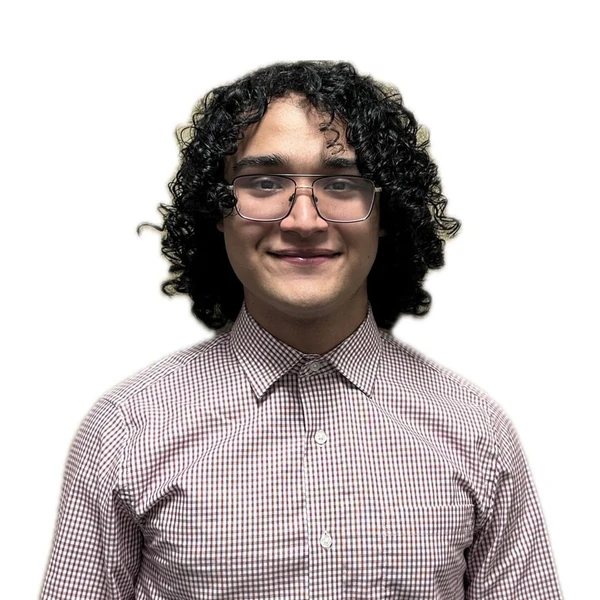
Armando Del Tejo Armendariz

1x

Finalist

Bio

I am an Aerospace Engineering student at Georgia Tech with a passion for space exploration, engineering, and creating opportunities for others. As a transfer student and first-generation college student, I have built my journey through academic excellence, leadership, and service. I have co-founded and led SHPE, Robotics, and Physics organizations while serving in leadership roles in the Campus Activities Board. My long-term goal is to contribute to human space exploration while helping more students from underrepresented backgrounds find their place in STEM.

Education

Georgia Institute of Technology-Main Campus

Bachelor's degree program

2026 – 2029

Majors:
  • Aerospace, Aeronautical, and Astronautical/Space Engineering
Miscellaneous

Desired degree level:
Bachelor's degree program
Graduate schools of interest:
Massachusetts Institute of Technology, Stanford University, California Institute of Technology
Majors of interest:
Aerospace, Aeronautical, and Astronautical/Space Engineering
Desired degree modality:
Full-Time
Medical school interest:
No

Career

Miscellaneous

Dream career field:
Aviation & Aerospace
Dream career goals:
Become an Astronaut
Work experience:
0 years
Has nursing license:
No
Bulkthreads.com's "Let's Aim Higher" Scholarship
When I think about what I want to build, I do not think of a single object. I think of a future where humans can travel farther beyond Earth, explore places we have only studied from a distance, and continue expanding what we believe is possible. I want to help build that future through aerospace engineering and, eventually, as an astronaut. My interest in space has developed into a specific goal: I want to understand and contribute to the systems that make human spaceflight possible. Spacecraft, propulsion systems, guidance, and the technology that keeps astronauts safe all require engineers who are willing to solve problems that do not have simple answers. That is the kind of challenge I want from my career. I do not want to simply admire space exploration from the ground. I want to contribute to it. I am currently pursuing Aerospace Engineering at Georgia Tech after beginning my education at Ivy Tech Community College. My path to Georgia Tech has taught me that building something meaningful requires patience and a strong foundation. At Ivy Tech, I studied mathematics, physics, chemistry, and engineering while becoming involved in several organizations. I helped co-found the Robotics Club and served as Vice President, co-founded a Society of Hispanic Professional Engineers chapter and became President, and co-founded the Physics Club and served as Co-President. I also served as President of the Campus Activities Board. Those experiences taught me that building is not always about creating something physical. Sometimes it means building a community, building confidence in other people, or building an opportunity that did not exist before. I have seen how much a supportive environment can change a student's experience, especially for students who are first-generation, immigrants, or unsure of where they belong. That is another part of the future I want to build. My education is not only about reaching my own goals. I want to use my experiences to help other students see higher education and STEM careers as possibilities for them too. I know what it feels like to enter an unfamiliar system without a roadmap, and I want to become the person who can provide guidance and encouragement to someone else. Ultimately, I want to build two things at the same time: technology that helps humanity reach beyond Earth and opportunities that help people reach beyond the limits they once placed on themselves. My goal is to become an aerospace engineer and eventually an astronaut, but I also want my journey to have an impact beyond my own career. If I can contribute to human exploration while helping another student believe that their own ambitious goal is possible, then what I build will be much bigger than anything I could create alone.
Pierson Family Scholarship for U.S. Studies
My journey toward higher education in the United States began with my family’s decision to build a future in a new country. I came to the United States from Mexico and had to adapt to a different culture, education system, and environment. As an international and first-generation college student, I did not have a family roadmap for navigating higher education. I had to learn how college worked, how to find opportunities, and how to build a path toward my career largely through my own experiences. I began my college education at Ivy Tech Community College, where I developed my foundation in mathematics, physics, chemistry, and engineering. I worked hard academically and eventually transferred to Georgia Tech, where I am now pursuing Aerospace Engineering. My decision to pursue higher education in the United States came from wanting to challenge myself academically and gain the knowledge and opportunities necessary to pursue a career in aerospace. My path has not been without challenges. As an international student, I have encountered situations where my immigration or citizenship status limited opportunities available to me. I also faced the challenge of beginning at a community college and sometimes being told that I did not yet have the experience required for an opportunity. These experiences were frustrating, but they taught me not to interpret a closed door as a reason to stop. Instead, I learned to look for another path, improve my qualifications, and continue working toward my goals. My college experience has also taught me that education is about more than individual achievement. At Ivy Tech, I helped co-found the Robotics Club and served as Vice President, co-founded a Society of Hispanic Professional Engineers chapter and became President, and co-founded the Physics Club and served as Co-President. I also served as President of the Campus Activities Board. Through these experiences, I learned how to lead, communicate, organize, and create opportunities for other students. They also showed me how much a supportive community can influence someone's confidence and success. One person who has inspired me is José Hernández, whose journey from a migrant farmworker family to becoming an astronaut showed me that extraordinary goals can come from ordinary beginnings. His story was especially meaningful to me because I also came to the United States from Mexico and have had to build my own path through education. His example reinforced my belief that your starting point does not determine your destination. What matters is the willingness to prepare, persevere, and continue moving forward. After graduating, I plan to work as an aerospace engineer and continue developing the technical experience necessary to pursue my long-term goal of becoming an astronaut. I am especially interested in spacecraft, propulsion, and the systems that make human spaceflight possible. I want to contribute to future exploration rather than simply watch it happen. My education in the United States is giving me the opportunity to turn a dream into a career. I also hope to use what I learn to support other international and first-generation students who may feel that their background limits what they can accomplish. I want my education to improve not only my own future, but also the possibilities available to those who come after me.
Carlos F. Garcia Muentes Scholarship
My family’s story has taught me that the circumstances you are born into do not have to determine the life you build. Coming to the United States from Mexico showed me how much courage and sacrifice it can take to pursue a better future. My family’s journey shaped the way I see education: not simply as a way to earn a degree, but as an opportunity to build something better and create possibilities that were not always available before. Moving to the United States meant adapting to a new country, culture, and education system. As a first-generation college student, I also had to navigate higher education without a family roadmap. I had to learn how college worked, how to find opportunities, and how to plan for a career largely by figuring things out myself. Seeing the sacrifices my family made gave me a strong sense of responsibility. I knew that if I had an opportunity to pursue an education, I could not take it for granted. I began my college education at Ivy Tech Community College, where I developed my foundation in mathematics, physics, chemistry, and engineering. My path was not always straightforward. Because of my immigration or citizenship circumstances, attending community college, or not yet having the experience required for certain opportunities, I sometimes encountered doors that were closed to me. Instead of allowing those experiences to define what I could accomplish, I learned to look for another way forward. That mindset also shaped how I interacted with my community. At Ivy Tech, I helped co-found the Robotics Club and served as Vice President, co-founded a Society of Hispanic Professional Engineers chapter and became President, and co-founded the Physics Club and served as Co-President. I also served as President of the Campus Activities Board. These experiences taught me that success is more meaningful when it can be shared. I wanted to create communities where other students could find support, develop confidence, and discover opportunities. My family’s story has also influenced the career I chose to pursue. I am now studying Aerospace Engineering at Georgia Tech, with the long-term goal of becoming an astronaut. I want to contribute to the technology that makes human spaceflight possible, particularly spacecraft, propulsion, and systems that allow people to explore beyond Earth. To me, space exploration represents what can happen when people are willing to pursue something that once seemed impossible. My family taught me to think beyond the limitations of my starting point. Their sacrifices gave me the opportunity to pursue goals they may not have been able to pursue themselves, and I want to honor that opportunity by making the most of it. I hope to become an aerospace engineer and eventually an astronaut, but I also want my journey to create a path for others. I want future immigrant and first-generation students to see someone who came from a similar starting point and realize that their own ambitions do not have to be limited by where their story began.
Champions Of A New Path Scholarship
I do not believe my advantage is that I am more talented or more deserving than every other student applying for this scholarship. Instead, my advantage is the combination of experiences that have taught me how to keep moving forward when the path is uncertain. I have learned to turn obstacles into motivation, create opportunities instead of waiting for them, and stay committed to a goal even when reaching it takes longer than expected. My journey through higher education has not followed a traditional path. I came to the United States from Mexico and had to adapt to a new country, education system, and environment. As a first-generation college student, I also had to learn much of the college process without having a family roadmap to follow. I began my education at Ivy Tech Community College, where I built my foundation in mathematics, physics, chemistry, and engineering. Along the way, I encountered opportunities that were not always available to me because of my immigration or citizenship status, because I attended a community college, or because I did not yet have the experience an opportunity required. Those experiences could have discouraged me, but instead they taught me to look for another path. My academic record is one part of what gives me confidence. I currently have a 3.909 GPA, and my education has led me to Georgia Tech, where I am pursuing Aerospace Engineering. However, I am most proud of what I have done beyond the classroom. At Ivy Tech, I helped create opportunities for myself and other students by co-founding the Robotics Club and serving as Vice President, co-founding a Society of Hispanic Professional Engineers chapter and becoming President, and co-founding the Physics Club and serving as Co-President. I also served as President of the Campus Activities Board. These leadership experiences taught me something that I consider one of my greatest advantages: I do not want to simply participate in a community; I want to improve it. When I see students who need a community, an opportunity, or someone willing to speak up, I want to be that person. My leadership positions required me to communicate with people from different backgrounds, organize events and projects, solve problems, and take responsibility when things did not go according to plan. Those experiences have made me more adaptable and prepared me to take initiative. I am now continuing that journey at Georgia Tech with a clear goal. I want to become an aerospace engineer and eventually an astronaut. I am especially interested in the technology behind human spaceflight, including spacecraft, propulsion, and the systems that will allow humans to explore beyond Earth. I know this goal will require years of education, technical development, discipline, and persistence, and I am prepared to put in that work. What separates me is not one accomplishment. It is the pattern behind them. I have had to build my own path, and in doing so, I have learned how to keep going when opportunities are limited, how to create opportunities when they do not exist, and how to bring other people forward with me. I would carry those qualities into every challenge ahead. This scholarship would not simply help me afford college; it would invest in someone who has already demonstrated that when given an opportunity, I will use it to keep building toward something bigger.
RonranGlee Literary Scholarship
Knowledge Before Action Sun Tzu’s passage is fundamentally an argument about the relationship between knowledge and action. Although the immediate subject is warfare, his deeper meaning is that successful action requires an accurate understanding of both oneself and the circumstances surrounding a decision. Sun Tzu does not present victory as the product of strength, courage, or determination alone. Instead, he establishes knowledge as the foundation of effective strategy. The structure of the passage reinforces this idea by showing three progressively different outcomes: ignorance leads to defeat, partial knowledge leads to inconsistent results, and complete knowledge creates confidence. The most important word in the passage is repeated three times: “know.” Sun Tzu begins, “If you know the enemy and know yourself,” immediately placing two kinds of knowledge beside each other. Knowing the “enemy” represents understanding the external circumstances that may oppose one's goals. Knowing “yourself,” however, requires something more internal: an awareness of one's own abilities, weaknesses, limitations, and intentions. Sun Tzu therefore refuses to treat strategy as something that depends only on observing the world. A person must also understand the person making the decisions. The order of these ideas is significant. Sun Tzu does not simply say to know your opponent. He says to know the enemy and yourself. The two forms of knowledge are presented as complementary. Understanding an opponent without understanding oneself could lead to overconfidence or poor judgment. Conversely, understanding one's own abilities without understanding the circumstances around them leaves a person vulnerable to surprises. Strategy, according to Sun Tzu, requires the two perspectives to exist together. The second sentence makes this point clearer through contrast: “If you know yourself but not the enemy, for every victory gained you will also suffer a defeat.” The phrase “for every victory gained” initially sounds positive, but Sun Tzu immediately undermines it with “you will also suffer a defeat.” This creates an important distinction between achieving an individual success and actually succeeding in the larger objective. A person may have enough self-knowledge to make good decisions sometimes, but without understanding external circumstances, those decisions cannot consistently produce the desired result. The progression of the passage becomes even more severe in the final sentence: “If you know neither the enemy nor yourself, you will succumb in every battle.” Sun Tzu has moved from complete knowledge, to partial knowledge, to complete ignorance. The repetition of the same grammatical structure makes the progression feel almost mathematical. Each missing form of knowledge produces a worse outcome. By the final sentence, there is no possibility of reliable success because the person lacks both an understanding of the world and an understanding of themselves. This structure also reveals that Sun Tzu is not merely telling his reader to collect information. The passage is concerned with accurate judgment. A person could possess enormous amounts of information and still fail if they misunderstand what that information means. To “know” the enemy is not simply to recognize that an opponent exists. It means understanding the circumstances well enough to make intelligent decisions. Likewise, to “know yourself” means more than being familiar with your own personality. It means recognizing what you are capable of, where you are vulnerable, and how your own assumptions might influence your choices. The final phrase, “you need not fear the result,” is especially interesting because Sun Tzu does not say that knowing both sides guarantees an easy victory. Instead, knowledge removes the need for fear. This suggests that uncertainty, rather than difficulty itself, is one of the greatest obstacles to effective action. A difficult situation can be approached rationally when its conditions are understood. Fear becomes more powerful when a person is acting without knowing what they are facing or what they themselves are capable of doing. Although Sun Tzu writes about warfare, the underlying principle extends beyond the battlefield. Students, engineers, leaders, and professionals constantly make decisions under uncertainty. Before solving a difficult problem, a person has to understand both the problem and their own resources for solving it. Before leading others, a leader must understand both the people around them and their own strengths and weaknesses. Acting without that understanding can turn confidence into recklessness. This idea has become meaningful to me throughout my education. As a first-generation college student who came to the United States from Mexico, I have had to make decisions without always having a roadmap for what came next. Transferring from Ivy Tech Community College to Georgia Tech and pursuing Aerospace Engineering required me to understand not only the opportunities around me but also my own abilities and limitations. My leadership experiences in organizations such as Robotics, SHPE, Physics Club, and the Campus Activities Board also taught me that leadership requires understanding the people you are working with while being honest about your own responsibilities. Ultimately, Sun Tzu's passage is not simply a lesson about defeating an opponent. It is a lesson about understanding before acting. The three conditions he describes demonstrate that knowledge is not an accessory to strategy; it is what makes strategy possible. The passage challenges the reader to look outward and inward at the same time: to understand the world as it is and to understand oneself within it. For Sun Tzu, the greatest advantage does not necessarily belong to the strongest person, but to the person who enters a difficult situation with the clearest understanding of both the circumstances and themselves.
Hines Scholarship
Going to college means much more to me than earning a degree. For me, it means building a future that my family did not have the opportunity to build for themselves and proving that where you begin does not have to determine where you end. I came to the United States from Mexico and had to adapt to a new country, a different education system, and a language that was not always easy to navigate. As a first-generation college student, I also had to figure out much of the college process on my own. I did not have a family roadmap explaining how to choose a college, transfer, find opportunities, or build a career. I had to learn by asking questions, making mistakes, and continuing forward. I began my college education at Ivy Tech Community College, where I worked hard to build a strong foundation in mathematics, physics, chemistry, and engineering. College was not always easy, especially when I encountered opportunities that were closed to me because of my immigration or citizenship status, because I attended a community college, or because I did not yet have the experience being requested. Those experiences were frustrating, but they also taught me that I could not allow a closed door to convince me that I did not belong. Instead, I became more involved in my college community. I co-founded the Robotics Club and served as Vice President, co-founded a Society of Hispanic Professional Engineers chapter and became its President, and co-founded the Physics Club and served as Co-President. I also became President of the Campus Activities Board. These experiences changed me from someone who was initially quiet and unsure of himself into someone willing to speak up, organize people, and create opportunities for others. My education has now taken me to Georgia Tech, where I am pursuing Aerospace Engineering. My goal is to become an aerospace engineer and, ultimately, an astronaut. I want to work on the technology that makes human spaceflight possible, including spacecraft, propulsion, and systems that allow people to explore beyond Earth. Becoming an astronaut may sound like an enormous dream, but college is giving me the knowledge and preparation to turn that dream into a real path. At the same time, I want my education to mean something beyond my own career. I know what it feels like to be a first-generation student trying to find a path without a roadmap. I want to use what I learn to help other students who come from immigrant, first-generation, or underrepresented backgrounds see possibilities that they may not have considered for themselves. To me, earning a college degree represents opportunity, sacrifice, and responsibility. It is an opportunity to change my family's future, a responsibility to make the most of the opportunities I have been given, and a chance to create opportunities for others. I want to graduate knowing that I did more than earn a degree. I want to know that I used my education to reach something that once seemed impossible, and helped someone else believe that they could do the same.
Olivia Rodrigo Fan Scholarship
There are moments in my life when I have felt like I was moving forward without completely knowing where I was going. Moving from Mexico to the United States, adapting to a different education system, starting college at a community college, and eventually transferring to Georgia Tech have all been experiences that forced me to grow before I always felt ready. That is one of the reasons I connect with Olivia Rodrigo's music. Her songs often capture something I have experienced myself: the feeling that growing up does not necessarily mean having everything figured out. Sometimes, it means being uncertain, making mistakes, questioning yourself, and continuing anyway. One song that especially resonates with me is “making the bed.” The song reflects on realizing that some of the circumstances in your life are connected to the choices you have made. That idea reminds me of my own journey. I have made decisions that completely changed the direction of my life, from choosing to pursue engineering to leaving my comfort zone and taking leadership positions in college. Not every decision was easy, and not every opportunity worked out the way I hoped. I have faced closed doors because of circumstances outside my control, including my immigration status, attending community college, and sometimes simply not being ready when an opportunity appeared. But I have learned not to let those experiences define what comes next. Another reason Olivia's music connects with me is its honesty about insecurity. When I first came to college, I was shy and did not know many people. I could have simply gone to class, gone home, and focused only on transferring to a university. Instead, I started saying yes to opportunities that scared me. I helped co-found the Robotics Club and became Vice President. I helped establish the SHPE chapter at Ivy Tech and eventually became President. I also co-founded the Physics Club and served as Co-President, while becoming President of the Campus Activities Board. Those experiences changed how I saw myself. I went from wondering whether I belonged in certain rooms to helping create those rooms for other students. That is probably what I appreciate most about Olivia Rodrigo's music: it does not pretend that growing up is perfect. It makes space for uncertainty, mistakes, ambition, insecurity, and change. I recognize myself in that. Today, I am studying Aerospace Engineering at Georgia Tech with a long-term goal that once felt almost impossible: becoming an astronaut. I want to contribute to spacecraft, propulsion, and technologies that allow humanity to explore beyond Earth. I know there will be moments when I question myself again, just as I have before. But my journey has taught me something important: I do not need to have every answer before taking the next step. Sometimes, growing means taking that step anyway.
Barbara Cain Literary Scholarship
Some of the books that have influenced me the most are also connected to the dream that has shaped many of my decisions: becoming an astronaut. One of the most meaningful books I have read is Reaching for the Stars by José M. Hernández. Seeing “migrant farmworker” and “astronaut” connected on the same cover immediately caught my attention because of my own journey as an immigrant from Mexico. His story reminded me that where you begin does not have to determine where you finish. I have had to adapt to a new country and education system, start my college journey at a community college, and find my own way through opportunities that I did not always know how to access. Reading about someone who came from a very different starting point and still reached space made my own goal feel less impossible. An Astronaut’s Guide to Life on Earth by Col. Chris Hadfield taught me to think differently about what it means to prepare for a goal. The book's focus on ingenuity, determination, and being prepared for anything connected strongly with how I have approached my own education. I have learned that wanting something is not enough. If I want to become an astronaut, I need to prepare myself for the challenges that come before that moment. That means building my knowledge in mathematics, physics, and engineering, developing technical skills, gaining experience, and continuing to challenge myself even when I am uncomfortable. Finally, How to Astronaut by Terry Virts gave me another perspective on the career I hope to pursue. Reading an astronaut's perspective on what it means to leave the planet made my goal feel more concrete. Becoming an astronaut is not simply about wanting to go to space. It requires years of preparation, technical knowledge, discipline, teamwork, and the ability to perform when the stakes are high. That is the kind of person I want to become. These books have influenced more than just my career plans. They have influenced how I respond to challenges. At Ivy Tech Community College, I pushed myself outside my comfort zone and helped co-found the Robotics Club, SHPE chapter, and Physics Club while serving in leadership positions. I eventually became President of SHPE and President of the Campus Activities Board. Those experiences taught me that growth happens when I am willing to step into situations where I am not completely prepared. Now that I am studying Aerospace Engineering at Georgia Tech, I see my education as another chapter in the journey these books helped me imagine. I do not know exactly how my path to space will look, but these books have taught me that big dreams become possible when you turn them into smaller steps and keep moving forward. For me, that is what reading has done. It has not only given me stories to learn from; it has given me examples of people who reached places I hope to reach one day and reminded me that I can start building my own path today.
Learner Math Lover Scholarship
I love math because it gives me a way to understand things that I cannot always see. When I first started taking higher-level mathematics, I did not immediately think about how much of it would become connected to my future. I started with Calculus I and II, continued into Multivariable Calculus and Differential Equations, and eventually began seeing mathematics differently. Math stopped being just a subject where I needed to find the correct answer. It became a language for describing how things move, change, and interact. That is especially meaningful to me because I want to become an Aerospace Engineer and eventually an astronaut. When I think about an aircraft flying, a spacecraft changing its trajectory, or a rocket being designed to reach orbit, I see mathematics behind all of it. Forces, motion, trajectories, fluid dynamics, and countless other problems depend on being able to understand mathematical relationships. Knowing that the equations I am learning today can eventually help me understand something as complicated as a spacecraft makes me want to learn more. I also love the feeling of solving a problem that initially looks impossible. There have been plenty of times when I have stared at a calculus or physics problem and had no idea where to begin. Instead of immediately giving up, I learned to break the problem into smaller pieces, try different approaches, make mistakes, and keep going until something finally made sense. That process has taught me patience and persistence. My experience with math has also changed the way I approach engineering. I do not expect every problem to have an obvious solution. I have learned that sometimes the most important step is simply understanding what the problem is asking before trying to solve it. For me, math connects where I am now with where I want to go. Every equation I learn is another tool I can carry with me toward my goal of contributing to aerospace and, someday, human space exploration. That is why I do not just enjoy math, I genuinely want to keep learning it.
Bright Lights Scholarship
My plans for the future are much bigger than simply earning a college degree. I want to become an aerospace engineer and eventually an astronaut, contributing to the technology that allows humanity to explore beyond Earth. Reaching that goal will require years of education, technical experience, leadership, and persistence, and I am already building that path. My journey started when I came to the United States from Mexico. I had to adapt to a new country and education system while figuring out how to navigate college without having a roadmap from someone in my family who had already experienced it. I began at Ivy Tech Community College, where I worked hard to build my foundation in mathematics, physics, chemistry, and engineering. I eventually transferred to Georgia Tech to continue pursuing Aerospace Engineering. Getting to this point has not always been easy. I have encountered opportunities for scholarships, jobs, and other experiences that I could not pursue because of my immigration or citizenship status, because I attended community college, or because I did not yet have the experience an opportunity required. Those experiences were frustrating, but they also taught me not to measure my potential by the opportunities I was denied. I learned to keep searching, keep improving, and create my own opportunities when possible. At Ivy Tech, that mindset led me into leadership. I helped co-found the Robotics Club and served as Vice President. I helped co-found the Society of Hispanic Professional Engineers chapter and eventually became President, working to create opportunities for students interested in STEM. I also co-founded the Physics Club and became Co-President. Outside of STEM, I served as President of the Campus Activities Board, helping organize events and strengthen the campus community. Now, at Georgia Tech, I want to turn that foundation into the technical expertise necessary for my long-term goal. I want to learn about spacecraft, propulsion, aerospace systems, and human spaceflight. I also hope to gain practical experience through research, internships, engineering projects, and eventually the skills and experience necessary to pursue a career as an astronaut. This scholarship would help me move closer to that goal by reducing some of the financial pressure that comes with pursuing an engineering degree. It would allow me to put more of my resources toward tuition, educational expenses, and the experiences that will prepare me for my career. More importantly, it would be an investment in a student who has already shown that when an opportunity is available, I will work to make the most of it. My dream is to one day look back and see that the difficult steps were worth it. I want to contribute to space exploration, but I also want my journey to show other students who feel like outsiders that their circumstances do not have to define how far they can go.
Sloane Stephens Doc & Glo Scholarship
When I think about the impact I want to make, I do not think only about the career I want to have. I think about the people I can help along the way and the opportunities I can create for others. When I came to the United States from Mexico, I had to learn how to navigate a new country, a different education system, and college without having a roadmap from someone in my family who had already done it. I was shy and unsure of myself, and there were many things I did not know how to navigate. My first goal was simply to earn a college degree and build a better future. As I progressed, I realized that education could allow me to do much more than change my own life. At Ivy Tech Community College, I began taking opportunities that pushed me outside my comfort zone. I helped co-found the Robotics Club and served as Vice President, helping create a place for students to explore robotics and engineering. I also helped co-found the Society of Hispanic Professional Engineers chapter and eventually became President. Through SHPE, I wanted to create opportunities for students interested in STEM, especially those who might not see many people with backgrounds like theirs in engineering. I also co-founded the Physics Club and became Co-President. Outside of STEM, I became President of the Campus Activities Board, where I helped organize activities and build a stronger sense of community on campus. These experiences changed my understanding of leadership. I learned that making an impact does not always require doing something enormous. Sometimes it means creating an organization, starting a conversation, encouraging someone to participate, or helping another student realize that they belong. My family is one of the biggest reasons I continue pursuing my education. Their support motivates me when things become difficult. I have seen how much encouragement, a connection, or an opportunity can change someone's confidence and direction. Now, at Georgia Tech, I am continuing to pursue a dream that has motivated me for years: becoming an aerospace engineer and eventually an astronaut. I want to contribute to spacecraft, propulsion, and technologies that allow humanity to explore beyond Earth. I also want to use the knowledge and experiences I gain to help more students pursue STEM and believe they belong in these fields. I know what it feels like to face a closed door because of circumstances outside your control, whether because of immigration status, attending community college, or simply not being ready for an opportunity yet. Those experiences made me more determined to keep moving forward. They taught me that difficult goals require patience, persistence, and the willingness to keep learning. My biggest dream is to become an astronaut. I want to use my Aerospace Engineering education to understand the systems that make human spaceflight possible, from spacecraft and propulsion to the technologies that allow people to safely travel beyond Earth. I do not want to simply admire space exploration from the ground. I want to contribute to it and eventually become part of the teams that design, test, and operate the technologies that take humanity farther. At the same time, I want to remember where I started. I want to carry the lessons from my family, my immigration journey, community college, and the students I have led with me. I want to reach space one day, but I also want the path that takes me there to create opportunities for someone else who is still looking up and wondering if they can reach their own impossible goal.
Bick First Generation Scholarship
Being the first person in my family to pursue a college degree means that I am not only building my own future; I am opening a door that did not exist for my family before me. When I came to the United States from Mexico, I had to learn how to navigate a new country, a different education system, and college without having someone at home who had already experienced it. I did not know every step I needed to take or where to find every opportunity. There were times when I questioned whether I was prepared enough to pursue my goals. Still, I could not let not having a roadmap become a reason to stop moving forward. I began my college journey at Ivy Tech Community College, focusing on mathematics, physics, chemistry, and engineering while building the academic foundation I needed to transfer. I eventually earned the opportunity to continue my education at Georgia Tech as an Aerospace Engineering student. Getting here required more than good grades. I had to search for opportunities, apply for scholarships, and keep moving forward even when some doors were closed because of my immigration or citizenship status, because I attended community college, or because I did not yet have the experience required. Instead of stepping back, those experiences pushed me to become more involved and create opportunities for myself and others. At Ivy Tech, I helped co-found the Robotics Club and served as Vice President. I also helped co-found the Society of Hispanic Professional Engineers chapter, eventually becoming President and helping create opportunities for students interested in STEM. I co-founded the Physics Club and served as Co-President, and I became President of the Campus Activities Board, where I helped organize activities and strengthen the campus community. These experiences transformed me from a quiet student who was hesitant to speak into someone comfortable leading teams, advocating for others, and taking responsibility. My dream is to become an aerospace engineer and eventually an astronaut. I want to contribute to spacecraft, propulsion, and technologies that allow humanity to explore beyond Earth. Mathematics and physics are not simply classes I need for my degree; they are tools that will help me pursue a goal that has motivated me throughout my education. Being first-generation has taught me that I cannot always wait until I feel completely ready. Sometimes I have to take the next step, learn from mistakes, and figure things out along the way. This scholarship would reduce the financial pressure of pursuing my education and allow me to focus more on becoming the engineer I want to be. I want my degree to be more than a personal accomplishment. I want it to prove that being the first does not mean being the last, and that the path one person creates can become a path others can follow. I am proud to be the first in my family to take this step, and I want to make sure I am not the last.
Dr. Christine Lawther First in the Family Scholarship
Being the first person in my family to pursue a four-year college degree means that I am building a path that did not exist before me. When I came to the United States from Mexico, I was not only entering a new country; I was also entering an education system that I did not fully understand. I had to learn how college worked, how to find opportunities, how to transfer, and how to make decisions about my future without having someone in my family who had already experienced this journey. At first, I thought my responsibility was simply to get good grades and earn a degree. As I continued through college, I realized that being the first in my family also meant carrying the hopes of the people who supported me while creating new possibilities for the people who will come after me. I began my college education at Ivy Tech Community College, where I worked hard to build the academic foundation I needed to transfer into engineering. My path was not always easy. I faced opportunities for scholarships, jobs, and other experiences that were unavailable to me because of my citizenship or immigration status, because I attended community college, or because I did not yet have the experience being requested. Those moments were frustrating, especially when I knew I was willing to work for the opportunity. Instead of allowing those barriers to determine my future, I learned to keep looking for another path. That mindset also changed the way I became involved on campus. I helped co-found the Robotics Club and served as Vice President. I helped co-found the Society of Hispanic Professional Engineers chapter at Ivy Tech and eventually became President, creating opportunities for students interested in STEM and helping connect them with mentorship and professional development. I also co-founded the Physics Club and became Co-President. Outside of those organizations, I became President of the Campus Activities Board, where I helped create events and experiences that brought students together and made campus feel more like a community. These experiences showed me that being first does not mean I have to walk the entire path alone. I can bring other people with me. I am now continuing that path as an Aerospace Engineering student at Georgia Tech. My goal is to develop the technical knowledge necessary to work on spacecraft, propulsion, and other systems that will make future space exploration possible. My ultimate dream is to become an astronaut and contribute directly to humanity's exploration beyond Earth. But my long-term goals extend beyond my own career. I want to continue creating opportunities for students who may be the first in their families to enter college, engineering, or STEM. I know what it feels like to wonder whether you belong in a room, whether you are prepared enough, or whether a closed door means that your goal is unrealistic. Being first in my family means that I have the opportunity to change what is possible for my family. I do not want my degree to be the end of the path I created. I want it to be the beginning of a path that others in my family, my community, and future generations can follow.
STEAM Generator Scholarship
When I came to the United States from Mexico, I knew I wanted to continue my education, but I did not know exactly how I was going to do it. I was entering a completely different education system, learning how to navigate college in another country, and doing it without having someone in my family who had already gone through the process. I often felt like an outsider trying to understand a system that seemed to have been designed for people who already knew how it worked. My biggest fear was not failing a class. It was wondering whether I would actually be able to reach the future I imagined for myself. I started my college journey at Ivy Tech Community College. At first, my plan was simple: work hard, earn good grades, and transfer to a university where I could study Aerospace Engineering. But I quickly learned that the path would not always be straightforward. I encountered opportunities, scholarships, and jobs that I could not pursue because of my citizenship or immigration status, because I attended a community college, or because I simply did not have the experience that was being requested. Sometimes it was difficult to watch opportunities pass by when I knew how badly I wanted to move forward. Instead of allowing those experiences to convince me that I did not belong, I started creating opportunities where I could. I helped co-found the Robotics Club and became Vice President. I helped co-found the Society of Hispanic Professional Engineers chapter at Ivy Tech, eventually becoming its President and working to create mentorship, professional development, and STEM opportunities for other students. I also co-founded the Physics Club and became Co-President. Outside of academics, I became President of the Campus Activities Board, where I helped organize activities and build a stronger sense of community for students on campus. These experiences changed the way I saw myself. I arrived in the United States as someone who was hesitant to speak up, and I eventually became someone responsible for speaking for and supporting other students. I realized that being an outsider did not have to mean remaining on the outside. I could become part of a community by contributing to it. Now, as an Aerospace Engineering student at Georgia Tech, my goals are much bigger than when I first arrived. I want to build the technical knowledge necessary to contribute to spacecraft, propulsion, and other technologies involved in human space exploration. My ultimate dream is to become an astronaut and contribute directly to humanity's exploration beyond Earth. At the same time, I want my journey to mean something to the students who come after me. I know what it feels like to wonder if you belong, to face a closed door because of circumstances outside your control, and to question whether your goals are too ambitious. I want to use my education and experiences to help other first-generation and immigrant students see that their starting point does not have to determine their destination. I may have entered higher education feeling like an outsider, but I no longer see myself that way. I am building my place in it, and I hope to leave the door open for others to enter too.
Craig Huffman Memorial Scholarship
When I first came to the United States from Mexico, I had to begin building a life in a place that was unfamiliar to me. I was adapting to a new country, a different education system, and a language that I was still becoming confident using. I was also learning how to navigate college without having a roadmap from someone in my family who had already gone through it. At that time, I was shy and often unsure of myself. My main focus was simply to succeed academically and eventually transfer to a university to study aerospace engineering. Moving to a new country taught me that progress does not always happen when you feel prepared. Sometimes, you have to take the opportunity in front of you and learn as you go. That lesson became especially important when I began getting involved at Ivy Tech Community College. I started taking chances on myself, and those small decisions eventually changed who I became. I helped co-found the Robotics Club and became Vice President, where I organized meetings, coordinated projects, and helped students work through CAD, coding, and technical problems. I then helped co-found our Society of Hispanic Professional Engineers chapter. I became Vice President and eventually President, organizing mentorship, professional development, networking, and STEM opportunities for Hispanic and underrepresented students. I also co-founded the Physics Club and became Co-President because I wanted to create another space where students could learn from each other and become more confident in STEM. My leadership continued beyond engineering. As President of the Campus Activities Board, I helped lead students responsible for creating a stronger campus community. I learned to coordinate different personalities, communicate with faculty and students, manage responsibilities, and remain dependable when plans changed. I also learned that leadership is not always about being the person with the answer. Sometimes it means listening to someone who needs help, giving another person the confidence to take responsibility, or finding a solution that allows everyone to move forward. These experiences changed me personally. The student who once hesitated to speak because he was afraid of making a mistake became someone who could stand in front of a group, organize a team, and advocate for other students. I did not become a leader overnight. I became one by repeatedly choosing to step outside my comfort zone. My interest in aviation connects directly to the future I am building. I am now studying Aerospace Engineering at Georgia Tech, and one of my goals is to join the Georgia Tech Flying Club and work toward earning my pilot license. I want to understand flight not only through engineering equations and simulations, but also from the perspective of the person operating the aircraft. Ultimately, I hope to combine my engineering education, flight experience, and leadership skills as I work toward a career in human spaceflight and, someday, becoming an astronaut. What excites me about aviation is not only the ability to fly. It is the responsibility that comes with it. Pilots, engineers, and astronauts depend on communication, preparation, judgment, teamwork, and trust. My leadership experiences have taught me to value those qualities, and I want to continue developing them throughout my career. I hope to carry that same mindset into aviation: to become someone who not only reaches higher, but helps others rise with me.
James Diorato Memorial Scholarship
My passion for aviation comes from a goal that reaches beyond simply wanting to fly an airplane. I want to understand flight from as many perspectives as possible because my ultimate goal is to contribute to human space exploration and, one day, become an astronaut. My interest in aerospace began with my curiosity about how humans can design machines capable of leaving the ground and eventually traveling beyond Earth. That curiosity led me to pursue Aerospace Engineering at Georgia Tech, where I want to develop the technical knowledge necessary to work with aircraft and spacecraft systems. But I also believe that understanding flight should not stop at equations, simulations, or a classroom. I want to experience it firsthand. One of my goals at Georgia Tech is to become involved with the Georgia Tech Flying Club and begin working toward my private pilot certificate. Learning to fly would allow me to develop skills that complement my engineering education: understanding aircraft from the pilot's perspective, making decisions in real time, communicating clearly, managing risk, and understanding how an aircraft actually behaves in the hands of the person operating it. For me, aviation is the beginning of a much larger journey toward human spaceflight. I understand that becoming an astronaut requires much more than technical knowledge. It requires the ability to communicate, make decisions under pressure, work with people who have different perspectives, and take responsibility for others. These are skills I have already begun developing through leadership. I helped co-found the Robotics Club and served as Vice President, where I coordinated projects and helped students work through technical challenges. I also helped co-found SHPE, eventually becoming its President, where I organized mentorship, professional development, and networking opportunities for Hispanic and underrepresented STEM students. As President of the Campus Activities Board, I learned to lead larger teams, coordinate campus-wide events, and create a community where students felt included. I also co-founded the Physics Club and became Co-President because I wanted to continue creating academic opportunities for other students. My journey toward aviation has required the same willingness to step forward. I came to the United States from Mexico, adapted to a new language and education system, began my engineering education at community college, and eventually transferred to Georgia Tech. Each step required me to take a chance on myself and accept responsibilities before I always felt completely ready. I see earning my pilot license through the Georgia Tech Flying Club as the next step. I want to combine my engineering education, leadership experience, and firsthand understanding of flight to prepare myself for a career in human spaceflight. I am passionate about aviation because I do not only want to reach new places. I want to develop the knowledge, skills, and leadership necessary to help take people there.
Edwards Scholarship
I came to the United States with a goal that sounded simple: get an education and build a better future. What I did not realize was how much I would have to learn before I could even begin to understand what that future looked like. As a Mexican student adapting to a new country and education system, with English as a second language, I had to learn how to navigate college, scholarships, applications, and opportunities that were often completely unfamiliar to me. As a first-generation college student, there was no established roadmap in my family for doing this. My journey began at Ivy Tech Community College, where I focused on building a strong academic foundation in mathematics, physics, chemistry, and engineering. But I also learned that education is not only about what happens in a classroom. I became involved in my campus and gradually went from being a shy student who was afraid of making mistakes to becoming a leader. I helped co-found the Robotics Club and served as Vice President, creating opportunities for students to gain hands-on engineering experience. I helped co-found the Society of Hispanic Professional Engineers chapter and eventually became its President, where I worked to connect Hispanic and underrepresented students with mentorship, professional development, and STEM opportunities. I also co-founded the Physics Club and became Co-President, while serving as President of the Campus Activities Board and helping create a stronger sense of community on campus. There were many moments when my path felt uncertain. I encountered scholarships, jobs, and other opportunities that I could not pursue because of my international status, because I attended a community college, or because I did not yet have the experience required. Those experiences were frustrating, but they taught me not to measure my potential by a single rejection. Every time one path closed, I looked for another way forward. Today, I am continuing my education in Aerospace Engineering at Georgia Tech. My long-term goal is to contribute to human space exploration through technologies involving spacecraft, propulsion, aerodynamics, and other aerospace systems. I want to eventually work on problems that are difficult not because they are impossible, but because humanity has not solved them yet. At the same time, I want my education to create an impact beyond my own career. I know what it feels like to enter an environment without knowing where you belong or who to ask for help. Because of that, I want to continue mentoring students, creating STEM opportunities, and helping people from backgrounds like mine see engineering and science as possibilities for them. My education in the United States has already changed the direction of my life. I want to use what I learn to help change the direction of other people's lives as well.
José Ventura and Margarita Melendez Mexican-American Scholarship Fund
Being a first-generation Mexican college student means much more to me than being the first person in my family to attend college. It means being willing to build a path that did not already exist for me. When I came to the United States, I had to adapt to a new country, a different education system, and a language that I was still becoming confident using. At first, I was shy and mostly focused on getting good grades and transferring to a university. I did not know that college would eventually become about much more than my own education. My Mexican background has always reminded me that education is an opportunity that should be used not only to improve my own future, but also to help the people around me. That became especially important when I started getting involved at Ivy Tech Community College. I joined the Campus Activities Board and eventually became President. I helped organize activities and create opportunities for students to feel connected to their campus. I also co-founded the Robotics Club and served as Vice President, giving students interested in engineering a place to learn, build, and work together. Later, I helped co-found the Physics Club and served as Co-President. However, one of the experiences that means the most to me was helping co-found the Society of Hispanic Professional Engineers chapter at Ivy Tech. I became Vice President and eventually President because I wanted to create opportunities for students who were interested in STEM but might not always see themselves represented in those fields. Through SHPE, I learned that my identity could be more than something I was proud of personally; it could become a reason to advocate for others and help build a community. My journey has not always been easy. I have faced situations where opportunities, scholarships, or jobs were not available to me because of my citizenship status, because I attended a community college, or simply because I did not yet have the experience required. Those rejections were difficult, but they taught me to keep looking for another opportunity instead of assuming that one “no” determined what I could accomplish. That persistence has brought me to Georgia Tech, where I am now continuing my education in Aerospace Engineering. My long-term goal is to contribute to space exploration and eventually work on technologies that allow humanity to explore beyond Earth. But I also want my education to have an impact on people here on Earth. I am passionate about becoming a first-generation Mexican college graduate because I know what it means to build a path without having one already mapped out. I want my degree to represent more than a personal achievement. I want it to show other Mexican and first-generation students that they can enter engineering, create opportunities, lead communities, and pursue goals that may initially seem impossible. I am proud to be building my own path, but I am even more proud when that path makes it easier for someone else to build theirs.
Armando Del Tejo Armendariz Student Profile | Bold.org