When people hear the term “culinary innovation,” they often picture high-tech gadgets or five-star restaurant menus. But for me, culinary innovation is about something more personal and valuable: finding new, meaningful ways to feed people well while also caring for the environment.
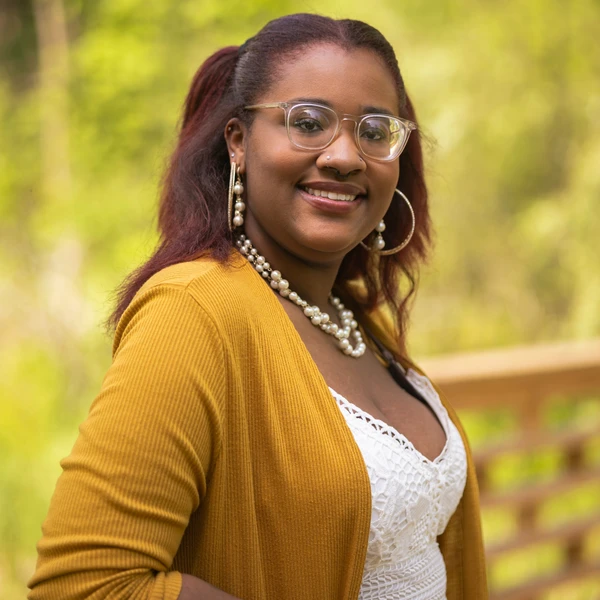
Growing up in a low-income household, especially after Hurricane Katrina forced us to relocate, we had to make every ingredient stretch. My ma, who has been a chef all her life, could turn scraps and leftovers into meals that felt like home. That experience taught me early on that food can be both creative and powerful, especially when resources are limited. Now, as a culinary student at Johnson & Wales University and a future high school culinary teacher, I want to take those lessons and turn them into action.
In the next five years, I plan to use culinary innovation to make a positive environmental impact by teaching sustainable cooking practices to young people, especially students from underserved communities and backgrounds. I want to show them how to think differently about food: how to use every part of an ingredient, how to reduce waste, and how to cook with seasonal, locally sourced produce. These small changes in the kitchen can add up to big changes for our environment.
One of the key ways I’ll do this is by introducing students to zero-waste and low-impact cooking techniques. That might mean using vegetable scraps to make broth, repurposing stale bread into croutons or breadcrumbs, or turning fruit peels into syrups or teas. These are simple habits that not only stretch food budgets but also reduce landfill waste and carbon emissions.
I also want to explore plant-forward recipe development with my students' meals that center vegetables and grains in ways that are still flavorful, filling, and culturally meaningful. Cutting back on some meats, such as cow or pork, even just occasionally, can reduce environmental strain without asking people to give up the foods they love. Through hands-on cooking, I’ll help students understand how sustainable eating can still reflect their identity and heritage.
Beyond the classroom, I hope to work with local food banks, farms, and community organizations to give students real-world experience in sustainable food systems. I’d love to help develop community dinners or pop-up events where students can showcase their skills while raising awareness about food waste and climate-friendly cooking.
Eventually, I’d like to create a digital space—maybe a website or YouTube channel—where I can share lesson plans, videos, and student recipes with a wider audience. That way, the impact goes beyond my classroom and reaches others who are eager to learn but don’t have access to culinary education.
To me, culinary innovation isn’t about perfection or prestige. It’s about finding smart, creative ways to solve problems—and empowering others to do the same. Through food, I’ve found purpose, and now I want to use that purpose to make the world and the people in it a little healthier, more connected, and more sustainable.