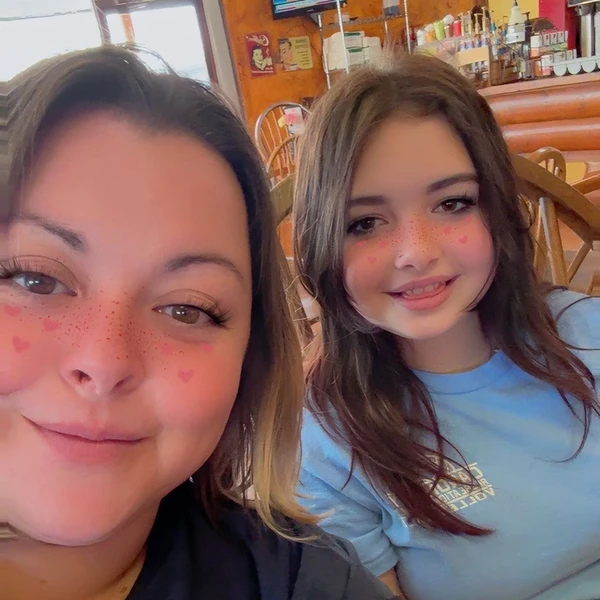
Antonia Meyer
1x
Finalist1x
WinnerAntonia Meyer
1x
Finalist1x
WinnerBio
My name is Antonia “Bobbie” Meyer. I am a proud mom and a psychology student, working hard every day to build a brighter future for my daughter and myself. Life has not been easy, but the challenges I have faced have shaped me into someone stronger and more determined than I ever thought I could be. My daughter is the heart of my journey and the reason I refuse to give up, no matter how hard it gets. My dream is to become a counselor so I can turn my experiences into something meaningful and help others find the strength and hope they need to keep going.
Education
University of Phoenix-Arizona
Bachelor's degree programMajors:
- Clinical, Counseling and Applied Psychology
Pueblo Community College
Associate's degree programMajors:
- Psychology, General
Miscellaneous
Desired degree level:
Master's degree program
Graduate schools of interest:
Transfer schools of interest:
Majors of interest:
Career
Dream career field:
psychologist
Dream career goals:
Organic Formula Shop Single Parent Scholarship
The most challenging part of being both a student and a single parent is that there is no pause and no separation between the two roles. I do not get to step away from one responsibility to focus on another. I am always both at the same time. My daughter depends on me, my education depends on me, and there is no safety net if something falls apart. If I am tired, I still have to show up. If something goes wrong, I have to figure it out. There is no one else to carry the weight.
There are days when I feel stretched thin. After working and taking care of everything at home, I still have assignments waiting for me. My time is limited, and I have had to learn how to use it with intention. I plan my days carefully. I stay disciplined. I push through even when I feel overwhelmed. There are nights when I am exhausted, but I still show up because I know what I am working toward. Giving up is not an option, because everything I do directly affects my daughter’s future.
What makes it harder is knowing I do not have the kind of support system that many people rely on. I grew up in instability, and I understand what it feels like to live without consistency or security. Because of that, I have had to build everything on my own. That reality has shaped how I approach both parenting and education. It has made me more aware, more intentional, and more determined to create something different.
The hardest part is not just the workload. It is the pressure of knowing that I have to get this right. I am not just building a future for myself. I am building one for my daughter. I think about the life I want her to have, and I know that the effort I put in now will shape what that looks like. I want her to grow up feeling safe. I want her to feel supported. I want her to have opportunities that I had to fight to create.
At the same time, I am very aware of the balance I have to maintain. I do not want my daughter to feel like she comes second to my education. I make time for her. I listen to her. I show up for the small moments that matter. Whether it is helping with something important to her or simply being present, I want her to know that she is my priority. Balancing everything is not perfect, but it is something I work at every day because I understand how important that connection is.
Pursuing my education is about more than earning a degree. It is about breaking cycles and creating stability. I am working toward a future where I can provide not only financially, but emotionally and consistently. I want to build a life that is structured and secure. I want to create an environment where my daughter does not have to carry the same weight I did growing up.
My education is also connected to a deeper purpose. I am pursuing a degree in psychology because I want to help others who feel stuck in difficult situations. I know what it feels like to grow up without support. I know what it feels like to navigate instability and try to find a way forward. Those experiences have shaped my perspective, and I want to use that understanding to support others in a meaningful way.
This scholarship would make a significant difference in my life. Financial stress is one of the biggest challenges I face, and it adds pressure to an already full schedule. It can be difficult to focus completely on my education when I am constantly thinking about how to manage everything else. This support would allow me to put more energy into my coursework without that constant strain.
More importantly, this scholarship would help pave the way for both of our futures. It would allow me to continue building a stable foundation that my daughter can grow from. It would give me the opportunity to move forward with more confidence and less fear of falling behind. It would support not just my education, but the life I am working so hard to create.
Being a single parent has taught me resilience, responsibility, and determination. It has shown me how to keep going even when things feel difficult. It has taught me how to adapt, how to problem solve, and how to stay focused on long-term goals even when the present feels overwhelming.
I am not on this path because it is easy. I am on it because it is necessary. I am committed to finishing what I started, no matter how challenging it becomes. I am committed to building a life that looks different from the one I grew up in.
Everything I am doing is to create a better future, not just for me, but for my daughter. And I am not stopping until I get there.
WayUp “Unlock Your Potential” Scholarship
Brent Gordon Foundation Scholarship
My mom was a single parent raising three kids, and from the beginning, our family was shaped by absence. None of our fathers were present in our lives, and the only exception brought harm instead of support. Because of that, my mom was everything. She was our stability, even while she was fighting her own battles.
She was chronically ill for most of my life. I grew up watching her live in pain while still trying to hold everything together. As a child, I did not fully understand what was happening, but I felt it. I felt the instability, the uncertainty, and the weight of growing up in an environment where things were never fully secure. I learned early how to adapt and how to be strong, not because I wanted to be, but because I had to be.
In many ways, I grieved my mom long before she passed. Her illness meant that parts of her were already out of reach, even while she was still here. But when she passed in 2020, it was different. It was final. It was the moment I realized that the one person who had always been there in some way was gone.
My daughter was seven years old when we lost her, and they had a close relationship. Losing my mom was not just my loss, it was something I had to help my daughter understand and process. I had to be strong for her while navigating my own grief. There was no one to lean on. I had to become the support system I no longer had.
That changed me.
It forced me to grow in ways I was not prepared for. I had to learn how to trust myself, how to make decisions on my own, and how to keep moving forward without guidance. There were moments where I felt completely alone, but I did not have the option to stop. I had a child watching me, learning from me, depending on me.
Losing my mom made me more intentional about the life I am building. I think about the kind of stability I want for my daughter. I think about what it means to truly be present. I want her to grow up feeling safe, supported, and secure in ways that I did not always experience.
It also shaped my goals. I am pursuing my education because I want to build a different future. I want to break cycles that have existed in my family for generations. I want to create something stable, something lasting, something better.
My mom’s life and her loss are part of everything I do. Even though she is not here, she is still part of my story. She taught me strength in a way that was not easy, but it was real.
Losing her took away my support system, but it also showed me that I have the ability to become one.
Brooks Martin Memorial Scholarship
I lost my entire support system when my mom passed in 2020, but in many ways, I had been grieving her long before that. She was a single mother, and I never had a relationship with my dad. It was always just us, even though her health made things complicated. She was chronically ill for most of my life, and I grew up watching her struggle while also trying to understand what that meant as a child. I loved her deeply, but parts of my childhood felt uncertain and unstable.
Because of her illness and the environment I grew up in, I had to become independent early. There was not a strong support system around us. My family has experienced generational trauma, and over time, relationships became strained and distant. Today, both of my brothers are estranged, and that sense of disconnection has been a constant in my life. Growing up, I learned how to rely on myself, not because I wanted to, but because I had to.
When my mom passed away, it felt like losing the last piece of something I had been holding onto my entire life. Even though I had already experienced loss in many ways, this was different. It was final. It forced me to face the reality that I no longer had any form of that connection.
That loss changed me in a way that is hard to fully explain. It made me realize how much I had been carrying for so long. It also showed me how important stability, presence, and connection truly are. I began to think about the kind of life I wanted to build and the kind of parent I wanted to be.
As a mother now, my perspective is different. I am intentional about creating a life for my daughter that feels safe, stable, and supportive. I want her to grow up knowing that she is not alone. I want her to feel secure in a way that I did not always experience.
Losing my mom also forced me to rely on myself in a new way. Without a support system, I had to learn how to trust my own decisions and how to keep moving forward even when things felt overwhelming. There were moments where I felt completely alone, but those moments helped me grow stronger.
This experience has shaped my goals and the way I live my life. It is one of the reasons I am pursuing my education and working toward a better future. I want to create stability for myself and for my daughter. I want to break cycles that have existed in my family for generations and build something different.
My outlook on life has changed because of this loss. I no longer take relationships or time for granted. I focus on growth, on healing, and on creating a future that reflects the lessons I have learned.
Losing my mom was one of the hardest experiences of my life, but it also shaped who I am today. Even without the support system I once had, I am creating one for myself and for my daughter.
Jim Maxwell Memorial Scholarship
This opportunity is meaningful to me because it represents more than financial support. It represents acknowledgment of a journey that has not been easy, and a future that I have fought to build. My story is not one of a straight path or simple progress. It is one shaped by instability, trauma, and moments where I had to rely on faith even when I did not fully understand where my life was going.
Growing up, I did not always have a sense of security or direction. There were times when I felt lost and uncertain about my future. I experienced situations that made me question my worth and made it difficult to believe that I could build something different for myself. During those moments, faith was not always something that came naturally to me. It was something I had to hold onto, even when I did not have clear answers.
As I got older, I began to understand that faith is not about having everything figured out. It is about continuing to move forward even when things feel unclear. There were times when I had to trust that something better was ahead, even when my current circumstances did not reflect that. That belief helped me keep going when it would have been easier to give up.
One of the biggest turning points in my life was becoming a mother. That experience changed how I saw everything. It gave me a deeper sense of purpose and responsibility. I realized that I was no longer only responsible for myself. I was responsible for creating a stable and safe life for my daughter. That realization pushed me to take my future more seriously and to start making choices that aligned with the life I wanted to build.
Faith played a significant role in that shift. It gave me the strength to step away from situations that were not healthy. It helped me believe that I was capable of more than what I had experienced. It allowed me to trust that even though my past was difficult, it did not have to define my future.
Pursuing my education is one of the ways I am turning that belief into action. I am currently working toward a degree that will allow me to help others, especially those who feel stuck or unsupported. My experiences have given me a level of empathy that I carry into everything I do. I understand what it feels like to struggle, and I want to use that understanding to support others in meaningful ways.
The challenges I have overcome are not always visible, but they have shaped who I am. I have learned resilience, patience, and the importance of continuing forward even when things feel difficult. I have learned how to trust myself and how to make decisions that align with my values.
This scholarship would support not only my education but the future I am building for my daughter. It would reduce financial stress and allow me to stay focused on my goals. More importantly, it would represent support for the path I have chosen and the effort I continue to put into creating a better life.
Moving forward, I plan to continue using my faith as a guiding force. It will remain the foundation that helps me stay grounded, make intentional decisions, and continue growing. My journey is still ongoing, but I no longer feel lost. I have direction, I have purpose, and I have faith that I am moving toward something better.
Dream BIG, Rise HIGHER Scholarship
Education has given me something I did not always have, which is direction. For most of my life, I was not thinking about long-term goals or what I wanted to become. I was focused on getting through each day. I grew up in instability, and I experienced trauma that shaped how I saw myself and the world around me. There were times when I did not feel safe, and times when I felt completely unseen. Because of that, school was never my main focus. Survival came first, and everything else came after.
As I got older, those patterns did not just disappear. I found myself in situations that continued to reflect the instability I grew up in. I struggled with trusting people, with feeling secure, and with believing that I was capable of something more. There were moments where I felt stuck, like I was repeating the same cycles without knowing how to break them. During that time, education felt distant. It felt like something that belonged to other people, not someone with my background.
Everything began to shift when I became a mother. Having my daughter forced me to slow down and really look at my life. It made me realize that I could not continue living in survival mode if I wanted something different for her. I wanted her to grow up in a stable environment. I wanted her to feel safe, supported, and confident in who she is. Most importantly, I wanted her to see that change is possible, even when it feels difficult. That realization gave me a sense of purpose that I had never fully experienced before.
Choosing to pursue my education was one of the most important decisions I have made. It was also one of the hardest. I had to push through doubt, fear, and the belief that I was not capable. I had to learn how to manage my time between being a parent, working, and completing school assignments. There are days when I feel overwhelmed, but I have learned how to stay grounded and focused. I remind myself why I started, and I keep going.
Education has shaped my goals by giving me a clear path forward. I am currently working toward a degree in psychology, and that choice is deeply connected to my life experiences. I have seen what happens when people feel stuck, unsupported, and alone. I have felt that myself. Because of that, I want to be someone who can help others navigate those experiences. I want to provide support, understanding, and guidance to people who may not have had it before.
The challenges I have overcome are not always visible, but they have had a lasting impact on who I am. I have had to rebuild my life more than once. I have had to learn how to trust myself, how to set boundaries, and how to make choices that align with the future I want to create. I have had to let go of environments that were not healthy and step into something unknown. That process has not been easy, but it has been necessary.
One of the biggest lessons I have learned is that growth is not always loud or noticeable. Sometimes it is quiet. Sometimes it is choosing to keep going when everything in you wants to stop. Sometimes it is making a different choice than you did before. Those small decisions have added up over time, and they are what have brought me to where I am now.
Looking ahead, I plan to use my education to create a better future for myself and for my daughter. I want to build a life that is stable, secure, and filled with opportunity. I also want to use my degree to support others who are going through difficult situations. I want to help people understand that they are not defined by their past and that they have the ability to create something different for themselves.
Education has also changed how I see myself. For a long time, I questioned my worth and my abilities. I did not always believe that I could succeed in a college environment. Now, I see things differently. Each class I complete is a reminder that I am capable. Each challenge I overcome reinforces that I am moving in the right direction.
I am still growing, and I am still learning. My journey is not perfect, but it is real. Education has given me direction, but it has also given me confidence and purpose. It has helped me move from a place of survival to a place of intention. I am not just thinking about getting through the day anymore. I am building a future.
For the first time in my life, I feel like I have control over where I am going. That is something I will continue to work toward, not only for myself, but for my daughter and for the people I hope to help in the future.
Poynter Scholarship
As a single parent, balance is not something I was ever given. It is something I have had to build out of necessity. There are days when I feel exhausted and stretched thin, but I still show up. I show up for my daughter, for my job, and for my education because I know that everything I am doing now is shaping our future.
Managing school while raising a child on my own is not easy. There is no off switch. After long days of working and taking care of my responsibilities at home, I still have assignments to complete and deadlines to meet. There are moments when I feel overwhelmed, but I have learned how to stay disciplined and focused. I plan my time carefully, I prioritize what matters most, and I remind myself why I started. Giving up has never been an option for me.
Earning my degree means more than personal success. It represents stability, security, and the chance to break cycles that I grew up in. I want my daughter to have opportunities that I did not have. I want her to see what it looks like to keep going, even when things are hard. I want her to grow up knowing that her circumstances do not define her future. Everything I am working toward is not just for me, it is for her.
There is also a deeper purpose behind my education. I am pursuing a degree that will allow me to help others, especially those who feel stuck in situations they cannot see a way out of. My life experiences have given me a level of empathy and understanding that cannot be taught in a classroom. I know what it feels like to struggle, and I want to be someone who can support others through those moments.
This scholarship would make a meaningful difference in my life. Financial stress is something that I carry every day, and it often adds pressure to an already full plate. This support would allow me to focus more fully on my education without constantly worrying about how I am going to manage everything. It would give me the ability to continue pursuing my degree with less strain and more confidence.
More than anything, this scholarship would be an investment in a future that I am working hard to build. It would support not just my education, but the life I am creating for my daughter. I am committed to finishing what I started, and I will continue to push forward, no matter how challenging the path may be.
Sturz Legacy Scholarship
I know what it feels like to give everything you have and still be invisible.
There have been many moments in my life where I carried more than most people could see. I did the work. I held things together. I kept moving forward even when everything around me felt unstable. Yet from the outside, it often looked like nothing significant was happening. People saw the surface, but they did not see the effort it took just to get through each day.
Growing up, survival came before anything else. I experienced instability, trauma, and environments where I had to grow up faster than I should have. I learned early on how to stay quiet, how to adapt, and how to keep going even when I felt overwhelmed. There were times when I needed support but did not receive it. Instead, I became the one who pushed through without recognition. That pattern followed me into adulthood.
As I got older, I found myself continuing to take on responsibility in ways that were not always visible to others. I worked hard to build stability in my life, even when I did not have a clear example of what that looked like. I made choices to break cycles that I had grown up in. I chose to keep moving forward when it would have been easier to give up. Still, there were moments where it felt like none of that effort was acknowledged. Others were seen for less, while I was expected to carry more without question.
That created a quiet kind of pain. It was not loud or obvious, but it stayed with me. It made me question whether my effort mattered. It made me wonder if being strong meant being unseen. For a long time, I believed that if I just worked harder, someone would eventually notice. I tied my worth to being recognized, even though I rarely was.
Becoming a mother shifted something in me. It forced me to look at my life differently. I realized that I could not continue living in a way where my value depended on whether others saw it. I wanted something different, not only for myself but for my daughter. I wanted her to grow up knowing that her worth is not determined by outside validation. That meant I had to start believing that for myself.
At first, that change was not easy. I still felt the same emotions when I was overlooked. I still had moments where I questioned myself. But instead of staying stuck in that mindset, I began to reflect. I started asking myself why I needed others to acknowledge what I already knew I was doing. I began to recognize that the strength it took to survive my past and build something better in my present was real, even if it was not visible to everyone else.
Over time, I shifted my focus. Instead of waiting to be seen, I started seeing myself. I began to take pride in the effort I put in, the growth I had made, and the choices I continued to make every day. I stopped measuring my worth by recognition and started measuring it by consistency, integrity, and progress.
This shift changed how I respond to being overlooked. I no longer internalize it the same way. I understand now that not everyone will see or understand the work it takes to grow, especially when that work is internal. If I am faced with a similar situation today, I handle it differently. I stay grounded in who I am, but I also advocate for myself when it is necessary. I have learned that both things can exist at the same time.
This experience has shaped me in a lasting way. It has taught me that resilience is often quiet and that strength is not always recognized by others. It has also shown me that growth does not need an audience to be meaningful. What matters is that it is real.
Today, I am pursuing a college degree while raising my daughter and continuing to build a stable life. That is something I once believed was out of reach for me. Every step forward is something I earned through effort that most people never saw. And that is okay.
I no longer need to be visible to everyone else to know that I am moving forward. I know what I have been through. I know what it took to get here. I know the work I continue to do every day.
That is enough.
Lippey Family Scholarship
Growing up, survival was my priority long before education ever could be. I was raised in poverty and instability, often unsure where I would sleep or who I could trust. My childhood was shaped by trauma, loss, and constant change. School was never a safe or steady place for me; it was something I tried to hold onto while everything else around me felt like it was falling apart. For a long time, I believed that this was simply the life I had been given and that there was no real way out.
As I got older, those challenges did not just disappear. I found myself repeating patterns of instability, navigating unhealthy environments, and trying to survive situations that no one should have to endure. There were moments where continuing forward felt impossible, and education felt like something meant for other people, not for someone like me. I struggled not only with my circumstances but with the belief that I was capable of more.
Everything began to change when I became a mother. For the first time, my life was no longer just about surviving the day. It became about creating a different future for my daughter. I realized that if I did not change the direction of my life, she would grow up surrounded by the same instability that I had known. That realization was both painful and powerful. It forced me to take accountability for my future in a way I never had before.
Choosing to pursue higher education was one of the most difficult and meaningful decisions I have ever made. I am a first-generation college student, and I am navigating this path without a roadmap. There are still financial struggles, emotional challenges, and moments of self-doubt. Balancing school, work, and parenting requires constant effort and sacrifice. However, I no longer see these challenges as barriers. I see them as proof of how far I have come and how much I am capable of overcoming.
Each class I complete is more than just progress toward a degree. It is a statement that my past does not define my future. It is a step toward stability, toward breaking generational cycles, and toward building a life rooted in safety and opportunity. My experiences have given me a deep sense of empathy and a desire to help others who are facing similar struggles. I am pursuing a degree in psychology so that I can support individuals and families who feel stuck in the same patterns I once did.
The challenges I have faced did not break me. They built me. They taught me resilience, strength, and the importance of creating change, even when it feels impossible. My journey is not just about personal success. It is about impact. It is about showing my daughter, and others like her, that where you start does not determine where you can go.
K-POP Fan No-Essay Scholarship
Pierson Family Scholarship for U.S. Studies
Education did not begin as an obvious path for me. It became a decision I made after realizing that the life I wanted to build would require persistence, growth, and the courage to pursue opportunities that once felt out of reach.
I come from a background where higher education was not always a clearly mapped path. Like many people balancing real life responsibilities, my early focus was often on stability and meeting immediate needs rather than long term academic goals. Over time, however, I began to understand that education could become a turning point. It offered the opportunity not only to build a more secure future for my family, but also to develop the knowledge and skills needed to help others facing difficult circumstances.
Today I am completing my bachelor’s degree in psychology while working full time and raising my daughter as a single mother. Balancing these responsibilities has not always been easy. Many days require managing work obligations, academic deadlines, and parenting all at once. Financial pressures and time constraints can make the journey challenging. However, these experiences have strengthened my resilience and taught me how to adapt, prioritize, and keep moving forward even when progress feels slow.
One of the greatest sources of inspiration in my life is my daughter. Watching her grow has made me deeply aware of the example I want to set. I want her to see that perseverance, learning, and determination can open doors that once seemed impossible. Pursuing my education is not only about achieving personal goals, but also about showing her that growth and opportunity are always worth striving for.
These experiences have strongly influenced the career path I am pursuing. I chose to study psychology because I want to support individuals who are navigating mental health challenges, trauma, and major life transitions. Many people feel isolated when they are struggling, unsure where to turn for guidance or understanding. My goal is to become a licensed counselor who can provide compassionate support and help individuals recognize their own resilience and potential.
Throughout my academic journey, I have also learned that challenges can become powerful teachers. Overcoming obstacles has helped me develop patience, empathy, and a deeper understanding of the struggles many people face. These lessons will guide the way I approach my future work in mental health.
After graduating, I plan to continue my education by pursuing a graduate degree in counseling. My long term goal is to work in mental health services where I can support individuals and families as they navigate difficult experiences and rebuild stability in their lives.
Higher education represents far more than a personal milestone for me. It is the bridge between past challenges and future possibilities. Through my education and career, I hope to contribute to communities where people feel supported, understood, and capable of creating positive change in their lives.
Champions for Intellectual Disability Scholarship
Some of the most meaningful lessons about humanity come from the people society often overlooks. My work supporting individuals with intellectual and developmental disabilities has shown me that dignity, independence, and belonging are things everyone deserves, yet they are not always equally accessible. Those experiences are what inspired me to pursue a career dedicated to supporting the intellectual disability community.
I currently work supporting adults with intellectual and developmental disabilities, helping them build independence and participate more fully in their communities. What began as a job quickly became something much more meaningful. Every day I see the determination, humor, and resilience of the individuals I support. Whether it is helping someone learn a new life skill, build confidence in social situations, or simply experience the joy of being included in everyday activities, these moments remind me why this work matters.
One of the most powerful lessons I have learned is that the goals many people take for granted can be deeply meaningful milestones for someone with an intellectual disability. Something as simple as ordering food independently, navigating a community outing, or expressing personal preferences can represent major steps toward independence. Being able to witness and support those moments has shown me how important patient, compassionate support can be in helping individuals reach their full potential.
Working in this field has also helped me recognize how much advocacy is still needed. Many individuals with intellectual disabilities face barriers related to misunderstanding, limited opportunities, and lack of inclusion. Too often their voices are overlooked or underestimated. My experiences have strengthened my commitment to helping change that narrative by promoting respect, empowerment, and opportunities for independence.
These experiences are one of the reasons I chose to pursue a bachelor’s degree in psychology. My long term goal is to become a licensed counselor so I can expand the ways I support individuals with disabilities as well as their families. Mental health care is especially important for individuals with intellectual and developmental disabilities, yet it is often difficult for them to access services that are truly inclusive and understanding of their needs.
Through counseling and advocacy, I hope to help create environments where individuals with intellectual disabilities are supported not only in their daily living skills but also in their emotional well being and personal growth. Everyone deserves the opportunity to feel understood, respected, and capable of building a meaningful life.
Beyond professional work, these experiences have also shaped who I am as a person. The individuals I support have taught me patience, empathy, and the value of celebrating progress in all its forms. They have reminded me that success is not always measured by speed or traditional expectations, but by perseverance and growth.
The difference I hope to make in this field is rooted in both compassion and advocacy. I want to help create systems and communities that recognize the strengths of individuals with intellectual disabilities rather than focusing only on their limitations. With the right support and opportunities, people with intellectual disabilities can lead fulfilling lives and contribute meaningfully to their communities.
My career path is guided by the belief that everyone deserves respect, understanding, and the chance to thrive. Through continued education and dedicated work in this field, I hope to contribute to a future where inclusion and dignity are not exceptions, but the standard.
Deanna Ellis Memorial Scholarship
Substance abuse is often talked about in statistics or policies, but for many people it is something deeply personal that shapes the course of their lives. My experience with substance abuse within my family influenced the way I understand relationships, resilience, and the importance of support systems. It also played a significant role in shaping my desire to pursue a career in mental health.
Growing up, I witnessed firsthand how substance abuse can affect not only the person struggling with addiction but also the people around them. Addiction often brings instability, emotional strain, and uncertainty into relationships. As a child, it created an environment where I learned to be observant, adaptable, and emotionally aware of the needs and behaviors of others. At the time those experiences were confusing and difficult, but they ultimately helped shape the empathy and resilience I carry today.
Living in that environment also changed the way I think about people who struggle with addiction. Instead of viewing addiction as simply a personal failure, I learned to see the deeper struggles that often exist underneath it. Many individuals battling substance abuse are also dealing with trauma, mental health challenges, or overwhelming life circumstances. Understanding this has made me more compassionate and less judgmental when thinking about addiction and recovery.
These experiences also influenced the way I approach relationships. Growing up around instability taught me how important trust, communication, and emotional safety are within families and communities. It made me value relationships that are built on support and understanding rather than judgment. As I have grown older, I have tried to carry those values into the way I interact with others in both my personal life and my professional work.
Today I am pursuing a bachelor’s degree in psychology while working full time and raising my daughter. My experiences with substance abuse in my family played a significant role in my decision to study psychology and pursue a career in counseling. I want to help individuals and families who are navigating the complex challenges of addiction, trauma, and mental health struggles. Many people facing these issues feel isolated or misunderstood, and having someone who listens without judgment can make a meaningful difference in their healing process.
Through my education and future work as a counselor, I hope to help people recognize that their past does not define their future. Recovery and growth are possible when individuals have access to support, understanding, and the right resources. My goal is to provide that kind of support to others who may be struggling with the same challenges I witnessed growing up.
While my experiences with substance abuse were difficult, they ultimately helped shape the values and goals that guide my life today. They taught me empathy, resilience, and the importance of compassion when supporting others through difficult circumstances. Those lessons continue to influence the relationships I build, the career path I am pursuing, and the way I hope to contribute to helping individuals and families find stability, healing, and hope.
Robert F. Lawson Fund for Careers that Care
Some of the most meaningful ways to help the world begin in quiet, everyday moments when someone feels seen, heard, and understood. My life experiences, education, and career goals have all led me toward one purpose: helping people who feel overwhelmed by their circumstances rediscover their strength and hope for the future.
I am currently completing my bachelor’s degree in psychology while working full time and raising my daughter as a single mother. Like many students from low income backgrounds, my journey through higher education has required determination and sacrifice. Balancing work, school, and parenting often means long days and late nights, but each step forward represents something bigger than a degree. It represents the opportunity to build a more stable future for my family and the ability to help others who are struggling.
My desire to help people is not abstract. It is rooted in real experiences and the understanding that many individuals face challenges they do not know how to navigate alone. Through my work supporting adults with intellectual and developmental disabilities, I have seen firsthand how patience, encouragement, and advocacy can make a profound difference in someone’s life. Helping individuals develop independence, confidence, and social connection has shown me how powerful compassion can be when it is put into action.
These experiences have inspired my long term goal of becoming a licensed counselor. Mental health support is one of the most important yet often overlooked resources in many communities. People facing trauma, stress, and life transitions often feel isolated, unsure where to turn for guidance. My goal is to provide a safe and supportive environment where individuals and families can share their stories, process their experiences, and begin rebuilding their sense of stability and hope.
I believe helping the world does not always require large scale solutions. Often it begins with helping one person feel understood during a difficult moment. When individuals receive the support they need to heal and grow, that impact spreads outward into families, workplaces, and communities. Through counseling, I hope to contribute to a cycle of resilience and compassion that strengthens the people around me.
At the same time, my journey as a student and mother has shaped the way I approach helping others. I understand what it feels like to push forward despite exhaustion, financial stress, and uncertainty. That perspective allows me to connect with people on a human level rather than simply through professional training. My goal is to combine education with empathy so that the support I provide is both knowledgeable and deeply compassionate.
This scholarship would help make that path more attainable by easing the financial pressure that many students face while pursuing careers dedicated to helping others. More importantly, it would support the mission of preparing future professionals who are committed to strengthening communities through care and understanding.
The impact I hope to make in the world is simple but meaningful. I want to help people recognize that their circumstances do not define their future. With the right support, guidance, and belief in their own resilience, individuals can build lives filled with stability, purpose, and hope.
Kristinspiration Scholarship
Some nights my daughter falls asleep at the kitchen table while I am still studying, textbooks spread out beside us and the quiet hum of determination filling the room. In those moments I am reminded that education is not just something I am pursuing for myself. It is something I am building for the future of my family.
As a first generation college student, education represents opportunity in a way that feels deeply personal. No one in my family laid out a roadmap for navigating higher education. There was no guide explaining how to balance work, school, parenting, and financial responsibilities all at once. I have had to figure it out step by step, learning through persistence, determination, and the belief that education can change the direction of a life.
For many years survival came before long term goals. Like many people who grow up without access to strong educational support systems, higher education once felt distant and unrealistic. But becoming a mother changed the way I viewed the future. My daughter watches the choices I make, the goals I pursue, and the obstacles I push through. I realized that if I wanted her to believe she could achieve anything, I had to show her what that effort looks like in real life.
Today I am completing my bachelor’s degree in psychology while working full time and raising my daughter. The journey has not always been easy. It often means studying late into the night, managing financial challenges, and learning how to balance the many roles I carry every day. Yet those challenges have strengthened my drive rather than discouraged it. Every completed class represents progress not just academically, but personally.
Education matters to me because it creates the ability to help others. Through my studies in psychology, I am preparing for a career in counseling where I can support individuals and families navigating trauma, hardship, and life transitions. Many people feel alone in their struggles, unsure where to turn for guidance or support. My goal is to become a licensed counselor who helps people rediscover their strength and recognize that their circumstances do not define their future.
The legacy I hope to leave is one rooted in resilience, compassion, and possibility. I want my daughter to grow up knowing that where you start in life does not determine where you can go. By becoming the first in my family to earn a college degree, I hope to break barriers that once seemed permanent. I want my story to show that growth is always possible when someone is willing to keep moving forward.
Beyond my family, I hope the work I do will help create stronger and more supportive communities. When people feel heard, valued, and understood, they are more capable of building meaningful lives and helping others do the same. Through counseling and advocacy, I want to contribute to a world where empathy and understanding guide the way we treat one another.
Education is the foundation of the legacy I am building. It is the bridge between the challenges of the past and the possibilities of the future. One day I hope my daughter will remember those late nights at the kitchen table and understand that every hour spent studying was an investment in the life we were working together to create.
Harry & Mary Sheaffer Scholarship
Some of the most powerful forms of empathy are built quietly, in everyday moments when one person truly listens to another. My unique talents and skills are rooted in that ability to listen deeply, understand different perspectives, and help people feel seen even when they believe no one understands them. These abilities have been shaped by my life experiences, my work supporting individuals with developmental disabilities, and my studies in psychology. Together, they guide the way I hope to contribute to a more empathetic and understanding global community.
Empathy begins with recognizing the humanity in people whose lives may look very different from our own. Through my work supporting adults with intellectual and developmental disabilities, I have learned that true inclusion happens when we slow down, communicate patiently, and meet people where they are. Every day I help individuals practice independence, build social confidence, and navigate the world in ways that many people take for granted. These experiences have strengthened my patience, compassion, and ability to advocate for people whose voices are often overlooked.
At the same time, my education in psychology has deepened my understanding of how trauma, culture, and personal experiences shape the way people interact with the world. Studying human behavior has helped me see that empathy is not simply about feeling sorry for someone. It is about seeking to understand the stories that shaped them. When we approach others with curiosity rather than judgment, we begin to break down the barriers that divide communities.
My long term goal is to become a licensed counselor so I can help individuals and families navigate life’s most difficult challenges. Mental health struggles exist in every culture and every community, yet many people feel alone in their experiences. I hope to use my training to provide support that helps people feel understood, valued, and capable of healing. Counseling allows people to share their stories, process pain, and rebuild a sense of hope. In this way, empathy becomes a powerful tool for change.
Beyond individual counseling, I believe empathy grows through education and example. By demonstrating patience, open mindedness, and respect in my daily interactions, I hope to model the kind of understanding that encourages others to do the same. When people see empathy practiced in real life, it spreads outward. Small acts of understanding can ripple through families, workplaces, and communities.
Building a more empathetic global community does not happen through grand gestures alone. It happens through millions of small moments where people choose understanding over judgment. My experiences as a student, a caregiver, and someone committed to helping others have taught me that empathy is a skill that can be practiced and strengthened.
Through my continued education and future career in counseling, I hope to use my talents to create spaces where people feel safe to be heard, supported, and understood. By helping individuals recognize their own resilience and worth, I believe we can build communities that are not only more compassionate but also more connected.
Online Education No Essay Scholarship
Minority Single Mother Scholarship
Some nights my daughter falls asleep at the kitchen table while I finish my homework beside her, surrounded by textbooks, exhaustion, and the quiet determination to build a better future for both of us. In those quiet moments, I am reminded exactly why I started this journey. As a single mother pursuing higher education, every class, every assignment, and every late night represents something bigger than a degree. It represents the life I am working to build for my daughter and the example I hope to set for her.
My journey as a single mother pursuing higher education has been shaped by resilience, responsibility, and an unwavering hope for a better future. For many years, survival came first. Like many single mothers, I learned how to stretch every dollar, manage long days of work, and still come home determined to give my daughter the stability and love she deserves. Pursuing higher education while raising a child has required sacrifice, persistence, and faith that the effort will create a better life for both of us.
I am currently completing my bachelor’s degree in psychology while working full time and raising my daughter. Many evenings look the same: homework after work, studying after my daughter goes to sleep, and waking up the next morning to start it all over again. There have been moments when exhaustion or financial stress made the path forward feel overwhelming, but those moments also remind me why I began.
My daughter is the heart of my motivation. She watches me study and sees the effort it takes to keep moving forward even when life is difficult. I want her to grow up knowing that her future is not limited by circumstance. By continuing my education, I am showing her that perseverance, growth, and hope are always possible.
Education has also become deeply personal for me. My life experiences have given me a strong understanding of resilience and the importance of support during difficult moments. Through my studies in psychology, I am preparing for a career in counseling so I can help individuals and families navigating trauma, hardship, and major life transitions find strength and direction.
My goal is to pursue a graduate degree and become a licensed counselor so I can support people who feel overwhelmed by their circumstances. I want to help others rediscover hope and build stability in their lives, just as education is helping me build stability in mine.
This scholarship would do more than provide financial support. It would ease the burden that many single mothers carry while trying to pursue higher education. Every dollar of assistance represents time and energy that can be invested in learning, growth, and building a better future.
My journey has not been easy, but it has been meaningful. Each step forward represents resilience and a commitment to creating a better life for my daughter and for the people I hope to serve through my work. One day I hope my daughter will look back and remember those late nights at the kitchen table and understand that every sacrifice was made so she could grow up believing her dreams are possible too.
.
Josh Gibson MD Grant
Brian J Boley Memorial Scholarship
Why I Am Pursuing a Degree in Mental Health and How I Hope to Make a Difference
For many people, the decision to pursue a career in mental health begins with academic interest. For me, it began with lived experience. I know what it feels like to struggle with instability, trauma, and addiction, and I also know what it feels like to slowly rebuild a life piece by piece. Those experiences are the reason I chose to pursue a degree in the mental health field.
Growing up, I witnessed firsthand how deeply mental health struggles can shape a person’s life. My childhood was marked by instability and difficult circumstances that forced me to grow up quickly. As I became an adult, I faced my own struggles with addiction and the emotional challenges that often accompany it. There were years when my life felt uncertain and directionless, and during those times I learned how easily people who are struggling can feel invisible or misunderstood.
Recovery changed everything. It required honesty, accountability, and the difficult work of confronting the pain I had spent years trying to avoid. Recovery is not a single moment of transformation but a long process of learning how to live differently. Through that process I learned how powerful it can be when someone believes in your potential, even when you cannot yet see it for yourself.
That realization is what ultimately led me toward the mental health field. I want to be the person who helps others see the possibility of change during the moments when life feels most overwhelming.
Today I work supporting individuals with intellectual and developmental disabilities, many of whom face not only cognitive challenges but also emotional and psychological barriers created by a world that often underestimates them. Through my work I help support independence, confidence, and community participation. I have witnessed how meaningful it is when someone is treated with patience, dignity, and respect.
These experiences have reinforced my belief that mental health care must be compassionate, accessible, and human centered. Too often, people struggling with mental health challenges or addiction are reduced to labels rather than seen as individuals with stories, strengths, and potential for growth. My goal in pursuing higher education is to develop the knowledge and skills necessary to provide support that recognizes the full humanity of every person I serve.
I completed my associate degree and am currently finishing my bachelor’s degree while working full time and raising my daughter. Education has become a powerful tool in my own life transformation. It has shown me that people are capable of far more than their circumstances might suggest.
In the future, I hope to continue working in mental health and advocacy, supporting individuals who feel overlooked or unheard. I want to help create systems that provide not only treatment but also hope, dignity, and understanding.
Mental health care should never make people feel like they are broken or beyond help. Instead, it should remind them that healing is possible and that their lives still hold value and meaning.
My journey has taught me that when people are given compassion, support, and the opportunity to grow, change is possible. That belief is what drives my commitment to the mental health field and the difference I hope to make in the lives of others.
Special Needs Advocacy Inc. Kathleen Lehman Memorial Scholarship
My commitment to the special needs community began with a simple but powerful realization. Some of the most compassionate, resilient, and genuine people I have ever met are often the ones society overlooks.
Today I work directly with individuals who have intellectual and developmental disabilities, supporting them in daily life, community participation, and personal independence. From the outside, the work can appear routine. We practice everyday skills, go out into the community, and work toward small goals. But behind each of those moments is something much deeper. Every step toward independence represents dignity, confidence, and a reminder that every person deserves the opportunity to be seen, respected, and included.
One moment that stays with me happened during a simple community outing. One of the individuals I support proudly paid for his own lunch for the first time. It was a small milestone by most standards, but the pride on his face made it clear how meaningful that moment was. Watching that confidence grow reminded me that progress is not always measured in large achievements. Sometimes it is measured in quiet victories that represent someone believing in themselves for the first time.
Those moments are the reason this work matters to me so deeply.
My path into this field was shaped by my own life experiences. I did not grow up with a clear roadmap for success. My childhood was marked by instability, and as I became an adult I struggled with addiction. There were years when my life felt defined by survival rather than opportunity. Recovery required honesty, accountability, and the difficult process of rebuilding a life from the ground up.
During recovery I learned something that continues to guide my work today. When someone believes in your potential during your lowest moments, it can change everything. That belief can give someone the courage to try again.
The individuals I support deserve that same belief.
Many people with disabilities are underestimated or excluded because the world was not designed with their needs in mind. They face barriers in education, employment, and community participation that many people never notice. Yet despite those barriers, I see incredible resilience every day. I see humor, kindness, determination, and perseverance.
These experiences inspired me to pursue higher education so I can expand my ability to advocate and serve this community. I completed my associate degree and am now finishing my bachelor’s degree while working full time and raising my daughter. Education has given me the opportunity to strengthen the skills and knowledge that allow me to support individuals with disabilities more effectively.
My long term goal is to continue building a career focused on advocacy, support, and inclusion within the special needs community. I want to help create systems and environments where individuals with disabilities are not defined by limitations but recognized for their strengths and potential.
What drives me most is the belief that every person deserves someone in their corner. Someone who sees their abilities rather than their barriers. Someone who believes their voice matters.
The individuals I work with have taught me more about patience, resilience, and humanity than any classroom ever could. They remind me daily that dignity and compassion should never be conditional.
Through my work and education, I hope to continue standing beside individuals with special needs and helping ensure that their lives are valued, their voices are heard, and their potential is never underestimated.
RonranGlee Literary Scholarship
Paragraph Selection
“The impediment to action advances action. What stands in the way becomes the way.”
Marcus Aurelius, Meditations
Essay
My central belief is that adversity does not have to block a person’s future. In many cases, the very obstacles a person faces can become the experiences that shape their resilience, purpose, and direction. Marcus Aurelius captures this idea in a single powerful sentence when he writes, “The impediment to action advances action. What stands in the way becomes the way.” His words suggest that challenges are not simply barriers that prevent progress. Instead, they can become the path through which growth and transformation occur.
At first glance, Aurelius’ statement may appear simple, but the philosophy behind it is profound. He is arguing that obstacles are not separate from progress. They are part of it. When individuals encounter hardship, they are forced to adapt, reflect, and make decisions that shape who they ultimately become. Without those moments of difficulty, the opportunity for meaningful growth may never appear.
In many ways, this idea challenges the common belief that success is the result of smooth circumstances or easy opportunities. In reality, some of the most powerful personal transformations occur in moments when people are faced with adversity. Obstacles demand resilience, creativity, and perseverance. The process of overcoming them develops qualities that cannot be taught in comfortable environments.
Marcus Aurelius wrote Meditations as a personal reflection rooted in Stoic philosophy. Stoicism teaches that while people cannot control every event that happens in their lives, they do have control over how they respond to those events. This shift in perspective changes the role that adversity plays in human life. Instead of seeing challenges as forces that destroy opportunity, Stoic philosophy encourages individuals to see them as opportunities to strengthen character.
When viewed through this lens, hardship becomes something that can shape a person’s inner strength. Difficult experiences force individuals to confront uncertainty, disappointment, and fear. In doing so, they develop patience, discipline, and courage. These qualities often become the foundation for future success.
This idea is particularly relevant when considering the struggles that many people face in the modern world. Individuals encounter obstacles such as financial hardship, family instability, personal loss, and addiction. These experiences can easily make someone feel trapped or defeated. Yet history shows countless examples of people who transformed those same struggles into motivation for growth and change.
What Aurelius ultimately suggests is that adversity can refine a person rather than define them. Obstacles reveal character and force individuals to ask difficult questions about who they want to become. In this way, challenges become opportunities for reflection and transformation.
Understanding this philosophy changes the way we interpret hardship. Instead of viewing difficulties solely as setbacks, we can begin to see them as catalysts for development. The obstacle becomes the teacher. The struggle becomes the training ground.
This shift in perspective is powerful because it places responsibility back into the hands of the individual. While people cannot control every circumstance they encounter, they can control how they respond. That response determines whether the obstacle becomes a stopping point or a stepping stone.
Aurelius’ statement ultimately offers a practical philosophy for navigating life. Obstacles will always exist, and no path forward is completely free of difficulty. What matters most is how individuals choose to interpret and respond to those challenges.
When people learn to view adversity as a source of strength rather than a source of defeat, the meaning of struggle changes. The barrier becomes the path forward. What once appeared to stand in the way becomes the very experience that shapes a stronger and more capable person..
Strong Leaders of Tomorrow Scholarship
Leadership is often imagined as standing at the front of a room giving instructions or holding a title of authority. My understanding of leadership began much earlier and in a very different place. It began the moment I realized that if my life was going to change, I had to be the one brave enough to change it.
I grew up in an environment shaped by instability, illness, and circumstances that forced me to mature quickly. For a long time my life felt defined by survival rather than opportunity. Those early experiences eventually contributed to struggles with addiction that made the future feel even more uncertain. During that time I did not see myself as someone capable of leadership. I was simply trying to make it through each day.
Choosing recovery became the first real leadership decision I ever made. Recovery requires honesty, accountability, and the willingness to confront difficult truths about yourself. It is a commitment that must be renewed every day. There were moments when simply choosing sobriety for another twenty four hours felt like a major victory. Through that process I learned something powerful. Leadership is not always about guiding others first. Sometimes it begins with the courage to lead yourself toward a better path.
As I rebuilt my life, education became a turning point. For years I believed higher education was something meant for other people, not someone with my background. Returning to school after time away was intimidating, but it also opened doors I once believed were closed. I completed my associate degree and am now finishing my bachelor’s degree while working full time and raising my daughter.
Balancing work, school, and parenting has required persistence and discipline, but it has also strengthened my belief in what leadership truly means. Leadership is showing others that growth is possible even when the starting point is difficult.
Today I work supporting individuals with intellectual and developmental disabilities. Many of the people I support face challenges that society often misunderstands or overlooks. Leadership in this role means advocating for dignity, patience, and opportunity. It means recognizing each person’s strengths and helping them build confidence and independence in their daily lives.
Because of my own experiences, I approach this work with empathy and authenticity. I understand how powerful it can be when someone believes in your potential during moments when you struggle to see it yourself. Leadership is not about authority in these moments. It is about creating space for others to feel valued, respected, and capable.
The place where leadership matters most to me, however, is in my role as a mother. My daughter watches the choices I make every day. By pursuing education, maintaining my recovery, and dedicating my work to helping others, I hope to show her that resilience and determination can transform even the most difficult circumstances.
Leadership is not defined by titles or recognition. It is defined by the willingness to grow, to take responsibility for your path, and to lift others along the way. My journey has shown me that even a life that once felt uncertain can become a source of strength and guidance for others.
Through recovery, education, and service, I am continuing to grow into the kind of leader who proves that change is possible and that our past does not have to determine our future.
Evan T. Wissing Memorial Scholarship
For much of my life, survival came before opportunity.
I grew up in an environment shaped by instability, illness, and circumstances that forced me to grow up quickly. My childhood was not defined by clear paths or predictable support systems. Instead, it was defined by learning how to endure. When you grow up in an environment like that, you often learn how to survive long before you learn how to plan for the future.
As I grew older, those unresolved struggles eventually led me down a difficult path with addiction. What began as a way to numb pain and escape difficult realities slowly became something that controlled the direction of my life. Addiction has a way of shrinking your world. The possibilities you once imagined become replaced with simply trying to get through the next day. For a long time I believed the life I had was the only one available to me.
But eventually I reached a moment where I knew something had to change. Recovery did not happen all at once. It was a series of small choices made over and over again. Choosing sobriety required honesty, accountability, and the courage to face parts of my life that I had spent years avoiding. There were moments when simply making it through the day without using felt like an enormous victory.
What helped me keep moving forward was the realization that my life could still become something meaningful. I wanted more than survival. I wanted stability, purpose, and the ability to create a better future for my daughter.
Education became the turning point that helped me begin building that future. Returning to school was intimidating at first. For many years I believed higher education was meant for other people, not someone with my background or my past. But as I continued taking classes, I began to see myself differently. I completed my associate degree and am now finishing my bachelor’s degree while working full time and raising my daughter.
Today I work supporting individuals with intellectual and developmental disabilities. Many of the people I support face challenges that society often overlooks or misunderstands. My own experiences with struggle and recovery allow me to approach this work with patience, empathy, and respect. I understand how powerful it can be when someone believes in your potential, even when you are struggling to believe in it yourself.
The struggle I have worked to rise above is not only addiction. It is the belief that difficult beginnings determine the rest of a person’s life. My journey has taught me that growth and transformation are possible even when the path forward feels uncertain.
Education has given me the opportunity to rebuild my life and create stability for my daughter. It has also given me the tools to help others who may be navigating struggles of their own. I want my work and my education to show people that setbacks do not have to define their future.
My past taught me how to survive. Recovery and education are teaching me how to build a life with purpose, compassion, and hope.
.
Tawkify Meaningful Connections Scholarship
One of the most meaningful relationships in my life is the relationship I have with my daughter, Ella. She did not just shape who I am today. In many ways, she helped save my life.
When Ella was born, I was still a young woman trying to understand how to survive in a world that had often felt unstable and uncertain. My childhood was marked by instability, illness in my family, and experiences that forced me to grow up quickly. By the time I became a mother, I carried pain, fear, and uncertainty about what my own future might look like.
Holding my daughter for the first time changed something in me that I cannot fully explain. Suddenly the choices I made were no longer only about me. I was responsible for a tiny human being who depended on me for safety, stability, and love. In that moment I realized that the life I built would become the world she grew up in. That realization became the beginning of a transformation that continues to shape my life today.
The relationship I have with Ella pushed me to become a better version of myself. It pushed me to confront my struggles with addiction and to pursue sobriety. Recovery was not easy. It required honesty, accountability, and daily commitment. There were moments when simply getting through the day without using felt like a victory. But becoming the kind of parent my daughter deserved gave me the strength to keep choosing a different path.
Over time that path led me back to education. For many years I believed higher education was something meant for other people. Life had taken me down difficult roads and school once felt far out of reach. But the same determination that helped me pursue sobriety also helped me pursue my education. I completed my associate degree and am now finishing my bachelor’s degree while working full time and raising my daughter.
Every step forward has been guided by the same purpose. I want my daughter to grow up seeing what perseverance looks like. I want her to know that where someone starts in life does not determine where they can go. Education became more than a personal goal for me. It became a way to rewrite the story my daughter would inherit.
This relationship has also shaped the way I build connections with others. Today I work supporting individuals with intellectual and developmental disabilities. Many of the people I support face challenges that society often overlooks. My life experiences have taught me patience, empathy, and the importance of meeting people where they are. Because I know what it feels like to struggle and rebuild, I can connect with others in a genuine and compassionate way.
Motherhood did not simply change my life. It gave me purpose. It gave me direction. It taught me that the most meaningful relationships are often the ones that challenge us to grow into people we never imagined we could become.
When I think about the future, my goal is to continue using my education and experiences to help others who are navigating difficult circumstances. I want to show people that healing, growth, and transformation are possible.
The relationship I share with my daughter reminds me of that truth every day. She is the reason I chose sobriety, the reason I returned to school, and the reason I continue working toward a future built on stability, compassion, and hope.
Lost Dreams Awaken Scholarship
Recovery, to me, means getting my life back one decision at a time.
For years addiction shaped the direction of my life. What began as a way to escape pain and instability slowly turned into something that controlled my choices and limited the future I believed was possible for myself. When you are caught in addiction, it becomes difficult to imagine a different life. Goals like education, stability, and purpose feel far away.
Choosing sobriety changed everything. Recovery was not one single moment but a series of daily decisions to rebuild my life. It required honesty, accountability, and the courage to believe I deserved a better future. There was a time when simply making it through the day without using felt like a victory. Today my victories look like completing classes, building stability, and pursuing higher education.
Recovery gave me a second chance. It also gave me empathy and understanding for others who are struggling. My past no longer defines my limits. Instead it motivates me to use my education and my experiences to help others believe that recovery and a meaningful life are possible.
Trudgers Fund
The life I am building today looks nothing like the life I once believed I would have. There was a time when addiction shaped almost every decision I made. When I was younger, substances became a way to escape pain, instability, and experiences that I did not yet have the tools to understand or process. What began as experimentation slowly turned into something that controlled my life and limited the future I could imagine for myself.
Addiction has a way of shrinking your world. Long term goals like education, stability, or a meaningful career begin to feel distant and unrealistic. For a long time I believed that the struggles I had faced would permanently define the direction of my life. I did not see a path forward that included the kind of future I now work toward every day.
Recovery began with the difficult decision to face my life honestly. Sobriety was not a single moment of change but a series of choices made over time. It required rebuilding my life step by step, learning healthier ways to cope with stress and trauma, and surrounding myself with people and environments that supported growth instead of destruction. Recovery demanded accountability, patience, and perseverance.
Through that process I began to understand something powerful. The same experiences that once felt like obstacles could also become sources of empathy, understanding, and purpose. Living through addiction and recovery gave me insight into struggle, resilience, and healing in a way that many people never experience firsthand.
That realization is one of the reasons I chose to pursue higher education. I want to use my life experiences and my education to help others who are facing similar battles. Addiction can make people feel invisible, misunderstood, and alone. I know how powerful it is when someone meets you with understanding instead of judgment. My goal is to become the kind of person who can provide that support to others who feel trapped in the same cycle I once lived in.
Today my life is guided by purpose rather than escape. Sobriety gave me a second chance to build a future that includes education, stability, and the opportunity to make a difference in the lives of others. Each step forward in my education represents more than academic progress. It represents growth, resilience, and the determination to transform my past into something meaningful.
The experiences I lived through did not end my story. They reshaped it. Recovery showed me that change is possible and that even the most difficult chapters of life can become the foundation for helping others.
My goal is not simply to succeed for myself. My goal is to use my education and my story to show others that recovery is possible and that a meaningful future can still be built after addiction. Every step I take in my education is part of that mission.
Josh Gibson MD Scholarship
No Essay Scholarship by Sallie
Patricia Lindsey Jackson Foundation - Eva Mae Jackson Scholarship of Education
Growing up, faith in my life did not begin with certainty. It began with questions. My childhood included complicated family dynamics and many things I did not fully understand about my own story. I learned early that life does not always unfold the way we expect, and sometimes the hardest lessons arrive long before we are ready for them.
One of the moments that deeply shaped my understanding of faith came when I met my biological father for the first time in 2016. During that conversation I learned something that completely changed the way I saw my family. I discovered that I had an older brother named D.J. who had already passed away. In 2011, when he was only twenty three years old, he collapsed and fell into a coma. I had spent my entire life unaware that he existed, and by the time I learned about him, the opportunity to ever know him had already been lost.
That discovery created a complicated kind of grief. I was grieving someone I had never met, a relationship that never had the chance to exist. I found myself wondering what he was like, what kind of conversations we might have shared, and what it would have been like to grow up knowing I had a brother. It left me with questions that only faith could help me navigate.
For me, faith became less about having perfect answers and more about trusting that purpose can still come from pain. It helped me believe that the difficult parts of life can still shape something meaningful. Instead of letting loss and uncertainty make me feel defeated, my faith encouraged me to keep moving forward and to use my experiences to grow stronger.
This perspective is a large part of why I chose to pursue higher education. I want to build a career where I can help people who are navigating hardship, trauma, and complicated life circumstances. Many people carry silent struggles that others may never see. I want to be someone who can meet people in those moments with compassion and understanding.
Pursuing my education has required determination and resilience. Balancing work, responsibilities, and school is not always easy. There are moments when the path forward feels overwhelming. During those moments, my faith reminds me why I started this journey. It reminds me that perseverance matters and that the challenges I have faced can become the very experiences that allow me to help others.
Faith has also shaped how I try to live each day. It pushes me to treat people with empathy because everyone is carrying a story that may not be visible on the surface. It encourages me to look for opportunities to support others and to contribute positively to my community.
When I think about the future, I see education as more than a personal achievement. It is a tool that will allow me to make a difference in the lives of people who feel lost, overwhelmed, or alone. My experiences have taught me that compassion can change lives, and I want to be part of that change.
Faith has not removed the challenges from my life, but it has given me the strength to face them with purpose. It has guided me toward higher education and continues to shape the person I am becoming. Through my education, I hope to honor that journey by helping others find hope, strength, and direction in their own lives.
Hazel Joy Memorial Scholarship
In 2016 I met my biological father for the first time. I expected that conversation to answer a few questions about where I came from, but I did not expect it to change how I understood my family. During that conversation I learned something that stopped me in my tracks. I had an older brother named D.J. who had already passed away.
For most of my life I believed I was essentially an only child. I grew up with two half brothers on my mother’s side, but I did not know my biological father growing up and had no connection to that side of my family. Because of that, I spent my childhood believing there were no other siblings out there. Learning that I had a brother, and that he was already gone, was something I was not prepared for.
My father told me that in 2011 my brother collapsed and fell into a coma at only twenty three years old. By the time I learned about him, he had already passed away. I never had the opportunity to meet him, talk with him, or build the kind of bond that siblings normally share. Instead, I learned about him through pieces of conversation, old photos, and stories that came long after his life had ended.
There is a unique kind of grief that comes from losing someone you never had the chance to know. It is not only sadness about their passing. It is also the realization that an entire relationship was lost before it ever had the opportunity to exist. I often find myself wondering what he was like. I think about what kind of personality he had, what we might have talked about, and how different life might have been if I had known him growing up.
Learning about my brother changed the way I view family and relationships. It made me realize how fragile life can be and how much we take time and connection for granted. It also taught me to value the relationships that are present in my life today. Even though I never met D.J., knowing that he existed and understanding what happened to him has had a lasting impact on how I approach life.
That perspective has influenced the way I approach my education and my future. I understand that time and opportunity should not be taken lightly. Because of that, I pursue my education with determination and purpose. I want to build a future where I can make a positive difference in the lives of others and use the opportunities I have been given to help people around me.
Although I never had the chance to know my brother, his story still became part of my own. His life reminds me to live with intention, gratitude, and perseverance. Losing a sibling I never met has taught me that every life matters and that every connection is meaningful. Carrying that lesson forward is one of the ways I continue honoring a brother whose story I wish I could have been part of.
Sharra Rainbolt Memorial Scholarship
Some losses divide life into a “before” and an “after.” For my family, that moment came when my sixteen-year-old niece, Alliaunna, was diagnosed with Ewing’s sarcoma, a rare and aggressive bone cancer that primarily affects children and teenagers. Until that point, cancer had always felt like something that happened somewhere else to someone else. Watching it take hold in the life of a vibrant teenage girl in our own family changed everything.
Alliaunna was the kind of person who filled a room with energy. She had a big personality, a sense of humor, and a future that should have been wide open in front of her. She should have been worrying about school events, friends, and what she wanted to do after graduation. Instead, she was suddenly navigating hospital visits, treatments, and a diagnosis that no sixteen-year-old should ever have to face.
Even during the hardest moments, she showed a level of courage that left a lasting impression on everyone who knew her. Watching her fight so hard against something so overwhelming was both heartbreaking and inspiring. It forced our entire family to confront how fragile life can be and how quickly circumstances can change.
When Alliaunna passed away on February 22, 2025, the loss was devastating. Cancer doesn’t only affect the person diagnosed; it reshapes the lives of everyone who loves them. The grief that followed was heavy, but it also brought our family closer together. In the middle of that pain, I began to understand something important about resilience. Strength is not the absence of fear or sadness. Strength is choosing to keep moving forward even when your heart is broken.
Her battle with cancer changed the way I see my own life and goals. As a mother and a college student, I already felt a strong responsibility to build a stable future for my daughter. After losing Alliaunna, that sense of purpose deepened. Her life reminded me that time is not guaranteed and that the impact we have on others is what truly lasts.
I am currently pursuing higher education while working and raising my daughter. The path is not always easy, but experiences like this reinforce why education matters so much to me. I want to build a career dedicated to helping others through difficult moments in their lives. Loss and hardship are realities that many families face, and I want to be someone who can provide guidance, compassion, and support when people need it most.
Although cancer took my niece far too soon, her strength continues to influence how I live my life. She showed me what courage looks like in the face of unimaginable circumstances. Because of her, I carry a deeper appreciation for the people I love, a stronger determination to pursue my goals, and a renewed commitment to using my education to make a meaningful difference in the lives of others.
Alliaunna’s story did not end with her illness. It continues in the way our family chooses to move forward, honor her memory, and live with purpose. That is the lesson her life left with us, and it is one I will carry with me throughout my education and beyond.
Jill S. Tolley Scholarship
Education changed the direction of my life long before I ever stepped into a college classroom. As a single mother, I quickly learned that building a stable future required persistence, sacrifice, and a belief that things could be better. Every assignment I complete and every semester I finish represents more than academic progress. It represents the life I am building for my daughter and the example I want to set for her about resilience, determination, and hope.
Today, I work in human services supporting adults with intellectual and developmental disabilities. My job involves helping people participate in their communities, build independence, and experience dignity in everyday life. This work has shown me how powerful support and opportunity can be. Many of the individuals I serve have been underestimated or overlooked, and I see every day how much their lives improve when someone believes in their potential. That experience is what inspired me to pursue higher education and ultimately work toward becoming a licensed professional counselor.
My journey through college has not been easy. As a single mother, I balance work, parenting, and coursework every day. There are nights when homework happens after long shifts and early mornings when I am preparing both my daughter and myself for the day ahead. Despite these challenges, I have remained committed to my education because I know what it represents: a chance to create lasting change in my own life and in the lives of others.
What makes me uniquely deserving of this scholarship is the purpose behind my education. I am pursuing my degree not only to improve my family’s future but to give back to the communities that shaped me. My long-term goal is to become a counselor who works with individuals who have experienced trauma, instability, or adversity. I want to help people rebuild confidence, recognize their strengths, and understand that their past does not define their future.
My daughter is my greatest motivation in this journey. She has watched me study late at night, celebrate small academic victories, and continue moving forward even when things feel overwhelming. I want her to grow up knowing that perseverance matters and that education can open doors that once felt impossible. By pursuing my degree, I hope to show her that difficult beginnings do not limit what someone can achieve.
Receiving this scholarship would help ease the financial burden that many single parents face while pursuing higher education. More importantly, it would allow me to stay focused on finishing my degree and continuing the work that I feel called to do. My ambition is not simply to graduate but to use my education to support, advocate for, and empower others.
Higher education is more than a personal goal for me. It is a pathway to creating stability for my family, honoring the example I want to set for my daughter, and building a career dedicated to helping others overcome challenges and realize their own potential.
Therapist Impact Fund: NextGen Scholarship
Pursuing a career in mental health has been something that has lived in me for a long time, long before I had the language to name it or the confidence to believe it was possible. My life has been shaped by trauma, instability, and long periods where support felt out of reach, and for many years I learned to survive without ever feeling truly seen. When I finally began to experience what it meant to be met with patience, consistency, and compassion through healing relationships, it changed everything about how I understood both my past and my future. I did not suddenly decide to enter this field, I grew into it through years of watching how the presence or absence of care can alter the direction of a life. That is what drives me now as I pursue psychology and prepare for a future as a provider who leads with humility, cultural awareness, and respect for the full reality of each person I serve. If I could change one thing about the mental healthcare system it would be the way access is still dictated by finances, insurance, and location, because I have seen how people are forced to wait until they are in crisis simply because care is not reachable sooner. I believe support should be available before everything falls apart, not only after. Teletherapy has already helped move us closer to that vision by allowing people to receive care in ways that fit their lives, especially those who live in rural areas, manage disabilities, carry heavy caregiving responsibilities, or struggle to even walk through the doors of a clinic, yet the same technology that opens doors can also create new barriers when internet access, privacy, or digital literacy are missing. If teletherapy is going to truly serve diverse communities, innovation must be rooted in equity rather than convenience, with expanded access to devices, reliable broadband, crisis supports, and training that prepares providers to deliver ethical, culturally responsive care in virtual spaces. I am not walking into this field from the outside looking in, I am walking into it with lived understanding of how deeply access to safe and consistent support can reshape a person’s entire sense of possibility, and this scholarship would not only help lighten the financial load of my education but would affirm that voices like mine belong in the future of mental healthcare and have something meaningful to contribute.
Greg Lockwood Scholarship
The change I wish to see in the world is a shift toward deeper compassion, especially for people who carry invisible struggles. Too often, society is quick to judge what it sees on the surface while overlooking the battles people are fighting quietly inside. I know this not only from watching the people around me but also from my own life. Growing up with challenges, facing loss, and learning to navigate cycles of hardship has shown me that a little compassion can change everything.
When someone is struggling with poverty, illness, trauma, or mental health concerns, they do not need judgment or assumptions. They need support and understanding. Compassion means seeing someone’s humanity before their circumstances. If the world valued compassion more, people would feel safer to ask for help, less afraid of stigma, and more empowered to grow. I believe compassion is the foundation for healing families, communities, and even global systems.
I want to be part of this change by turning my own experiences into purpose. I am studying psychology because I want to help others feel seen and supported in ways that I once needed myself. I have worked in direct support roles where I help individuals with intellectual and developmental disabilities find independence and belonging in their communities. Every time I see someone light up because they feel included, it reminds me that compassion does not just change one life. It ripples outward.
The reason I chose compassion as the change I wish to see is because it is both simple and powerful. We do not need new technology or more wealth to practice it. We need willingness. A kind word, a listening ear, or standing beside someone in their hardest moment can spark hope. When compassion becomes part of systems such as schools, workplaces, and healthcare, it can break cycles of shame and open doors to opportunity.
On a personal level, I have already seen how compassion transforms relationships. As a parent, I practice it daily with my daughter, who is growing into her own voice and independence. Our relationship has taught me that compassion does not mean always having the answers. It means showing up, listening, and holding space for someone else’s growth. I want to extend that same kind of presence to others in my career and in my community.
The world is full of division, judgment, and fear. Compassion is the bridge. It creates space for healing across differences and reminds us that every person has value. If I can contribute to a future where compassion is the default instead of the exception, I will feel that my life’s work has mattered.
That is the change I wish to see in the world, a world where compassion is no longer rare but expected.
Sandra West ALS Foundation Scholarship
When I was four years old, my life changed in a way I could not fully understand at the time. My mom and I were in a car accident, and the whiplash triggered the onset of fibromyalgia. Before that she was a hard-working, fun-going mom who seemed unstoppable. After the accident, her health began to decline, and she was never the same. The illness brought her pain, fatigue, and struggles that slowly took over her life.
Growing up with a sick parent shaped me in every possible way. I watched my mom do her best to keep going, but I also saw the toll it took on her. She often turned to pharmaceuticals and self-medication as a way to cope. As a child, I did not always understand what was happening, but I felt the weight of it. It forced me to grow up faster than I wanted to. I had to learn responsibility, patience, and resilience at an early age.
In 2020, my mom passed away from complications connected to her years of illness. Losing her was heartbreaking, but her strength and her love are still with me. I carry her story with me as motivation to keep going and to build a better future for myself and my daughter. I know what it means to feel powerless in the face of illness, and I want to use that knowledge to support others who may be going through something similar.
This experience has directly influenced my education. I am studying psychology because I want to help people who are living with chronic illness, addiction, or trauma. I understand how illness impacts not only the person who is sick but the entire family. My goal is to offer hope, guidance, and encouragement to people who feel overwhelmed by their circumstances.
Financially, continuing school as a single mother has been a challenge. Every month is a careful balance between tuition, rent, bills, and caring for my daughter. A scholarship like this would make an enormous difference. It would allow me to focus more on my classes and less on the financial stress that so often weighs me down.
My mom’s journey with fibromyalgia taught me that life can change in an instant, but it also taught me about strength and perseverance. With this scholarship, I will continue my education and use it to help others. My story has been shaped by hardship, but my future will be shaped by hope, education, and the commitment to make a difference in the lives of others.
Trudgers Fund
Addiction has been a thread in my life for as long as I can remember. I grew up surrounded by it, watching the ways it changed people I loved and shaped the course of their lives. By the time I was a teenager, I had already been exposed to that world, and at 17 I fell into it myself. From the ages of 17 to 20, I struggled with hard drugs. Even though it was only a few years, it left a mark on me and could have taken me down a path I might not have come back from.
When I pulled myself away from drugs, I thought I had overcome addiction. What I didn’t recognize for a long time was that alcohol had become its own form of addiction in my life. Because drinking is so socialized and normalized, I didn’t see it for what it was. I told myself it was just fun, just a way to relax, just part of being social. But underneath that, alcohol had a quiet hold on me that lasted much longer than I realized. It numbed me, disconnected me from who I wanted to be, and made it easier to ignore the pain I still carried from my past.
Sobriety has been the turning point that changed everything. It gave me the clarity to see where I had been and where I wanted to go. It gave me back my strength and allowed me to be present in my life instead of running from it. Most of all, it gave me the ability to show up for my daughter in ways I never could have if I had stayed trapped in addiction. Now she gets to see me pursue my education, work toward my goals, and choose healing every day.
What I’ve learned is that addiction can take many forms. Sometimes it looks obvious, and sometimes it hides behind what feels normal. My experiences have taught me compassion for others who are struggling, no matter what their addiction looks like, because I know how easy it is to lose yourself without realizing it.
Education has become my way forward. I am working toward a degree in psychology because I want to help others who are facing the same struggles I once faced. My goal is to support people in recovery, to show them that there is life after addiction, and to be a reminder that their story can change. I want to take what I’ve lived through and use it to make sure others don’t feel as alone as I once did.
This scholarship would help me continue pursuing my education and building the future I have fought hard to create. Addiction shaped my past, but sobriety and education are shaping my future. I am determined to use both to bring hope and healing to others.
YOU GOT IT GIRL SCHOLARSHIP
When I think about what makes me a “You Got It Girl,” I think about the resilience I have built through my journey. I have faced setbacks and challenges, yet I continue to show up with determination, grit, and hope. I know how to push through when life gets tough, and I know how to turn hardships into fuel for growth. This scholarship would support me by easing the financial burden of pursuing my degree while also reminding me that others believe in my potential. Having that support would give me the freedom to focus on my goals and continue building a future where I can give back to others.
Athletics have always been a part of who I am. I may not hold a long list of titles or awards, but I carry the lessons that come with committing myself to movement, discipline, and teamwork. Sports have taught me how to push past limits and how to hold myself accountable. They have also given me a healthy outlet for stress and a way to build confidence when life outside the gym or field felt uncertain. Athletics have been less about trophies and more about building a mindset that carries into every part of my life.
One of the biggest challenges I faced was balancing work, school, and parenting while trying to move forward in my career and education. There were moments when the weight of responsibility felt too heavy and I wondered if I could handle it all. Instead of giving up, I leaned on my discipline and my commitment to my goals. I turned that challenge into a source of empowerment by reminding myself that my perseverance would not only change my life but also set an example for my daughter. Every time I overcame exhaustion or doubt, I grew stronger and more certain of my purpose.
Someone I deeply admire is my mother. Even though she struggled with illness for much of her life, she taught me about strength and love in ways I will never forget. She showed me that even when life feels unfair, there is still room for kindness and perseverance. Her example inspires me to face my own challenges with courage and to never lose sight of the bigger picture.
This scholarship would support me in practical ways that matter. It would help me afford the gear, travel, and school resources I need to stay consistent and competitive. More than that, it would remind me that the hard work I am putting in is worth it. Knowing that others see potential in me would strengthen my belief in myself and keep me motivated to keep moving forward.
Being a student-athlete means more than just training and competing. It means showing up for myself, my teammates, and my community with integrity. It means learning to balance priorities, to work through setbacks, and to celebrate growth along the way. Sports are not only about the game but about building a foundation for how I approach the rest of my life. To me, being a student-athlete means living with determination, resilience, and the belief that the effort I put in today is building the future I want tomorrow.
Fuerza de V.N.C.E. Scholarship
When I first considered my future, I knew I wanted a career that would not only support my family but also allow me to serve others. Social work became the clear path for me because of my personal history and my desire to turn pain into purpose. Growing up, I faced many challenges, including instability and loss. I learned how it felt to live without the right kind of support, and I also learned how powerful it can be when someone steps in with care and guidance. That realization became the foundation of my decision to pursue social work.
Since beginning my studies, my understanding of this field has deepened. At first, I imagined social work mainly as direct support for individuals and families who were struggling. Now I see that social work is also about advocacy, systemic change, and breaking barriers that hold communities back. This shift in perspective has inspired me to think bigger. I want to not only help individuals heal, but also challenge the systems that make their struggles harder.
My professional experiences have reinforced this calling. At Southern Peaks, I worked with youth who had faced significant trauma, and I witnessed how consistent guidance could begin to rebuild trust. At Starpoint, I supported individuals as they integrated into their communities with dignity and independence. These roles showed me that service is not about doing for others, but about walking with them until they find their own strength. They also reminded me that social work requires patience, persistence, and compassion in equal measure.
In my future career, I plan to focus on children, families, and individuals impacted by trauma. I want to create spaces where people can feel safe enough to share their stories and supported enough to rebuild their futures. My goal is to combine direct service with advocacy so that I can address both the personal and systemic sides of healing. I believe social workers have a responsibility to help people navigate immediate challenges while also working to improve the structures that affect their lives.
The people I want to help most are those who feel invisible. I want to be a voice for children who cannot speak for themselves, a guide for families who feel lost, and an advocate for individuals who are told their stories are too heavy to matter. I want to serve in a way that not only changes lives today but also shapes a more just tomorrow.
Giving back is not something I see as separate from my career. It is the heart of why I chose this path. Every step I take in my education brings me closer to that vision. I am a first-generation college student, and I know that my journey represents more than my own success. It is a chance to show my daughter and my community that resilience and hope can create a new future. Social work is not just a degree to me. It is my life’s work, and I am committed to using it to give back in every way I can.
Allison Thomas Swanberg Memorial Scholarship
WinnerCommunity service to me is not just about volunteering hours or showing up for events. It is about building connections, offering support where it is needed most, and creating a sense of belonging for people who may feel left out or overlooked. True community service comes from the heart. It means using your own strengths and experiences to lift up others and reminding them that they are valued.
I first understood the meaning of service when I began working in direct care roles. At Southern Peaks I supported youth who were navigating serious challenges. My role required patience and consistency, but more than anything it required compassion. Later at Starpoint I worked with individuals in the community and helped them integrate into daily life with dignity. These experiences showed me that service is not about doing something for recognition. It is about giving people the tools and confidence to succeed in their own lives.
The community has always been a source of both struggle and strength for me. I have lived through times when I did not feel supported, which is why I now want to be the person who provides that support for others. Giving back is my way of breaking cycles of neglect and replacing them with cycles of care and hope.
As I continue my education in psychology, I plan to carry the spirit of community service into my career. My goal is to become a counselor who works with children, families, and individuals impacted by trauma. I want to create safe spaces in my community where people can talk about their struggles without fear of judgment. My dream is to open doors for those who feel like they have none, whether that means providing therapy, teaching coping skills, or simply reminding someone that they are not alone.
Community service also means empowering others to give back. When someone finds healing and stability, they often become the very person who reaches out to the next person in need. In this way, one act of service can multiply. I want to be part of creating that ripple effect in Grand Junction and beyond.
To me, community service is not something separate from my career. It is at the center of why I chose this path. My education and professional growth will prepare me to give back on a larger scale, but my heart for service will always come from the lessons I learned early on. Service is about people, about connection, and about leaving things better than I found them. That is the impact I want to have on my community.
Sloane Stephens Doc & Glo Scholarship
I was born and raised in Colorado, and my story is not one of ease but one of persistence. Growing up, I faced instability, loss, and circumstances that often made me feel like I had to grow up too quickly. My mother’s illness and her passing left a mark on me that will never fade, and I have lived through hardships that shaped not only my character but also my calling. Life taught me early that pain is real, but so is resilience.
Despite the challenges, I discovered that I have a deep well of compassion for others. Instead of letting my hardships make me bitter, they made me more determined to help people who are struggling. I became the kind of person who notices the quiet ones, who reaches out when someone feels invisible, and who believes that small acts of care can change lives. These personal experiences are what pulled me toward the mental health field.
My passion is to support people who feel overwhelmed by their circumstances and to remind them that their stories do not end with hardship. Working at Southern Peaks and Starpoint allowed me to turn my compassion into action. At Southern Peaks, I supported youth navigating some of their toughest battles. At Starpoint, I helped individuals integrate into the community and live with dignity. These roles gave me a sense of purpose and confirmed that my calling is to walk alongside people in their journeys toward healing and independence.
Education has been another key part of my growth. I earned my Associate of Science degree at Pueblo Community College, and I am currently pursuing my Bachelor of Science in Psychology at the University of Phoenix with an expected graduation in July 2026. My studies have given me new insight into human behavior and mental health, deepening my ability to serve others in both personal and professional ways. Each class I take feels like another step toward turning my life story into something that can help others rewrite theirs.
My aspiration is to become a counselor or therapist who specializes in trauma-informed care. I want to create spaces where people can feel safe enough to share their stories without fear of judgment. I believe healing happens when people are seen, heard, and supported in ways that honor both their struggles and their strengths. More than anything, I want to pass on the hope I had to fight to find for myself.
The experiences that shaped my grief, resilience, survival, and growth have also guided me toward a future where my life’s purpose is clear. I know what it means to struggle, but I also know what it means to rise again. This scholarship would not just support my education. It would also help me fulfill my dream of becoming the person I once needed: someone who stands beside others and reminds them that even in the hardest seasons, healing is possible.
Early Childhood Developmental Trauma Legacy Scholarship
When I think about childhood trauma, I do not imagine a definition in a textbook. I think of classrooms where a child’s body is present but their mind is far away. I think of the way fear can live in a child’s eyes longer than it should. I think of the jokes children tell to cover up pain they cannot explain. Trauma in childhood is not a moment that ends when the event is over. It lingers and shapes the way a child learns, trusts, and sees the world. It can make relationships harder, interfere with development, and carry into adulthood in ways that are hard to untangle.
I know these consequences not only from my studies, but from my own life. As a child I often felt invisible, and other times I felt like I stood out for all the wrong reasons. Trauma left its fingerprints on my confidence and on my ability to believe I was worthy of stability and love. Still, in the middle of those struggles, something else grew. I developed a deep empathy for others who felt small, unheard, or broken. I realized that even though my story was messy, it could also become my strength.
This is why I chose a career in mental health. I want to create safe spaces for people who have carried trauma silently for too long. Healing is not only about managing symptoms. It is about helping people rediscover their sense of joy and their belief that better days are possible. Sometimes healing happens in the quiet of a serious conversation, and sometimes it comes in the release of laughter. Both are necessary, and both remind us that people are more than what they survived.
My plan to combat the effects of childhood trauma begins with education. I earned my Associate of Science degree from Pueblo Community College and I am currently pursuing my Bachelor of Science in Psychology at the University of Phoenix with an expected graduation in July 2026. My studies provide me with knowledge that adds to what I already know from personal experience. My goal is to continue into counseling or therapy so I can provide trauma-informed care that truly meets people where they are.
Experience has already given me a foundation. At Southern Peaks I supported youth who were facing some of the hardest circumstances. I learned how to build trust slowly, to provide structure, and to show patience when progress felt small. At Starpoint I worked in community settings helping people live with dignity and independence. These roles taught me that change often happens in small, consistent steps. They also confirmed that my career choice is not only a passion but a calling.
I plan to dedicate my work to helping children and families break cycles of pain and rebuild their futures. I want to be the counselor who listens fully, who provides practical tools, and who reminds people that hope belongs to them too. Trauma is heavy, but people are resilient. With the right support, they can rise above what happened to them.
Childhood trauma can have lifelong consequences, but it does not have to define a person’s life. With the combination of education, professional experience, and lived understanding, I am committed to helping rewrite those stories. That is the work I want to give my life to, and this scholarship would be a vital step toward making that vision possible.
Ethan To Scholarship
When I think about why I chose the mental health field, I return to the moments in my life when I felt unseen, unheard, and overwhelmed. Growing up, I watched people I loved struggle without access to the right support, and I experienced firsthand how isolating it can be to carry invisible pain. These experiences planted a seed in me, one that grew into a strong commitment to help others find hope and healing. I knew I wanted a career where my work would not only provide for my family but also make a real difference for people who often feel forgotten.
My professional path in mental health began with direct care roles that gave me hands-on experience supporting individuals in meaningful ways. At Southern Peaks, I worked closely with youth in challenging circumstances and learned how to balance compassion with structure. Later, at Starpoint, I supported individuals in the community and helped them integrate into daily life with dignity and independence. These roles taught me the importance of patience, consistency, and advocacy. They also showed me how powerful it is to create a safe environment where people can feel valued. In addition, earning my QMAP certification allowed me to grow in responsibility and provide essential care for clients.
My educational journey reflects the same determination I bring to my work. I earned my Associate of Science degree from Pueblo Community College, and I am currently pursuing my Bachelor of Science in Psychology at the University of Phoenix with an expected graduation date of July 2026. Education has been both a personal victory and a professional stepping stone for me. Every course I take deepens my understanding of human behavior and strengthens my ability to support people in practical and effective ways.
Looking forward, my goals are focused on continuing to grow as a professional in mental health care. I want to become a counselor or therapist who specializes in trauma-informed care. I am particularly interested in supporting families and young people who have faced difficult experiences. My vision is to create safe spaces where individuals can tell their stories, heal from their pain, and develop the tools they need to thrive. I believe that with the right guidance and encouragement, people can transform their lives, and I want to be part of that transformation.
This scholarship would give me the opportunity to stay on track with my education and pursue my degree with greater focus and stability. It would allow me to continue gaining experience while completing my studies, ensuring that I am fully prepared to step into my future role in the mental health field. Most importantly, it would help me move closer to my dream of turning my personal experiences into professional skills that uplift others. I chose this path because I know what it means to struggle, and I want to dedicate my life to reminding others that they are not alone.