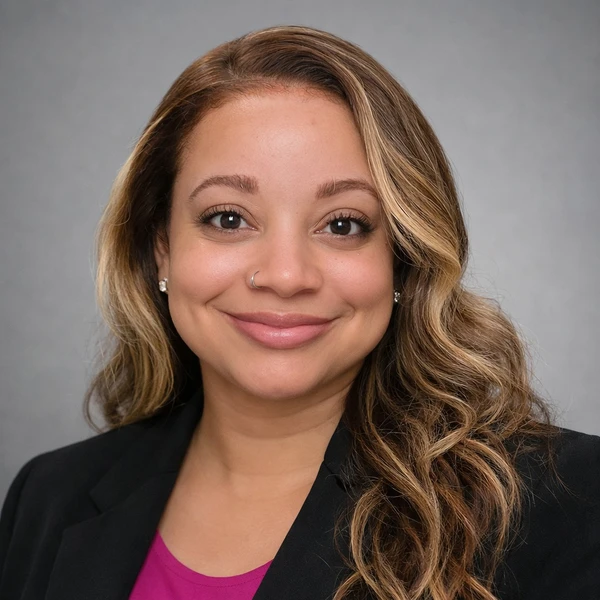
Gainesville, FL
Gender
Female
Ethnicity
Black/African
Hobbies and interests
African American Studies
American Sign Language (ASL)
Beach
Exploring Nature And Being Outside
Paddleboarding
Travel And Tourism
Reading
Dermatology
Food And Eating
Reading
Academic
Adult Fiction
Adventure
Action
Biography
Book Club
Cultural
Economics
Fantasy
Health
Historical
Literary Fiction
Psychology
Leadership
Self-Help
I read books multiple times per week
US CITIZENSHIP
US Citizen
Aneisia Pounds
1x
Finalist1x
WinnerAneisia Pounds
1x
Finalist1x
WinnerBio
I am an aspiring Pediatric Nurse Practitioner working towards my MSN and advocate for healthcare equity, focusing on sickle cell care and empowering my community while highlighting other marginalized and disenfranchised groups.
Education
University of Missouri-Columbia
Master's degree programMajors:
- Registered Nursing, Nursing Administration, Nursing Research and Clinical Nursing
GPA:
4
Southern Illinois University Edwardsville
Bachelor's degree programMajors:
- Registered Nursing, Nursing Administration, Nursing Research and Clinical Nursing
GPA:
2.9
Miscellaneous
Desired degree level:
Doctoral degree program (PhD, MD, JD, etc.)
Graduate schools of interest:
Transfer schools of interest:
Majors of interest:
Career
Dream career field:
Health, Wellness, and Fitness
Dream career goals:
Registered Nurse
SSM Cardinal Glennon, STL Children's Hospital, Boston Children's, Children's Hospital Colorado, Children's Hosp of Los Angeles, Children's Hosp Orange County, Sacramento Women & Children's, Morgan Stanley Children’s Hospital, University of Illinois2011 – Present15 years
Sports
Track & Field
Varsity2003 – 20074 years
Research
Health Professions and Related Clinical Sciences, Other
Children's Hospital Colorado, University of Colorado, Anschutz — Hemoglobinopathy Nurse Coordinator2019 – 2022
Public services
Advocacy
UF Health — Clinical Ambassador2022 – 2024Volunteering
St. Baldrick's Foundation — Ambassador2014 – Present
Future Interests
Advocacy
Politics
Volunteering
Philanthropy
Jean Ramirez Scholarship
The future we had planned together ended with a phone call I will never forget. One moment, I was living the life we had carefully started building, and the next, I was learning that my fiancé had died by suicide. In an instant, the plans we had made disappeared, leaving behind a void and grief that felt impossible to comprehend.
Before his death, we were preparing for the next chapter of our lives together. We were making wedding plans and saving to buy a home. After his death, those plans became painful reminders of a future that would never happen. The venues we had toured, the deposits we had placed, and the dreams we had suddenly felt unreal. Instead of moving forward together, I was faced with the reality of navigating grief alone.
The months that followed were the most difficult ones of my life. Suicide loss carries a unique kind of grief. In addition to sadness, it brings questions with no answers. I struggled with feelings of guilt and loneliness. I replayed conversations in my mind and wondered what I had missed that could have changed things. Learning to live with the unknown was the hardest part of the healing process.
Beyond the emotional toll, there were practical challenges I had to face alone. The financial commitments tied to wedding plans became my responsibility, turning what had once symbolized joy into a reminder of loss. At the same time, I was trying to maintain my professional responsibilities as a nurse while quietly carrying the weight of grief.
Grief also forced me to confront the reality that healing is not linear. There were days when moving forward felt possible, and other days when the loss felt as fresh as the moment I first heard the news. Seeking therapy became an essential part of my healing process. Through that work, I began to understand that grief does not disappear, but it can transform. Healing meant learning how to carry the memory of someone I loved while continuing to build a meaningful life.
This experience profoundly shaped the person and professional I am today. As a nurse, I care for patients and families who are often navigating the most difficult moments of their lives. Experiencing loss firsthand has deepened my empathy and strengthened my ability to recognize the emotional struggles that people carry silently. I have learned that sometimes the most important form of care is simply allowing someone to feel seen and supported in their pain.
Today, I am pursuing my graduate education to become a pediatric nurse practitioner. Continuing my education represents more than career advancement. It represents resilience and the decision to move forward with purpose despite the loss I experienced. The journey has not been easy, but it has strengthened my commitment to serving others with compassion and understanding.
The mission of the Jean Ramirez Scholarship to empower suicide loss survivors pursuing education resonates deeply with my journey. Education has been part of my own healing process, allowing me to transform grief into purpose. By continuing my work in healthcare, I hope to honor the memory of the person I lost while supporting patients and families who may be navigating their own experiences with grief and hardship.
While suicide loss will always be part of my story, it does not define the limits of my future. Through perseverance, reflection, and service to others, I have found resilience and hope in the face of tragedy. My goal is to carry that resilience forward and use my experiences to support others as they navigate their own paths toward healing.
Elijah's Helping Hand Scholarship Award
“There is no suffering greater than that which drives people to suicide; suicide defines the moment in which mental pain exceeds the human capacity to bear it.” Psychiatrist John T. Maltsberger used these words to describe the point at which emotional pain overwhelms a person’s ability to cope. For a period of my life, I understood exactly what that felt like.
Several years ago, my fiancé died by suicide. His death shattered the future we had imagined together and forced me to confront grief in a way I had never experienced before. Losing someone you love in that way leaves behind more than sadness. It leaves questions, silence, and a deep sense of disorientation about what life is supposed to look like moving forward.
In the months that followed, I struggled with my own mental health. There were moments when the weight of everything I was carrying felt unbearable. I had lost the person I planned to build my life with and the dreams and future we had imagined together. At the same time, I faced realities that few people around me fully understood. We had already placed deposits for a wedding that wouldn't happen, and the financial responsibility for those plans fell to me. As collectors called about debts tied to a life that no longer existed, grief collided with the financial pressure of rebuilding my life alone.
During that time, I was also navigating spaces where I was often the only Black woman in the room. In school, at work, and professional environments, I carried the weight of representation while questioning whether my efforts were truly valued or if I belonged. It was isolating to work tirelessly while watching others advance with fewer barriers. The combination of grief, financial stress, loneliness, and systemic pressures left me questioning my purpose and ability to keep moving forward.
There were moments when I considered ending my own life. At one point, I had even developed a plan that I could realistically carry out. The pain felt overwhelming, and I struggled to imagine a future that resembled the one I had once envisioned.
What ultimately kept me here was the understanding of the devastation suicide leaves behind. Having experienced the loss of someone I loved, I knew the depth of that pain. I could imagine passing that same grief to my parents and the people who loved me. Remembering that loss became the thread that held me in place during my darkest moments.
Over time, healing came through therapy, reflection, and rebuilding a sense of purpose. I learned that resilience does not mean avoiding pain. It means acknowledging it, understanding it, and choosing to keep moving forward despite it. Surviving that period reshaped how I understand mental health. It is not a weakness or something that should remain hidden. It is a critical part of wellbeing that deserves compassion, support, and open conversation.
My story is not defined by the pain I experienced, but by the decision to keep living with purpose. These experiences have deepened my empathy and strengthened my commitment to recognizing the emotional struggles that patients and families often carry silently. Mental health deserves the same compassion and advocacy as physical health. The mission of Elijah’s Helping Hand Scholarship resonates deeply with my journey. It honors the memory of a student whose life was lost to suicide while supporting students persevering through their own mental health challenges. Through my education and future work in healthcare, I hope to help create spaces where people feel seen, supported, and reminded that even in the darkest moments, hope can still be rebuilt.
Best Greens Powder Heroes’ Legacy Scholarship
The sacrifices of military families are often quiet ones. They appear in empty seats at dinner tables, in boxes packed every few years, and in the understanding that the mission sometimes comes before comfort. Growing up as the child of a military parent meant learning early that service does not belong to one person. It belongs to an entire family.
My father served in Desert Storm early in my childhood. I remember his absence more than the war itself. At the time, I did not fully understand where he was or what he faced, but I knew his work mattered, and it required time away from our family. Nearly three decades later, during the final years of his career as a full-bird Colonel, he deployed to Afghanistan. When he returned, I saw a different side of service. After thirty years in uniform, he came home visibly tired from decades spent leading and protecting others. I was able to spend three months with him as he transitioned back into civilian life, preparing for retirement. Watching him outprocess from active duty and adjust to life beyond the military gave me a deeper understanding of what long-term service demands, not only during war but in the years that follow.
Service impacted all decisions my parents made throughout my childhood, often prioritizing my stability over their convenience. One of the most meaningful sacrifices my father made came when he attended Air War College. Instead of PCSing to his next assignment, he intentionally timed that phase of his career so I could begin and complete high school in one place. For many military children, stability during those years is rare. My father found a way to advance his career while giving me something invaluable: continuity in my education, friendships, and community. It was a quiet act of sacrifice that reflected the thoughtful leadership he carried throughout his service.
My mother’s sacrifices were equally significant. She earned a Juris Doctor after meeting my father and attending graduate school together. However, military life required us to relocate approximately every three years. Practicing law would mean taking the bar exam in every state where we lived. Instead, she prioritized supporting our family through constant transitions while setting aside the legal career she trained for. Over thirty years, we moved more than ten times.
Within Black communities, families often rely on a trusted village of relatives, friends, and neighbors who help raise children together. Military life meant our village rarely stayed the same. Each move required rebuilding support systems. New schools, teachers, churches, and neighbors meant learning how to adapt and make strong first impressions. As a young Black officer navigating spaces where few people looked like him, my father carried the added pressure of representing both his family and his community with professionalism and excellence. I understood our actions reflected not only on ourselves, but on him as well.
These experiences shaped the values that guide me today. Adaptability, resilience, and commitment to service became second nature. As a pediatric nurse and future nurse practitioner, I care for children and families navigating some of the most difficult moments of their lives. Military life taught me how to remain steady in uncertainty, build trust quickly, and support families when stability feels out of reach.
The lessons I learned growing up in a military family continue to shape how I serve others. Just as my parents quietly supported a mission larger than themselves, I carry those same values into my work while caring for the next generation of children and families.
Tawkify Meaningful Connections Scholarship
One of the most meaningful relationships in my life was with my fiancé. Our relationship shaped the way I understand connection, grief, resilience, and the quiet ways people show up for each other. His sudden death by suicide changed my life in ways I never expected, but it also profoundly influenced how I relate to others and how I approach the work I do today.
Before that loss, I understood relationships mostly through the lens of shared experiences, support, and companionship. We were building a future together and making plans for the life we thought we would have. When he died, that future disappeared overnight. What remained was the deep realization of how much human connection matters, especially during moments of profound vulnerability.
Grief is an isolating experience. In the weeks and months that followed his death, I learned how powerful even the smallest gestures of connection can be. A friend is sitting quietly beside me. A message from someone who simply acknowledged the loss without trying to fix it. A coworker who stepped in to help when I could barely focus. These moments taught me that meaningful connection is not always about having the right words. Sometimes it is about presence, patience, and the willingness to sit with someone in their pain.
As a nurse working in pediatric hematology and oncology, these lessons have shaped the way I care for patients and families. The children and families I work with are navigating diagnoses that bring fear, uncertainty, and long periods of treatment. Medical care is essential, but the human connection between providers, patients, and families is just as important.
I have learned that families often remember how they were treated just as much as the treatments themselves. They remember who explained things clearly when they felt overwhelmed, who took the time to listen, and who made them feel like their child was more than a diagnosis. Those moments of connection build trust and help families feel less alone during some of the hardest experiences of their lives.
Losing my fiancé also changed the way I view resilience. For a long time, I believed resilience meant pushing through difficult situations without showing weakness. Over time, I realized that real resilience is often quieter. It looks like allowing yourself to grieve, accepting support from others, and continuing to move forward even when the path ahead is uncertain.
That perspective has shaped the way I build relationships with others. I try to approach people with more patience, more curiosity, and fewer assumptions about what they may be carrying privately. Everyone is navigating something that may not be visible on the surface. Recognizing that has made me more intentional about the way I listen and connect with others.
The relationship I had with my fiancé continues to influence my life in ways I did not expect. It reminds me that connection is not something to take for granted. It also reminds me that the way we show up for others, even in small ways, can have lasting meaning.
As I continue my education and work toward becoming a Pediatric Nurse Practitioner, I carry that lesson with me. My goal is not only to provide excellent clinical care but also to build genuine relationships with the patients and families I serve. Medicine requires knowledge and skill, but it also requires empathy, trust, and the ability to connect with people during some of the most difficult moments of their lives.
Human connection has the power to comfort, heal, and remind people that they are not alone. Because of the relationship that shaped me, I will always strive to bring that understanding into the way I care for others.
Women in Healthcare Scholarship
I chose to pursue a career in healthcare because it offers the opportunity to combine science, compassion, and advocacy in a way that directly improves the lives of others. Healthcare is one of the few professions where knowledge and human connection come together to support people during some of the most vulnerable moments of their lives. For me, nursing became the pathway through which I could make a meaningful and lasting difference in the lives of patients and families.
I currently work in pediatric hematology and oncology, a specialty that has reinforced my commitment to this field every day. Caring for children with cancer and serious blood disorders requires both clinical expertise and emotional resilience. Families facing these diagnoses are navigating fear, uncertainty, and complex medical decisions. In those moments, healthcare professionals become more than providers of treatment. We become educators, advocates, and a source of stability for families during an incredibly difficult time.
My experiences in pediatric oncology have also shown me the importance of strong female leadership in healthcare. Nursing has historically been a female dominated profession, yet women continue to be underrepresented in many leadership and decision making roles within healthcare systems. As I continue my education and training, I hope to help bridge that gap by stepping into positions where I can advocate for patients while also supporting the next generation of healthcare professionals.
As a woman pursuing advanced practice, I am currently working toward becoming a Pediatric Nurse Practitioner. This role will allow me to expand my ability to care for children with complex medical needs, improve access to specialized care, and help families navigate the healthcare system with greater clarity and confidence. My goal is to provide care that recognizes not only the medical condition a child is facing, but also the social, emotional, and family dynamics that influence health outcomes.
Representation also plays an important role in how I hope to make an impact. Patients and families benefit from seeing healthcare professionals who reflect the diversity of the communities they serve. As a woman of color in healthcare, I hope to contribute to a workforce that is more inclusive and culturally responsive. I also hope to mentor young women who may be considering careers in healthcare but may not yet see themselves reflected in these roles.
Women in healthcare have always been essential to advancing patient care, research, and community health. By continuing my education, advocating for patients, and supporting other women entering the field, I hope to contribute to a healthcare system that is not only clinically excellent but also compassionate, equitable, and accessible.
Pursuing a healthcare career is both a responsibility and a privilege. As a woman in this field, I am committed to using my education and experience to improve the lives of the patients and families I serve while helping shape a stronger future for healthcare.
Ruthie Brown Scholarship
Pursuing graduate education in nursing is an investment in both my career and the communities I serve, but it also comes with significant financial responsibility. As a graduate nursing student, I am actively working to balance the cost of my education while continuing to move forward in my professional goals. Addressing student loan debt requires both careful planning in the present and strategic decision-making about my career moving forward.
One of the primary ways I am managing the cost of my education is by continuing to work while enrolled in my program. I currently balance part-time and PRN nursing work alongside the demands of graduate coursework and clinical training. While this requires careful time management, it allows me to cover living expenses and reduce the amount I need to borrow for daily costs such as housing, transportation, and necessities.
I am also actively applying for scholarships that support nurses pursuing advanced education. Scholarships play a critical role in helping reduce the long term burden of student loans and allow students like myself to remain focused on completing our training. Every scholarship award directly offsets tuition and educational expenses, decreasing the amount of debt I will carry into my professional career.
Another strategy I use is maintaining a disciplined financial plan while in school. I prioritize essential expenses and avoid taking on unnecessary debt whenever possible. Graduate programs in healthcare often require additional costs beyond tuition, including textbooks, clinical equipment, exam fees, and licensing expenses. Being intentional about budgeting allows me to manage these costs while continuing to progress through my program.
Looking ahead, my long term career plan also plays an important role in addressing student loan debt. I am pursuing advanced practice training as a Pediatric Nurse Practitioner, which will expand my scope of practice and allow me to take on leadership roles in pediatric care. Advanced practice nursing provides opportunities for increased earning potential while also allowing me to advocate for improved healthcare access and outcomes for children and families.
I am also exploring loan repayment programs that support healthcare providers who serve communities with the greatest needs. Programs that offer loan assistance in exchange for service in underserved areas align closely with my career goals. They provide a meaningful way to reduce educational debt while also contributing to improving access to care for vulnerable populations.
As a BIPOC graduate student pursuing higher education while supporting myself financially, I understand the long-term impact that student loan debt can have on career choices and financial stability. By combining careful financial planning, continued employment, scholarship support, and service-oriented career pathways, I am working to minimize that burden while continuing to pursue my goal of becoming an advanced practice provider.
Investing in education should open doors to opportunity, not create barriers to long term stability. My approach to managing student debt reflects both determination and responsibility as I continue building a career dedicated to serving others.
VNutrition and Wellness Nursing Scholarship
Nutrition plays a fundamental role in overall health, yet it is often one of the most overlooked aspects of medical care. As a pediatric hematology and oncology nurse and future Pediatric Nurse Practitioner, I have seen firsthand how nutrition can influence recovery, growth, treatment tolerance, and long-term health outcomes. My nursing career will focus on helping families understand the critical connection between nutrition and health while providing practical guidance that fits within their daily lives.
In pediatric care, nutrition education must extend beyond simple recommendations. Families are often managing busy schedules, financial limitations, cultural preferences, and children who may be experiencing illness-related appetite changes. In oncology and other chronic conditions, nutrition can become even more complex. Children may experience nausea, taste changes, weight loss, or difficulty maintaining adequate intake during treatment. Supporting these families requires both clinical knowledge and an understanding of how to translate that knowledge into realistic strategies.
One of the most important steps I plan to take as a future provider is integrating nutrition education into routine patient encounters. Instead of treating nutrition as a separate topic addressed only when problems arise, I believe it should be incorporated into preventive care conversations early and consistently. Simple discussions about balanced meals, hydration, portion sizes, and reducing ultra processed foods can help families establish healthier habits before chronic conditions develop.
I also plan to emphasize family centered education. Children rarely control the foods that enter their homes, which means improving pediatric nutrition requires supporting caregivers as well. During clinic visits, I will work with families to identify small, achievable changes that can make a meaningful difference over time. This may include encouraging more whole foods, increasing fruit and vegetable intake, reducing sugar sweetened beverages, or helping families find affordable and accessible food options within their communities.
Education will also play an important role in my approach. Many families want to make healthier choices but are overwhelmed by conflicting information about nutrition. As a nurse practitioner, I plan to provide clear, evidence based guidance that helps families feel confident in the decisions they make for their children.
Beyond individual patient encounters, I hope to contribute to broader community education initiatives that promote healthy eating habits early in life. Childhood is a critical period for establishing lifelong behaviors, and improving nutrition during these formative years can significantly reduce the risk of chronic diseases such as diabetes, hypertension, and cardiovascular disease later in life.
Nursing is uniquely positioned to bridge the gap between medical knowledge and practical lifestyle changes. By combining clinical care with nutrition education, prevention strategies, and family support, I hope to empower patients and caregivers with the tools they need to build healthier futures. Even small changes in daily habits can have a lasting impact on a child’s health trajectory, and helping families make those changes is one of the most meaningful ways I can serve my community.
Michele L. Durant Scholarship
I am a pediatric oncology nurse and graduate nursing student pursuing advanced practice as a Pediatric Nurse Practitioner. My path to nursing has been shaped by a combination of service, resilience, and a deep commitment to improving care for vulnerable populations.
For the first thirty years of my life, I was a military dependent with an active duty parent in the United States Air Force. Growing up in a military family meant frequent transitions, adapting to new environments, and learning early how to navigate systems that were not always designed with families like mine in mind. That upbringing instilled in me a strong sense of discipline, adaptability, and service to others. It also exposed me to the realities many families face when trying to access consistent, compassionate healthcare while managing the demands of military life.
As a Black woman pursuing advanced education in healthcare, I am also aware of the broader structural barriers that exist for women of color in higher education and professional spaces. Representation matters in healthcare, not only for the workforce but also for the patients and families we serve. Patients deserve to see providers who understand the cultural, social, and systemic factors that influence health and access to care.
My career in pediatric hematology and oncology has reinforced this belief every day. Caring for children with cancer and serious blood disorders is both challenging and deeply meaningful. These families are navigating some of the most frightening moments of their lives while trying to understand complex diagnoses, treatment plans, and long term outcomes. In these moments, nurses play a critical role in translating medical information, advocating for patients, and supporting families as they make difficult decisions.
My goal as a future Pediatric Nurse Practitioner is to expand my ability to advocate for children with complex medical needs while helping families navigate the healthcare system with greater clarity and support. I am particularly interested in improving care coordination and access for children with chronic and life threatening conditions, especially those from underserved communities.
I also hope to use my experience and visibility to mentor and encourage other young women of color who are interested in pursuing careers in healthcare. Many students from underrepresented backgrounds do not see themselves reflected in leadership roles within medicine or advanced nursing practice. By continuing my education and stepping into those spaces, I hope to help change that narrative.
The legacy of Michele L. Durant resonates deeply with me. Her dedication to education, service, and lifelong learning reflects the same values that guide my own path. Like her, I believe education is not only a personal achievement but also a tool that allows us to uplift others and create lasting change.
Through my work in pediatric oncology, continued education, and mentorship of future healthcare professionals, I hope to make a meaningful impact in my community and contribute to a healthcare system that is more equitable, compassionate, and responsive to the needs of all patients.
Issa Foundation HealthCare Scholarship
Entering graduate training, I assumed that years of bedside experience had already prepared me for most of what I would encounter in advanced practice. As a pediatric hematology and oncology nurse, I have cared for children with complex diagnoses, administered high-risk therapies, and supported families through some of the most difficult moments of their lives. I believed that my clinical background would make the transition into the provider role feel natural. What I quickly learned is that medicine has a way of challenging even the most experienced clinicians.
During one of my early clinical rotations as a nurse practitioner student, I cared for a child with a complex chronic condition whose family had been navigating the healthcare system for years. From a clinical perspective, the visit seemed straightforward. We reviewed symptoms, medications, and labs while discussing the next steps in the treatment plan. However, as the conversation continued, it became clear that the family’s biggest concern was not simply the disease itself, but the overwhelming burden of managing care across multiple specialists, appointments, medications, and school disruptions.
In that moment, I realized how often healthcare systems focus on treating the diagnosis rather than fully understanding the daily realities families experience outside the clinic walls. As nurses, we often see these struggles at the bedside. As a provider in training, I began to understand how important it is to intentionally create space for those conversations during clinical encounters.
This experience challenged my assumption that good care is defined primarily by clinical accuracy or treatment plans. Those elements are essential, but they are only part of the picture. Effective care also requires listening closely, recognizing when families feel overwhelmed, and helping them navigate the system in ways that make care sustainable in their daily lives.
It also challenged my understanding of my own role as a developing provider. I began to see that advanced practice is not simply about gaining additional clinical authority or knowledge. It is about developing the judgment to recognize what patients and families truly need, even when it is not explicitly stated.
This moment reinforced the type of provider I hope to become. I want to combine strong clinical decision-making with the same presence and advocacy that first drew me to nursing. Families managing complex pediatric illnesses deserve providers who understand both the science of medicine and the human experience of living with disease.
Medicine will always be demanding and unpredictable. Experiences like this remind me that humility, curiosity, and compassion are not just ideals in healthcare but essential skills that shape how we care for people. As I continue my training, I carry that lesson with me, striving to become a provider who treats patients not simply as diagnoses, but as individuals whose lives extend far beyond the clinic.
Eric Maurice Brandon Memorial Scholarship
My decision to pursue nursing was shaped by both personal experiences and a deep awareness of the gaps that exist in healthcare. I was drawn to nursing because it allows me to combine science, advocacy, and human connection in a way that directly improves the lives of others. At its core, nursing is about showing up for people during some of the most vulnerable moments of their lives and helping guide them through uncertainty with knowledge, compassion, and strength.
I currently work in pediatric hematology and oncology, a specialty that requires both clinical precision and emotional resilience. Caring for children with cancer and serious blood disorders has reinforced my commitment to this profession. These patients and their families face life-changing diagnoses, complex treatments, and long journeys through the healthcare system. Being part of their care means not only delivering treatment but also helping families understand what is happening, preparing them for what comes next, and providing steady support when the path forward feels overwhelming. In this environment, nurses serve not only as clinicians but also as educators, advocates, and a consistent source of stability for families navigating incredibly difficult circumstances.
Eric Maurice Brandon’s service as a military nurse deeply resonates with me because service has been a defining part of my own upbringing. I was raised as a military dependent for my entire childhood, with an active duty parent whose service shaped our family life until I moved out to pursue my undergraduate nursing degree. Growing up in a military family instilled a strong sense of responsibility, adaptability, and commitment to something greater than oneself. Those values carried with me into nursing and continue to guide how I approach patient care today.
My experiences at the bedside have also shown me how important strong nursing leadership and advanced education are in improving patient outcomes. For that reason, I am pursuing graduate education to become a Pediatric Nurse Practitioner. My goal is to expand my ability to advocate for children with complex medical needs, improve access to specialized care, and help families navigate the healthcare system with confidence.
As the only one among my six siblings to complete college and pursue graduate education, my path has required determination and resilience. I currently support myself while balancing rigorous coursework, clinical training, and work. Despite these challenges, my commitment to nursing has never wavered, as I have seen firsthand the impact skilled and compassionate nurses can have on the lives of patients and families.
Nursing is more than a career to me. It is a responsibility to serve, advocate, and continue learning so that I can provide the highest level of care to those who need it most. I hope to honor the legacy of nurses like Eric Maurice Brandon by carrying that same spirit of service into my own practice and by making a lasting impact in the lives of the children and families I care for.
Ella's Gift
Resilience, for me, has not looked like pushing harder or pretending I am unaffected by hardship. It has looked like slowing down, learning my own patterns, and choosing to stay engaged with life even when it feels heavy. My journey with mental health has been evolving, shaped by grief, trauma, anxiety, functional depression, and burnout, and guided by committing to self-awareness and healing.
For much of my life, I did not recognize my experiences as anxiety or depression. I functioned well on the surface, meeting expectations and responsibilities, while internally struggling with negative self-talk, self-blame, and emotional avoidance. I could identify feelings and name them, but I did not know how to sit with them or work through them. I learned early how to carry burdens quietly and take responsibility for things that were never mine to shoulder.
Everything shifted after the loss of my fiancé to suicide. Grief became unavoidable, and the state I was left in forced me to confront how deeply my mental health affected every part of my life. The hardest part was not the sadness alone, but learning how to feel without immediately shutting down or assigning fault to myself. It took time before I sought therapy, but when I did, it became a turning point. Working with a therapist helped me recognize patterns of self-blame, distorted thinking, and how my internal dialogue directly shaped my motivation, confidence, and academic performance.
Through that work, I learned that depression does not always look like disengagement. For me, it often appeared as overthinking, catastrophizing, and convincing myself I would fail before I even began, and that belief became self-fulfilling. Understanding this pattern allowed me to interrupt it. I am now more resilient, resourceful, and self-aware than I was at my lowest point. I do not aim for perfection. I aim for honesty and consistency.
Recovery, to me, is not a finish line. It is the period after an acute event where healing actually happens. It is the willingness to be vulnerable, to ask for help, and to acknowledge feelings rather than avoid them. I remain in therapy as a form of health maintenance, not crisis response. I rely on routines, medication management, intentional rest, and realistic expectations of myself. I pay close attention to language, both my own and others’. When I hear words that signal hopelessness or defeat, I slow down and lean in rather than looking away.
My mental health journey has deeply influenced my academic goals. I am pursuing my education not despite these experiences, but because of them. I am working toward becoming a pediatric nurse practitioner with a focus on hematology and oncology. Pediatric patients and their families exist in an especially vulnerable state, often building relationships with providers that last for years. I want to be a safe, supportive presence during critical stages of growth and development, helping children and families build emotional resilience early so they are better prepared as adults.
I have seen how neglecting mental health affects individuals, families, and entire communities. That awareness motivates me to show up differently as a provider. It shapes how I listen, how I educate, and how I advocate. I believe healing begins when people feel believed, respected, and supported.
Maintaining my recovery requires intention. I block time for sleep, studying, rest, and reflection. I take time alone to reset, recognizing that solitude restores my energy. My support system includes my dad, long-standing friends from college, and coworkers who have shared demanding and emotionally complex environments with me. I no longer view rest as weakness or therapy as failure. They are tools that allow me to keep going.
Receiving this scholarship would alleviate significant financial anxiety related to tuition, debt, and basic living expenses. Reducing that burden would allow me to focus fully on learning, clinical growth, and maintaining my mental health without the constant pressure of financial survival. It would support not only my education, but my stability.
Ella’s story represents determination, vulnerability, and the will to keep fighting. My own fighting spirit looks like choosing to stay present, committed to healing, and dedicated to building a future where my experiences become a strength rather than a setback. I continue forward with intention, empathy, and the belief that growth is possible, even after profound loss.
Healing Futures Scholarship
The lack of diversity in healthcare is not an abstract problem. It's evident in exam rooms, hospital hallways, and clinical decisions every day. As a Black American woman working in healthcare and now pursuing graduate training, I have experienced this divide from multiple angles, both as a professional whose expertise is sometimes questioned and as a trusted presence for patients who finally feel seen.
Implicit bias has followed me throughout my career. I have been assumed to be inexperienced, mistaken for someone outside of my role, or required to prove my expertise in ways my peers were not. At the same time, I have witnessed the profound impact representation can have. I have had Black families tell their children that they can grow up to be just like me. I have cared for patients who opened up because they sensed I would not judge them or dismiss their pain. This has been especially evident in conditions like sickle cell disease, where Black patients are often doubted, labeled as exaggerating, or accused of seeking secondary gain rather than receiving compassionate, evidence-based care that acknowledges both physical and emotional suffering.
We need more Black providers, particularly in areas where disparities are driven by genetics, history, and systemic neglect. Sickle cell disease, cardiology, maternal health, and mental and behavioral health are all fields where outcomes are directly shaped by bias, mistrust, and lack of advocacy. Navigating a healthcare system that was never designed to support Black communities requires not only clinical knowledge, but cultural insight and lived understanding.
Cultural specificity in my work begins with self-awareness. I actively check my own biases each day and approach patients with cultural curiosity rather than assumptions. This includes understanding spiritual practices, dietary needs such as halal considerations in healthcare, and the ways faith and community can strengthen adherence to treatment plans. I can code-switch and translate what patients are communicating in their own dialect into language that providers unfamiliar with their cultural context can understand. This skill alone can prevent misinterpretation, frustration, and missed diagnoses.
I also practice with an awareness of the structural barriers my patients face. Transportation challenges, insurance limitations, missed work, and fear of retaliation all influence whether someone can access care. I intentionally cluster appointments, advocate for appropriate documentation for schools and employers, and think critically about how healthcare demands intersect with economic survival. I move more slowly to judge and faster to ask why.
As a future advanced practice provider, I plan to consistently show up and consistently follow up. Too many patients are lost to systems that fail them because no one takes ownership. I want to be the provider who cares enough to close that gap.
Women’s health is a central part of this mission. Women’s bodies and reproductive rights have long been governed by systems not designed for them, particularly Black women. Providing culturally informed care early in life for girls, maintaining continuity through adolescence and young adulthood, and teaching them how to nourish and care for their bodies despite social and economic barriers is essential to long term health outcomes.
Someone before me fought for my right to learn, to practice, and to lead in healthcare spaces. I carry that legacy forward by advocating for policy change, quality improvement, and data that validates what Black communities have voiced for decades. Cultural competence is not optional, it is lifesaving.
James T. Godwin Memorial Scholarship
Growing up as the child of an active-duty Air Force officer meant that service was not something I learned about in history books. It was something I lived every day. My dad served over thirty years in the United States Air Force, retiring as a Full-Bird Colonel after deployments that included Desert Storm and Afghanistan. His career shaped not only our family’s geography, but also our values, our routines, and the way I learned to show up in the world.
One of my earliest and most lasting memories is visiting my dad at his office when I was a child. What stood out to me most was not the building itself, but the way people spoke to him and the way he spoke to them. There was a quiet authority in his presence and a deep respect that flowed in both directions. As a child, it was inspiring and humbling to witness leadership modeled with integrity and consistency. Colonel P was young for his rank and held many command positions, yet he never carried himself as above others, and that lesson stayed with me.
Our home reflected that same philosophy. On Thanksgiving, we often invited enlisted troops who were far from home to join us. I was young and spent those days cooking, setting the table, and listening to stories. My dad would play pickup basketball with them on weekends, meeting them where they were and reminding them that leadership also meant community. He often told us, “If you love what you do, you will never work a day in your life.” Watching him live that belief taught me that service and fulfillment can coexist.
Military life also came with sacrifice. When my dad attended Air War College in Alabama, it was so I could finish high school in one place. Shortly after, he was stationed in Texas, and then overseas to South Korea, just as I began college. I chose a university that would be close to my parents, only to spend four years of undergrad navigating adulthood while they lived overseas. The hardest moments were holidays and long weekends, when everyone else went home, and I stayed behind. I was welcomed by friends, but it was never the same as being home.
That experience forced additional independence. I found support in a family I once babysat for, relationships that have endured since 2002, and became chosen family. After my first semester of college, I realized how deeply my dad’s daily structure had shaped me. I built routines rooted in discipline, self-accountability, and consistency, many of which I still use today.
Seeing the Colonel after retirement has been equally impactful. He is more open, more conversational, and remains endlessly curious. He earned a new bachelor’s degree in American Sign Language and continues taking classes at the University of Texas. I am proud of his commitment to growth and his willingness to evolve with society and younger generations. Our relationship has grown into one of mutual respect, open dialogue, and companionship.
Being a military dependent taught me adaptability, resilience, and resourcefulness. My father’s service was a sacrifice, but one that allowed our family to learn about the world, grow individually and as a collective, and evolve our identities with a solid foundation. His example continues to shape my ambition, my drive, and my commitment to making an impact through service in my own life.
No Essay Scholarship by Sallie
Skin, Bones, Hearts & Private Parts Scholarship for Nurse Practitioners, Physician Assistants, and Registered Nurse Students
My motivation for pursuing advanced education comes from a deep desire to serve children and families with the highest level of skill, compassion, and understanding. Working as a pediatric hematology and oncology nurse opened my eyes to the emotional and physical challenges families face when their child is navigating a chronic or life-threatening illness. I realized that while I was able to provide strong bedside care, there were times when I wanted to offer more. I wanted a deeper clinical foundation, a broader scope of practice, and the ability to guide families through complex decisions with confidence. That realization is what pushed me to pursue my Master of Science in Nursing to become a Pediatric Nurse Practitioner.
My early years in nursing also shaped this motivation. I began in adult medical surgery, and I quickly recognized how many adults were trapped in a cycle of chronic disease without proper support. Many of my patients did not have access to the medications or follow-up care they needed to stay healthy. Their conditions worsened not because they were unwilling to care for themselves, but because the system around them failed to meet them where they were. I felt helpless watching preventable complications turn into lifelong consequences. Those experiences taught me that strong, accessible, patient-centered education is just as important as medical treatment.
When I transitioned into pediatric oncology, everything clicked. I met a teenage boy who changed the course of my career and solidified my commitment to becoming a pediatric provider. He was newly diagnosed with leukemia, terrified, and trying to make sense of a future he did not ask for. We learned his treatment plan together, and I supported him through some of the hardest nights of his life. His courage pushed me to grow. He taught me what it means to show up for someone with your whole heart. Since then, every patient has reinforced my purpose. I want to be a provider who listens, who advocates, and who stands with families when the road ahead feels overwhelming.
Pursuing advanced education as an adult learner has not been easy. I work full-time, manage a home on a single income, and carry the financial responsibility of supporting myself while enrolled in graduate school. Each semester requires careful planning, strict budgeting, and sacrifices that often stretch me thin. Even so, I remain committed to completing this degree because I know the impact it will have on the children and families I will care for in the future.
This scholarship would ease the financial burden that comes with graduate education. It would allow me to focus more of my energy on my studies and clinical training rather than on the stress of how to manage tuition and rising living costs. Financial support would give me the breathing room I need to continue growing as a student, a nurse, and a future Pediatric Nurse Practitioner.
My goal is to expand access to compassionate, evidence-based, culturally informed care for children with chronic illnesses. Earning this degree will allow me to serve my community in a greater way and to honor the patients and families who inspired me to pursue advanced practice in the first place.
Dashanna K. McNeil Memorial Scholarship
My decision to pursue an advanced nursing degree came from a growing feeling that I had more to offer and that my impact as an RN had reached its limit. I loved my work, especially in pediatric hematology and oncology, but I often felt that I only had part of the picture. I wanted the deeper understanding, the advanced skill set, and the clinical authority needed to care for children and families on a higher level. I wanted to match the responsibility I carried with the education that would help me serve with confidence and clarity. That desire is what led me to pursue my Master of Science in Nursing with the goal of becoming a Pediatric Nurse Practitioner.
Over the years, I learned that nursing is not just a career for me. It is a reflection of my values, my lived experiences, and the people who shaped me. My younger brother has complex medical needs, and supporting him taught me how important it is to have providers who are patient, knowledgeable, and willing to listen. Later, when I became a pediatric oncology nurse, I met young patients who changed me in ways I never expected. They showed me the strength that exists inside fear, and they taught me what it means to show up fully for someone who is fighting for their life. Those experiences, both personal and professional, are the foundation that pushed me back into the classroom.
Pursuing an advanced degree as an adult has been challenging. I work full-time, I manage a household on my own, and I balance coursework that demands real focus. I had to relearn how to study, how to prioritize, and how to trust my ability to grow again. There were moments in my first semester when I questioned whether I could do it. But every time I thought about quitting, I reminded myself why I started. I thought about the families who sit across from providers waiting for clarity. I thought about the teens with chronic illness who need someone who will advocate for them. I thought about the younger version of myself who wanted to make a difference but did not yet know how.
My goal as a future Pediatric Nurse Practitioner is to expand access to compassionate, evidence-based, culturally aware care for children and families who often feel overlooked. I want to work in communities where chronic illnesses like sickle cell disease are misunderstood and under-resourced. I want to build programs that reach families beyond the hospital and provide support in schools, clinics, and community spaces. I also want to help create education and outreach that improves health literacy and empowers parents to advocate for their children.
Long term, I hope to serve not only as a provider but also as a mentor. Representation matters, and I want to encourage other women, especially women of color and women returning to school later in life, to see what is possible for them. Nursing needs more voices, more perspectives, and more leaders who understand the communities they serve.
Pursuing this advanced degree is my way of honoring the patients I have cared for and preparing myself to care for future families on a deeper level. I am committed to continuing my education with intention, purpose, and a heart for service. Becoming a Pediatric Nurse Practitioner is not just a professional goal for me. It is the next step in the work I am meant to do.
Jean Gwyn Memorial Student Loan Repayment Scholarship for Oncology Nurses
WinnerMy journey into oncology nursing began by accident, although looking back, it feels like something greater was guiding me. I started my career in adult med-surg. Each shift, I felt a strange sense of deja vu as the same patients were readmitted with the same problems. I cared for adults with diabetic foot ulcers that never healed, not because they were careless, but because they could not afford the insulin or the follow-up care required to prevent those complications. I saw people struggle with transportation, housing, and basic needs. What broke my heart most was how little hope they were given. It felt as if hope itself was being rationed. After a while, I felt burnt out and hopeless.
I applied to a general pediatric position, looking for a fresh start, and during my interview, I learned the only opening left was in pediatric oncology. I told myself I would give it six weeks, and if I hated it, I would leave nursing altogether and go back to school for something entirely different. I walked into that unit with curiosity, caution, and an exit plan.
Four weeks later, everything changed.
I met a teenage boy who had just been diagnosed with acute lymphoblastic leukemia. He was scared, overwhelmed, and trying to make sense of the life he suddenly had to fight for. We learned his roadmap together. Whatever I learned, I shared with him and his family. We built trust one night shift at a time. One time, I found him in the middle of relentless vomiting that would not stop. The only thing I could do was hold his head, keep a cold cloth on his neck, and stay with him through each wave of nausea. I told him that if he did not quit, then neither would I. A week later, we made a pact. If he could give me one smile a day during his hospital stays, I would shave my head in solidarity at the annual St. Baldrick's Foundation Fundraiser. He took that deal seriously. He challenged me, pushed me, and kept me sharp. He taught me what real courage looks like.
From that moment forward, I never looked back. Pediatric oncology became my calling. Over the years, I have met different versions of that young man. Some survived and grew into adults I still keep in touch with. Some did not. I have celebrated victories, held hands through devastating conversations, and witnessed the strength of families who never imagined they would need to fight so hard. Every single one of them has shaped the person I am today and the way I care for my patients and their families.
Oncology nursing is challenging in a way that is difficult to explain. It demands emotional presence, clinical precision, and the ability to sit in heartbreaking moments with grace. Yet the rewards are beyond anything I could have imagined. There is no greater honor than helping a child and their family feel safe, supported, and understood through the hardest season of their lives.
Managing student loan debt while serving in this specialty can be difficult. Receiving support through this scholarship would ease a burden that often weighs heavily on all nurses. It would allow me to continue this work with the focus and energy my patients deserve.
I entered oncology by chance, but I remain here by choice. This field has changed me, strengthened me, and given me purpose. I am committed to carrying that purpose forward with compassion, courage, and unwavering dedication.
Susie Green Scholarship for Women Pursuing Education
The courage to return to school did not come from one dramatic moment. It grew slowly as I realized that I had reached the limit of what I could do as an RN and that I had more to give. I was working as a clinical nurse leader in a role that required a graduate degree, and even though I was performing well, I wanted the education and credentials to match the responsibility. I started taking free online courses in nursing leadership, and each lesson felt like a missing puzzle piece falling into place. I could feel myself expanding again. Two colleagues encouraged me, helped me with applications, and reminded me that I was ready. I applied to two schools, was accepted, and everything moved quickly from there.
My greatest fear has always been the unknown, and I have always tried to combat that fear through learning. Whether it is history, navigation, recipes, or formal classes, I want to understand things deeply. Returning to graduate school meant stepping directly into uncertainty. I had never taken an online course for a grade, and I worried about discipline, structure, and whether I could balance everything. My first semester was challenging, and I questioned myself more than once. Each time I felt overwhelmed, I reminded myself that growth never comes from staying comfortable.
My courage came from the people who believed in me. My colleagues reflected a version of myself that I had not fully seen. They reminded me that I had already been operating at an advanced level. Their confidence helped me take the first step, and once I began, I refused to let fear make decisions for me.
Returning to school as an adult felt very different from when I was younger. My learning style has changed, and technology has changed along with it. I had to adjust and unlearn habits that no longer served me. But I approached school with maturity and a clear understanding of why this mattered. I no longer saw education as something I had to complete. I saw it as an opportunity that could shape my future and the way I care for others.
I also knew that my old path had become too familiar. I could feel myself becoming comfortable, and that feeling unsettled me. Comfort can slip into complacency, and complacency can lead to mistakes. I wanted to stay sharp and curious. I wanted my competence to match my credentials and to care for patients at a higher, more complex level.
This journey has not been easy. I worked full-time while managing a heavy course load. I navigated financial strain during a difficult economy. I battled the urge to overperform and the pressure to take care of everyone before myself. I had to learn that perfection is not the only measure of progress. Sometimes progress is simply continuing to show up.
My vision for the future keeps me grounded. I want to become a Pediatric Nurse Practitioner who expands access to compassionate, culturally aware care for children with chronic illness. I want to build programs that serve communities directly and mentor women who are returning to school later in life and need someone to remind them that it is not too late.
The courage to go back to school came from support, self-reflection, and the belief that I am not finished growing. I returned because I know I am still becoming who I am meant to be.
Community Health Ambassador Scholarship for Nursing Students
Nursing became the place where everything in my life finally made sense. It is the field where my compassion, my resilience, and my desire to advocate for others all come together. I did not grow up planning to be a nurse, but my lived experiences slowly shaped me into someone who could not imagine doing anything else. Every challenge, every moment of loss, and every person I have cared for has pushed me closer to this path and confirmed that it is exactly where I belong.
My decision to pursue a nursing degree started with my younger brother. He joined our family through adoption when I was already stepping into adulthood. He is deaf, has autism, along with some complex medical needs. Getting to know him meant learning to communicate in new ways, to advocate for him, and to support him emotionally as he navigated a world not designed with his needs in mind. Caring for him opened my eyes to the quiet heaviness families carry and the relief they feel when someone in healthcare simply listens. That experience changed me in a permanent way. It taught me compassion, patience, and the importance of truly seeing people.
Later, I experienced the sudden loss of my high school sweetheart, who was also my fiancé. His death shifted everything in my world. Grief forced me to grow up quickly and see life through a completely different lens. It taught me that people often carry pain that no one notices and that mental and emotional health deserve the same care and attention as physical health. These experiences made me want to be the kind of nurse who makes people feel safe enough to share their truth and supported enough to keep going.
Working in pediatric hematology and oncology strengthened that calling. I have cared for children facing cancer, sickle cell disease, and life-altering diagnoses that most adults could not imagine. Their resilience inspires me every day. Their families remind me that kindness, clarity, and presence matter just as much as technical skills. I chose to pursue advanced practice so I can continue to serve these communities at a higher level. I want to expand access to care, reduce barriers for families who feel unheard, and offer care that is compassionate and culturally aware.
I do not believe healthcare should only take place inside the walls of a hospital or clinic. That is why community involvement is important to me. I volunteer with the sickle cell community by helping with events, school advocacy, and family support. I participate in St. Baldrick’s fundraising and have shaved my head to raise money for pediatric cancer research. I show up wherever families need support because I believe that real care must reach into the places where people actually live.
As a nurse and future Pediatric Nurse Practitioner, I hope to give my community what it deserves. I want to build programs that provide education, early mental health support, and resources for children living with chronic illness. I want to be a mentor for young women, especially women of color, who want to enter healthcare but do not know where to begin. I want to lead with empathy, advocate with confidence, and always remember why I started this journey in the first place.
Nursing is not just a career for me. It is my purpose, my offering to the world, and my way of creating change that lasts.
Christina Taylese Singh Memorial Scholarship
Christina's story resonates deeply with me. Christina represents the essence of what it means to dedicate oneself to healthcare: resilience, sacrifice, and the desire to make life better for others. In pursuing my own career in pediatric nursing, I carry that same drive to honor not only the patients and families I serve but also trailblazers like Christina, whose journey reminds us that our time in this profession is both precious and purposeful.
My name is Aneisia, and I am a pediatric hematology/oncology nurse currently pursuing my Master of Science in Nursing to become a Pediatric Nurse Practitioner. As the only one of six children to complete a college degree and the only one pursuing graduate studies, I have carried the responsibility of forging a new path. I work two jobs, manage a home on a single income, and study at the graduate level, all while serving patients and volunteering in the community. These responsibilities are demanding, but they have taught me perseverance and deepened my commitment to advancing in the healthcare field.
My passion lies in caring for children with cancer and sickle cell disease. two populations that require not only clinical expertise but also compassion and advocacy. These children and their families face unimaginable challenges, and I consider it both a privilege and responsibility to walk alongside them. Their resilience fuels me daily, reminding me why I chose this path. I see nursing as more than a career. It is a calling to combine skill with humanity, ensuring that patients feel seen, heard, and supported.
Beyond the bedside, I dedicate time to community service. I volunteer with the sickle cell community, planning events, educating families, and working with schools to spread awareness. I also support St. Baldrick’s Foundation, shaving my head to raise funds for pediatric cancer research. These experiences reinforce my belief that healthcare extends far beyond hospital walls. It is about tackling disparities, educating communities, and shaping systems that allow children and families to thrive.
My short-term goal is to expand access to quality healthcare for underserved pediatric populations as a Nurse Practitioner. Long-term, I aspire to lead initiatives that address inequities, build education programs, and advocate for policies that improve care for children living with chronic illness.
Winning this scholarship would not only ease the financial burden of graduate school but also honor Christina Taylese Singh’s memory by continuing the work she was unable to complete. Like her, I am determined to leave an impact that extends beyond myself, improving lives and creating opportunities for others to live with dignity, hope, and healing.
Sloane Stephens Doc & Glo Scholarship
My journey into nursing was shaped by both personal experience and community responsibility. As the only one of six children to complete a college degree and the only one pursuing graduate studies, I have carried the weight of creating a different path, not only for myself but also as an example for those who come after me. After graduating from undergrad, I experienced the profound loss of my partner. That season of grief was heavy, but it also pushed me to take a bold step forward. I began travel nursing to move out of a space and place that held constant reminders and the pain of my grief. In doing so I discovered both new communities and a deeper sense of independence.
Early on, I found my calling was to serve others, particularly children. Nursing became the bridge between my natural ability to nurture and to advocate for those voices often unheard. I work in pediatric hematology and oncology. These children remind me every day that courage does not always come in loud declarations; sometimes it is found in the quiet bravery of showing up for treatment, enduring pain, or learning how to live with a chronic condition. Their resilience inspires my own, and fuels my commitment to walk alongside them as both a provider, teacher, and advocate.
Beyond the hospital walls, I pour my energy into community service. I volunteer with the sickle cell community, planning events, educating families, and partnering with schools to increase awareness. I also support St. Baldrick’s Foundation, shaving my head to raise funds for pediatric cancer research. My involvement with these organizations reflects my belief that healthcare is not confined to the clinic or hospital setting, but it extends into education, advocacy, and systemic change.
Academically, I am pursuing my Master of Science in Nursing with a focus on becoming a Pediatric Nurse Practitioner. My short-term goal is to transition into advanced practice, where I can expand access to quality healthcare, particularly for underserved children and families. Long-term, I aspire to lead initiatives that address health disparities, develop patient education programs, and shape policies that improve care for children with chronic illnesses. I believe that nurse practitioners have a unique ability to combine clinical expertise with a holistic, compassionate approach that empowers patients and families.
Outside of nursing, I value curiosity and adventure. I am a certified scuba diver with more than 20 dives under my belt, and I plan to keep going. With 70% of the earth covered in water, I often remind myself that we are missing 70% of the views when we only stay on land. Diving allows me to see the world from a perspective few experience. It is a constant reminder that there is always more beneath the surface, waiting to be explored. That mindset also carries into my work and education: I am driven to look deeper, to find solutions where others may only see barriers, and to uncover possibilities for growth in myself and the communities I serve.
What drives me is the belief that every challenge can be transformed into an opportunity. My story is not just about surviving difficulties but about choosing to rise, give back, and create change. Winning the Doc & Glo Scholarship would not only lighten my financial burden as a single-income graduate student but also affirm the values my own community has instilled in me—resilience, kindness, and self-belief. It would allow me to continue moving toward my dream of ensuring that every child, regardless of background, has the opportunity to thrive.
Qwik Card Scholarship
Money has always been a motivator for me. Growing up, my parents quickly learned that traditional punishment didn’t work. Instead of being grounded, I received citations with matching fines for my offenses. Missing curfew in 2004 cost me $20. At that time could fill my gas tank, buy dinner for two, or cover movie tickets for four. Looking back, that unique approach taught me that money carries weight, but it didn’t necessarily teach me healthy money habits. Those lessons came later, when I had to navigate financial independence on my own.
One of the most pivotal moments in my financial journey came when I took out a personal loan to attend my fiancé’s out-of-state funeral. It was a difficult time emotionally and financially, and it took me two years to pay off that loan. During that period, I learned firsthand the realities of interest, repayment schedules, and the burden of debt. It was a turning point in how I viewed credit. It is not just borrowed money, but it's a financial responsibility that required discipline and planning.
Since then, I’ve consistently held two jobs throughout my career. One has always been dedicated to covering necessities, while the other provides for savings and “extras.” This structure has given me the ability to build financial security and make long-term investments. For example, I was able to purchase a home using funds from my Roth IRA for the down payment, taking advantage of its tax-free benefits. Today, that home has become a rental property that provides housing for other travel nurses like myself. It was a money move that allows me to generate income while helping peers in my profession.
My work ethic reflects the same determination. I once worked a hospital strike during what should have been my birthday vacation. While many people would have chosen rest, I saw the opportunity to align my time off with the hospital’s urgent needs, allow the staff time to negotiate for a better environment, and earn additional income. It’s decisions like these that have shaped my financial stability and reinforced the importance of making strategic choices, even when they come with sacrifice.
I take pride in my credit score and the opportunities it opens up. To me, credit is not just a number, it’s a ticket to financial freedom, security, and future possibilities. I don’t obsess over it, but I monitor it carefully. I’ve maintained a record of 100% on-time payments since the first time I borrowed, and I make sure I am always aware of my debts and obligations. Building and maintaining good credit is important to me because it represents trust, reliability, and the ability to create a better future for myself and those I support.
At the heart of my financial journey is who I am. I am someone who has faced loss, learned resilience, and chosen to take control of my future. I am motivated not just by money, but by the stability, opportunities, and independence it brings. Good credit is more than a personal achievement. It is a tool that allows me to pursue education, provide for others, and build the kind of life that reflects the hard work I’ve put in.
MJ Strength in Care Scholarship
My journey into nursing has been shaped by both personal experiences and a deep belief that care extends far beyond medications and procedures. I grew up watching my grandmother, who was a nurse, embody strength, compassion, and resilience. Her influence planted the first seeds of curiosity in me. She showed me that nursing was not only a profession but also a calling rooted in service and advocacy. Years later, my career and life experiences have confirmed that nursing is where I am meant to be.
My path has not always been straightforward. I am the only one of six siblings to complete college and pursue graduate studies. Along the way, I became financially independent at a young age, balancing multiple jobs to support myself. That determination carried into my nursing career, where I have consistently worked two jobs one to cover my necessities and one to cover non-essentials but important leisure activity for balance. These sacrifices have built not only my financial security but also my strength, teaching me ambition and drive.
Professionally, I found my passion in pediatric hematology/oncology, specifically in sickle cell care. Working with children and families facing these difficult diagnoses has shown me both the fragility and the resilience of life. I have witnessed how a child’s smile, even during a pain crisis, can light up an entire room. I have also seen how fear, uncertainty, and stigma can weigh heavily on families. These moments have shaped my belief that nursing is not just about treating illness, but about supporting the whole person physically, emotionally, and spiritually.
One of the most rewarding experiences of my journey has been educating families and advocating for better care. I have led community outreach events to raise awareness of sickle cell disease, coordinated wellness fairs to promote oral hygiene and preventive care, and worked to connect families with resources that improve their daily lives. Through these experiences, I realized how powerful nurses can be as educators and advocates. That realization led me to pursue my graduate studies to become a Pediatric Nurse Practitioner. My goal is to combine clinical expertise with advocacy to reduce disparities, improve health literacy, and empower families in underserved communities.
What keeps me motivated is knowing that the work I do today will ripple into the future by shaping healthier outcomes for children and strengthening the communities they grow up in. To me, nursing is not just a career, but a lifelong commitment to impact.
Outside of nursing, I have passions that bring balance and joy to my life. Volunteering is one of them. I am deeply involved with St. Baldrick’s Foundation, shaving my head to raise awareness and funds for pediatric cancer research. Travel is another passion. I cherish opportunities to explore new places and cultures, whether it’s volunteering abroad, planning trips for family, or creating memories with my younger brother. Travel keeps me curious, open-minded, and connected to the world beyond my daily routine. 70% of the earth is covered in water, we are missing 70% of the views. So, I became a certified SCUBA diver and have seen the most incredible things under the surface and recommend at least snorkeling to everyone I know.
Creativity is another outlet for me. I love home improvement projects, especially tackling them with power tools. As a homeowner, I have taken pride in repairing, building, and transforming my space with my own hands. These projects remind me that growth comes through patience, much trial and error, and celebrating small victories along the way.
Ultimately, what inspires me is the chance to combine all of these pieces—my professional experiences, my personal resilience, and my passions outside of work—into a meaningful career that makes a difference. Nursing has given me purpose, but it has also given me the perspective that even in the hardest moments, kindness, connection, and advocacy can change lives. That is what drives me as a caregiver, and it is what I will continue to carry with me as I step into the future.
Autumn Davis Memorial Scholarship
Mental health has influenced every part of my nursing journey, shaping the way I care for patients and advocate for families. Working in pediatric hematology/oncology, I have witnessed firsthand how mental health is intertwined with physical health. Children facing chronic illnesses experience more than pain or hospitalizations. They carry the weight of anxiety, fear, and social isolation. Their parents balance medical decisions with sleepless nights, financial stress, and the constant worry of “what’s next.” These experiences have taught me that caring for patients means addressing not only their bodies, but also their minds and hearts.
One moment that stands out in my career involved a teenager with sickle cell disease who had frequent hospitalizations for pain crises. On the surface, it seemed like a case of poor adherence to treatment. But when I sat down with him and listened, I realized the deeper issue: he was battling depression and had lost hope that the medications and monitoring we offered him could make a difference. That conversation changed how our team approached his treatment plan. We coordinated with social work, arranged counseling, and built a support network that made him feel seen beyond his diagnosis. His health improved, not just because of new medications, but because someone acknowledged his mental well-being as a core aspect of his care.
Experiences like this have deeply influenced my personal and professional convictions. I believe that health care cannot be siloed. Mental health and physical health must be addressed together. I have also learned the power of advocacy. I often see families who are hesitant to speak up about emotional struggles because of stigma, cultural barriers, or fear of judgment. As a nurse, I have made it my mission to normalize those conversations, reminding families that seeking mental health support is not a weakness but a crucial part of healing and their right as a patient receiving any kind of care.
These beliefs have shaped my career goals as I pursue my path to becoming a Pediatric Nurse Practitioner. I want to strengthen the bridge between medical and mental health services, especially for children with chronic illnesses who are at high risk of depression and anxiety. I plan to implement routine screenings for mental health concerns, integrate counseling referrals into standard care, and develop family-centered education that empowers parents to recognize signs of emotional distress early. Beyond individual patient care, I hope to advocate for broader policies that protect access to mental health resources and expand services in underserved communities.
My vision for the future is a health care system where no child feels reduced to a diagnosis and no family feels alone in their struggles. I want my patients to know that their voices matter, their mental health matters, and that they are cared for as whole people. By continuing to combine clinical expertise with advocacy, I believe I can help create a future where mental health is valued as much as physical health and where every child has the chance to thrive.
Priscilla Shireen Luke Scholarship
Giving back is something that has always been important to me, both personally and professionally. I do not believe you have to wait until you have “arrived” to start making a difference. I believe in doing what you can, where you are, with what you have. That is the energy I bring into every space I occupy, and it is a big part of how I move through the world.
Right now, I give back through consistent volunteer work. I volunteer with Streetlight, a program that connects young adult patients with someone who understands the weight of navigating illness during such a critical time in life. Sometimes that means having deep conversations, and sometimes it just means being present. I also support the St. Baldrick’s Foundation, which funds pediatric cancer research. I have shaved my head twice to raise money and awareness, and I continue to fundraise and advocate for more equitable funding for childhood cancer. These kids and families deserve better.
I also volunteer regularly in the Child and Youth Center Clinic at my current place of work. I help with events, education, and patient engagement. I make it a point to show up in ways that matter, whether that means offering clinical support, organizing a family resource table, or simply helping a nervous child feel more at ease in the exam room. Giving back does not always require a grand gesture. Sometimes it is about being consistent, being reliable, and making people feel seen.
In the future, I plan to expand this work as a pediatric nurse practitioner. My goal is to create accessible, community-based wellness programs that provide physical and mental health services where families already are. I want to bring care into schools, churches, and neighborhoods, especially in underserved communities where health systems have historically failed to show up.
I also want to mentor other nurses, especially those who are underrepresented in the profession. Representation matters. I would not be where I am without the people who poured into me, and I want to pay that forward. I want to create pipelines for students who feel like the odds are stacked against them. If I can be a mirror that helps someone see what is possible, then I have done something right.
At the heart of everything I do is a deep belief in service. I want my work to be bigger than a job title. I want to continue giving back in ways that uplift my community, challenge inequities, and create lasting change. Whether I am at a hospital bedside, in a community center, or standing in front of a classroom, I want my presence to make things better.
Giving back has shaped who I am and who I am becoming. It keeps me grounded, connected, and focused on the kind of legacy I want to build that is rooted in impact, not just intention.
Learner Mental Health Empowerment for Health Students Scholarship
Mental health is important to me as a student because I cannot show up for my education, my patients, or my goals if I am not okay within myself. Graduate school is no joke. It pulls on me emotionally, mentally, physically, on top of working full time, managing a household, being present for my family and friends, and still trying to hold space for who I am outside of all those roles. It is a lot, and I have learned that I cannot just push through it and hope for the best.
I go to therapy every two weeks. That is non-negotiable. I used to think I only needed to go when things were falling apart, but life does not slow down enough for me to wait until there is a crisis. I started going more regularly to avoid having to emotionally unload weeks of stress in one session. These check-ins help me stay grounded. They help me process things before they become too heavy. Therapy is a space where I do not have to perform or be strong for anyone. I can just be.
In school, I carry that mindset with me. I speak openly about seeing a therapist and taking mental health seriously. I check in on my classmates, and I make space for honest conversations when I can tell someone is struggling. Sometimes it is just a text to say, “You are not alone.” Other times it is reminding someone that rest is productive too, and that it is okay to take a break before you break down.
Outside of school, I show up in similar ways. I am the friend who will help you write that email to your boss asking for a mental health day. I have sent local resource lists to coworkers and connected people to sliding scale therapists. I normalize rest, joy, and saying no. I believe that we set the tone for what kind of care we deserve, and when we treat our mental health as essential, it gives others permission to do the same.
As someone working toward becoming a pediatric nurse practitioner, I know I cannot afford to neglect this part of myself. I work with patients and families navigating chronic illness, grief, and exhaustion. They need a provider who is present, who listens, and who is not running on empty. I owe it to them—and to myself—to protect my peace.
Mental health is not a luxury. It is a basic need. It is part of how I survive and part of how I thrive. Making it a priority has helped me become a better student, a better nurse, and a better version of myself. I will keep advocating for it in every space I enter, because I have seen what happens when we treat it like an afterthought. And I have also seen the healing that happens when we treat it like the foundation it truly is.
SnapWell Scholarship
There was a point in my life when I was pouring from an empty cup. I was working full time as a nurse, picking up extra shifts, volunteering in my community, and managing a household all while starting graduate school. At the time, I wore my exhaustion like a badge of honor. I believed that pushing through was the only option, especially as a single Black woman who had always figured things out on her own. But my body and mind eventually reminded me that I was not invincible.
I started experiencing regular migraines, anxiety at bedtime, and a constant feeling of being on edge. I was emotionally drained and physically exhausted. One night, after breaking down in my car before work, I realized something had to change. I could not keep showing up for others if I was not showing up for myself first.
So I made the decision to prioritize my health in real, tangible ways. I scheduled therapy sessions and committed to going regularly. I stopped picking up extra shifts and asked for support instead of waiting to burn out. I created routines that gave me rest and structure, like early morning walks, Sunday meal prep, and journaling. I learned to say no without guilt and started setting firmer boundaries, even in spaces where I felt pressure to overperform. It was not easy, but it was necessary.
That experience taught me that rest is not a reward, it is a requirement. I painfully learned that mental and emotional wellness take just as much intentionality as career goals. Now, as a graduate student preparing to become a pediatric nurse practitioner, I carry those lessons with me. I understand the importance of protecting my peace and creating space to recharge. More importantly, I bring that mindset into my future practice.
It also shifted how I interact with patients and families. I now ask deeper questions about stress, safety, and coping. I recognize signs of burnout in caregivers and advocate for resources before things reach a crisis point. My own struggle with balance has given me more compassion and clarity in how I care for others. I believe that showing up whole and present is just as critical as clinical skill.
Prioritizing my well-being was not a detour from my goals, it was my foundation for reaching them. It continues to shape how I move through school, work, and life.
Bulkthreads.com's "Let's Aim Higher" Scholarship
I want to build something that lasts, something rooted in trust and shaped by compassion. As a nurse and future pediatric nurse practitioner, I am committed to building community-centered care that meets families where they are. My goal is to create care models that focus not just on treatment but on connection, education, and empowerment.
Much of my nursing career has been shaped by my work with children and families navigating sickle cell disease. This is one of the most painful and misunderstood chronic conditions, and it disproportionately affects Black communities. I have seen how often these families feel dismissed, how hard they fight for the care they deserve, and how important it is for them to have a consistent, culturally aware provider who listens. I want to be that provider. I want to build relationships that help families trust the healthcare system again.
Right now, I am building my foundation through graduate study, clinical training, and continued community engagement. But I am also building a larger vision. I hope to launch mobile wellness programs that provide physical and mental health services in trusted community spaces like schools, churches, and neighborhood centers. These programs will offer education, screenings, pain management strategies, and resources to help families manage chronic conditions like sickle cell disease outside of the hospital.
For me, building the future also means advocating for policy changes that support nurse practitioners, especially those working in underserved communities. It means mentoring the next generation of nurses and showing up for families who are often left out of the conversation.
Everything I build will be shaped by the belief that healthcare should feel personal, accessible, and equitable. I want to help families move from survival to stability and from fear to confidence in their care. If I can create something that helps even one child feel safe, seen, and supported, I will know I am building something that matters.
Healing Self and Community Scholarship
Mental health care should be affordable, accessible, and woven into the fabric of everyday life, not just available in times of crisis. As a pediatric nurse and future nurse practitioner, I’ve cared for children and families facing chronic illness, trauma, and systemic barriers to care. My unique contribution to this issue lies in bringing mental health support directly into the communities that need it most.
I envision culturally responsive, community-based care models that meet people in schools, mobile clinics, community centers, and even home visits. These programs would combine education, early screenings, and access to nurse-led mental health care. By embedding support into familiar spaces, we reduce stigma, increase engagement, and catch issues early.
I also plan to advocate for policy change that expands the scope and reimbursement of mental health services provided by nurse practitioners. Increasing the number of accessible providers, especially those who reflect the communities they serve, can help close the gap in care.
My approach is rooted in trust, consistency, and visibility. I want families to view mental health care the same way they see routine checkups—preventative, necessary, and normal. With the right models in place, we can ensure that no one has to choose between getting help and making ends meet.
My mission is simple but urgent: create care systems that recognize mental health as foundational, not optional.
Ethel Hayes Destigmatization of Mental Health Scholarship
Losing my high school sweetheart, who was also my fiancé, to suicide changed everything. It was the kind of loss that didn’t just hurt—it altered my entire reality. I was young and in love, planning a future that suddenly disappeared. His death almost broke me. It forced me to grow up quickly, to face the kind of grief and responsibility that most people my age can't even imagine. While my peers were figuring out their next steps, I was learning how to survive.
That loss has stayed with me. It made me look at life differently and pushed me toward independence. I stopped waiting for the perfect moment or for someone to join me before doing the things I wanted to do. I became a travel nurse. I started hiking alone, scuba diving with strangers, and exploring the world on my own terms. I even drove across the country by myself, from Boston to San Diego. These were not just adventures. They were proof that I was still here and still capable of choosing life, even in the midst of my grief.
My experience with mental health—my own and the loss that shaped it—has given me a deeper sense of empathy. It affects how I show up in every space. In relationships, I value honesty, vulnerability, and emotional safety. In my career, especially as a nurse, I approach people with more patience and understanding, knowing that some struggles are invisible. I understand now that healing does not have a clear timeline and that people need more than just solutions. They need to feel seen and supported.
Death taught me how to live. It helped me define what matters. It shaped my goals by pushing me toward a life filled with intention and purpose. I no longer move through the world as someone waiting for life to happen. I create the life I want, even when it is hard, even when I have to do it alone.
I carry that loss with me, but it does not define me. It made me stronger, more compassionate, and more committed to showing up for others in a way that honors the love and pain that brought me here.
Dr. Jade Education Scholarship
The life of my dreams isn’t flashy. It’s full. It’s steady. It’s mine. I see myself as a pediatric nurse practitioner, fully licensed, finished with school, and finally operating in the role I’ve worked so hard to reach. I’m part of my dream team in the Illinois medical district, surrounded by providers who care deeply about their patients and about each other. We challenge each other, grow together, and make space for the kind of care that sees the whole child.
In this dream life, I’m not just treating symptoms. I’m helping families navigate complex systems, advocating for kids who are often overlooked, and creating spaces where trust and respect are the standard. I am especially passionate about serving children living with sickle cell disease and cancer. I’ve helped build a program that reaches into the community, closes care gaps, and supports families beyond the boundaries of the hospital walls.
My little brother is thriving too. He came into our family when I was just stepping into adulthood, and from the beginning, he shifted my perspective. He is deaf, autistic, and has complex medical needs. I didn’t grow up with him, but watching his journey unfold changed how I see the world and deepened my understanding of what real advocacy and compassion look like. His presence in my life was a turning point. It’s one of the reasons I’m so committed to this work.
Outside of my career, life feels peaceful. I have a home that brings me comfort, not stress. It’s a space where I can rest, reflect, and enjoy slow mornings. My bills are paid. I have savings. I am not always on edge waiting for the next emergency. There’s a cozy balcony filled with plants I remember to water and books I finally have time to read. I have room to breathe.
I also have a partner who feels like home. We laugh easily, travel often, and support each other when it's needed and challenge each other when it's necessary. Whether we are exploring a new city or just having dinner on a weeknight, we feel like a team.
The life I dream of us not about luxury. It is about balance, presence, and living in alignment with my values. I have worked incredibly hard for this life. It reflects who I am, what I believe in, and the kind of legacy I want to leave behind.
Rose Browne Memorial Scholarship for Nursing
Nursing wasn’t something I chose on a whim, it was a path that unfolded through lived experience. My younger brother came into our lives in 2008 when my parents adopted him. I was already navigating early adulthood, trying to find direction after college, when I suddenly had a front-row seat to his complex medical journey. He is deaf, autistic, and has a seizure disorder along caused by a rare chromosomal deletion. Getting to know him meant stepping into the role of caregiver, advocate, and translator, not just of words, but of emotions, medical language, and the world around him.
I didn’t grow up with him, but he changed the way I grew into adulthood. I took him on his first ever flight from St. Louis to South Korea that lasted 14 hours. That experience alone taught me patience, preparation, and how to comfort someone through unfamiliar territory. In many ways, that’s what nursing is: walking beside people in uncertainty and helping them feel safe.
My grandmother, a nurse, also played a huge role in shaping how I saw care. She carried herself with a steady grace and made people feel like they mattered. Watching her made nursing feel less like a job and more like a calling. And once I began working in healthcare, particularly in pediatric hematology/oncology, I knew I was where I was meant to be. As I continue this journey in education, I am constantly learning and evolving my practice. I use my personal experience as a reminder to treat people as if I was taking care of my own family member and how I would treat them.
Every day, I care for children and families facing enormous challenges. It’s a space filled with raw emotion, resilience, and deep human connection. And while every patient’s story is unique, I carry my own family’s experiences into my practice. I know what it feels like to sit in a hospital room with more questions than answers. I know how much it means when a nurse takes the time to truly listen. My brother taught me that being seen and understood matters just as much as being treated.
Nursing is more than a profession for me, it’s personal. It’s a blend of my past, my values, and my belief in showing up for others with compassion and clarity. Whether I’m holding space for a scared parent or managing a child’s pain, I know I’m doing work that reflects who I am at my core and who I’ve been shaped to be.
Women in Healthcare Scholarship
I chose to pursue a degree in healthcare because of my deep-seated desire to make a meaningful difference in people’s lives, particularly in communities that are often underserved. From an early age, I was exposed to the challenges and disparities within the healthcare system, especially as it pertains to African American communities. These experiences ignited a passion in me to pursue a career where I could provide care, advocate for change, and directly address the inequities I saw.
The healthcare field offers a unique opportunity to combine compassion with technical expertise, and I have always been drawn to roles that allow me to help others. As I learned more about the field, I realized the profound impact that nurses have on the lives of their patients and their families. Nurses are often the first point of contact, the bridge between the patient and the medical system, and they have the ability to significantly influence patient outcomes and experiences. I knew that becoming a nurse would give me the tools to advocate for those who might not have a voice within the complex world of healthcare.
Specifically, I am passionate about working with children affected by chronic illnesses like sickle cell disease, which disproportionately impacts the African American community. As a Pediatric Clinical Nurse Specialist, I hope to provide not only clinical care but also emotional support and advocacy for these children and their families. I understand the systemic challenges many patients face, and my goal is to ensure that no child feels forgotten or overlooked by the system. By becoming an expert in pediatric care, I aim to bridge the gap between patients and healthcare providers, ensuring culturally competent, compassionate care for all.
As a woman in the healthcare field, I also recognize the unique role I can play in empowering other women, especially women of color, to pursue healthcare careers. Healthcare has long been a field where women are underrepresented in leadership roles and decision-making positions. By advancing in my career and taking on leadership roles, I hope to serve as a mentor and advocate for other women, encouraging them to pursue their ambitions despite any obstacles they may face.
Additionally, I am committed to creating opportunities for African American women to succeed in healthcare. I aspire to launch mentorship programs and scholarships that support women pursuing healthcare degrees while balancing full-time work. My own journey has been filled with challenges, but it has also given me insight into how to overcome barriers, and I want to pass that knowledge on to others.
Ultimately, I chose healthcare because it aligns with my passion for service, equity, and education. My goal is to make a lasting impact on both my patients and the healthcare system, pushing for more diversity, inclusion, and compassion in the way we care for others. By using my voice to advocate for change, I hope to create a ripple effect that improves healthcare access and outcomes for generations to come.
Bulkthreads.com's "Let's Build Together" Scholarship
I want to build a lasting impact in the healthcare community, specifically for individuals affected by sickle cell disease and other underserved populations. As a Pediatric Clinical Nurse Specialist, my goal is to advocate for healthcare equity and ensure that every patient, regardless of their background, receives the quality care they deserve. However, beyond my career, I also want to create educational opportunities and programs that empower African American women to enter the healthcare field, especially those who are balancing full-time work and academic pursuits.
My vision is to establish mentorship programs and scholarships for African American women pursuing healthcare careers. I understand the unique challenges faced by women who work full-time while pursuing an education because I’ve lived it myself. Often, the burden of finances and time can make it difficult for women in these situations to achieve their goals. By building programs that provide financial support and mentorship, I want to help ease that burden and create a pathway for more women to succeed in healthcare fields.
The impact of this work goes beyond just helping individuals. When we diversify the healthcare workforce, we create more inclusive and culturally competent care environments. By supporting African American women and other underrepresented groups in becoming healthcare professionals, I hope to contribute to a system that better understands and responds to the needs of diverse patient populations. This would lead to improved health outcomes and a more compassionate, empathetic approach to patient care.
On a personal level, building these opportunities would allow me to honor my own journey and the sacrifices I’ve made to pursue my education and career. It would be a way to give back to the community that has supported me and to help those who are walking a similar path. Additionally, seeing others succeed because of the opportunities I helped create would give me a sense of fulfillment and purpose.
Ultimately, I want to build something that lasts—a legacy of support, education, and equity in healthcare. By empowering others and advocating for systemic change, I hope to create a ripple effect that benefits not only the individuals I directly support but also the broader community.
Heroes’ Legacy Scholarship
Growing up in a military family, I experienced a life defined by constant change and adaptation. Moving from one base to another, I often had to leave friends behind, uproot my life, and start over in unfamiliar environments. Each time, I adjusted to being the “new kid” in school, quickly learning to observe and understand the different personalities before finding my own place. I never sought to be popular or stand out—I just wanted to get along with everyone. This early need to adapt to new environments built a skill set that would serve me well later in life.
Fast-forward to my twenties, and I’ve turned that adaptability into a successful career as a travel nurse. The very challenges I faced as a child, constantly moving and starting fresh, have become my strengths. Today, I can settle into a new job or city with ease. Within just two days, I can pick up the ropes of a new healthcare facility, and in less than a month, I can navigate a new city like I’ve lived there for years. What was once a struggle has now become my professional edge. I have a built-in network of friends wherever I go and can find my footing quickly in any setting, thanks to my upbringing in a military household.
While the excitement of traveling is rewarding, there’s still a part of me that longs for a place to truly call home. I haven’t found that place yet, but I know it will be somewhere calm, quiet, and cozy—a place where I can return after my travels and feel grounded. Having a stable place to come back to, even temporarily, is something I’ve learned to appreciate. That sense of stability is what I dream of in the future, even though my career keeps me on the move.
Adaptability is by far the strongest quality on my resume, and it’s a skill I’ve honed over the years in ways that many others haven’t had to. Growing up, I had the opportunity to visit places and experience things most children never will. I was exposed to various cultures, cuisines, and communities from an early age, and those experiences ignited a passion for travel and discovery that still fuels me today. My exposure to the world at such a young age gave me a unique perspective and the perfect foundation for a fantastic career in travel nursing.
Before the internet made solo female travel popular, I was navigating airports with TSA PreCheck and reading paper maps like a pro. I learned survival and safety skills both domestically and abroad, skills that I still carry with me. While many rely on technology like Google Maps, I still own and use a Rand McNally atlas when needed. I also keep a running list of must-see places for each city I’ve lived in, ready to share with friends or family who visit. The military world I grew up in taught me the NATO alphabet and airport codes as second languages, things that became second nature in our Air Force family.
For thirty years, my family and I sacrificed for this country, and now I plan to explore as much of it as I can, to see what it cost us. Each move and each new beginning taught me lessons in resilience, adaptability, and strength, shaping me into the person I am today. My upbringing may have been unconventional, but it gave me a foundation that has allowed me to thrive in my career and personal life.
Dr. Jade Education Scholarship
In the life of my dreams, I envision a world where my passion for service and education transforms the lives of underrepresented communities, especially those in need of healthcare support. As a Pediatric Clinical Nurse Specialist, my goal is to bridge the gap in healthcare disparities, advocating for the unique needs of children, particularly those impacted by sickle cell disease. This role enables me to not only provide medical care but also offer hope and compassion, ensuring that every child, regardless of their background or diagnosis, feels seen, heard, and valued. I want to help shape a healthcare system where no child is forgotten or left behind, and where culturally sensitive care is the standard, not the exception.
A core part of my dream life involves continuing my advocacy work, using my voice to empower other African American women, particularly those pursuing healthcare careers. I see myself as a mentor and educator, guiding future generations of healthcare professionals to be compassionate, culturally competent, and committed to making a difference. I envision leading initiatives that promote diversity, equity, and inclusion within the nursing field. By addressing systemic challenges, I hope to create a more inclusive healthcare environment that reflects the diversity of the patients we serve. I want to use my platform to drive meaningful change, especially for those who are often overlooked or marginalized.
Financial stability is another important element in the life of my dreams. As someone who manages a single-income household, achieving financial independence is crucial—not only for my personal security but also for my ability to give back to others. I want to create scholarships and programs that support women like me—those who are balancing full-time work while pursuing advanced degrees. I understand the challenges of juggling multiple responsibilities, and it’s my dream to help others who are on similar journeys by providing the financial resources and mentorship they need to succeed.
In this dream life, I am surrounded by family, friends, and a supportive community that fuels my passion for service. Though I walk this journey without a life partner, I am strengthened by the love and support of those around me, knowing that my work will leave a lasting legacy. I see myself contributing not just to healthcare but to the empowerment of African American women, and to the broader fight for equity in education and professional opportunities.
Ultimately, the life of my dreams is one where my dedication to learning, service, and community building has made a lasting, tangible difference. Through hard work, resilience, and a commitment to lifelong education, I aim to create a world where healthcare and education are accessible, equitable, and empowering for all.