
Hobbies and interests
Gardening
Weightlifting
Animals
Athletic Training
Baking
Choir
Cooking
Exercise And Fitness
Law
Community Service And Volunteering
Couponing
Russian
Real Estate
Spanish
Sports
Reading
Adult Fiction
Adventure
Business
Contemporary
Gardening
Humor
Law
Leadership
Marriage
Art
Self-Help
Parenting
Women's Fiction
I read books multiple times per week
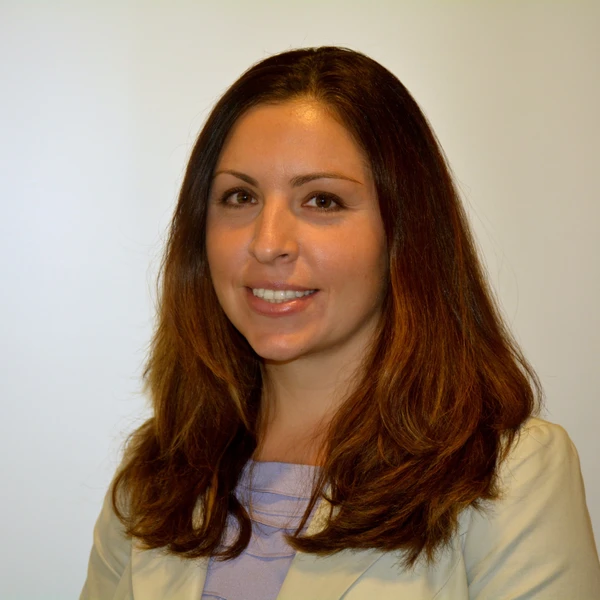
Anna Young
1x
Nominee1x
Finalist1x
Winner
Anna Young
1x
Nominee1x
Finalist1x
WinnerBio
I'm Anna Young, a 45-year-old mom of three who came to America from Russia as a teenage refugee and has built a career in Financial Crime Compliance. I'm currently pursuing my Master of Legal Studies at Wake Forest Law School to advance my career and have a greater impact in protecting vulnerable populations from financial exploitation. My Russian background and language skills are valuable assets when working with international partners, and my personal journey from immigrant teenager to compliance professional motivates me to help others who might be at risk. My work focuses on preventing money laundering, sanctions violations, and corruption, crimes that often prey on the most vulnerable in our society. When I'm not working or studying, I enjoy staying fit and tending my garden, which helps me unwind from the demands of graduate school and my career. I'm also passionate about showing my three children that learning never stops and that you can pursue education and personal growth at any stage of life, even as you navigate the challenges of work, school, and family life.
Education
Wake Forest University
Master's degree programMajors:
- Legal Professions and Studies, Other
University of Saint Joseph
Bachelor's degree programMajors:
- Business, Management, Marketing, and Related Support Services, Other
Miscellaneous
Desired degree level:
Master's degree program
Graduate schools of interest:
Transfer schools of interest:
Majors of interest:
- Legal Professions and Studies, Other
Career
Dream career field:
Financial Services
Dream career goals:
Consulting/Advisory Business
Analyst/Manager
Credit Suisse Investment Bank2018 – 20213 yearsSenior Compliance Consultant
Metlife Insurance2022 – Present4 years
Sports
Crossfit
2022 – 20253 years
Research
Business, Management, Marketing, and Related Support Services, Other
Credit Suisse — Due Diligence Analyst2019 – 2022
Arts
University of Saint Joseph
Music1998 – 2022
Public services
Volunteering
North Carolina Food Bank — Pack and sort meal boxes and produce2024 – PresentVolunteering
Tools4Schools — Helped organize supplies and checked out teachers with their "purchases".2024 – 2025
Future Interests
Advocacy
Volunteering
Philanthropy
Entrepreneurship
TRAM Themis Scholarship
Some images stay with you. For me, it's an elderly Russian-speaking woman I met during my first job as a bank teller in high school. Because I was fluent in Russian, the branch's elderly Russian-speaking clients gravitated toward my window, trusting me to help them navigate transactions in a language they understood. One of them had lost her entire life savings to a scammer who called, speaking flawless Russian, used culturally familiar references, and convinced her to wire money for "account verification." She never reported it. She was too ashamed, too afraid, and too isolated to know where to turn. She didn't trust the authorities. She didn't know her rights. And no one in the system designed to protect her ever reached her in a language, literally or culturally, that she could understand. When she told me what had happened, I didn't just feel outrage. I felt something achingly familiar because my family had arrived in America as Russian-Jewish refugees just a few years earlier, and that woman's vulnerability was once ours.
The social justice issue I aim to tackle through my Master of Law Studies at Wake Forest is the financial and legal exploitation of immigrant and underserved communities. It's not a cause I picked from a list. It's one I experienced firsthand and have spent more than a decade observing in financial crime compliance work, where our systems often fall short of truly preventing it.
My work in anti-financial crime has always been about social justice advocacy, even when it wasn't labeled that way. In my career, I've seen firsthand what language barriers truly cost people. Immigrant entrepreneurs sign predatory loan agreements because no one explains the actual terms in a language they understand. Transaction monitoring systems highlight legitimate cultural practices while the real exploitation of vulnerable individuals goes unnoticed. The regulatory system meant to protect people ends up becoming just another obstacle for the communities that need protection most.
I plan to tackle this in two ways. First, through a compliance consulting firm I'm developing, I'll provide culturally competent legal and regulatory guidance to immigrant-owned businesses and nonprofits, including dedicated pro bono services for those who need them most. Many talented entrepreneurs give up on legitimate business ideas because compliance seems designed to exclude them. I want to change that by creating accessible pathways that recognize diverse communities as the assets they are. Second, I aim to advocate for reforms that make fraud enforcement more culturally aware, broaden access for small immigrant-owned businesses, and invest in basic legal education within immigrant communities.
My Russian fluency, my personal experience navigating American institutions without a safety net, and my technical background in AML and financial crime give me a perspective that's hard to replicate. I understand what it feels like to sign something you can't fully understand and to be constantly scared and too embarrassed to ask for help.
As a mentor to immigrants and career changers entering compliance, and through years of volunteer work with organizations like Habitat for Humanity, local food banks, and homeless shelters, I've always believed that systems should be designed with the most vulnerable in mind from the start. Showing up for people in crisis has shaped how I think about what legal expertise is really for. My legal education is what connects the skills I've gained to the systemic change I want to create, ensuring that the next immigrant family walking into a bank or signing a lease has someone who genuinely understands both the law and the true costs of navigating it alone.
Michael Rudometkin Memorial Scholarship
Selflessness, to me, isn’t a grand gesture. It’s opening your front door when someone has nowhere else to turn and keeping it open even when things get hard.
Several years ago, my husband and I welcomed a family of five from Russia into our home for a month while they worked to build their new life in the United States. We are also a family of five, with three teenagers of our own, so for thirty days, we were ten people under one roof, two sets of three teenagers sharing space, routines, and the daily beautiful chaos that comes with it. It was loud, it was crowded, and honestly, some days it was exhausting. But it was also one of the most meaningful things I have ever done.
The reason I said yes without hesitation has everything to do with who I am and where I came from. Thirty-two years ago, I arrived in America as a 13-year-old Russian-Jewish refugee, speaking no English, carrying nothing but hope and the kindness of strangers who helped my family find footing in an unfamiliar country. I know exactly what it feels like to stand in a new country, overwhelmed by paperwork you cannot read, systems you do not understand, and the quiet terror that you might be signing something that hurts rather than helps you. Hosting this family was not charity. It was my way of honoring every person who once extended a hand to me.
Beyond providing a safe place to sleep, I rolled up my sleeves and helped them navigate the practical realities of starting over. I helped them obtain driver’s licenses, research housing options, apply for insurance, and understand the steps involved in each process. I reviewed resumes, talked through job search strategies, and helped them prepare for interviews, drawing on over a decade of professional experience to give them a real advantage, not just encouragement. I translated not just language but culture: what to expect in an American workplace, how to ask questions without feeling embarrassed, how to advocate for themselves in a system built for people who already know how it works.
My background in financial crime compliance also meant I could help them understand the financial landscape they were entering, how to open accounts safely, how to recognize predatory offers, and how to protect themselves as newcomers who are often targeted precisely because they are new. I have spent my career protecting vulnerable populations from financial exploitation, and I was grateful to put those skills to work for a family who needed them most.
Selflessness is not about sacrifice without limit. It is about choosing to give what you have, your time, your home, your expertise, your hard-won experience to someone who needs it more than you need your comfort. I was once that person who needed someone to open the door. Now it is my turn to give back.
Olivia Rodrigo Fan Scholarship
I discovered Olivia Rodrigo the way most people do, through my teenagers, who played her music constantly until it became the background noise of our household. But it wasn't until I really listened that I realized she was singing about experiences I recognized in my bones, not from adolescence, but from a lifetime of starting over.
"Brutal" hit me first and hit me hardest. The song captures that suffocating feeling of being completely out of place, wanting desperately to belong somewhere, and having no idea how to get there. When I was thirteen, my family arrived in America as Russian-Jewish refugees with two suitcases, no English, and nothing else. I was enrolled in a Hebrew middle school where I had to learn two languages simultaneously, while the other kids had known each other for years and wore clothes that weren't from Goodwill. Some of them made sure I knew the difference. I understood exactly zero of what was being said in class, and the harder I tried to fit in, the more invisible I felt. That specific agony of wanting so badly to be normal, only to realize you have no roadmap for it, is exactly what "brutal" is about. Rodrigo nails the particular cruelty of feeling lost when everyone around you seems to have a manual you were never given.
Years later, I found myself starting over again in a way I never anticipated. When my ex-husband told me he was leaving while I was eight months pregnant, I felt that same groundlessness — the world suddenly unfamiliar, the path forward completely unclear. The themes in "the grudge" spoke to the anger I carried for a long time after that: the disbelief that someone could walk away, the weight of holding onto that hurt while trying to hold everything else together. But, like the song's emotional arc, I eventually had to decide whether to keep carrying that weight or set it down and move forward. Moving forward won.
What I find most remarkable about Rodrigo's writing is that her songs don't pretend resilience is clean or simple. There's no tidy moment where everything suddenly makes sense. That's been true of my journey, too. I studied for my CAMS certification with flashcards in a diaper bag. I applied for over 300 scholarships before writing this one. I am forty-five years old, working full-time, raising three teenagers, and starting a Master of Legal Studies program at Wake Forest University Law School, not because the path got easier, but because I stopped waiting for it to.
The girl in Goodwill clothes at thirteen, who once struggled to understand her teacher, now dedicates her life to safeguarding vulnerable communities from financial exploitation. Olivia Rodrigo's music serves as a reminder that tough chapters aren't the entire story; they're just the starting point.
Ethel Hayes Destigmatization of Mental Health Scholarship
Nobody talks about what it does to you mentally when your marriage ends without warning, especially while you are eight months pregnant. The silence after he left was not peaceful; it was suffocating. Overnight, I went from being a stay-at-home mother of a three-year-old, with a baby just weeks away, to facing single motherhood, financial instability, and a total loss of identity. I didn’t have the words to describe what I was going through. I now understand that it was grief, fear, anxiety, and the loneliness that comes when you have no professional network, no income, no one who truly understands, and two small children who depend entirely on you to hold everything together.
Mental health was never something I was taught to recognize. I grew up as an immigrant who arrived in America at thirteen, speaking no English, in a culture where hardship was something you endured quietly and moved on. You did not dwell or ask for help. You survived, and then you kept going. That upbringing gave me tremendous resilience, but it also taught me to carry weight in silence, and silence is where mental health struggles become most dangerous.
What kept me going was purpose. I didn’t expect to be okay right away, but instead I focused on building things step by step. I studied for my certifications during my baby’s naptime, with flashcards packed in the diaper bag. I took paralegal jobs and started over, rebuilding my career from the ground up. I reunited with my high school sweetheart, an African American military veteran, and together we created a blended, interracial family that brought its own challenges, including racism from people in our circle, which takes a psychological toll most people can't fully understand. Through everything, I kept moving because movement was the only mental health tool I knew.
It was not until later that I understood what I had been doing all along was managing my mental health, just without the vocabulary for it. The routines, the certifications, the garden I tend on weekends, the meditation practice I eventually found, the community I built at my gym, these were not just productivity habits. They were survival strategies, how I kept my mind intact while my life demanded more than any one person should carry alone.
Now, as a 45-year-old graduate student at Wake Forest University School of Law, juggling a full-time career and raising three teenagers, I advocate for mental health by doing the one thing I was never taught to do: talking openly about it. I mentor colleagues navigating professional transitions and acknowledge what the process truly feels like, the self-doubt, the exhaustion, the imposter syndrome. At home, my husband and I maintain a firm rule: feelings must not be suppressed. When our children start to withdraw after a tough conversation or pull away because they don't like the answer we gave, we encourage them to stay with it. We remind them that the discomfort of an honest conversation is far less heavy than the burden of unspoken feelings. Teaching them to push through difficult moments rather than avoid them is the most straightforward mental health advocacy I know.
Mental health matters to me as a student because I have experienced what happens when it goes unaddressed. The weight becomes invisible to everyone, but you, and invisible weight is the hardest kind to put down. My goal is to keep making that weight visible, for my children, my colleagues, and every non-traditional student quietly carrying more than anyone around them realizes. We do not have to carry it alone; the first step is simply to say so.
Sharra Rainbolt Memorial Scholarship
My family has always been small. I am an only child. My father is an only child. My mother had one brother. That's the whole of it, a tight circle with very little room for loss. And cancer has taken from that circle over and over again.
Both of my grandfathers died of cancer. My paternal grandmother died of cancer. My mother's only brother died of cancer. When you come from a family this small, each loss doesn't just leave a gap; it restructures everything. There are no cousins to lean on, no siblings to share the grief, no sprawling extended family to absorb the blow. Each person we lost represented an enormous share of who we were as a family, and cancer claimed them one by one.
But if there is one person whose cancer experience has affected me most profoundly, it is my father, because unlike those I've lost, I've had the rare and complicated gift of watching him survive. Twice.
My father has beaten breast cancer twice. Male breast cancer affects roughly 1 in 726 men, and watching him navigate a disease most people don't associate with men at all revealed to me that the people who need support most are often the ones the system was never quite designed for. He showed up to support groups and oncology waiting rooms as one of the only men in the room. The pamphlets didn't speak to him. The community rallied around women in ways it simply didn't for him. He kept going anyway, because that's who he is. But I noticed every moment he had to explain himself in spaces that weren't built with him in mind.
When the cancer returned years later, and he required a double mastectomy, our family faced it the same way we had before, together, and quietly. By then, I had watched enough people I loved lose their fight with this disease that my father's survival, hard-won as it was, felt like something I refused to take for granted.
After his second diagnosis, I organized a team at work for the Susan G. Komen Race for the Cure. I brought my daughter, who was twelve at the time, and she ran alongside my colleagues for her grandfather and me. At the start line, she squeezed my hand and said, "I want to run for Grandpa too." We had trained together for weeks, talking during neighborhood runs about advocacy, about the great-grandfathers, great-grandmother, and great-uncle we had lost, and about why showing up matters even when the outcome is uncertain.
What I've learned from a lifetime inside a small family hit hard by cancer is that resilience isn't dramatic. It's quiet. It's my father choosing to go back to that waiting room a second time, knowing what was coming. It's my mother carrying the loss of her only brother and father to cancer, while still showing up for our family. It's understanding, from a very young age, that the lives of the people you love are not guaranteed, and that love expressed through action matters more than love left unspoken.
That understanding is what pushes me forward every single day. Life is fragile, and the grandfathers I never got enough time with, the uncle my mother never stopped missing, the father I almost lost twice, remind me not to waste a single day. When I'm exhausted from balancing a full-time career, graduate school, and raising three teenagers, I think of them. Honoring the people I've lost means working hard, staying grateful, and never taking for granted the life I still have to live.
Tawkify Meaningful Connections Scholarship
Option 1 - Relationships & Impact
The most meaningful relationship of my life was with a woman most people never heard of, my grandmother, who lived to 97 after surviving imprisonment in Russia, decades of a deeply strained marriage, and a lifetime of accepting injustice because she believed she had no other choice. In her final years, she looked at me with a quiet ache and said, “I stayed when I should have left. I was afraid when I should have been brave.” I was in my thirties when she said those words. They have guided every important decision I’ve made since.
My grandmother didn’t teach me courage by being fearless. She taught me courage by naming her own fear out loud and trusting me enough to make it a warning. She had survived the kind of hardship most people in America can’t imagine. Imprisoned for being too poor to afford shoes, living through political persecution, and building a life alongside a man who had survived Stalin’s war but never fully came home from it. My grandfather was a veteran of one of history’s most brutal regimes, and like so many men who carry that kind of weight, he found his escape in alcohol and affairs. He wasn’t a villain. He was a broken person who never found a way to heal. But my grandmother absorbed the consequences of that brokenness for decades, quietly, because leaving wasn’t something women of her generation believed they were allowed to do. She never lost her sharpness, her humor, or her fierce capacity to love. What she lost were opportunities in her own life, the ones she might have chosen if she’d felt she had permission to try.
When I arrived in America at 13 as a Russian-Jewish refugee, I carried her story without yet fully understanding it. I learned English from zero, navigated a new country as a teenager, and worked to fit into a world that had no framework for who I was. Every time I wanted to shrink, I thought of her and pushed forward instead. Years later, when my ex-husband walked out while I was eight months pregnant, leaving me a single mother with no recent work history and a toddler at my feet, I heard her voice clearly: don’t stay when you should go. Don’t be afraid when you can be brave. So I studied for certifications during naptime, flashcards tucked into the diaper bag, and rebuilt my career from the ground up. Eventually becoming a professional in my field, protecting vulnerable populations from the very financial exploitation my own family had faced as immigrants.
My grandmother shaped not just my resilience, but the way I build every relationship in life. She taught me to look past the title to the person behind it, to ask what someone is carrying before judging how they carry it. In my compliance career, I’ve worked with international teams and managed complex programs. But the most meaningful moments have always been the quieter ones, mentoring teammates who are navigating a profession that wasn’t designed with them in mind, or making a complicated regulatory concept feel accessible to someone from a completely different background. In all of those moments, I’m channeling her. I try to give people the confidence that their presence matters and that their perspective is an asset, not a liability.
She also shaped how I show up for my three teenagers. They’ve watched me apply to over 300 scholarships without giving up, earn professional certifications while raising them, and now pursuing my graduate degree at Wake Forest University at 45, while working full-time. They are learning, as I learned from her, that who you choose to become is not determined by what has been done to you. It is determined by what you decide to do next.
Now, pursuing this degree while balancing a demanding career and a full house, I think about my grandmother differently than I used to. I’m not just honoring her memory. I’m completing something she started. She lived to 97 and spent too many of those years shrinking and full of regret. I intend to spend whatever years I have left expanding, building, and reaching back to help others do the same. That is what a truly meaningful relationship does. It doesn’t just shape who you are. It gives you permission to become who you were always meant to be, and the courage to actually do it.
Charles B. Brazelton Memorial Scholarship
My family confuses people. Not in a dramatic way, just in the quiet, curious way where strangers at the grocery store do a subtle double-take, trying to piece together how we all connect. I see it happen in real time: the glance at me, then at my husband, then at my oldest two children, then at our youngest daughter, and then back to me, as if they are working through a puzzle they did not ask to be given. We do not fit the picture most people expect, and honestly, I have come to love that about us.
Here is the math, if you are curious: I am white, a Russian-Jewish immigrant who arrived in America at thirteen speaking no English. My husband is African American and Cape Verdean, a military veteran who is also my high school sweetheart. My two older children are white, of Russian and Ukrainian descent. And our youngest daughter is a beautiful mix of all of it, half Russian, a quarter African American, a quarter Cape Verdean, and entirely herself. We are a blended, interracial family, and no, we do not come with a simple explanation.
What makes this my "awkward thing" is that we navigate the world in a way that doesn't quite fit any familiar category. At school events, people sometimes assume I am not with my husband or that my youngest isn't my biological daughter because of our different skin tones. When my oldest children refer to my husband as “Daddy,” people’s heads turn in disbelief. Over the years, at family gatherings, we have navigated the complicated feelings of extended relatives who need time, or more, to accept what we have built. Even well-meaning strangers sometimes ask questions that reveal how little they expect a family like ours to exist in everyday life.
But here is what the stares miss completely: inside our home, the complexity that confuses outsiders is simply our normal. My daughters have grown up hearing Russian phrases mixed into conversation alongside Cape Verdean cultural references and American military family traditions. Our dinner table is a small United Nations of backgrounds, histories, and perspectives. Our youngest daughter has never had to choose a single identity because we have always made it clear that she gets to hold all of them.
I have also come to understand that what looks awkward from the outside has quietly shaped who I am as a professional and as a student. Working in global financial crime compliance, where understanding cultural context is essential, I bring something to the table that no certification can fully teach. I think in multiple cultural frameworks because I live in one every day. My family is not a footnote to my story; it is the lens through which I see everything, including the work I do and the communities I hope to serve.
So yes, my family turns heads. We get the looks, the gentle confusion, the occasional intrusive question. But when I watch my children move through the world with the particular confidence that comes from belonging to something genuinely uncommon, I think the awkwardness is more than worth it. We are not a puzzle to be solved. We are just a family, doing what families do, just in a way that keeps things a little more interesting.
Jerrye Chesnes Memorial Scholarship
There is a particular kind of exhaustion that only a parent returning to school understands. It is not just the late nights or the full calendar; it is the constant weight of knowing that every hour spent on coursework is an hour not spent with your family. For the past year, I have lived inside that tension every single day, and I would not trade a moment of it.
I am 45 years old compliance professional, a mother of three teenagers, a wife, and a first-year graduate student at Wake Forest University School of Law. None of those roles ever fully pause for the others. This is the reality of being a non-traditional student with children, and one that most academic timelines were not designed to accommodate.
My path back to school was not straightforward, and neither was the path to the family I have today. When my ex-husband left us, I was eight months pregnant with our second child. I was left with a three-year-old and a newborn, no recent work history, no financial support, and no clear direction. I frantically searched for jobs while I studied for certifications in fifteen-minute increments during naptime, flashcards in the diaper bag. Graduate school was not an option, as we struggled financially to stay afloat.
What I didn’t expect was that rebuilding my life would lead me back to my high-school sweetheart, an African American military veteran. We started a family together. We are a blended, interracial family, and the challenges were real. My husband stepped up completely, raising and financially supporting all three children while I rebuilt my career, without my ex-husband's help. When our youngest was born, I went back to work at eight weeks because we couldn’t afford for me to stay home. I remember dropping her off at daycare barely two months old, driving to work carrying that particular grief, working mothers rarely talk about.
We also faced racism in our daily lives as an interracial couple, from the outside world, and even within our own extended families. For me, that carried a particular sting. I had fled anti-semitism in Russia as a child and came to America to escape exactly that kind of hatred. Encountering it again here was a wound I had not anticipated. We built our family anyway, on our own terms, the way immigrants, veterans, and survivors tend to do.
Now that my children are teenagers, they understand that their mother is balancing graduate school with a demanding career. Two are in college or nearing college, and my husband and I are handling multiple tuitions without any outside help. When I sit down to study after a long day at my corporate job, they notice it. When I apply for scholarships, over three hundred applications and counting, they see that too. The rejections are part of the lesson. Persistence is essential when the goal is so important.
Returning to school did not make my life harder. It made it bigger and fuller. Every obstacle we have faced as a family, from financial strain to the growing pains of a blended family and the racism we refused to be defined by, has been preparation for this. The communities I intend to serve when I earn my degree deserve someone who understands what it means to rebuild, persist, and refuse to give up. Every hardship I've faced has shaped me into a stronger person, a better professional, a more compassionate advocate, and, I hope, an example to my children that adversity is not the end of our story; it is where our real story begins.
Jack Saunders Memorial Scholarship
My husband's voice was cold and distant: "I met someone, I want a divorce. I'm leaving." I was eight months pregnant with our second child. In that moment, my carefully built world as a stay-at-home mother completely collapsed. After five years of focusing solely on my family, I faced single motherhood with a toddler and a baby on the way, no recent work experience, and no clear next step. This wasn't just a personal crisis; it was a total upheaval of my identity. Having already immigrated from Russia as a 13-year-old refugee and rebuilt my life from scratch, I thought I understood how to start over. But this was different. This time, two small children depended on me to figure it out.
The reality of starting over hit me in waves. I had been out of the workforce for five years with a noticeable resume gap, and I was weeks away from giving birth. The practical questions kept me awake: How would I support two children alone? How could I explain to potential employers why they should hire someone who hadn't worked in years and would immediately need maternity leave? I applied for countless positions, receiving mostly rejections. Each "no" felt like confirmation that I had made myself unemployable by choosing to stay home with my children. The isolation was suffocating. I had no professional network, no recent references, and no one to tell me that what I was feeling was temporary rather than permanent.
But I refused to let that chapter be the end of my story. The same resilience that helped me learn English as a confused teenager kicked in again, and I made a decision: I would not just survive this, I would build something better. I started studying for certifications while juggling a newborn and a toddler, fitting in fifteen-minute study sessions during naptime and keeping flashcards in the diaper bag for review during doctor's appointments. I took paralegal positions in family and bankruptcy law, working with people at their most vulnerable moments and learning firsthand how the legal system shapes everyday lives. Every small step forward was proof that I was reclaiming my future.
My professional breakthrough came when I secured a position at a large Investment Bank. Walking into that office on my first day, I felt like I was reclaiming not just my career but myself. The skills I thought I had lost during my years at home, problem-solving, crisis management, and the ability to stay composed when everything seems to be falling apart, turned out to be exactly what I needed to succeed in financial crime compliance. I advanced to my current role as a Senior Compliance Consultant, and built a career focused on protecting vulnerable populations from financial exploitation.
How did I ultimately win? I stopped seeing myself as a victim and started treating my circumstances as a starting line. Today, at 45, I am pursuing my Master of Legal Studies at Wake Forest University because that devastating period taught me something I now carry into my legal education: that people who need legal protection the most are often the ones least equipped to find it on their own. As a future legal professional, I want to use everything I learned from rebuilding my life, the vulnerability, the determination, the refusal to quit, to serve immigrant and underserved communities who face the same impossible odds I once did. My divorce didn't define me. The strength and determination I gained from that experience made me the resilient, purpose-driven person I am today.
Bulkthreads.com's "Let's Aim Higher" Scholarship
What I would like to build is something I once desperately needed but couldn't find: a nonprofit consulting business that offers accessible legal guidance to immigrant and underserved communities. Thirty-two years ago, my family came to America as Russian-Jewish refugees, escaping religious persecution, and I remember my parents' constant fear of signing documents they couldn't fully understand, worried that one misunderstood word could ruin everything we tried to build. No one was there to explain the system to us in a language we could understand. That vulnerability has stayed with me, and it forms the foundation of everything I want to create.
Today, at 45, I am a certified Senior Compliance Consultant at a large Insurance company with many years of experience combating financial crime. I've seen firsthand how scammers target immigrant communities, elderly immigrants losing their life savings to fake bank reps, small business owners signing predatory loans because the English was too complicated, and no one explained the true terms. I've also observed how the regulatory system, while well-meaning, creates obstacles that prevent immigrant entrepreneurs from accessing financial services and starting businesses. Too many bright ideas fail because their owners can't navigate compliance requirements that seem designed to exclude rather than include.
The nonprofit I want to build will bridge that gap. With my legal education from Wake Forest University's Master of Legal Studies program, my compliance skills, and my fluency in Russian, I will provide free regulatory advice, financial crime education, and compliance training in culturally sensitive ways. I aim to develop materials in multiple languages so that the next family arriving in America with nothing but hope has someone in their corner who understands both the legal system and what it feels like to face it alone.
The positive impact will be clear. Immigrant entrepreneurs will start businesses with confidence instead of with fear. Families will spot financial scams before falling victim. Small nonprofits serving vulnerable groups will gain compliance expertise they couldn't otherwise afford. And my three teenagers, two already in college, will see their mother demonstrate that a refugee who arrived with nothing can build something that benefits her entire community. What I want to build isn't just a practice, it's the promise that no immigrant family has to navigate this system alone, the way mine once did.
New Beginnings Immigrant Scholarship
Thirty-two years ago, I came to America as a 13-year-old Russian-Jewish refugee who spoke no English and carried only hope for a better future. My family fled religious persecution in Russia, leaving behind everything familiar, our language, community, and sense of safety, trusting that a new country would offer us the chance to rebuild. I was enrolled in a Hebrew middle school academy funded by the Jewish Family Service, where I had to learn both English and Hebrew from scratch. Those early years of struggling with language barriers while trying to fit in as a teenager taught me something I hold onto today: resilience isn't something you're born with, it's a muscle you develop through experiences that feel impossible at the time.
What most people don't realize about the immigrant experience is the constant feeling of vulnerability it brings. I remember my parents’ fear of signing documents they couldn't fully understand, the embarrassment of asking for translation help, and the ongoing worry that a single misunderstood word could ruin everything my family was working toward. Every bank visit or lease agreement seemed like walking through a minefield. Scammers specifically target immigrant communities because they understand these vulnerabilities. I've seen it firsthand—elderly immigrants in the Russian-speaking community losing their life savings to fake "bank representatives" who used cultural references and flawless Russian to seem legitimate. I've also seen small business owners sign predatory loan agreements because the English was too complicated and no one explained the true terms. These experiences didn't just shape who I am; they shaped my career.
Today, at 45, I have over a decade of experience in anti-financial crime compliance. I create anti-money laundering policies, oversee sanctions programs, and train teams across multiple global regions to spot and prevent the kind of financial exploitation I saw destroy lives in my immigrant community. My journey here wasn't traditional. When my ex-husband left while I was eight months pregnant with my youngest, I became a single mother of two with no recent work experience. I rebuilt everything through education and determination, earning my certifications by studying in fifteen-minute bursts during naptime with flashcards tucked into the diaper bag. Every challenge proved that the resilience I developed as a confused teenager learning English could carry me through anything.
I am currently pursuing my Master of Legal Studies at Wake Forest University, and my career goals are deeply connected to the communities that have shaped me. I aim to use my legal education and compliance knowledge to develop a nonprofit consulting practice dedicated to helping immigrant-owned businesses and underserved communities by providing accessible, culturally competent legal and regulatory advice, including pro bono services for those who cannot afford it. Many talented entrepreneurs in immigrant communities see their business dreams fade because they cannot navigate compliance requirements that often seem designed to exclude rather than include. I want to change that by creating multilingual resources, training people in culturally appropriate ways, and making sure that the next family arriving in America with nothing but hope has someone in their corner who understands both the system and what it feels like to face it alone.
As my three teenagers watch me balance family, graduate school, a demanding career, and this mission, one of them already in college, they're learning what my family's journey to America first taught me: that the courage to start over, no matter how impossible it seems, is the most powerful thing you can carry with you.
Future Nonprofit Leaders Award
When I think about the work that matters most to me, I consider the elderly Russian-speaking grandmother who lost her life savings to a scammer pretending to be a bank representative, using cultural references to persuade her to wire money. I also think about the immigrant entrepreneur who signed a predatory loan agreement because the English was too complicated, and no one explained the real terms. Having witnessed such harm firsthand, I am deeply committed to nonprofit work. Now 45, I am pursuing my Master of Legal Studies at Wake Forest University while working full-time and raising three teenagers. My experience proves that it's never too late to dedicate your career to meaningful service that aids the most vulnerable.
My desire to serve began long before my professional career. Thirty-two years ago, my family came to America as Russian-Jewish refugees. I remember the fear of signing documents I couldn't fully understand and the worry that I might be agreeing to something harmful. My family survived that vulnerable time because community organizations and nonprofits stepped in to help us when no one else would. That experience planted a seed that has only grown stronger over the years.
Today, I regularly volunteer with organizations such as our local Food Bank, Activate Good, Habitat for Humanity, and homeless shelters, bringing my three teenagers along so they learn that community responsibility isn't optional. But I've realized that while direct service is important, it isn't enough on its own. The immigrant and underserved communities I care about need something I am uniquely able to provide: accessible legal and regulatory guidance from someone who understands both the system and what it feels like to navigate it without a safety net.
My decade-long career in financial crime compliance with large banks and insurance companies has shown that while regulatory systems are well-intentioned, they often create barriers that hinder the very people they're meant to protect from accessing financial services and starting businesses. Too many brilliant ideas die because their owners can't navigate complex requirements designed to exclude rather than include. This is the gap I want to fill through nonprofit work, offering pro bono compliance consulting, financial crime education, and legal guidance in culturally appropriate ways to immigrant-owned businesses, small nonprofits, and underserved communities that need this expertise but can't afford it.
The graduate degree makes this vision possible. My work experience provides a technical foundation, but understanding the design and reform of regulatory frameworks requires legal training. I aim to develop educational materials that are genuinely accessible to people for whom English is a second language, drawing on my experience with language barriers and my fluency in Russian.
Some might wonder why an older, non-traditional student would shift toward nonprofit work instead of settling into a comfortable corporate career. Every year that I wait is a year that vulnerable communities miss out on the guidance they need. Being older isn't a disadvantage; it is my greatest asset. I bring decades of professional experience, a personal understanding of immigrant vulnerability, and the resilience of someone who rebuilt her life as a single mother after a stressful divorce. As my children see me balancing graduate school, a demanding career, and my commitment to service, they're learning the most important lesson I can teach, that it’s never too late to dedicate your life to a purpose bigger than yourself. The nonprofits that helped my family establish stability in America changed the course of our lives. Now, it's my turn to do the same for others.
Marilynn Walker Memorial Scholarship
When I consider how higher education will shape my future in business, I think of the elderly Russian-speaking grandmother who lost her life savings to a scammer posing as a bank representative, speaking flawless Russian and using cultural references to persuade her to wire money for "account verification." I also think of the immigrant entrepreneur who signed a predatory loan agreement because the English was too complicated, and no one explained the actual terms. These are not hypothetical scenarios. I have seen them firsthand, and they illustrate the kind of harm my future business aims to prevent. At 45 years old, pursuing my Masters of Law in Financial Services at Wake Forest University while working full-time and raising three teenagers, I am proof that it's never too late to invest in education that transforms a lifetime of experience into a business that serves others.
My journey toward this vision began thirty-two years ago when my family arrived in America as Russian-Jewish refugees. I remember the constant fear of signing documents I couldn't fully understand, the shame of asking for translation help, and the worry that I might be agreeing to something harmful. That vulnerability has never left me. It stayed with me through my career in financial crime compliance at Credit Suisse and MetLife, where I spent over a decade developing anti-money laundering policies, managing sanctions programs, and training teams to spot financial exploitation. Now, as a non-traditional student returning to the classroom decades after earning my undergraduate degree, I bring something no textbook can teach: real-world understanding of the communities I aim to serve.
What I've learned in my career is that the regulatory compliance system, while well-intentioned, often creates barriers that prevent the very people it's meant to protect from accessing financial services and starting businesses. Too many brilliant business ideas die because their owners can't navigate complex requirements that seem designed to exclude rather than include. My consulting firm will bridge that gap by offering regulatory guidance and legal education in culturally appropriate ways that empower rather than intimidate, including pro bono work for immigrant-owned businesses and nonprofits that desperately need this type of expertise but can't afford it.
The MLS degree at Wake Forest is what makes this vision possible. My years of hands-on experience give me the technical foundation, but understanding how regulatory frameworks are designed and reformed requires legal expertise. I want to create compliance materials that are genuinely accessible to people for whom English is a second language, drawing from my own experience with language barriers and my fluency in Russian.
Some might wonder why I'm pursuing graduate education and planning a business at this stage of life rather than settling into my corporate career. Every year I wait is another year that vulnerable communities go without the accessible guidance they need. Being a non-traditional older student isn't a disadvantage; it's my greatest asset. I carry years of professional experience, a deeply personal understanding of immigrant vulnerability, and the resilience of someone who rebuilt her life as a single mother after a divorce. As my children watch me balance graduate school, a demanding career, and this entrepreneurial dream, they're learning the most important lesson I can teach them: that it is never too late to pursue a purpose bigger than yourself. Higher education is fueling a mission to ensure that the next immigrant family walking into a bank, signing a lease, or launching a business has someone in their corner who understands both the legal system and what it feels like to navigate it without a safety net.
Susie Green Scholarship for Women Pursuing Education
WinnerAt 45 years old, pursuing a Master of Legal Studies at Wake Forest University while working full-time and raising three teenagers, people often ask what gave me the courage to go back to school. The honest answer is my grandmother, and a promise I made to myself that I wouldn't repeat her regrets.
My grandmother lived to 97 after surviving imprisonment in Russia for being too poor to afford shoes, enduring decades of an abusive marriage, and accepting injustice because she felt she had no other choice. In her final years, she would tell me with deep regret, "I stayed when I should have left. I was afraid when I should have been brave." The truth is, in 1940s Russia, she didn't have many options. The legal protections and opportunities that exist for women in America today simply weren't available to her. But I do have those options, and her story reminds me not to waste them. Those words haunted me. I promised myself that when my moment came to be brave, I wouldn't let fear win.
My own experiences with vulnerability reinforced why this education matters. Thirty-two years ago, I arrived in America as a 13-year-old Russian-Jewish refugee who couldn't speak English. I remember the constant fear of my parents signing documents they couldn't read, the deep embarrassment of asking for translation help, and the persistent worry that they might be agreeing to something harmful. I struggled immensely in high school and barely graduated, not because I lacked intelligence, but because I was drowning in the challenge of rebuilding my identity in a foreign country. It wasn't until college that I finally found my footing.
Years later, life tested me again. When I was eight months pregnant with my youngest child, my ex-husband walked out, leaving me a single mother of two with no recent work experience. I had to rebuild everything while caring for a newborn and toddler. I earned my ACAMS certification by studying during naptime with flashcards in the diaper bag. I worked my way from paralegal positions to my current role as Sr Compliance Consultant at MetLife. Each step required courage I didn't always feel, but I kept moving forward anyway.
When I considered going back to school at 45, every practical voice in my head said it was too late. I'm supporting a family of five, with a child in college and two approaching college age. The financial burden is real. I'd have to study after my kids go to bed, write papers between work meetings, and sacrifice sleep to keep everything moving. But every time I questioned whether I was too old for this, I heard my grandmother's voice wishing she had been braver. I thought of myself at thirteen, vulnerable and confused, and I knew that fear was not a good enough reason to stay where I was.
The courage to go back to school came from understanding that my adversities aren't just my history; they're my qualifications. The challenges I've overcome give me a perspective that traditional students don't have. I understand why legal knowledge matters because I've lived the consequences of not having it. My grandmother never had the opportunity to pursue an education that could have changed her life. I do have that opportunity, and I refuse to let it pass me by.
I'm not pursuing legal education despite my challenges. I'm pursuing it because of them, and because my grandmother taught me, through her regrets, that being brave is always worth it.
Redefining Victory Scholarship
Julie Holloway Bryant Memorial Scholarship
My name is Anna Young, and I am a non-traditional student. I am 45 years old, a mom of three teenagers, raising a family with a full-time job, and also pursuing a graduate degree in Legal Studies at Wake Forest University Law School. I was born in Russia and immigrated to the United States as a teen. I am fluent in Russian and English. My biggest struggles came when I first moved to this country with zero knowledge of the English language. I was enrolled in a Hebrew middle school when we first arrived because we came through a Jewish refugee organization, and the tuition to this private school was free.
At this school, I had to learn Hebrew and English from scratch. It was such a challenging time for me because it was tough to communicate, and my life was already so difficult trying to fit in a new country and helping my family adjust as well. It was tough, but I learned the languages very quickly, especially English, and was able to assist my parents in just a few short months with translations at medical offices, grocery stores, and filling out government forms. This experience, though extremely challenging, brought forth a lot of benefits. My communication skills are pretty advanced because, from an early age, I was able to quickly switch between languages and think on my feet.
Now in my 40s, my knowledge of the Russian language is actually very beneficial in my everyday life, as well as my professional life. I work with diverse communities where Russian-speaking clients often struggle with legal documentation and procedures, just as my family once did. Being able to bridge that language gap has made me invaluable at my workplace and deeply empathetic to those navigating complex systems in a second language.
My fluency in two languages has also enriched my career at MetLife in anti-financial crime compliance. I often work with policies in 17 different languages and help edit and make changes to the policies with the assistance of a translation vendor. However, this makes the work a lot easier because I have a natural knack for working with other languages, even if I am not proficient in them.
As a mother, bilingualism has given me tools to help my teenagers appreciate diversity and develop global perspectives. While they primarily speak English, exposing them to my native language has helped them understand that there are multiple ways to express ideas and view the world. This has made them more open-minded and adaptable, qualities essential for their generation. They are also a lot more empathetic to people who are not proficient in English and are eager to help.
My journey from a struggling teenage immigrant to a graduate student has been shaped profoundly by bilingualism. What began as a survival necessity has become my greatest professional asset and personal strength. The challenges I faced learning English and Hebrew taught me resilience and adaptability that no classroom could provide.
Today, being bilingual means so much more to me than just speaking two languages. It helps me connect with people from different backgrounds, stand up for those who need help, and reminds me that I can overcome hard things. This is why I'm so passionate about studying law and why I want to help others who are going through what I went through, trying to figure out life in a new country with a new language.
Ilya Flantsbaum Memorial Scholarship
When my family fled Russia in 1992 as religious refugees, I was twelve years old, carrying nothing but two suitcases and the trauma of violent antisemitism. My father's side of the family are Ukrainian Jews who had settled in Moscow, Russia, inheriting generations of persecution. In Russia, being Jewish meant living in constant fear. The violence became personal when my mother, who is Russian, was attacked on the steps of our own home for marrying a Jew, and there was even an attempted kidnapping targeting me because my dad is Jewish. These escalating attacks finally convinced my parents that staying meant risking our lives, and they made the brave decision to move to America.
Now, at 45, I am a wife, a mother of three teenagers, pursuing my graduate degree in Legal Studies while working full-time as a Compliance Consultant. These experiences of religious persecution are now in my past, but still drive my commitment to protecting vulnerable populations, such as my family, through strengthening global financial systems.
The terror of those years in Russia never fully leaves you. I remember always hiding our Jewish identity in public; I even used my mom's stereotypically "Russian" last name to hide my Jewishness. The antisemitism we faced was systematic and violent, a continuation of the violence and harassment my Ukrainian-Jewish ancestors had endured for generations.
Arriving in America, speaking no English, I was enrolled at a Hebrew academy where the Jewish Family Community Service funded my tuition. For the first time in my life, I could be openly Jewish without fear of violence. Those first months were overwhelming, learning English and Hebrew simultaneously while adjusting to life in a new place. Every word learned, every grade earned, carried the weight of justifying our escape and honoring the courage it took for my parents to leave.
Our local synagogue and volunteers provided financial assistance, taught us English, and helped my parents find work. This embrace from the Jewish community, people who understood our persecution, taught me that surviving hatred creates an obligation to protect others. The immigrant experience meant constant adaptation. While classmates worried about typical teenage concerns, I translated for my parents at medical appointments, filled out government forms, and watched my parents accept jobs far beneath their education. My father, who was a television producer in Russia, worked in a convalescent home as an aide. My mother, who was a telecommunications engineer, found work as a lunch lady in a Synagogue daycare. Their dignity in the face of these humiliations, after the violence they'd endured, taught me that freedom is worth any sacrifice.
This formative experience of religious persecution created an obligation I carry today, using my success to protect others facing vulnerability and exploitation. My decade-long career in anti-financial crime compliance directly manifests this commitment. Managing global Anti-Money Laundering, Sanctions, and Anti-Bribery programs allows me to shield vulnerable populations from systematic oppression, understanding firsthand how criminals exploit fear and desperation.
My native Russian fluency, combined with American financial services experience, creates a unique perspective for preventing financial crimes. I recognize patterns of exploitation because I've lived them, understanding how criminals target immigrant communities, especially those fleeing religious persecution, knowing they fear authorities and are desperate for quick solutions.
As a mother with children in college, this scholarship would provide crucial support while I balance my graduate education with family obligations. I want my children to understand their heritage, from Ukrainian Jews fleeing to Russia during the war, to escaping antisemitic violence that reached our very doorstep, and seeing that surviving persecution creates a sense of responsibility to protect others.
Eden Alaine Memorial Scholarship
The most inspiring person in my life was my grandmother, who lived until 97. Born in 1926, she survived some of history's darkest chapters in Russia, enduring challenges that would have broken many people. Yet it wasn't her survival that empowered me most, it was her honesty about her regrets and the fierce determination with which she pushed me to live differently.
Her life was marked by extraordinary hardship. She lived through both world wars, experiencing poverty so severe that at 19, she was imprisoned for coming to work without shoes because her only pair had torn. She lost her first child to SIDS, endured decades of my grandfather's alcoholism and infidelity, yet stayed in the marriage, believing she had no choice. After he passed, she never remarried, focusing entirely on family.
In her later years, my grandmother found escape in romantic and action movies, watching countless hours of television. But these movies became a source of melancholy. "I watched other people live," she would tell me sadly, "when I should have been living myself." She saw heroes making brave choices and pursuing grand passions, while her own life had been shaped by survival and compromise.
What made my grandmother extraordinary was how she transformed her pain into purpose for the next generation. She would sit with me for hours, speaking with raw honesty about her regrets: not leaving my grandfather despite his betrayals, not pursuing abandoned dreams, not believing the passionate life she watched in movies could have been hers too.
"I stayed when I should have left," she would tell me. "I watched life instead of living it. I was afraid when I should have been brave." These weren't self-pitying laments, they were lessons disguised as confessions. She wanted me to be the heroine of my own story, not just a spectator.
By sharing her deepest regrets, she gave me permission to want more, to demand better, to be braver than she had been. "Don't be like me," she would say, but what she really meant was "be everything I dreamed of being but couldn't."
Her regrets became my roadmap. When my ex-husband walked out when I was eight months pregnant, I thought of her staying in a destructive marriage and knew I would rebuild rather than settle. When I considered whether to pursue professional certifications while raising small children, I remembered her dreams deferred and found the energy to study between diaper changes.
Now, pursuing my Master of Legal Studies at 45, I carry her voice daily. When I question whether I'm too old for graduate school, I think of her watching romantic movies and wishing she had lived those bold stories herself, and I'm determined not to be a spectator in my own life.
My grandmother empowered me by showing that regret could be a teacher rather than a tormentor. Her legacy isn't just in her stories, but in the life she empowered me to live. Every goal I achieve, every moment I choose courage over comfort, I do knowing that somewhere, she's finally getting to live the bold life she always deserved. Though losing her left an irreplaceable void, her absence continues to shape my determination to live without regret, ensuring my future holds adventures lived, not just watched, and dreams pursued, not just imagined.
Alexander Hipple Recovery Scholarship
As I watch my three children navigate their challenges—two in college, one in high school—I can't help but think about the invisible threat that haunts families like mine. Through my work as a Senior Compliance Consultant tracking financial crimes that fund drug trafficking, I see addiction's devastating reach daily. But long before I understood addiction as a public policy issue, I knew it as the family disease that shaped my mother's childhood and claimed my uncle's life.
My grandfather came home from World War II carrying wounds deeper than anything visible. Like many veterans, he turned to alcohol to numb pain he couldn't process. My mother watched her father disappear into bottles, watching alcoholism become the center around which everything revolved. The pattern didn't end there. My uncle also became an alcoholic and died at 47, leaving behind his wife and two children—only two years older than I am now.
Now, carrying this family history like a weight on my shoulders, I constantly watch for signs in my children. This is why America's addiction crisis feels so personal—because it IS home.
We've created a perfect storm for addiction to flourish. Pharmaceutical companies convinced doctors that opioid painkillers were safe for long-term use. When prescriptions became harder to get, people turned to heroin and fentanyl. But the real crisis stems from a society where too many feel hopeless, isolated, and in pain. Communities devastated by job losses have lost not just paychecks but purpose. My grandfather turned to alcohol because there was no treatment for war trauma. We've repeated those mistakes by failing to invest in mental health services and treating addiction as moral failing instead of medical condition.
For individuals caught in addiction's grip, the destruction is total. I watched my uncle's physical health deteriorate rapidly. The mental health consequences are equally devastating—addiction feeds depression and anxiety, creating terrible cycles. In my compliance work, I see financial devastation constantly as people embezzle, commit fraud, steal from family to get money for drugs. Legal consequences create lasting barriers even after someone gets sober.
For families, consequences span generations. My mother still carries trauma from her alcoholic father. When my uncle died, his children lost not just their father but their sense of security. The societal costs are staggering—overwhelmed emergency rooms, overflowing foster care systems, billions spent prosecuting drug offenses with little success reducing addiction rates.
We need solutions addressing both individual healing and societal conditions creating vulnerability. We desperately need comprehensive treatment addressing underlying trauma, mental health issues, and life circumstances. This means medication-assisted treatment, intensive therapy, peer support programs, and long-term recovery communities.
But individual treatment isn't enough without addressing societal factors. We need massive investment in economic opportunity, especially in devastated communities. We must rebuild social connections through community centers, youth programs, volunteer opportunities. Healthcare reform must integrate mental health services into primary care. Criminal justice reform should emphasize treatment over incarceration.
This crisis is personal because families like mine are fighting for our children's futures, and we can't do it alone. We need society understanding addiction as a medical condition, treating it with compassion and science, and addressing social and economic conditions making people vulnerable.
Every day, I work to prevent financial crimes funding the drug trade. Every night, I come home to children I'm determined to protect from the disease that has claimed too much from our family. My children deserve better than what my mother experienced, what my uncle's children lived through. Until we approach this crisis with comprehensive response it demands, more families will lose people they love to a devastating but treatable disease.
Debra S. Jackson New Horizons Scholarship
When I arrived in America as a 13-year-old Russian-Jewish refugee, fleeing religious persecution with my family, I could never have imagined that thirty-two years later I would be pursuing a graduate degree while managing a career in financial crime compliance and raising three children. Yet every experience along this journey has shaped who I am today and reinforced my commitment to protecting vulnerable populations from exploitation.
My early experiences as a refugee profoundly shaped my personal values. The Jewish Family Service and volunteers in our community didn't just help us financially—they invested their time teaching us English, helping my parents find work, and showing us what community support looks like. This generosity taught me that those with knowledge and resources have an obligation to help others, a principle that guides my professional and personal decisions today. Learning English and Hebrew simultaneously while navigating American culture as a teenager taught me resilience and adaptability, qualities that proved essential when I later had to rebuild my life as a single mother after a difficult divorce when I was eight months pregnant.
These challenges reinforced my belief that vulnerability can strike anyone at any time, but with determination, education, and community support, people can overcome seemingly impossible circumstances. This understanding drives my career in financial crime compliance at MetLife, where I manage global compliance programs.
My multicultural background and Russian language fluency have become professional assets, enabling me to work effectively with international partners and understand regional compliance challenges. However, I've reached the limits of what I can achieve with my current knowledge base. To advance in my current role I need the sophisticated legal frameworks and analytical skills that only graduate-level legal education can provide.
Pursuing my Master of Legal Studies at Wake Forest University Law School represents more than personal advancement—it's my pathway to creating systemic change in financial crime prevention. With advanced legal knowledge, I'll be able to design comprehensive policies, lead organizations through complex regulatory challenges, and influence industry standards at the executive level. This education will multiply my impact, enabling me to protect vulnerable populations on a much larger scale.
My commitment to community service extends beyond my professional work. I mentor colleagues in compliance, develop training programs for financial crime prevention, and actively participate in professional organizations. Once I complete my MLS degree, I plan to establish pro bono programs that provide compliance expertise to smaller organizations that cannot afford sophisticated financial crime prevention systems but are often targets for criminal exploitation.
This scholarship will be instrumental in achieving these goals. As a mother supporting multiple children through college, the financial burden of graduate school is significant. The scholarship support will allow me to focus more fully on my studies and dedicate time to pro bono work during my program, rather than taking on additional paid work to cover educational expenses.
Beyond the immediate financial relief, this scholarship represents validation of my belief that education is never too late and that diverse backgrounds bring valuable perspectives to professional fields. It will enable me to model lifelong learning for my children, showing them that pursuing education and serving others are interconnected goals worthy of sacrifice and dedication.
My journey from Russian refugee to American compliance professional pursuing legal education demonstrates that with determination, community support, and continuous learning, anyone can overcome adversity and contribute meaningfully to protecting others. This scholarship will help me complete the next chapter of that journey, transforming my personal experiences of vulnerability into professional expertise that safeguards countless others from financial exploitation and abuse.