From a young age, I knew I was called to teach. I come from a long line of educators strong women who saw education not just as a job but as a legacy. My mother, in particular, had the most profound impact on me. As a child, she would have me check student papers, review lesson plans, and talk through projects at the kitchen table. I remember racing home from school to line up my stuffed animals and “teach” them what I had just learned that day, often mimicking my teachers’ styles and phrases. My mother never forced this path on me she simply showed me the beauty, importance, and influence of being a teacher. Watching her ignite curiosity in young minds showed me how deeply education could shape a life.
Years later, during my student teaching, I found myself living that very lesson. I entered a classroom where one student stood out not because of what he said, but because of how silent he remained. Every day, he walked in, laid his head on the desk, and detached from the world around him. No one intervened. When I asked the lead teacher why, she said, “He has anger issues. We’ve learned not to bother him. He’ll only disrupt the class.” But I couldn’t ignore him. I couldn’t pretend he wasn’t there.
One day, I gently woke him and asked if he wanted to sit by me. As expected, he became upset and disruptive. I didn’t take it personally. Instead, I asked the teacher if we could step into the hallway. She agreed. Outside, I didn't lecture him I listened. We walked slowly up and down the hall as he shared his story. He confided that kids teased him about his clothes and that he slept in class because it was the only time people forgot he existed. That moment reshaped everything for me. I looked into the eyes of a child who didn’t need discipline he needed connection. I told him that from now on, he would sit beside me, and we would work together. “No one else in this class matters right now,” I told him. “You matter, and I see you.”
From that day forward, our bond grew stronger. He began participating, turning in assignments, and even smiling a spark I hadn’t seen before. We accomplished more than just academics; we rebuilt trust. That one decision to reach out, to listen made a lasting impact not just on him, but on me. It solidified my belief that teaching is about relationships first and foremost.
That experience also opened my eyes to what needs to change in education. If I could change anything, it would be to shift our focus from excessive standardized testing to meaningful, hands-on learning and formative assessments. I believe that students show us their understanding best through doing not bubbling in answer sheets. Formative assessments allow educators to meet students where they are, adapt instruction to their needs, and gather real-time insight into their thinking. While quizzes and tests may have their place, I believe assessment should inform instruction not define the student. Using formative tools without attaching grades helps create a space where students can make mistakes, ask questions, and grow without fear.
Every child deserves a teacher who is willing to learn them not just teach content. That’s who I plan to be. I believe students need someone who can hold them accountable while still making room for grace. They need a classroom where they feel safe to explore, fail, and try again. I want to be a teacher who adapts to each student’s unique learning style and makes learning fun, accessible, and relevant. Whether that means incorporating movement, real-world projects, visual supports, or peer collaboration, I’ll do whatever it takes to reach every learner.
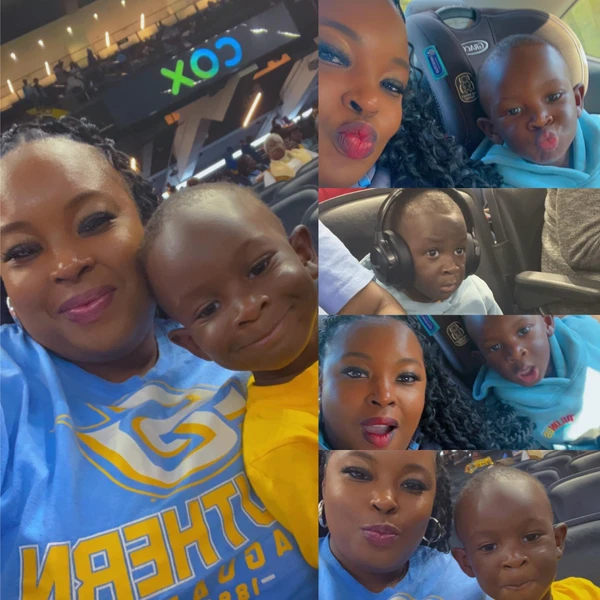
As I prepare to graduate from Southern University in Baton Rouge, I carry with me every lesson personal and professional that has brought me here. I am a 36-year-old single mother who has faced adversity, but I’ve never stopped moving forward. I’ve worked multiple jobs while pursuing my education, raised a child, and helped care for the children of my late best friend. I understand struggle, and I understand resilience. I want to pass both of those lessons on to my students.
To me, education is not just a career it’s a calling. And it all starts with the teacher. Before a student can become a doctor, lawyer, scientist, or artist, they must first encounter someone who believes in them. Teachers are the first impression. We plant the seed that grows into everything else. I plan to make that impression count for every child who walks into my classroom, especially the ones the world is quickest to give up on.