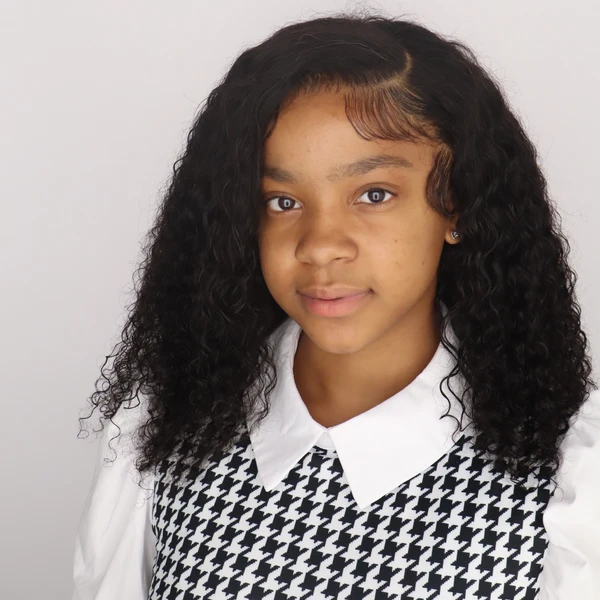
user profile avatar

Aniyah Howard

1x

Finalist

Bio

I’m a junior at the University of Dayton, majoring in Health & Wellness with a concentration in Community Health and minoring in Women and Gender Studies. I am deeply passionate about health intervention, education, and women’s advocacy, with a focus on sexual violence prevention and holistic community wellbeing. I thrive on creating programs that empower and uplift others, turning research and public health principles into meaningful action. Through my work with the Brook Center and as an executive board member of WORD, I’ve designed inclusive programs, led empowerment initiatives, and built safe spaces for students and community members. I believe that strategic leadership, evidence-based health interventions, and compassion can coexist, and that lasting change begins with compassion, education, and action. Check out my LinkedIn to view some of my accomplishments, www.linkedin.com/in/aniyah-howard-a2a96438a

Education

University of Dayton

Bachelor's degree program
2023 - 2027
  • Majors:
    • Allied Health Diagnostic, Intervention, and Treatment Professions
    • Health and Medical Administrative Services
    • Public Health

Dayton Early College Academy Inc

High School
2019 - 2023

Miscellaneous

  • Desired degree level:

    Bachelor's degree program

  • Graduate schools of interest:

  • Transfer schools of interest:

  • Majors of interest:

    • Public Health
  • Not planning to go to medical school
  • Career

    • Dream career field:

      Health, Wellness, and Fitness

    • Dream career goals:

      Sexual Violence Educator

    • State Tested Nursing Assisant

      Sycamore Springs
      2024 – Present2 years

    Sports

    Cheerleading

    Varsity
    2019 – Present7 years

    Volleyball

    Varsity
    2019 – 20223 years

    Track & Field

    Varsity
    2019 – Present7 years

    Public services

    • Volunteering

      Progressive Baptist Church — Cleaning and helping prepare for sunday service.
      2021 – 2021
    • Volunteering

      Dayton Children's Hospital — To clean the offices and assist in the Rehab Center.
      2022 – 2022

    Future Interests

    Advocacy

    Volunteering

    MJ Strength in Care Scholarship
    My name is Aniyah Howard, and I am a junior at the University of Dayton, majoring in Health and Wellness with a concentration in Community Health. My journey toward a career in healthcare began long before I ever stepped foot in a hospital or classroom. Growing up, I watched my nana survive breast cancer and witnessed how the support of compassionate caregivers, education, and awareness could change the outcome of someone’s life. I attended every breast cancer walk with her, listened to the stories of survivors and fighters, and felt inspired by their strength. These experiences taught me the importance of prevention, advocacy, and care that goes beyond simply treating illness—it showed me the power of supporting people through education, compassion, and guidance. My path toward nursing and healthcare has also been shaped by personal challenges. As a survivor of sexual assault during my freshman year of college, I experienced firsthand the impact of trauma on mental and physical health. I was diagnosed with anxiety, depression, and PTSD. Navigating these challenges taught me resilience, empathy, and the importance of seeking help. Therapy became a turning point for me, teaching me that healing is possible when you have support, guidance, and someone who listens without judgment. These experiences inspired me to create Voices of Resilience on campus, a program designed to support survivors, provide education about trauma, and build a community where people feel heard and empowered. Leading this initiative has strengthened my passion for healthcare by showing me how much advocacy, compassion, and listening can impact someone’s healing journey. Working as a Patient Care Technician has further solidified my commitment to healthcare. In this role, I provide hands-on care to patients who are often scared, sick, or alone. I have learned that being a caregiver is not only about performing medical tasks but also about being present, listening, and advocating for patients who may feel invisible. I have seen how meaningful it can be when someone takes the time to explain a procedure, offer comfort, or simply sit and listen. These moments, though small, remind me why I chose this path: to make healthcare a human experience, where every patient feels valued, respected, and safe. My values of empathy, compassion, and advocacy guide every decision I make, both in and out of healthcare. I believe that everyone deserves access to care, education, and support, and that disparities in health are often rooted in social, economic, and cultural inequities. These beliefs drive me to focus on women’s health, trauma-informed care, and community wellness. I want to create programs and initiatives that not only treat illness but also educate, empower, and prevent harm, particularly for underserved populations. Outside of my work in healthcare, I am passionate about dance and creative expression. Dance has been a source of joy, balance, and purpose in my life for as long as I can remember. It allows me to express myself, release stress, and connect with others in a way that feels freeing and joyful. I have been involved in the Street Dance community, performing, training, and building relationships with others who share my love for movement. Dance reminds me that wellness is not just about physical health, but also about mental, emotional, and social well-being. It gives me the energy and perspective to approach my healthcare work with creativity, patience, and joy. I am also deeply committed to community service and advocacy. Volunteering, mentoring, and creating spaces for survivors and underserved populations has shown me how much change is possible when people come together to support one another. These experiences outside of work and study have shaped my worldview and inspired me to continue advocating for equity, compassion, and understanding in all areas of my life. Ultimately, my journey toward healthcare has been shaped by my experiences, my values, and the people I have met along the way. . I am driven as a caregiver by a desire to make healthcare accessible, compassionate, and human-centered. I am inspired by the resilience of the people I serve and motivated by the possibility of creating a positive impact on my community. Through my education, experiences, and advocacy, I hope to continue growing as a caregiver, a leader, and a compassionate human being. My ultimate goal is to make healthcare a place where everyone feels safe, valued, and supported, while living a life full of purpose, joy, and connection.
    Autumn Davis Memorial Scholarship
    My name is Aniyah Howard, and I am a junior at the University of Dayton, majoring in Health and Wellness with a concentration in Community Health. I am passionate about supporting survivors of trauma, advocating for women, and improving mental health care in underserved communities. My own experience with mental health has shaped who I am, the way I relate to others, and the goals I have for my future. During my freshman year of college, I survived a sexual assault, which led to a diagnosis of anxiety, depression, and PTSD. At first, I struggled to navigate my emotions and daily life. I felt isolated, afraid, and unsure how to trust myself or others. Therapy became a turning point, teaching me that seeking help is a strength, not a weakness. It gave me the tools to cope with my trauma, set boundaries, and understand my emotions. These lessons changed my beliefs about mental health. I now see mental health care as essential for everyone, not something to be ashamed of or ignored. I believe that healing is possible and that support, understanding, and advocacy are powerful tools for change. My mental health experiences have also influenced my relationships. I have learned to communicate more openly, listen with empathy, and offer support to others who may be struggling. I understand that everyone carries unseen challenges, and showing compassion can make a meaningful difference. These experiences inspired me to create Voices of Resilience on campus, a program for survivors to share their stories, find community, and access resources. Through this initiative, I have learned leadership, advocacy, and the power of creating safe spaces where people feel seen and heard. These experiences have shaped my career aspirations. I want to work in mental health and public health, focusing on trauma-informed care, women’s wellness, and community support. I hope to educate communities about mental health, provide resources to survivors, and create programs that empower people to heal and thrive. My goal is to make mental health care accessible, compassionate, and culturally competent, especially for those who have been underserved or overlooked. Through my work as a Patient Care Technician, my studies, and my advocacy, I have seen how mental health is connected to overall wellness. I understand that emotional health impacts physical health, relationships, and daily life. My experiences have taught me resilience, patience, and empathy, and I want to bring these qualities into my career to make a positive impact. I hope to inspire trust, create safe environments, and provide support to individuals and communities who may feel invisible or unheard. Ultimately, my mental health journey has shaped my beliefs, strengthened my relationships, and guided my career path. I am committed to using my experiences to advocate for survivors, educate communities, and create programs that support mental wellness. I want to make a lasting impact by showing that healing is possible, that every person deserves to be heard, and that mental health care is a vital part of building stronger, healthier communities. My journey has taught me that challenges can be transformed into purpose, and I am dedicated to using my knowledge, passion, and experiences to help others thrive.
    Elizabeth Schalk Memorial Scholarship
    My name is Aniyah Howard, and I am a junior at the University of Dayton, majoring in Health and Wellness with a concentration in Community Health. I am passionate about supporting women, advocating for survivors, and improving access to healthcare for underserved communities. My experiences as a survivor of sexual assault during my freshman year of college have shaped who I am and inspired me to pursue a career in healthcare and public health. After my assault, I was diagnosed with anxiety, depression, and PTSD. For a long time, I struggled with fear, flashbacks, and feelings of isolation. Daily life felt overwhelming, and it was difficult to focus on school, work, or my personal goals. I also saw the impact that mental illness had on my family. They wanted to help and support me, but they did not always know how. It was painful for all of us to navigate these challenges, and it created stress and tension at times. Seeking therapy became a turning point in my journey. Therapy taught me how to cope with my symptoms, process my trauma, and rebuild trust in myself and others. I learned the importance of self-care, healthy boundaries, and asking for support. It also helped me understand how trauma and mental health challenges affect not just the individual, but families and communities as well. This experience has given me empathy and insight into the struggles that survivors and those with mental illness face, and it has motivated me to create safe, supportive spaces for others. Because of my experiences, I created Voices of Resilience on campus, a program dedicated to supporting survivors and providing education about trauma, healing, and mental health. Through this initiative, survivors can share their stories, find support, and feel empowered. Leading this group has taught me leadership, advocacy, and the importance of community in the healing process. It has also reinforced my belief that mental health care and trauma-informed support are essential for creating healthier communities. My experiences with mental illness have shaped my career goals. I want to work in women’s health, trauma-informed care, and public health intervention to ensure that survivors and underserved populations receive compassionate, informed, and equitable care. I want to use my knowledge and personal experiences to educate, advocate, and create programs that empower others to heal, find their voices, and feel safe accessing care. Mental illness has been one of the greatest challenges I have faced, but it has also shaped my purpose and strengthened my commitment to helping others. I have learned resilience, empathy, and the power of advocacy. I want to use my experiences to support survivors, educate communities about mental health, and inspire others to seek help when they need it. I hope that by sharing my story, I can encourage understanding, reduce stigma, and create change for individuals, families, and communities affected by trauma and mental illness.
    Zedikiah Randolph Memorial Scholarship
    My name is Aniyah Howard, and I am a junior at the University of Dayton, majoring in Health and Wellness with a concentration in Community Health. I have always been passionate about advocating for women, supporting survivors of trauma, and improving access to healthcare for underserved communities. These interests come from both personal experiences and my observations of inequities in my community. Growing up in a low-income, single-parent household, I witnessed how difficult it can be for people to access care and support. These experiences inspired me to pursue a degree in healthcare so that I can make a meaningful impact and give a voice to those who often go unheard. I chose Health and Wellness because it allows me to combine my passion for healthcare with my desire to educate, advocate, and create programs that improve community health. Through my studies and my work as a Patient Care Technician, I have seen firsthand how knowledge, support, and compassion can transform someone’s experience with healthcare. I plan to use my education to focus on women’s health, public health intervention, and trauma-informed care. My goal is to develop programs that educate communities about wellness, provide accessible care, and empower women and other vulnerable populations to make informed health decisions. I want to ensure that everyone feels safe, respected, and supported when accessing healthcare services. In my program, I represent a small percentage of students who are Black and first-generation college students. Being part of an underrepresented group has shown me how important it is to inspire others and create pathways for those who come after me. I hope to be a role model by demonstrating that perseverance, dedication, and a commitment to service can break barriers. I want to mentor other students, share my story, and encourage young people from underrepresented backgrounds to pursue careers in healthcare and public health. Representation matters, and seeing someone who looks like you succeed can inspire confidence and ambition. By sharing my experiences, advocating for equity, and creating spaces for support, I hope to inspire the next generation to increase the odds in healthcare and related fields. I want young women and minorities to see that their voices matter, that their experiences are valid, and that they can make a difference in their communities. My journey has taught me that education, mentorship, and advocacy can change lives. I plan to continue building connections, mentoring others, and using my skills and education to create a more equitable and compassionate healthcare system.
    Ethel Hayes Destigmatization of Mental Health Scholarship
    My experience with mental health and surviving trauma has shaped the way I see the world, my relationships with others, and my goals for the future. For many years, I struggled in silence, trying to carry the weight of my experiences without asking for help. I did not fully understand how my past trauma affected my emotional and physical health, my relationships, or my confidence. I often felt isolated and unsure of how to connect with others who had been through similar experiences. Therapy became a turning point in my life. It taught me that healing is possible, that my feelings are valid, and that asking for support is a sign of strength, not weakness. Through therapy, I began to understand myself more deeply. I learned to recognize my triggers, manage my stress, and take care of my mental health. These lessons have transformed my relationships. I became more patient, empathetic, and understanding with the people around me. I learned to listen without judgment and offer support in meaningful ways. I realized that everyone carries struggles, and being open about my own experiences helps others feel less alone. My journey showed me that mental health is not a private struggle but a shared human experience that deserves attention, care, and advocacy. My experiences as a survivor also inspired me to create Voices of Resilience on my campus. I wanted to build a space where survivors of trauma and sexual assault could feel heard, supported, and empowered. I knew how isolating it could feel to navigate healing alone, and I wanted to create a community that emphasized strength, resilience, and connection. Through Voices of Resilience, I organize support circles, educational events, and peer mentoring opportunities that allow survivors to share their stories, build confidence, and know that they are not alone. This initiative has not only helped others, but it has strengthened my own healing journey. It taught me leadership, empathy, and the importance of advocacy. These experiences have also shaped my career goals. I want to pursue a path in healthcare, focusing on women’s health, trauma-informed care, and public health education. I hope to create safe spaces where patients feel heard, respected, and empowered to make decisions about their own health. I want to advocate for survivors, teach communities about wellness and prevention, and ensure that underserved populations have access to care. My mental health journey has made me committed to serving others in a holistic way, understanding that emotional and physical health are deeply connected. Being a survivor has also changed the way I understand the world. I see how systems can fail people, how stigma and misunderstanding can prevent healing, and how communities can rise to support one another. I have learned that resilience is not only personal but collective. When survivors come together to share their experiences and lift one another up, change is possible. I am motivated by the strength I have seen in others and the hope that support and education can transform lives. Ultimately, my mental health experiences and my journey as a survivor have taught me empathy, resilience, and determination. They have shaped the way I build relationships, lead initiatives, and approach my future career. I am committed to creating spaces where survivors are believed, supported, and empowered. I hope to continue using my experiences to inspire change, educate communities, and ensure that others know they are not alone. Voices of Resilience is just the beginning of my work to turn my own healing into action that uplifts and strengthens others.
    Women in Healthcare Scholarship
    I have chosen to pursue a degree in healthcare because I want to make a meaningful difference in the lives of people who are often ignored, overlooked, or underserved. Growing up, I saw many people in my community struggle to access basic care. Some were dismissed or treated unfairly because of their race, insurance, or background. Others avoided care altogether because they were afraid they would not be listened to or respected. I also grew up with my nana, a breast cancer survivor. I attended every breast cancer walk with her and listened to the stories of survivors and women still fighting. Hearing their experiences showed me how important education, prevention, and early intervention are. These experiences inspired me to dedicate my life to healthcare, focusing not only on treatment, but also on prevention, education, and compassionate care. I am particularly passionate about women’s health because women often face unique challenges in healthcare. Many women experience trauma, abuse, or discrimination and are left feeling unheard or unsafe when seeking care. Some do not have the knowledge or resources to advocate for themselves. I want to change that. I want to provide guidance, support, and education to help women feel empowered to take charge of their health. I also want to create safe spaces where women can share their stories without fear of judgment. I believe that healthcare is not just about addressing physical illness, but also about understanding the social and emotional factors that affect health. Every patient deserves to be treated with dignity, respect, and compassion. My experience as a Patient Care Technician has strengthened my commitment to this goal. In this role, I have cared for patients who were scared, sick, or alone. I have learned that small acts of kindness, listening carefully, and advocating for patients can make a significant difference in their healthcare experience. I have seen how patients who feel supported are more likely to trust their providers, follow their care plans, and feel empowered to make decisions about their health. This experience showed me that healthcare is not only about medicine but also about connection, empathy, and advocacy. Being a woman in healthcare is especially important to me. I want to use my voice to represent those who are silenced, invisible, or ignored. I want to ensure that women in underserved communities have access to the information, resources, and support they need. I plan to develop programs and initiatives that educate women about their bodies, teach them about prevention and early detection, and empower them to advocate for their own care. I also hope to inspire other young women to pursue careers in healthcare so that communities have more advocates who understand their unique challenges. My personal experiences have shaped the way I approach healthcare. Watching my nana survive breast cancer, witnessing the struggles of people in my community, and working as a Patient Care Technician have taught me empathy, patience, and resilience. They have also taught me the importance of listening and advocating for others. I want every woman I serve to feel seen, heard, and respected. I want them to know that their experiences matter and that their health is worth protecting.
    Mikey Taylor Memorial Scholarship
    Mental health has played an important role in shaping who I am today. I used to believe that being strong meant hiding my emotions and pushing through my struggles by myself. I thought that asking for help showed weakness. That belief changed when I reached a point where I could no longer carry everything alone. I was dealing with stress, past trauma, and the pressure of school, work, and family responsibilities. I felt overwhelmed and emotionally exhausted. That is when I decided to go to therapy, and it became one of the most transformative decisions of my life. Therapy helped me understand that healing does not happen by ignoring pain. Healing happens when you face it, talk about it, and learn from it. It taught me that strength is not about pretending to be okay. Strength is allowing yourself to be honest about how you feel and trusting others to help you through it. This changed my beliefs about mental health, relationships, and how we take care of ourselves and others. I started to view mental health as just as important as physical health. I learned to practice self compassion, set healthy boundaries, and express my needs instead of ignoring them. I began to understand that everyone is going through something, and showing kindness can make a difference in someone's life, even in small ways. My relationships grew stronger because I learned how to communicate better and how to listen without judgment. I became more patient, empathetic, and understanding with others, especially those who might be struggling silently. My experience with mental health also helped me discover my purpose. I realized that I want to work in women’s health not just because I love caring for others, but because I truly understand what it means to feel unheard, unseen, or misunderstood. Many women face trauma, depression, anxiety, postpartum struggles, and other emotional challenges. Some do not have support, resources, or even someone who will listen. I want to be that person for them. I want to be the kind of midwife and women’s advocate who does not only focus on physical care, but emotional care as well. Therapy showed me the importance of creating safe spaces where people feel respected, believed, and supported. I want to bring that same sense of safety into healthcare. I want every woman I work with to feel that her story matters, that her voice is powerful, and that her pain is valid. My dream is to build a practice one day that offers both medical care and emotional support, especially for women who face trauma, abuse, poverty, or are at risk. I want to help women feel empowered in their health, their bodies, and their decisions.
    Nabi Nicole Grant Memorial Scholarship
    Faith has always been a guiding light in my life, helping me navigate challenges and find strength when things felt impossible. One experience in particular taught me how much I rely on faith to overcome obstacles and continue pursuing my goals. During my first year of college, I faced a period of intense stress and uncertainty. As a first-generation college student from a single-parent, low-income household, I was balancing school, work, and family responsibilities while trying to adjust to a completely new environment. I often felt overwhelmed, exhausted, and unsure if I could handle all of the pressures around me. During that time, I began to feel discouraged and doubted whether I could continue. There were days when I thought about giving up, thinking that maybe college was too hard or that I was not strong enough to manage everything on my own. It was during these moments that I turned to my faith. I prayed for guidance, strength, and clarity. I reminded myself that I was not alone and that God had a plan for me. My faith gave me hope and courage when I felt like I had nothing left to give. I began to see my challenges not as walls blocking my path, but as opportunities to grow stronger, more resilient, and more determined to succeed. Faith also helped me take action rather than give in to fear. I started to organize my time more intentionally, asking for help from mentors and professors when I struggled with schoolwork, and seeking support from friends and family when I felt stressed. I reminded myself every day that perseverance and trust in God could help me overcome obstacles. Even when assignments felt impossible, or my work schedule seemed overwhelming, I found peace in knowing that I could take things one step at a time. My faith gave me patience and the ability to keep moving forward even when I could not see the entire path ahead. This experience also strengthened my commitment to helping others. I realized that faith not only supports us personally, but it can inspire us to serve and uplift those around us. I began volunteering more actively and using my education and skills to support my community. Working as a Patient Care Technician, I have cared for patients who felt scared, alone, or invisible. I listen to them, comfort them, and advocate for their needs, knowing that compassion and guidance can make a real difference. My faith reminds me that serving others is a powerful way to overcome obstacles together and create positive change. Looking back, I can see how my faith has shaped my approach to challenges. It has taught me resilience, patience, and the importance of trusting the process even when things are difficult. Faith has been a constant source of strength that encourages me to keep working toward my goals, to help those in need, and to never give up on myself or my dreams. Through this experience, I have learned that obstacles are not meant to stop us, but to teach us how to grow and rely on the values and beliefs that guide us. Faith has helped me overcome one of the most challenging times in my life, and it continues to inspire me to pursue my education, advocate for survivors, and support underserved communities. It has shown me that no matter how difficult a challenge may seem, perseverance, trust, and belief in something greater can help us overcome it and move forward with hope.
    Rev. and Mrs. E B Dunbar Scholarship
    One of the biggest obstacles I have faced in pursuing higher education is being a first-generation college student from a single-parent, low-income household. My family did not have experience navigating college applications, financial aid, or scholarship opportunities, so I had to learn everything on my own. There were times when balancing school, work, and family responsibilities felt overwhelming. I often had to take on extra jobs or manage household duties while keeping up with coursework. I also faced challenges adjusting to college life, learning to manage stress, and finding resources to help me succeed. At times, it felt like I was walking this path completely alone, without a roadmap or guide. Despite these obstacles, I stayed focused on my goals, worked hard, and sought out support whenever I could. I learned to be resilient, determined, and self-motivated. I also learned the importance of asking for help, seeking mentors, and advocating for myself in situations where guidance was not readily available. These challenges have shaped not only my education journey but also my desire to help others. I plan to use my education to give back to my community by focusing on women’s health, public health education, and supporting survivors of trauma and violence. I want to create programs that educate people about their health, provide access to care, and empower individuals to make informed choices. I want to ensure that underserved communities, especially women and minorities, feel safe, supported, and heard when navigating the healthcare system. I hope to work in spaces where people who have felt invisible or ignored can finally feel respected and valued. Through my work as a Patient Care Technician, I have had the opportunity to care for patients who are sick, afraid, or alone. I have learned how listening, explaining things clearly, and showing respect can make a person feel seen and supported. Some patients have experienced trauma, discrimination, or barriers to care, and I have witnessed how meaningful small acts of compassion can be. Beyond my work in healthcare, I volunteer with organizations that support survivors and provide education about wellness and prevention. These experiences have reinforced my belief that health is not just about the body, but also about trust, safety, and dignity. My obstacles have given me empathy, resilience, and determination. They have allowed me to understand the challenges many people face in accessing care and opportunity. I have seen firsthand how inequity affects health, and I am committed to using my knowledge and experiences to create change. I want to educate, advocate, and empower others so that they can thrive despite challenges. My journey has shown me that obstacles do not define us—they strengthen us. They inspire us to give back and work toward a future where everyone has access to care, opportunity, and support.
    Lotus Scholarship
    Growing up in a single-parent, low-income household taught me early that life is not always easy, but perseverance is essential. I watched my mother work tirelessly to provide for our family while managing so many responsibilities. There were times when money was tight, bills were overwhelming, and opportunities felt out of reach. Seeing her strength and determination inspired me to work hard, take responsibility, and stay focused on my goals, even when challenges seemed impossible. I learned how to find solutions, be resourceful, and never give up, knowing that my efforts could shape my future. These experiences have made me passionate about using my life to make a positive impact. I want to help survivors of trauma, women without access to care, and underserved communities feel safe, supported, and empowered. I hope to create programs that provide education, health resources, and advocacy so others can overcome the barriers I have seen in my community. I am actively working toward my goals through my studies in Health and Wellness with a concentration in Community Health. I also work as a Patient Care Technician, where I care for patients, listen to their stories, and provide support. Beyond the hospital, I volunteer with organizations that empower women and teach health education. I am learning not only how to provide care, but also how to educate, advocate, and create change in communities that need it most. These qualities guide everything I do and inspire me to serve others. I know that my challenges are not limitations, they are tools that give me insight and the drive to make a difference. I plan to use my education, experiences, and passion to help communities thrive, support survivors, and create a world where everyone has access to care, respect, and opportunity.
    Lost Dreams Awaken Scholarship
    I see recovery as a journey, not a destination. It is about small steps forward, even when progress feels slow. It means seeking help when you need it, asking questions, and trusting yourself to keep moving toward wellness. Recovery also means being able to use your experiences to grow and help others. For survivors of trauma, illness, or injustice, recovery can involve not only healing the body, but also the mind and spirit, finding safety, and rebuilding trust in yourself and the people around you. Recovery is personal, but it is also communal. It is strengthened when there is support, guidance, and education. It inspires hope, and it reminds us that even in difficult times, we can heal, grow, and regain our sense of wholeness.
    RELEVANCE Scholarship
    Some people only read about health problems and unfair treatment in the healthcare system, but I have lived it. Growing up in Dayton, I saw people in my community struggle to get even basic medical care. I watched neighbors and friends leave appointments feeling ignored, embarrassed, or unseen. Many of them faced discrimination because of their race, their insurance, or because English was not their first language. I also saw how trauma and shame can make people afraid to ask for help, especially survivors of abuse or violence. These experiences did not push me away from healthcare. Instead, they inspired me to want to make a difference. I want to help create a system where everyone, no matter who they are or where they come from, feels safe, respected, and supported. My personal challenges have shaped the person I am today and the goals I have for my future. I am a first-generation college student, and my family did not always have the knowledge or resources to guide me through school or healthcare. I learned early how to navigate difficult situations on my own, how to ask questions when I did not understand, and how to advocate for myself and others. Being first-generation taught me resilience, determination, and the importance of creating opportunities not just for myself but for others. It made me passionate about helping people who are often overlooked or underserved. Working as a Patient Care Technician has been one of the most meaningful experiences of my life. In this role, I care for patients who are sick, scared, or alone. I have worked with individuals who felt ignored because of their race, insurance status, or background. Some patients have experienced trauma or abuse, and I have seen how deeply these experiences can affect both mental and physical health. I take time to listen to their stories, comfort them, and explain procedures clearly and respectfully. I advocate for them when I notice their needs being overlooked. These experiences taught me that healthcare is not just about medicine; it is about dignity, trust, and human connection. Small acts of kindness, honesty, and respect can make a huge difference in someone’s experience and their willingness to seek care. My experiences in the community and in healthcare have shaped my passion for public health, advocacy for survivors. I want to work with women and marginalized communities who often feel powerless in the health system. I want to help survivors feel safe to speak, safe to heal, and safe to be believed. I want to educate people about their rights, help them access care, and provide support that addresses their physical, emotional, and social needs. Programs that prevent health problems, teach people about their bodies and rights, and empower communities can change lives before illness or trauma takes hold. Being a survivor myself has strengthened my commitment to this work. I know what it feels like to feel unsafe or unheard. My experiences have made me empathetic, patient, and determined to create systems of care that are fair and inclusive. It is about understanding the story behind each patient. It is about recognizing the barriers that prevent people from getting care and helping them overcome those barriers. It is about providing education, support, and empowerment. I want to be a voice for those who have been silenced, a guide for those who feel lost, and a source of hope for those who have been neglected. That is the future I hope to help build.
    Phoenix Opportunity Award
    I walk into rooms my parents never had the chance to enter, so I can open the door for others who are still waiting. Being a first-generation college student is more than being the first to go to school. It means I am the first to dream bigger, the first to break cycles, and the first to create a new path for my family and my community. I carry my family's hopes and sacrifices with me, and that pushes me to do work that truly matters. Growing up, I saw how many people in my community suffered in silence. Survivors of sexual violence, women without health access, families facing trauma, and people experiencing racism in healthcare, many of their stories ignored. These experiences shaped my passion for public health and intervention work. I want to be someone who listens, supports, and advocates for those who feel unheard. Being first-generation taught me how to figure things out on my own, how to speak up, how to ask questions, and how to keep going even when things are hard. It also taught me to never forget where I came from. I want to use my education to help survivors heal, to create health programs that are fair and respectful, and to build trust in communities that often feel forgotten. For me, being first-generation is not just about being the first. It is about making sure I am not the last and making sure others get to walk through those doors, too.
    PAC: Diversity Matters Scholarship
    No one should feel unseen, unheard, or unsafe when asking for care. An impactful Physician Assistant is someone who treats every patient as a human being, not just a case. A strong PA listens, shows respect, and understands that health care is not equal for everyone. Many people, especially minorities and those with low income, face racism, judgment, or unfair treatment when they seek help. I want to change that. A PA should have empathy, cultural understanding, and a strong belief in fairness. I embody these qualities through my work as a Patient Care Technician and student health advocate. In my role, I have cared for patients who felt ignored or mistreated because of their race, insurance status, or background. I listen to their stories, comfort them, and speak up when their needs are overlooked. I treat them with kindness, patience, and dignity because I know how much it matters to feel respected. Sometimes, the most powerful thing we can do is simply hold a patient’s hand, explain something clearly, or make sure their voice is heard. Working in healthcare has opened my eyes to how trauma, culture, language, and economic barriers affect people’s health. I have seen patients who delayed seeking help because they felt judged or misunderstood by past providers. I have seen families struggle because they did not have insurance or did not understand their care plan. These experiences made me realize that health care is not just about medicine. It is about trust, safety, communication, and human connection. Many minorities do not trust the health care system because of past mistreatment. I want to be the kind of PA who earns that trust by being honest, understanding, and compassionate. I will use simple words, ask open questions, and make sure patients feel included in decisions about their health. I believe every patient deserves time, respect, and someone who truly listens. I want to make sure patients do not feel powerless or invisible, but valued and cared for. I hope to not only treat patients but also educate and empower them. I want to advocate for better access to care, especially for women, minorities, and low-income families. I want to make healthcare a welcoming place for everyone, no matter where they come from or what language they speak. Most of all, I believe health care should be human, equal, and compassionate. That is the kind of PA I hope to become, one who heals not just with knowledge, but with heart.
    Leading Through Humanity & Heart Scholarship
    1. I am a junior at the University of Dayton studying Health and Wellness with a focus on Community Health. I care deeply about helping people feel safe, healthy, and supported. I grew up in Dayton and went to Dayton Early College Academy, where I learned the importance of education, kindness, and serving others. Working as a nursing assistant has shown me how much people need care that respects their feelings, cultures, and life stories. I have worked with people who face poverty, health problems, and emotional trauma. Seeing how these struggles affect their health made me want to help even more. I am also a member of WORD, a women’s empowerment group, and I work with the Brook Center where I help students with wellness and support. These experiences helped shape my values of compassion, service, respect, and justice. I want to become a midwife so I can help women and families, especially those who feel unheard, mistreated, or left out. I believe health is not just about the body. It includes the mind, emotions, spirit, and community. My goal is to care for people in a way that honors their dignity and helps them feel seen, heard, and valued. 2. To me, empathy means being able to understand how someone else feels, even when their story is different from mine. It means listening with care, being patient, and respecting their feelings and experiences. Empathy is more than feeling sorry for someone. It is about showing kindness, understanding, and support in real ways. In health care, empathy is very important because patients are not just medical cases. They are human beings with emotions, fears, cultures, and dreams. When health workers show empathy, patients feel safe, respected, and understood. This helps them trust their provider and improves their health. I want to be a midwife, and I know empathy is an important part of this job. A midwife does more than help deliver babies. She listens to women, supports their mental and physical health, answers their questions, and helps them make choices about their bodies. Many women, especially those who are poor, uninsured, or treated unfairly, often feel ignored in health care. Empathy can help change this. It helps us treat each person with dignity and care. My work as a nursing assistant opened my eyes to how things like money, race, family, trauma, and stress affect health. Some patients do not speak English well. Some feel ashamed or afraid. Some do not have access to health care. When we use empathy, we make sure that care is welcoming and fair for everyone. Using a human centered approach means I will focus on the whole person, not just their health problem. I will listen to their story, respect their culture, speak in clear words, allow them to ask questions, and give them choices. I will treat them as a partner in their care, not just as a patient. Empathy also means being aware of my own actions and making sure my words and care do not cause harm. It means making every person feel heard, safe, and valued. I believe empathy builds trust. Trust builds healing. And healing builds stronger, healthier communities
    Emma Jane Hastie Scholarship
    I am a junior at the University of Dayton, majoring in Health & Wellness with a concentration in Community Health and minoring in Women and Gender Studies. As a woman and a survivor of sexual assault, I have a deep understanding of the challenges women face in accessing healthcare, support, and safe spaces. These experiences have fueled my commitment to women’s advocacy, sexual violence prevention, and promoting holistic community wellbeing. I strive to empower others by creating programs and spaces where individuals feel safe, supported, and heard. One of the most meaningful ways I have served my community is through my work with the Brook Center, a campus resource dedicated to supporting survivors of interpersonal violence and promoting wellness, education, and advocacy. I helped organize and facilitate programs designed to provide healing, education, and community support for students navigating trauma. One of these initiatives, Voices of Resilience, provided a weekly space for survivors, allies, and supportive community members to connect, explore coping strategies, and access resources. Events in this series included workshops like Nervous System Reset, which taught participants how to manage stress and trauma responses, and Root to Rise: Gentle Yoga for Healing, an affirming space to move, breathe, and connect in community without pressure to speak. I also helped facilitate programs that addressed academic and emotional challenges, such as Being Present While Meeting Your Needs, which guided students on navigating classes and responsibilities while healing, and Social Movements & Community Action, which explored the history of the #MeToo Movement and other activism focused on interpersonal violence. By helping implement these events, I contributed to creating inclusive, trauma-informed spaces where students could feel supported and learn strategies for self-care and empowerment. These experiences showed me the power of education, empathy, and community in fostering resilience and positive change. Students shared how much having a safe space meant to them, how workshops helped them cope with stress or trauma, and how they felt more confident seeking help. Being part of this process reinforced my belief that small, intentional acts, like organizing a workshop or facilitating a conversation, can create meaningful impact in people’s lives. It also strengthened my commitment to pursuing a career focused on women’s health, advocacy, and community programming. My ultimate goal is to become a midwife and open a women’s wellness center in Dayton that provides holistic care for underserved women, including those experiencing poverty, homelessness, or trauma. I envision a space that combines healthcare, education, empowerment, and community support, where women can feel safe, informed, and uplifted. The lessons I’ve learned organizing events like Voices of Resilience, from collaboration to program development to creating trauma-informed spaces, have given me a strong foundation for the kind of inclusive programming I hope to implement in my future center. Receiving this scholarship would allow me to continue developing the knowledge, skills, and leadership necessary to make a lasting positive impact on my community. It would enable me to focus on my studies, gain further hands-on experience in health and wellness, and continue creating safe spaces for women and students. Ultimately, I hope to use my education and experiences to advocate for equity, empower women, and inspire change in my community. Through service, leadership, and compassion, I am committed to making a difference and leaving a legacy of empowerment, education, and healing.
    A Man Helping Women Helping Women Scholarship
    I am a junior at the University of Dayton, majoring in Health & Wellness with a concentration in Community Health and minoring in Women and Gender Studies. As a woman and a survivor of sexual assault, I have a deep understanding of the unique challenges women face in accessing healthcare, support, and opportunities for empowerment. These experiences have shaped both my personal and professional goals, igniting a passion for women’s advocacy, sexual violence prevention, and holistic community wellbeing. I aspire to dedicate my life to creating spaces where women feel safe, heard, and empowered to take control of their health and their lives. My commitment to this path has been strengthened through my work with the Brook Center, where I have learned to design programs addressing both physical and mental health needs. I have seen firsthand how trauma, inequity, and systemic barriers prevent women from receiving care, and how small, intentional interventions can create meaningful change. Serving on the executive board of WORD (Women of Remarkable Distinction) has further developed my leadership skills and reinforced the importance of mentorship, collaboration, and community engagement. These experiences have given me the tools to design programs that uplift women, provide education, and create safe, inclusive spaces where women can thrive. My “Pie in the Sky” dream is to open a women’s wellness and midwifery center in Dayton, focused on serving women who are underserved by traditional healthcare systems. This includes women experiencing poverty, homelessness, domestic violence, or barriers to insurance. I envision a space that combines healthcare, education, and empowerment—where women not only receive prenatal and postnatal care but also gain knowledge about their health, develop leadership skills, and find community support. I want this center to be a place where women’s voices are prioritized, where care is culturally competent and trauma-informed, and where empowerment is woven into every service. To achieve this goal, I know I must take intentional steps. Completing my degree in Health & Wellness and pursuing further education and certifications in midwifery and community health are essential first steps. Gaining hands-on experience in clinics, hospitals, and public health programs will allow me to apply evidence-based practices and learn directly from mentors. Developing organizational and leadership skills is also critical, as running a center requires collaboration, resource management, and strategic planning. Finally, building partnerships with local organizations and securing funding will be necessary to ensure that my vision becomes a sustainable reality. Receiving this scholarship would be an extraordinary opportunity to advance my education and continue developing my skills as a leader in women’s health and community programming. It would allow me to focus on my studies, gain experience in health intervention and education, and further my mission of creating equitable access to care for women. Beyond financial support, this scholarship would affirm the importance of investing in women who are committed to uplifting and advocating for others. I believe that real change begins with listening, compassion, and action. By combining my personal experiences, education, and leadership skills, I hope to improve access to healthcare, provide support for women facing systemic barriers, and empower the next generation of women leaders. My ultimate goal is to leave a lasting impact on the community by creating spaces where women’s health, safety, and dignity are prioritized. This scholarship will bring me one step closer to turning that vision into reality, allowing me to dedicate my career to uplifting women, advocating for equity, and creating meaningful, sustainable change in my community.
    Harvest Scholarship for Women Dreamers
    My “Pie in the Sky” dream is to open a midwifery and women’s wellness center in Dayton, Ohio, dedicated to serving women who are often overlooked by traditional healthcare systems, particularly those experiencing poverty, domestic violence, homelessness, or lack of insurance. I envision a space where every woman feels seen, supported, and empowered, where prenatal and postnatal care are not only clinical services but part of a holistic approach to health, education, and self-determination. This dream is both inspiring and daunting because it challenges the systemic inequities in healthcare, but it is exactly the kind of work that drives me. My passion for this path was sparked by my own experiences as a survivor of sexual assault and the stories I’ve heard from women in my community. I have seen firsthand how trauma, social inequities, and systemic neglect can prevent women from receiving the care they deserve. These experiences planted a seed: I wanted to dedicate my life to changing that narrative, ensuring that all women have access to spaces where their health, autonomy, and dignity are prioritized. Each volunteer shift at the Brook Center, each leadership role with WORD (Women of Remarkable Distinction), and every community project I’ve led has reinforced my belief that meaningful change requires empathy, advocacy, and education. I realized that creating a center like the one I dream of would not only provide essential services but also cultivate community, understanding, and empowerment for generations of women. To reach this goal, I know I will need to take deliberate steps. First, I must complete my education in Health & Wellness with a concentration in Community Health, while continuing to deepen my knowledge of women’s studies and public health policy. Gaining hands-on experience in midwifery, maternal care, and community health interventions is essential, I aim to learn from mentors, volunteer in clinics, and pursue certifications that strengthen my skills and credibility. Additionally, I will need to develop leadership and organizational management expertise to effectively run a multidisciplinary center, blending health services, education, and advocacy. Building partnerships with local organizations, securing funding, and designing programs that are culturally competent and trauma-informed will also be crucial to making this dream a reality. I know I cannot change every system at once, but I can create a space where women’s voices are heard, their needs are met, and their potential is nurtured. My “Pie in the Sky” dream is ambitious, yes but it is deeply grounded in my values, experiences, and belief that healthcare can be a force for justice, education, and empowerment. This scholarship would allow me to continue building the knowledge, skills, and leadership capacity necessary to turn that dream into a lasting, life-changing reality for women in my community.