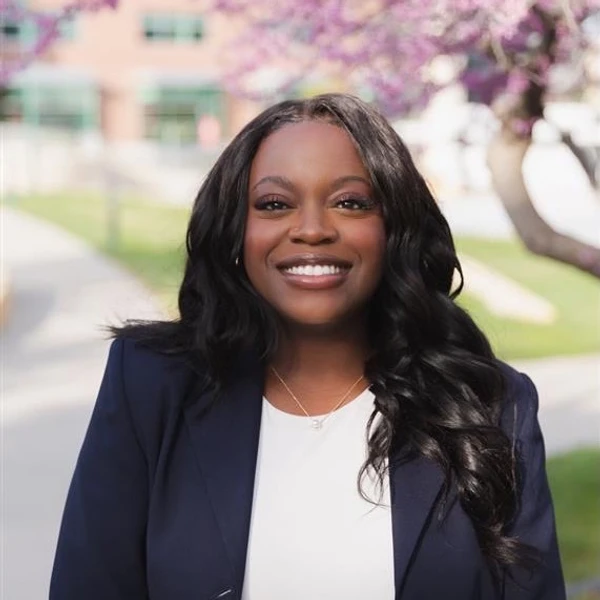
Omaha, NE
Age
25
Gender
Female
Ethnicity
Black/African
Religion
Christian
Church
Catholic
Hobbies and interests
Tennis
Knitting
Spanish
Reading
Adult Fiction
I read books multiple times per week
US CITIZENSHIP
US Citizen
LOW INCOME STUDENT
No
FIRST GENERATION STUDENT
No
Anita Amao
1x
Finalist1x
WinnerAnita Amao
1x
Finalist1x
WinnerBio
I am a college graduate and an incoming physician assistant with a background in patient care and community health. My passion for medicine is rooted in serving underserved communities and advancing health equity.
Education
Pacific University
Master's degree programMajors:
- Health Professions and Related Clinical Sciences, Other
GPA:
3.5
Georgia State University
Bachelor's degree programMajors:
- Human Biology
GPA:
3.5
Miscellaneous
Desired degree level:
Master's degree program
Graduate schools of interest:
Transfer schools of interest:
Majors of interest:
- Biological and Biomedical Sciences, Other
Career
Dream career field:
Medicine
Dream career goals:
Become a Physician Assistant
Clinical Research Coordinator
University of Nebraska Medical Center2023 – Present3 years
Sports
Tennis
2014 – Present12 years
Research
Biological and Biomedical Sciences, Other
University of Nebraska Medical Center — Clinical Research Coordinator2023 – Present
Public services
Volunteering
Peaceful Hearts Hospice — Hospice Volunteer2023 – Present
Future Interests
Advocacy
Volunteering
Tawkify Meaningful Connections Scholarship
Option 1: Relationships & Impact
As a little girl, I spent countless hours in my neighborhood park. Catching my breath after an intense round of tag or while counting to ten for hide-and-seek, I would climb to the highest point of the jungle gym and observe the activity below. From that height, the park felt like my own little world. But what made the park special was that it was not just mine. The magic came from the chaos of a newly imagined game with limited rules and unlimited players. It was the risk and reward of asking an unfamiliar kid for a push on the swing and returning the favor. It was the comfort of being greeted by a smiling face after my turn on the slide. That park was where I first learned the joy of being part of something bigger than myself, even if it was just for an afternoon.
I always knew my time at the park was over when I heard my mother’s voice call my name. She would give me a look and hold up her hands, silently showing me a number of fingers. That number represented how many pieces of trash I needed to pick up before we could leave. No matter how late she arrived, how tired I was, or how much the sky threatened rain, I could not leave the park until I collected my assigned bottles, crushed cans, or old wrappers scattered across the ground.
Afterward, she would hand me sanitizer and ask the same rhetorical question. Locking her firm brown eyes with mine, she would say, “Why do I tell you to pick up trash before we leave the park?” Before I could answer, she would respond herself: “Because I want you to promise me that you will always leave something better than you found it.” I would nod in agreement, and then we would head home.
Across playgrounds, classrooms, and years of growing up, my mother’s words have stayed with me. Those small conversations grounded me in a deep sense of responsibility, but more importantly, they taught me that I have the power to contribute to positive change. Each piece of garbage I picked up represented something larger than a clean park. It was an early lesson in awareness, service, and accountability to the community around me.
As my world expanded beyond the limits of my neighborhood park, I began to understand that my mother’s lesson applied far beyond littered sidewalks and playgrounds. Because of this awareness, I actively sought opportunities to serve others. One of the most meaningful experiences has been volunteering with MedShare, a national nonprofit organization that collects surplus medical supplies and distributes them to developing countries in need. At MedShare, I assist with packaging and organizing supplies that will eventually reach hospitals and clinics with limited resources.
What makes this experience particularly meaningful is seeing the tangible impact of our work. Occasionally, MedShare shares letters and messages from the communities that receive these supplies. Reading these notes reminds me that even small contributions can make a significant difference. Much like picking up a few pieces of trash in the park, helping package medical supplies may seem like a small action, but it contributes to something far greater.
The relationship I share with my mother has shaped how I view my role within my community and how I build connections with others. Today, that same principle influences my path toward becoming a Physician Assistant. Healthcare is ultimately about connections between the provider and patient, and between communities and their resources. Her lesson about leaving things better than I found them continues to guide my actions and interactions. It reminds me that meaningful relationships are built through responsibility, empathy, and a willingness to contribute to the well-being of others.
International Scholarship for Medical and Dental Mission Work
As a daughter of Nigerian immigrant parents who grew up in Omaha, Nebraska. I have seen firsthand how immigrant and refugee communities struggle when it comes to receiving competent care. Whether due to language barriers, lack of representation, or limited access to resources, these communities often fall through the cracks. My parent's commitment to serving their community inspired my journey and interest to healthcare and obtaining a PA degree. Witnessing these challenges motivated me to pursue a career as a PA because I am dedicated to serving diverse and underserved populations.
My passion for service began early. During high school, I had the opportunity to travel to Uganda through a service program with our sister school. While there, I participated in community service activities that supported local students and families. Although the work was not strictly medical, the experience opened my eyes to the profound impact that resource limitations can have on communities. I witnessed schools and communities working hard to support one another despite having far fewer resources than what many people in the United States take for granted. This experience broadened my global perspective and strengthened my desire to contribute to service-oriented healthcare efforts both domestically and internationally.
Since then, I have continued to seek opportunities to serve vulnerable communities.
Currently, I volunteer at various community events and gain practical exposure in the healthcare field. Some examples of community events include Medshare, community clean up and providing blood pressure readings. At Medshare, I help package medical supplies for underserved communities. What made this experience particularly rewarding was receiving thank you notes and letters from underserved communities that benefited from donations. I was able to see my direct impact, and this experience further fueled my devotion to serving vulnerable communities.
As I pursue my education as a Physician Assistant, I plan to use my training to participate in medical mission work and community-based healthcare initiatives. My goal is to provide care in underserved areas where access to medical services is limited, both within the United States and internationally. I am particularly interested in participating in short-term medical missions that provide preventative care, chronic disease management, and health education. Many communities lack consistent access to healthcare providers, and even temporary clinics can have a meaningful impact by addressing urgent medical needs and connecting individuals with ongoing care resources. Through mission work and community outreach, I am committed to helping reduce healthcare disparities and ensuring that vulnerable populations receive the care and dignity they deserve.
Minority Women in LAS Scholarship
As the daughter of two Nigerian immigrant parents, I have seen firsthand how systems can make people feel invisible. The immigration process was often dehumanizing for my parents, forcing them to navigate unfamiliar systems while being far from their support network. Despite these challenges, they always encouraged me to take pride in my heritage. My father even took me to visit his hometown in Nigeria, where I saw how financial limitations and limited access to care often dictated healthcare outcomes for many of my relatives. These experiences shaped how I understand health, equity, and the role culture plays in care and interested me in medicine.
I became intrigued by how race, gender, and socioeconomic status influence healthcare delivery and patient outcomes. Through a combination of patient care, healthcare, volunteer, and shadowing experiences, my desire to become a Physician Assistant continued to grow. These experiences exposed me to diverse populations and deepened my understanding of how social factors can shape a patient’s access to care and overall health.
My professional experiences have allowed me to work with people from many different backgrounds, including individuals of varying ages, genders, races, and socioeconomic statuses. Currently, I work as an Advanced Lung Clinical Research Coordinator, a role that has allowed me to engage with a wide range of pulmonary patients. In this position, I strive to approach every patient interaction with compassion and empathy. At the same time, working in research has made me aware of how little diversity exists within the field. I rarely see people who look like me involved in clinical research or decision-making, which reinforces how important representation truly is.
As a Black woman in healthcare, I know many of my patients feel more comfortable when they see someone who shares or understands aspects of their background. Even small moments like pronouncing a patient’s name correctly or connecting over shared cultural experiences can build trust and strengthen communication. These interactions remind me how meaningful representation can be in improving patient relationships and outcomes.
As a future Physician Assistant, I hope to challenge the status quo by bringing cultural awareness, empathy, and advocacy into clinical spaces. I want to tailor treatment plans that consider both medical and cultural needs while helping patients feel heard and respected. I am also committed to mentoring future women and first-generation students interested in healthcare, so they know there is space for them in medicine.
Diversity in healthcare teams strengthens collaboration, improves patient trust, and ultimately leads to better outcomes. By embracing my cultural background and advocating for underserved communities, I hope to contribute to a healthcare system that is more inclusive and reflective of the populations it serves. I aspire to be a catalyst for change in healthcare, advocating for vulnerable populations and ensuring that everyone receives the compassionate care they deserve. I can use my cultural upbringing to tailor treatment plans to the cultural and
medical needs of patients which can create a more inclusive and equitable healthcare system which is reflective of the people it serves.
Michele L. Durant Scholarship
As the daughter of two Nigerian immigrant parents, I have seen firsthand how systems can make people feel invisible. The immigration process was often dehumanizing for my parents, forcing them to navigate unfamiliar systems while being far from their support network. Despite these challenges, they always encouraged me to take pride in my heritage. My father even took me to visit his hometown in Nigeria, where I saw how financial limitations and limited access to care often dictated healthcare outcomes for many of my relatives. These experiences shaped how I understand health, equity, and the role culture plays in care and interested me in medicine.
I became intrigued by how race, gender, and socioeconomic status influence healthcare delivery and patient outcomes. Through a combination of patient care, healthcare, volunteer, and shadowing experiences, my desire to become a Physician Assistant continued to grow. These experiences exposed me to diverse populations and deepened my understanding of how social factors can shape a patient’s access to care and overall health.
My professional experiences have allowed me to work with people from many different backgrounds, including individuals of varying ages, genders, races, and socioeconomic statuses. Currently, I work as an Advanced Lung Clinical Research Coordinator, a role that has allowed me to engage with a wide range of pulmonary patients. In this position, I strive to approach every patient interaction with compassion and empathy. At the same time, working in research has made me aware of how little diversity exists within the field. I rarely see people who look like me involved in clinical research or decision-making, which reinforces how important representation truly is.
As a Black woman in healthcare, I know many of my patients feel more comfortable when they see someone who shares or understands aspects of their background. Even small moments like pronouncing a patient’s name correctly or connecting over shared cultural experiences can build trust and strengthen communication. These interactions remind me how meaningful representation can be in improving patient relationships and outcomes.
As a future Physician Assistant, I hope to challenge the status quo by bringing cultural awareness, empathy, and advocacy into clinical spaces. I want to tailor treatment plans that consider both medical and cultural needs while helping patients feel heard and respected. I am also committed to mentoring future women and first-generation students interested in healthcare, so they know there is space for them in medicine.
Diversity in healthcare teams strengthens collaboration, improves patient trust, and ultimately leads to better outcomes. By embracing my cultural background and advocating for underserved communities, I hope to contribute to a healthcare system that is more inclusive and reflective of the populations it serves. I aspire to be a catalyst for change in healthcare, advocating for vulnerable populations and ensuring that everyone receives the compassionate care they deserve. I can use my cultural upbringing to tailor treatment plans to the cultural and
medical needs of patients which can create a more inclusive and equitable healthcare system which is reflective of the people it serves.
Christina Taylese Singh Memorial Scholarship
The room, once filled with everyday chatter, became eerily silent as the seriousness of the situation settled in. Michael collapsed to the floor leaving his skin turning pale and his breathing became agonal. Since I was the only one in the room, I knew I had no time to waste. My heart rate quickened, and my instincts kicked in. I had to check for a pulse, initiate a code, get help from others, and start CPR. Thankfully, my coworker Michael survived and is thriving, and even though that day was extremely stressful, it instilled the notion that I was destined to help people. But more specifically, that day revealed why I am meant to be a Physician Assistant (PA). In that critical moment, I took initiative, led confidently, adapted quickly, and contributed to saving a life — all qualities that PAs embody every day. This experience taught me that working in medicine requires a unique mix of skills. Without a team of dedicated professionals, including PAs, Michael might have faced a different outcome. I had to think quickly and critically to figure out what was required at the moment before acting to treat someone effectively.
Seeking patient care interactions, I received my certification as a registered behavior technician. I intentionally sought out work with minority populations and working with these clients made me look forward to treating patients with respect. I knew some of my clients felt more comfortable seeing a therapist who looked like them. This experience forced me to recognize my own internal unconscious biases and some systemic factors that affect healthcare. Self-reflection is a valuable trait all PAs should possess. Treating many of my clients in a home setting additionally gave me the valuable experience of studying the complex nature of a patient’s background, which includes race, religion, gender, and socioeconomic status. There is evidence that vulnerable communities often have worse healthcare outcomes in America. Training more diverse health professionals is one solution needed to create and rebuild more equitable communities.
Growing up around multiple physicians, I was a bit naïve thinking healthcare teams solely included nurses and doctors. This perspective shifted after a difficult hospital stay during my freshman year of college, when I received excellent care from a woman named Erica. I noticed three important letters “PA-C” on her badge and was inclined to know more. To deepen my insight into the profession, I sought out shadowing opportunities. Shadowing multiple PAs has given me a unique perspective on the demands and integral roles of the profession. PAs I shadowed treated patients with respect and insured they knew how to treat their condition effectively. The interactions also showed me that everyone on the team is essential. Seeing PAs who work in different settings taught me about the broad scope and lateral mobility of the profession. I admire the comprehensive training of the PA education.
I am confident that my background, undergraduate education, healthcare roles, and shadowing experiences has shaped my determination to pursue a PA career. Everything I have done makes me intellectuality, emotionally, and socially prepared. I genuinely love patient care and advocating for patients. I want to reach a higher level of patient care, and I am eager to expand my scope of practice. No single defining moment led me to this profession; instead, it was a combination of meaningful experiences. I aspire to be a catalyst for change in healthcare, advocating for vulnerable populations and ensuring that everyone receives the compassionate care they deserve like my coworker Michael.
Christian Fitness Association General Scholarship
This month, I received an acceptance to my top PA program, which has been a dream come true. But shortly after reality snuck in. Although this is extremely exciting news, tuition and relocation costs present a significant financial challenge. The program is over 1,000 miles from home, and because Physician Assistant school requires full-time commitment, I will be unable to work while enrolled. I have also been worried about the recent uncertainties surrounding federal loans. This scholarship would provide essential support with moving costs, tuition, books, and overall living expenses.
I should be considered for this scholarship because my journey, values, and goals align deeply with its mission to support African American students pursuing careers in healthcare. Throughout my academic and professional career, I have committed myself to serving diverse populations. I have gained hands-on experience as a clinical research coordinator, registered behavior technician, ophthalmic technician, and hospice volunteer. All my succeeding roles exposed me to different populations and made me learn to adapt to diverse patient needs. In addition, I recognize the importance of using my cultural upbringing to tailor treatment plans to the cultural needs of patients, helping to create a more inclusive and equitable healthcare system. There is evidence that vulnerable communities often have worse healthcare outcomes in America. Training more diverse health professionals is one solution needed to create and rebuild more equitable communities. Representation matters, and I have learned that diversity within healthcare teams strengthens patient trust and improves outcomes. I am committed to contributing to that change.
In addition to my professional experiences, I remain actively involved in community service. Currently, I volunteer at various community events and gain practical exposure in the healthcare field. Some examples of community events include Medshare, community clean up and providing blood pressure readings. At Medshare, I help package medical supplies for under-served communities. What made this experience particularly rewarding was receiving thank you notes and letters from underserved communities that benefited from donations. I was able to see my direct impact, and this experience further fueled my devotion to serving vulnerable communities. These experiences have shaped my understanding of what it means to be both a compassionate provider and advocate for my community. I hope to continue embodying these characteristics in PA school, and throughout my career. My ultimate
goal is to be a provider who is compassionate, patient, supportive, professional, and humble in every encounter.
My journey has not been without challenges. During my freshman year of college, I experienced two difficult semesters. I moved to a new state for college and did not know anyone. This was extremely alienating to a transitioning student. Around the same time, I had a serious health scare. After two weeks of testing, I was diagnosed with MODY (essentially type 1.5 diabetes) caused by autoimmune issues. This was extremely stressful and resulted in poor grades due to extended ICU stay. Despite these challenges, I was able to recover and graduate with my bachelor’s degree. This experience taught me resilience and determination.
Still committed to becoming a PA, I returned to school after completing my degree to demonstrate I can handle a rigorous master's degree. I re-enrolled in science courses I initially performed poorly in. While in these classes I was working one full-time job, one part-time job, and still found time to shadow and volunteer.
In my post baccalaureate I was discipled and my academic performance improved. My focus was derived from envisioning how the information I learned will help future patients. The vision sustained me through my informal post baccalaureate and will continue to do so in PA school. I am confident in my ability to understand medicine and apply the information accordingly. At Metro community college I maintained a 3.9 GPA and improved my academic ability through the 41 credits I completed. PA school will be time consuming, however I am confident I will remain focused on the courses with the same discipline I learned during my post baccalaureate.
My motivation came from envisioning the patients I hope to serve in the future. Understanding that the knowledge I gained would directly impact patient care helped me remain disciplined and focused. That same determination will carry me through PA school and throughout my medical career.
Receiving this scholarship would not only provide critical financial assistance but would also support my continued commitment to serving underserved communities. I am dedicated to becoming a healthcare provider who advocates for equity, practices compassionate medicine, and contributes meaningfully to improving health outcomes for all patients.
Saswati Gupta Cancer Research Scholarship
I was recently accepted to a Physician Assistant (PA) program! The profession combines teamwork, flexibility, and quality patient care, which are all aspects I value in a career. An impactful PA is compassionate, adaptable, patient, and supportive. I choose to pursue the PA profession because I am dedicated to serving diverse and underserved populations.
I have gained hands-on experience in many different roles. All my succeeding roles exposed me to different populations and made me learn to adapt to diverse patient needs. These roles have taught me valuable skills such as teamwork, communication, and critical thinking skills-all essential in healthcare. While my clinical experience sharpened my ability to work well under pressure, my work in research has complemented this with critical thinking and problem-solving skills—all essential traits for a PA. In my current role, I analyze data and manage intricate protocols, which has deepened my understanding of the meticulousness required in healthcare. These experiences have further solidified my commitment to pursuing a career as a PA, a field where science and patient care intersect in powerful ways.
I currently work as an Advanced Lung Clinical Research Coordinator. This job has allowed me to engage with various diverse pulmonary patients. In this role, I strive to embody the same qualities I observed in the PAs I shadowed. I’ve learned to approach every patient encounter with compassion and empathy. I’ve collaborated with multiple members on the team that mirror the collaboration and adaptability that is needed in PA practice. As a black woman in healthcare, I know a lot of patients feel more comfortable seeing someone who looks like them which shows the importance of representation. This reinforces my commitment to increasing diversity within the PA profession and building trust with patients who may have felt unseen and foster connections.
Dr. Nova Grace Hinman Weinstein Triple Negative Breast Cancer Research Scholarship
Three years ago, I remember experiencing a sharp pain in my abdomen. I am used to having painful periods, so at first, I did not think much of it. However, the pain continued and gradually became worse my mom urged me to go to the ED. Eventually, I had to go to the emergency department, where I underwent a painful ultrasound and learned that I had uterine fibroids. The fibroids were large in size, about the size of a baseball. The diagnosis was both surprising and frustrating. I was given medication to help manage the pain, but the experience opened my eyes to how common yet underdiscussed this condition is. It made me realize how many women silently endure similar pain without fully understanding what is happening in their bodies.
This personal experience sparked my interest in learning more about uterine fibroids and the importance of improving awareness, diagnosis, and treatment options. As a Black woman, I am also aware that uterine fibroids disproportionately affect Black women, who are more likely to develop fibroids and experience more severe symptoms. Talking to my mom and friends I discovered many black women have fibroids and they live with the pain. At the time I was only 22 and I became really anxious about my future and fertility. This reality deepened my desire to contribute to research that addresses these disparities and improves outcomes for women who are often underrepresented in research and underserved in healthcare.
I currently work as a Cancer Clinical Research Coordinator Associate in Breast Oncology. This job has allowed me to engage with various diverse cancer patients. I manage all aspects of a five clinical trials from study feasibility, study start up, protocol facilitation, to study closeout. Recently, I got an acceptance to Physician Assistant (PA) school. In my current role in research, I have developed critical thinking and problem-solving skills—all essential traits for a PA. In my current role, I analyze data and manage intricate protocols, which has deepened my understanding of the meticulousness required in healthcare. These experiences have further solidified my commitment to pursuing a career as a PA, a field where science and patient care intersect in powerful ways.
My goal is to contribute to advancing knowledge of early detection methods and innovative therapies, focusing on strategies that are accessible and effective for diverse populations. Through this scholarship, I hope to further develop my research skills, collaborate with leading experts, and ultimately help bring life-saving interventions to those who need them most. I know I will be able to help my patients as a future provider due to my research background. My long-term goal is work as a PA in surgical oncology or women’s health with oncology focus.
Healing Futures Scholarship
As the daughter of two Nigerian immigrant parents, I have seen firsthand how systems can make people feel invisible. The immigration process was often dehumanizing for my parents, forcing them to navigate unfamiliar systems while being far from their support network. Despite these challenges, they always encouraged me to take pride in my heritage. My father even took me to visit his hometown in Nigeria, where I saw how financial limitations and limited access to care often dictated healthcare outcomes for many of my relatives. These experiences shaped how I understand health, equity, and the role culture plays in care and interested me in medicine.
I became intrigued by how race, gender, and socioeconomic status influence healthcare delivery and patient outcomes. Through a combination of patient care, healthcare, volunteer, and shadowing experiences, my desire to become a Physician Assistant continued to grow. These experiences exposed me to diverse populations and deepened my understanding of how social factors can shape a patient’s access to care and overall health.
My professional experiences have allowed me to work with people from many different backgrounds, including individuals of varying ages, genders, races, and socioeconomic statuses. Currently, I work as an Advanced Lung Clinical Research Coordinator, a role that has allowed me to engage with a wide range of pulmonary patients. In this position, I strive to approach every patient interaction with compassion and empathy. At the same time, working in research has made me aware of how little diversity exists within the field. I rarely see people who look like me involved in clinical research or decision-making, which reinforces how important representation truly is.
As a Black woman in healthcare, I know many of my patients feel more comfortable when they see someone who shares or understands aspects of their background. Even small moments like pronouncing a patient’s name correctly or connecting over shared cultural experiences can build trust and strengthen communication. These interactions remind me how meaningful representation can be in improving patient relationships and outcomes.
As a future Physician Assistant, I hope to challenge the status quo by bringing cultural awareness, empathy, and advocacy into clinical spaces. I want to tailor treatment plans that consider both medical and cultural needs while helping patients feel heard and respected. I am also committed to mentoring future women and first-generation students interested in healthcare, so they know there is space for them in medicine.
Diversity in healthcare teams strengthens collaboration, improves patient trust, and ultimately leads to better outcomes. By embracing my cultural background and advocating for underserved communities, I hope to contribute to a healthcare system that is more inclusive and reflective of the populations it serves. I aspire to be a catalyst for change in healthcare, advocating for vulnerable populations and ensuring that everyone receives the compassionate care they deserve. I can use my cultural upbringing to tailor treatment plans to the cultural and
medical needs of patients which can create a more inclusive and equitable healthcare system which is reflective of the people it serves.
Ethel Hayes Destigmatization of Mental Health Scholarship
I remember this day as if it were yesterday. I was a junior in high school and had just gotten my first phone. Like most mornings, my routine was simple, I would wake up and scroll through my messages and Instagram before getting ready for the day. As I looked through my notifications, I noticed a message from my best friend. Something about it felt different. The message ended with the words, “I love you, Anita.”
At the time, I didn’t realize how significant that message would become. It was the last message I would ever receive from her.
Losing my best friend to suicide changed my life in ways I could never have anticipated. Their death exposed me to the devastating reality of untreated and misunderstood mental illness. In the aftermath, I carried grief, confusion, and a deep sense of responsibility, constantly wondering what might have been different if earlier intervention or stronger support systems had been in place. That loss reshaped my understanding of mental health and solidified my desire to be part of the solution.
Motivated by this experience, I began working as a Registered Behavior Technician, supporting autistic children who face behavioral and mental health challenges. In this role, I learned how deeply mental illness can affect communication, emotional regulation, and daily functioning. I worked closely with children and their families to implement behavior plans, encourage emotional expression, and create safe, supportive environments. This hands-on experience taught me patience, empathy, and the importance of individualized care. It also showed me how early; consistent mental health intervention can dramatically improve quality of life.
I also volunteer as a hospice volunteer; I provide supportive services to individuals and families with terminal illness. I provide hope to hospice patients to achieve positive outcomes, companionship, interaction, socialization, comfort, and emotional support. I also sit by the
bedside of patients who are in the final hours to days of life. I assist in keeping the environment peaceful and alerting staff to any signs of distress for the patient such as pain or anxiety. Being a hospice volunteer teaches me emotional intelligence and communication. It has also helped me be more ok with death and understand the complexities of mental illness.
Together, these experiences shaped my career goal of becoming a psychiatric physician assistant. I want to be a provider who listens closely, recognizes subtle signs of distress, and treats mental health with the urgency and compassion it deserves. By combining personal loss with professional experience, I hope to honor my best friend’s memory and help prevent others from suffering in silence. This month, I received an acceptance to my top PA program, which has been a dream come true. It feels like she is always looking over me.
Love Island Fan Scholarship
One of the most exciting parts of Love Island is watching couples imagine what their relationship could look like outside the villa. My challenge idea, “The Future Forecast,” tests how well couples see their future together while adding humor and unexpected drama.
For this challenge, the villa is transformed into a playful “fortune-teller” theme. Each couple sits with a large board showing different future scenarios, such as first vacation together, meeting the family, moving in together, arguments, and long-distance relationships.
Before the round begins, Islanders secretly write how they think their partner would react in each situation. For example, one question might be: “Who would say ‘I love you’ first?” or “Who would be more jealous if a new bombshell arrived?”
When the answers are revealed, couples earn points if they match. If they do not match, they must spin the “Reality Wheel.” The wheel includes funny but dramatic consequences, like giving another Islander relationship advice, going on a short chat with someone who previously showed interest in them, or revealing one relationship fear.
The couple with the most points wins a romantic future-themed date, while the challenge reveals how compatible couples truly are beyond the villa. Winners get a special night in the hideaway
Julie Holloway Bryant Memorial Scholarship
I am a first-generation college graduate with a strong passion for healthcare and serving underserved communities. I earned my bachelor’s degree in biology, where I developed a deep interest in the intersection of science, patient care, and public health. Throughout my academic journey, I became particularly interested in understanding how cultural background, socioeconomic status, and access to care influence health outcomes.
My long-term goal is to become a Physician Assistant who provides compassionate, patient-centered care. Through my experiences working as a Registered Behavior Technician (RBT), I have had the opportunity to work closely with children with autism and other developmental disabilities in home, school, and clinical settings. Implementing Applied Behavior Analysis and supporting clients one-on-one strengthened my commitment to working directly with patients and improving the quality of care for individuals with developmental and intellectual disabilities. These experiences solidified my desire to pursue a career where I can combine clinical care with advocacy for vulnerable populations.
Recently, I received an acceptance to my top-choice PA program, Pacific University. Pacific’s core values of diversity, service, and inclusion strongly align with my motivation to become a physician assistant. I was particularly drawn to Pacific’s TRUST program, which prepares students to serve rural, underserved, and global communities. As someone passionate about health equity, this program closely reflects the type of work I hope to pursue in my career. I was also excited to learn that Pacific students have opportunities to participate in international clinical rotations. Hearing about a student’s experience working in Ghana resonated with me personally as someone with West African roots. Opportunities like this would allow me to connect with communities I care deeply about while providing culturally informed care and gaining a broader global health perspective.
My first language is Yoruba, which I grew up speaking with my family. Being bilingual in both Yoruba and English has been an important part of my identity and has shaped how I interact with others. One of the greatest benefits of being bilingual is the ability to connect with people from different cultural backgrounds and help bridge communication gaps in healthcare settings. Language plays a significant role in how comfortable patients feel when discussing their health, and being able to communicate in more than one language can help build trust and improve understanding between providers and patients.
Being bilingual can also present challenges. Certain medical terminology or cultural expressions do not always translate easily between languages, which requires extra care to ensure information is communicated accurately. Additionally, maintaining fluency in multiple languages requires consistent practice and awareness of cultural nuances. Despite these challenges, being bilingual has strengthened my communication skills and cultural sensitivity.
As I prepare to begin my PA training at Pacific University, I recognize the significant financial commitment required to pursue a graduate STEM degree. Support from scholarships such as this would help alleviate the burden of tuition and allow me to fully focus on my training and future service.
Ultimately, speaking Yoruba and English has given me a deeper appreciation for cultural diversity and the importance of clear communication in healthcare. As I pursue my career as a physician assistant, I hope to use these skills to provide culturally responsive care and improve access to healthcare for diverse and underserved communities.
Champions for Intellectual Disability Scholarship
Since the beginning of my college journey, I have been fascinated by how race, gender, and socioeconomic status shape health outcomes. This interest ultimately led me to pursue work supporting individuals with intellectual and developmental disabilities, particularly those with autism spectrum disorder (ASD). Through my academic studies and professional experiences, I have developed a strong passion for improving health equity and supporting underserved communities.
While earning my bachelor’s degree in biology, I built a strong scientific foundation that deepened my understanding of the neurobiological and developmental aspects of ASD. Courses such as statistics and developmental biology strengthened my interest in research and public health. However, it was my hands-on work as a Registered Behavior Technician (RBT) that truly solidified my commitment to serving the intellectual disability community.
As an RBT, I provided one-on-one support to children with developmental disabilities and autism in school, clinical, home, and community settings. Using Applied Behavior Analysis (ABA), I implemented behavior intervention plans designed by Board Certified Behavior Analysts and worked directly with clients to build communication, behavioral, and life skills. These experiences allowed me to see firsthand the challenges individuals with intellectual disabilities and their families face every day.
Working closely with children from diverse and often underserved communities deeply influenced my perspective. Many of my clients came from minority backgrounds, and I saw how cultural understanding and representation in healthcare can affect trust and comfort. Some families expressed appreciation for providers who understood their experiences or shared similar backgrounds. These moments reinforced my belief that increasing diversity within healthcare and research is essential to improving outcomes for vulnerable populations.
My role also exposed me to the broader systemic barriers that impact families navigating developmental disabilities, including limited access to resources, cultural stigma, and disparities in healthcare services. Through treating clients in their home environments, I gained valuable insight into how factors such as race, religion, gender, and socioeconomic status influence both healthcare access and treatment outcomes.
In addition to direct patient care, I served on the Ethics Committee at Heartland ABA, where I worked alongside staff and practitioners to discuss ethical concerns related to patient care, treatment goals, and staff responsibilities. This experience strengthened my commitment to advocating for ethical, patient-centered care and ensuring that the needs of individuals with intellectual disabilities remain at the forefront of clinical decision-making.
These experiences have inspired my long-term goal of contributing to research focused on autism spectrum disorder within minority communities. I hope to help address disparities in diagnosis, treatment access, and outcomes by studying how social and environmental factors influence ASD within underserved populations. By combining my background in biology, behavioral therapy, and community-based care, I aspire to contribute to research and healthcare initiatives that improve support systems for individuals with intellectual disabilities and their families.
Ultimately, my experiences working directly with children with autism have shaped both my personal and educational goals. They have shown me the importance of compassionate care, cultural awareness, and advocacy in supporting individuals with intellectual disabilities. I am committed to continuing this work and contributing to a future where all individuals, regardless of background or ability, have access to equitable care and opportunities to thrive.
Women in STEM Scholarship
The PA profession combines teamwork, flexibility, and quality patient care, which are all aspects I value in a career. PAs I shadowed treated patients with respect and insured they knew how to treat their condition effectively. The interactions also showed me that everyone on the team is essential. Seeing PAs who work in different settings taught me about the broad scope and lateral mobility of the profession. I admire the comprehensive training of the PA education.
Both of my parents are immigrants from Nigeria. I have seen firsthand how immigrant and refugee communities struggle when it comes to receiving competent care. Whether due to language barriers, lack of representation, or limited access to resources, these communities often fall through the cracks. My parent's commitment to serving their community inspired my journey and interest to healthcare and obtaining a PA degree. Witnessing these challenges motivated me to pursue a career as a PA because I am dedicated to serving diverse and underserved populations.
I should be considered for this scholarship because my journey, values, and goals align deeply with its mission to support African American woman pursuing careers in healthcare. Throughout my academic and professional career, I have committed myself to serving diverse populations. I have gained hands-on experience as a clinical research coordinator, registered behavior technician, ophthalmic technician, and hospice volunteer. All my succeeding roles exposed me to different populations and made me learn to adapt to diverse patient needs.
As an African American woman, I understand the struggle to receive quality healthcare. Women's health needs are often overlooked. There is evidence that vulnerable communities often have worse healthcare outcomes in America. As a woman in healthcare, I hope to lead by example by demonstrating empathy, resilience, and cultural competence. I aim to empower patients, mentor younger women pursuing healthcare careers, and contribute to creating a more inclusive, equitable environment in medicine. I recognize the importance of using my cultural upbringing to tailor treatment plans to the cultural needs of patients, helping to create a more inclusive and equitable healthcare system Currently only 3.7% of PAs identify themselves as black. This is why training more diverse health professionals is one solution needed to create and rebuild more equitable communities. Representation matters, and I have learned that diversity within healthcare teams strengthens patient trust and improves outcomes. I am committed to contributing to that change by making healthcare more accessible for different communities.
Byte into STEM Scholarship
As a daughter of Nigerian immigrant parents who grew up in Omaha, Nebraska. I have seen firsthand how immigrant and refugee communities struggle when it comes to receiving competent care. Whether due to language barriers, lack of representation, or limited access to resources, these communities often fall through the cracks. My parent's commitment to serving their community inspired my journey and interest to healthcare and obtaining a PA degree. Witnessing these challenges motivated me to pursue a career as a PA because I am dedicated to serving diverse and underserved populations.
Currently, I volunteer at various community events and gain practical exposure in the healthcare field. Some examples of community events include Medshare, community clean up and providing blood pressure readings. At Medshare, I help package medical supplies for underserved communities. What made this experience particularly rewarding was receiving thank you notes and letters from underserved communities that benefited from donations. I was able to see my direct impact, and this experience further fueled my devotion to serving vulnerable communities.
In August 2024 I was appointed as a representative on the Belonging and Community Engagement council at University of Nebraska Medical Center. The purpose of the council is to enhance community engagement efforts across the institution by creating new initiatives and programs. In addition, I attend volunteer and community outreach events which enrich the community of Omaha. This council has helped broaden both my personal and professional horizons.
These experiences have shaped my career aspirations in medicine. I am pursuing a career as a physician assistant because I want to serve patients with empathy, cultural awareness, and respect for their lived experiences. Having navigated systems that were not designed with immigrants in mind, I understand how intimidating healthcare can feel especially when language barriers, financial strain, or mistrust are present. I hope to be a provider who helps bridge those gaps and ensures patients feel seen, heard, and supported.
Recently, I received an acceptance to my top PA program, Pacific University. Pacific’s core values of diversity, service, and inclusion strongly align with my motivation to become a physician assistant. Pacific graduates are more than twice as likely to work in rural areas or medically underserved communities compared to their counterparts nationally. I was particularly drawn to Pacific’s TRUST program, which prepares students to serve rural, underserved, and global communities. As someone passionate about health equity, this program aligns closely with my goals as a future PA. I was also excited to learn that Pacific students have opportunities to complete international clinical rotations. Hearing about a student’s experience working in Ghana resonated with me personally as someone with West African roots. Opportunities like this would allow me to connect with communities I care deeply about while providing culturally informed care and gaining a broader global health perspective. Pacific’s innovative approach, supportive learning environment, and commitment to diversity confirm that it is the ideal place for me to grow into the physician assistant I aspire to become. As I prepare to begin my PA training at Pacific University, I recognize the substantial financial commitment required to pursue a graduate STEM degree. Support from scholarships like this would help the burden of tuition and allow me to fully focus on my training and future service.
As a first-generation American, I recognize the privilege of the opportunities I have been given, and I feel a responsibility to use them to advocate for underserved communities. My background has shown me the importance of representation in healthcare. When patients encounter healthcare providers who reflect their identities and understand their experiences, it fosters trust and meaningful relationships.
Lauren Rebekah Uterine Fibroid & Endometriosis Research Scholarship
Three years ago, I remember experiencing a sharp pain in my abdomen. I am used to having painful periods, so at first, I did not think much of it. However, the pain continued and gradually became worse my mom urged me to go to the ED. Eventually, I had to go to the emergency department, where I underwent a painful ultrasound and learned that I had uterine fibroids. The fibroids were large in size, about the size of a baseball. The diagnosis was both surprising and frustrating. I was given medication to help manage the pain, but the experience opened my eyes to how common yet underdiscussed this condition is. It made me realize how many women silently endure similar pain without fully understanding what is happening in their bodies.
This personal experience sparked my interest in learning more about uterine fibroids and the importance of improving awareness, diagnosis, and treatment options. As a Black woman, I am also aware that uterine fibroids disproportionately affect Black women, who are more likely to develop fibroids and experience more severe symptoms. Talking to my mom and friends I discovered many black women have fibroids and they live with the pain. At the time I was only 22 and I became really anxious about my future and fertility. This reality deepened my desire to contribute to research that addresses these disparities and improves outcomes for women who are often underrepresented in research and underserved in healthcare.
I currently work as a Cancer Clinical Research Coordinator in Breast Oncology. This job has allowed me to engage with various diverse cancer patients. I manage all aspects of a five clinical trials from study feasibility, study start up, protocol facilitation, to study closeout. In May, I will be furthering my career by beginning PA school. In this role, I strive to embody the same qualities I observed in the PAs I shadowed. I’ve learned to approach every patient encounter with compassion and empathy. I’ve collaborated with multiple members on the team that mirror the collaboration and adaptability that is needed in PA practice. As a black woman in healthcare, I know a lot of patients feel more comfortable seeing someone who looks like them which shows the importance of representation. This reinforces my commitment to increasing diversity within the PA profession and building trust with patients who may have felt unseen and foster connections.
My goal is to contribute to advancing knowledge of uterine fibroids through early detection methods and innovative therapies, focusing on strategies that are accessible and effective for diverse populations. Through this scholarship, I hope to further develop my research skills, collaborate with leading experts, and ultimately help bring life-saving interventions to those who need them most. I know I will be able to help my patients as a future provider due to my research background. My long-term goal is work as a PA in surgical oncology or women’s health caring for and advocating to patients that look like me.
New Beginnings Immigrant Scholarship
My name is Anita Amao. I am a first-generation American with Nigerian immigrant parents who grew up in Omaha, Nebraska. I have seen firsthand how immigrant and refugee communities struggle when it comes to receiving competent care. Whether due to language barriers, lack of representation, or limited access to resources, these communities often fall through the cracks. My parent's commitment to serving their community inspired my journey and interest to healthcare and obtaining a PA degree. Witnessing these challenges motivated me to pursue a career as a PA because I am dedicated to serving diverse and underserved populations.
Currently, I volunteer at various community events and gain practical exposure in the healthcare field. Some examples of community events include Medshare, community clean up and providing blood pressure readings. At Medshare, I help package medical supplies for under-served communities. What made this experience particularly rewarding was receiving thank you notes and letters from underserved communities that benefited from donations. I was able to see my direct impact, and this experience further fueled my devotion to serving vulnerable communities. These experiences have shaped my understanding of what it means to be both a compassionate provider and advocate for my community. I hope to continue embodying these characteristics in PA school, and throughout my career. My ultimate
goal is to be a provider who is compassionate, patient, supportive, professional, and humble in every encounter.
These experiences have shaped my career aspirations in medicine. I am pursuing a career as a physician assistant because I want to serve patients with empathy, cultural awareness, and respect for their lived experiences. Having navigated systems that were not designed with immigrants in mind, I understand how intimidating healthcare can feel especially when language barriers, financial strain, or mistrust are present. I hope to be a provider who helps bridge those gaps and ensures patients feel seen, heard, and supported.
This month, I received an acceptance to my top PA program, which has been a dream come true. But shortly after reality snuck in. Although this is extremely exciting news, tuition and relocation costs present a significant financial challenge. The program is over 1,000 miles from home, and because Physician Assistant school requires full-time commitment, I will be unable to work while enrolled. I have also been worried about the recent uncertainties surrounding federal loans.
In addition, I recognize the importance of using my cultural upbringing to tailor treatment plans to the cultural needs of patients, helping to create a more inclusive and equitable healthcare system. There is evidence that vulnerable communities often have worse healthcare outcomes in America. Training more diverse health professionals is one solution needed to create and rebuild more equitable communities. Representation matters, and I have learned that diversity within healthcare teams strengthens patient trust and improves outcomes. I am committed to contributing to that change.
As a first generation American, I can recognize my privilege, and I feel called to use it to advocate for underserved communities. My background has shown me that representation is important. When patients encounter healthcare workers who reflect their background and experiences it builds trust, and meaningful relationships can be fostered. Whether it is pronouncing a patient's name correctly or building rapport talking about the latest Nollywood movies, culture can help bridge communication gaps. In addition, adding unique perspectives in the PA profession can create vibrant collaboration between colleagues. I can use my cultural upbringing to tailor treatment plans to the cultural and medical needs of patients which can create a more inclusive and equitable healthcare system which is
reflective of the people it serves.
Issa Foundation HealthCare Scholarship
The room, once filled with everyday chatter, became eerily silent as the seriousness of the situation settled in. Michael collapsed to the floor leaving his skin turning pale and his breathing became agonal. Since I was the only one in the room, I knew I had no time to waste. My heart rate quickened, and my instincts kicked in. I had to check for a pulse, initiate a code, get help from others, and start CPR. Thankfully, my coworker Michael survived and is thriving, and even though that day was extremely stressful, it instilled the notion that I was destined to help people. But more specifically, that day revealed why I am meant to be a doctor. In that critical moment, I took initiative, led confidently, adapted quickly, and contributed to saving a life — all qualities that doctors embody every day. This experience taught me that working in medicine requires a unique mix of skills. Without a team of dedicated professionals, Michael might have faced a different outcome. I had to think quickly and critically to figure out what was required at the moment before acting to treat someone effectively.
Growing up surrounded by black women in medicine, especially my mother, cultivated my interest in healthcare. When I was a little girl, I would often visit my mother at the hospital, which exposed me to diverse roles in medicine and fueled my curiosity about the medical field. My parents, both physicians, exemplify fantastic patient care. Their commitment to serving their community inspired my journey and interest to healthcare and obtaining a biology degree. As I investigated the complexities of biology during my college years, my interest in medicine was further fueled. My fascination was not only academic; it was the driving force behind my vocation of patient care. I became intrigued by the dynamics of racial, gender, and socioeconomic status and how this influences healthcare delivery outcomes. A combination of patient care, healthcare, volunteer, and shadow experiences further influenced my desire to becoming a doctor.
That experience challenged my assumptions about patient behavior and responsibility. It reinforced that medicine cannot be practiced effectively without understanding the broader context of a patient’s life. This mean treating a patient fully by looking at their socioeconomic status, mental and physical health. It is important to consider all factors in order to treat a patient effectively. I aim to practice medicine that values human connection as much as technical skill, and to serve patients not as problems to be solved, but as individuals deserving dignity, understanding, and compassionate care. This experience affirmed my commitment to becoming a clinician who listens first, treats holistically, and remains mindful of the responsibility entrusted to those who care for others.
Breeze Sports Scholarship
Sports have always been more than competition to me, they are a foundation for discipline, connection, and lifelong growth. Tennis, in particular, has played a central role in shaping who I am. My love for the sport began with my family, and it remains one of the ways we stay connected. Every year, we travel together to the Rafa Nadal Tennis Center in Cancun, where playing, training, and sharing time on the court has become a meaningful family tradition. Those experiences reinforced that sports are not just about performance, but about community, consistency, and shared passion.
Tennis taught me accountability, mental resilience, and the ability to stay composed under pressure lessons that extend far beyond the court. It is a sport that demands both physical endurance and mental strength, requiring athletes to problem-solve independently while maintaining focus and discipline. At the same time, success in tennis is never achieved alone. I regularly play doubles and have to be dependable to my partner. In college I had to develop time management skills in order to have good grades as well. Coaches, trainers, and support staff play an essential role in helping athletes grow safely and sustainably, and I have developed deep respect for these behind-the-scenes roles that allow athletes to thrive.
What inspires me to pursue a career in sports is the industry’s unique ability to impact physical health, mental well-being, and confidence. Sports provide structure, motivation, and a sense of belonging, and I want to contribute to environments where athletes feel supported at every stage of their journey. My goal is to work in a role that supports athlete development holistically, emphasizing long-term health, injury prevention, and sustainable performance.
I also hope to help expand access to sports for individuals and families who may not otherwise have the opportunity to participate. Tennis has given me lifelong skills, strengthened my family bonds, and shaped my values, and I want to help ensure that others can experience those same benefits. By working in the sports field, I aim to create positive, inclusive spaces that empower athletes both on and off the court.
This scholarship would support my continued education and allow me to further pursue a future in sports. Tennis has been a constant source of motivation, connection, and personal growth in my life from family matches to training at the Rafa Nadal Tennis Center and I am committed to building a career that gives back to the sport and community that have given me so much.
Elizabeth Schalk Memorial Scholarship
I remember this by like it was yesterday. I am junior in high school and just recently got a phone. My morning routine includes me scrolling through my messages and Instagram. I notice a weird message from my best friend. The end of the message says, " I love you, Anita." The is the last message I received from her.
Losing my best friend to suicide changed my life in ways I could never have anticipated. Their death exposed me to the devastating reality of untreated and misunderstood mental illness. In the aftermath, I carried grief, confusion, and a deep sense of responsibility, constantly wondering what might have been different if earlier intervention or stronger support systems had been in place. That loss reshaped my understanding of mental health and solidified my desire to be part of the solution.
Motivated by this experience, I began working as a Registered Behavior Technician, supporting autistic children who face behavioral and mental health challenges. In this role, I learned how deeply mental illness can affect communication, emotional regulation, and daily functioning. I worked closely with children and their families to implement behavior plans, encourage emotional expression, and create safe, supportive environments. This hands-on experience taught me patience, empathy, and the importance of individualized care. It also showed me how early; consistent mental health intervention can dramatically improve quality of life.
I also volunteer as a hospice volunteer; I provide supportive services to individuals and families with terminal illness. I provide hope to hospice patients to achieve positive outcomes, companionship, interaction, socialization, comfort, and emotional support. I also sit by the
bedside of patients who are in the final hours to days of life. I assist in keeping the environment peaceful and alerting staff to any signs of distress for the patient such as pain or anxiety. Being a hospice volunteer teaches me emotional intelligence and communication. It has also helped me be more ok with death and understand the complexities of mental illness.
Together, these experiences shaped my career goal of becoming a psychiatric physician assistant. I want to be a provider who listens closely, recognizes subtle signs of distress, and treats mental health with the urgency and compassion it deserves. By combining personal loss with professional experience, I hope to honor my best friend’s memory and help prevent others from suffering in silence. This month, I received an acceptance to my top PA program, which has been a dream come true. It feels like she is always looking over me.
Dr. Samuel Attoh Legacy Scholarship
To me, legacy is not about recognition or status, but about the impact left on others long after a moment has passed. Both of my parents are immigrants from Nigeria. I have seen firsthand how immigrant and refugee communities struggle when it comes to receiving competent care. Whether due to language barriers, lack of representation, or limited access to resources, these communities often fall through the cracks. My parent's long-term commitment to serving their community inspired my journey and interest to healthcare and obtaining a PA degree. Witnessing these challenges motivated me to pursue a career as a PA because I am dedicated to serving diverse and underserved populations.
My father made it a point to show me his hometown in Nigeria, which unveiled unique needs of a population my parents called home. For my family members financial limitations often dictated their healthcare outcomes. In contrast, my own experiences with healthcare have been positive. During my freshman year of college. I was hospitalized and had an extended ICU stay. I understand firsthand the uncertainty and vulnerability patients face. Balancing school and recovery taught me resilience. This experience helps me relate with those on the other side of care. Both traveling and being a patient illuminated health disparities at a young age and showed the importance of equity in healthcare which I plan to bring into my career as PA. My professional experiences have exposed me to diverse populations. I have worked with people of different ages, genders, races, socioeconomic statuses, and backgrounds. My succeeding roles as a registered behavior technician, ophthalmic eye technician, and clinical research associate were equally rewarding. In my current research role, I analyze data and manage intricate protocols with a focus on improved patient outcomes. These roles gave me the responsibility for patient's healthcare and deepened my understanding of the critical skills required for effective patient care.
As a first generation American, I can recognize my privilege, and I feel called to use it to advocate for underserved communities. My background has shown me that representation is important. When patients encounter healthcare workers who reflect their background and experiences it builds trust, and meaningful relationships can be fostered. Whether it is pronouncing a patient's name correctly or building rapport talking about the latest Nollywood movies, culture can help bridge communication gaps. In addition, adding unique perspectives in the PA profession can create vibrant collaboration between colleagues. My upbringing taught me the importance of resilience and responsibility. I learned early on how environment and circumstance can influence opportunity. As I move forward, I plan to both continue and break cycles. I can use my cultural upbringing to tailor treatment plans to the cultural and medical needs of patients which can create a more inclusive and equitable healthcare system which is reflective of the people it serves.
Taylor Swift Fan Scholarship
Taylor Swift’s twelfth studio album, The Life of a Showgirl, reflects her journey of growing up in the spotlight, making the Eras Tour one of the most moving performances of her career. Rather than highlighting a single moment, the Eras Tour stands out because it celebrates every chapter of her life as an artist while embracing the growth that came with each era.
What makes the Eras Tour so powerful is Taylor’s ability to connect the past and present with intention and grace. Watching her perform songs from Fearless to Midnights felt like witnessing a living timeline of resilience, reinvention, and self-ownership. Each era was given space to shine, yet none overshadowed the others, reflecting how Taylor honors her past without being defined by it.
The performance that resonated with me most was her acoustic surprise song segment. Stripped of spectacle, those moments felt deeply personal, reminding fans that at the heart of her career is storytelling. The Eras Tour isn’t just a concert, it’s a statement of endurance, creativity, and authenticity. It showed me that growth doesn’t mean abandoning who you were, but learning how every version of yourself contributes to who you become. Going to the Eras tourn with my best friend and mom was the highlight of my year. The energy at the Atlanta concert was unmatched. I loved seeing everyone's outfits and connecting with swifities :)
Sabrina Carpenter Superfan Scholarship
I am a fan of Sabrina Carpenter because her career reflects growth, resilience, and authenticity! These qualities have deeply impacted how I view my own journey. I first discovered her as Maya Hart on Girl Meets World, where her wit, vulnerability, and emotional depth made the character feel real. Watching her portray someone navigating friendship, identity, and growing up helped me feel understood during a formative time in my own life.
As Sabrina transitioned into music, her evolution as an artist became even more inspiring. Songs like Please Please Please and Espresso showcase not only her vocal talent, but also her confidence and self-awareness. Her lyrics balance fun and honesty, proving that pop music can be both playful and meaningful. Through her music, I’ve learned that it’s okay to embrace different sides of yourself and to grow without apologizing for change. My all-time favorite song is Bed chem, I listen to it first thing in my morning while I do my makeup routine. This routine helps me feel confident and ready for the day!
Beyond entertainment, Sabrina Carpenter represents ambition and dedication. She continuously reinvents herself while staying true to her values, reminding me that success doesn’t require staying in one box. Her career has encouraged me to pursue my goals with confidence, take creative risks, and trust that growth is something to be proud of. My best friends and I went to her concert and that was my highlight for 2025. I cannot wait to see what she does in the future!
Priscilla Shireen Luke Scholarship
As a young child my mom would always ask "Why do I tell you to pick up trash before we leave the park?" She answered herself, "Because I want you to promise me that you will always leave something better than you found it." This instilled a consciousness in me of the needs of my community and a dedication to service. Because of this consciousness, I actively sought out opportunities to volunteer. Currently, I volunteer at various community and nonprofit organizations and gain practical exposure in the healthcare field. These include Medshare, community clean up and providing blood pressure readings. I also volunteer as a hospice volunteer and a GOTV canvasser.
At Medshare, I help package medical supplies for underserved communities. Additionally, I offer free blood pressure readings at local events. My time volunteering has provided me with clinical experience while serving the health needs of my community. What made this experience particularly rewarding was receiving thank you notes and letters from underserved communities that benefited from donations. I was able to see my direct impact, and this experience further fueled my devotion to serving vulnerable communities.
A rewarding long-term commitment is my role as a hospice volunteer. I provide supportive services to individuals and families with terminal illness. I provide hope to hospice patients to achieve positive outcomes, companionship, interaction, socialization, comfort, and emotional support. I also sit by the bedside of patients who are in the final hours to days of life. I assist in keeping the environment peaceful and alerting staff to any signs of distress for the patient such as pain or anxiety. Being a hospice volunteer teaches me emotional intelligence and communication.
Lastly, as a GOTV canvassar I make calls to ensure that people in my community are voting.
During the calls I make sure people in my community are registered and prepared to vote. This experience strengthened my commitment to community. It also highlighted the importance of informed participation in democracy.
Both of my parents are immigrants from Nigeria. My parent's commitment to serving their community inspired my journey and interest to healthcare and obtaining a Physician Assistant degree. Witnessing these challenges motivated me to pursue a career as a Physician Assistant because I am dedicated to serving diverse and underserved populations. My experiences have shaped my understanding of what it means to be both a compassionate provider and advocate for my community. I hope to continue embodying these characteristics in Physician Assistant school, and throughout my career. My ultimate goal is to be a provider who is compassionate, patient, supportive, professional, and humble in every encounter.
Dr. Jade Education Scholarship
The life of my dreams is one where I can use my education, skills, and passion to make a lasting impact on both my community and the field of healthcare. This month I gained acceptance to my top Physician Assistant program. In the future, I envision myself as a Physician Assistant serving underserved and underrepresented populations, providing culturally competent care, and advocating for health equity. Growing up as a Nigerian American, I witnessed the challenges that marginalized communities face in accessing quality healthcare, and I want to dedicate my career to bridging that gap. Being a Black woman in medicine, I hope to inspire and mentor younger women who aspire to enter healthcare, showing them that their dreams are attainable despite systemic barriers.
In addition to my professional goals, I see my ideal life as one of continuous growth and learning. Education has always been a cornerstone of freedom and empowerment in my family, and I want to embody that principle. Lifelong learning is vital for every medical Provider. I will advance my medical knowledge, explore new areas of research, and attend conferences which will allow me to remain adaptable and impactful in my career. Currently I am a part of the DEl committee at the institution I work at. In the future I also hope to engage in community outreach programs, helping educate communities on preventive care and wellness, particularly for vulnerable communities such people of color, women, and children who might otherwise be overlooked.
Balancing a meaningful career with personal fulfillment is essential to my dream life. I want to maintain close relationships with family and friends, nurture a strong support system, and find ways to give back both professionally and personally. I also love traveling and it would be a dream to travel and also provide medical care to diverse communities. Ultimately, my dream life is one in which my work and education empower others, expand opportunities for future generations, and allow me to leave a legacy of service, compassion, and excellence in healthcare.
When I received an acceptance to my top Physician Assistant program it was a dream come true. But shortly after reality snuck in. Although this is extremely exciting news, tuition and relocation costs present a significant financial challenge. Because of this I will continue to work my full-time remote job. be unable to work while enrolled. I know I will have to sacrifice and work on my time management, but I know advancing my education is important. By earning my graduate degree while working full-time, I will take a major step toward this vision. The Dr. Jade Education Scholarship would not only support me financially but also affirm my belief in the transformative power of education and its ability to help African American women achieve their highest potential.
Skin Grip Diabetes Scholarship
WinnerWomen in Healthcare Scholarship
The PA profession combines teamwork, flexibility, and quality patient care, which are all aspects I value in a career. PAs I shadowed treated patients with respect and insured they knew how to treat their condition effectively. The interactions also showed me that everyone on the team is essential. Seeing PAs who work in different settings taught me about the broad scope and lateral mobility of the profession. I admire the comprehensive training of the PA education.
Both of my parents are immigrants from Nigeria. I have seen firsthand how immigrant and refugee communities struggle when it comes to receiving competent care. Whether due to language barriers, lack of representation, or limited access to resources, these communities often fall through the cracks. My parent's commitment to serving their community inspired my journey and interest to healthcare and obtaining a PA degree. Witnessing these challenges motivated me to pursue a career as a PA because I am dedicated to serving diverse and underserved populations.
I should be considered for this scholarship because my journey, values, and goals align deeply with its mission to support African American woman pursuing careers in healthcare. Throughout my academic and professional career, I have committed myself to serving diverse populations. I have gained hands-on experience as a clinical research coordinator, registered behavior technician, ophthalmic technician, and hospice volunteer. All my succeeding roles exposed me to different populations and made me learn to adapt to diverse patient needs.
As an African American woman, I understand the struggle to receive quality healthcare. Women's health needs are often overlooked. There is evidence that vulnerable communities often have worse healthcare outcomes in America. As a woman in healthcare, I hope to lead by example by demonstrating empathy, resilience, and cultural competence. I aim to empower patients, mentor younger women pursuing healthcare careers, and contribute to creating a more inclusive, equitable environment in medicine. I recognize the importance of using my cultural upbringing to tailor treatment plans to the cultural needs of patients, helping to create a more inclusive and equitable healthcare system Currently only 3.7% of PAs identify themselves as black. This is why training more diverse health professionals is one solution needed to create and rebuild more equitable communities. Representation matters, and I have learned that diversity within healthcare teams strengthens patient trust and improves outcomes. I am committed to contributing to that change by making healthcare more accessible for different communities.
Skin, Bones, Hearts & Private Parts Scholarship for Nurse Practitioners, Physician Assistants, and Registered Nurse Students
1. Both of my parents are immigrants from Nigeria. I have seen firsthand how immigrant and refugee communities struggle when it comes to receiving competent care. Whether due to language barriers, lack of representation, or limited access to resources, these communities often fall through the cracks. My parent's commitment to serving their community inspired my journey and interest to healthcare and obtaining a Physician Assistant degree. Witnessing these challenges motivated me to pursue a career as a Physician Assistant because I am dedicated to serving diverse and underserved populations.
Currently, I volunteer at various community events and gain practical exposure in the healthcare field. Some examples of community events include Medshare, community clean up and providing blood pressure readings. At Medshare, I help package medical supplies for underserved communities. What made this experience particularly rewarding was receiving thank you notes and letters from underserved communities that benefited from donations. I was able to see my direct impact, and this experience further fueled my devotion to serving vulnerable communities. These experiences have shaped my understanding of what it means to be both a compassionate provider and advocate for my community. I hope to continue embodying these characteristics in Physician Assistant school, and throughout my career. My ultimate goal is to be a provider who is compassionate, patient, supportive, professional, and humble in every encounter.
2. Last week, I received an acceptance to my top Physician Assistant program, which has been a dream come true. But shortly after reality snuck in. Although this is extremely exciting news, tuition and relocation costs present a significant financial challenge. The program is over 1,000 miles from home, and because Physician Assistant school requires full-time commitment, I will be unable to work while enrolled. I have also been worried about the recent uncertainties surrounding federal loans.
This scholarship would provide essential support with moving costs, tuition, books, and overall living expenses. In addition, I recognize the importance of using my cultural upbringing to tailor treatment plans to the cultural needs of patients, helping to create a more inclusive and equitable healthcare system. There is evidence that vulnerable communities often have worse healthcare outcomes in America. Training more diverse health professionals is one solution needed to create and rebuild more equitable communities. Representation matters, and I have learned that diversity within healthcare teams strengthens patient trust and improves outcomes. I am committed to contributing to that change.
PAC: Diversity Matters Scholarship
An impactful Physician Assistant (PA) is compassionate, adaptable, patient, and supportive. From my time shadowing I saw firsthand what it takes to be a successful PA. The PAs I shadowed were constantly going above and beyond for their patients by making decisions that were financially conscious, even when it took more of their time. PAs I shadowed treated patients with respect and insured they knew how to treat their condition effectively. I was especially inspired by their ability to listen compassionately and patiently to their patient’s concerns, sometimes even those that weren’t related. In every encounter, they demonstrated professionalism and adaptability collaborating with other members on the healthcare team to provide the best possible care.
I have gained hands-on experience as a Clinical research associate, registered behavior technician, ophthalmic technician, and hospice volunteer. All my succeeding roles exposed me to different populations and made me learn to adapt to diverse patient needs. These roles have taught me valuable skills such as teamwork, communication, and critical thinking skills-all essential in healthcare.
I currently work as an Advanced Lung Clinical Research Coordinator. This job has allowed me to engage with various diverse pulmonary patients. In this role, I strive to embody the same qualities I observed in the PAs I shadowed. I’ve learned to approach every patient encounter with compassion and empathy. I’ve collaborated with multiple members on the team that mirror the collaboration and adaptability that is needed in PA practice. As a black woman in healthcare, I know a lot of patients feel more comfortable seeing someone who looks like them which shows the importance of representation. This reinforces my commitment to increasing diversity within the PA profession and building trust with patients who may have felt unseen and foster connections.
Most importantly, PAs are dedicated to serving diverse and underserved communities. Currently, I volunteer at various community events and gain practical exposure in the healthcare field. Some examples of community events include Medshare, community clean up and providing blood pressure readings. At Medshare, I help package medical supplies for underserved communities. What made this experience particularly rewarding was receiving thank you notes and letters from underserved communities that benefited from donations. I was able to see my direct impact, and this experience further fueled my devotion to serving vulnerable communities.
These experiences have shaped my understanding of what it means to be both a compassionate provider and advocate for my community. I hope to continue embodying these characteristics in PA school, and throughout my career. My ultimate goal is to be a provider who is compassionate, patient, supportive, professional, and humble in every encounter.