
Bronx, NY
Age
21
Gender
Female
Ethnicity
Hispanic/Latino
Religion
Christian
Church
Baptist
Hobbies and interests
Babysitting And Childcare
Health Sciences
Ethnic Studies
Exercise And Fitness
Angelisse Requena
1x
Finalist
Angelisse Requena
1x
FinalistBio
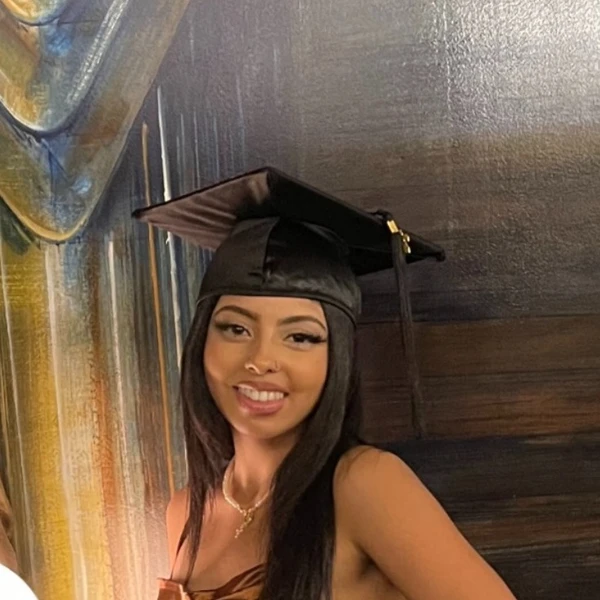
My name is Angelisse Requena, and I have been accepted into Yeshiva University’s Accelerated Nursing Program starting Fall 2026. I am currently an undergraduate student at Hunter College majoring in Human Biology, on track to graduate in May 2026. As a first-generation college student from a lower-income family, I am seeking financial support to help make this next step in my nursing education possible. Through my involvement in the CUNY EDGE program and the Pre-Health Research Initiative at Hunter, I have developed a strong foundation in the health sciences, including research, community engagement, and patient-centered care. I am committed to using my nursing education to serve diverse and underserved communities.
Education
Yeshiva University
Bachelor's degree programMajors:
- Registered Nursing, Nursing Administration, Nursing Research and Clinical Nursing
CUNY Hunter College
Bachelor's degree programMajors:
- Human Biology
GPA:
3.9
Miscellaneous
Desired degree level:
Doctoral degree program (PhD, MD, JD, etc.)
Graduate schools of interest:
Transfer schools of interest:
Majors of interest:
- Registered Nursing, Nursing Administration, Nursing Research and Clinical Nursing
- Health Professions and Related Clinical Sciences, Other
Career
Dream career field:
Medicine
Dream career goals:
Respite care giver
Respite2024 – Present2 years
Sports
Track & Field
Club2019 – 20234 years
Research
Health Professions and Related Clinical Sciences, Other
Pre-Health Research Initiative at Hunter college — student member2025 – Present
Public services
Volunteering
Movement for Justice in El Barrio — student member2026 – PresentVolunteering
Women and Families Ascending Association — student member2025 – 2025
Future Interests
Volunteering
Emerging Leaders in STEM Scholarship
I am interested in STEM because it allows me to combine scientific knowledge with meaningful, real world impact. As an undergraduate majoring in Human Biology on a pre-nursing track, I am drawn to STEM not only for its intellectual rigor, but for its power to improve health outcomes, reduce disparities, and solve complex problems within healthcare. STEM provides the tools to understand the human body, analyze evidence, and apply knowledge in ways that can truly change lives.
My interest in science began through lived experience rather than a classroom. As the oldest sibling in my family, I assumed a caregiving role early on, particularly for my younger brother, who is autistic. Supporting him through daily routines, emotional regulation, and moments when he could not fully communicate his needs taught me patience, critical thinking, and advocacy. I became deeply curious about how biological and neurological systems influence behavior, communication, and overall health. That curiosity eventually evolved into a passion for biology and healthcare, motivating me to pursue a STEM-based education.
Beyond caregiving, my journey in STEM has been shaped by cultural and societal challenges. I am a first-generation college student, the daughter of immigrant parents from the Dominican Republic, and the first female in my family to attend college. Growing up, I was surrounded by traditional expectations that women remain at home while men work and pursue higher education. Choosing to attend college and pursue a STEM career meant breaking generational norms and redefining what is possible for women in my family. This decision required courage, persistence, and self-belief, especially while navigating higher education without a clear roadmap or built in academic support system.
As a Direct Support Professional working with children with developmental disabilities, I apply scientific understanding and problem solving skills daily. I assist with individualized care plans, monitor behavioral and health-related changes, and collaborate with families and professionals to ensure comprehensive support. This experience has reinforced my belief that STEM fields, particularly those connected to healthcare, are essential for creating equitable systems that serve diverse populations with dignity and compassion.
I hope to make an impact by becoming a nurse who integrates scientific knowledge with culturally competent, patient centered care. I want to advocate for underserved and minority communities, educate patients using evidence based practices, and contribute to reducing health disparities. As a student member of the Pre-Health Research Initiative at Hunter College, I have further developed an appreciation for research and the role of science in improving patient outcomes. This experience has strengthened my understanding of how data, research, and clinical practice intersect to inform better healthcare decisions.
Balancing academic rigor, work responsibilities, and financial challenges has required resilience and discipline. Despite these obstacles, I have maintained a 3.98 GPA while actively engaging in healthcare work, leadership, and community service. These challenges have shaped my work ethic and strengthened my determination to succeed in STEM.
STEM represents opportunity, innovation, and responsibility. Through my education and future career, I aim to contribute to a more inclusive, informed, and compassionate healthcare system. This scholarship would not only support my academic journey, but also affirm my commitment to breaking barriers, advancing representation, and using STEM as a force for positive change.
STEAM Generator Scholarship
As a first-generation college student and the daughter of immigrant parents from the Dominican Republic, entering higher education has always felt both exhilarating and daunting. My family has faced challenges that many of my peers cannot imagine: limited access to educational resources, financial constraints, and the constant pressure of navigating a new culture and language. From the beginning, I have felt like an outsider to the system, striving to understand unspoken rules while keeping pace with students whose families are familiar with the academic landscape. Yet these challenges have fueled my determination, giving me a deep sense of purpose and resilience that drives me to succeed.
Growing up, I took on significant responsibilities within my family, particularly as the oldest sibling. I cared for my younger brother, who is autistic, helping him navigate daily routines, social interactions, and emotional challenges. At the same time, I worked to excel in school, often balancing multiple roles and responsibilities that left little room for error. These experiences taught me perseverance, organization, and empathy. They also made me aware of how education can be transformative, not just for an individual but for an entire family. Watching my parents’ sacrifices for my education instilled in me the belief that attaining higher education is both a personal achievement and a way to honor their hard work.
My experiences as a first-generation student have shaped my academic and professional goals. I am pursuing a Human Biology degree at Hunter College with plans to continue into an accelerated nursing program. My interest in STEM and healthcare stems from a lifelong fascination with the human body and a passion for caring for others. I have witnessed how scientific knowledge and clinical expertise can empower individuals and communities, particularly those who are underserved. Through volunteering, direct support work, and community outreach, I have seen the tangible impact that healthcare professionals can make when they combine skill with compassion. These experiences have strengthened my commitment to pursuing a career that bridges scientific understanding with meaningful human impact.
While I am deeply motivated by my goals, I also carry concerns that are unique to being a first-generation student. Navigating college bureaucracy, understanding financial aid, and identifying opportunities for research or internships can feel overwhelming without family guidance. There is also the constant pressure to succeed, not only for myself but for the family that relies on me to break cycles of limited opportunity. These challenges can be intimidating, yet they have taught me the value of seeking mentorship, advocating for my own education, and embracing resourcefulness. I have learned that feeling like an outsider does not have to be a barrier, rather, it can be a source of motivation to work harder and to represent others who share similar experiences.
Ultimately, my background has given me a dual perspective: I understand the obstacles faced by underrepresented students, and I also recognize the extraordinary possibilities that higher education offers. My hope is to leverage my STEM education to make a difference in healthcare, addressing disparities in access, education, and treatment for underserved populations. I aim to be a role model for other first-generation students, demonstrating that determination and community mindedness can turn adversity into opportunity.
Entering higher education as an outsider has been both a challenge and a privilege. It has taught me resilience, strengthened my sense of purpose, and inspired a vision for my future in which I can combine scientific knowledge with tangible service to others. While the path may be unfamiliar, I am determined to navigate it with ambition, passion, and a commitment to uplift both myself and my community.
Eric W. Larson Memorial STEM Scholarship
My name is Angelisse Requena, and I am a Human Biology major at Hunter College, with plans to pursue an accelerated nursing program. I am a first-generation college student and the daughter of immigrant parents from the Dominican Republic. Growing up in a financially disadvantaged household in the Bronx, I have faced a number of challenges that have shaped who I am today, strengthened my determination, and fueled my passion for healthcare and STEM.
From an early age, I assumed caregiving responsibilities for my younger brother, who is autistic. As the oldest child in a single parent household, I helped him navigate daily routines, social interactions, and emotional challenges, often acting as his advocate when he could not fully express his needs. Balancing caregiving with schoolwork required immense patience, organization, and resilience. There were times when I worried about my ability to succeed academically while supporting my family, but these experiences also taught me the importance of perseverance, adaptability, and compassion. I learned to approach complex problems with creativity and patience, qualities that continue to guide both my personal and professional life.
Financial challenges have also been a significant part of my journey. My mother worked tirelessly, often juggling multiple jobs to provide for our family, but resources were limited. Paying for school supplies, tutoring, and extracurricular opportunities was difficult, and I often had to find creative ways to support my education. I took on part-time work, sought scholarships, and relied on community resources to ensure I could continue pursuing my academic goals. These experiences not only taught me resilience but also instilled a deep appreciation for opportunities and support that make higher education attainable for students from underrepresented and financially disadvantaged backgrounds.
My interest in STEM began with my fascination for the human body and its complex systems. Courses in Human Biology, Anatomy and Physiology, Microbiology, and Nutrition have deepened my understanding of biology and health sciences, reinforcing my desire to pursue a career where science directly improves people’s lives. Nursing allows me to combine scientific inquiry with compassionate, hands-on care, and I am particularly drawn to patient-centered approaches that address the full spectrum of an individual’s needs, biological, social, and emotional. STEM is not just a field of study for me, it is a pathway to make a tangible, meaningful impact on the lives of others.
My experiences volunteering and working in healthcare-adjacent roles have further reinforced this commitment. As a Direct Support Professional, I assist children with disabilities in daily living, community engagement, and skill development. I work closely with families and healthcare professionals to create individualized care plans, advocating for clients’ needs and ensuring they have access to opportunities that promote independence and well-being. Through organizations such as Movement for Justice in El Barrio and the Women and Families Ascending Association, I have supported underserved communities, helping residents access health resources, navigate social services, and build knowledge about wellness, housing rights, and financial literacy. These experiences have shown me how scientific knowledge can be applied in real-world settings to improve community health and equity.
What excites me most about STEM is its potential to combine rigorous scientific analysis with problem-solving that has direct, human consequences. Understanding biology and health at a deep, systemic level allows me to identify inequities and contribute to solutions that enhance the well-being of individuals and communities. For example, my studies in Human Biology give me the foundation to understand how social determinants, such as housing, education, and nutrition, interact with human physiology, which I can then use to develop interventions, education programs, or patient-centered care plans that address these systemic issues. STEM empowers me to turn knowledge into action, and this is the impact I hope to achieve throughout my career.
Looking forward, I hope to become a nurse who advocates for vulnerable populations, educates communities about health, and contributes to a healthcare system that is both equitable and compassionate. I want to mentor future students from underrepresented backgrounds, demonstrating that financial disadvantage or systemic barriers need not prevent anyone from pursuing a career in STEM or healthcare. I hope my work can create ripple effects that inspire others to persist in their education, engage in community service, and pursue careers where they can make a meaningful difference.
Receiving the Eric W. Larson STEM Scholarship would not only help alleviate the financial burdens associated with higher education but also affirm the value of perseverance, dedication, and service. It would allow me to focus more fully on my studies, research opportunities, and community engagement projects, further strengthening my ability to make an impact. This scholarship represents more than financial support, it is an endorsement of my commitment to STEM, my determination to overcome adversity, and my dedication to serving communities that have historically been underserved.
In reflecting on my journey, I recognize that my experiences with adversity have been formative in ways that extend far beyond academics. They have shaped my character, honed my problem-solving skills, and instilled a deep sense of empathy. Facing financial hardship, navigating the responsibilities of caregiving, and striving to succeed in rigorous STEM courses have taught me that challenges can be transformative. They provide perspective, strengthen resilience, and equip individuals with the skills and insights needed to contribute meaningfully to society.
Ultimately, my goal is to merge my STEM education with purposeful action, leveraging science, compassion, and advocacy to improve lives, promote equity, and inspire others. The Eric W. Larson STEM Scholarship would support me in continuing this journey, empowering me to reach my full potential as a scientist, healthcare professional, and leader committed to advancing knowledge and serving humanity.
Jeune-Mondestin Scholarship
My name is Angelisse Requena, and I am a Human Biology major at Hunter College with plans to pursue an accelerated nursing program. From a young age, I have been drawn to healthcare because it combines scientific understanding with the ability to make a tangible difference in people’s lives. Caring for others has always been a core part of who I am. As the oldest sibling in my family, I took on a caregiving role for my younger brother, who is autistic, supporting him through daily routines and emotional challenges. These experiences taught me patience, empathy, and advocacy, qualities that are essential for any healthcare professional.
My passion for health and caregiving continued through my work as a Direct Support Professional, where I assist children with developmental disabilities in their daily lives. I help with personal care, household tasks, and social integration, while also implementing individualized plans that focus on communication, financial literacy, and community engagement. This role has strengthened my ability to provide attentive, compassionate care and has reinforced my commitment to improving the lives of individuals who may not always have full control over their circumstances.
Studying Human Biology has deepened my fascination with the human body and its complex systems. Courses such as Anatomy and Physiology, Microbiology, and Nutrition have provided me with a scientific foundation that I am eager to apply in clinical settings. Nursing allows me to merge this scientific knowledge with direct patient care, empowering me to make evidence-based decisions while also attending to the human side of health. I am particularly drawn to patient-centered care because it emphasizes listening, understanding, and advocating for individuals’ needs, skills I have cultivated both at home and in my professional experience.
Through a career in healthcare, I hope to make a meaningful impact by providing compassionate, informed care to patients from diverse backgrounds. I want to advocate for vulnerable populations, educate communities about health and wellness, and contribute to a more equitable healthcare system. Becoming a nurse is not only a personal goal but also a way to honor my family’s sacrifices and the lessons I have learned from caring for others.
Receiving the Jeune-Mondestin Health Scholarship would support me in continuing my education without the added burden of financial stress, allowing me to focus on developing the skills and knowledge necessary to make a difference in healthcare. It would enable me to further pursue my passion for helping others, ensuring that every patient I serve receives care that is compassionate, informed, and respectful.
RonranGlee Literary Scholarship
"Virtue, then, is a state of character concerned with choice, lying in a mean, i.e., the mean relative to us, this being determined by reason and in the way in which the man of practical wisdom would determine it. Now it is a mean between two vices, that which depends on excess and that which depends on deficiency." (Aristotle, Nicomachean Ethics II.6)
In this passage, Aristotle presents the essence of moral virtue as a careful balance between extremes, asserting that ethical excellence is neither a matter of strict rule following nor blind passion but rather a cultivated state of character that navigates the subtleties of human life. The underlying meaning of this statement is profound: virtue is not innate nor reducible to a simple formula, it requires deliberate reflection, informed choice, and the application of practical wisdom to navigate the nuanced spectrum between deficiency and excess. In other words, achieving virtue demands active engagement with one’s own behavior and continuous self-improvement, making ethics a lifelong practice rather than a fixed destination.
A close reading reveals that Aristotle emphasizes three interdependent concepts: character, choice, and reason. By describing virtue as a “state of character concerned with choice,” he underscores that ethical behavior is not accidental; it is cultivated through habituation and deliberate action. Virtue, therefore, demands both self-awareness and sustained effort. The phrase “lying in a mean” indicates that morality is inherently contextual and relational; the correct course of action varies depending on the individual, circumstances, and goals. This challenges the reader to understand ethics as dynamic, not rigid, and to engage in continuous evaluation of one’s actions and motivations.
Moreover, Aristotle’s discussion of extremes, the vices of excess and deficiency, highlights that ethical living is a practice of moderation, not mediocrity. Courage, for instance, is a virtue that lies between recklessness and cowardice, while generosity avoids both prodigality and miserliness. By framing virtue in relation to these polarities, Aristotle demonstrates that ethical insight arises from discernment rather than mere adherence to social norms. The invocation of the “man of practical wisdom” signals that reasoned judgment, informed by experience and reflection, is essential in determining the mean. Virtue is therefore inseparable from the development of practical intellect, illustrating Aristotle’s insistence that morality is inseparable from rational deliberation.
The deeper implication of this passage extends beyond individual ethics to the cultivation of a flourishing society. Aristotle implies that moral development is inherently relational: humans live within communities, and the exercise of virtue impacts others’ lives. By striving for the mean, individuals contribute to harmony, justice, and mutual respect within their social environments. The underlying meaning, then, is that virtue is both personal and social, and ethical wisdom is a lifelong project that shapes one’s character while benefiting the collective.
Reading this passage closely also illuminates a timeless lesson: the pursuit of excellence in any domain, be it personal, professional, or civic, requires balance, intentionality, and reflection. Aristotle’s insight encourages modern readers to resist extremes, cultivate self-knowledge, and recognize that decisions must be informed by context, experience, and reasoned judgment. By interpreting this text beyond its surface definition, I understand that ethical living is not a rigid code but an active engagement with the complexities of life, requiring mindfulness, discernment, and the courage to act appropriately.
Ultimately, Aristotle teaches that the cultivation of virtue is not a passive or theoretical exercise; it is a deliberate, practiced art of living well. The passage reveals that moral excellence arises from choices made in moderation, guided by practical wisdom, and informed by experience. The underlying meaning is that human flourishing is attainable when individuals actively shape their character through thoughtful, balanced, and reasoned action, demonstrating that the path to a good life is one of continuous engagement, reflection, and growth.
Jeannine Schroeder Women in Public Service Memorial Scholarship
I am Angelisse Requena, a Human Biology major at Hunter College, and I am passionate about using my education and experiences to address social inequities and improve community health. Throughout my academic and professional journey, I have sought opportunities to engage directly with underserved populations, advocate for social justice, and empower individuals through education and support.
One of the social issues I am most committed to addressing is the disparity in access to healthcare and social resources for marginalized communities. As a Direct Support Professional, I work closely with individuals with developmental disabilities, assisting them with daily living skills, personal care, and community integration. In this role, I advocate for their needs, collaborate with healthcare professionals and families, and ensure that clients receive equitable access to opportunities and services. These experiences have deepened my understanding of how social determinants, such as housing, education, and economic stability, directly impact health outcomes, inspiring me to work toward systemic solutions.
Beyond my professional role, I have actively participated in community oriented organizations. Through my work with Movement for Justice in El Barrio, I assisted with community outreach to promote housing rights, health resources, and social equity. I collected resident feedback, supported educational workshops, and helped develop materials to raise awareness of public health and wellness. Similarly, my involvement with the Women and Families Ascending Association allowed me to support families facing domestic abuse, provide tutoring and career guidance, and contribute to programs promoting mental health and family wellness. These experiences strengthened my commitment to public service and highlighted the importance of addressing social issues holistically, combining education, advocacy, and hands-on support.
Additionally, I have integrated my passion for STEAM into my community engagement. Studying Human Biology has given me a strong scientific foundation to understand the physiological and systemic factors affecting health. I have leveraged this knowledge in workshops and educational sessions, helping individuals understand nutrition, wellness, and disease prevention. I believe that applying scientific knowledge to real-world problems is a powerful way to create lasting social impact.
Through these experiences, I have learned that public service is not only about responding to immediate needs but also about empowering communities to thrive. I am committed to continuing this work by pursuing a career in healthcare, where I can merge scientific expertise with advocacy and compassion, ensuring that underserved populations receive equitable care. Receiving the Jeannine Schroeder Women in Public Service Memorial Scholarship would support my efforts to deepen my impact in public service, strengthen my community initiatives, and continue working toward a more just, healthy, and equitable society.
Lotus Scholarship
Growing up as the oldest child in a single-parent household, I quickly learned the importance of responsibility, perseverance, and resilience. My mother, an immigrant from the Dominican Republic, worked tirelessly to provide for our family, often balancing multiple jobs to ensure we had food, shelter, and opportunities to succeed. Witnessing her dedication instilled in me a strong work ethic and the belief that challenges are meant to be met with determination rather than fear.
Taking on caregiving responsibilities for my younger brother, who is autistic, further shaped my sense of empathy, patience, and advocacy. Supporting him through daily routines and emotional challenges taught me to approach problems creatively and to value the impact of consistent, compassionate care. These experiences not only strengthened my character but also inspired my pursuit of a career in nursing, where I can combine scientific knowledge with meaningful service to others.
To actively pursue my goals, I am majoring in Human Biology at Hunter College, gaining a strong foundation in the sciences before continuing to an accelerated nursing program. Alongside my studies, I work as a Direct Support Professional, supporting children with disabilities and applying the skills I have developed at home to real-world care. These experiences allow me to contribute directly to my community while preparing me for a future in healthcare.
I hope to use my education and experiences to make a positive impact by advocating for vulnerable populations, providing compassionate healthcare, and inspiring others who face similar challenges to persevere. Receiving the Lotus Scholarship would not only help offset the costs of textbooks and essential tools for my education but also empower me to continue striving toward my goal of becoming a nurse who serves with both expertise and heart.
Goths Belong in STEM Scholarship
My name is Angelisse Requena, and I am a Human Biology major at Hunter College, pursuing a path that I hope will lead me to a career in nursing. Beyond my academic and professional ambitions, I identify as alternative in both spirit and presentation, embracing self-expression through tattoos and personal style. This identity has shaped the way I navigate STEM, informing how I learn, interact with others, and envision my future contribution to healthcare.
Growing up as the oldest sibling in my family, I naturally assumed caregiving responsibilities for my younger brother, who is autistic. Supporting him through daily routines and emotional challenges taught me patience, empathy, and the importance of advocating for those who rely on others for care. These experiences inspired me to pursue a career in healthcare, a field where I can combine my scientific curiosity with tangible acts of service. Nursing, in particular, appeals to me because it requires both rigorous understanding of human biology and the ability to apply that knowledge compassionately to improve people’s lives.
Being part of the alternative community has influenced my approach to STEM in ways that extend beyond style. Expressing myself through tattoos and alternative fashion has taught me resilience and self-confidence, especially in spaces where conformity is often the norm. While STEM fields, particularly healthcare and science, sometimes carry expectations about appearance and professionalism, embracing my identity has allowed me to approach challenges with authenticity, self-assurance, and creativity. It has also strengthened my empathy for others who feel marginalized or overlooked, whether in academic, social, or clinical settings.
My Human Biology coursework has deepened my fascination with the complexity of the human body and the interplay of systems that sustain health. Each class, lab, and research experience reinforces my commitment to using STEM knowledge to serve others. I see nursing as the next step in my journey: an opportunity to apply scientific principles in real-world care, to advocate for patients, and to bring both skill and humanity to healthcare. My alternative identity will not only remain a personal foundation but also a professional asset, allowing me to relate to patients and colleagues from diverse backgrounds and perspectives.
Along the way, I have faced subtle challenges in balancing my presentation with expectations of professionalism in science. There were moments when I wondered whether my identity might limit opportunities or how seriously I would be taken in academic or clinical settings. Overcoming these doubts required confidence in my skills, persistence in pursuing my goals, and a commitment to letting my work and dedication speak for themselves. In doing so, I have learned that alternative identities are not obstacles but sources of strength, perspective, and creativity that enrich STEM fields.
As I move forward, I hope to inspire other students, especially those who identify as alternative, to pursue STEM with authenticity and courage. By combining a foundation in Human Biology with a nursing education, I aim to contribute to healthcare in ways that are compassionate, informed, and inclusive. I see a future in which diversity of identity, expression, and thought strengthens STEM, and I am committed to helping build that future.
Maureen C. Pace Memorial Nursing Scholarship
My inspiration to study nursing comes from a lifelong commitment to caring for others, beginning with my own family. As the oldest sibling, I assumed a caregiving role for my younger brother, who is autistic, supporting him through daily challenges and advocating for his needs. These early experiences taught me patience, empathy, and the importance of standing up for those who rely on others for care. My dedication to caregiving continued as I supported my great-grandfather, who lived with Alzheimer’s disease. Witnessing the emotional toll his illness had on my mother and family, and navigating the complexities of caregiving while balancing school, work, and personal responsibilities, strengthened my resilience and reinforced my commitment to helping others during their most vulnerable moments. Seeing him forget my mother and me was heartbreaking, yet it deepened my understanding of the critical role that compassion and presence play in healthcare.
Through these experiences, I realized that nursing is the ideal profession for combining compassion with scientific knowledge. Nursing allows me to directly impact the lives of patients and families while addressing both physical and emotional needs. My involvement in the Pre-Health Research Initiative at Hunter College has further prepared me for this path, providing research experience, critical thinking skills, and the ability to collaborate effectively, all essential for providing high-quality, evidence based care. These opportunities have also reinforced my understanding that healthcare extends beyond treatments and medications; it is equally about supporting patients emotionally and advocating for their holistic well-being.
Through my nursing career, I hope to make a meaningful impact by providing compassionate, patient centered care, particularly to underserved communities. I want to support patients and families during challenging times, advocate for equitable healthcare access, and reduce stigma surrounding mental and physical health conditions. I aspire to not only meet patients’ medical needs but also to offer emotional support and guidance, helping them feel heard, valued, and empowered.
I am inspired by Maureen C. Pace’s dedication to improving patient care, advocating for her community, and advancing nursing standards through innovation. I hope to carry forward her values by approaching my practice with empathy, integrity, and a commitment to service. Like Maureen, I plan to volunteer, mentor, and support others in the healthcare field, sharing knowledge and fostering growth while helping to create a more compassionate healthcare system. Ultimately, nursing is more than a career for me, it is a calling rooted in care, advocacy, and community. By dedicating myself to this profession, I aim to honor the legacy of nurses like Maureen C. Pace, making a positive difference in the lives of patients, families, and the broader community.
ADHDAdvisor Scholarship for Health Students
Throughout my life, supporting the mental and emotional well-being of others has been a central part of who I am. As the oldest sibling in my family, I have long assumed a caregiving role, particularly for my younger brother, who is autistic. Supporting him through daily routines and helping him navigate challenges has required patience, empathy, and active listening, skills that are critical in addressing mental health needs. I have learned to recognize signs of distress, provide reassurance, and advocate for his needs, helping him feel understood and supported even when communication is difficult.
My experiences have also extended to caring for my great grandfather, who lived with Alzheimer’s disease. Witnessing the emotional toll his illness had on my mother and our family inspired me to provide both practical and emotional support, whether through assisting with his daily care, maintaining routines, or simply being present during difficult moments. These experiences taught me that mental health support is not limited to therapy or formal care, it is also about being present, patient, and compassionate in everyday interactions.
Through my involvement in the Pre-Health Research Initiative at Hunter College, I have learned the importance of combining scientific knowledge with empathy. Working in research and collaborative settings has strengthened my communication skills and my ability to understand diverse perspectives, both essential in supporting mental well-being. I have come to understand that healthcare is not only about treating physical conditions but also about recognizing the emotional and psychological challenges that patients and families face.
As I pursue a career in nursing, I plan to continue advocating for mental health by providing compassionate, patient centered care and creating an environment where patients feel safe to express their emotional needs. I aim to educate myself continuously on mental health challenges and equip myself with strategies to support patients, families, and colleagues. By integrating empathy, active listening, and advocacy into my practice, I hope to reduce stigma, foster trust, and help build healthier communities. Supporting mental health is not just a professional responsibility, it is a personal commitment that I carry into every interaction, and it will remain a cornerstone of my approach to healthcare throughout my career.
Mikey Taylor Memorial Scholarship
Being a first-generation college student comes with unique pressures and responsibilities that have significantly shaped my mental health journey. As the first person in my family to attend college, I have always felt a strong sense of responsibility to succeed, not only for myself but also to honor my parents’ sacrifices. This pressure often feels overwhelming, as I try to balance the expectations of academic excellence with the realities of everyday life, including work, family obligations, and preparing for a future career in healthcare. At times, the weight of these expectations can be mentally exhausting, leaving me anxious or unsure if I am doing enough to meet my goals.
My mental health challenges have been compounded by personal circumstances within my family. My great-grandfather was diagnosed with Alzheimer’s disease, and caring for him has been both emotionally and physically demanding. Watching him lose his memory and independence, and witnessing my mother grieve for the father she loved, has been profoundly difficult. As someone who also shared a meaningful relationship with my great-grandfather, it was heartbreaking to see him forget me and my mother. Being present for him required constant attention, care, and patience, all while managing school, work, and other responsibilities. The emotional burden of juggling caregiving with daily obligations often left me feeling drained, anxious, and sometimes overwhelmed, highlighting how family challenges can intersect with mental health struggles.
In addition, supporting my younger brother, who is autistic, has shaped both my responsibilities and my mental health. While I love him dearly and have grown through these experiences, advocating for him and helping him navigate daily challenges adds another layer of emotional labor. Combined with financial stress, working to support myself and contribute toward my education, the cumulative pressures sometimes feel unmanageable. There have been days when balancing college, work, family responsibilities, and caregiving made it difficult to maintain focus or motivation, and these moments have tested my resilience.
Despite these challenges, I have learned strategies to manage my mental health and continue moving forward. I prioritize self-care by setting boundaries, practicing mindfulness, and seeking support when needed. Engaging in academic programs such as the Pre-Health Research Initiative at Hunter College has also provided structure, mentorship, and a sense of community, which helps me cope with stress and maintain focus on my long-term goals. Each day, I remind myself that resilience is built through persistence and that it is acceptable to acknowledge my mental health needs while continuing to strive toward my aspirations.
My experiences with mental health have deeply influenced my beliefs, relationships, and career aspirations. I have developed empathy, patience, and a profound understanding of the pressures others face, particularly in vulnerable or caregiving situations. These qualities have strengthened my personal relationships, helping me communicate more effectively and support loved ones with compassion. They have also reinforced my commitment to pursuing a career in healthcare, where I hope to care for patients with both scientific expertise and genuine human understanding. Through my own mental health journey, I have learned the importance of balance, resilience, and compassion, lessons I carry into my academic, personal, and professional life every day.
New Jersey New York First Generation Scholarship
Being a first-generation college graduate will mean more to me than simply achieving an academic milestone, it will represent the fulfillment of a dream, the honoring of my family’s sacrifices, and the breaking of long-standing cultural expectations. As the daughter of immigrant parents from the Dominican Republic, I grew up in a family and community where higher education was not always encouraged for women. Traditional expectations often emphasized domestic roles for women, and the idea of pursuing a STEM degree or a professional career was uncommon. By graduating from college, I will be the first woman in my family to earn a degree in a science-related field, opening doors for future generations and showing that women can pursue education, leadership, and professional success without being limited by traditional roles. This achievement is deeply personal, as it symbolizes resilience, determination, and the transformative power of education.
My experiences in the Pre-Health Research Initiative at Hunter College have been instrumental in shaping the person I am today and the professional I aspire to become. Through this program, I have had the opportunity to engage deeply in scientific research, strengthen my analytical and critical thinking skills, and collaborate with peers and mentors who are equally committed to healthcare and scientific discovery. Being part of a research initiative has not only expanded my knowledge of human biology and health sciences but has also instilled in me a strong sense of responsibility and perseverance. Research requires patience, attention to detail, and the ability to navigate challenges, all qualities that are essential in the healthcare field and that have reinforced my dedication to becoming a nurse.
Beyond academic and professional development, my involvement in the Pre-Health Research Initiative has taught me the importance of community and mentorship. I have learned how sharing knowledge, supporting peers, and engaging in collaborative problem-solving can create meaningful growth for both individuals and the group. These experiences have helped me recognize that success is not only personal but also collective, and that lifting others up strengthens the broader community, values that I hope to carry into my nursing career.
Being a first-generation college graduate will also allow me to honor my parents’ sacrifices and the cultural heritage that has shaped me. Their dedication, perseverance, and hard work have provided me with opportunities they never had, and completing my degree is a way of paying tribute to their efforts while also challenging and redefining cultural norms for women in my family. It will empower me to inspire others, particularly young women in my community, to pursue higher education and careers in STEM and healthcare.
In conclusion, being a first-generation college graduate will be a milestone of personal achievement, cultural transformation, and professional preparation. Through my academic pursuits and extracurricular experiences in the Pre-Health Research Initiative, I have developed the skills, resilience, and empathy necessary to succeed in the healthcare field. This journey has shaped me into a determined, compassionate, and thoughtful future healthcare professional, committed not only to personal success but also to uplifting my family, my community, and the lives of those I will serve.
Henry Respert Alzheimer's and Dementia Awareness Scholarship
Alzheimer’s disease has had a profound impact on my family, particularly through my great-grandfather’s struggle with the illness. Growing up, I shared a close relationship with him, and I witnessed firsthand how dementia can slowly erode the connections we take for granted. As his memory faded, he began to forget significant moments, people he loved, and even my mother, his daughter. Seeing him unable to recognize us was deeply painful. The man who had once been a pillar in our family slowly became a stranger in some ways, and the emotional toll on all of us was immeasurable.
My mother, having been raised by him, was especially affected. Watching my father or grandmother cope with Alzheimer’s was one thing, but seeing my mother grieve and struggle with the changes in her father was heart-wrenching. Her grief often carried over into our household, and I felt its effects too. It was difficult to see the person I love most struggling with feelings of sadness, frustration, and helplessness. Her pain reminded me that Alzheimer’s does not only impact the individual; it ripples through entire families, affecting relationships and emotional wellbeing. Witnessing her heartbreak and fatigue made me realize how emotionally demanding caregiving can be, and how much unseen strength is required to support someone with dementia.
Caring for my great-grandfather became a shared responsibility, and I experienced the challenges firsthand. Alzheimer’s does not take breaks, it is constant. Balancing caregiving with school, work, and other responsibilities was incredibly difficult. The emotional burden of being present, assisting him with daily tasks, and ensuring his safety weighed heavily. There were days when I felt drained, overwhelmed, and unsure if I could continue to meet all the demands placed on me. Watching someone you love lose their memory, their independence, and their sense of self is emotionally exhausting, and the responsibility of being there for them around the clock was daunting.
Yet, through this experience, I have learned valuable lessons about patience, empathy, and resilience. Alzheimer’s taught me that caring for someone is not just about physical assistance, it is about emotional presence, understanding, and compassion, even when it feels impossible. It has also given me perspective on the healthcare system and the immense need for compassionate, patient-centered care for aging populations. I have seen the profound ways in which a disease can affect not just an individual, but the entire support network around them.
This experience has strengthened my commitment to a career in healthcare. I want to be a nurse who understands the emotional and physical challenges families face when caring for loved ones with dementia or other chronic illnesses. Alzheimer’s disease has shown me the importance of advocacy, patience, and kindness, and it has inspired me to provide care that is not only competent but deeply human. Through this journey, I have learned that healthcare is about more than treating symptoms, it is about supporting people and their families through some of the most challenging and vulnerable times of their lives.
RELEVANCE Scholarship
The RELEVANCE Scholarship’s belief that every experience shapes who we become deeply resonates with my journey toward a career in healthcare. My decision to pursue medicine, specifically nursing, has been profoundly influenced by personal challenges that taught me resilience, empathy, and the importance of advocating for others.
One of the most defining influences in my life has been growing up as the oldest sibling in my family. From a young age, I assumed a caregiving role, particularly for my younger brother, who is autistic. Supporting him through daily routines, emotional regulation, and moments when he could not fully express his needs required patience, adaptability, and attentiveness. Navigating healthcare systems, educational support services, and everyday challenges alongside him exposed me early to the realities faced by individuals with disabilities and their families. These experiences taught me that effective healthcare extends beyond clinical knowledge, it requires compassion, advocacy, and an understanding of the whole person.
My commitment to caregiving expanded through my work as a Direct Support Professional, where I support children with disabilities in their daily lives. In this role, I witnessed firsthand how social, emotional, and environmental factors influence health outcomes. I learned how to remain calm in challenging situations, communicate clearly with families and interdisciplinary teams, and approach each child with dignity and respect. These experiences reinforced my desire to pursue a career in healthcare where I can directly support vulnerable populations and contribute to improving quality of life.
Academically, my major in Human Biology has strengthened my interest in medicine by providing a solid scientific foundation. Studying biological systems has deepened my appreciation for evidence based care and the complexity of the human body. However, it is the human connection, being present with patients during vulnerable moments, that truly draws me to nursing. Nursing allows me to bridge science with compassion, transforming knowledge into meaningful, patient centered care.
As a first-generation college student and the daughter of immigrant parents from the Dominican Republic, my path has not been without challenges. In my culture, traditional gender roles often emphasized that women should prioritize domestic responsibilities over education or professional ambition. These expectations motivated me to challenge long-standing norms and pursue higher education in STEM. Becoming the first woman in my family to earn a STEM degree represents not only a personal achievement but also a commitment to redefining what is possible for women in my community.
These personal challenges have shaped how I hope to make a positive impact in healthcare. My lived experiences have given me cultural awareness, humility, and an understanding of systemic barriers that many patients face. As a future healthcare professional, I aim to advocate for equitable care, particularly for individuals from underserved and marginalized communities. I want patients to feel seen, heard, and respected, especially those who may struggle to navigate healthcare systems or communicate their needs.
Ultimately, my journey has taught me that relevance lies in how we transform challenges into purpose. Each experience, whether caregiving for my brother, supporting children with disabilities, or challenging cultural expectations, has shaped my commitment to medicine and service. Through nursing, I hope to honor these experiences by providing compassionate care, promoting equity, and making a meaningful difference in the lives of those I serve.
Women in Healthcare Scholarship
I have chosen to pursue a degree in healthcare because caring for others has always been a natural and meaningful part of my life. From an early age, I learned that care is not only about meeting physical needs, but also about listening, advocating, and showing up consistently for those who depend on you. These values have guided my academic and professional journey and ultimately led me to pursue a career in nursing.
As the oldest sibling in my family, I assumed a caregiving role early on, particularly for my younger brother, who is autistic. Supporting him through daily routines, emotional challenges, and moments when he could not fully communicate his needs required patience, attentiveness, and empathy. I learned how important it is to advocate for individuals who may not always be able to advocate for themselves. These experiences shaped my character and taught me the power of compassionate, consistent care, lessons that continue to influence my desire to work in healthcare.
My passion for caregiving deepened through my work as a Direct Support Professional, where I support children with disabilities in their daily lives. In this role, I have worked closely with children and families facing complex challenges, reinforcing my understanding that healthcare extends beyond clinical settings and into everyday life. This experience strengthened my ability to remain calm under pressure, communicate effectively, and approach each individual with dignity and respect. It confirmed my commitment to serving vulnerable populations and further solidified my interest in nursing.
Alongside my dedication to caregiving, I have always been curious about the human body and the biological systems that sustain health. As a Human Biology major at Hunter College, I have developed a strong academic foundation in the sciences, which has deepened my appreciation for evidence-based care. Nursing uniquely allows me to integrate scientific knowledge with hands-on patient care, combining critical thinking with compassion. This balance is what draws me to the profession and motivates me to pursue an accelerated nursing program following the completion of my undergraduate degree.
As a woman and a first-generation college student, my pursuit of a healthcare career carries additional significance. I am the daughter of immigrant parents from the Dominican Republic, where traditional cultural norms have often emphasized that women should prioritize domestic roles over higher education or professional advancement. Growing up within this cultural framework motivated me to challenge these expectations and redefine what success can look like for women in my community. By becoming the first woman in my family to earn a STEM degree and pursue a career in nursing, I hope to serve as a role model and demonstrate that women belong in leadership roles within healthcare.
I hope to make a positive impact as a woman in the healthcare field by providing compassionate, patient centered care while advocating for equity, inclusion, and representation. Nursing is a profession that has historically been shaped by women, yet women, particularly women of color, continue to face barriers and underrepresentation in leadership. I aspire to contribute to a more inclusive healthcare system by bringing my lived experiences, cultural awareness, and commitment to service into my practice. Through nursing, I aim to honor my family’s sacrifices, uplift underserved communities, and make a meaningful difference in the lives of those I serve.
Kathleen Dilger Memorial Scholarship
One of the books that’s stuck with me the most is The Immortal Life of Henrietta Lacks by Rebecca Skloot. It’s technically a science book, but honestly, it’s way more than that. It tells the story of Henrietta Lacks, a Black woman whose cells taken without her knowing ended up changing medicine forever. Her cells, known as HeLa, helped create vaccines, made cancer research possible, and even played a role in IVF. But while the science was being celebrated, her family was left out, struggling and unheard. Reading her story hit me hard. I’m a human biology major, so the science fascinate me but what really got to me was the human side. Her family reminded me of my own. I was raised by my single mom, who’s basically a superhero in disguise. And my younger brother has a disability, which means a lot of our life revolves around making sure he’s safe, happy, and supported. Seeing how much my mom carries on her shoulders, I’ve always felt this strong drive to succeed not just for me, but for both of them. I want to build a life where I can take care of them the way they’ve always taken care of me. That’s why this book spoke to me on so many levels. It reminded me that science isn’t just about labs and breakthroughs. It’s about real people, real lives, and making sure no one gets left behind. I don’t want to be the kind of healthcare worker who forgets that. I want to be someone who listens, who advocates, and who remembers that every test result or diagnosis belongs to a person with a story. Henrietta’s story reminded me that being in STEM isn’t just about smarts it’s about heart. Now, here’s a random science fact that I think is super cool and kind of inspiring, too: your body replaces around 330 billion cells every single day. That means about 3.8 million cells every second are being swapped out. While you’re reading this, millions of tiny parts of you are being renewed, fixed, or totally rebuilt. Like your body is out here doing a full renovation, nonstop, and you don’t even feel it. I love that fact because it’s such a quiet reminder that we’re built for growth. Even when things feel stuck or stressful like during finals or when life just feels a lot our bodies are still pushing forward, healing, adapting. That’s how I try to move through life, too. Balancing school, taking care of my brother, trying to be there for my mom it’s not always easy. But just like our cells, I believe little by little, we’re always growing into something stronger. In the end, whether I’m studying biology or reading a book like Henrietta’s story, I keep coming back to the same idea: science and compassion go hand in hand. I want my future to be about both. I want to succeed so I can give back, not just to my family, but to others who might be struggling too. That’s the kind of difference I hope to make rooted in knowledge, yes, but also in love.
Eric W. Larson Memorial STEM Scholarship
Growing up in a low income, single-parent household, I’ve experienced firsthand the challenges of navigating life with limited resources but I’ve also seen the strength, resilience, and love that can grow in such an environment. My name is Angelisse Requena, and I am currently an undergraduate student at Hunter College majoring in Human Biology, set to graduate in May 2026. As a first-generation college student, the path I’ve taken hasn’t always been easy, but each obstacle has made me more determined to succeed, not only for myself, but for my family and community. My mother has been my role model from the very beginning. She raised me and my younger brother, who is now 17 years of age and has autism, on her own. Watching her juggle multiple jobs, manage the emotional and financial strain of raising a child with special needs, and still find the energy to support and encourage me has been the most powerful influence in my life. Her dedication showed me the importance of hard work and persistence, even when the odds are stacked against you. At the same time, it opened my eyes to the gaps in our healthcare and social support systems gaps that often leave families like mine struggling to make ends meet or access the care they need. From a young age, I took on responsibilities beyond what most kids my age faced. Whether it was helping with my brother’s therapy appointments, translating paperwork, or learning to cook and clean while balancing schoolwork, I understood early on what it meant to be dependable. Financial instability was a constant pressure in our lives every purchase had to be carefully considered, and we often had to go without. Despite these challenges, I never let my circumstances define my future. If anything, they fueled my drive. As I made my way through school, I became increasingly passionate about the sciences. I was fascinated by how the body works, how medicine can heal, and how research can lead to new treatments that change lives. But more than that, I saw healthcare as a path to give back to become someone who could directly help others facing the same struggles I saw my family endure. This passion led me to pursue a pre-health track in college, where I could combine my academic strengths with my desire to make a meaningful difference.
At Hunter College, I’ve worked hard to immerse myself in every opportunity that supports my growth in the STEM field. I am a member of the CUNY EDGE program, which has helped me navigate college as a low-income student while balancing work and academic responsibilities. Being part of this program has not only offered me valuable resources but has also connected me to a community of students with similar backgrounds students who, like me, are committed to breaking generational cycles and building better futures. I am also part of the Pre-Health Research Initiative at Hunter, where I’ve been exposed to the world of scientific inquiry and hands-on learning. Through this program, I’ve deepened my understanding of healthcare research and its vital role in shaping patient outcomes and community health initiatives. The more I learn, the more determined I become to use my education to create positive change. I want to pursue a career in healthcare that bridges science with compassion. I am especially interested in advocating for more accessible and inclusive care for underserved communities—those who, like my family, are too often left behind. I hope to work in clinical settings and community outreach programs that address the specific needs of low-income families, people with disabilities, and non-English speaking households. Being a first-generation college student means carrying the hopes and dreams of those who didn’t have the same opportunities. It means navigating unfamiliar systems without a roadmap, learning through trial and error, and often feeling the weight of expectations. But it also means having a deep sense of purpose. I’m not just working toward a degree. I’m building a future where my mother’s sacrifices weren’t in vain, where my brother’s challenges become part of a story of hope, and where I can inspire other young people facing adversity to believe in their potential.
I know that the road ahead won’t be easy. There will be more late nights, more sacrifices, and more challenges to face. But I’ve come this far because I refused to give up and I don’t plan to start now. I am proud of the journey I’ve taken and the strength I’ve built along the way. With the support of scholarship opportunities like this one, I know I can continue pushing forward and ultimately give back to the communities and people who have shaped me. In everything I do, I carry my family with me. My mother’s resilience, my brother’s courage, and my own determination to rise above adversity all fuel my desire to make a meaningful impact in the world. Through healthcare and research, I want to be part of building a more compassionate and equitable future one where every family has the chance to thrive, no matter their background. This is not just my goal; it’s my purpose.