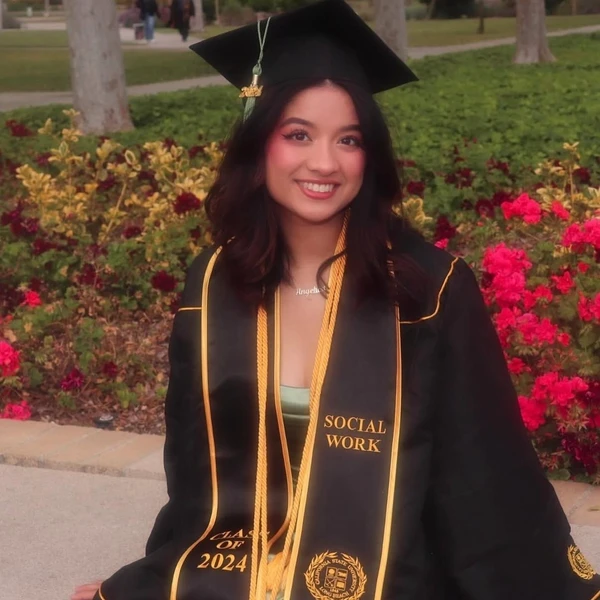
With my health compromised at eight years old, I became the girl whose childhood revolved around the fickleness of her cancer cells. I was told that after my right leg amputation and eighteen rounds of chemotherapy, life would return to “normal.” Instead, what followed was a long, quiet battle with the invisible wounds that cancer left behind.
Coming from a traditional Filipino background, I grew up with parents who invalidated the concept of poor mental health. My parents, like many immigrants, believed survival was strength and that suffering in silence was a virtue. To them, I had already overcome the worst — how could there still be something wrong with me after I had “won” my battle with cancer? But beneath the surface of the inspirational survivor label was a child pleading for help. In public, I wore long pants to cover my prosthetic leg; in private, I wore long sleeves to hide my self-inflicted scars.
For years, I equated silence with strength. I buried my anxiety and depression under layers of gratitude, trying to convince myself that survival should be enough. It was not until high school that I began to recognize my mental health struggles. In college, when I finally found the courage to embrace my disability and speak about my mental health, I experienced something life-changing: understanding. It was in community spaces and social work classes that I finally felt seen for my whole self — disabled, queer, first-generation, and Filipino-American.
These experiences reshaped not only how I view myself but also how I view others. I began to understand that many people carry invisible scars that society overlooks, especially those from marginalized communities. The world often fails to make space for people like me. This realization ignited my passion for social work, where I could merge my empathy, lived experience, and advocacy into meaningful action.
My mental health journey has also deepened my relationships. I learned that vulnerability is not a burden but a bridge. By opening up about my experiences, I have built genuine connections rooted in empathy and understanding.
I want to be the person I wish I had when I was younger: someone who validates emotions instead of dismissing them, who reminds others that surviving is not the end goal, but living fully is. As a social worker, I will empower clients to see that, despite the circumstances, they have control over their own story.
Surviving cancer taught me how fragile life can be; surviving its aftermath taught me how precious empathy is. My mental health journey shaped me into someone who refuses to let pain be wasted. Instead, I use it to fuel my mission — to listen, to uplift, and to create the kind of support I once needed myself.