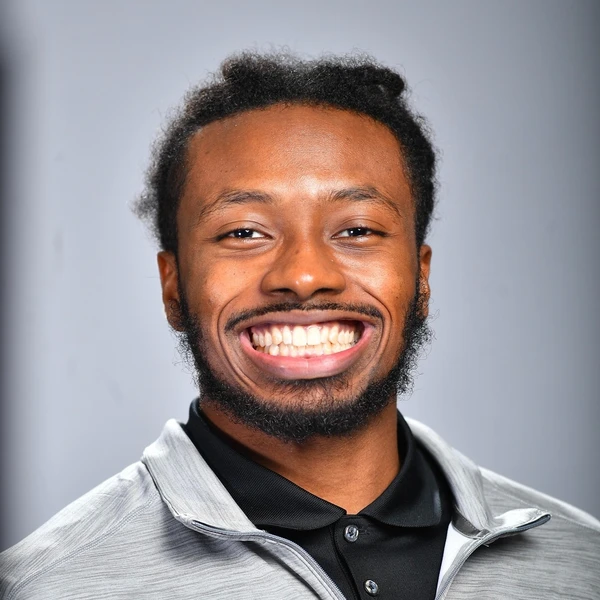
To make a change, one must be the change. To me, that is what being a strength and conditioning coach is about. Being able to take initiative by impacting others through leading by example and embracing hard work and effort. After earning a degree in exercise science and biology, multiple internships with various athletes of differing shapes and sizes, a masters degree in biomechanics, working in professional sport, and starting a PhD, I’ve developed a well-rounded perspective to see how athletes have been trained by different performance coaches who take different training approaches. The “one size fits all” method is not always an appropriate form of training. Simplicity can be the biggest ally when training as foundational movements can always be progressed or regressed depending on the comfortability and training age of an athlete. Training athletes in places where a stopwatch and a Vertec is the most objective forms of feedback for testing can definitely bring out the competitive nature of athletes as they desire to improve upon their previous tests. Similarly, in places where access to technology to quantify athletic development is more prevalent, it can make a positive impact on both the athletes as well as key stakeholders of each athletes’ performance. As technology advances, the ability to give athletes feedback and monitor their training will be crucial to ensuring each individual athlete is progressing in their own optimal way.
As forms of feasibility tools, Artificial Intelligence (AI), become part of many industries regular workflow, finding ways to stay up to date on how AI will affect the fitness industry is important for myself and other future strength and conditioning professionals. By learning how to interact well with new AI system integrations will better make transitions into full AI systems much easier. As a strength and conditioning professional still must be able to assess, program, and coach their athletes appropriately, understanding that algorithms that may take each athletes testing and create programs to address their discrepancies can have equal, lessor, or even greater benefit than a coach designed program. Humility is a moral that must not only be taught by coaches but experienced as well. Not every part of AI has the highest reliability and validity, but with the development of one’s knowledge in education, alongside the interplay of AI, an appropriate training plan may be developed to better the athletes that myself, as a future strength coach, will work with.
By continuing my education, I am exposed to not only deeper levels of critical thinking, but the ability to quantify movement on varying athletes on both a microlevel and a macrolevel. Interacting with athletes in a lab and weight room can appear different but the coaching, preparation, and objective remains the same: How can I increase your performance, while ensuring your safety, today? My contribution to the changing field of strength and conditioning and the integration of sports science is developing as a coach who also is trained and versed in the research and science of human movement. Staying in the know with AI’s role in the field of strength and conditioning help myself as a current and future strength and conditioning professional be better suited to integrate those technological systems into a high-performance setting. If I could look into the future, I would see many professionals who are strength and conditioning “scientists” who, like myself, are furthering their knowledge of human movement to better help ensure that athletes are developing to their own optimums through sound athletic programs built on appropriate testing, monitoring, and training tools.