Hobbies and interests
Acting And Theater
Animals
Anthropology
Athletic Training
Bodybuilding
Criminal Justice
Community Service And Volunteering
Dance
Golf
Voice Acting
True Crime
Tarot
Psychology
Art
Reading
Adult Fiction
I read books multiple times per week
Andie Vleeming
1x
FinalistAndie Vleeming
1x
FinalistBio
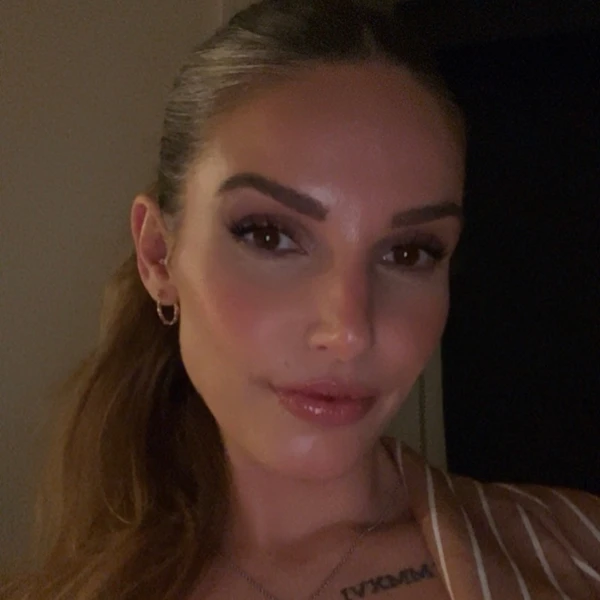
I’m a mature student who works full time, volunteers with animal rescues and is pursuing her passion in forensic psychology with a minor in anthropology so I can help solve crimes. In my free time I’m either reading novels, writing memoirs, spending time with my dog or with friends, or traveling.
Education
Canada College
Bachelor's degree programMajors:
- Psychology, Other
Minors:
- Anthropology
Canada College
Associate's degree programMajors:
- Construction Management
Miscellaneous
Desired degree level:
Master's degree program
Graduate schools of interest:
Transfer schools of interest:
Majors of interest:
- Psychology, Other
Career
Dream career field:
Arts
Dream career goals:
Bartender
Original Joes2007 – 202013 years
Sports
Bodybuilding
Club2013 – 20174 years
Arts
Film & TV Industry
Acting2004 – Present
Public services
Volunteering
BCSPCA — Foster and care volunteer2024 – PresentVolunteering
AARCS — Transport, Fostering2010 – 2021
Future Interests
Advocacy
Volunteering
Entrepreneurship
Henry Respert Alzheimer's and Dementia Awareness Scholarship
Alzheimer’s disease is often described as a “long goodbye,” but until it touched my family, I did not fully understand what that meant. My grandmother, once the vibrant matriarch of our family, is now in the late stages of dementia. Visiting her has become both a duty and an emotional trial. She no longer knows who we are. She believes she is in her twenties, back in the Netherlands, and often only speaks to us in Dutch—a language that was always part of her identity, but now feels like a barrier as much as a bridge. Watching her world narrow and drift away has left an indelible impact on me, my family, and the way I see life itself.
My grandmother was the kind of woman who carried her history proudly. She had immigrated from the Netherlands to build a new life, yet she never let go of her culture. She baked traditional recipes, told stories about her childhood, and kept Dutch phrases alive in our home. She was a grounding presence—steady, warm, and wise. For me, she was more than a grandparent; she was a storyteller and a teacher, someone who connected me to a heritage that might have otherwise felt distant.
But Alzheimer’s has slowly stripped those qualities away. At first, it was small things: forgetting names, repeating questions, or misplacing objects. We tried to laugh it off, telling ourselves it was “just age.” Then the disease grew bolder. She forgot who we were. She forgot who she was. Now, when I visit, she greets me not as her grandchild, but as a stranger. Sometimes she calls me by names of friends she had decades ago in the Netherlands. Other times, she doesn’t recognize me at all. It’s hard to explain the grief that comes from standing in front of someone you love and realizing they no longer know you exist.
One of the most heartbreaking changes has been her return to Dutch as her primary way of speaking. Alzheimer’s often causes people to revert to their earliest languages and memories, and for my grandmother, that has meant letting go of English almost entirely. I know a few Dutch words, but not enough to carry a full conversation. I sit with her, listening to her speak fluently in a tongue that feels both familiar and foreign, nodding even when I don’t fully understand.
It creates a strange sense of distance—like we are standing on opposite sides of a river, waving but unable to cross. I miss the days when her stories flowed easily, when we could share laughter over everyday moments. Now, I lean on the tone of her voice, her gestures, and the rare spark of recognition that flashes across her eyes. Communication has become less about words and more about presence—holding her hand, sitting quietly beside her, and letting her know that even if she doesn’t recognize me, I am still there.
The toll on my family has been profound. My mother, in particular, struggles with the role reversal of becoming the caretaker for the woman who once cared for her. I see the exhaustion in her eyes after long days of managing appointments, navigating healthcare systems, and making difficult decisions about my grandmother’s care. My aunts and uncles cycle through similar emotions—frustration, guilt, sadness—each trying to balance their own families and jobs while honoring their mother.
Family gatherings are no longer the same. Holidays that used to be filled with laughter and shared memories are now tinged with sadness. We sit around the table, acutely aware of the empty space where my grandmother’s vibrant personality used to shine. Even when she is physically present, her mind is elsewhere, lost in a past we cannot reach. The disease has not only changed her—it has reshaped the dynamics of our entire family.
Despite the pain, Alzheimer’s has taught me invaluable lessons.
1. The fragility of memory.
Watching my grandmother lose hers has reminded me how precious and delicate memory truly is. We often take for granted the ability to recall names, faces, and experiences. Seeing her confusion has made me treasure my own memories and the importance of preserving family stories while we can.
2. The power of patience and presence.
I have learned that sometimes, love is expressed not through conversation, but through showing up. Holding her hand, even when she doesn’t know who I am, matters. Sitting with her while she speaks in Dutch—even if I don’t understand—matters. Alzheimer’s has taught me that being present is its own form of communication, and that love can be felt even without recognition.
3. The weight carried by caregivers.
I have seen firsthand how demanding and exhausting caregiving is. It requires sacrifice, patience, and resilience. I now understand the importance of supporting not only those with Alzheimer’s but also the family members who care for them. It has inspired me to think more deeply about how our society values caregiving, and how we can do better at providing resources and relief.
4. The importance of community.
Alzheimer’s is not just a family issue—it is a community issue. I’ve noticed how my grandmother’s illness has drawn attention to the need for awareness, resources, and empathy in our local community. Support groups, memory care facilities, and community programs are lifelines for families like mine. I’ve learned that building strong communities means ensuring that no one faces such challenges alone.
Perhaps the most significant impact of my grandmother’s Alzheimer’s is the way it has reshaped my perspective on life. The disease is a constant reminder that time and memory are not guaranteed. It has made me more intentional about cherishing moments with loved ones, capturing stories, and expressing gratitude while I still can.
It has also fueled my sense of purpose. Witnessing this illness up close has inspired me to consider ways I might contribute to dementia awareness and support in the future—whether through advocacy, volunteer work, or simply being a voice of compassion for others going through the same struggles. I now see how critical it is to combine medical advances with emotional support systems, and I hope to be part of building that bridge someday.
Alzheimer’s has taken much from my grandmother: her independence, her memories, and her ability to recognize the people who love her most. But it has also given our family unexpected gifts—deeper empathy, stronger bonds, and a renewed appreciation for life’s fleeting moments. Visiting her is painful, yes, but it is also an act of love. Even if she thinks she is still a young woman in the Netherlands, even if she only speaks Dutch and no longer knows my name, I visit because love is not dependent on memory.
This disease has left me with a truth I will carry for the rest of my life: people are more than their memories. My grandmother may not know who I am, but I know who she is—and that is enough.
Raise Me Up to DO GOOD Scholarship
I was raised first in a single-parent household and later in a blended family, and both experiences shaped how I see the world and where I want to go. For years, it was just my mother and I, and I watched her carry the weight of two roles—provider and nurturer—without complaint. That environment taught me resilience, independence, and the importance of stepping up when I was needed. I learned how to take responsibility early, whether it was helping with household tasks or simply learning to rely on myself when things felt uncertain.
Later, when my stepdad and his son joined our family, my perspective shifted again. Suddenly, I was part of a larger, more complex unit with different personalities, backgrounds, and expectations under one roof. Blended families can be full of love, but they also require constant adjustment, patience, and understanding. Learning how to navigate those dynamics taught me adaptability, conflict resolution, and the importance of communication. Where the single-parent household gave me independence, the blended household taught me cooperation.
Both experiences, though different, instilled the same lesson: family comes in many forms, and with each form come challenges and opportunities to grow. They taught me that people’s stories are rarely simple, and that compassion—whether for yourself or others—goes a long way.
These lessons directly connect to my future goals. I plan to dedicate my career to helping victims of sex crimes by combining therapeutic support with law enforcement tools, particularly through behavioral analysis of offenders. Survivors of these crimes deserve not only justice but also healing, and I want to be someone who helps provide both. My upbringing gave me empathy for people facing difficult circumstances and the persistence to stand with them as they rebuild their lives. It also gave me a desire to use my strengths—listening, analyzing, and problem-solving—to protect others from harm and prevent further victimization.
I also know from experience how impactful it is when someone believes in you. Small acts of support—a mentor’s encouragement, a teacher’s patience, a community resource—can change the course of a life. My journey through both households showed me the value of these moments, and it is why I want to be a professional who creates them for others, especially those who feel silenced or unseen.
Ultimately, my past did more than shape me—it prepared me. The resilience I gained in a single-parent household, and the adaptability I built in a blended one, now fuel my ambition. I see a future where my success is measured not only by personal achievement but also by the difference I make for others. By pursuing a career in therapy and law enforcement focused on behavioral analysis, I can turn the challenges I have faced into opportunities for service, so survivors know they are not alone and that their circumstances do not define their potential.
What once felt like obstacles, I now see as foundations. My upbringing gave me both the strength to pursue my own goals and the passion to help others reach theirs. That is the future I am committed to building.
Qwik Card Scholarship
Building credit early is important to me because it represents more than just access to financial products—it is the foundation of independence, stability, and opportunity. A strong credit history opens doors to affordable housing, fair interest rates, and the ability to invest in one’s future. Without it, even the most responsible person can face unnecessary obstacles when trying to secure a home, a loan, or even certain career opportunities. As someone who has worked hard to balance education and employment, I recognise that building credit now allows me to create a safety net and the freedom to make choices without being limited by financial barriers later in life.
Taking control of my financial future begins with making intentional, informed decisions. I plan to use credit responsibly by keeping balances low, paying bills on time, and avoiding unnecessary debt. My goal is not only to maintain strong credit but also to use it as a tool that works for me rather than against me. By setting a budget, building savings, and continuing to educate myself about financial literacy, I am creating habits that will allow me to achieve both short-term stability and long-term goals such as furthering my education and eventually owning a home.
One smart money move I made was recognising the importance of living within my means, even when it required difficult sacrifices. While balancing multiple jobs with full-time studies, I created a strict budget that prioritised essentials like rent, tuition, and food. It was not always easy, but it taught me discipline and resilience. I learnt how to distinguish between needs and wants, and how to value every dollar as part of a bigger picture.
At the same time, I have also learnt financial lessons the hard way. Early in my journey, I underestimated the importance of having an emergency fund. When unexpected expenses arose, I had no cushion to fall back on and found myself stressed and scrambling. That experience highlighted how financial preparedness directly affects not only security but also mental wellbeing. Since then, I have made it a priority to build and maintain an emergency fund, no matter how small the contributions may be at first. This habit has given me peace of mind and confidence that I can handle challenges more effectively.
A bit about me: I am a student, a writer, and someone deeply passionate about using my experiences to create change. Having overcome significant personal challenges, including surviving trauma, I have developed a resilience that motivates me to pursue both academic and personal goals with determination. What drives me most is the desire to build a life of stability and purpose—not only for myself but also so I can better contribute to my community and to Canada as a whole. I believe financial independence is an essential part of this journey. By taking control of my credit and financial future, I am not just securing my own path but also setting an example that others can follow.
In short, building credit early, learning from past mistakes, and committing to smart financial choices gives me the tools I need to pursue my ambitions with confidence. My motivation comes from knowing that every step I take toward financial stability today lays the foundation for the opportunities and impact I can create tomorrow.
Crenati Foundation Supporting International Students Scholarship
I know what it means to survive sexual assault—and I also know what it feels like to be let down by the very systems meant to protect us. That experience has shaped not only how I carry myself into adulthood, but also the path I have chosen for my future. As both a writer and a future forensic psychologist, my mission is clear: to ensure that survivors of sexual violence in Canada are heard, supported, and given a real chance at justice.
Too often, these cases are mishandled by RCMP and police departments, not because officers do not care, but because they lack the education, research, and trauma-informed training needed to respond effectively. Survivors are retraumatised by investigative processes that fail to account for the psychological realities of trauma. Cases grow cold, offenders remain free, and victims are left with lasting scars. My goal is to help close this gap by equipping Canadian law enforcement with the knowledge and tools to handle these cases with compassion, credibility, and urgency.
This is why I have chosen to pursue my master’s degree in the United States. The U.S. is home to some of the world’s leading behavioural profilers and pioneers in investigative psychology, professionals who have reshaped how special victims cases are investigated and prosecuted. By training under these experts, I will gain advanced, specialised knowledge that is not readily available in Canada. This education will allow me to bring cutting-edge practices back home—adapting them specifically to the needs of Canadian RCMP and police departments. My long-term vision is to help establish better training, protocols, and specialised units across Canada that not only pursue offenders more effectively but also provide survivors with the support they need to begin healing.
Equally important is the work I will continue as a writer. Storytelling is one of the most powerful forms of advocacy. It allows us to humanise statistics, to amplify the voices of survivors who have been silenced, and to challenge cultural narratives that still too often blame or disbelieve victims. Through my writing, I intend to raise awareness, inspire dialogue, and help shape the cultural shift that must accompany systemic reform. Where psychology offers research and strategy, writing provides humanity and urgency. Together, they make change possible.
What makes my path unique is this dual approach: one grounded in the science of psychology, the other in the power of words. My survival gives me a personal understanding of the long shadow trauma casts, and it fuels my determination to ensure no one else feels unheard, dismissed, or unprotected. I want survivors in Canada to know that their pain matters, that their cases are worth pursuing, and that justice can be a catalyst for healing.
Ultimately, my goal is to make Canada a place where survivors of sexual violence are not retraumatised by the system but supported through it. By combining advanced education from the United States with applied research, practical training for Canadian law enforcement, and the advocacy of writing, I aim to transform how our justice system responds to these crimes. With this scholarship, I will be able to pursue the training that will allow me to return to Canada better equipped to serve survivors, strengthen Special Victims Units, and contribute to building a justice system defined by compassion, accountability, and integrity.
Bick First Generation Scholarship
Being a first-generation student means stepping into uncharted territory with the courage of my immigrant family behind me. My parents didn’t have the chance to pursue higher education, but they gave me the values of hard work, resilience, and compassion. Every step I take in my educational journey is a reflection of their sacrifices and the opportunities they dreamed I would one day have.
The path has not been simple. I’ve had to navigate applications, financial aid, and academic expectations without a roadmap. At times, the weight of uncertainty made me wonder if I truly belonged in higher education. But each challenge became an opportunity to grow stronger. I learned to adapt, to advocate for myself, and to keep moving forward, even when the odds felt overwhelming. These struggles have shaped my determination and deepened my sense of purpose.
That purpose is clear: I am pursuing a degree in forensic psychology to work with special victims units, supporting survivors and helping them find justice and healing. This calling comes from my belief that no one should feel voiceless, and that empathy and knowledge together can change lives. Alongside this, I channel my creativity into writing - using words to process experiences and connect with others through stories that reflect resilience and hope.
Community is equally important to me. A cause close to my heart is animal rescue, where I advocate for the most vulnerable who cannot speak for themselves. To me, these paths - psychology, writing, and rescue work - may seem different, but they are united by the values my family instilled in me: compassion, responsibility, and service.
This scholarship would lift a heavy financial burden that often overshadows my focus and energy. It would allow me to dedicate myself more fully to my studies in forensic psychology, while continuing to write and to contribute to my community through rescue work. Most of all, it would give me the peace of knowing I can move forward without constantly questioning if financial obstacles will hold me back from my goals.
Being a first-generation student is more than earning a degree - it is about breaking cycles, creating possibilities, and carrying the dreams of those who came before me into the future. My journey is not perfect, but it is honest, determined, and filled with heart. With your support, I can continue building a future dedicated to justice, creativity, and compassion.
Sloane Stephens Doc & Glo Scholarship
I’ve never been afraid to burn my life down if it meant building something truer from the ashes. I’ve always been drawn to the in-between spaces - the moments where art meets truth, where curiosity meets courage, and where life refuses to be scripted. My earliest passions lived in the creative realm: photography, writing, and film/TV acting. I loved capturing a fleeting expression through a lens just as much as I loved stepping into the skin of a character who lived a thousand miles from my own reality. Each outlet gave me a different way to tell a story, to feel deeply, and to connect with people on a level words couldn’t always reach.
But it was never just about the art itself. My fascination with human behavior grew alongside my creative work. I’ve always wanted to know why we are the way we are, what shapes our choices, and how we navigate the quiet wars no one else sees. That curiosity led me to the art of psychology, not just as an academic pursuit, but as a lens through which I view everything. The way we speak, the way we love, the way we heal - it all matters to me, and I find pieces of those truths in every project I touch.
My path hasn’t been without detours. Life has a way of breaking you open in places you didn’t even know were fragile. I’ve walked through seasons that tested me in ways I wasn’t prepared for - heartbreaks, betrayals, moments of loss that left me standing in the rubble of who I thought I was. And yet, those seasons became my most powerful teachers. I learned that vulnerability isn’t a flaw; it’s a lifeline. I learned that starting over isn’t the same as starting from scratch - you carry every lesson, every scar, every spark forward with you.
These experiences have shaped the way I create and the way I live. When I write, I aim for honesty so sharp it leaves an ache. When I act, I look for the heartbeat under the dialogue. When I connect with someone through my work, my hope is that they feel seen in a way that lingers. I want my art - in any form - to be a place where people find pieces of themselves reflected back at them, even the messy, unpolished parts.
I’m still a work in progress. I hope I always will be. My aspirations aren’t rooted in perfection, but in growth. I want to keep telling stories that matter - the kind that reach into someone’s chest and stay there, long after the credits fade or the final page is turned.
Terry Masters Memorial Scholarship
As an artist, I’m constantly inspired by the quiet, in-between moments that often go unnoticed. A glance between strangers. The way sunlight falls across someone’s face. The softness in someone’s voice when they talk about something that matters to them. These are the details that move me—and they’re everywhere, every day.
Being a photographer has taught me to slow down and look—really look—at people and moments with intention. The everyday world becomes a collection of stories waiting to be told: layered, imperfect, human. As an actor, I observe behavior, emotion, and body language. I find inspiration in how people carry their joy, their fear, their history—often without saying a word. These small truths are what I bring into every role, every photo, every creative project.
Now, as a student of psychology, I’m learning to understand what drives those emotions and behaviors. It deepens how I interpret the world around me and gives me even more empathy for the people I encounter. I’m inspired by resilience. By vulnerability. By how much strength it takes to be seen.
The everyday world doesn’t have to be loud to be meaningful. I find my creativity in the realness of daily life—where art and emotion quietly meet.
Diane Amendt Memorial Scholarship for the Arts
Arts education has shaped every part of who I am. Growing up, it wasn’t just something I enjoyed—it was the space where I came alive, felt understood, and learned how to understand others. Whether I was in front of a camera, behind one, or on a stage, the arts gave me a language for emotions I didn’t yet know how to express. It became my way of connecting to the world, of processing experience, and of making meaning out of chaos.
As a child and teen, being involved in theatre and acting gave me confidence, resilience, and empathy. It taught me how to take risks, how to listen deeply, and how to embody someone else’s story without judgment. Film and TV acting helped me sharpen my emotional intuition, showing me how the smallest gesture or shift in energy can say more than words ever could. At the same time, discovering photography opened a new creative outlet—one where I could be the observer and the storyteller. It allowed me to see people differently and capture something honest and human in each frame. Over time, I realized my passion wasn’t just about making something “beautiful”—it was about capturing truth.
What I’ve come to appreciate most is how the arts helped me grow emotionally, long before I had the language of psychology to understand why. Now, as I study forensic psychology, I see how much of my creative foundation was really an early form of emotional literacy. Acting and photography taught me how to read people, how to sense what’s unspoken, and how to create space for vulnerability. The arts didn’t just shape me—they prepared me for the work I feel called to do now: helping people feel seen, heard, and safe.
Throughout my journey, I’ve been lucky to have people who believed in me when I questioned myself. But the person who inspired me most was my high school drama teacher James Jack. He saw something in me before I saw it in myself. Whether it was encouraging me to audition for a role I was scared to take, teaching me how to project my voice and how to overcome my stage fright, or simply reviewing early photos I was nervous to share—he pushed me to keep going. His support helped me turn self-doubt into self-trust.
Arts education gave me more than a craft—it gave me a sense of self, a community, and a lifelong purpose.
Pamela Branchini Memorial Scholarship
To me, collaboration is the heartbeat of creativity—it’s where vulnerability, vision, and trust intersect to bring something powerful to life. Whether I’m behind the camera, in front of it, or sitting with someone in a space of psychological exploration, the common thread is always human connection. That’s what excites me most about creative and emotional work: the relationships formed in the process, and how each person’s perspective deepens the meaning of what we create together.
My background spans photography, film and television acting, and now the study of forensic psychology. On the surface, these fields might seem different, but they all require one essential skill: the ability to see people clearly. As a self-taught photographer, I’ve built my craft on capturing authenticity—moments where someone feels safe enough to be fully themselves. That kind of vulnerability doesn’t happen without collaboration. It’s a shared experience between subject and photographer, rooted in trust, intention, and mutual respect.
In acting, collaboration is just as vital. You’re not only working with scene partners, but with directors, writers, lighting teams, and editors. Every performance is the result of a thousand subtle interactions—listening, adapting, reading energy, giving space. Some of the most inspiring creative experiences I’ve had came from on-set environments where egos were left at the door and everyone committed to telling a story together. That spirit of collective dedication has shaped how I approach all aspects of my work.
Now, as I study psychology, I’ve come to see collaboration in an even deeper way. In this field, collaboration means co-creating safety, understanding, and healing. It’s learning to be present with someone’s truth without imposing your own. Psychology, like art, is not about fixing people—it’s about honoring their experience and walking with them toward self-awareness and transformation. I’ve found that this mindset enriches my photography and acting work, too. The more I study the human mind and emotion, the more fully I can engage with others in any creative space.
Collaboration, to me, is not just a means to an end—it’s the reason I do what I do. The images, performances, and insights we walk away with are meaningful because of the connection built in the process. That’s what I believe Pam Branchini understood so well: that the preparation—the rehearsals, the creative discussions, the quiet in-between moments—are what make the final product not just beautiful, but alive. I carry that belief into every project, conversation, and creation I’m part of. Collaboration is how we bring out the best in each other—and in ourselves.
Dave Cross Design Arts Scholarship
My passion for photography was born out of a deep desire to capture people as they truly are—raw, real, and unfiltered. As a self-taught photographer, I didn’t come into this field through traditional training. Instead, I learned through intuition, observation, and a whole lot of trial and error. But in many ways, that’s what makes my work feel so personal. It wasn’t just about learning how to take a beautiful photo—it was about learning how to see people, how to make them feel safe enough to show up as themselves in front of the lens.
What excites me most are portrait-based projects that invite vulnerability and connection. I love capturing moments that reflect not just what someone looks like, but who they are—the softness in their eyes, the strength in their posture, the story behind their stillness or movement. I’m especially drawn to photographing people who don’t always feel seen: those who have been overlooked, underestimated, or told they have to perform a version of themselves to be accepted. My camera gives them space to just be, and that’s what makes this work so powerful to me.
I’m equally passionate about storytelling through visual design. While photography is my first love, I’ve grown increasingly interested in how digital design tools can elevate a project—whether that means curating a cohesive visual brand, creating digital galleries, or designing campaign visuals with layered textures, typography, and motion. I see tools like Adobe Photoshop, Lightroom, and Canva not just as editing platforms, but as creative extensions of my vision. They allow me to take a photo and build a world around it—to bring out the emotion, context, and voice in every image.
In the future, I plan to continue expanding my skills by exploring motion design, digital collage, and interactive layouts that blend photography with digital storytelling. My goal is to build projects that don’t just “look nice,” but that feel true. I want my work to feel like a mirror to someone—something they can see themselves in. Whether it’s a personal branding shoot, a visual campaign centered on mental health, or a series highlighting diverse identities and lived experiences, I’m most fulfilled when I’m using my lens and design tools to reflect real humanity.
Being self-taught means I’ve learned how to adapt, how to stay curious, and how to figure things out without waiting for permission. I plan to use digital design tools not just to keep up—but to innovate, explore, and challenge myself creatively. With the right tools and continued growth, I believe I can bring stories to life in ways that resonate, inspire, and stay with people long after they’ve scrolled past.
Kalia D. Davis Memorial Scholarship
My name is Andie, and I am currently pursuing a degree in forensic psychology with a focused passion for working with survivors of sex crimes. My academic and career goals are deeply rooted in both compassion and justice, and I’ve committed myself to walking alongside others in their healing journeys while pushing for systemic change in how society responds to trauma and violence.
My path hasn’t always been easy, but it’s been defined by an unwavering work ethic, a heart for service, and a relentless drive to build a life of purpose. Like Kalia, I believe in leading with kindness—especially when the world feels heavy. I’ve learned that being strong doesn’t mean being hard; it means being grounded, reliable, and brave enough to care. That’s the energy I bring to my studies, my relationships, and the communities I serve.
Balancing academic demands with work responsibilities, financial strain, and personal healing has shaped me into someone who doesn’t back down when things get hard. Instead, I dig in deeper. I’m often the one classmates come to for help or encouragement, because I believe that success means very little if we don’t bring others with us. Whether it’s showing up early to study groups, offering support to peers navigating burnout, or volunteering for initiatives that support survivors of violence, I aim to make my presence meaningful.
This scholarship would significantly relieve the financial pressure that comes with higher education. As someone who has had to be financially independent while studying full-time, every bit of support makes a difference—not just in covering tuition or textbooks, but in making space for me to invest more energy into internships, volunteer work, and community engagement. With this scholarship, I can step further into my purpose without being held back by financial limitations.
What inspires me most about Kalia’s story is the way she lived with excellence, warmth, and a deep sense of drive. She reminds me that ambition and kindness are not opposites—they’re a powerful pair. I, too, aim to carry those values forward. I want to excel not only for myself, but to honor the people who believe in me, and to uplift the voices of those who are too often silenced.
Receiving this scholarship would not just be a financial gift—it would be a reminder that others see something in me worth investing in. I plan to honor that belief by continuing to work hard, show up with heart, and pursue justice with integrity. Like Kalia, I want my life to be one of impact, empathy, and excellence.
Thank you for considering my application and for carrying forward a legacy as meaningful as hers.
Fuerza de V.N.C.E. Scholarship
My decision to pursue a degree in forensic psychology was rooted in both personal conviction and a deep desire to work at the intersection of mental health, justice, and advocacy. Over time, I became particularly drawn to understanding the psychological impact of trauma—especially in the context of sexual violence—and how the criminal justice system often fails to meet the needs of survivors. For me, forensic psychology offers the ideal framework to blend clinical insight with legal systems, allowing me to support survivors while also helping create a more trauma-informed and just response to sex crimes.
From the beginning, I knew I wanted my career to center around advocacy for those who have experienced sexual abuse and assault. These crimes carry some of the most devastating emotional consequences, and yet survivors are often silenced, doubted, or retraumatized by the very institutions that are supposed to protect them. I wanted to be someone who could meet survivors where they are—with empathy, clinical understanding, and the ability to navigate the complex systems they’re forced to interact with. Forensic psychology, with its focus on both behavior and justice, gave me the language, tools, and perspective to do that work with intention and care.
Since beginning the program, my goals have deepened. Initially, I imagined myself working primarily as a forensic therapist, helping survivors process trauma in the aftermath of abuse. While that remains a core passion, I’ve also become increasingly interested in trauma-informed evaluations, offender profiling, and legal reform. I’ve learned how essential it is not only to support survivors on an individual level, but also to contribute to a broader shift in how society—and the legal system—understands and responds to sexual violence. The more I learn, the more I see opportunities to create change through clinical work, policy, education, and community programming.
In my career, I plan to work with survivors of sex crimes both therapeutically and systemically. This might include providing psychological assessments for court cases, offering expert testimony, developing programs for survivor support, or consulting on investigative practices to minimize retraumatization. I want to ensure that survivors are not only heard but also believed, validated, and empowered throughout their healing journey.
To me, giving back means using my training to stand beside those who have had their autonomy violated, helping them reclaim power through support, knowledge, and justice. It also means challenging the structures that allow sexual violence to persist in silence. This path is not easy—but it is necessary. And I’m committed to walking it with courage, care, and conviction.