user profile avatar

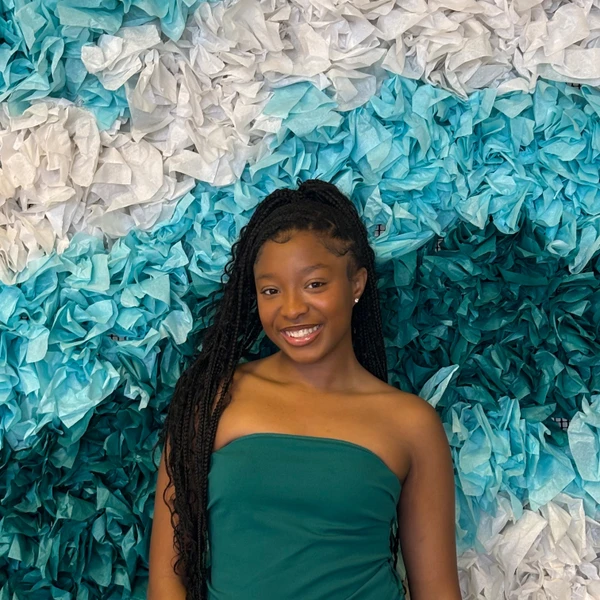
Anaulea Landrum

1x

Finalist

Bio

My name is Anaulea Landrum, and my life goals are to get my BSN and become a NICU nurse. I'm extremely passionate about children and helping others. I believe I'm a great candidate for these scholarships because I'm dedicated to learning and will do anything to get to my future career.

Education

Paxon School/Advanced Studies

High School
2025 - 2026

Miscellaneous

  • Desired degree level:

    Doctoral degree program (PhD, MD, JD, etc.)

  • Majors of interest:

    • Clinical, Counseling and Applied Psychology
    • Registered Nursing, Nursing Administration, Nursing Research and Clinical Nursing
  • Not planning to go to medical school
  • Career

    • Dream career field:

      Psychology

    • Dream career goals:

      Sports

      Dancing

      Varsity
      2020 – 20244 years

      Softball

      Varsity
      2021 – 20243 years

      Arts

      • Paxon School For Advanced Studies

        Sculpture
        2025 – Present

      Future Interests

      Advocacy

      Volunteering

      Entrepreneurship

      Dan Leahy Scholarship Fund
      Someone I deeply admire is Michelle Obama. Her journey from the South Side of Chicago to becoming the First Lady of the United States is incredibly inspiring. What strikes me most about her is not just her accomplishments, but the way she carries herself with grace, intelligence, and a genuine commitment to making the world a better place. Michelle Obama's focus on education, particularly through her "Reach Higher" initiative, has been a significant influence on my own educational aspirations. She emphasizes the importance of higher education for young people, encouraging them to pursue their dreams and understand the opportunities that education can unlock. Her message isn't just about getting a degree; it's about developing skills, expanding horizons, and becoming informed, engaged citizens. Seeing her advocate for education made me reflect on my own path. I realized that learning is not just about memorizing facts or getting good grades, but about developing a deeper understanding of the world and my place in it. It's about equipping myself with the tools to contribute meaningfully to society and to pursue my passions with purpose. Michelle Obama's example has motivated me to seek out challenging academic opportunities and to approach my education with a sense of responsibility and excitement. As for participating in speech and debate or mock trial, my motivation stems from a desire to develop critical thinking and communication skills. In today's world, being able to articulate your ideas clearly and persuasively is essential. Whether it's advocating for a cause you believe in, presenting a project at work, or simply engaging in meaningful conversations with others, the ability to communicate effectively can make a huge difference. Speech and debate, in particular, offer a unique opportunity to research different perspectives on complex issues, construct logical arguments, and compellingly present them. It's not just about winning or being right; it's about understanding the nuances of an issue and being able to see things from multiple points of view. This kind of intellectual flexibility is invaluable in a world that's constantly changing. Mock trial, on the other hand, provides a practical, hands-on experience in the legal system. It allows you to step into the shoes of lawyers and witnesses, to analyze evidence, and to argue a case before a judge or jury. This kind of experience can be incredibly empowering, as it teaches you how to think on your feet, to respond to unexpected challenges, and to advocate for your client's interests. Ultimately, my decision to participate in speech and debate or mock trial is driven by a desire to become a more informed, articulate, and engaged citizen. I believe that these activities can help me develop the skills and knowledge I need to make a positive impact on the world and to live a life of purpose and meaning. And, like Michelle Obama, I want to inspire others to pursue their own educational goals and to use their talents to make a difference in their communities.
      Williams Foundation Trailblazer Scholarship
      One of the most fulfilling projects I've been involved in was establishing a free after-school tutoring program for elementary students in a low-income neighborhood. I noticed that many kids in this area lacked access to the kind of supplemental educational support that could really help them thrive. Parents often worked multiple jobs and didn't have the time or resources to provide extra help at home. Seeking to fill this gap, I decided to take the initiative. I started by reaching out to local community centers and churches, looking for a space where we could hold the sessions. After a few conversations, I found a church that was happy to offer its basement on weekday afternoons. The next step was recruiting volunteers. I put up flyers in local coffee shops and on community bulletin boards, and also spread the word through my own network. I was amazed by the response; people from all walks of life- college students, retired teachers, and even some professionals looking to give back- were eager to help. We ended up with a team of about 15 dedicated volunteers, each bringing unique skills and a passion for education. Once we had our space and our team, we focused on the curriculum. We decided to offer help in reading and math, the two foundational subjects. We didn't want to just do homework help; we aimed to create engaging learning experiences. We incorporated games, interactive activities, anf one-on-one attention to make learning effective and fun. We also made sure to create a welcoming, safe environment where the children felt comfortable asking questions and making mistakes. The program quickly gained attention, and we saw a noticeable improvement in the students' confidence and academic performance. This process was extremely hard and long for us to do, but with the resources and support that I had, I was able to accomplish this goal and create the after-school program for these children. I really enjoy helping my community and getting involved with children. I loved seeing them happy to learn and create connections with other children. I mostly enjoyed helping the parents with free resources to help them with their children, especially the single, working parents who couldn't afford to take their children to programs and to help them get the help they needed. It was incredibly rewarding to witness firsthand the impact that a dedicated group of volunteers could have on the lives of these children, empowering them with the resources they needed to succeed.
      Matthew E. Minor Memorial Scholarship
      My engagement with the community stems from a deep-seated belief that we are all interconnected and have a role to play in creating a supportive environment. My involvement had primarily focused on initiatives aimed at youth development and empowerment. I've volunteered with after-school programs, mentoring young people in areas where resources might be scarce. This has involved not just academic support but also helping them develop essential life skills, build confidence, and explore their interests. Beyond structured programs, I believe in the power of informal community building-organizing neighborhood clean-ups, participating in local events, and simply being a friendly face and a helping hand to those around me. This hands-on approach allows me to understand the various needs of my community and identify areas where I can contribute most effectively. Entering higher education presents a unique set of financial challenges, particularly for those from modest backgrounds. My financial needs are primarily centered around tuition, fees, and living expenses. While I have actively saved and explored scholarship opportunities, the cost of a quality education remains a significant challenge. I am actively seeking financial aid, grants, and part-time work that can supplement my savings, without compromising my academic performance. Understanding the financial landscape of higher education is crucial, and I am committed to managing my finances responsibly to ensure I can complete my studies without undue burden. This might involve making careful choices about housing, transportation, and other unnecessary spending, prioritizing my educational goals above everything else. Ensuring the safety of children and youth, both in person and online, is a primary concern. In my community, I actively promote awareness campaigns about the dangers of bullying and cyberbullying. This involves working with local schools and community centers to organize workshops and educational sessions for students, parents, and educators. These sessions often focus on recognizing the signs of bullying, understanding its impact, and empowering young people with strategies to report incidents and seek help. For in-person bullying, I advocate for safe spaces and adult supervision in areas where young people gather. Online, the focus is on digital literacy and responsible internet use. This includes educating youth about privacy settings, the stability of online content, and the importance of critical thinking when interacting with others online. I also encourage open communication channels, ensuring that young people feel comfortable talking to trusted adults about any concerns they may have regarding their online experiences. Furthermore, I support initiatives that provide resources for victims of bullying and cyberbullying, offering organizations for reporting and seeking support services.
      Mental Health Profession Scholarship
      The journey through mental health challenges is one of the most profound and often isolating experiences a person can face. For me, and I imagine for many others, "overcoming" isn't a one-time event but a continuous process of learning, adapting, and growing. It starts with the often-difficult act of acknowledging that something isn't right, that the internal landscape feels stormy or unmanageable. This initial step requires a lot of self-compassion, a willingness to be vulnerable with oneself before even considering sharing with others. My own path had involved recognizing patterns of thought or behavior that aren't serving me, and then actively seeking out tools and strategies to change them. This might mean leaning on therapeutic techniques and learned from professionals, practicing mindfulness to stay grounded in the present, or simply allowing myself moments of rest and recovering when I'm feeling diminished. It's about building a toolkit of coping mechanisms and understanding that setbacks are part of the process, not failures. Supporting others and creating awareness for mental health challenges feels like a responsibility that grows with understanding. When I see someone struggling, my first instinct is to offer a listening ear, a non-judgmental space where they can express their feelings without fear of being misunderstood or dismissed. Sometimes, just knowing you're not alone in your struggles can be a lifeline. Beyond individual interactions, creating broader awareness means actively participating in conversations that challenge the stigma surrounding mental health. This can involve sharing my own experiences when appropriate, advocating for better access to mental healthcare in my community, or supporting organizations that are doing important work in this area. It's about normalizing discussions around mental well-being, just as we would discuss physical health, so that seeking help is seen as a sign of strength, not weakness. Looking ahead, the goal is to grow a society where mental health is not an afterthought but a fundamental priority. This means advocating for systemic changes, such as enhanced mental health education in schools, increased funding for accessible and affordable mental health care services, and workplaces that genuinely support employee well-being. It also means continuing to foster a culture of empathy and understanding in our everyday interactions. Every conversation that excuses mental health, every act of kindness towards someone who is struggling, contributes to this larger vision. Ultimately, it's about creating a world where everyone feels empowered to prioritize their mental health and has the resources and support they need to thrive, free from shame or discrimination.
      David Foster Memorial Scholarship
      Ms.Laseter, my high school English teacher, was one of those rare educators who didn't just teach a subject; she taught us to think. I remember walking into her classroom as a shy sophomore, intimidated by the stacks of dense novels and the expectation of deep analysis. Ms.Laseter, however, had a gentle yet firm demeanor that immediately put me at ease. She had a skill for dissecting complex literary works, not by simply lecturing, but by creating an environment where student voices were not only heard but actively encouraged. She had a particular way of framing discussions. Instead of asking for final answers, she'd post open-ended questions that invited multiple interpretations. "What do you think motivated this character?" she'd ask, or "How does this passage reflect the societal norms of its time?" She never shied away from student disagreement; in fact, she seemed to relish it, seeing it as an opportunity for deeper exploration. I recall one particularly heated debate about the ending of "The Great Gatsby." While many students stuck to Fitzgerald's dark conclusion, Ms.Laseter guided us through a complex examination of the character's motivations and the socio-economic context, ultimately revealing layers of meaning I hadn't considered. It was during these sessions that I first understood that there wasn't always a single "right" answer, and that the process of exploring different perspectives was as valuable, if not more so, than arriving at a predetermined conclusion. This shift in perspective began to penetrate my life beyond the classroom. Previously, I was someone who avoided situations where I might be wrong. Ms. Laseter's influence encouraged me to embrace uncertainty and to view challenges not as obstacles to be feared, but as opportunities for growth and learning. When faced with a difficult problem, whether in academics, personal relationships, or future career decisions, I now find myself pausing to consider the various angles, to question my initial assumptions, and to actively seek out diverse viewpoints. This willingness to engage with complexity, rather than retreat from it, has made me more resilient, more adaptable, and ultimately, more confident in my ability to navigate the unpredictable landscape of life. Ms. Laseter didn't just teach me English; she equipped me with a fundamental tool for living a more examined and fulfilling life. I will always be thankful for having her as a teacher and will take the lessons that she taught me and use them for future reference.
      Marcia Bick Scholarship
      Motivated and high-achieving students from disadvantaged backgrounds deserve opportunities like scholarships and grants because they incorporate determination, resilience, and potential that often go undeveloped due to circumstances beyond their control. Overcoming financial hardship, challenging family situations, or a lack of resources requires an extreme level of perseverance and commitment. These students often face global challenges that block their progress, making their achievements all the more remarkable. When they excel despite these obstacles, it shows a unique level of success that deserves support and recognition. These students often bring diverse experiences and perspectives that improve educational environments. Their struggles provide them with a profound understanding of the world and a deep sense of empathy, making them valuable contributors to society. Investing in their education is not just about helping people; it’s about fostering a fairer and more inclusive society where everyone has the chance to reach their full potential. Scholarships and grants can level the playing field, providing these students with the resources they need to thrive professionally and academically. Personally, I’ve had to balance school with a part-time job to support my family, which has taught me responsibility and time management. This grant would allow me to focus more on my studies and extracurricular activities, such as volunteering in community service, improving my skills, and broadening my perception. With this support, I am confident that I can continue to excel academically and make a meaningful impact on my community, eventually achieving my goal of becoming a successful leader and giving back to those who face similar challenges, ensuring that others have the opportunity to overcome hardships and achieve their dreams, promoting a cycle of empowerment and positive change that extends beyond my personal success to uplift entire communities, inspiring future generations to pursue their passions and contribute to a more just and reasonable world.