Hobbies and interests
Advocacy And Activism
Architecture
Art
Roller Skating
Fashion
Environmental Science and Sustainability
Football
Food And Eating
Spending Time With Friends and Family
Conservation
Crafting
Crocheting
Knitting
Painting and Studio Art
Running
Community Service And Volunteering
Reading
Fantasy
Young Adult
Action
I read books multiple times per month
Amira M
1x
FinalistAmira M
1x
FinalistBio
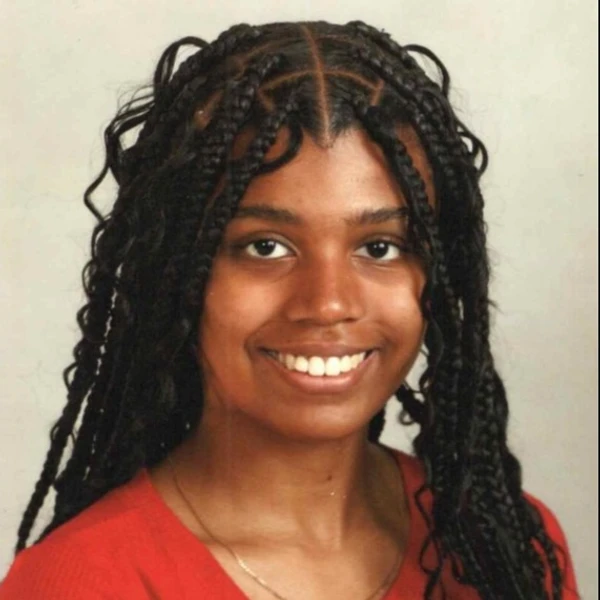
Hi, I'm Amira! I'm currently a high school senior in Chicago. I'm excited to go to college and explore the vast variety of career options and different pathways to take. Currently, I want to pursue a career in the arts, specifically design. I want to push the boundaries of what art is and understanding the process of creating conceptual art. I've always enjoyed creating art. As a young kid, I took up crafting hobbies like knitting, crocheting, and painting. More recently, I've been trying to improve my technical skills, such as figure drawing and still lives. I believe art helps create spaces to hold conversations about hard topics. I want to integrate environmental science with design to advocate for the imminent danger of climate change. I previously volunteered at a thrift store to understand the process of reselling and recycling clothes. That was a great experience because I was able to advocate for sustainability and reduce overconsumption. I love to learn, and I have a 3.6 GPA. I am working very hard in all my classes to boost my grade up higher. As well as studying for the SAT for June. I'm taking an Art History and Environmental Science class to progress my career interests. I want to have the best shot and put my best foot forward when applying to colleges and universities. Some colleges I’m looking to apply for are, University of Washington in St. Louis, Northeastern, Syracuse, Cornell, and Marist University. I hope with these scholarship submissions I can pursue a higher education with little to no student loans or debt.
Education
University of Chicago Laboratory High School
High SchoolMiscellaneous
Desired degree level:
Bachelor's degree program
Majors of interest:
- Design and Applied Arts
- Environmental Design
- Fine and Studio Arts
- Community/Environmental/Socially-Engaged Art
- Visual and Performing Arts, General
- Geography and Environmental Studies
- Community Organization and Advocacy
- City/Urban, Community, and Regional Planning
- Housing and Human Environments
- Environmental/Natural Resources Management and Policy
Career
Dream career field:
Apparel & Fashion
Dream career goals:
I want to create my own branding incorporating environmental elements.
Intern
University of Chicago Smart Museum of Art2025 – 2025Event Staff --- I work at sports events and I do customer service work including scanning tickets and assisting patrons.
S3 Incorparated2024 – Present2 years
Sports
Dancing
Varsity2022 – 20242 years
Water Polo
Club2022 – Present4 years
Arts
Artsfest
DrawingDrawing, Teaching, Leadership2024 – PresentChicago Architecture Biennial
ArchitectureCommunity Project , Design2022 – 2023Film Society
Videography2022 – PresentAfter School Matters
Visual Arts2024 – 2025
Public services
Volunteering
Promontory Point Conservancy — Volunteer2024 – PresentVolunteering
The Bridge Thrift Store — Organized thrift store clothes, help keep the store in order2023 – 2024
Future Interests
Advocacy
Volunteering
Philanthropy
Entrepreneurship
Dream BIG, Rise HIGHER Scholarship
Growing up, I found myself in spaces where I didn’t feel like I fit, teaching me how to adapt to unfamiliar situations.
Being adopted, I had to learn how to navigate growing up in a family without a shared history. I struggled with the unknown of my birth family and not understanding parts of my adopted family. Given a significant age gap between my cousins and me, I often felt left out. However, during my time drawing with my Grandma, and times my cousins shared their favorite memories, I became comfortable with what I didn’t know and learned how to connect by building new memories.
Navigating my family dynamic helped me create my own community at school. I started in high school, eager to find a place where I belonged. I thought joining Black Student Association (BSA) would be a great way to find people like me. Yet, I soon noticed that I didn’t fit in. Most BSA members lived very different lives with summer homes and exclusive social clubs. I didn’t know how to navigate the wealth divide. So, I left BSA, still searching for my community. Some of my new friends attended Latinos Unidos meetings and invited me. I was nervous I wouldn’t fit in, but I was surprised to be warmly welcomed. Even though we didn’t share the same ethnicity, we shared the same desire for connection.
Through my experiences, I applied these lessons of creating connections at my job at Soldier Field Stadium. Scanning tickets and greeting guests who come to enjoy football or concerts, I learned how to work and engage with people with different backgrounds. Through my job, I also learned that connecting with others can sometimes be messy and difficult. There were many times when I had to diffuse tense situations by understanding the guest while working through conflict.
In college, I will continue making my own community and connecting with others the same way. I will engage with everyone so no one feels left out. I will navigate the new and unknown, finding my path with confidence and patience.
Continuing to cultivate community in college, I plan to address community issues by pursuing a degree in Design Studies. A problem I've especially noticed in my community is overconsumption and its impact on thrift stores.
When I volunteered at my neighborhood thrift store, I was surprised by the overwhelming pile of donations stacked to the ceiling. It reminded me of a documentary I watched where they showed countries such as Kenya and Ghana with the landfills of unwanted clothes. My assignment was to sort through the clothes so that they could be sold on the racks or discarded as unusable. The other volunteers and I barely made a dent in the pile because sorting was so labor-intensive and time-consuming, and yet more donations kept coming. I have donated clothes before and didn’t realize the burden this puts on community-based thrift stores to operate and sell these well-intentioned donations.
Through studying design, I will learn the various ways clothing overconsumption harms the world, such as the direct harm on developing nations, and the indirect harm it has on low-income areas in the U.S. I will address this issue with the intention of improving the human experience surrounding fashion and the economic market. I will address this issue with the intention of improving the human experience surrounding fashion and the economic market. This challenge impacts those with differing economic backgrounds. Through courses and research, I will investigate the psychology of excessive purchasing and how reducing waste will achieve economic and health equity in many people’s lives.
Clothing overconsumption is a complicated, systemic issue that requires cross-disciplinary approaches. In psychology classes, I would learn human behavior that drives clothing choices and purchasing based upon social and cultural norms. In fiber science courses, I would design sustainable clothes and learn how to incorporate earth-friendly materials. I would design solutions that would help communities like mine and across the world mitigate health issues resulting from waste and toxic chemicals and materials used in clothing. My studies and hands-on work will be enhanced by collaborating with peers and faculty in makerspaces and art studios.
Design studies combine art, research, and social impact. Learning how to think critically with a design, problem-solving mindset would then prepare me to pursue multiple industries revolving around sustainability. In college, I will be able to design community-based solutions, especially for under-resourced local and global communities. I am ready to turn firsthand experiences into lasting change so the next generation of volunteers will not be faced with a mountainous pile of used and unwanted clothes like I was.
Future Green Leaders Scholarship
It’s my first day volunteering at my neighborhood thrift store. I walk to the back of the store and am greeted by an overwhelmingly large pile of donations stacked to the ceiling. It reminded me of a documentary I watched where they showed countries such as Kenya and Ghana with the landfills of unwanted clothes. My assignment was to sort through the clothes so that they could be sold on the racks or discarded as unusable. The other volunteers and I barely made a dent in the pile because sorting was so labor-intensive and time-consuming, and yet more donations kept coming. I have donated clothes before and didn’t realize the burden this puts on community-based thrift stores to operate and sell these well-intentioned donations. This pile was evidence of a system of consumerism, fast fashion, and societal norms contributing to overconsumption.
I see design as an opportunity and strategy to solve the challenge of clothing overconsumption. A degree in Design Studies is ideal for me because it combines art, research, and social impact. In college, I will learn the various ways clothing overconsumption harms the world, such as the direct harm on developing nations, and the indirect harm it has on low-income areas in the U.S. I will address this issue with the intention of improving the human experience surrounding fashion and the economic market. This challenge impacts those with differing economic backgrounds, widening a further divide between classes. Through courses and research, I will investigate the psychology of excessive purchasing and how reducing waste will achieve economic and health equity in many people’s lives.
Clothing overconsumption is a complicated, systemic issue that requires cross-disciplinary approaches. In the Psychology classes, I would learn human behavior that drives clothing choices and purchasing based upon social and cultural norms. In the Fashion Design and Fiber Science courses, I would design clothes that are sustainable and learn how to incorporate earth-friendly materials. I would design solutions that would help communities like mine and across the world mitigate health issues resulting from waste and toxic chemicals and materials used in clothing. My studies and hands-on work will be enhanced by collaborating with peers and faculty in makerspaces and art studios.
Through design, I will be able to create community-based solutions, especially for under-resourced local and global communities. I am ready to turn firsthand experiences into lasting change so the next generation of volunteers will not be faced with a mountainous pile of used and unwanted clothes like I was.
Chris Ford Scholarship
The Museum of Science and Industry was my favorite museum growing up. Seeing the miniature models and interactive exhibits explaining science principles was an engaging experience. The museum inspired curiosity and a desire to learn more. This was my first introduction to design, and I have continued to find spaces that encourage creativity and innovation.
I grew up immersed in art, constantly drawing and learning from Grandma. Continuing to pursue my interests, I found myself engaging with art in different ways. Through YouTube videos, I explored other mediums and unconventional ways to create art. As my passion for art developed, my 8th-grade teacher encouraged me to enter a competition to design a community space for a vacant lot. Finding solutions to a problem that directly impacted my neighborhood provoked a sense of fulfilment. After winning third place, I realized that my artistic skills could serve a purpose with functionality and intentionality. I wanted to find other ways to merge my passion for art and my aspiration to support people around me.
I am interested in studying design in college. This major allows me to pursue my interdisciplinary interests in visual arts, design, art history, and environmental studies. I plan to address community issues by pursuing a degree in Design Studies. A problem I've especially noticed in my community is overconsumption and its impact on thrift stores.
When I volunteered at my neighborhood thrift store, I was surprised by the overwhelming pile of donations stacked to the ceiling. My assignment was to sort through the clothes so that they could be sold on the racks or discarded as unusable. The other volunteers and I barely made a dent in the pile because sorting was so labor-intensive and time-consuming, and yet more donations kept coming. I have donated clothes before and didn’t realize the burden this puts on community-based thrift stores to operate and sell these well-intentioned donations.
Through studying design, I will learn the various ways clothing overconsumption harms the world, such as the direct harm on developing nations, and the indirect harm it has on low-income areas in the U.S. I will address this issue with the intention of improving the human experience surrounding fashion and the economic market. I will address this issue with the intention of improving the human experience surrounding fashion and the economic market. This challenge impacts those with differing economic backgrounds. Through courses and research, I will investigate the psychology of excessive purchasing and how reducing waste will achieve economic and health equity in many people’s lives.
Design studies combine art, research, and social impact. Learning how to think critically with a design, problem-solving mindset would then prepare me to pursue multiple industries revolving around sustainability.
Evangelist Nellie Delores Blount Boyce Scholarship
The Museum of Science and Industry was my favorite museum growing up. Seeing the miniature models and interactive exhibits explaining science principles was an engaging experience. The museum inspired curiosity and a desire to learn more. This was my first introduction to design, and I have continued to find spaces that encourage creativity and innovation.
I grew up immersed in art, constantly drawing and learning from Grandma. Continuing to pursue my interests, I found myself engaging with art in different ways. Through YouTube videos, I explored other mediums and unconventional ways to create art. As my passion for art developed, my 8th-grade teacher encouraged me to enter a competition to design a community space for a vacant lot. Finding solutions to a problem that directly impacted my neighborhood provoked a sense of fulfilment. After winning third place, I realized that my artistic skills could serve a purpose with functionality and intentionality. I wanted to find other ways to merge my passion for art and my aspiration to support people around me.
I am interested in studying design in college. This major allows me to pursue my interdisciplinary interests in visual arts, design, art history, and environmental studies. I plan to address community issues by pursuing a degree in Design Studies. A problem I've especially noticed in my community is overconsumption and its impact on thrift stores.
When I volunteered at my neighborhood thrift store, I was surprised by the overwhelming pile of donations stacked to the ceiling. My assignment was to sort through the clothes so that they could be sold on the racks or discarded as unusable. The other volunteers and I barely made a dent in the pile because sorting was so labor-intensive and time-consuming, and yet more donations kept coming. I have donated clothes before and didn’t realize the burden this puts on community-based thrift stores to operate and sell these well-intentioned donations.
Through studying design, I will learn the various ways clothing overconsumption harms the world, such as the direct harm on developing nations, and the indirect harm it has on low-income areas in the U.S. I will address this issue with the intention of improving the human experience surrounding fashion and the economic market. I will address this issue with the intention of improving the human experience surrounding fashion and the economic market. This challenge impacts those with differing economic backgrounds. Through courses and research, I will investigate the psychology of excessive purchasing and how reducing waste will achieve economic and health equity in many people’s lives.
Design studies combine art, research, and social impact. Learning how to think critically with a design, problem-solving mindset would then prepare me to pursue multiple industries revolving around sustainability.
Valerie Rabb Academic Scholarship
Growing up, I found myself in spaces where I didn’t feel like I fit, teaching me how to adapt to unfamiliar situations.
Being adopted, I had to learn how to navigate growing up in a family without a shared history. I struggled with the unknown of my birth family and not understanding parts of my adopted family. Given a significant age gap between my cousins and me, I often felt left out. However, during my time drawing with my Grandma, and times my cousins shared their favorite memories, I became comfortable with what I didn’t know and learned how to connect by building new memories.
Navigating my family dynamic helped me create community at school. I started in high school, eager to find a place where I belonged. I thought joining Black Student Association (BSA) would be a great way to find people like me. Yet, I soon noticed that I didn’t fit in. Most BSA members lived very different lives. I didn’t know how to navigate the wealth divide. So, I left BSA, still searching for my community. Some of my new friends attended Latinos Unidos meetings and invited me. I was nervous I wouldn’t fit in, but I was surprised to be warmly welcomed. Even though we didn’t share the same ethnicity, we shared the same desire for connection.
Through my experiences, I applied these lessons of creating connections at my job at Soldier Field Stadium. Scanning tickets and greeting guests who come to enjoy football or concerts, I learned how to work and engage with people with different backgrounds. Through my job, I also learned that connecting with others can sometimes be messy and difficult. There were many times where I had to diffuse tense situations by understanding the guest while working through conflict.
In college, I will continue making my own community and connecting with others the same way. I will engage with everyone so no one feels left out. I will navigate the new and unknown, finding my path with confidence and patience.
Continuing to cultivate community in college, I plan to address community issues by pursuing a degree in Design Studies. A problem I've especially noticed in my community is overconsumption and its impact on thrift stores.
When I volunteered at my neighborhood thrift store, I was surprised by the overwhelming pile of donations stacked to the ceiling. My assignment was to sort through the clothes so that they could be sold on the racks or discarded as unusable. The other volunteers and I barely made a dent in the pile because sorting was so labor-intensive and time-consuming, and yet more donations kept coming. I have donated clothes before and didn’t realize the burden this puts on community-based thrift stores to operate and sell these well-intentioned donations.
Through studying design, I will learn the various ways clothing overconsumption harms the world, such as the direct harm on developing nations, and the indirect harm it has on low-income areas in the U.S. I will address this issue with the intention of improving the human experience surrounding fashion and the economic market. I will address this issue with the intention of improving the human experience surrounding fashion and the economic market. This challenge impacts those with differing economic backgrounds. Through courses and research, I will investigate the psychology of excessive purchasing and how reducing waste will achieve economic and health equity in many people’s lives.
Design studies combine art, research, and social impact. Learning how to think critically with a design, problem-solving mindset would then prepare me to pursue multiple industries revolving around sustainability.
James Gabriel Memorial Scholarship
As we drove up to her house, Grandma was by the screen door, eagerly awaiting my arrival. Sometimes we would play different games or sit around and watch QVC. But today was drawing day. All of the materials were laid out on the dining room table: an array of crayons, blank white sheets of paper, and thick pencils for small hands.
During our drawing sessions, I attempted to trace Grandma’s movements with my eyes while steadily glancing back at my paper, trying to imitate her graceful gestures. Sometimes the drawings seemed too far-fetched for an 8-year-old, but Grandma reminded me to break it down and use simple shapes to build the structure. I didn’t realize it then, but Grandma wasn’t just teaching me how to draw, but how to see. I was amazed as we turned a couple of ovals and triangles into a bright, joyous clown. When both my hand and the crayon were tired of sketching and the lesson was over, I observed my amateur drawing and, disappointedly, compared it to Grandma’s, critically analyzing its similarities and discrepancies. Discouraging this attitude, she asked me for three things that I liked about my drawing. Grandma’s continued guidance inspired me to continue making.
When Grandma unexpectedly passed during my sophomore year, the bright, joyous clown seemed to turn gray and dull. School appeared to be more difficult; I lacked motivation to create art. But with the help of teachers and friends, I slowly regained the inspiration to work and create. I then realized that I could trace the lessons she left behind.
Now, whenever I have a large, daunting project to complete, I always think back to Grandma and our days spent drawing together. As my first assignment for Art History last year was assigned, I thought that I wouldn’t be able to complete the assignment properly. The daunting task was to explain “What is Art?” I was stuck with this broad and vague question, searching for a cohesive answer. Instead of being stuck, I strategized a plan. Grandma’s words were ingrained in my mind. I first researched and observed other artists to understand what art meant to them. After gathering my research, I developed my own definition of art. Once I had the framework for my argument, I wondered how to showcase my definition of art in an engaging way. Refusing to create the standard slideshow presentation, I decided to make a zine booklet with my definition and examples. With this approach, I was able to present a solution that not only completed the assignment but also made me proud because I imagined myself with Grandma throughout the entire process.
Grandma’s encouragement and advice not only helped me during our drawing lessons, but her words also helped me persevere through the competitiveness and rigor of an art class I took. Entering a large, open classroom full of easels and paint-stained tables, I observed the room with excitement. Walking into my figure drawing class, I was ready to learn and hone my art-making skills. However, I soon realized that I was surrounded by 10 to 15 talented students, whose drawings looked as if they belonged in museums. Comparing myself to others, as I did when I was younger, I found discrepancies and errors throughout my artwork. But remembering to find three other things that I was proud of myself has continued to help me move forward, pushing those feelings of intimidation out of my mind. Now I continue to take everything step-by-step, remembering Grandma’s words and going from a couple of shapes to a full, colorful, and joyous clown.
Shanique Gravely Scholarship
As we drove up to her house, Grandma was by the screen door, eagerly awaiting my arrival. Sometimes we would play different games or sit around and watch QVC. But today was drawing day. All of the materials were laid out on the dining room table: an array of crayons, blank white sheets of paper, and thick pencils for small hands.
During our drawing sessions, I attempted to trace Grandma’s movements with my eyes while steadily glancing back at my paper, trying to imitate her graceful gestures. Sometimes the drawings seemed too far-fetched for an 8-year-old, but Grandma reminded me to break it down and use simple shapes to build the structure. I didn’t realize it then, but Grandma wasn’t just teaching me how to draw, but how to see. I was amazed as we turned a couple of ovals and triangles into a bright, joyous clown. When both my hand and the crayon were tired of sketching and the lesson was over, I observed my amateur drawing and, disappointedly, compared it to Grandma’s, critically analyzing its similarities and discrepancies. Discouraging this attitude, she asked me for three things that I liked about my drawing. Grandma’s continued guidance inspired me to continue making.
When Grandma unexpectedly passed during my sophomore year, the bright, joyous clown seemed to turn gray and dull. School appeared to be more difficult; I lacked motivation to create art. But with the help of teachers and friends, I slowly regained the inspiration to work and create. I then realized that I could trace the lessons she left behind.
Now, whenever I have a large, daunting project to complete, I always think back to Grandma and our days spent drawing together. As my first assignment for Art History last year was assigned, I thought that I wouldn’t be able to complete the assignment properly. The daunting task was to explain “What is Art?” I was stuck with this broad and vague question, searching for a cohesive answer. Instead of being stuck, I strategized a plan. Grandma’s words were ingrained in my mind. I first researched and observed other artists to understand what art meant to them. After gathering my research, I developed my own definition of art. Once I had the framework for my argument, I wondered how to showcase my definition of art in an engaging way. Refusing to create the standard slideshow presentation, I decided to make a zine booklet with my definition and examples. With this approach, I was able to present a solution that not only completed the assignment but also made me proud because I imagined myself with Grandma throughout the entire process.
Grandma’s encouragement and advice not only helped me during our drawing lessons, but her words also helped me persevere through the competitiveness and rigor of an art class I took. Entering a large, open classroom full of easels and paint-stained tables, I observed the room with excitement. Walking into my figure drawing class, I was ready to learn and hone my art-making skills. However, I soon realized that I was surrounded by 10 to 15 talented students, whose drawings looked as if they belonged in museums. Comparing myself to others, as I did when I was younger, I found discrepancies and errors throughout my artwork. But remembering to find three other things that I was proud of myself has continued to help me move forward, pushing those feelings of intimidation out of my mind. Now I continue to take everything step-by-step, remembering Grandma’s words and going from a couple of shapes to a full, colorful, and joyous clown.
Eden Alaine Memorial Scholarship
As we drove up to her house, Grandma was by the screen door, eagerly awaiting my arrival. Sometimes we would play different games or sit around and watch QVC. But today was drawing day. All of the materials were laid out on the dining room table: an array of crayons, blank white sheets of paper, and thick pencils for small hands.
During our drawing sessions, I attempted to trace Grandma’s movements with my eyes while steadily glancing back at my paper, trying to imitate her graceful gestures. Sometimes the drawings seemed too far-fetched for an 8-year-old, but Grandma reminded me to break it down and use simple shapes to build the structure. I was amazed as we turned a couple of ovals and triangles into a bright, joyous clown. When both my hand and the crayon were tired of sketching and the lesson was over, I observed my amateur drawing and, disappointedly, compared it to Grandma’s, critically analyzing its similarities and discrepancies. Discouraging this attitude, she asked me for three things that I liked about my drawing. Grandma’s continued guidance inspired me to continue making.
When Grandma unexpectedly passed during my sophomore year, the bright, joyous clown seemed to turn gray and dull. School appeared to be more difficult; I lacked motivation to create art. But with the help of teachers and friends, I slowly regained the inspiration to work and create. I then realized that I could trace the lessons she left behind.
Now, whenever I have a large, daunting project to complete, I always think back to Grandma and our days spent drawing together. As my first assignment for Art History last year was assigned, I thought that I wouldn’t be able to complete the assignment properly. The daunting task was to explain “What is Art?” I was stuck with this broad and vague question, searching for a cohesive answer. Instead of being stuck, I strategized a plan. Grandma’s words were ingrained in my mind. I first researched and observed other artists to understand what art meant to them. After gathering my research, I developed my own definition of art. Once I had the framework for my argument, I wondered how to showcase my definition of art in an engaging way. Refusing to create the standard slideshow presentation, I decided to make a zine booklet with my definition and examples. With this approach, I was able to present a solution that not only completed the assignment but also made me proud because I imagined myself with Grandma throughout the entire process.
Grandma’s encouragement and advice not only helped me during our drawing lessons, but her words also helped me persevere through the competitiveness and rigor of an art class I took. Entering a large, open classroom full of easels and paint-stained tables, I observed the room with excitement. Walking into my figure drawing class, I was ready to learn and hone my art-making skills. However, I soon realized that I was surrounded by 10 to 15 talented students, whose drawings looked as if they belonged in museums. Comparing myself to others, as I did when I was younger, I found discrepancies and errors throughout my artwork. But remembering to find three other things that I was proud of myself has continued to help me move forward, pushing those feelings of intimidation out of my mind. I didn’t realize it then, but Grandma wasn’t just teaching me how to draw, but how to see. Now I continue to take everything step-by-step, remembering Grandma’s words and going from a couple of shapes to a full, colorful, and joyous clown.
RonranGlee Literary Scholarship
Zhlobin, My First Nightmare
Picture this: smoke, darkness, isolation with no beacon of hope. There is no helping hand or a welcoming community that flourishes with joy. This is what it is like living in an industrial town with smokestacks and factories at every corner. It is a desolate feeling of dread and despair, where the residents have no way out. They live through this perpetual, cynical cycle of pain and discontentment. Now, imagine being a child, trying to grow up in this environment. Where there’s no proper safe playground, and school isn’t a place to develop and expand one’s mind. This is a life all too similar to the people of Zhlobin. In the lyric poem “Zhlobin, My First City” from the collection Motherfield (2022) by Julia Cimajeva and in translation from Belarusian by Valzhyna Mort and Hanif Abdurraqib, the speaker expresses remorse for the next generation living in Zhlobin. This poem consists of three distinct parts, shifting from the sorrow for the trapped children of Zhlobin who are bound to the town indefinitely, to the speaker's personal experience as someone who escaped the trap.
In the first part of the poem, the speaker begins by establishing Zhlobin, a town in Belarus, that has been manufactured and industrialized. The speaker expresses remorse for the children living in this town by exclaiming “fear” for them. The children are molded and shaped into cold, firm “steel” that hardens and develops into immovable structures. In a hardened town with a lack of fluidity, the children, too, turn into steel. In this town, there is little to no autonomy, lacking freedom and movement. We can assume that Zhlobin was the force and power that sculpted them into carbon copies of each other. The speaker implies that Zhlobin is a dangerous place to live in and isn’t suitable for children. Especially due to the “factories [and] smoggy tits,” this essentially apostrophizes Zhlobin by assuming the town’s motherly figure and superiority. The speaker emphasizes the foul motherliness when the children were “nursed by the factory’s / smoggy tits.” The children are raised by manufacturing plants and factories instead of libraries and playgrounds.
Interestingly, Zhlobin is “nursing” and acting in a motherly way to harm the children instead of benefiting them. The children live in a town with air pollution and inhale the smoky oxygen from the town’s “smoggy tits.” The next stanza identifies what Zhlobin does with the children. Zhlobin keeps the children grounded with no place to go, as it “wrap[s] their firm bodies.” This image of wrapping evokes a mother swaddling her child in a tight grasp to prevent the child from getting hurt and to comfort the baby. But, this isn’t what Zhlobin is doing; Zhlobin is keeping the child from running away and ever escaping the “smoggy” environment. The material the children are wrapped in is “imitation fur.” Imitation fur is a faux material that attempts to recreate and mimic. Here, Zhlobin tries to imitate a nurturing and caring figure whose main intent is to distract them from understanding the harm being done to them. The children are shielded from the rest of the world and prevented from playing with other children who aren’t subjected to this treatment. This provides a sense of sameness and terror that Zhlobin enforces in the children. The rest of part two continues to iterate how manufactured and fake the town of Zhlobin is as the speaker compares the living environment to an assembly line in a stuffed animal warehouse. Once the children are swaddled in the fur, “Zhlobin glue[s]... on white eyes.” Imitation fur and white eyes make a perfect stuffed animal. Stuffed animals are often produced in manufacturing plants and can’t speak or communicate because they are inanimate objects. Zhlobin is attempting to create inanimate objects out of children who don’t ever speak out or fight back. The overwhelming force and control in Zhlobin force us to wonder how these children have survived such brutal power.
As the poem shifts, one stanza changes from a flexible and lax format to a rigid and symmetrical layout. This signifies the town's uniformity and monotony. The speaker remains inside the town, observing the “plastic eyes [under] the metal eyelashes.” The plastic eyes are a way to cover people’s line of sight, essentially preventing people from seeing the exit. They are stopping people from realizing this way of life isn’t right or just. The eyelashes have been “locked” and sealed, prohibiting the children and residents of Zhlobin from waking up from the nightmare they are currently living in. Interestingly, plastic can’t cover or conceal a material such as metal due to its fragile state. We can now infer that some people escaped Zhlobin because they saw through the facade and imitations. The speaker continues to explain how the children of Zhlobin are treated, “their mouths sealed,” and their voices shut off. This line echoes the poem in “The Stone of Fear,” where people are depicted as stones and stones don’t have mouths and can’t speak. In both poems, people are prevented from speaking against unjust and tyrannical rule. In the same stanza, we can assume the speaker compares the way of living in Zhlobin to the life of a Jewish person trying to survive during the holocaust.
The speaker sets the scene by equating the “oil tanks” to “human freight trains.” Even the structure of these two lines is different since the lines are symmetrically spaced to resemble train tracks and perfect straight lines. This implies the harsh rule that Zhlobin has over the residents. The speaker continues to observe how the people cower away from Zhlobin and try to hide from the overbearing force. The residents “shiver without sleep through…[the speaker’s] navel.” Residents live in this paralyzing fear that makes it hard to do daily, seemingly basic tasks. Observing the situation they currently live in, the speaker gets a gut feeling that something is wrong and malicious. As the speaker dissects the town more closely, the description becomes more dystopian and absurd. The children are now desperate for any sense of motherly behavior. They search and search only to realize that nothing in the town is genuine or real. The desperate hunt for “warmth” isn’t even found in the imitation fur. The only fur discovered ranged from “rabbit fur… [to] elephant fur.” While elephants don’t have fur, it represents a lost sense of reality, of not knowing what life was before such traumatic occurrences. The children are grasping at straws for any semblance of humanity. The speaker starts to realize the toxicity and abuse Zhlobin inflicts on the citizens and children. It is a place that sucks the joy and positivity out of everything, leaving a hollow shell of despair and pain. Even “the sun doesn’t know / where Zhlobin is found,” no light even reaches the town, and all hope seems lost. All the colors are now dark and gray in “the metal smog,” representing loneliness and isolation. We then learn from the speaker that there is a generational cycle of pain as “Zhlobin takes its children to daycare.” The children have been subjected to this treatment from birth, and they essentially have never known a better life. The speaker reiterates the darkness and isolation as Zhlobin takes “the children back / into public housing.” The word “back” signifies that the children won’t ever escape acknowledging the development from childhood to adulthood. The speaker exemplifies this through the change from “daycare” to “public housing.” Once again referring to the systematic treatment of the atrocities that numerous Jews lived through, the speaker recalls the children being “call[ed]…by their number.” Everybody in Zhlobin is viewed as an inanimate object that has recently come off the assembly line. The speaker then explains the lack of education in Zhlobin by listing off what the children know and don’t know. The children learn how to complete basic, thoughtless tasks, not knowing how to conquer more complex and difficult tasks. This form of oppression prevents people from revolting since education is a pathway towards resistance. Using the repetition of “Your children know,” a basic linear structure describes what the children are taught. This makes us wonder, with all of these systems and frameworks that promote oppression, will anyone make a break for it and make it out?
The final shift in the poem illustrates and describes a person, the speaker, who made it out of Zhlobin’s trap. The speaker fought against the “smoggy tits,” “imitation fur,” and “the plastic eyes.” The tonal change is evident due to the usage of the first person. The speaker is now directly confronting Zhlobin, asking the town a question: “Do you remember me?” Here, the speaker rejects the control Zhlobin tried to have over the speaker and rejects the firm steel bodies. Reflecting on how Zhlobin has directly affected them, the speaker fictiously imagines: “The artificial fur of my placenta / hangs / on the bridge.” The image of the speaker’s placenta on a bridge evokes an image of roadkill and the pain of having to leave a piece of you behind in the town that caused so much pain. The speaker is now fully enlightened and understands the pain that Zhlobin has inflicted on them for so long. Referencing back to the stuffed animals, the speaker explains: “My rabbit eyes are / scattered / under feet.” The plastic eyes have been removed, and the speaker can open their eyes and fully realize that the environment they were living in was not normal at all. The speaker properly acknowledges the children who can’t escape or are left behind. They are still tainted by the pain and terror from Zhlobin’s abuse: “the shiny metal of your children / didn’t fade.” The metal and steel exterior is mentioned again in solidarity with the children. Even though one person escaped the town, many people are still imprisoned and impacted. The air is still polluted and harmful, as the speaker states, “the full tits…still feed the citizens.” The speaker continues to iterate the sentiment that the damage and harm that has been done is forever and won’t ever be erased. This is emphasized when the speaker tiredly explains, “squeeze into the clouds / their black milk.” Black milk alludes to Paul Celan’s poem Death Fugue, which describes the death camps and their atrocities during World War II, and how they were deprived of food, and milk was the only drink given. But the metaphorical milk was corrupted by Nazism, essentially staining it, turning the color from pearly white to desolate black. The poem ends with a couplet stanza: “Out of me / comes rust.” This stanza brings the poem back full circle to showcase the now steel-cast bodies, but instead of it being shiny and perfect, it is old and ever-changing.
This poem reminds us how seemingly small towns such as Zhlobin can turn into a harmful and destructive environment raise a child and live in general. Cimajeva’s Protest Diary entries serve as a reminder that everything can spiral into a dangerous rabbit hole in a matter of days. Anything can occur within your own supposedly safe communities and neighborhoods. We can infer that Cimajeva is cautioning us about the life she had to endure and fight to escape from, displaying the amount of control a country or even a small town can have over a citizen. She wanted to express the need for diligence and standing up for what is right, even when it might be scary, because, as the speaker described, such life experiences can significantly impact someone.
Brooks Martin Memorial Scholarship
As we drove up to her house, Grandma was by the screen door, eagerly awaiting my arrival. Sometimes we would play different games or sit around and watch QVC. But today was drawing day. All of the materials were laid out on the dining room table: an array of crayons, blank white sheets of paper, and thick pencils for small hands.
During our drawing sessions, I attempted to trace Grandma’s movements with my eyes while steadily glancing back at my paper, trying to imitate her graceful gestures. Sometimes the drawings seemed too far-fetched for an 8-year-old, but Grandma reminded me to break it down and use simple shapes to build the structure. I was amazed as we turned a couple of ovals and triangles into a bright, joyous clown. When both my hand and the crayon were tired of sketching and the lesson was over, I observed my amateur drawing and, disappointedly, compared it to Grandma’s, critically analyzing its similarities and discrepancies. Discouraging this attitude, she asked me for three things that I liked about my drawing. Grandma’s continued guidance inspired me to continue making.
When Grandma passed during my sophomore year, the bright, joyous clown seemed to turn gray and dull. School appeared to be more difficult; I lacked motivation to create art. But with the help of teachers and friends, I slowly regained the inspiration to work and create. I then realized that I could trace the lessons she left behind.
Now, whenever I have a large, daunting project to complete, I always think back to Grandma and our days spent drawing together. As my first assignment for Art History last year was assigned, I thought that I wouldn’t be able to complete the assignment properly. The daunting task was to explain “What is Art?” I was stuck with this broad and vague question, searching for a cohesive answer. Instead of being stuck, I strategized a plan. Grandma’s words were ingrained in my mind. I first researched and observed other artists to understand what art meant to them. After gathering my research, I developed my own definition of art. Once I had the framework for my argument, I wondered how to showcase my definition of art in an engaging way. Refusing to create the standard slideshow presentation, I decided to make a zine booklet with my definition and examples. With this approach, I was able to present a solution that not only completed the assignment but also made me proud because I imagined myself with Grandma throughout the entire process.
Grandma’s encouragement and advice not only helped me during our drawing lessons, but her words also helped me persevere through the competitiveness and rigor of an art class I took. Entering a large, open classroom full of easels and paint-stained tables, I observed the room with excitement. Walking into my figure drawing class, I was ready to learn and hone my art-making skills. However, I soon realized that I was surrounded by 10 to 15 talented students, whose drawings looked as if they belonged in museums. Comparing myself to others, as I did when I was younger, I found discrepancies and errors throughout my artwork. But remembering to find three other things that I was proud of myself has continued to help me move forward, pushing those feelings of intimidation out of my mind. I didn’t realize it then, but Grandma wasn’t just teaching me how to draw, but how to see. Now I continue to take everything step-by-step, remembering Grandma’s words and going from a couple of shapes to a full, colorful, and joyous clown.
Sewing Seeds: Lena B. Davis Memorial Scholarship
Three important people sparked my love of art and my goal of becoming a designer—my grandmother, my teacher, and a famous artist. As a child, my grandmother taught me how to draw animals using simple geometric shapes. I loved spending those times with her and seeing how these shapes created a beautiful picture.
In my freshman year of high school, I told my Biology teacher, Dr. Calleri, about my interest in art. He shared that his hobby is sewing. His mother was a seamstress and taught him to sew. Dr. Calleri brought some of the garments he made to school to show me. His designs are made of durable and sustainable fabrics because he believes that fashion should be long-lasting and made to withstand all types of weather conditions. I soon became interested in fashion and its connection to science, especially environmental issues. Now my drawings and designs often consist of plants and animals.
As my enthusiasm for fashion design grew, I watched documentaries about various fashion designers and icons such as Coco Chanel, Andre Leon Talley, and Bethann Hardison. I loved hearing about their experiences and how they started in the fashion industry. But it was The Insane True Story of Virgil Abloh documentary on YouTube and Abloh’s story that captivated me the most. Abloh was an exceptionally talented and accomplished designer, and he and I have a similar background. He was Black, middle-class, and from Illinois. Some of the most famous and influential designers I was familiar with, such as Christian Dior and Hubert de Givenchy, are White, and many came from different socioeconomic backgrounds that helped them start and grow their brands. Yet as a Black man, Abloh became an accomplished, sought-after designer with a highly successful brand in fashion, shoes, and furniture. Few Black designers have achieved so much. Because of Virgil Abloh, I saw the possibility of becoming highly successful and influential in the competitive fashion industry. A spark was ignited in me by my grandmother, my biology teacher, and Virgil Abloh. I take every opportunity to learn my craft and pursue my passion. Last summer, I participated in a six-week program, Red Sprinkle Fashion Bootcamp. We learned to design and construct outfits for a mock editorial photo shoot. The craft came fairly quickly to me, and I was able to help teach other students tips and tricks on how to sew. I valued this class because I was able to hone my sewing and design skills as well as learn about the fashion industry. I’m fortunate to have been shaped by three important people who have led me to this path.
In college, I plan to pursue a design major with a minor in environmental studies. This essentially merges my passions and advocacy for the environment. I want to investigate ways to design products or spaces that better the environment and reduce the harm that people cause to the Earth while still incorporating an artistic flair with a creative design process and outcome.
Rooted in Change Scholarship
I am deeply passionate about solving the drastic challenge of overconsumption. Overconsumption is when people consume more resources than they produce. Essentially, it's consuming more products and materials than necessary. Overconsumption is an increasingly significant problem worldwide. People are constantly buying and discarding clothing at an alarming rate. Massive amounts of clothing waste increase pollution and exacerbate the Earth's global warming issues. To help combat this problem, I volunteered at The Bridge Thrift Store, which relies solely on donations of items ranging from clothing to home goods. Thirty-one percent of the profits support their sister organization, The Bridge Teen Center, which provides a constructive environment for teenagers in the neighborhood after school, offering various activities and skills to learn. In the thrift store, they sort and sell everything at a reasonably reduced price. I chose to volunteer here to investigate better solutions to overconsumption, as well as pursue my interests in fashion design and its connection to environmental science.
Working at a thrift store helped me understand the process and one of the many potential solutions to the climate crisis. During my volunteer hours, I often stocked clothes on the proper racks and handled floor and closing tasks, ensuring the store remained orderly and clean. My favorite job was sorting and straightening the donations that came in daily. In the back of the store, a few other volunteers and I would sift through a massive pile of bags filled with donated clothes and other items, ensuring they were in good condition and could be resold. Not only do thrift stores provide a better solution to overconsumption, but they also offer people the chance to purchase clothes they wouldn't have otherwise, due to economic constraints or overall lack of diversity in the fashion market.
While I was volunteering at the thrift store, I was able to gain more of an understanding of another community that I don’t live in. The Bridge Thrift Store is in Orland Park, the suburbs on the outskirts of Chicago. Volunteering in this area gave me the chance to meet and talk to people who lived in a smaller town as opposed to a city as large as Chicago. Orland Park seems to be a very tight-knit community; people would often pass on information through word of mouth, and were always willing to donate. Even the number of volunteers lived close to the store, and many went to the same school. It showed how the members of the community care for and support each other.
During the summer and spring months, I plan to work at nature reserves and parks to help keep them clean. In the future, I hope to explore more ways to address environmental issues. I will always appreciate my time volunteering at The Bridge Thrift Store and will continue using the skills I learned to incorporate them into my daily life. I am taking an environmental science class to learn more about the environment and advocating for such issues. In college, I plan to major in design and minor in environmental studies. I want to investigate ways to design products or spaces that better the environment and reduce the harm that people cause to the Earth.
This Woman's Worth Inc. Scholarship
Three important people sparked my love of art and my goal of becoming a designer—my grandmother, my teacher, and a famous artist. As a child, my grandmother taught me how to draw animals using simple geometric shapes. I loved spending those times with her and seeing how these shapes created a beautiful picture.
In my freshman year of high school, I told my Biology teacher, Dr. Calleri, about my interest in art. He shared that his hobby is sewing. His mother was a seamstress and taught him to sew. Dr. Calleri brought some of the garments he made to school to show me. His designs are made of durable and sustainable fabrics because he believes that fashion should be long-lasting and made to withstand all types of weather conditions. I soon became interested in fashion and its connection to science, especially environmental issues. Now my drawings and designs often consist of plants and animals.
As my enthusiasm for fashion design grew, I watched documentaries about various fashion designers and icons such as Coco Chanel, Andre Leon Talley, and Bethann Hardison. I loved hearing about their experiences and how they started in the fashion industry. But it was The Insane True Story of Virgil Abloh documentary on YouTube and Abloh’s story that captivated me the most. Abloh was an exceptionally talented and accomplished designer, and he and I have a similar background. He was Black, middle-class, and from Illinois. Some of the most famous and influential designers I was familiar with, such as Christian Dior and Hubert de Givenchy are White, and many came from different socioeconomic backgrounds that helped them start and grow their brands. Yet as a Black man, Abloh became an accomplished, sought-after designer with a highly successful brand in fashion, shoes, and furniture. Few Black designers have achieved so much. Because of Virgil Abloh, I saw the possibility of becoming highly successful and influential in the competitive fashion industry.
A spark was ignited in me by my grandmother, biology teacher, and Virgil Abloh. I take every opportunity to learn my craft and pursue my passion. Last summer, I participated in a six-week program, Red Sprinkle Fashion Bootcamp. We learned to design and construct outfits for a mock editorial photo shoot. The craft came fairly quickly to me, and I was able to help teach other students tips and tricks on how to sew. I valued this class because I was able to hone my sewing and design skills as well as learn about the fashion industry. I’m fortunate to have been shaped by three important people who have led me to this path.
Our Destiny Our Future Scholarship
Recently, I volunteered at The Bridge Thrift Store, which relies solely on donations of items ranging from clothing to home goods. Thirty-one percent of the profits support their sister organization, The Bridge Teen Center, which provides a constructive environment for teenagers in the neighborhood after school, offering various activities and skills to learn. In the thrift store, they sort everything and sell at a reasonably reduced price. I chose to volunteer here because overconsumption is an increasingly significant problem worldwide. People are constantly buying and discarding clothing at an alarming rate. I have also always been interested in fashion, clothing, and the sustainability of thrift stores.
Working at a thrift store helped me understand the process and one of many potential solutions to the climate crisis. During my volunteer hours, I often stocked clothes on the proper racks and handled floor and closing tasks, ensuring the store remained orderly and clean. My favorite job was sorting and straightening the donations that came in daily. In the back of the store, a few other volunteers and I would sift through a massive pile of bags filled with donated clothes and other items, ensuring they were in good condition and could be resold. Overconsumption is a significant issue worldwide, and recycling and reusing clothes benefit everyone.
While I was volunteering at the thrift store, I was able to gain more of an understanding of another community that I don’t live in. The Bridge Thrift Store is in Orland Park, the suburbs on the outskirts of Chicago. Volunteering in this area gave me the chance to meet and talk to some people who lived in a smaller town as opposed to a city as large as Chicago. Orland Park seemed to be a very tight-knit community, people would often pass on information through word of mouth and people were always willing to donate. Even the amount of volunteers lived in the close vicinity of the store and most went to the same school. It showed how the members of the community care for and support each other.
During the summer and spring months, I plan to work at nature reserves and parks to help keep them clean. In the future, I hope to explore more ways to address environmental issues. I will always appreciate my time volunteering at The Bridge Thrift Store and will continue using the skills I learned to incorporate them into my daily life.
Gregory Chase Carter Memorial Scholarship
Recently, I volunteered at The Bridge Thrift Store, which relies solely on donations of items ranging from clothing to home goods. Thirty-one percent of the profits support their sister organization, The Bridge Teen Center, which provides a constructive environment for teenagers in the neighborhood after school, offering various activities and skills to learn. In the thrift store, they sort everything and sell at a reasonably reduced price. I chose to volunteer here because overconsumption is an increasingly significant problem worldwide. People are constantly buying and discarding clothing at an alarming rate. I have also always been interested in fashion, clothing, and the sustainability of thrift stores.
Working at a thrift store helped me understand the process and one of many potential solutions to the climate crisis. During my volunteer hours, I often stocked clothes on the proper racks and handled floor and closing tasks, ensuring the store remained orderly and clean. My favorite job was sorting and straightening the donations that came in daily. In the back of the store, a few other volunteers and I would sift through a massive pile of bags filled with donated clothes and other items, ensuring they were in good condition and could be resold. Overconsumption is a significant issue worldwide, and recycling and reusing clothes benefit everyone.
While I was volunteering at the thrift store, I was able to gain more of an understanding of another community that I don’t live in. The Bridge Thrift Store is in Orland Park, the suburbs on the outskirts of Chicago. Volunteering in this area gave me the chance to meet and talk to some people who lived in a smaller town as opposed to a city as large as Chicago. Orland Park seemed to be a very tight-knit community, people would often pass on information through word of mouth and people were always willing to donate. Even the amount of volunteers lived in the close vicinity of the store and most went to the same school. It showed how the members of the community care for and support each other.
During the summer and spring months, I plan to work at nature reserves and parks to help keep them clean. In the future, I hope to explore more ways to address environmental issues. I will always appreciate my time volunteering at The Bridge Thrift Store and will continue using the skills I learned to incorporate them into my daily life.
Al Luna Memorial Design Scholarship
Three important people sparked my love of art and my goal of becoming a designer—my grandmother, my teacher, and a famous artist. As a child, my grandmother taught me how to draw animals using simple geometric shapes. I loved spending those times with her and seeing how these shapes created a beautiful picture.
In my freshman year of high school, I told my Biology teacher, Dr. Calleri, about my interest in art. He shared that his hobby is sewing. His mother was a seamstress and taught him to sew. Dr. Calleri brought some of the garments he made to school to show me. His designs are made of durable and sustainable fabrics because he believes that fashion should be long-lasting and made to withstand all types of weather conditions. I soon became interested in fashion and its connection to science, especially environmental issues. Now my drawings and designs often consist of plants and animals.
As my enthusiasm for fashion design grew, I watched documentaries about various fashion designers and icons such as Coco Chanel, Andre Leon Talley, and Bethann Hardison. I loved hearing about their experiences and how they started in the fashion industry. But it was The Insane True Story of Virgil Abloh documentary on YouTube and Abloh’s story that captivated me the most. Abloh was an exceptionally talented and accomplished designer, and he and I have a similar background. He was Black, middle-class, and from Illinois. Some of the most famous and influential designers I was familiar with, such as Christian Dior and Hubert de Givenchy are White, and many came from different socioeconomic backgrounds that helped them start and grow their brands. Yet as a Black man, Abloh became an accomplished, sought-after designer with a highly successful brand in fashion, shoes, and furniture. Few Black designers have achieved so much. Because of Virgil Abloh, I saw the possibility of becoming highly successful and influential in the competitive fashion industry.
A spark was ignited in me by my grandmother, biology teacher, and Virgil Abloh. I take every opportunity to learn my craft and pursue my passion. Last summer, I participated in a six-week program, Red Sprinkle Fashion Bootcamp. We learned to design and construct outfits for a mock editorial photo shoot. The craft came fairly quickly to me and I was able to help teach other students tips and tricks on how to sew. I valued this class because I was able to hone my sewing and design skills as well as learn about the fashion industry. I’m fortunate to have been shaped by three important people who have led me to this path.
Chi Changemaker Scholarship
Recently, I volunteered at The Bridge Thrift Store, which relies solely on donations of items ranging from clothing to home goods. Thirty-one percent of the profits support their sister organization, The Bridge Teen Center, which provides a constructive environment for teenagers in the neighborhood after school, offering various activities and skills to learn. In the thrift store, they sort everything and sell at a reasonably reduced price. I chose to volunteer here because overconsumption is an increasingly significant problem worldwide. People are constantly buying and discarding clothing at an alarming rate. I have always been interested in fashion, clothing, and the sustainability of thrift stores. Working at a thrift store helped me understand the process and one of many potential solutions to the climate crisis. During my volunteer hours, I often stocked clothes on the proper racks and handled floor and closing tasks, ensuring the store remained orderly and clean. My favorite job was sorting and straightening the donations that came in daily. In the back of the store, a few other volunteers and I would sift through a massive pile of bags filled with donated clothes and other items, ensuring they were in good condition and could be resold.
Overconsumption is a significant issue worldwide, and recycling and reusing clothes benefit everyone. During the summer and spring months, I plan to work at nature reserves and parks to help keep them clean. In the future, I hope to explore more ways to address environmental issues. I will always appreciate my time volunteering at The Bridge Thrift Store and will continue using the skills I learned to incorporate them into my daily life.
Mcristle Ross Minority Painter's Scholarship
Three important people sparked my love of art and my goal of becoming a designer—my grandmother, my teacher, and a famous artist. As a child, my grandmother taught me how to draw animals using simple geometric shapes. I loved spending those times with her and seeing how these shapes created a beautiful picture.
In my freshman year of high school, I told my Biology teacher, Dr. Calleri, about my interest in art. He shared that his hobby is sewing. His mother was a seamstress and taught him to sew. Dr. Calleri brought some of the garments he made to school to show me. His designs are made of durable and sustainable fabrics because he believes that fashion should be long-lasting and made to withstand all types of weather conditions. I soon became interested in fashion and its connection to science, especially environmental issues. Now my drawings and designs often consist of plants and animals.
As my enthusiasm for fashion design grew, I watched documentaries about various fashion designers and icons such as Coco Chanel, Andre Leon Talley, and Bethann Hardison. I loved hearing about their experiences and how they started in the fashion industry. But it was The Insane True Story of Virgil Abloh documentary on YouTube and Abloh’s story that captivated me the most. Abloh was an exceptionally talented and accomplished designer, and he and I have a similar background. He was Black, middle-class, and from Illinois. Some of the most famous and influential designers I was familiar with, such as Christian Dior and Hubert de Givenchy are White, and many came from different socioeconomic backgrounds that helped them start and grow their brands. Yet as a Black man, Abloh became an accomplished, sought-after designer with a highly successful brand in fashion, shoes, and furniture. Few Black designers have achieved so much. Because of Virgil Abloh, I saw the possibility of becoming highly successful and influential in the competitive fashion industry.
A spark was ignited in me by my grandmother, biology teacher, and Virgil Abloh. I take every opportunity to learn my craft and pursue my passion. Last summer, I participated in a six-week program, Red Sprinkle Fashion Bootcamp. We learned to design and construct outfits for a mock editorial photo shoot. The craft came fairly quickly to me and I was able to help teach other students tips and tricks on how to sew. I valued this class because I was able to hone my sewing and design skills as well as learn about the fashion industry. I’m fortunate to have been shaped by three important people who have led me to this path.