Hobbies and interests
Swimming
Reading
Thriller
Book Club
Education
Social Issues
Humanities
Social Science
Spirituality
I read books multiple times per week
Amber West
1x
Finalist
Amber West
1x
FinalistBio
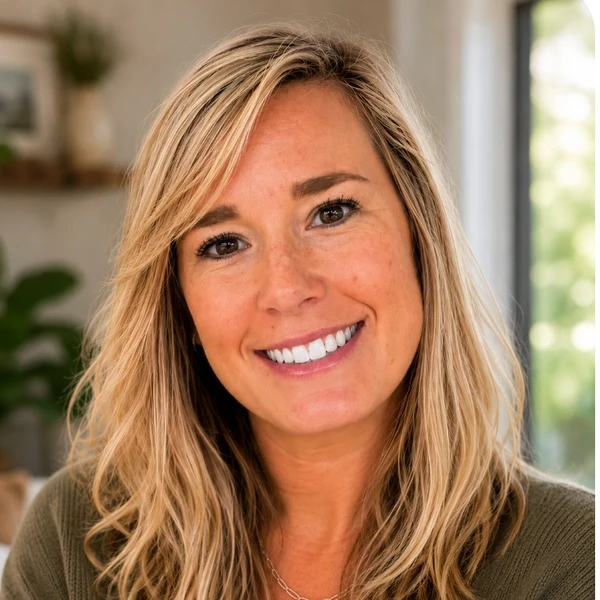
I am a dedicated occupational therapy professional, lifelong learner, and community advocate with a passion for supporting children, families, and caregivers. As a Certified Occupational Therapy Assistant (COTA) pursuing my Master’s Degree in Applied Family Science, I strive to combine clinical knowledge with a deeper understanding of family systems, child development, and caregiver education to make meaningful impacts in the lives of others.
As a first-generation college student, I understand the value of perseverance, hard work, and community support. I have balanced full-time employment, motherhood, continued education, and involvement in my community while maintaining strong academic achievement. These experiences have strengthened my commitment to helping others overcome challenges and reach their fullest potential.
My professional interests include pediatric development, sensory regulation, family-centered care, and empowering caregivers with practical strategies that support success across home, school, and community settings. I am passionate about helping individuals build independence, confidence, and functional life skills through compassionate, evidence-based support.
Outside of my professional and academic life, I enjoy volunteering, coaching, and supporting youth involvement in extracurricular activities. I believe strongly in the power of education, advocacy, and connection to create lasting positive change for children, families, and communities.
Education
Wilmington University
Master's degree programWilmington University
Bachelor's degree programMajors:
- Liberal Arts and Sciences, General Studies and Humanities
Delaware Technical Community College-Stanton-Wilmington
Associate's degree programMiscellaneous
Desired degree level:
Master's degree program
Graduate schools of interest:
Transfer schools of interest:
Majors of interest:
Career
Dream career field:
Education
Dream career goals:
My long-term career goal is to teach at the college or university level in Applied Family Science, where I can combine my clinical experience as a COTA with academic instruction to educate and mentor future professionals in supporting families and strengthening communities.
Certified Occupational Therapy Assistant
School District2019 – Present7 yearsCertified Occupational Therapy Assistant
Rehabilitation and Nursing Home2011 – 20198 years
Sports
Swimming
Varsity2002 – 202624 years
Research
Liberal Arts and Sciences, General Studies and Humanities
Certified Occupational Therapy Assistant2011 – Present
Arts
Piano
Music1996 – Present
Public services
Volunteering
. — .2018 – Present
J&Y Law Yahouda Yahoudai Service Scholarship
Growing up, I learned that making a difference does not always require a grand gesture. Often, it is the small, consistent acts of service that have the greatest impact. Throughout my career and personal life, I have tried to live by that belief by investing my time, skills, and compassion into the people and communities around me.
For the past fifteen years, I have worked as a Certified Occupational Therapy Assistant, with the last several years serving children with disabilities in a public school district. Every day, I have the privilege of helping students develop the skills they need to participate more independently at school, at home, and in their communities. Whether I am helping a child improve self-regulation, build fine motor skills, strengthen daily living skills, or gain confidence, my goal is to help each student recognize their strengths and reach their fullest potential. I also work closely with families, providing education and support because I believe lasting progress happens when families and professionals work together.
Outside of my profession, I actively coach a community youth swim team, where I have the opportunity to mentor young athletes both in and out of the pool. While I teach swimming techniques and water safety, I also encourage perseverance, teamwork, responsibility, and confidence. Watching children accomplish goals they once thought were impossible is one of the most rewarding parts of volunteering. I hope they leave each season with skills that will benefit them throughout their lives, not just in competitive swimming.
My faith has also inspired my commitment to serving others. I volunteer through my church by helping lead youth programs, participating in community outreach activities, and supporting events that bring families together. Whether organizing activities for children, serving during church events, or assisting with projects that benefit people in need, I have learned that meaningful service often begins by simply showing up consistently for others. These experiences have strengthened my belief that strong communities are built through compassion, encouragement, and genuine relationships.
As a graduate student pursuing a master's degree in Applied Family Science, I hope to expand my ability to serve families on an even greater level. My long-term goal is to become a Certified Family Life Educator and eventually teach at the college level, preparing future professionals to strengthen children, families, and communities through evidence-based practice. I also advocate for occupational therapy assistants and educational opportunities that improve the quality of services available to the families we support.
Community service is not something I do to fulfill a requirement; it is a responsibility that has become part of who I am. Whether I am helping a student achieve greater independence, coaching a young swimmer, leading youth through my church, or supporting families in my community, I hope to make a positive difference one person at a time. I believe that compassionate service creates stronger communities, and I am committed to continuing that work throughout my life.
Begin Again Foundation Scholarship
My name is Amber West, and I am a Certified Occupational Therapy Assistant (COTA) with over fifteen years of experience serving children and young adults. I currently work in a county-wide educational program that supports students ages 2–22 with complex developmental, medical, and educational needs. Every day, I help students overcome challenges, build independence, and reach their goals. While my professional life has exposed me to many medical conditions and emergencies, nothing could have prepared me for the experience my own family faced with sepsis.
When my son was eight years old, I received a phone call from his school nurse. She explained that he had eaten lunch, but upon returning to class, he became bright red, developed a high fever, and was laying his head down on his desk. Knowing that strep throat was spreading through his classroom, I immediately took both my son and daughter to be tested. Even though my daughter had previously had her tonsils removed, both children tested positive for strep throat and began antibiotics that evening.
My son became unusually ill very quickly. He quietly went to bed and asked his father to sleep beside him. I went to sleep in my daughter’s room. Just a couple of hours later, I woke to my husband yelling for help. He carried our son into our bedroom, and I immediately began assessing him to determine if he needed CPR or rescue breathing. I quickly realized he was having a seizure and was foaming at the mouth. Because of my work with medically complex students, I had witnessed seizures before, but they typically lasted only two to three minutes.
My son’s seizure lasted approximately ten minutes. As the minutes passed, he began turning shades of blue. We called 911, and while my husband ran outside to direct the ambulance, I provided rescue breathing. My daughter stood in the doorway watching the terrifying scene unfold. Even after the seizure ended, my son remained unresponsive for nearly four hours.
At the hospital, I repeatedly advocated for aggressive treatment because I knew his body was struggling to fight the infection. I remember sitting by his bedside, telling him how much we loved him. After hours of silence, he finally responded, “I love you too.” Those words remain one of the most beautiful moments of my life.
Doctors later determined that the strep infection had entered his bloodstream after running lab work, leading to a life-threatening condition that required immediate intravenous antibiotics. The prompt treatment he received was critical to his recovery. Due to the severity and complexity of the seizure, he was followed by a neurologist for two years before finally being cleared.
Talking with other sepsis survivors and families affected by sepsis has reinforced how traumatic and life-altering these experiences can be. Our family will never forget how quickly a healthy person can become critically ill. The experience taught us to never take health for granted and to appreciate every milestone, every ordinary day, and every opportunity to watch our son grow. Today, he is healthy, active, and thriving, and we are profoundly grateful that he was given the chance to live his best life. Sepsis changed our family forever, but it also strengthened our appreciation for life, resilience, and hope.
Bick First Generation Scholarship
Being a first-generation college student means being the person who goes first, even when there is no roadmap. It means figuring out applications, financial aid, course requirements, and career decisions largely on my own while balancing the responsibilities of work and family. It has not always been easy, but it has taught me perseverance, determination, and the value of education.
I grew up knowing that education could create opportunities, but I did not have family members who could explain the college process or guide me through it. I earned my associate degree to become a Certified Occupational Therapy Assistant and built a career helping others. Along the way, I continued my education and earned my bachelor's degree while working full-time and raising a family. There were many challenges, including financial barriers, balancing work and school, and finding the time and energy to keep moving forward. More than once, I questioned whether I could do it all, but I reminded myself why I started.
Today, I provide occupational therapy services to students ages 2 through 22 in a county-wide school program. I work with children and young adults with complex needs, helping them develop the skills they need to participate in school, home, and community life. Every day, I see how much families matter in a child's success. I also see how many families need support, resources, and someone who understands the challenges they face.
That is what inspired me to return to school and pursue a Master of Science in Applied Family Science. My goal is to become a Certified Family Life Educator and expand my ability to support not only students, but also the families who care for them. I hope to use my education to strengthen family relationships, provide education and resources to caregivers, and eventually teach at the college level so I can help prepare the next generation of professionals.
What drives me is the desire to make a meaningful difference in people's lives. As a wife, mother, therapist, volunteer coach, and community member, I have seen firsthand the impact that encouragement and support can have. I want to be that source of support for others.
This scholarship would help ease the financial burden of graduate school. As a working professional and parent, I am paying for my education while managing household expenses and supporting my family. Receiving this scholarship would allow me to focus more on my studies and professional growth rather than the financial stress that often comes with pursuing higher education.
Being a first-generation student is a part of who I am. It represents resilience, hard work, and the belief that education can change lives. I am proud of the path I have created, and I am committed to using my education to help students, families, and future professionals build brighter futures of their own.
Sloane Stephens Doc & Glo Scholarship
The impact I hope to make through my education is helping children and families build the skills, confidence, and support systems they need to thrive. As a Certified Occupational Therapy Assistant (COTA/L), I have had the privilege of working with individuals of all ages, but some of the most meaningful experiences have come from supporting children and their families as they navigate challenges and celebrate progress. These experiences inspired me to continue my education through graduate studies in Applied Family Science, where I am learning how family relationships, education, and community resources influence long-term well-being.
Working in occupational therapy has taught me that meaningful change rarely happens in isolation. A child’s success is often connected to the support they receive from parents, caregivers, teachers, and their community. While therapy can help develop important skills, lasting growth occurs when families are empowered with the knowledge and resources to continue that support beyond the therapy session. This understanding has shaped my vision for the future.
My goal is to combine my clinical experience with my education in family science to advocate for and develop programs that strengthen families and improve access to services for children. I want to help bridge gaps between healthcare, education, and family support systems, particularly for families who may face financial, social, or geographic barriers to accessing resources. Whether through parent education, community outreach, or family-centered programming, I hope to ensure that families feel supported rather than overwhelmed when seeking help for their children.
The people who inspire me most are the families I work with every day. I have seen parents tirelessly advocate for their children despite facing significant challenges of their own. Their resilience, dedication, and willingness to do whatever they can to help their children succeed remind me why this work matters. I am also inspired by educators, therapists, and community leaders who recognize that investing in children today creates stronger communities tomorrow.
As I continue my education, I hope to expand my ability to make a meaningful difference beyond individual treatment sessions. I envision creating opportunities for families to access education, support networks, and resources that empower them to become active participants in their children's development. By strengthening families, we strengthen communities.
I believe that creating a better future begins with investing in people and helping them recognize their potential. Through occupational therapy and family science, I want to be part of that process by supporting children, empowering families, and advocating for equitable access to resources and opportunities. My education is not only helping me grow professionally, but also giving me the tools to create lasting positive change in the lives of others. That is the impact I hope to make throughout my career and within the communities I serve.
Redefining Victory Scholarship
Strong Leaders of Tomorrow Scholarship
Leadership, to me, is not defined by a title or position. It is defined by the ability to support others in becoming more independent, confident, and capable than they were before. As a Certified Occupational Therapy Assistant (COTA) working in a county-wide special education program serving students ages 2–22, I have come to understand leadership as a daily practice of patience, consistency, and advocacy for individuals with special needs.
In my role, I work with students who have a wide range of developmental, cognitive, emotional, and physical needs. Many of them face barriers in environments that are not always designed with their success in mind. Being a leader in this setting means stepping into those environments and helping to create structure, accessibility, and opportunity where there may not have been any before. It means recognizing potential in every student, even when progress is small, and understanding that every step forward is meaningful.
One of the most important aspects of my leadership is collaboration. I work closely with teachers, families, and other related service providers to ensure that each student’s needs are being met in a consistent and supportive way. Leadership in this context is not about directing others—it is about listening, coordinating care, and advocating for strategies that allow students with special needs to fully participate in their educational environments. I often find that the most effective solutions come from teamwork and shared understanding rather than individual direction.
Another key part of my leadership is adaptability. No two students are the same, and no single approach works for everyone. I have learned to adjust my communication, interventions, and expectations based on the individual in front of me. This flexibility is essential when supporting a diverse population of learners. It also reflects my belief that leadership requires meeting people where they are, rather than expecting them to conform to a single standard.
Working in special education has also taught me that leadership often happens in quiet moments. It can look like encouraging a student through a difficult task, helping them regulate during moments of frustration, or celebrating small but meaningful milestones that others might overlook. These moments reinforce the importance of dignity and respect in education, especially for individuals with special needs who may require additional support to access learning.
In celebrating diversity, I see my role as a leader as one that helps amplify the strengths of students with special needs rather than focusing on limitations. Every student I work with brings unique abilities, perspectives, and potential. My responsibility is to help create an environment where those strengths can be recognized and developed. Leadership, in this sense, is about inclusion—ensuring that every student is given the opportunity to participate, grow, and succeed.
What makes me a leader is my commitment to seeing ability before disability, potential before limitation, and progress before perfection. Through my work as a COTA in a diverse special education setting, I strive to support students in building independence and confidence while advocating for a more inclusive and equitable educational experience for all learners.
Learner Mental Health Empowerment for Health Students Scholarship
Mental health is important to me as a student because it shapes how people learn, connect, and function in every part of life. In my experience, mental health is not something separate from education or daily responsibilities—it directly affects focus, behavior, motivation, and a person’s ability to engage with the world around them. As both a student and a Certified Occupational Therapy Assistant (COTA), I see every day how closely mental health is tied to overall well-being and success.
In my professional role, I work with children and young adults with complex needs in a country program setting. Many of the individuals I support experience mental health challenges alongside developmental, cognitive, or behavioral differences. I often see how anxiety, emotional dysregulation, trauma responses, or frustration can impact participation in school-based and daily activities. These moments have taught me to look beyond surface behaviors and recognize that what may appear as resistance is often a reflection of an unmet emotional or mental health need.
Working in occupational therapy has shown me that progress is not just physical or academic—it is also emotional. A student being able to regulate their emotions, transition more smoothly, or feel safe in a learning environment can be just as significant as mastering a functional skill. This perspective has shaped the way I approach both my work and my education, reminding me that mental health is foundational to growth and independence.
Mental health is also deeply personal to me. I have family members who have faced mental health struggles, and witnessing those experiences has given me a deeper understanding of how isolating and overwhelming these challenges can be. It has also shown me the importance of compassion, patience, and having people who are willing to listen without judgment. These experiences have strengthened my belief that support systems and open conversations can make a meaningful difference in someone’s ability to cope and heal.
Because of this, I advocate for mental health awareness in both my professional and personal communities. In my work, I focus on creating supportive environments where emotions are acknowledged and individuals feel safe expressing what they are experiencing. I strive to respond with empathy and understanding, and to model calm, respectful communication during moments of difficulty. I also work to normalize conversations about mental health, reinforcing that it is a part of overall health and should be treated with the same importance.
In addition, I am continuing my education in Applied Family Science to better understand how family systems and relationships influence mental health. I hope to use this knowledge to strengthen my ability to support individuals and families in more holistic and meaningful ways, especially those navigating emotional and mental health challenges.
Ultimately, mental health matters to me because I see its impact everywhere—at work, in my family, and in my education. It influences how people experience their lives and how they connect with others. My goal is to continue advocating for understanding, reducing stigma, and supporting environments where individuals feel seen, supported, and capable of growth.
Learner Math Lover Scholarship
I love math because it is one of the most practical and consistent tools I use in my work as a Certified Occupational Therapy Assistant (COTA). While many people think of math as something abstract or only tied to classrooms, I see it every day as something that directly supports clinical decision-making, progress tracking, and meaningful outcomes for the individuals I work with.
In occupational therapy, math shows up in small but essential ways. When I am collecting data on a student’s performance, I rely on accuracy percentages to track progress over time. Whether a child is completing a task with 60% independence or improving to 80%, those numbers tell a story of growth that can guide future interventions. Without math, it would be difficult to objectively measure whether a strategy is truly effective or if adjustments are needed.
Math is also essential when grading handwriting samples and evaluating functional performance. I often analyze consistency, spacing, and accuracy in a structured way that helps translate observation into measurable data. This ensures that progress is not just based on general impressions, but on clear and reliable evidence that can be communicated to families and the care team.
Another important area where math plays a role is in using tools like goniometers to measure joint range of motion in degrees. These measurements are critical in understanding a client’s physical abilities and limitations. Even small changes in degree measurements can indicate significant improvement or the need for continued intervention. Math allows these changes to be documented precisely, ensuring that care plans are based on accurate information.
What I appreciate most about math is that it brings clarity to complex situations. In healthcare, especially in occupational therapy, there are many variables involved in a person’s progress. Math helps simplify that complexity into something measurable and understandable, allowing us to make informed, evidence-based decisions.
I love math because it supports real human progress. It is not just about numbers on a page—it is about using those numbers to improve independence, function, and quality of life for the individuals I serve.
Charles B. Brazelton Memorial Scholarship
Being “awkward” has always been part of my story, but not in a way that ever felt negative for long. Over time, what made me feel different or hard to categorize became what shaped my confidence, adaptability, and the way I connect with others.
One of the most defining parts of my identity is being a fraternal twin. Growing up as a twin wasn’t the “we look exactly alike and do everything together” experience people often expect. In fact, it was the opposite. My twin and I are different genders, look noticeably different, and have very different personalities. Because of that, people often didn’t even believe we were twins. When we said we were, the reaction was usually confusion or disbelief, followed by comparisons that didn’t really make sense in the first place.
At times, that experience felt awkward. People expected a shared identity that simply didn’t exist. We were often grouped together but experienced the world in very different ways. Over time, though, it taught me something important: identity is not defined by how other people categorize you. It is defined by how you understand yourself and how you choose to show up in the world.
Being a fraternal twin helped me appreciate individuality at a deeper level. I learned early that even when two people share the same starting point, their strengths, interests, and personalities can develop in completely different directions. Instead of feeling compared, I learned to value those differences. It also pushed me to develop my own voice and sense of self, rather than relying on external expectations.
Another part of my life that shaped me is that I’ve never perfectly fit into traditional “standout” categories in school or sports. I wasn’t always the most naturally coordinated athlete, and I had to work harder in environments where quick physical skill or immediate performance was expected. At times, that felt discouraging. But it also taught me persistence and the value of progress over perfection. I learned that growth often happens quietly, over time, through repetition and effort.
That mindset changed when I found swimming. In the water, I felt a sense of focus and consistency that I didn’t always experience elsewhere. Swimming became a space where effort translated into measurable progress. It wasn’t about comparison—it was about personal improvement. That experience eventually led me to coach a community youth swim team, where I now support young swimmers as they build confidence and skill at their own pace.
These experiences directly influence how I work as a Certified Occupational Therapy Assistant (COTA). I support children and young adults with complex needs who are also learning to navigate differences—whether physical, cognitive, or developmental. I understand what it feels like to be seen as “different,” misunderstood, or placed into categories that don’t fully reflect who you are. Because of that, I approach my work with patience, respect, and a focus on individual strengths.
Working in both the healthcare sector and now in a school, those lessons matter. They remind me that no two people develop the same way, even when they start from similar places. Like Charles B. Brazelton, who found his own unique strengths outside of expectations, I’ve learned that being “different” is not something to correct—it’s something to understand and encourage, because it is what makes each person unique. Being a fraternal twin taught me that clearly. And it continues to shape how I care for others today.
Women in Healthcare Scholarship
I chose to pursue a degree and career in healthcare because I have seen firsthand how meaningful care can change a person’s ability to participate in everyday life. As a Certified Occupational Therapy Assistant (COTA), I work with children, adolescents, and young adults ages 2–22 in a country program serving individuals with complex needs. In this setting, healthcare is not abstract—it is practical, personal, and deeply connected to independence, dignity, and quality of life.
My role has shown me that health is not only about treating a diagnosis, but about supporting participation in daily occupations such as learning, communication, self-care, and social interaction. I have worked with students who face significant physical, cognitive, and emotional challenges, and I have witnessed how small, consistent therapeutic gains can lead to meaningful changes. Something as simple as independently using a communication tool, tolerating a classroom routine, or completing a self-care task can represent a major milestone for both the student and their family. These experiences confirmed for me that healthcare professionals have the ability to shape daily life in ways that are both practical and deeply human.
I chose this field because I value that combination of science and compassion. Occupational therapy in particular aligns with how I view care: collaborative, family-centered, and focused on real-life function. I have learned that progress often comes from patience, creativity, and the ability to meet individuals where they are rather than where we expect them to be. This perspective continues to shape my growth as a clinician and reinforces my commitment to healthcare as my career path.
As a woman in healthcare, I also recognize the importance of representation and advocacy. Women have historically been essential to caregiving professions, yet have not always had equal access to leadership, recognition, or advancement. I want to contribute to changing that narrative by being confident in my clinical voice, pursuing continued education, and supporting a collaborative approach to care that values input from all team members, including families, educators, and other healthcare professionals.
In my current role, I strive to make a positive impact by being consistent, patient, and intentional in my interactions with clients and families. I aim to create an environment where individuals feel seen and supported, even during challenging moments. Moving forward, I hope to expand my knowledge and skills so I can advocate for inclusive, accessible healthcare services that meet individuals across the lifespan, especially those in underserved or specialized populations.
I chose healthcare because I want my work to matter. As a COTA and as a woman in this field, I hope to contribute to a system that values dignity, independence, and equal opportunity for every individual, while also helping to strengthen the presence and influence of women in healthcare leadership and practice.
Joe Gilroy "Plan Your Work, Work Your Plan" Scholarship
One of the most important lessons I have learned in both my personal and professional life is that meaningful goals require intentional planning, consistency, and discipline. I strongly relate to Joe Gilroy’s motto, “Plan Your Work, Work Your Plan,” because it reflects the mindset I have adopted while pursuing my education, career growth, and long-term financial stability.
My primary goal is to complete my degree in Applied Family Science so I can expand the support I provide to children, adolescents, and families within my community. Currently, I work in occupational therapy services with some of the most complex youth populations, including children experiencing behavioral, developmental, emotional, and family-related challenges. Through this work, I have realized that helping children effectively requires understanding the entire family system, community resources, and the barriers families face daily. Earning this degree will allow me to better advocate for families, contribute to program development, and eventually take on leadership roles focused on family support services and community outreach.
My plan to achieve this goal has been carefully thought out and financially structured. Rather than taking on overwhelming student debt, I have intentionally chosen to complete my education slowly and responsibly while continuing to work full-time. I follow many of Dave Ramsey’s Financial Peace University principles, which have helped me prioritize budgeting, reducing unnecessary debt, and planning for long-term success. Because of this, I pay for courses strategically, apply for scholarships whenever possible, and avoid overextending myself financially.
My educational timeline is designed around balancing work, academics, and personal responsibilities in a sustainable way. I typically take courses in manageable increments so I can maintain strong academic performance while continuing to serve my clients professionally. My goal is to complete my degree within the next several years while preserving financial stability and minimizing student loan debt.
Financially, I maintain a monthly budget that prioritizes tuition, textbooks, transportation, and essential living expenses. Tuition and course fees are my largest educational expense, followed by textbooks and technology needed for online coursework and research. I also account for costs associated with professional development opportunities, conferences, and certification renewals related to my current occupational therapy work. Scholarships such as this one are essential resources that help me continue progressing without sacrificing financial security.
In addition to financial planning, I have built a strong support system that contributes to my success. My professional experience provides real-world application for my studies, while mentors, coworkers, and family members encourage me throughout the process. I also dedicate time to volunteering and community involvement because remaining connected to the needs of local families reinforces the purpose behind my education.
I understand that achieving long-term goals requires flexibility and preparation for challenges. If unexpected financial or personal obstacles arise, my plan includes adjusting course loads temporarily while maintaining forward progress rather than abandoning my goals altogether. I believe success comes from consistency over time, not shortcuts.
Ultimately, my goal is not only to advance professionally but to create a greater impact within my community. By combining my background in occupational therapy with education in Applied Family Science, I hope to help families access better support systems, improve outcomes for children, and strengthen community resources. Through careful planning, financial responsibility, and dedication to service, I am confident I will achieve these goals and continue making a meaningful difference in the lives of others.
Champions Of A New Path Scholarship
Throughout my career, I have dedicated myself to serving some of the most complex and vulnerable youth within my community through occupational therapy services. Every day, I work alongside children and families facing significant emotional, behavioral, developmental, and social challenges. This work has taught me that true success is not measured only by personal achievement, but by the ability to make a meaningful difference in the lives of others. My experiences have shaped both my professional goals and my passion for continuing my education in Applied Family Science.
I believe I deserve this scholarship because I have consistently demonstrated dedication to helping others while continuing to push myself academically and professionally. Balancing higher education with a demanding career and extensive community involvement has required perseverance, discipline, and sacrifice. Despite these responsibilities, I have maintained strong academic performance because I understand the value education has in expanding my ability to serve families more effectively.
Working in occupational therapy has allowed me to see firsthand how family systems, trauma, financial stress, and lack of resources impact a child’s ability to thrive. Many of the youth I serve struggle with emotional regulation, developmental delays, mental health concerns, or unstable home environments. While therapy interventions can help, I realized I wanted to make an even broader impact beyond direct clinical services. Pursuing a degree in Applied Family Science will allow me to better understand family dynamics, advocacy, and community support systems so I can continue helping children and families on a larger scale.
What gives me an advantage over other applicants is not simply my work experience, but my commitment to serving others far beyond my job responsibilities. Outside of work and school, I actively volunteer within my community and dedicate my time to causes that support children and families. Whether assisting with community events, supporting youth programs, or helping organizations that provide opportunities for underserved populations, I strongly believe in giving back whenever possible. Service has become a core part of who I am.
One experience that especially shaped me was helping establish a foundation in honor of my late brother-in-law, Grant, who tragically passed away in high school. Through this foundation, we support local youth sports programs by helping provide equipment, funding, and opportunities for low-income children to participate in camps and athletics. Being part of this effort reinforced my belief that communities grow stronger when people invest in one another and create opportunities for youth to succeed.
I am not pursuing higher education solely for personal advancement. I am pursuing it because I genuinely want to continue creating positive change within my community. My long-term goal is to combine my clinical background in occupational therapy with my education in Applied Family Science to better advocate for children and families facing adversity. I hope to continue developing programs, resources, and supports that improve quality of life for vulnerable populations.
This scholarship would not only help lessen the financial burden of continuing my education, but it would also allow me to continue focusing on the work and service that matter most to me. I have spent my career helping others overcome barriers, and I am determined to continue growing both personally and professionally so I can make an even greater impact in the future.
Arin Kel Memorial Scholarship
Losing my brother-in-law, Grant, on Christmas Eve changed our family forever. Grant was traveling to drop off gifts when he hit black ice, causing his car to slide into a tree. He was still in high school, full of dreams, deeply involved in sports, and the kind of person who could make anyone feel welcome. Even though his life was cut tragically short, his impact continues to live on through the people who loved him and the foundation our family created in his honor.
If Grant were still here, the business we would start together would be a community sports complex dedicated to bringing families and athletes together. Sports were a huge part of Grant’s life. He loved being part of a team, encouraging others, and creating friendships through competition. More than anything, he loved the sense of community that sports created. Because of his outgoing personality, he would have been the heart of this business.
Our sports complex would provide affordable access to athletic programs, training opportunities, and camps for children of all backgrounds. One of the biggest goals would be ensuring that low-income families could still give their children the chance to participate in sports without financial barriers. The complex would offer equipment assistance, scholarship opportunities for camps, and support for local youth programs struggling with funding.
This dream is inspired by the foundation we already opened in Grant’s honor. Through the foundation, we help local youth sports teams continue running, provide equipment for athletes in need, and support students who otherwise may not have the opportunity to attend camps or participate in athletics. Creating a sports complex would allow us to expand that mission even further and create a lasting place where families can gather, children can grow, and teammates can build lifelong memories.
I believe Grant would have loved seeing kids excited to play the sports they love while families cheered from the sidelines. He was the kind of person who brought people together naturally, and this business would reflect his spirit perfectly. While Grant never had the opportunity to fulfill all the dreams he had for himself, continuing to serve others through sports allows his legacy to live on every day.
Although losing him has been incredibly painful, it has also shown me the importance of community, compassion, and creating opportunities for others. This business would not only honor Grant’s memory, but it would also continue the positive impact he had on everyone around him.
Sharra Rainbolt Memorial Scholarship
Cancer has affected nearly every generation of my family and has shaped the way I view strength, sacrifice, and resilience. I have watched all four of my grandparents struggle with various forms of cancer and eventually pass away. My great-grandmother survived breast cancer three separate times before passing away at 103 years old, which showed me both the incredible advances in medicine and the determination people can have when facing illness. Because of my family’s extensive history of reproductive cancers, I am personally monitored closely by doctors, which serves as a constant reminder of how deeply cancer has touched my life.
While every loss has been painful, the experience that impacted me the most was my father-in-law’s battle with bone cancer. His diagnosis changed the course of our entire family’s life. At the time, my husband’s youngest brother was only eleven years old, and there was a twenty-five-year age gap between them. As my father-in-law became sicker, my husband and I stepped into roles far beyond what we expected for our stage in life. We helped care for my brother-in-law while also raising our own children, trying our best to maintain some sense of normalcy for him during an incredibly traumatic time.
Cancer treatment became the center of our lives. We spent countless hours driving my father-in-law nearly two hours away for surgeries, chemotherapy treatments, and specialist appointments. Those trips were physically exhausting, emotionally draining, and financially overwhelming. Medical expenses quickly added up, and the burden did not end when treatment was over. After my father-in-law passed away, my mother-in-law struggled financially for years, and our family worked together to support her however we could.
One of the hardest parts of the experience was watching cancer slowly take away the person we knew and loved. The pain from the cancer in his bones was severe, and over time the heavy narcotics prescribed to manage that pain changed him mentally and emotionally. Seeing someone decline physically is heartbreaking, but watching their personality and spirit fade can be even more devastating. Cancer affected every member of our family, not just the person diagnosed. It changed our routines, our finances, our emotional well-being, and the stability of what had once felt like a normal family life.
Through these experiences, I have learned the importance of compassion, resilience, and showing up for people even when life feels overwhelming. I learned that caregiving is not only about helping someone physically, but also about preserving dignity and offering emotional support during the hardest moments of their life. I also learned how quickly medical crises can create financial hardship for families, which has motivated me to continue pursuing my education so I can build a stable future for my own family.
Most importantly, cancer taught me not to take time with loved ones for granted. Although these experiences brought immense grief, they also strengthened my appreciation for family, perseverance, and the importance of helping others through difficult times. Those lessons continue to guide me both personally and academically as I work toward achieving my goals.
Christian Fitness Association General Scholarship
Education has always represented more than just earning a degree to me. It represents stability, opportunity, personal growth, and the ability to make a meaningful difference in the lives of others. As a graduate student balancing academics, professional responsibilities, financial obligations, and family life, pursuing higher education has required persistence, sacrifice, and determination. While the journey has not always been easy, every challenge I have faced has strengthened my commitment to completing my education and using it to serve others in meaningful ways. Receiving this scholarship would not only help ease the financial burden of continuing my education, but it would also allow me to continue pursuing a career centered around advocacy, education, and support for children, families, and older adults.
Currently, I am pursuing graduate studies in Applied Family Science with a concentration in Family Life Education while continuing to work professionally in education. My long-term goal is to continue working with individuals and families through education, disability advocacy, caregiver support, and gerontology-focused programming. Throughout my academic and professional experiences, I have become increasingly passionate about helping vulnerable populations gain access to the support and resources they need to thrive. I believe education has the power to transform lives, and I want my career to focus on creating environments where individuals feel supported, included, and empowered.
One of my greatest accomplishments has been my ability to continue my education while balancing significant responsibilities outside of school. Working while attending graduate school has required strong time management, discipline, and resilience. There have been many nights spent completing assignments after long workdays and weekends dedicated to coursework instead of personal time. Despite these demands, I have remained committed to maintaining strong academic performance because I understand the importance of perseverance and the opportunities that education can create for my future and for the communities I hope to serve.
In addition to academics, my professional work has been one of the most meaningful parts of my journey. Working in education, particularly with students who have disabilities and varying support needs, has taught me patience, empathy, flexibility, and advocacy skills that cannot be learned from a textbook alone. I have had the opportunity to support students academically, socially, and emotionally while collaborating with families and educational teams to help students succeed. These experiences have strengthened my passion for family life education and reinforced my desire to continue supporting individuals across the lifespan.
Outside of work and school, I have also remained involved in volunteer and service-oriented efforts whenever possible. I strongly believe that serving others does not always require large gestures; often, consistency, compassion, and showing up for people matter most. Whether through supporting families, participating in school-related events, or helping others navigate difficult situations, I value opportunities to contribute positively to my community. These experiences continue to shape the person and professional I hope to become.
One significant challenge I faced during school has been balancing financial stress with the demands of graduate education and professional responsibilities. The cost of tuition, textbooks, fees, and everyday living expenses can feel overwhelming, especially while trying to maintain academic success and continue working. There have been times when I questioned whether I could realistically continue managing everything at once. Balancing coursework with professional and personal obligations often meant sacrificing sleep, social time, and moments of rest in order to meet deadlines and responsibilities.
However, rather than allowing these challenges to discourage me, I learned how to become more resilient and resourceful. I developed stronger organizational skills, created structured schedules, and learned how to prioritize responsibilities effectively. I also reminded myself regularly why I started this journey in the first place. My goals of helping others, advancing my education, and creating a better future continued to motivate me even during stressful periods. Every obstacle I overcame reinforced my confidence in my ability to succeed despite adversity.
What makes this journey especially meaningful to me is that my education is not solely for personal advancement. I want to use my degree to create positive change within communities by supporting children, families, caregivers, and older adults through education and advocacy. I hope to contribute to programs and services that strengthen families, promote inclusion, and provide meaningful support to individuals who may otherwise feel overlooked.
Receiving this scholarship would greatly reduce the financial stress associated with continuing my education and would allow me to focus more fully on my academic and professional goals. More importantly, it would serve as encouragement that the hard work, persistence, and sacrifices required to pursue higher education are worthwhile. I am committed to continuing my education, serving others through my career, and using the opportunities I have been given to make a lasting impact in the lives of others.
Future Nonprofit Leaders Award
Growing up, I always found myself drawn to helping others, especially individuals and families who often feel overlooked or unsupported. Over time, those experiences shaped not only my personal values but also my career goals. Pursuing a career in the nonprofit sector feels like a natural extension of who I am because I want my work to have purpose beyond a paycheck. I want to dedicate my career to improving the lives of children, older adults, and families by providing education, support, advocacy, and resources that create lasting change.
My professional experiences in education and working with individuals with disabilities have shown me how important compassionate support systems truly are. I have worked closely with students who face developmental, emotional, and academic challenges, and I have seen firsthand how much progress can happen when people are given patience, understanding, and the right tools to succeed. At the same time, I have also witnessed the gaps that exist in services for families, caregivers, and vulnerable populations. Many families struggle to access resources, navigate complex systems, or simply find someone who listens to their concerns. These experiences motivated me to pursue graduate studies focused on family life education and gerontology so I can better support individuals across the lifespan.
What draws me most to nonprofit work is the opportunity to directly impact communities in meaningful ways. Nonprofit organizations often serve people during some of the most difficult moments of their lives, whether they are caring for a loved one with dementia, raising a child with special needs, experiencing mental health challenges, or facing social isolation. I hope to work within organizations that focus on family support, aging services, disability advocacy, and community education because I believe these areas are deeply interconnected. Strong families and supportive communities improve overall well-being and create opportunities for people to thrive.
One area I am especially passionate about is supporting caregivers and older adults. As the aging population continues to grow, more families are taking on caregiving responsibilities without enough emotional, educational, or financial support. I hope to create programs that provide caregivers with practical resources, mental health support, and education that empowers them rather than leaving them feeling overwhelmed and alone. I also hope to advocate for aging adults to maintain dignity, independence, and social connection within their communities.
In addition, I want to continue supporting children and families through education and family life programming. I believe prevention and education can strengthen families before crises occur. Whether through parenting education, caregiver workshops, support groups, or community outreach programs, I hope my work encourages resilience, connection, and access to resources for those who need it most.
To me, nonprofit work is about building relationships, restoring hope, and helping people feel seen and supported. While these careers may not always bring recognition or financial reward, they create something far more valuable: meaningful change in people’s everyday lives. I want to spend my career contributing to that kind of impact and using my education, experiences, and compassion to serve communities in ways that promote dignity, inclusion, and long-term support for individuals and families.
RonranGlee Special Needs Teacher Literary Scholarship
Special education is not a profession that can be approached with a one-size-fits-all mindset. It requires patience, creativity, flexibility, and an unwavering belief that every child is capable of growth and success. Although I am not currently a classroom teacher, I work directly with special education students every day as a Certified Occupational Therapy Assistant (COTA), providing therapy services and support to children with a wide range of developmental, physical, sensory, and learning needs. Through my experiences, I have developed a deep passion for helping students discover confidence in themselves and experience success in ways that are meaningful to them.
As a COTA in the school setting, my role is to provide individualized interventions and supports that allow students to better access their education and participate throughout the school day. I work with students on fine motor development, sensory regulation, self-care skills, executive functioning, attention, and classroom participation. Beyond direct therapy services, I also work collaboratively with special education teachers, paraprofessionals, related service providers, and families to create accommodations, modifications, and strategies that enhance each student’s success. I have learned that the greatest progress occurs when a team comes together with the shared belief that every child deserves the opportunity to thrive.
Professor Harold Bloom stated, “I have learned that the purpose of teaching is to bring the student to his or her sense of his or her own presence.” To me, this quote means helping students recognize their own value, identity, abilities, and voice within the world around them. Many students with disabilities spend much of their educational journey feeling defined by what they struggle to do rather than what they are capable of accomplishing. Helping a student develop a “sense of their own presence” means empowering them to feel seen, heard, capable, and important. It means guiding students to understand that they matter and that they can contribute meaningfully despite their challenges.
This philosophy strongly connects to my mission as a future special education professional. I want every student I work with to feel successful in some capacity each day. Success may look different for every child. For one student, it may mean independently writing their name for the first time. For another, it may mean tolerating a sensory experience that once felt overwhelming, asking for help appropriately, or participating in a classroom activity with peers. These moments may appear small to others, but to the student, they represent confidence, independence, and growth.
One of the most important lessons I have learned working in special education is that progress is rarely linear. Students with disabilities often require educators and service providers to be flexible and creative problem-solvers. The scholarship donor’s description of special education professionals being “as crafty as Odysseus” and “as bendable as a jellyfish” deeply resonates with me. Every child responds differently to interventions and strategies. Some days require patience beyond measure, while other days celebrate breakthroughs that once seemed impossible. What keeps professionals moving forward is the love for helping students reach goals they once thought were unattainable.
I often think of my work as helping students discover strengths they may not yet see within themselves. In many ways, my role resembles a guide in a fairy tale journey. If I were the heroine in such a story, my quest would not involve slaying dragons or conquering kingdoms, but instead helping children overcome barriers that interfere with their learning, independence, and confidence. Along the journey, I would carry tools not of swords and shields, but sensory strategies, adaptive supports, encouragement, and compassion. The students themselves would be the true heroes, learning to navigate challenges while discovering their own abilities and resilience. My role would simply be to walk beside them, helping illuminate a path they may not have believed they could travel.
Working in special education has shown me the incredible impact supportive adults can have on a child’s life. A student who feels understood and supported is more likely to take risks, engage in learning, and believe in their own potential. I am passionate about this profession because I have witnessed firsthand how individualized support, collaboration, and genuine care can transform a student’s educational experience.
Ultimately, my mission is to help students build confidence, independence, and self-worth while ensuring they feel valued within their school environment. Whether through therapy services, collaborative consultation with teachers, or future opportunities within special education, I hope to continue advocating for students and helping them discover their own presence, abilities, and purpose.
Ethel Hayes Destigmatization of Mental Health Scholarship
Mental health has shaped the way I understand people, relationships, and the world in a deeply personal way. I have learned about and experienced mental health professionally working as a Certified Occupational Therapy Assistant (COTA) for the last 15 years. However, my most significant understanding comes from my lived experience within my own family. These experiences have influenced my goals, strengthened my relationships, and fueled my commitment to pursuing a master’s degree in Applied Family Science so I can better support families navigating similar challenges.
One of the most significant experiences in my life has been witnessing my youngest brother’s struggle with borderline personality disorder. His mental health challenges have included intense emotional dysregulation and manic episodes that, at times, disrupted not only his life but the entire family. When he was in crisis, the effects extended far beyond him. Our family often had to respond quickly and emotionally, trying to stabilize situations that were unpredictable and overwhelming. These experiences made it clear to me that mental health is never isolated to one person—it impacts every relationship and every layer of a family.
At different points, my husband and I have stepped into the role of guardians for his son, my nephew, when my brother and his girlfriend were too unstable to provide consistent care. This responsibility brought both love and heaviness. While we were committed to giving my nephew a safe and supportive environment, we were also navigating the emotional weight of his trauma and the instability he had already experienced in his early life. Understanding what he had been through pushed us to seek counseling and additional support for him, recognizing that early intervention and consistent care were essential for his healing and development.
At the same time, my brother’s mental health challenges created ripple effects throughout our entire family. My parents continue to carry the emotional burden of worrying about him while also trying to support the rest of the family. My siblings and their families were impacted in different ways, often having to adjust, step in, or process emotional stress that comes from an ongoing unpredictable lifestyle. It became clear to me that mental health challenges do not exist in isolation—they affect siblings, parents, children, and even extended family systems in ways that are often unseen by the outside world.
These experiences have deeply shaped my understanding of mental health as a systems issue rather than an individual one. As a COTA, I already see how emotional and psychological well-being affects a person’s ability to function, recover, and engage in daily life. However, my family experiences have expanded that understanding, showing me how essential it is to address not just the individual, but the entire support system around them. Healing, stability, and progress are all interconnected.
Because of this, I have chosen to pursue a master’s degree in Applied Family Science. My goal is to work with families in a way that acknowledges these complex dynamics and provides tools, resources, and support that strengthen the entire family unit. I want to help families navigate mental health challenges earlier, more effectively, and with less isolation. I am especially passionate about helping parents and caregivers access support so that children growing up in these environments are not left to carry unaddressed trauma alone.
My experience has taught me that mental health is not something to be hidden or managed alone. It requires openness, support, and community understanding. It has also taught me resilience, empathy, and the importance of showing up for others even in difficult circumstances. Moving forward, I want to be part of the change that normalizes these conversations and strengthens families facing mental health challenges, turning struggle into understanding and isolation into connection.
Tawkify Meaningful Connections Scholarship
A meaningful relationship in my life that has shaped who I am today is my marriage to my husband, who has been my partner since high school and who I will be celebrating 15 years of marriage with at our next anniversary. Our relationship has grown alongside us from teenagers into adults, parents, and community members, and it has influenced the way I understand resilience, empathy, and human connection.
What I admire most about my husband is his adversity, determination, and empathy. His early life was marked by significant instability. His mother was only sixteen when he was born, and his father was absent for much of his childhood. He grew up in a low-income environment where uncertainty was constant—there were times when he did not know when his next meal would come, and periods where he and his siblings lived out of a tent. Despite these circumstances, he refused to let his environment define him. He found purpose through athletics, which eventually became a turning point in his relationship with his father. Through his discipline, talent, and persistence, he not only earned his father’s attention but also received opportunities that led him on the path he walks today.
Witnessing his journey has deeply impacted how I view people and their stories. It has taught me that what we often see on the surface rarely reflects the full picture of someone’s potential or struggle. His life experiences have made him both strong and deeply empathetic toward others, and being in a relationship with someone who understands hardship so personally has shaped me in similar ways. It has brought out a more compassionate and patient side of me, especially when interacting with others who are facing their own challenges.
Together, we have built a life centered around stability, growth, and service to others. As a couple, we prioritize giving back to our community through volunteering at our church and participating in outreach programs. Whether it is helping prepare and distribute meal kits and care packages for families in need or supporting youth through community sport programs, we have made service a consistent part of our family life. Coaching and mentoring young people through youth sports has also become an important part of how we stay connected to our community. We both understand how meaningful it is for a child to feel seen, supported, and encouraged, especially when life outside of sports may be difficult or uncertain.
These shared experiences have strengthened not only our relationship but also our commitment to raising our children with the same values of empathy, service, and perseverance. We want them to understand that success is not only measured by personal achievement, but also by the way you treat others and contribute to your community.
My relationship with my husband has fundamentally shaped how I build connections with others. It has taught me to lead with empathy, to listen without judgment, and to recognize the strength in every person’s story. As a Certified Occupational Therapy Assistant and a student pursuing Applied Family Science, I carry these lessons into both my professional and academic life. I see people not only for where they are, but for what they have overcome and what they are capable of becoming.
Bulkthreads.com's "Let's Aim Higher" Scholarship
What I want to build is not a single program or physical project, but a stronger, more connected support system for families in my community—one that helps parents and children access the resources, relationships, and encouragement they need to thrive. My experiences as a Certified Occupational Therapy Assistant (COTA), a full-time working mother, and a community volunteer have shown me how often families are expected to navigate challenges alone. I want to help change that.
In my work as a COTA, I provide therapy services to children from ages 2-22 as they work to regain independence and function in their daily lives. While the focus is often on the individual, I consistently see how much progress is influenced by the family system around them. A child’s development, an older adult’s recovery, or a patient’s long-term success is often tied to the support, education, and stability of their family environment. This has made me want to build a more holistic approach to care—one that strengthens not just individuals, but the families supporting them.
As a first-generation college student and full-time working mother, I also understand firsthand how difficult it can be to balance responsibility, access resources, and still move forward toward long-term goals. Many families like mine are doing everything they can, but lack guidance or connection to systems that could make things more manageable. Through my volunteer work in youth sports and church outreach programs, I have seen how small acts of support—mentorship, food assistance, encouragement, and consistency—can significantly change someone’s sense of stability and hope.
Through my degree in Applied Family Science, I want to build the knowledge and skills necessary to turn these lived experiences into intentional, evidence-based support for families. My goal is to help create programs and community-based initiatives that strengthen family functioning, improve access to services, and promote resilience in both children and parents. I want to work in spaces where families are not just reacting to crisis, but are proactively supported through education, connection, and prevention-based resources.
Ultimately, what I am building is a future where families feel less alone in their struggles. I want to help create systems where support is easier to access, where parents are empowered rather than overwhelmed, and where children grow up seeing stability and encouragement as a normal part of life. For me, this scholarship would not only support my education but also bring me one step closer to building a career focused on strengthening families and making a lasting impact in my community.
Jerrye Chesnes Memorial Scholarship
Returning to school as a full-time working mother and a first-generation college student has been both deeply meaningful and incredibly challenging. Every part of my life requires intention, structure, and persistence, and balancing all of those roles has pushed me in ways I could not have fully anticipated. At the same time, it has strengthened my commitment to furthering my education in Applied Family Science so I can better support families facing similar realities.
One of the greatest challenges I face is time. As a working mother, my days are already full before I even think about school. My professional role as a Certified Occupational Therapy Assistant requires emotional focus, patience, and physical energy. I work with special education students from ages 2-22 who are rebuilding independence and working through limitations, and I give my full attention to helping them achieve meaningful progress. When I leave work, my responsibilities shift immediately into parenting, household needs, and ensuring my children feel supported and present in their own lives. Finding time for coursework often means late nights, early mornings, and sacrificing personal rest. There are many moments when I have to be extremely disciplined about prioritizing what needs to be done in the limited hours I have available.
Being a first-generation college student adds another layer of challenge. I did not grow up with a roadmap for navigating higher education, so I have had to learn everything through experience—how to manage coursework expectations, advocate for myself, and balance academic demands with real-life responsibilities. There have been times when I’ve felt overwhelmed trying to figure things out on my own while still maintaining high standards for both my education and my professional role. However, this has also made me more resilient and resourceful. I’ve learned how to ask for help when needed and stay focused on long-term goals even when the process feels difficult.
Despite these challenges, I remain deeply committed to volunteering and serving my community. Whether coaching youth sports teams or participating in church outreach programs such as preparing meal kits and care packages, I continue to prioritize giving back. These experiences ground me and remind me why I am pursuing higher education in the first place. They also reinforce the importance of showing my children what it looks like to serve others and stay committed to personal growth, even when life is demanding.
My decision to pursue a degree in Applied Family Science is rooted in both my professional and personal experiences. As a COTA, I work closely with individuals and families navigating health challenges, recovery, and adaptation. I see firsthand how family systems, communication, and access to support directly impact outcomes. I want to expand my ability to support not just individuals, but entire family units and communities. My goal is to work in a space where I can help strengthen family relationships, improve access to resources, and support parents and children in building healthier, more stable environments.
Returning to school while raising children has required sacrifice, discipline, and resilience. It has meant pushing through exhaustion and self-doubt while staying focused on the bigger picture. However, it has also reaffirmed my purpose. I am not only pursuing a degree for myself, but also for my children and for the families I hope to serve in the future. This journey is shaping me into someone who understands struggle firsthand and is committed to turning that experience into meaningful support for others.
Michael Rudometkin Memorial Scholarship
When I think about selflessness, I don’t define it as something grand. For me, it shows up in the steady, everyday commitment to be present for people—especially when it would be easier not to be. It is choosing patience over convenience, consistency over recognition, and compassion over indifference.
In my professional role as a Certified Occupational Therapy Assistant (COTA), selflessness is built into the work I do every day. I work with individuals across the lifespan, including both pediatric and geriatric populations, helping them regain or strengthen the skills they need for daily life. A lot of the progress I see is slow and requires repetition, encouragement, and trust. There are days when patients are frustrated, tired, or discouraged, and part of my role is to meet them where they are and help them keep going anyway. I often find myself focusing less on the task list and more on the person in front of me—what motivates them, what they are afraid of, and what small success we can build on. Whether it is helping a child improve fine motor skills through play or supporting an older adult regain independence after a setback, I’ve learned that selflessness means investing fully in someone else’s progress, even when it requires extra emotional energy.
Outside of my professional work, I also express love to my community through my involvement in youth sports and community programs. Coaching multiple youth swim teams ages 6-18 and mentoring young people has shown me how much impact encouragement can have. There are moments when children doubt themselves or feel like they don’t belong, and I make it a priority to create an environment where they feel seen and capable.
Through my church outreach programs, I also help prepare and distribute meal kits and care packages for individuals and families in need. These experiences have given me a deeper understanding of the realities many people face in my own community. Even when life feels busy or demanding, I continue to show up because I know and have seen firsthand how those efforts directly impact someone else’s day in a meaningful way. It has reinforced for me that selflessness is not about having extra time—it is about choosing to use the time you do have in a way that serves others.
Pursuing a degree in Applied Family Science is a natural extension of the work I am already committed to. If awarded this scholarship, I would use it to deepen my understanding of family systems, community dynamics, and prevention-based support. My goal is to combine my clinical experience as a COTA with a broader, more systemic approach to strengthening families and communities.
Ultimately, I see selflessness as showing up consistently across all areas of my life—professionally, personally, and academically—with the intention of helping others grow stronger and more supported. This scholarship would not only support my education but also help me continue building a career focused on service, connection, and meaningful community impact.
Special Needs Advocacy Inc. Kathleen Lehman Memorial Scholarship
As a Pediatric Certified Occupational Therapy Assistant (COTA) working for a school, I have dedicated my career to supporting children with special needs in reaching their fullest potential both academically and personally. Working within a school district that serves students ages 2-22 in a county-wide program has allowed me to witness firsthand the challenges that children with disabilities and their families face every day. Beyond providing therapeutic interventions, I have learned that true support involves understanding the child within the context of their family, school, and community. This understanding is what inspired me to continue my education by pursuing a degree in Applied Family Science.
As a first-generation college student, education has always represented opportunity, growth, and the ability to create meaningful change. My experiences working with children with developmental delays, sensory processing challenges, autism spectrum disorder, and emotional and behavioral needs have strengthened my passion for advocacy and family-centered support. I have seen families struggle to navigate educational systems, community resources, financial stressors, and emotional burdens while trying to ensure their child receives appropriate services. These experiences motivated me to expand my knowledge beyond direct therapy services so I can better support the entire family unit.
Pursuing a degree in Applied Family Science will strengthen my ability to understand family dynamics, child development, social systems, and the impact that environmental and social factors have on children with special needs. This degree will provide me with the tools to collaborate more effectively with families, educators, therapists, and community organizations to create stronger support systems for children. I believe that when families feel supported, educated, and empowered, children are more likely to thrive socially, emotionally, and academically.
In my career, I plan to use this education to make a positive social impact by bridging the gap between schools, therapy services, and family support resources. While working as a COTA within a school district, I hope to develop programs, staff trainings, workshops, and initiatives that focus on family education and access to community resources. Many families of children with special needs feel overwhelmed or unsure of how to advocate for their child’s needs within the educational system. I want to help families better understand available supports, strengthen communication between home and school, and provide practical strategies that can be implemented in daily routines to improve participation and independence.
I also hope to contribute to creating more inclusive school environments where students with disabilities feel valued, understood, and supported. Inclusion goes beyond physical placement in a classroom; it requires collaboration, empathy, and intentional support systems that promote meaningful participation. Through my combined background in occupational therapy and Applied Family Science, I hope to advocate for programs that address not only academic success but also emotional well-being, social participation, and family involvement.
In addition to my professional goals, I remain actively involved in my community through volunteering, youth programs, and outreach initiatives that support children and families. These experiences continue to shape my commitment to serving others with compassion and empathy.
Receiving this scholarship would help me continue my education and further my ability to make a lasting difference in the lives of children with special needs and their families. My goal is to be a lifelong advocate who empowers families, promotes inclusion, and helps children build the skills and confidence needed to succeed in all aspects of life.