Hobbies and interests
African American Studies
Agriculture
Animals
Anime
Art
ATV Riding
Beach
Camping
Cleaning
Community Service And Volunteering
Farming
Cooking
Drag Racing
Crafting
Horseback Riding
Fashion
Spending Time With Friends and Family
Hunting
Fishing
Reading
Cookbooks
Christianity
Education
Cultural
Folklore
Folk Tales
Food and Drink
Gardening
Health
History
How-To
Literature
Novels
Science
Short Stories
Travel
True Story
Westerns
I read books multiple times per month
amber moore
1x
Finalistamber moore
1x
FinalistBio
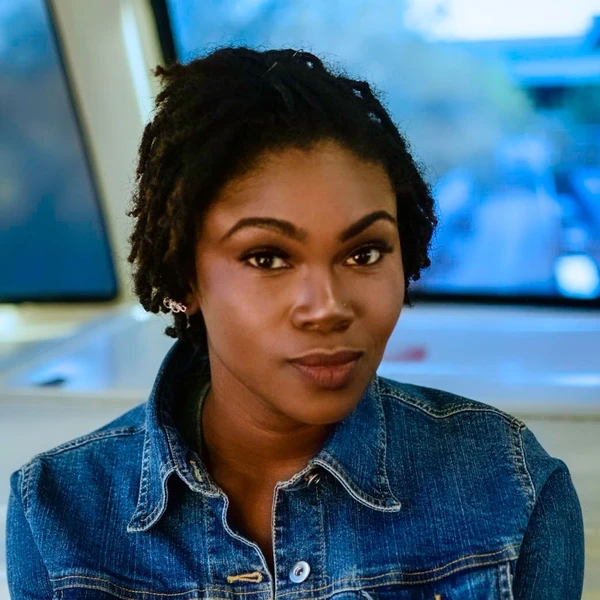
36-year-old nursing student and army veteran. I aspire to become a nurse at the VA & give back to my fellow brothers & sisters in arms.
Education
Savannah Technical College
Associate's degree programMajors:
- Registered Nursing, Nursing Administration, Nursing Research and Clinical Nursing
Miscellaneous
Desired degree level:
Doctoral degree program (PhD, MD, JD, etc.)
Graduate schools of interest:
Transfer schools of interest:
Majors of interest:
- Registered Nursing, Nursing Administration, Nursing Research and Clinical Nursing
Career
Dream career field:
Mental Health Care
Dream career goals:
Certified nursing assistant
Liberty Regional2017 – 20192 years
Sports
Track & Field
Junior Varsity2005 – 20072 years
Public services
Volunteering
Martha Randolph Stevens public landing — Board member2023 – Present
Future Interests
Volunteering
Entrepreneurship
Dr. Steve Aldana Memorial Scholarship
Dr. Steve Aldana’s message—that powerful health improvements come from small, sustainable habits practiced every day—resonates deeply with me. As a U.S. Army veteran, long-time healthcare worker, and emerging nurse, I have witnessed firsthand how simple, consistent wellness practices can transform a person’s physical, mental, and emotional health. His philosophy mirrors the way I approach both patient care and community service: meeting people where they are, empowering them with knowledge, and helping them build meaningful habits that fit their real lives—not an idealized version of them.
My eight years of experience as a CNA, phlebotomist, and ECG monitor technician gave me a front-row seat to the consequences of chronic illness, preventable disease, stress, and lack of health education. I saw patients who felt overwhelmed by their conditions because no one had ever broken down wellness into manageable, achievable steps. Many people believe that improving their health requires drastic change, when in reality the most lasting results come from small, consistent choices—hydration, balanced meals, movement, sleep hygiene, medication adherence, and stress reduction. Returning to school to become a nurse is my way of gaining the tools, authority, and knowledge to support people in making these incremental changes that ultimately reshape lives.
As a future registered nurse, I plan to uphold Dr. Aldana’s mission by integrating sustainable wellness practices into every environment I touch. In clinical settings, I will use my education to not only treat illness, but to coach patients on daily habits that support healing. Whether I’m educating a patient with hypertension about sodium intake, helping a diabetic patient understand blood sugar patterns, or talking to a veteran about sleep and stress management, my approach will center on simple, personalized lifestyle adjustments that build long-term resilience. My goal is to replace fear with understanding and replace shame with empowerment.
Outside the hospital, I’m equally committed to strengthening wellness in my Southeast Georgia community. Many people in rural areas lack transportation, education, or access to preventative resources. I hope to organize community blood pressure screenings, nutrition workshops, and health fairs focused on practical, everyday wellness—teaching people how to stretch their food budget into healthy meals, how to spot early warning signs of disease, and how to build habits even in stressful environments. I want to make wellness accessible rather than intimidating.
As a veteran, I also plan to apply this mission within the veteran community, where mental health struggles, chronic illness, and limited access to care are common. Veterans often feel dismissed or misunderstood by the healthcare system. I want to bridge that gap by providing care rooted in empathy, education, and realistic strategies that fit the lifestyle challenges veterans face. Helping them build small habits—routine, grounding techniques, activity plans—can be transformative.
Ultimately, I see my role as both a nurse and an educator. My passion lies in breaking down complex health information and turning it into simple, sustainable, daily actions that anyone can practice. Dr. Aldana’s mission is built on the belief that wellness is not a destination, but a series of small choices we make every day. Through my education, my lived experiences, and my commitment to service, I am dedicated to continuing that mission—one person, one family, and one habit at a time.
Harvey and Geneva Mabry Second Time Around Scholarship
I am a U.S. Army veteran, a long-time healthcare worker, and a woman who has always been called to serve. My path has never been linear, but every chapter of my life has led me toward the same purpose: caring for others with compassion, integrity, and skill. After spending eight years working hands-on in healthcare as a CNA, phlebotomist, and ECG monitor technician, I made the decision to return to school because I knew I was capable of making a deeper impact. I wanted to be the kind of nurse who advocates, educates, and meets people where they are—especially the vulnerable and underserved.
Growing up in Southeast Georgia and later serving in the military, I saw firsthand how health disparities shape people’s lives. I’ve watched family members struggle with chronic illness, neighbors battle limited access to resources, and veterans navigate a complicated healthcare system with more barriers than support. Over the years, patients confided in me about fears, traumas, and frustrations they didn’t feel safe sharing with anyone else. Standing at their bedside, holding their hand, or taking their vital signs, I often wished I had the full scope of knowledge to do more than comfort them—to clinically intervene, to educate, and to advocate. Those moments planted the seed for becoming a nurse, but life responsibilities delayed the decision.
What truly pushed me to return to school was a shift in perspective: realizing that waiting for the “perfect time” meant never moving at all. I wanted a career that aligned with who I am at my core—a servant, a caretaker, and a leader. Nursing is the intersection of all three. I also wanted to be a role model for young women in my community, especially Black girls in rural Georgia who rarely see themselves represented in healthcare leadership. I wanted them to know that it is never too late to choose growth, stability, and purpose.
My experience caring for loved ones also played a significant role in my decision. Supporting family members through illness and loss taught me vulnerability, patience, and emotional strength. It also revealed how overwhelming healthcare can be when you don’t know the language, the system, or your rights. That realization solidified my desire to become a nurse who not only treats illness but also empowers patients with understanding and dignity.
Returning to school has given my life a renewed sense of direction. I approach every class, clinical, and skill lab with the mindset that I am not just earning a degree—I am preparing to serve real people with real needs. My goal after graduation is to work in hospitals within my community and eventually serve at the VA, where I can care for veterans with the empathy and cultural understanding that only a fellow veteran can bring.
Ultimately, I returned to school because I want my life’s work to reflect both my heart and my purpose. Nursing allows me to do that. It enables me to combine my experience, my compassion, and my commitment to service into a career that truly changes lives—one patient, one family, and one moment at a time.
Leading Through Humanity & Heart Scholarship
I am a U.S. Army veteran, a healthcare worker of eight years, and now a nursing student driven by a lifelong commitment to service. The values that shaped me—discipline, compassion, accountability, and resilience—were built in two places: the military and the bedside. The military taught me that leadership begins with serving others and that every action carries responsibility. Healthcare taught me that every person carries a story, and that healing happens not only through clinical skill, but through presence, respect, and human connection.
My passion for human health and wellness developed through years of caring for individuals from all walks of life: veterans coping with invisible wounds, older adults fighting chronic illness, and families navigating overwhelming diagnoses. Working as a CNA, phlebotomist, and ECG technician allowed me to see firsthand how fear, pain, and uncertainty can impact someone’s spirit as much as their body. I learned that the most meaningful care happens when you acknowledge the whole person—not just their symptoms. These experiences grounded my belief that I was meant to be a nurse who serves my community with empathy and intention.
Empathy, to me, is the ability to truly understand and honor another person’s experience. It is choosing to listen before you act, choosing to see the person before the condition, and choosing patience even when the pace of healthcare is demanding. Empathy is not simply feeling sorry for someone; it is the active practice of stepping into their perspective so that your care is guided by understanding rather than assumption. In my future career as a nurse, empathy is essential because patients trust us at their most vulnerable moments. When a patient feels seen, heard, and respected, their whole demeanor changes—they communicate more openly, they feel safe, and they participate more fully in their healing.
My understanding of empathy deepened during the years I cared for loved ones facing complex medical challenges. Supporting family members through chronic illness and end-of-life care showed me how isolating illness can be. I witnessed how much strength it takes to surrender control over your own body, and how important it is to have a caregiver who preserves your dignity. Those experiences taught me that empathy often looks like staying a few extra minutes, explaining something in simple language, or being a calm presence when someone feels overwhelmed. It also means advocating when a person cannot advocate for themselves.
As a future nurse, ensuring that every part of my work remains human-centered is a responsibility I take seriously. I approach each patient as an individual whose beliefs, fears, and cultural values shape their healthcare experience. I make it a priority to ask open questions, listen without interrupting, and provide education in ways that meet people where they are—whether they need step-by-step explanations, visual teaching, or reassurance rooted in trust. I also continually reflect on my own biases and experiences so they do not influence the quality of care I provide.
My long-term goal is to serve both my Southeast Georgia community and my fellow veterans. Many people in my area face limited access to care, health education gaps, and chronic conditions that could be prevented with support and resources. I hope to bring compassionate, culturally aware, community-oriented care to those who need it most—through patient education, outreach, and advocacy.
Becoming a nurse is more than a career goal; it is the continuation of a purpose I’ve carried throughout my life. Every experience—military service, healthcare work, family caregiving, and community involvement—has prepared me to serve with empathy, integrity, and heart. I want my life’s work to reflect not only what I do, but who I am: someone dedicated to uplifting others through compassionate, human-centered care.
Community Health Ambassador Scholarship for Nursing Students
My journey toward becoming a nurse began long before I enrolled in nursing school—it started with a deep calling to serve. As a United States Army veteran, I understand the value of discipline, teamwork, and sacrifice. Those years taught me that true leadership is rooted in service, and I’ve carried that lesson into every aspect of my civilian life and healthcare career. For over eight years, I’ve worked as a Certified Nursing Assistant, phlebotomist, and ECG monitor technician, providing hands-on care to patients in a variety of settings. Each patient interaction strengthened my belief that nursing is more than a profession—it’s a mission grounded in compassion, education, and community.
Throughout my career, I’ve had the privilege of caring for patients from all walks of life, including veterans, seniors, and families facing serious illness. I’ve also cared for my own loved ones through chronic and terminal conditions, experiences that deepened my empathy and emotional strength. These moments reminded me that the human touch—the simple act of showing up with kindness and integrity—can ease pain and restore hope. Nursing allows me to combine my clinical skills with that same human connection that drew me to serve my country.
Beyond the hospital walls, I’m dedicated to preserving and uplifting my Southeast Georgia community. I actively volunteer with local committees that protect our coastline and preserve our regional history. I believe a healthy community is not just physically well but also connected to its roots and environment. As a future registered nurse, I hope to bridge healthcare with community advocacy—offering education on wellness, preventive care, and environmental health that reflects the unique needs of our region.
My long-term goal is to become a Veterans Affairs (VA) nurse, where I can serve those who have served our nation. Many veterans struggle with access to quality care, especially in rural areas like mine. I want to be a resource and an advocate for them, ensuring they receive the compassionate, competent, and culturally sensitive care they deserve. I understand firsthand the challenges veterans face transitioning to civilian life, and I hope to use that perspective to build trust and provide care that honors their service.
As a Community Health Ambassador, I will use my platform to promote holistic wellness—body, mind, and environment. I plan to organize community health fairs, blood pressure screenings, and educational workshops on topics like nutrition, mental health, and chronic disease prevention. My goal is to meet people where they are, educate them on small, sustainable changes, and empower them to take ownership of their health. I want to be a visible, approachable nurse who brings care and knowledge beyond the walls of a clinic.
Pursuing my nursing degree is more than an academic goal—it’s a continuation of my lifelong purpose to serve and uplift others. Every step of my journey has prepared me for this path: the discipline of military service, the hands-on experience of healthcare, and the heart of community involvement. Becoming a nurse will allow me to merge all these elements into a career that creates lasting impact, both in my local community and among my fellow veterans.
Anthony Belliamy Memorial Scholarship for Students in STEAM
My journey into nursing has been shaped by service, sacrifice, and an unshakable belief that healing is both a science and an act of humanity. As a 36-year-old Army veteran, certified nursing assistant, and devoted caregiver, my path has been anything but easy—but every challenge has strengthened my determination to make a difference in the lives of others.
After serving seven years in the U.S. Army, I faced one of the hardest transitions of my life: returning to civilian life. The structure, purpose, and brotherhood that defined my military experience suddenly disappeared. I went from leading soldiers and making life-or-death decisions to feeling unsure of where I fit in the world. The adjustment was emotional, financial, and mental. Yet it was during this time that I discovered how much I missed being of service—not through combat or command, but through compassion. I realized the discipline and resilience the military instilled in me could be redirected toward a new mission: caring for others through nursing.
To make that dream a reality, I became a certified nursing assistant and began working in long-term care facilities. For the past eight years, I have stood beside patients in their most vulnerable moments—holding trembling hands, listening to fears, and offering comfort to families struggling to say goodbye. Working long shifts while attending school has tested my endurance, but it has also reminded me daily of the power of empathy and human connection. I’ve learned that small acts of kindness—a warm blanket, a gentle word, or simply showing up—can change someone’s entire day.
While working as a CNA, I also carried heavy personal responsibilities. I helped care for several family members who faced chronic illnesses, including one who passed away under my care. Losing them was devastating, but it taught me more about love, grief, and dignity than any textbook ever could. It showed me that healing doesn’t always mean curing—it sometimes means helping someone find peace. That realization deepened my calling to pursue nursing, not just as a career, but as a lifelong purpose.
Balancing work, caregiving, and education hasn’t been easy. There were nights I studied after twelve-hour shifts, mornings I drove straight from clinicals to another job, and moments I questioned whether I could keep going. But the memory of my patients and family members—those I’ve cared for and those I’ve lost—reminds me why I must. Their strength fuels my own. I’ve learned that perseverance is built one decision at a time: to get up, to show up, and to give your best even when no one is watching.
Now, as a nursing student at Savannah Technical College, I see how my past has prepared me for my future. My military background taught me discipline, leadership, and teamwork. My years as a CNA taught me compassion, patience, and attention to detail. My personal losses taught me empathy and emotional strength. Together, these experiences have shaped me into the kind of nurse I aspire to become—one who treats each patient as a whole person, not just a diagnosis.
My goal is to earn my Associate of Science in Nursing by 2026 and work as an RN within the Veterans Affairs healthcare system. I want to serve those who have served, using both my clinical skills and shared understanding of military life to provide comfort, advocacy, and culturally competent care to my fellow veterans. Long-term, I hope to specialize in mental health or rehabilitation nursing, helping veterans navigate the physical and emotional recovery that often follows service.
Every obstacle I’ve faced—transitioning from the Army, balancing multiple jobs, and coping with loss—has reinforced my belief that purpose is born from perseverance. Nursing allows me to combine the strength I gained from the military with the compassion I developed as a caregiver. It’s more than a career; it’s a way of honoring those who came before me and inspiring others to keep fighting for better days.
Receiving this scholarship would not only ease my financial burden but would also honor the journey that brought me here—a journey defined by resilience, service, and a deep desire to heal others through both science and heart.
Losinger Nursing Scholarship
My inspiration for becoming a nurse stems from a lifetime of service, compassion, and personal connection to caregiving. As a 36-year-old U.S. Army veteran, I have always felt called to protect and serve others. That calling didn’t end when I hung up my uniform—it simply changed forms. Nursing became the perfect path to continue that mission of service, especially toward the veteran community that shaped me.
For the past eight years, I’ve worked as a Certified Nursing Assistant, caring for patients across different settings—from hospitals to long-term care facilities, and even in my own family. I’ve also completed certifications in phlebotomy, ECG monitoring, and EMT training, all of which deepened my understanding of how every role contributes to patient safety and comfort. These experiences have taught me that nursing is not just about clinical skills—it’s about empathy, teamwork, and human connection.
Beyond healthcare, I’ve stayed active in my community by volunteering with committees dedicated to preserving the Southeast Georgia coastline and its history. I see nursing in a similar light: preserving the dignity, stories, and quality of life of those we serve.
Becoming a registered nurse will allow me to combine my medical experience, community service, and military values to advocate for others—especially veterans who often face unique physical and emotional challenges. I’m hardworking, dependable, and deeply empathetic, but above all, I believe that the smallest act of kindness can change a patient’s entire outlook. My goal is to bring that belief into every hospital room, every shift, and every life I touch.
To me, “human touch” means the power of presence—the ability to connect, comfort, and heal through empathy, understanding, and compassion. It is the foundation of nursing care, bridging science and the soul of humanity.
Throughout my eight years as a CNA, I’ve seen how the smallest gestures can make the biggest difference: holding a patient’s hand during a painful procedure, offering reassurance to a confused veteran, or simply taking an extra moment to listen when no one else has time. The “human touch” reminds patients that they are seen, valued, and respected—not just as medical cases, but as people with stories, fears, and hopes.
As someone who has served in the military, I understand how critical trust and connection are, especially for those who have endured trauma or loss. Veterans, in particular, often carry invisible wounds. The human touch can calm their anxiety, build trust, and remind them that they are not alone. This is one of the reasons I’m passionate about eventually serving veterans as a nurse—it’s about giving back to those who have sacrificed so much and helping them heal in body, mind, and spirit.
The human touch also strengthens teamwork within healthcare. I’ve learned that collaboration built on respect and compassion creates safer, more effective care environments. When nurses and staff treat one another with empathy, that same energy flows directly to the patients we serve.
In a world that increasingly relies on technology, the human touch keeps healthcare grounded in humanity. Machines can monitor vitals, but they can’t offer comfort. Algorithms can predict outcomes, but they can’t replace a nurse’s intuition or heartfelt reassurance.
To me, nursing is the art of combining skill with soul. The “human touch” is what transforms medicine into healing—and that is the kind of nurse I strive to be every single day.