user profile avatar

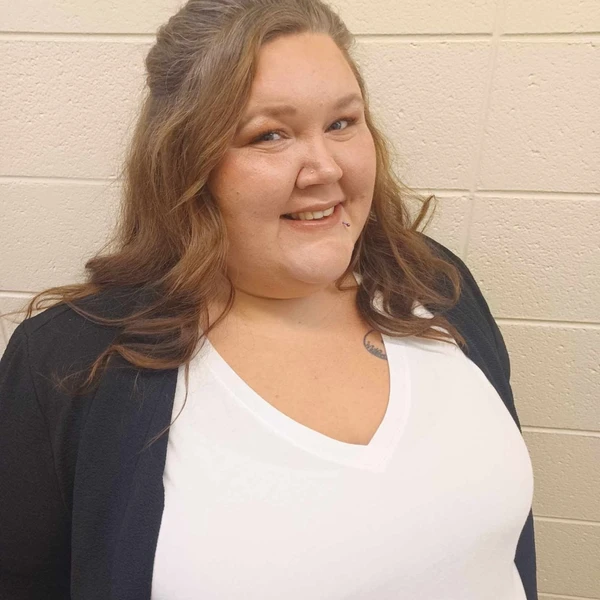
Amber Marie Johnson

1x

Finalist

Bio

I am dedicated to providing exceptional service and building solid relationships with customers in the automotive industry. My experience as a Service Writer has taught me the importance of attention to detail and effective communication. With a background in legal assistance and paralegal studies from Greenville Technical College, I bring a unique perspective to my work as a Service Planner for Swift Transportation. My education has equipped me with strong analytical skills, which I apply when analyzing documents and preparing work orders for our shop. In addition to my professional experience and educational background, I am pursuing a Bachelor's degree in Political Science. This academic pursuit aligns with my goal of attending law school in the future. I constantly strive for personal and professional growth, whether furthering my education or expanding my business ventures. As a proud employee of Swift Transportation, I am committed to upholding the company's hard work and dedication values. I approach each day with enthusiasm and a positive attitude, eager to tackle new challenges and exceed expectations in all aspects of my role as a Service Planner. My diverse skill set, education, and drive for success make me a valuable asset to any team or organization. I look forward to continuing to grow professionally while delivering top-notch service to Swift Transportation's customers.

Education

Vanderbilt University

Master's degree program
2026 - 2028
  • Majors:
    • Legal Professions and Studies, Other

University of South Carolina-Upstate

Bachelor's degree program
2023 - 2025
  • Majors:
    • Political Science and Government

Greenville Technical College

Associate's degree program
2018 - 2023
  • Majors:
    • Legal Professions and Studies, Other

Greer High

High School
2004 - 2008

Miscellaneous

  • Desired degree level:

    Doctoral degree program (PhD, MD, JD, etc.)

  • Graduate schools of interest:

    • Vanderbilt University
  • Transfer schools of interest:

  • Majors of interest:

  • Not planning to go to medical school
  • Career

    • Dream career field:

      • Law Practice
    • Dream career goals:

    • Service Planner

      Swift Transportation
      2022 – Present4 years

    Public services

    • Volunteering

      Cops For Tots — Take the kids through the rooms to pick out toys.
      2004 – Present
    Dylan's Journey Memorial Scholarship
    Navigating life as a neurodiverse individual has shaped every part of who I am—how I learn, how I connect with others, and how I envision my future. Living with bipolar disorder and OCD means I move through the world with a heightened awareness of my thoughts, emotions, and environment. For me, mental health is not an abstract concept or a chapter in a textbook—it is something I manage intentionally every single day. Over time, this journey has given me resilience, structure, and a deep understanding of what it means to support underserved communities who may not have access to the same tools, resources, or understanding. Bipolar disorder brings shifts in energy and mood that require careful monitoring and discipline. OCD introduces intrusive thoughts and compulsive behaviors that can disrupt focus, sleep, or even the simplest tasks if left unaddressed. To stay grounded as a student, I rely on daily strategies: structured routines, adherence to treatment plans, open communication with professors, and early recognition of warning signs. These practices aren't optional—they are the foundation of my stability. Through them, I have learned that prioritizing mental health is not a weakness but a responsibility. My lived experiences have also made me keenly aware of the stigma surrounding mental health and disability. Too often, students struggle silently, afraid to admit they need help. I advocate for mental health by modeling openness—sharing, when appropriate, how therapy, medication, boundaries, and rest play crucial roles in my success. I encourage peers to seek campus counseling services and remind them that asking for support is an act of courage. Advocacy is not always loud or public; sometimes it means listening without judgment or holding space for someone during moments they feel overwhelmed. These small, consistent acts of care can shift entire environments. Beyond my own diagnoses, growing up with a sister who has multiple disabilities has profoundly shaped my identity and my commitment to disability justice. Her experiences taught me patience, compassion, and the importance of inclusive spaces that honor every person's dignity. Watching her navigate a world that too often overlooks people with disabilities has shown me how much work remains to ensure equal access and representation. Her joy, perseverance, and strength continue to inspire me to advocate not just for myself, but for families and individuals whose voices are overlooked or dismissed. My education is not just a path toward personal advancement—it is a tool I plan to use to uplift others. I aim to apply my studies toward developing programs, policies, or community resources that prioritize mental health accessibility and disability inclusion—especially for underserved communities where stigma, cultural barriers, or financial limitations prevent people from receiving care. I want to support individuals who feel lost, unsupported, or misunderstood, because I know firsthand how transformative it is when someone finally listens, believes you, and offers real help. Ultimately, my neurodiverse experiences have shaped not only my challenges but my greatest strengths. They have taught me emotional intelligence, resilience, and the value of proactive care. They have given me a unique perspective that I intend to use in the service of others—especially those who feel they must hide parts of themselves to be accepted. With my education, I plan to expand access, amplify marginalized voices, and create support pathways for people who deserve to thrive in spaces designed with them in mind. Being neurodiverse has not limited my life; it has given it purpose. And that purpose is to ensure that no one—regardless of diagnosis, disability, or circumstance—feels alone on their path to belonging and success.
    Dr. G. Yvette Pegues Disability Scholarship
    Navigating life as a neurodiverse individual has shaped every part of who I am—how I learn, how I connect with others, and how I envision my future. Living with bipolar disorder and OCD means I move through the world with a heightened awareness of my thoughts, emotions, and environment. For me, mental health is not an abstract concept or a chapter in a textbook—it is something I manage intentionally every single day. Over time, this journey has given me resilience, structure, and a deep understanding of what it means to support underserved communities who may not have access to the same tools, resources, or understanding. Bipolar disorder brings shifts in energy and mood that require careful monitoring and discipline. OCD introduces intrusive thoughts and compulsive behaviors that can disrupt focus, sleep, or even the simplest tasks if left unaddressed. To stay grounded as a student, I rely on daily strategies: structured routines, adherence to treatment plans, open communication with professors, and early recognition of warning signs. These practices aren't optional; they are the foundation of my stability. Through them, I have learned that prioritizing mental health is not a weakness but a responsibility. My lived experiences have also made me keenly aware of the stigma surrounding mental health and disability. Too often, students struggle silently, afraid to admit they need help. I advocate for mental health by modeling openness—sharing, when appropriate, how therapy, medication, boundaries, and rest play crucial roles in my success. I encourage peers to seek campus counseling services and remind them that asking for support is an act of courage. Advocacy is not always loud or public; sometimes it means listening without judgment or holding space for someone during moments they feel overwhelmed. These small, consistent acts of care can shift entire environments. Beyond my own diagnoses, growing up with a sister who has multiple disabilities has profoundly shaped my identity and my commitment to disability justice. Her experiences taught me patience, compassion, and the importance of inclusive spaces that honor every person's dignity. Watching her navigate a world that too often overlooks people with disabilities has shown me how much work remains to ensure equal access and representation. Her joy, perseverance, and strength continue to inspire me to advocate not just for myself, but for families and individuals whose voices are overlooked or dismissed. My education is not just a path toward personal advancement; it is a tool I plan to use to uplift others. I aim to apply my studies toward developing programs, policies, or community resources that prioritize mental health accessibility and disability inclusion,n especially for underserved communities where stigma, cultural barriers, or financial limitations prevent people from receiving care. I want to support individuals who feel lost, unsupported, or misunderstood, because I know firsthand how transformative it is when someone finally listens, believes you, and offers real help. Ultimately, my neurodiverse experiences have shaped not only my challenges but my greatest strengths. They have taught me emotional intelligence, resilience, and the value of proactive care. They have given me a unique perspective that I intend to use in the service of others, especially those who feel they must hide parts of themselves to be accepted. With my education, I plan to expand access, amplify marginalized voices, and create support pathways for people who deserve to thrive in spaces designed with them in mind. Being neurodiverse has not limited my life; it has given it purpose. And that purpose is to ensure that no one, regardless of diagnosis, disability, or circumstance,e feels alone on their path to belonging and success.
    Second Chance Scholarship
    I want to make a change in my life because I have reached a point where staying the same would mean standing still in circumstances that demand growth. Over the past several years, I have carried the weight of profound personal loss—first losing my father, and now preparing to lose my mother, who has been given four to six months to live as she battles advanced cancer. Experiencing grief in both its past and present forms has transformed how I view my future. It has reminded me that life is short, time is unpredictable, and purpose is something we must actively build. I want my life to reflect resilience, independence, and strength, rather than fear or circumstance. I want to create a future that honors the sacrifices my parents made and ensures that their strength continues through me. The steps I have taken toward my goals began with acknowledging that real change requires deliberate action. I started pursuing opportunities that aligned with the long‑term vision I hold for myself—especially in my education and career development. I have intentionally worked to build my communication skills, strengthen my discipline, and pursue academic pathways that open new doors. Enrolling in professional development programs was one of the first concrete decisions I made. Even while managing the emotional burden of caregiving and anticipatory grief, I have continued to prepare myself for the next stage of my life, refusing to let crisis stop my momentum. These steps—though often difficult—have positioned me closer to the future I envision: one grounded in stability, personal growth, and the confidence to create something meaningful from challenging circumstances. Receiving this scholarship would make an enormous difference in my ability to continue moving forward. As my mother's health declines and I manage both emotional and financial responsibilities, this support would relieve a significant burden. It would grant me the freedom to focus on my education and professional development without sacrificing stability during a period marked by uncertainty. More than the financial assistance alone, this scholarship would represent something deeply personal: proof that others believe in my potential even as my foundation at home is shifting. It would allow me to pursue my goals with steadiness and confidence, ensuring I can continue building a life that reflects my parents' legacy of strength and perseverance. Paying it forward is an important part of why I pursue growth in the first place. I have never viewed success as something meant to be held alone. The support, compassion, and encouragement that others have shown me—especially during the hardest moments—have shaped my belief that we rise by lifting others. With the education and opportunities this scholarship would help me access, I plan to mentor individuals who feel overwhelmed, uncertain, or stuck. I want to guide people who—like me—know what it feels like to carry heavy personal challenges while trying to build a better future. Whether through mentorship, advocacy, or simple acts of kindness, I want to create a ripple effect of support. If I can help even one person believe that their circumstances do not define their future, then I will have honored my parents' legacy and the generosity shown to me. Ultimately, I want to make a change in my life by transforming pain into purpose. I want to build a future rooted in resilience, hope, and the determination to grow even in the face of loss. This scholarship would not only help make that possible—it would allow me to extend that possibility to others who need it most.
    Eden Alaine Memorial Scholarship
    I have lost the most important people in my life. As I write this sentence, my mother is dying—my kids, my dad, my cousin, who was my best friend, my grandmother, and my uncle. I am going to write about my dad. I know everyone has dealt with loss; now you can read my experience. Losing my father was the first profound loss I ever experienced, and it reshaped the course of my life in ways II'mstill discovering. His death created a before-and-after line in my world, one that forced me to grow up quickly, redefine my sense of stability, and learn how to keep moving even when life feels unbearably uncertain. My father was the kind of person whose presence made you feel safe even when circumstances were not. When he passed, that sense of safety disappeared overnight. I suddenly found myself navigating responsibilities, emotions, and real‑world decisions that I never expected to face so early in life. In the years since, that loss has shaped my resilience, my empathy, and my drive to understand people and systems more deeply, qualities that continue to influence my academic and professional path today. What makes writing about this even more difficult is that while I reflect on losing my father, I am currently watching my mother face the final stage of her own battle with cancer. As I type this, she has been given four to six months to live. Grief has transformed from something in my past to something unfolding in real time. I am preparing to lose not just a parent, but the last anchor of my childhood. This experience, both past and present, has changed me. It has taught me that life is unpredictable, time is fragile, and purpose is something we build, not something we find. It has strengthened my commitment to pursuing education and professional growth even in the midst of pain. It has also made me more patient, more compassionate, and more determined to create stability for myself and for others. Most importantly, losing my father and now preparing to say goodbye to my mother has made me deeply aware of how short life is. It is the reason I pursue opportunities with intention, why I work hard, and why I push myself to grow even when circumstances feel overwhelming. My parents' strength, love, and sacrifices continue to motivate me, and carrying their legacy forward is one of the most meaningful responsibilities I hold.
    Christian Fitness Association General Scholarship
    One of the greatest challenges I have faced during school was learning how to succeed academically while managing profound personal loss, financial responsibility, and my own mental health. My educational journey has not been traditional. I did not move directly from high school to college with a clear, uninterrupted path. Instead, I returned to school as a working adult after years away from the classroom, carrying responsibilities and experiences that shaped both my strengths and my struggles. At sixteen, I left high school to help support my family. Financial instability required me to prioritize income over education, and I entered the workforce full-time. For years, I worked long hours and gradually advanced professionally, but the desire to pursue higher education and ultimately law never left me. Still, returning to school felt intimidating. I worried about whether I would be academically capable after such a long absence. I questioned whether I could balance coursework with full-time employment. Most of all, I wondered if I had missed my opportunity. Then, in 2016, my life changed dramatically. I experienced multiple devastating losses within a short period of time. Grief became something I carried daily, and it forced me to reevaluate my future. Rather than allowing hardship to define me, I decided in 2018 to enroll in college. That decision marked the beginning of one of the most challenging and transformative periods of my life. Returning to school while working nearly sixty hours per week required intense discipline. Time became my most valuable resource. I created structured schedules, often studying early in the morning before work or late at night after long shifts. There were moments of exhaustion when quitting would have been easier. However, I reminded myself constantly why I had returned: to build a future defined by purpose rather than limitation. Academically, I was determined not just to participate, but to excel. I sought tutoring when necessary, attended office hours, and actively engaged in classroom discussions. I treated school with the same professionalism I brought to work. The results reflected that commitment. I maintained a strong GPA, earned placement on the Dean's List and Honor Roll, and eventually transferred to a four-year institution where I continued to perform at a high academic level. These accomplishments were not accidental; they were the product of deliberate effort and consistent self-discipline. In addition to financial and emotional challenges, I have also navigated school while managing bipolar disorder and obsessive-compulsive disorder. Mental health management requires self-awareness, structure, and accountability. Mood fluctuations and intrusive thoughts can create barriers to concentration and consistency if left unmanaged. Early in my academic journey, I realized that prioritizing my mental health was not optional; it was essential to my success. I developed systems to ensure stability: maintaining regular sleep patterns, adhering to treatment recommendations, utilizing campus support services when needed, and communicating proactively with professors. I learned to recognize early warning signs and adjust accordingly rather than waiting for challenges to escalate. Instead of viewing my diagnoses as weaknesses, I reframed them as opportunities to strengthen resilience and emotional intelligence. Managing mental health while excelling academically required maturity and responsibility, but it ultimately made me a more focused and self-aware student. Beyond academics, I sought involvement that aligned with my long-term goal of becoming a lawyer. Participating in a mock trial was a defining experience. Preparing arguments, analyzing case law, and presenting before judges confirmed that advocacy was not just an abstract interest; it was a calling. Winning my first mock trial competition was especially meaningful because it symbolized how far I had come. Years earlier, I had left school believing higher education might not be accessible to me. Standing in that courtroom setting as a competitor demonstrated that I belonged in academic and professional spaces I once doubted I could enter. I also joined honor societies and took on leadership roles, including serving as an officer. Leadership challenged me to balance collaboration, accountability, and communication while maintaining my academic performance. These experiences strengthened my confidence and reinforced the idea that adversity does not disqualify someone from excellence. The most significant aspect of overcoming this challenge was internal. I had to confront self-doubt. As a nontraditional student from a low-income background, I often felt different from my peers. I questioned whether I was starting too late or whether others were more prepared. Over time, I realized that my experiences were not disadvantages; they were assets. Working full-time taught me time management and professionalism. Personal hardship deepened my empathy and strengthened my resolve. Mental health management sharpened my discipline and self-awareness. I overcame my challenges by refusing to let circumstances set my ceiling. Instead of focusing on how far behind I felt, I focused on consistent forward progress. I measured success in semesters completed, goals achieved, and obstacles navigated. I built resilience through routine, determination through repetition, and confidence through action. Today, when I reflect on my academic journey, I do not see a delayed path. I see a deliberate one. The obstacles I faced required me to develop grit, adaptability, and persistence qualities that cannot be taught in a textbook. These traits now define how I approach both school and my future legal career. The challenge I faced during school was not a single event but a combination of financial hardship, personal loss, mental health management, and academic reinvention. I overcame it through discipline, structured support, self-awareness, and an unwavering commitment to my goals. Each obstacle strengthened my resolve rather than weakening it. Ultimately, my journey demonstrates that resilience is not about avoiding difficulty; it is about persisting through it with intention. The challenges I faced did not derail my education; they refined it. They shaped me into a student who values opportunity, works tirelessly, and approaches every goal with gratitude and determination.
    Bulkthreads.com's "Let's Aim Higher" Scholarship
    What I want to build is real, tangible access to justice for lower-income individuals who too often feel invisible within the legal system. Growing up in a low-income household, I saw firsthand how overwhelming legal issues can be when you lack resources. Whether it involves housing disputes, employment concerns, family court matters, or navigating complex paperwork, the law can feel like a foreign language. For many families, hiring an attorney is not an option. As a result, they either go without representation or attempt to navigate systems that were not designed with them in mind. I want to build a future where people in those situations feel supported rather than powerless. Specifically, I hope to build a legal practice grounded in advocacy, education, and trust. My goal is not only to represent clients but to empower them. I want to ensure they understand their rights, their options, and the processes affecting their lives. Access to justice should not depend on income level, and I am committed to serving communities that are often overlooked. Building this future begins with my education. Every class I complete and every skill I develop is part of laying the foundation. I am building discipline, resilience, and legal competence now so that I can one day stand confidently in courtrooms, negotiations, and community spaces. I am also building relationships with professors, mentors, and peers who share a commitment to service and ethical advocacy. Beyond practice, I hope to build community outreach initiatives, such as free legal workshops or informational sessions, to simplify common legal issues. Many problems escalate because individuals do not know their rights or deadlines. By providing accessible information, I can help prevent crises before they begin. Education can be just as powerful as representation. This vision will positively impact me by aligning my career with my values. Service is not an abstract ideal for me; it is personal. Knowing what it feels like to face financial limitations fuels my commitment to ensuring others are not silenced by theirs. Professionally, this path will challenge me to remain compassionate, patient, and prepared. Personally, it will allow me to measure success not only in financial terms but in lives improved and burdens lifted. Ultimately, I want to build more than a career. I want to build opportunity, dignity, and trust within communities that deserve strong advocates. Through law, I hope to create a bridge between complex systems and the people they are meant to serve.
    Learner Mental Health Empowerment for Health Students Scholarship
    Mental health is deeply important to me as a student because I actively manage it every day. Living with bipolar disorder and OCD has shaped not only how I approach academics but also how I understand resilience, discipline, and self-awareness. For me, mental health is not an abstract concept discussed in a classroom; it is a lived reality that requires intentional care, structure, and accountability. As a student, stability is foundational. Bipolar disorder can bring shifts in mood and energy, while OCD can introduce intrusive thoughts and compulsive patterns that demand attention. Without healthy coping strategies, both can interfere with focus, sleep, and productivity. Over time, I have learned that prioritizing mental health is not a weakness; it is a responsibility. I maintain structured routines, adhere to treatment plans, communicate proactively with professors when necessary, and practice self-monitoring to recognize early warning signs. These habits allow me to remain consistent in my academic performance and prevent temporary challenges from becoming long-term setbacks. My experiences have also deepened my empathy for others who may be struggling silently. In academic spaces, mental health is often misunderstood or stigmatized. I advocate for mental health primarily through openness and example. By speaking honestly when appropriate about the importance of therapy, medication management, boundaries, and rest, I help normalize conversations that many students are afraid to initiate. I encourage peers to use campus counseling resources and remind them that seeking support reflects strength, not failure. At home and within my broader community, I advocate by modeling balance I emphasize that achievement should never come at the cost of well-being. I check in on friends and classmates, especially during high-stress periods like exams, and I intentionally create space for conversations about stress, burnout, and emotional health. Sometimes advocacy is not loud; it is consistent. It is listening without judgment, validating someone's feelings, and reminding them they are not alone. Living with bipolar disorder and OCD has required resilience, but it has also given me perspective. It has taught me emotional intelligence, self-discipline, and the importance of proactive care. Mental health matters to me because I know firsthand that when it is supported, students can thrive not despite their diagnoses, but alongside them. Growing up with multiple family members with so many mental health issues and losing so many to mental health issues is what made me care so much more about the mental health crisis in America.
    Adam Montes Pride Scholarship
    What distinguishes me from other applicants is not simply resilience, academic achievement, or professional ambition, but the path I took to reach this point and the perspective I carry because of it. I did not follow a traditional academic timeline. At sixteen, I left high school to help support my family. Financial instability required me to step into adulthood early, prioritizing responsibility over personal ambition. While many students were planning college visits, I was learning how to manage bills, navigate workplace expectations, and contribute to my household's survival. For years, higher education felt like a luxury that did not belong to someone with my background. What is unique about me is that I chose to return anyway. After experiencing profound personal loss, I made the decision not to let hardship dictate the trajectory of my life. I enrolled in college while working nearly sixty hours a week. Balancing full-time employment with full-time coursework demanded discipline, sacrifice, and relentless focus. I not only succeeded, but I excelled. I maintained a strong GPA, earned consistent academic honors, and participated in a mock trial, where I discovered that my passion for advocacy was not just a dream but a genuine calling. As an older, nontraditional student from a low-income family, I understand education differently. It is not simply a stepping stone to career advancement; it is a transformative opportunity. I can count on one hand the number of people in my family who have completed high school, let alone pursued higher education. My pursuit of advanced education represents more than personal success—it represents generational change. I am determined to alter the narrative of what is possible for my family and to serve as proof that circumstances do not determine destiny. I am also deeply motivated by service. My experiences have given me a heightened awareness of how vulnerable individuals can feel when navigating complex systems, particularly during times of emotional or financial distress. This awareness fuels my desire to pursue a legal career centered on advocacy and justice. I want to be the kind of professional who listens carefully, prepares thoroughly, and stands confidently for those who may not have the resources or voice to stand alone. Receiving this scholarship would not simply ease a financial burden; it would allow me to devote more focus and energy to my studies and community involvement. It would affirm that nontraditional students, those who take unconventional routes, who overcome setbacks, who rebuild after hardship, are equally deserving of investment and belief. My proudest accomplishment is not any single academic award or honor society membership. It is the fact that I returned to school when quitting would have been easier. It is the discipline to persist when exhausted, the courage to pursue a long-held dream despite self-doubt, and the determination to transform adversity into purpose. What distinguishes me is perspective. I understand responsibility, sacrifice, and perseverance at a depth shaped by lived experience. I bring maturity, empathy, and unwavering commitment to everything I pursue. A scholarship would not only support my education but also amplify my ability to create a lasting impact, both within my family and in the communities I hope to serve through my future legal career.
    Lost Dreams Awaken Scholarship
    Recovery, to me, is not a return to who you were before something broke you. It is the deliberate process of becoming someone stronger, wiser, and more purposeful because of it. Recovery is not about erasing pain or pretending loss did not happen. It is about learning how to carry that pain without allowing it to control your future. For a long time, I believed recovery meant "moving on." I thought it meant reaching a point where grief no longer surfaced or where difficult memories stopped affecting me. Over time, I learned that true recovery is not the absence of hurt. Instead, it is the ability to wake up each day and choose growth despite it. It is choosing responsibility over resentment, discipline over despair, and hope over helplessness. Recovery also requires honesty. It demands that you confront what has happened, accept what cannot be changed, and still believe that your life holds value and possibility. That belief does not always come easily. It is built slowly through small decisions, consistent effort, and the willingness to try again even after setbacks. It is turning pain into purpose. It is allowing difficult experiences to deepen your empathy rather than harden your heart. It is recognizing that adversity can refine your character and clarify your direction. It is not a destination I arrive at, but a mindset I carry forward, one that reminds me that resilience is not about avoiding hardship, but about rising each time hardship attempts to define me.
    Susie Green Scholarship for Women Pursuing Education
    Courage is often imagined as a bold, fearless leap forward. For me, it was much quieter. It was a decision made amid grief, exhaustion, and uncertainty. What gave me the courage to go back to school was not the absence of fear; it was the realization that if I did not take control of my future, my circumstances would continue to define it for me. At sixteen, I left high school to help support my family. Financial instability required me to grow up quickly. While many of my peers were focused on school activities and plans, I was focused on survival. I began working full-time and remained in the workforce for years, gradually advancing through dedication and persistence. Although I had always dreamed of pursuing a legal career, that dream felt distant and unrealistic given my responsibilities and background. Then, in 2016, my life changed in ways I could never have prepared for. I lost my father. Six months later, I lost my children. Six months after that, I lost my uncle. The weight of those losses was overwhelming. Grief became something I carried daily, and for a time, it felt impossible to imagine building anything meaningful from that pain. Yet it was within that devastation that I began to see my life differently. Loss has a way of clarifying what truly matters. I realized how fragile life is and how quickly opportunities can disappear. I began asking myself difficult questions: What kind of life do I want to live? If everything can change in a moment, what am I waiting for? I understood that if I continued postponing my education, fear and circumstance would win. The courage to return to school came from that clarity. I did not want my story to be defined solely by hardship. Returning to school was intimidating. I worried about being older than other students. I questioned my academic capabilities after years away from the classroom. I wondered how I would balance nearly sixty hours of work each week with coursework and family responsibilities. However, I also knew that I had already survived experiences far more painful than academic challenges. Compared to grief, late nights studying and early morning classes seemed manageable. In August 2018, I enrolled in college. That decision was an act of faith in myself. It required discipline, sacrifice, and unwavering commitment. There were nights when I was exhausted, moments when self-doubt resurfaced, and days when balancing work and school felt overwhelming. But each completed assignment, each exam passed, and each semester finished strengthened my confidence. Academic success became proof that I was capable of far more than I had once believed. Beyond personal achievement, I found renewed purpose. My experiences with loss deepened my empathy and strengthened my desire to pursue law. I understand what it feels like to be vulnerable, to navigate systems during times of emotional distress, and to feel powerless in the face of circumstances beyond one's control. Education became more than a personal goal; it became preparation for serving others. I began to see that my pain could fuel purpose rather than limit potential. Ultimately, what gave me courage was the refusal to let tragedy be the final chapter of my life. Courage was choosing growth over stagnation. I decided that my future deserved effort, even when the path forward felt uncertain. Going back to school was not simply about earning a degree; it was about reclaiming my dreams, honoring the people I lost by building something meaningful, and proving to myself that resilience is stronger than fear.
    Jack Saunders Memorial Scholarship
    As I prepare for a future as a lawyer, the biggest challenge I have faced in life was learning how to rebuild after a profound loss while carrying responsibilities far beyond my years. That challenge tested not only my strength, but my identity, my endurance, and my belief in whether my dreams were still possible. At sixteen, I made the difficult decision to leave high school to help support my family. I began working immediately, starting at the bottom and slowly working my way into higher positions. While many of my peers were focused on prom or college applications, I was focused on paying bills and keeping my family afloat. I come from a low-income background, where few had graduated from high school and even fewer had pursued higher education. Law school felt like a distant dream, one that belonged to someone with more resources, more support, and fewer obstacles. Then, in 2016, my world collapsed. I lost my father. Six months later, I lost my children. Six months after that, I lost my uncle. Grief layered upon grief, and I found myself standing in the aftermath of unimaginable loss. During that time, the challenge was not simply continuing forward—it was choosing to continue at all. I had to confront pain that could have easily hardened me or caused me to surrender my ambitions entirely. Instead, I made a decision that would redefine my life. In August 2018, I enrolled at Greenville Technical College. I was working nearly sixty hours a week while returning to school, but I refused to let my circumstances dictate my outcome. I maintained a 3.5 GPA, consistently earned a place on the Dean's List and Honor Roll, and even won my first mock trial. That victory in a mock trial was symbolic; it represented more than an academic accomplishment. It was proof that the girl who once left high school to symbolize it would stand in a courtroom setting and succeed. Encouraged by that momentum, I transferred to the University of South Carolina Upstate, where I maintained a GPA of 3.8 or higher, joined two honor societies, and served as Secretary of the TAU Sigma Honor Society Each achievement was not merely a line on a résumé; it was a declaration that loss would not define me and that hardship would not limit my future. Ultimately, I "won" this challenge not by erasing what happened, but by transforming it. I chose discipline over despair. I chose purpose over paralysis. I allowed grief to deepen my empathy rather than diminish my hope. The resilience I developed through these experiences now fuels my desire to practice law not only to argue cases, but to advocate for those who feel powerless, unheard, or overwhelmed by circumstances beyond their control. The legal profession demands endurance, composure under pressure, and the ability to think clearly in emotionally charged situations. My greatest challenge required all of those qualities long before I step into a courtroom. I understand adversity intimately. I understand responsibility. And I understand what it means to keep going when quitting would be easier. That is how I ultimately won: I rebuilt. I returned to school. I excelled. And I proved to myself that my dream of becoming a lawyer was never unreachable; it simply required resilience strong enough to carry it.