Hobbies and interests
Business And Entrepreneurship
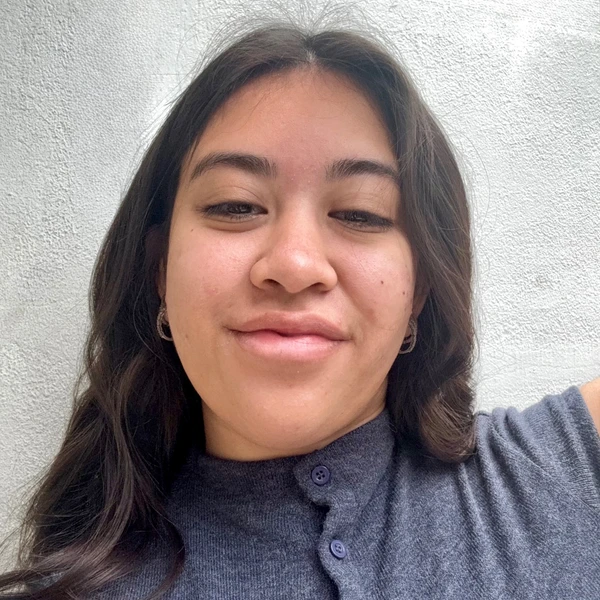
Amber Cruz
1x
Finalist
Amber Cruz
1x
FinalistBio
I plan to develop my knowledge in education to support my future students better. I want to continue my educational journey, and hope to receive the help needed to attend the University of Southern California.
Education
California State University-Los Angeles
Associate's degree programMajors:
- Education, General
Miscellaneous
Desired degree level:
Bachelor's degree program
Graduate schools of interest:
Transfer schools of interest:
Majors of interest:
Career
Dream career field:
Education
Dream career goals:
Teacher
Student Teacher
LAUSD2025 – 2025
Sports
Cheerleading
2019 – 20256 years
Awards
- goodwill ambassador
- highest gpa
Arts
LA's Best
Dance2023 – 2025
Future Interests
Advocacy
Volunteering
Entrepreneurship
Harry & Mary Sheaffer Scholarship
I believe empathy grows from being heard, and much of my work and identity centers on creating spaces where people feel safe expressing themselves. My unique talents come from a combination of education, music, bilingual communication, and community-centered teaching. As a musician who plays bass in a band and someone who studied the arts in public school, I learned early that music allows people from different cultures, languages, and experiences to connect without needing a shared vocabulary. In my career as an educator, I carry that same philosophy into the classroom: communication is not limited to words. Students communicate through art, movement, tone, and participation, and when adults learn to notice those forms of expression, understanding grows. I plan to use these skills to help build a more empathetic global community by teaching students to value multiple ways of thinking and communicating rather than expecting everyone to learn and express themselves in one standardized way.
As a bilingual educator serving culturally diverse communities, I have seen how easily misunderstandings can occur when language or cultural norms differ. I have worked with students who hesitate to participate because they are translating internally, and others who are labeled disengaged when they are actually processing information differently. My skill is not only teaching academic content but also interpreting behavior through a human lens. Instead of asking, “Why isn’t this student doing the work?” I ask, “What might this student be experiencing?” I plan to model this mindset for my students, so they learn to approach differences with curiosity rather than judgment. Through collaborative activities, discussion circles, and reflective writing, I want students to practice perspective-taking and recognize that people’s actions often come from unseen challenges. When students learn this early, they carry those habits into adulthood, workplaces, and communities.
I also plan to integrate global awareness into learning by connecting the curriculum to real human experiences. Literature, storytelling, and shared dialogue help students understand that people around the world experience similar emotions—fear, joy, belonging, and hope—even when their circumstances differ. By incorporating culturally relevant materials and encouraging students to share family stories, traditions, and histories, the classroom becomes a microcosm of a global community. Students learn to listen actively, ask respectful questions, and appreciate differences as strengths rather than barriers. These small daily practices help build empathy more effectively than isolated lessons about kindness.
My background in the arts will also play a key role. Creative expression allows individuals to explore identity and communicate emotions that are difficult to articulate. Through music, visual art, and collaborative projects, students can engage with others beyond language barriers. I have seen students who rarely speak in class confidently share ideas through drawing or rhythm activities, and those moments often lead peers to see one another differently. I hope to expand these experiences through community partnerships, performances, and shared creative projects that connect classrooms to broader audiences and cultures.
Ultimately, I do not see empathy as a single lesson but as a habit developed through consistent practice. By fostering inclusive classrooms, teaching communication across differences, and using creative expression to build understanding, I aim to help students grow into adults who listen before judging and collaborate before dividing. If each student learns to recognize the humanity in someone different from themselves, those individual interactions can ripple outward, contributing to a more compassionate and understanding global community.