
Hobbies and interests
Cheerleading
STEM
Community Service And Volunteering
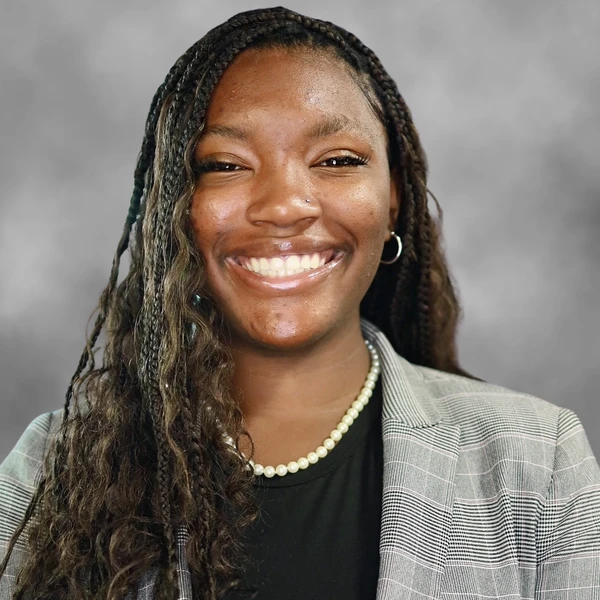
Amaya Nelson
1x
Finalist1x
Winner
Amaya Nelson
1x
Finalist1x
WinnerBio
Hello, My name is Amaya Nelson, a first-year health science major and cosmetic chemistry minor at Spelman College, originally from Brooklyn, New York. I aspire to become an obstetrician who educates communities about maternal health and raises awareness of the high mortality rates among women of color. My goal is to build a clinic that offers a safe, inclusive space where women feel empowered to take charge of their health.
Link to view my resume: https://docs.google.com/document/d/12Rz0AH5H61ATM9u-cMdZRwNvo25SyoLAAJiyNa0e3dQ/edit?usp=sharing
Education
Spelman College
Bachelor's degree programMajors:
- Health Professions and Related Clinical Sciences, Other
- Health/Medical Preparatory Programs
Kingsborough Early College School
High SchoolCUNY Kingsborough Community College
Associate's degree programMajors:
- Liberal Arts and Sciences, General Studies and Humanities
Miscellaneous
Desired degree level:
Doctoral degree program (PhD, MD, JD, etc.)
Graduate schools of interest:
Transfer schools of interest:
Majors of interest:
Career
Dream career field:
Medicine
Dream career goals:
To become an OB-GYN
Ambassador for the Scholarship Sector
STEM Beauty Lab (Founded by Kitiya King)2026 – Present6 monthsMail Handler
Spelman College Mail Center2025 – Present1 year
Sports
Cheerleading
Varsity2021 – 20254 years
Awards
- Scholar-Athlete Award
Public services
Volunteering
Minority Association of Pre-medical Student Bridging Minds Initiative — Volunteer Mentor2026 – 2026Volunteering
The Sisterhood Program (Urban Neighborhood Services) — Mentor, Advisor, & Volunteer2023 – 2023
Our Destiny Our Future Scholarship
Ever since I was young, I wanted to have a job where I was helping people, whether that was being a teacher, a doctor, etc. As I got older and I became more aware of the situations happening around me, I realized how much I wanted to become a healthcare professional. Coming from a predominantly Black and low-income community, I have witnessed my family members, as well as members of my community, fear doctors and hospitals due to mistreatment of people of color. Seeing the medical mistrust create disparities, especially regarding Black women, I don’t want this to be average statistics for Black communities, including mine. As the mortality rate of women of color continues to rise, I want to be a prominent figure in contributing against discrimination and alleviating fears. One day I hope to establish a clinic with the help of other women of color to provide a safe, inclusive environment where women feel safe asking for help and guidance on their health. If I don’t establish my own clinic in the future, I still can make my work environment a safe and inclusive place through continuously updating myself on world events in healthcare so I can act accordingly with patients who may be affected as well as hold myself and coworkers around me accountable to holding proper standards of diversity and empathy.
An experience that forever linked me to healthcare occurred while volunteering in my community. Urban Neighborhood Services had a local program called the Sisterhood Program. Although short in its time, the goal of the program was to get connected with the young ladies and women in the community. It was a safe space to discuss topics in the community and how the women felt affected in society. As an advisor, I worked to provide creative ideas to the founder of the program on how to better engage with the community. Being active in that program helped me really understand the mental health of women in society. No matter the age, we were able to connect about disparities and find our voices in the world. My mom and aunt even joined a session or 2. This helped reinforce my desire to work in women’s health as an OBGYN because women’s physical health can be so overlooked and overgeneralized that it can affect our mental health as well, seeping into every aspect of our lives.
Ultimately, to me, becoming a healthcare professional is more than having the recognition of the career. It's about being able to return to my community, with my expanded knowledge, and become a staple leader, providing health resources and instilling back a level of safety, reassurance, and protection into the same neighborhood that raised me into the individual I am today. Through my undergraduate matriculation in the health science field, I have gained meaningful experiences volunteering with the Health Careers Club and Minority Association of Pre-medical Students, which further push my desires to make a change. The healthcare field is much bigger than I am, but just being able to deviate from the average and increase the Black female presence is a small step towards a larger impact.
Trinity Lodge 127 PH Scott Heckstall Scholarship
Ever since I was young, I wanted to have a job where I was helping people, whether that was being a teacher, a doctor, etc. As I got older and I became more aware of the situations happening around me, I realized how much I wanted to become a healthcare professional. Coming from a predominantly Black and low-income community, I have witnessed my family members, as well as members of my community, fear doctors and hospitals due to mistreatment of people of color. Seeing the medical mistrust create disparities, especially regarding Black women, I don’t want this to be average statistics for Black communities, including mine. As the mortality rate of women of color continues to rise, I want to be a prominent figure in contributing against discrimination and alleviating fears.
An experience that forever linked me to healthcare occurred while volunteering in my community. Urban Neighborhood Services had a local program called the Sisterhood Program. Although short in its time, the goal of the program was to get connected with the young ladies and women in the community. It was a safe space to discuss topics in the community and how the women felt affected in society. As an advisor, I worked to provide creative ideas to the founder of the program on how to better engage with the community. Being active in that program helped me really understand the mental health of women in society. No matter the age, we were able to connect about disparities and find our voices in the world. My mom and aunt even joined a session or 2. This helped reinforce my desire to work in women’s health as an OBGYN because women’s physical health can be so overlooked and overgeneralized that it can affect our mental health as well, seeping into every aspect of our lives.
Ultimately, to me, becoming a healthcare professional is more than having the recognition of the career. It's about being able to return to my community, with my expanded knowledge, and become a staple leader, providing health resources and instilling back a level of safety, reassurance, and protection into the same neighborhood that raised me into the individual I am today. Through my undergraduate matriculation in the health science field, I have gained meaningful experiences volunteering with the Health Careers Club and Minority Association of Pre-medical Students, which further push my desires to make a change. One day I hope to establish a clinic with the help of other women of color to provide a safe, inclusive environment where women feel safe asking for help and guidance on their health. If I don’t establish my own clinic in the future, I still can make my work environment a safe and inclusive place through continuously updating myself on world events in healthcare so I can act accordingly with patients who may be affected as well as hold myself and coworkers around me accountable to holding proper standards of diversity and empathy. The healthcare field is much bigger than I am, but just being able to deviate from the average and increase the Black female presence is a small step towards a larger impact.
Bulkthreads.com's "Let's Aim Higher" Scholarship
Ever since I was young, I wanted to have a job where I was helping people, as I got older and more aware of the situations happening around me, I realized how much I wanted to pursue helathcare. Coming from a predominantly Black and low-income community, I have witnessed my family members, as well as members of my community, fear doctors and hospitals due to mistreatment of people of color. Seeing the medical mistrust create disparities, I don’t want this to be average statistics for Black communities. As the mortality rate of women of color continues to rise, I want to be a prominent figure in contributing against discrimination and alleviating fears.
An experience that forever linked me to healthcare occurred while volunteering in my community. Urban Neighborhood Services had a local program called the Sisterhood Program. Although short in its time, the goal of the program was to get connected with the young ladies and women in the community. It was a safe space to discuss how the women felt affected in society. As an advisor, I worked to provide creative ideas to the founder of the program on how to better engage with the community. Being active in that program helped me really understand the mental health of women in society. No matter the age, we were able to connect about disparities and find our voices in the world. My mom and aunt even joined a session or 2. This helped reinforce my desire to work in women’s health as an OBGYN because women’s physical health can be so overlooked and overgeneralized that it can affect our mental health as well, seeping into every aspect of our lives.
Ultimately, to me, becoming a healthcare professional is more than having the recognition of the career. It's about being able to return to my community, with my expanded knowledge, providing health resources and instilling back a level of safety, reassurance, and protection into the same neighborhood that raised me into the individual I am today. Through my undergraduate matriculation in the health science field, I have gained meaningful experiences volunteering with the Health Careers Club and Minority Association of Pre-medical Students, which further push my desires to make a change. The healthcare field is much bigger than I am, but just being able to deviate from the average and increase the Black female presence is a small step towards a larger impact.
One day I hope to establish a clinic with the help of other women of color to provide a safe, inclusive environment where women feel safe asking for help and guidance on their health. If I don’t establish my own clinic in the future, I still can make my work environment a safe and inclusive place through continuously updating myself on world events in healthcare so I can act accordingly with patients who may be affected as well as hold myself and coworkers around me accountable to holding proper standards of diversity and empathy.
Current Future Finance Scholarship
7023 Minority Scholarship
I believe to do better, you have to know better, and to me, the best way to do that is by getting real-world experience in the community you are trying to help. As a young child, I always wanted a career helping people, and as I got older and more aware of the situations happening around me, I realized how much I wanted to pursue medicine. Coming from a predominantly Black and low-income community, I have witnessed my family members, as well as community members, fear doctors and hospitals due to mistreatment of people of color. Seeing the medical mistrust create disparities, especially regarding Black women, I don’t want this to be average statistics for Black communities, including mine.
An experience that forever linked me to healthcare occurred while volunteering in my community. Urban Neighborhood Services had a local program called the Sisterhood Program. Although short in its time, the goal of the program was to get connected with the young ladies and women in the community. It was a safe space to discuss topics in the community and how the women felt affected in society. As an advisor, I worked to provide creative ideas to the founder of the program on how to better engage with the community. Being active in that program helped me really understand the mental health of women in society. No matter the age, we were able to connect about disparities and find our voices in the world. My mom and aunt even joined a session or 2. This helped reinforce my desire to work in women’s health as an OBGYN because women’s physical health can be so overlooked and overgeneralized that it can affect our mental health as well, seeping into every aspect of our lives.
Ultimately, to me, becoming a healthcare professional is more than having the recognition of the career. It's about being able to return to my community, with my expanded knowledge, and become a staple leader, providing health resources and instilling back a level of safety, reassurance, and protection into the same neighborhood that raised me into the individual I am today. Receiving the 7023 Minority Scholarship would help support my goals by helping provide funding to a future healthcare professional from a marginalized population and focus more of my time on gathering shadowing and mentorship experiences. In the last month, my mom has lost the job she has worked for over a decade, and as such, it has been incredibly difficult trying to find ways to support my education, especially being a first-generation college student from a single-parent household. However, I don’t let this be a setback for me in my pathway towards success.
Through my undergraduate matriculation I have gained meaningful experiences volunteering with the Health Careers Club and Minority Association of Pre-medical Students, which further push my desires to make a change. One day I hope to establish a clinic with the help of other women of color to provide a safe, inclusive environment where women feel safe asking for help and guidance on their health. If I don’t establish my own clinic in the future, I still can make my work environment a safe and inclusive place through continuously updating myself on world events in healthcare so I can act accordingly with patients who may be affected as well as hold myself and coworkers around me accountable to holding proper standards of diversity and empathy.The healthcare field is much bigger than I am, but just being able to deviate from the average and increase the Black female presence is a small step towards a larger impact.
Pay It Forward Scholarship
Ever since I was young, I wanted to have a job where I was helping people, whether that was being a teacher, a doctor, etc. As I got older and more aware of the situations happening around me, I realized it was through being a healthcare professional that I could touch lives the way I was truly called to. Coming from a predominantly Black and low-income community, I have witnessed my family members, as well as community members, fear doctors and hospitals due to mistreatment of people of color. Seeing the medical mistrust create disparities, especially regarding Black women, I don’t want this to be average statistics for Black communities, including mine. I felt the best way to get a well rounded education in STEM mixed with public health would be a health science degree.
An experience that forever linked me to healthcare occurred while volunteering in my community. Urban Neighborhood Services had a local program called the Sisterhood Program. Although short in its time, the goal of the program was to get connected with the young ladies and women in the community. It was a safe space to discuss topics in the community and how the women felt affected in society. As an advisor, I worked to provide creative ideas to the founder of the program on how to better engage with the community. Being active in that program helped me really understand the mental health of women in society. No matter the age, we were able to connect about disparities and find our voices in the world. My mom and aunt even joined a session or 2. This helped reinforce my desire to work in women’s health as an OBGYN because women’s physical health can be so overlooked and overgeneralized that it can affect our mental health as well, seeping into every aspect of our lives.
Ultimately, to me, becoming a healthcare professional is more than having the recognition of the career. It's about being able to return to my community, with my expanded knowledge, and become a staple leader, providing health resources and instilling back a level of safety, reassurance, and protection into the same neighborhood that raised me into the individual I am today. Through my undergraduate matriculation in the health science field, I have gained meaningful experiences which further push my desires to make a change. One day I hope to establish a clinic with the help of other women of color to provide a safe, inclusive environment where women feel safe asking for help and guidance on their health. If I don’t establish my own clinic in the future, I still can make my work environment a safe and inclusive place through continuously updating myself on world events in healthcare so I can act accordingly with patients who may be affected as well as hold myself and coworkers around me accountable to holding proper standards of diversity and empathy.The healthcare field is much bigger than I am, but just being able to deviate from the average and increase the Black female presence is a small step towards a larger impact.
WCEJ Thornton Foundation Low-Income Scholarship
As a young child, I always wanted a career helping people, whether that was being a teacher, a doctor, or something completely different. As I got older and more aware of the situations happening around me, I realized it was through being a healthcare professional that I could touch lives the way I was truly called to. Coming from a predominantly Black and low-income community, I have witnessed my family members, as well as community members, fear doctors and hospitals due to mistreatment of people of color. Seeing the medical mistrust create disparities, especially regarding Black women, I don’t want this to be average statistics for Black communities, including mine.
Being a first-generation college student, it has been difficult to continually empower myself despite mentorship to keep going. There wasn’t a lot of conversation about higher education in my community and certainly nothing about going into healthcare, so I felt like an outlier in comparison to others. My educational experiences will make me a better advocate for having representation in STEM and healthcare fields for minority populations. Getting the opportunity to attend college and be in a setting with other future STEM field professionals made me want to share that experience with young students in similar situations.
An experience that reinforced my healthcare goals occurred while volunteering in my community. Urban Neighborhood Services had a local program called the Sisterhood Program. It was a safe space to discuss topics in the community and how the women felt affected in society. Being active in that program helped me really understand the mental health of women in society. No matter the age, these young women and I were able to connect about disparities and find our voices. I learned that you can't really know what's going on with others unless you support them. This helped establish my desire to work in women’s health as an OB-GYN because women’s physical health can be so overlooked that it can seep into every aspect of our lives.
In addition, while attending Spelman College, I was able to be a volunteer mentor for the Minority Association of Pre-medical Students Bridging Minds Initiative. This was a six-week mentorship program in Atlanta’s West End, a predominantly Black neighborhood, where college students mentor using lesson plans to educate 3rd through 5th grade students on brain health, Alzheimer’s disease, and the different careers within the STEM field. This volunteer experience wasn’t about convincing the students to all become STEM professionals but rather just showing them that it was possible if they put their minds to it. Not only would this help me with my process of becoming a healthcare professional, but it would also help me to complete the goal I have for myself of coming back to my community and being an advocate for more young people taking the steps to obtain higher education. I want to be an example of how the community can foster college graduates. Most people in my community either leave and don’t return or don’t try to explore their life outside of where they grew up. Although I was afraid of leaving my hometown/state, I was willing to make those new connections and learn new things. I realized you don't have to stay in your familiar bubble to succeed, and I think this would be a fundamental thing to teach people. It can be difficult to leave what you know, but sometimes the experiences you obtain from leaving could change you indefinitely.
Ultimately, to me, becoming a healthcare professional is more than having the recognition of the career. It's about being able to return to my community, with my expanded knowledge, and become a staple leader, providing health resources and instilling back a level of safety, reassurance, and protection into the same neighborhood that raised me into the individual I am today. Through my undergraduate matriculation in the health science field, I have gained meaningful experiences that further push my desires to make a change. One day I hope to establish a clinic with the help of other women of color to provide a safe, inclusive environment where women feel safe asking for help and guidance on their health. If I don’t establish my own clinic in the future, I still can make my work environment a safe and inclusive place through continuously updating myself on world events in healthcare so I can act accordingly with patients who may be affected as well as hold myself and coworkers around me accountable.
Josh Gibson MD Grant
Maxwell Tuan Nguyen Memorial Scholarship
Ever since I was young, I wanted to have a job where I was helping people, whether that was being a teacher, a doctor, etc. As I got older and I became more aware of the situations happening around me, I realized how much I wanted to become a healthcare professional. Coming from a predominantly Black and low-income community, I have witnessed my family members, as well as members of my community, fear doctors and hospitals due to mistreatment of people of color. Seeing the medical mistrust create disparities, especially regarding Black women, I don’t want this to be average statistics for Black communities, including mine. As the mortality rate of women of color continues to rise, I want to be a prominent figure in contributing against discrimination and alleviating fears. One day I hope to establish a clinic with the help of other women of color to provide a safe, inclusive environment where women feel safe asking for help and guidance on their health. If I don’t establish my own clinic in the future, I still can make my work environment a safe and inclusive place through continuously updating myself on world events in healthcare so I can act accordingly with patients who may be affected as well as hold myself and coworkers around me accountable to holding proper standards of diversity and empathy.
An experience that forever linked me to healthcare occurred while volunteering in my community. Urban Neighborhood Services had a local program called the Sisterhood Program. Although short in its time, the goal of the program was to get connected with the young ladies and women in the community. It was a safe space to discuss topics in the community and how the women felt affected in society. As an advisor, I worked to provide creative ideas to the founder of the program on how to better engage with the community. Being active in that program helped me really understand the mental health of women in society. No matter the age, we were able to connect about disparities and find our voices in the world. My mom and aunt even joined a session or 2. This helped reinforce my desire to work in women’s health as an OBGYN because women’s physical health can be so overlooked and overgeneralized that it can affect our mental health as well, seeping into every aspect of our lives.
Ultimately, to me, becoming a healthcare professional is more than having the recognition of the career. It's about being able to return to my community, with my expanded knowledge, and become a staple leader, providing health resources and instilling back a level of safety, reassurance, and protection into the same neighborhood that raised me into the individual I am today. Through my undergraduate matriculation in the health science field, I have gained meaningful experiences volunteering with the Health Careers Club and Minority Association of Pre-medical Students, which further push my desires to make a change. The healthcare field is much bigger than I am, but just being able to deviate from the average and increase the Black female presence is a small step towards a larger impact.
Stephan L. Daniels Lift As We Climb Scholarship
As a young child, I always wanted a career helping people, whether that was being a teacher, a doctor or something completely different. As I got older and more aware of the situations happening around me, I realized it was through being a healthcare professional that I could touch lives the way I was truly called to. Coming from a predominantly Black and low-income community, I have witnessed my family members, as well as community members, fear doctors and hospitals due to mistreatment of people of color. Seeing the medical mistrust create disparities, especially regarding Black women, I don’t want this to be average statistics for Black communities, including mine.
Being a first-generation college student, it has been difficult to continually empower myself despite mentorship to keep going. There wasn’t a lot of conversation about higher education in my community and certainly nothing about going into healthcare, so I felt like an outlier in comparison to others. My educational experiences will make me a better advocate for having representation in STEM and healthcare fields for minority populations. Getting the opportunity to attend college and be in a setting with other future STEM field professionals made me want to share that experience with young students in similar situations.
An experience that reinforced my healthcare goals occurred while volunteering in my community. Urban Neighborhood Services had a local program called the Sisterhood Program. It was a safe space to discuss topics in the community and how the women felt affected in society. Being active in that program helped me really understand the mental health of women in society. No matter the age, these young women and I were able to connect about disparities and find our voices. I learned that you can't really know what's going on with others unless you support them. This helped establish my desire to work in women’s health as an OBGYN because women’s physical health can be so overlooked that it can seep into every aspect of our lives.
In addition while attending Spelman College, I was able to be a volunteer mentor for the Minority Association of Pre-medical Students Bridging Minds Initiative. This was a six-week mentorship program in Atlanta’s West End, a predominantly Black neighborhood, where college students mentor using lesson plans to educate 3rd through 5th grade students on brain health, Alzheimer’s disease, and the different careers within the STEM field. I even got a chance to personally teach the students about Katherine Johnson, a NASA mathematician who broke barriers for women and African Americans in STEM. This volunteer experience wasn’t about influencing the students to all become STEM professionals but rather just showing them that it was possible if they put their minds to it.
Ultimately, to me, becoming a healthcare professional is more than having the recognition of the career. It's about being able to return to my community, with my expanded knowledge, and become a staple leader, providing health resources and instilling back a level of safety, reassurance, and protection into the same neighborhood that raised me into the individual I am today. Through my undergraduate matriculation in the health science field, I have gained meaningful experiences which further push my desires to make a change. The healthcare field is much bigger than I am, but just being able to deviate from the average and increase the Black female presence is a small step towards a larger impact.
Women in Healthcare Scholarship
Ever since I was young, I wanted to have a job where I was helping people, whether that was being a teacher, a doctor, etc. As I got older and I became more aware of the situations happening around me, I realized how much I wanted to become a healthcare professional. Coming from a predominantly Black and low-income community, I have witnessed my family members, as well as members of my community, fear doctors and hospitals due to mistreatment of people of color. Seeing the medical mistrust create disparities, especially regarding Black women, I don’t want this to be average statistics for Black communities, including mine. As the mortality rate of women of color continues to rise, I want to be a prominent figure in contributing against discrimination and alleviating fears. One day I hope to establish a clinic with the help of other women of color to provide a safe, inclusive environment where women feel safe asking for help and guidance on their health. If I don’t establish my own clinic in the future, I still can make my work environment a safe and inclusive place through continuously updating myself on world events in healthcare so I can act accordingly with patients who may be affected as well as hold myself and coworkers around me accountable to holding proper standards of diversity and empathy.
An experience that forever linked me to healthcare occurred while volunteering in my community. Urban Neighborhood Services had a local program called the Sisterhood Program. Although short in its time, the goal of the program was to get connected with the young ladies and women in the community. It was a safe space to discuss topics in the community and how the women felt affected in society. As an advisor, I worked to provide creative ideas to the founder of the program on how to better engage with the community. Being active in that program helped me really understand the mental health of women in society. No matter the age, we were able to connect about disparities and find our voices in the world. My mom and aunt even joined a session or 2. This helped reinforce my desire to work in women’s health as an OBGYN because women’s physical health can be so overlooked and overgeneralized that it can affect our mental health as well, seeping into every aspect of our lives. It was this event that led me also to pick to pursue a health science degree as it offers an interdisciplinary education in courses like chemistry and public health.
Ultimately, to me, becoming a healthcare professional is more than having the recognition of the career. It's about being able to return to my community, with my expanded knowledge, and become a staple leader, providing health resources and instilling back a level of safety, reassurance, and protection into the same neighborhood that raised me into the individual I am today. Through my undergraduate matriculation in the health science field, I have gained meaningful experiences volunteering with the Health Careers Club and Minority Association of Pre-medical Students, which further push my desires to make a change. The healthcare field is much bigger than I am, but just being able to deviate from the average and increase the Black female presence is a small step towards a larger impact.
John F. Rowe, Jr. Memorial Scholarship
Ever since I was young, I wanted to have a job where I was helping people, whether that was being a teacher, a doctor, etc. As I got older and I became more aware of the situations happening around me, I realized how much I wanted to become a healthcare professional. Coming from a predominantly Black and low-income community, I have witnessed my family members, as well as members of my community, fear doctors and hospitals due to mistreatment of people of color. Seeing the medical mistrust create disparities, especially regarding Black women, I don’t want this to be average statistics for Black communities, including mine. As the mortality rate of women of color continues to rise, I want to be a prominent figure in contributing against discrimination and alleviating fears. One day I hope to establish a clinic with the help of other women of color to provide a safe, inclusive environment where women feel safe asking for help and guidance on their health. If I don’t establish my own clinic in the future, I still can make my work environment a safe and inclusive place through continuously updating myself on world events in healthcare so I can act accordingly with patients who may be affected as well as hold myself and coworkers around me accountable to holding proper standards of diversity and empathy.
An experience that forever linked me to healthcare occurred while volunteering in my community. Urban Neighborhood Services had a local program called the Sisterhood Program. Although short in its time, the goal of the program was to get connected with the young ladies and women in the community. It was a safe space to discuss topics in the community and how the women felt affected in society. As an advisor, I worked to provide creative ideas to the founder of the program on how to better engage with the community. Being active in that program helped me really understand the mental health of women in society. No matter the age, we were able to connect about disparities and find our voices in the world. My mom and aunt even joined a session or 2. This helped reinforce my desire to work in women’s health as an OBGYN because women’s physical health can be so overlooked and overgeneralized that it can affect our mental health as well, seeping into every aspect of our lives.
Ultimately, to me, becoming a healthcare professional is more than having the recognition of the career. It's about being able to return to my community, with my expanded knowledge, and become a staple leader, providing health resources and instilling back a level of safety, reassurance, and protection into the same neighborhood that raised me into the individual I am today. Through my undergraduate matriculation in the health science field, I have gained meaningful experiences volunteering with the Health Careers Club and Minority Association of Pre-medical Students, which further push my desires to make a change. The healthcare field is much bigger than I am, but just being able to deviate from the average and increase the Black female presence is a small step towards a larger impact.
Michele L. Durant Scholarship
WinnerEver since I was young, I wanted to have a job where I was helping people, whether that was being a teacher, a doctor, etc. As I got older and I became more aware of the situations happening around me, I realized how much I wanted to become a healthcare professional. Coming from a predominantly Black and low-income community, I have witnessed my family members, as well as members of my community, fear doctors and hospitals due to mistreatment of people of color. Seeing the medical mistrust create disparities, especially regarding Black women, I don’t want this to be average statistics for Black communities, including mine. As the mortality rate of women of color continues to rise, I want to be a prominent figure in contributing against discrimination and alleviating fears. One day I hope to establish a clinic with the help of other women of color to provide a safe, inclusive environment where women feel safe asking for help and guidance on their health. If I don’t establish my own clinic in the future, I still can make my work environment a safe and inclusive place through continuously updating myself on world events in healthcare so I can act accordingly with patients who may be affected as well as hold myself and coworkers around me accountable to holding proper standards of diversity and empathy.
An experience that forever linked me to healthcare occurred while volunteering in my community. Urban Neighborhood Services had a local program called the Sisterhood Program. Although short in its time, the goal of the program was to get connected with the young ladies and women in the community. It was a safe space to discuss topics in the community and how the women felt affected in society. As an advisor, I worked to provide creative ideas to the founder of the program on how to better engage with the community. Being active in that program helped me really understand the mental health of women in society. No matter the age, we were able to connect about disparities and find our voices in the world. My mom and aunt even joined a session or 2. This helped reinforce my desire to work in women’s health as an OBGYN because women’s physical health can be so overlooked and overgeneralized that it can affect our mental health as well, seeping into every aspect of our lives.
Ultimately, to me, becoming a healthcare professional is more than having the recognition of the career. It's about being able to return to my community, with my expanded knowledge, and become a staple leader, providing health resources and instilling back a level of safety, reassurance, and protection into the same neighborhood that raised me into the individual I am today. Through my undergraduate matriculation in the health science field, I have gained meaningful experiences volunteering with the Health Careers Club and Minority Association of Pre-medical Students, which further push my desires to make a change. The healthcare field is much bigger than I am, but just being able to deviate from the average and increase the Black female presence is a small step towards a larger impact.
Jeune-Mondestin Scholarship
Ever since I was young, I wanted to have a job where I was helping people, whether that was being a teacher, a doctor, etc. As I got older and I became more aware of the situations happening around me, I realized how much I wanted to become a healthcare professional. Coming from a predominantly Black and low-income community, I have witnessed my family members, as well as members of my community, fear doctors and hospitals due to mistreatment of people of color. Seeing the medical mistrust create disparities, especially regarding Black women, I don’t want this to be average statistics for Black communities, including mine. As the mortality rate of women of color continues to rise, I want to be a prominent figure in contributing against discrimination and alleviating fears. One day I hope to establish a clinic with the help of other women of color to provide a safe, inclusive environment where women feel safe asking for help and guidance on their health. If I don’t establish my own clinic in the future, I still can make my work environment a safe and inclusive place through continuously updating myself on world events in healthcare so I can act accordingly with patients who may be affected as well as hold myself and coworkers around me accountable to holding proper standards of diversity and empathy.
An experience that forever linked me to healthcare occurred while volunteering in my community. Urban Neighborhood Services had a local program called the Sisterhood Program. Although short in its time, the goal of the program was to get connected with the young ladies and women in the community. It was a safe space to discuss topics in the community and how the women felt affected in society. As an advisor, I worked to provide creative ideas to the founder of the program on how to better engage with the community. Being active in that program helped me really understand the mental health of women in society. No matter the age, we were able to connect about disparities and find our voices in the world. My mom and aunt even joined a session or 2. This helped reinforce my desire to work in women’s health as an OBGYN because women’s physical health can be so overlooked and overgeneralized that it can affect our mental health as well, seeping into every aspect of our lives.
Ultimately, to me, becoming a healthcare professional is more than having the recognition of the career. It's about being able to return to my community, with my expanded knowledge, and become a staple leader, providing health resources and instilling back a level of safety, reassurance, and protection into the same neighborhood that raised me into the individual I am today. Through my undergraduate matriculation in the health science field, I have gained meaningful experiences volunteering with the Health Careers Club and Minority Association of Pre-medical Students, which further push my desires to make a change. The healthcare field is much bigger than I am, but just being able to deviate from the average and increase the Black female presence is a small step towards a larger impact.
ESOF Academic Scholarship
Ever since I was young, I wanted to have a job where I was helping people, whether that was being a teacher, a doctor, etc. As I got older and I became more aware of the situations happening around me, I realized how much I wanted to become a healthcare professional. Coming from a predominantly Black and low-income community, I have witnessed my family members, as well as members of my community, fear doctors and hospitals due to mistreatment of people of color. Seeing the medical mistrust create disparities, especially regarding Black women, I don’t want this to be average statistics for Black communities, including mine. As the mortality rate of women of color continues to rise, I want to be a prominent figure in contributing against discrimination and alleviating fears. One day I hope to establish a clinic with the help of other women of color to provide a safe, inclusive environment where women feel safe asking for help and guidance on their health. If I don’t establish my own clinic in the future, I still can make my work environment a safe and inclusive place through continuously updating myself on world events in healthcare so I can act accordingly with patients who may be affected as well as hold myself and coworkers around me accountable to holding proper standards of diversity and empathy.
An experience that forever linked me to healthcare occurred while volunteering in my community. Urban Neighborhood Services had a local program called the Sisterhood Program. Although short in its time, the goal of the program was to get connected with the young ladies and women in the community. It was a safe space to discuss topics in the community and how the women felt affected in society. As an advisor, I worked to provide creative ideas to the founder of the program on how to better engage with the community. Being active in that program helped me really understand the mental health of women in society. No matter the age, we were able to connect about disparities and find our voices in the world. My mom and aunt even joined a session or 2. This helped reinforce my desire to work in women’s health as an OBGYN because women’s physical health can be so overlooked and overgeneralized that it can affect our mental health as well, seeping into every aspect of our lives.
Ultimately, to me, becoming a healthcare professional is more than having the recognition of the career. It's about being able to return to my community, with my expanded knowledge, and become a staple leader, providing health resources and instilling back a level of safety, reassurance, and protection into the same neighborhood that raised me into the individual I am today. Through my undergraduate matriculation I have gained meaningful experiences volunteering with the Health Careers Club and Minority Association of Pre-medical Students, which further push my desires to make a change. The healthcare field is much bigger than I am, but just being able to deviate from the average and increase the Black female presence is a small step towards a larger impact.
Junie Project Scholarship
Ever since I was young, I wanted to have a job where I was helping people, whether that was being a teacher, a doctor, etc. As I got older and I became more aware of the situations happening around me, I realized how much I wanted to become a healthcare professional. Coming from a predominantly Black and low-income community, I have witnessed my family members, as well as members of my community, fear doctors and hospitals due to mistreatment of people of color. Seeing the medical mistrust create disparities, especially regarding Black women, I don’t want this to be average statistics for Black communities, including mine. As the mortality rate of women of color continues to rise, I want to be a prominent figure in contributing against discrimination and alleviating fears.
An experience that forever linked me to healthcare occurred while volunteering in my community. Urban Neighborhood Services had a local program called the Sisterhood Program. Although short in its time, the goal of the program was to get connected with the young ladies and women in the community. It was a safe space to discuss topics in the community and how the women felt affected in society. As an advisor, I worked to provide creative ideas to the founder of the program on how to better engage with the community. Being active in that program helped me really understand the mental health of women in society. No matter the age, we were able to connect about disparities and find our voices in the world. My mom and aunt even joined a session or 2. This helped reinforce my desire to work in women’s health as an OBGYN because women’s physical health can be so overlooked and overgeneralized that it can affect our mental health as well, seeping into every aspect of our lives.
Ultimately, to me, becoming a healthcare professional is more than having the recognition of the career. It's about being able to return to my community, with my expanded knowledge, and become a staple leader, providing health resources and instilling back a level of safety, reassurance, and protection into the same neighborhood that raised me into the individual I am today. Receiving The Junie Project Scholarship would help support my goals and bridge the barrier in medicine by helping provide funding to a future healthcare professional from a marginalized population and focus more of my time on gathering shadowing and mentorship experiences. In the last month, my mom has lost the job she has worked for over a decade, and as such, it has been incredibly difficult trying to find ways to support my college career, especially being a first-generation college student from a single-parent household. I don’t let this be a setback for me but rather a change in my pathway towards success.
Through my undergraduate matriculation I have gained meaningful experiences volunteering with the Health Careers Club and Minority Association of Pre-medical Students, which further push my desires to make a change. At my HBCU campus I was able to feel a weight being lifted off my shoulders by my peers, and I could breathe knowing the people around me didn’t judge me and wanted to see me succeed. My HBCU experience and education, rich in the presence of the minority race, provided me with the courage and empathy to provide a safe space for women. The healthcare field is much bigger than I am, but just being able to deviate from the average and increase the Black female presence is a small step towards a larger impact.
HBCU LegaSeed Scholarship
Ever since I was young, I wanted to have a job where I was helping people, whether that was being a teacher, a doctor, etc. As I got older and I became more aware of the situations happening around me, I realized how much I wanted to become a healthcare professional. I understood I could also teach in the healthcare field, but it was through being a healthcare professional that I could touch lives the way I was truly called to. Coming from a predominantly Black and low-income community, I have witnessed my family members, as well as members of my community, fear doctors and hospitals due to mistreatment of people of color. Seeing the medical mistrust create disparities, especially regarding Black women, I don’t want this to be average statistics for Black communities, including mine.
An experience that reinforced my healthcare goals occurred while volunteering in my community. Urban Neighborhood Services had a local program called the Sisterhood Program. Although short in its time, the goal of the program was to get connected with the young ladies and women in the community. It was a safe space to discuss topics in the community and how the women felt affected in society. As an advisor, I worked to provide creative ideas to the founder of the program on how to better engage with the community. Being active in that program helped me really understand the mental health of women in society. No matter the age, these young ladies and women in my community and I were able to connect about disparities and find our voices in the world. My mom and aunt even joined a session or 2 at the program where I heard thoughts from them that I never knew because they never felt that they had that space to express them. I learned that you can't really know what's going on with others unless you open up and support them. This helped establish my desire to work in women’s health as an OBGYN because women’s physical health can be so overlooked and overgeneralized that it can affect our mental health as well, seeping into every aspect of our lives.
Another event that impacted my future goals was my lived experiences, Growing up in a single parent household and being abandoned by my father affected my school experience as well as how I wanted to contribute to my community. I watched and continued to watch my mom work by herself to care for my brother and I and provide a roof over my head. I made the decision to go to a school out of state where I’m by myself turning my dreams to reality having an experience that I never thought I'd see. However despite that adversity I have pushed on knowing my college experience is a work in progress and doesn't have to be fully laid out in front of me. These experiences taught me resilience and reinforced my desire to create stability and support for others through healthcare. I want to create a legacy of underserved children following their dreams and changing statics in society one action at a time.
GD Sandeford Memorial Scholarship
I believe to do better, you have to know better, and to me, the best way to do that is by getting real-world experience in the community you are trying to help. For me, growing up, I always wanted to have a job where I was helping people, whether that was being a teacher, a doctor, etc. As I got older and I became more aware of the situations happening around me, I realized how much I wanted to become a healthcare professional. I understood I could also teach in the healthcare field, but it was through being a healthcare professional that I could touch lives the way I was truly called to. As a first-generation college student, it has been difficult to continually empower myself despite mentorship to keep going. There wasn’t a lot of conversation about higher education in my community and certainly nothing about going into healthcare, so I felt like an outlier in comparison to others. Getting the opportunity to attend college and be in a setting with other future STEM field professionals made me want to share that experience with young students in similar situations.
While attending Spelman College, I was able to be a volunteer mentor for the Minority Association of Pre-medical Students Bridging Minds Initiative. This was a six-week mentorship program in Atlanta’s West End, a predominantly Black neighborhood, where college students mentor using lesson plans to educate 3rd through 5th grade students on brain health, Alzheimer’s disease, and the different careers within the STEM field. I even got a chance to personally teach the students about Katherine Johnson, a NASA mathematician who broke barriers for women and African Americans in STEM. Being a part of this initiative emphasized the empowerment of underserved communities and having proper representation. This volunteer experience wasn’t about influencing the students to all become STEM professionals but rather just showing them that it was possible if they put their minds to it.
Through my matriculation in undergrad so far, I have also been accepted into the Health Careers Club and the Health Careers Opportunities Pipeline Preparation Program, which provide me more insight into health care and connect me with health professional mentors. Through shadowing and volunteering, I will gain crucial information to better educate others. My educational experiences will make me a better advocate for representing STEM and healthcare fields for minority populations. The lessons in disciplines like public health and health informatics I will gain from my health science degree will not only make me a qualified health professional but a culturally competent one as well. One day I hope to establish a clinic with the help of other women of color to provide a safe, inclusive environment where women feel safe asking for help and guidance on their health. If I don’t establish my own clinic in the future, I still can make my work environment a safe and inclusive place through continuously updating myself on world events in healthcare so I can act accordingly with patients who may be affected as well as hold myself and coworkers around me accountable to holding proper standards of diversity and empathy.