Hobbies and interests
Reading
Reading
Academic
Adventure
Health
I read books daily
Andy Altuna
1x
FinalistAndy Altuna
1x
FinalistBio
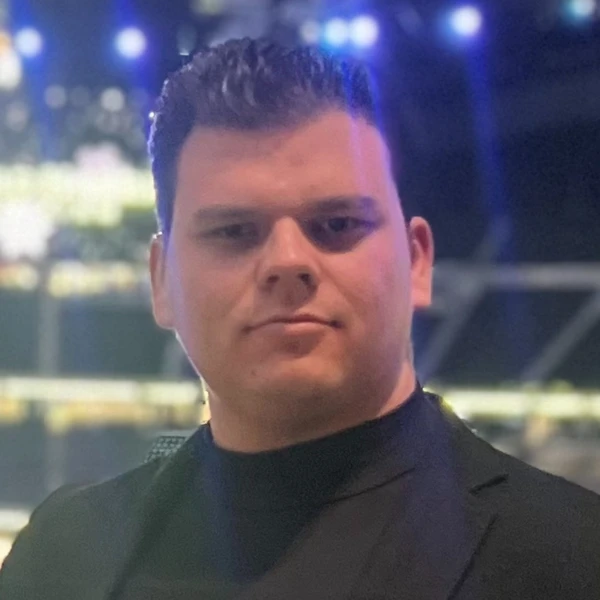
As 26 years old, I'm passionate and dedicated student currently pursuing a career in respiratory therapy. My journey into the medical field is fueled by a genuine desire to help others and a deep curiosity about the human body—especially how we breathe and heal.
A proud graduate of Silverado High School, I always had a strong interest in healthcare and wellness. Over the years, I gained valuable hands-on experience working in various health-related environments, including massage therapy clinics, chiropractic offices, and physical therapy centers. These roles not only strengthened my understanding of patient care but also confirmed my commitment to becoming a healthcare professional.
In addition to my academic pursuits, I enjoys reading and spends much of my free time researching medical topics and staying current with developments in the field. Known for my strong work ethic, attention to detail, and compassionate nature, I will walk a purposeful path toward becoming a skilled and empathetic respiratory therapist.
Education
Carrington College-Las Vegas
Associate's degree programSilverado High School
High SchoolMiscellaneous
Desired degree level:
Bachelor's degree program
Graduate schools of interest:
Transfer schools of interest:
Majors of interest:
Career
Dream career field:
Hospital & Health Care
Dream career goals:
Massage Therapist
Private2019 – Present7 years
Sports
Baseball
2025 – Present1 year
Research
Health Professions and Related Clinical Sciences, Other
Massage Therapist2018 – Present
Arts
none
Drawing2025 – Present
Public services
Volunteering
Nevada Childhood Cancer Foundation — Massage Therapist2020 – 2022
Lost Dreams Awaken Scholarship
Recovery, to me, means more than just healing from illness, addiction, or hardship—it means reclaiming strength, dignity, and hope, one day at a time. It’s a deeply personal and often non-linear journey, shaped not only by the individual going through it but also by the people around them. While I have not personally experienced recovery from a major illness or addiction, I’ve seen its power up close through my cousin’s experience with substance abuse and my neighbor’s battle with ALS. These experiences have shown me that recovery is not just about getting “back to normal,” but about building a new life with purpose, self-respect, and support.
Watching my cousin go through the difficult process of addiction recovery was eye-opening. There were moments of relapse, frustration, and shame—but also moments of honesty, breakthrough, and incredible courage. I came to understand that recovery requires more than willpower. It demands a community, access to resources, and above all, compassion. It’s not just about quitting a substance.
Similarly, my neighbor’s journey with ALS offered another perspective on recovery. Though ALS is not a disease one recovers from in the traditional sense, there was still recovery happening every day—emotionally, mentally, and spiritually. I watched them adapt to life with mobility loss and breathing difficulties, and I witnessed how their family found ways to recover their sense of hope, love, and peace amid the progression of a terminal illness. That too is recovery: choosing life, connection, and purpose, even in the face of irreversible change.
Sandra West ALS Foundation Scholarship
Although I am not the child of a parent with ALS, my close relationship with a neighbor who has battled this devastating disease has had a powerful and lasting impact on my life. Watching someone I care about slowly lose the ability to move, speak, and breathe has been deeply emotional—but it has also sparked a calling within me. Their experience has influenced my educational path, reinforced my desire to pursue a career in respiratory therapy, and given me a greater sense of empathy, purpose, and responsibility.
My neighbor was once vibrant and active—someone who always took time to check in, share a laugh, or lend a helping hand. As ALS progressed, I watched that energy dim but never disappear. I saw how cruelly the disease stripped away physical function while leaving the mind alert and aware. I also saw how critical respiratory care became as their ability to breathe declined. It was in those moments—when ventilators, oxygen therapy, and compassionate care made a difference—that I knew I wanted to dedicate my life to this field.
As a Latino Cuban student raised in a single-mother household, my journey has never been simple. I’ve faced financial limitations, language barriers, and the pressure of being a first-generation college student. But through every challenge, I’ve remained determined. I’m currently studying respiratory therapy and have worked in chiropractic and physical therapy clinics while also volunteering with the Nevada Childhood Cancer Foundation and disability support organizations. These experiences have taught me the importance of care that goes beyond treatment—care that honors the dignity of the person.
My neighbor’s journey with ALS reminded me why this kind of care is so important. They didn’t just need machines or medications—they needed people who understood, who listened, and who showed up. That’s the kind of respiratory therapist I want to be: someone who brings skill, yes, but also presence and humanity.
Financially, the path has been tough. Like many students from low-income households, I’ve had to balance school with work just to make ends meet. Tuition, textbooks, clinical fees, transportation—it all adds up quickly. A scholarship would significantly lighten that burden, allowing me to focus more on my studies and less on whether I can afford to keep going. It would give me space to breathe, to learn, and to continue volunteering and serving the community that shaped me.
Most importantly, this scholarship would be an investment in someone who is committed to giving back. My goals aren’t just about personal success—they’re about impact. I want to work in hospitals and clinics that serve underserved populations, advocate for patients and families dealing with degenerative diseases like ALS, and inspire others from backgrounds like mine to enter healthcare with heart and purpose.
The story of my neighbor’s ALS journey is not mine alone—but it is one that lives in me and drives me. Through education, I plan to turn that story into hope, healing, and meaningful change.
Sunflower Seeds Scholarship
Russia’s war in Ukraine has been a devastating global event, but for me, it has also been deeply personal. As someone with close Ukrainian friends, I’ve witnessed the emotional and psychological toll the conflict has had—not only on those directly involved, but on the people who love and support them from afar. Their pain has become part of my own journey, shaping my worldview and deepening my sense of responsibility to serve others through empathy, resilience, and purpose.
When the war began, I saw my Ukrainian friends go from students and professionals to survivors of uncertainty, fear, and grief. Phone calls became less about everyday life and more about checking if loved ones were still safe. I watched them mourn for their country, worry for their families, and carry on while holding onto hope with unimaginable strength. These conversations changed me. They pushed me to stop taking stability for granted and motivated me to use my opportunities—especially my education—as a way to uplift not just myself, but others affected by hardship.
As a Cuban Latino student raised by a single mother, I’ve always understood what it means to fight for a better future. I’m currently studying respiratory therapy, and my background working in medical facilities like chiropractic and physical therapy clinics, combined with my volunteer work for the Nevada Childhood Cancer Foundation and disability organizations, has shown me that healing takes many forms. Whether physical, emotional, or psychological, I want to be part of that healing—especially for those who’ve endured trauma from conflict or displacement, like my Ukrainian friends.
The war in Ukraine has reinforced my commitment to resilience, compassion, and community. I’ve become more focused and determined in my studies, knowing that achieving my degree is more than personal—it’s part of a broader mission to serve others, especially those who’ve lost access to healthcare, safety, or peace. I’ve seen how war can ripple across borders, affecting lives in ways we never imagined. I want to be someone who stands in the gap for those who need care and support in the wake of such tragedy.
By earning my degree, I’ll be in a position to offer specialized care to patients who are vulnerable—refugees, trauma survivors, and individuals with chronic conditions made worse by instability. I hope to work both locally and globally to bring relief to underserved populations, including those displaced or impacted by war. My long-term goal is to advocate for better healthcare access, mental health support, and culturally competent care for immigrant and refugee communities.
In the end, this war has taught me the importance of solidarity, and how pain shared by friends becomes a call to action. I can’t stop a war, but I can help people rebuild their lives. My education in healthcare is my tool to do that—with compassion, skill, and unwavering determination.
College Connect Resilience Award
Resilience, to me, means the ability to face adversity with strength, determination, and hope, refusing to be defined or limited by life’s challenges. As a college student pursuing a degree in respiratory therapy while navigating the realities of having a close family member with a chronic medical condition, resilience is more than a concept—it is a way of life. It shapes how I approach my studies, my work, and my commitment to making a positive impact in my community.
Growing up as a Latino Cuban raised by a single mother, I learned early on that life often demands perseverance. My family’s sacrifices and hard work instilled in me a deep appreciation for resilience and the value of pushing forward despite obstacles. Watching my cousin live with a chronic illness has further reinforced this lesson. Though their condition has brought many difficulties, their strength and refusal to give up have been a constant source of inspiration. They have shown me that resilience isn’t about avoiding hardship but about meeting it head-on with courage and grace.
As a college student, I face my own set of challenges. Balancing demanding coursework in respiratory therapy with volunteering at medical facilities like chiropractic and physical therapy clinics, as well as contributing to organizations such as the Nevada Childhood Cancer Foundation and disability support groups, requires discipline and a strong work ethic. There are days when fatigue or stress threaten to overwhelm me, but resilience means recognizing those moments as part of the journey—not signals to quit.
Living resilience means setting clear goals and maintaining focus, even when the path is difficult. It means managing time wisely, seeking support when needed, and staying motivated by the larger purpose behind my work: to provide compassionate, skilled care to those facing health struggles. My cousin’s experience with a chronic condition reminds me daily why this goal matters, fueling my determination to succeed and give back.
Resilience also means being unselfish—thinking beyond myself to support others who face their own battles. Volunteering has been a vital outlet for me to practice this, offering comfort, advocacy, and hope to patients and families dealing with serious illnesses or disabilities. These moments deepen my empathy and reinforce my commitment to the healthcare field.
For me, resilience is a continuous process. It involves learning from setbacks and adapting to new challenges. It means celebrating small victories, like mastering a difficult course or seeing a patient improve, and using those moments to build confidence and momentum.
Ultimately, resilience is what transforms hardship into growth. It empowers me to keep moving forward, knowing that each step brings me closer to my goal of making a meaningful difference as a respiratory therapist.
In sharing my story, I hope to encourage others facing challenges to embrace resilience as a source of power and possibility. With the right support and mindset, we can overcome obstacles and create positive change.
Laurette Scholarship
My cousin’s autism diagnosis has been a profound influence on my life, teaching me valuable lessons about resilience, empathy, and the power of growth. Watching their journey has helped me understand the importance of patience and acceptance while inspiring me to pursue my goals with determination and compassion. Their experience has shaped not only who they are but also how I view challenges and opportunities in my own life.
Growing up, I saw firsthand how autism affected my cousin’s interactions and daily life. It was sometimes difficult for them to navigate social situations, communicate their feelings, or manage sensory overloads that many people take for granted. Yet, through every challenge, I witnessed their courage and determination to grow and thrive. Their progress, no matter how small it seemed to others, was a powerful reminder of the strength required to overcome obstacles.
Their diagnosis also opened my eyes to the importance of understanding and support from family and community. As a Latino Cuban from a single-parent household myself, I deeply appreciate how cultural values of family and resilience play a role in facing adversity. Seeing how my cousin’s support network rallied around them taught me the value of unselfishness and strong communication, qualities I strive to practice in my own life.
My cousin’s journey has inspired me as I pursue my degree in respiratory therapy. In my studies and volunteer work—whether at chiropractic and physical therapy clinics or organizations like the Nevada Childhood Cancer Foundation and disability support groups—I carry with me the lessons learned from my cousin’s experience. I’ve grown more patient, empathetic, and focused on providing care that respects the whole person, recognizing that everyone faces unique challenges.
Resilience is a trait I especially admire in my cousin. Despite difficulties, they have continued to grow socially, emotionally, and intellectually, showing remarkable determination. Their journey reminds me that growth isn’t always linear and that perseverance is key. This perspective motivates me to stay focused on my goals, even when life gets tough.
Leadership, to me, means guiding others with empathy and understanding—something my cousin’s experience has shown me in action. Whether helping organize volunteer activities or supporting peers in my studies, I try to lead by example, emphasizing kindness, communication, and a strong work ethic.
Ultimately, my cousin’s autism diagnosis has been a source of inspiration that shapes how I approach life, education, and service. Their journey has deepened my commitment to making a positive impact in the healthcare field and beyond, empowering others to embrace their differences and pursue their dreams with confidence.
Johnna's Legacy Memorial Scholarship
Having a close family member living with a chronic medical condition has profoundly influenced my outlook on life, resilience, and purpose. Although I won’t disclose the specific diagnosis, my cousin’s journey has opened my eyes to the realities of living with ongoing health challenges and has inspired me to strive for excellence despite limitations. Witnessing their strength and determination has shaped my desire to make a meaningful impact on the world and empower others facing similar struggles.
The presence of this chronic condition in my cousin’s life has affected our entire family, teaching me compassion and patience in ways I never anticipated. I have seen firsthand how the condition can create physical, emotional, and social hurdles, not only for my cousin but also for those who support them. This experience has made me more empathetic and aware of the hidden battles many people face daily. It’s a constant reminder that health struggles are not always visible, yet they profoundly affect quality of life.
Despite the difficulties, what inspires me most is my cousin’s unwavering spirit and resilience. Their ability to confront challenges head-on, maintain hope, and continue pursuing their passions encourages me to adopt the same mindset in my own life. I am reminded that while limitations may exist, they do not define a person’s potential or worth. This inspiration fuels my determination as I pursue my degree in respiratory therapy—a field where I can directly contribute to improving others’ health and well-being.
The impact of this experience extends beyond personal motivation. It has instilled in me a deep commitment to help empower others facing health challenges. Through my volunteer work with organizations like the Nevada Childhood Cancer Foundation and disability support groups, I strive to provide comfort, support, and advocacy for those in need. I believe that by sharing stories of resilience and fostering understanding, we can break down barriers and create a more compassionate community.
In my professional journey, I plan to use my education and skills to make a tangible difference in patients’ lives, particularly those managing chronic illnesses. Respiratory therapy offers a unique opportunity to improve breathing and overall health—critical areas for many individuals living with long-term conditions. By combining technical expertise with empathy, I hope to offer holistic care that acknowledges both physical and emotional needs.
Ultimately, my cousin’s experience has shaped my values of resilience, compassion, and unselfishness. It has shown me the power of perseverance and the importance of supporting one another. I am determined to continue learning, growing, and using my knowledge to uplift those facing health challenges, helping them realize that limitations do not define their potential. Through education, advocacy, and genuine care, I want to inspire hope and empower others to live their fullest lives.
Boatswain’s Mate Third Class Antonie Bernard Thomas Memorial Scholarship
In my daily life, I strive to embody strong leadership, effective communication, resilience, selflessness, focus, determination, and a strong work ethic. These traits are not just ideals I admire—they are qualities I actively practice as I pursue my degree in respiratory therapy while balancing my responsibilities as a Latino Cuban raised by a single mother. My experiences working in medical facilities like chiropractic and physical therapy clinics, along with volunteering for the Nevada Childhood Cancer Foundation and disability organizations, have deeply shaped how I live out these values.
Leadership, to me, means guiding others by example and fostering an environment of trust and collaboration. Whether I’m working with patients or volunteering, I prioritize clear, compassionate communication to ensure everyone feels heard and supported. In healthcare settings, this skill is crucial for teamwork and providing quality care. I listen carefully, explain procedures clearly, and encourage patients and colleagues alike. This ability to communicate well has helped me build strong relationships and lead by example, even in small ways, such as organizing tasks or mentoring new volunteers.
Resilience is another key trait I display every day. Growing up in a single-parent household presented challenges that taught me perseverance and adaptability. Balancing school, work, and family responsibilities requires mental toughness, especially when faced with setbacks or long hours. I’ve learned to stay focused on my goals, viewing obstacles as opportunities to grow rather than reasons to quit. This resilience fuels my determination to succeed in respiratory therapy and make a lasting difference in people’s lives.
Being unselfish is central to my character. Volunteering with children facing cancer and supporting individuals with disabilities has opened my eyes to the power of giving back. I approach each opportunity with genuine care, putting the needs of others before my own. Whether it’s offering a comforting word or lending a helping hand, I understand that small acts of kindness can have a huge impact. This mindset extends to my professional life, where patient-centered care is always my priority.
Focus and determination are the driving forces behind my academic and career goals. Studying respiratory therapy demands dedication, attention to detail, and continual learning. I’m committed to mastering my studies because I want to provide the best possible care to patients, especially those who may face barriers to healthcare access in my Latino community. My determination keeps me motivated through late nights and challenging coursework.
Finally, a strong work ethic underpins everything I do. I believe success comes from consistent effort, responsibility, and integrity. Whether working in clinical settings or volunteering, I give my best every day, knowing that hard work lays the foundation for future opportunities and growth.
Looking ahead, my goal is to become a respiratory therapist who not only provides excellent care but also advocates for health equity and education within underserved communities. Leadership, to me, means inspiring others to rise above challenges, communicate openly, and act with empathy. I aim to lead by example in my career and community, showing that resilience, kindness, and dedication can truly change lives.
Sabrina Carpenter Superfan Scholarship
I’ve been a fan of Sabrina Carpenter for several years now, and her career has had a meaningful impact on me both personally and creatively. What draws me to Sabrina is not just her incredible talent, but also her authenticity, resilience, and the way she uses her platform to inspire and empower others. Through her music, acting, and personal journey, Sabrina has become more than just an entertainer to me—she’s a role model who reminds me to stay true to myself and work hard for my dreams.
Sabrina’s voice is one of the first things that captivated me. Her ability to blend pop with soulful, heartfelt lyrics creates music that feels both relatable and uplifting. Songs like “Thumbs,” “Almost Love,” and “Sue Me” showcase her versatility as an artist and her commitment to crafting songs that resonate with real-life experiences. Listening to her music has often been a source of comfort and motivation during challenging times, reminding me that it’s okay to embrace imperfections and keep pushing forward.
Beyond her music, Sabrina’s acting career has shown me her dedication and willingness to challenge herself. From her early roles on Disney Channel’s Girl Meets World to more mature and complex characters in other projects, she has demonstrated growth and versatility. Watching her balance acting and music, while still maintaining a grounded and humble attitude, has encouraged me to pursue my passions with the same level of commitment, even when faced with obstacles.
What truly sets Sabrina apart is her authenticity. In a world where social media often encourages perfection, she openly shares her vulnerabilities and insecurities, making her incredibly relatable. Her openness about mental health, self-acceptance, and the importance of staying true to oneself has inspired me to be more honest with myself and those around me. It’s refreshing to see someone in the public eye use their platform not just for fame, but to foster a positive and supportive community.
Moreover, Sabrina’s career has motivated me to approach my own goals with resilience and purpose. As someone studying respiratory therapy and working in healthcare settings, I understand the importance of dedication and empathy—qualities Sabrina embodies in her career and public persona. Her journey reminds me that success comes from hard work, self-belief, and the courage to be vulnerable.
In conclusion, I’m a fan of Sabrina Carpenter because she represents talent, authenticity, and resilience in a way that feels genuine and inspiring. Her music has been a soundtrack to many moments in my life, and her career has taught me valuable lessons about perseverance and self-acceptance. Sabrina’s influence goes beyond entertainment—she encourages me to embrace my true self, work hard, and use my own journey to positively impact others. That is why her career has had such a lasting impact on me.
Love Island Fan Scholarship
For a fresh twist on Love Island, I propose the “Truth or Trust” Challenge — a game designed to test the honesty, intuition, and trust between couples and islanders, while creating dramatic and heartfelt moments. This challenge combines elements of classic truth-telling games with relationship insight, pushing contestants to reveal their feelings and intentions in a fun yet revealing way.
Setup and Rules:
Islanders will be paired up as couples or, if singles, matched temporarily with another islander for the duration of the challenge. Each pair sits in a private, cozy booth called the “Trust Pod,” where they will take turns answering personal questions posed by the host or drawn from a card deck. The questions range from light-hearted and funny to deep and emotional, designed to uncover secrets, hopes, doubts, and feelings.
After one islander answers a question honestly, their partner must decide if they believe the truth or suspect a lie. If they trust correctly, the couple earns points that could lead to rewards like a romantic dinner, spa treatment, or a private beach date. If they guess wrong, they face a playful penalty — such as having to swap partners for the next question round or perform a silly dare on camera.
Challenge Dynamics:
The challenge encourages islanders to be honest about their feelings, fears, and intentions, while also testing their ability to read their partner’s body language and sincerity. This makes the game equal parts psychological and emotional, providing rich material for drama, bonding, and personal growth.
It also adds a social dynamic for singles, who get a chance to pair up briefly with different islanders, potentially sparking new connections or rivalries. The light penalties keep the atmosphere fun and playful, preventing the game from becoming too intense or confrontational.
Why This Challenge Works:
“Truth or Trust” taps into the core of Love Island — relationships, trust, and emotional vulnerability. It reveals cracks and strengths in couples while encouraging open communication, a key to any successful relationship. The mixture of truth-telling and guessing keeps everyone engaged, and the rewards add motivation.
By blending honesty with intuition, this challenge creates unforgettable moments that are both entertaining and meaningful, offering fans a deeper glimpse into the islanders’ personalities and relationships. It’s a perfect balance of fun, emotion, and drama — everything Love Island stands for.
Taylor Swift Fan Scholarship
Taylor Swift’s twelfth studio album, The Life of A Showgirl, celebrates the remarkable journey of an artist who has grown and evolved in the relentless spotlight. Throughout her career, Taylor has given countless performances that resonate deeply with her fans, but one performance stands out as especially moving: her 2014 Grammy Awards rendition of “All Too Well.” This moment encapsulates not only her extraordinary talent but also her ability to convey raw emotion and vulnerability, connecting with audiences on a profound level.
“All Too Well” is often hailed as one of Taylor’s most emotionally honest songs, a heart-wrenching ballad about heartbreak, memory, and the lingering pain of lost love. When Taylor performed it live at the Grammys, she stripped away any artifice, delivering the song with an intensity and sincerity that felt almost intimate despite the grandeur of the stage. Her voice carried the weight of the story, and her expressive delivery made every lyric come alive, inviting the audience to feel every ache and nuance.
What makes this performance so moving is the way Taylor embodies the song’s narrative — not just singing it, but living it in real-time. You can see the vulnerability in her eyes, the controlled emotion in her tone, and the authenticity that has always set her apart as an artist. It’s a reminder that behind the fame and the dazzling performances, there is a person who experiences pain, hope, and growth just like anyone else.
This performance also marks a pivotal moment in Taylor’s career. It came at a time when she was transitioning from country star to global pop icon, asserting her place in the music industry with greater confidence and artistic maturity. The choice to perform “All Too Well” at such a prestigious event spoke volumes about her commitment to storytelling and emotional truth, rather than relying solely on spectacle.
Beyond the personal and professional significance, Taylor’s 2014 Grammy performance resonated widely because it tapped into a universal experience — the complexity of love and loss. Many fans have shared how “All Too Well” helped them process their own heartbreaks, making the live performance not just a showcase of talent but a shared moment of healing and empathy.
In the broader context of The Life of A Showgirl, this performance exemplifies Taylor’s ongoing journey: balancing the demands of fame with staying true to her art and emotions. It highlights her evolution as a performer who can captivate millions while still offering moments of genuine humanity.
In conclusion, Taylor Swift’s 2014 Grammy Awards performance of “All Too Well” remains one of her most moving moments because it perfectly blends artistry with authenticity. It captures the essence of her career — a life in the spotlight where vulnerability and strength coexist. This performance continues to inspire and connect with fans worldwide, embodying the spirit of The Life of A Showgirl and the remarkable artist that Taylor Swift is today.
Wicked Fan Scholarship
I’m a big fan of Wicked because it takes a well-known story and turns it upside down, giving a fresh and much deeper look at characters we thought we understood. Instead of the usual black-and-white portrayal of good versus evil, Wicked explores the complexity of its characters, especially Elphaba, the so-called “Wicked Witch.” It shows how misunderstandings, fear, and prejudice shape people’s lives, reminding us that there’s always more beneath the surface.
The themes of friendship, identity, and acceptance really resonate with me. Watching Elphaba and Glinda’s relationship grow from rivalry to a deep, supportive friendship is powerful and inspiring. It also challenges us to think about how society labels people and how those labels affect our actions and self-perception.
The music is another huge reason I love Wicked. Songs like “Defying Gravity” and “For Good” are not only beautifully composed but also emotionally moving. They capture moments of courage, hope, and change that stick with you long after the curtain falls.
Overall, Wicked is a story about empathy, understanding, and standing up for who you are, which is why it’s become one of my favorite musicals, and the great flora of ideas and passion by the writers and actors.
Monti E. Hall Memorial Scholarship
My grandfather’s military service has been a guiding light in my life, profoundly shaping my values and inspiring my decision to pursue higher education. As a Latino man of Cuban descent raised by a single mother in a low-income household, I have always admired his dedication, discipline, and commitment to serving something greater than himself. His experience in the military showed me the power of sacrifice and resilience—qualities I carry with me as I study respiratory therapy and strive to make a positive impact in my community.
Growing up, my grandfather often shared stories about his time in the military, emphasizing the importance of teamwork, perseverance, and giving back. Those lessons resonated deeply with me, especially as I faced my own challenges balancing school, work, and family responsibilities. His example reminded me that education is not just a personal achievement but a way to serve others and uplift those around me.
Choosing to study respiratory therapy is a reflection of my desire to help people in tangible, life-changing ways. The healthcare field appeals to me because it combines science, compassion, and practical skills—all essential for supporting patients through critical health challenges. My experiences working in medical facilities such as chiropractic and physical therapy clinics have reinforced my passion for healing and patient care. These roles have taught me the value of empathy and cultural sensitivity, especially when working with diverse populations like my own Latino community.
In addition to my academic pursuits, I have dedicated time to volunteer work with the Nevada Childhood Cancer Foundation and disability organizations. These opportunities have opened my eyes to the unique struggles faced by vulnerable groups and strengthened my commitment to making healthcare accessible and inclusive. I believe that everyone deserves quality care and support, regardless of their background or circumstances.
My grandfather’s military service has inspired me to approach my education and future career with a sense of duty—not just to my patients, but to my entire community. I want to use the skills and knowledge I gain in respiratory therapy to improve health outcomes, particularly for underserved populations who often face barriers to care. By bridging cultural gaps and advocating for patient-centered treatment, I hope to foster trust and healing in my community.
Looking ahead, I see my education as a stepping stone to broader community involvement. Just as my grandfather’s service extended beyond the battlefield, I want my work to extend beyond the clinic. Whether through health education, outreach programs, or volunteerism, I aim to be a catalyst for positive change and empowerment.
In conclusion, my grandfather’s military experience has profoundly influenced my decision to return to school and pursue respiratory therapy. His legacy of service, resilience, and sacrifice inspires me daily. Through my education, work experience, and volunteer efforts, I am committed to honoring that legacy by making a meaningful difference in my community—one breath at a time.
Cybersecurity for Your Community Scholarship
I want to use my cybersecurity knowledge to protect local small businesses and nonprofits from cyber threats, helping them stay safe and thrive. I believe that by educating my community on online safety and privacy, I can empower people to navigate the digital world with confidence. Cybersecurity is more than tech—it’s about trust and security for everyone, especially those who might not have access to expert resources. I also hope to mentor young people, especially from underrepresented backgrounds, encouraging them to explore tech careers. Ultimately, I want to build a safer, more inclusive digital space where my community can grow and succeed.
Autumn Davis Memorial Scholarship
I am a Latino man of Cuban descent, raised by a single mother in a low-income household. Growing up, I witnessed firsthand how mental health struggles can affect families and communities—sometimes silently, other times openly. These experiences have profoundly shaped my beliefs, relationships, and career aspirations, inspiring me to pursue a path where I can make a meaningful difference in mental health care.
Throughout my life, I have seen friends and family members face mental health challenges, including anxiety, depression, and the stigma that often surrounds these conditions. One close friend’s struggle with mental health was particularly eye-opening. It taught me that mental health is just as important as physical health, yet often overlooked or misunderstood. This realization changed my beliefs from indifference or misunderstanding to empathy and advocacy.
My relationships have been deeply influenced by this awareness. I have become a better listener, more patient, and more supportive of those facing emotional difficulties. I understand now that mental health challenges require compassion, not judgment. This shift has strengthened my connections with loved ones and broadened my capacity to support others in meaningful ways.
Inspired by these experiences, I am pursuing respiratory therapy, but my passion for mental health has become an integral part of my career vision. I believe that mental and physical health are inseparable, and effective healthcare must address both. Many patients with respiratory and chronic illnesses also struggle with anxiety or depression, which can affect their recovery and quality of life. My goal is to provide care that treats the whole person, recognizing the importance of mental well-being alongside physical healing.
Beyond clinical work, I am committed to raising awareness about mental health in my community. Coming from a Latino background, I know cultural barriers and stigma can prevent people from seeking help. I want to be an advocate for education, open dialogue, and accessible resources that empower individuals to take charge of their mental health without shame.
My volunteer work with organizations like the Nevada Childhood Cancer Foundation and disability support groups has shown me the power of community in healing. These experiences have reinforced my belief that creating supportive environments can make a real difference. I plan to continue this work by collaborating with mental health organizations and participating in outreach efforts that target underserved populations.
In the future, I hope to combine my clinical skills with mental health, and improve every day a step at a time.
Raise Me Up to DO GOOD Scholarship
I am a Latino man of Cuban descent, raised by a strong single mother in a low-income household. My friend shares a similar experience, having also been raised in a single-parent household. Observing my friend’s journey has profoundly influenced my understanding of resilience, family, and the power of community. Their story has shaped my own outlook on life and future goals, reminding me that no matter the challenges, there is always hope for a better tomorrow.
Growing up in a single-parent household often means taking on responsibilities early, learning the value of hard work, and developing a deep sense of independence. For my friend, this experience meant navigating both the struggles and the strengths that come with such a family dynamic. It has instilled in them a profound empathy and desire to give back—qualities that have inspired me greatly.
The challenges my friend faced—financial hardships, balancing schoolwork with family duties, and overcoming social stigmas—reflect those I have experienced in my own life. These obstacles, while difficult, have fostered determination and perseverance. Seeing my friend’s ability to push forward, maintain hope, and strive for success has been a source of motivation for me.
Looking ahead, my friend envisions a future where their talents and experiences can be used to help others. Although they may not yet have a specific career path in mind, their commitment to making a positive impact is clear. This resonates deeply with me because I believe that helping others is not limited to a job title but is a lifelong mission that can take many forms.
My own journey, fueled by my studies in respiratory therapy, reflects this commitment to service and community. Inspired by my friend and my family’s sacrifices, I aim to use my education to improve healthcare accessibility and quality for underserved populations. But beyond the healthcare field, I share my friend’s broader vision of using talents—whether in leadership, education, or advocacy—to uplift others.
Being raised in a single-parent household has taught us both that resilience is born from challenge and that success is measured not just by personal achievements but by the positive influence we have on those around us. My friend’s experience has reinforced my belief in the power of community support, cultural understanding, and the importance of role models.
Together, our stories demonstrate that backgrounds defined by adversity can lead to futures full of purpose and possibility. Whether through healthcare, community work, or simply being there for others, we are committed to using what we have learned to create a better world.
In conclusion, witnessing my friend’s journey as someone raised in a single-parent household has been both humbling and inspiring. It reminds me that no matter what career path I take, my goal will always be to serve, uplift, and make a meaningful difference. The strength we’ve gained from our pasts will fuel our future efforts to help people—because that is where true success lies.
Zedikiah Randolph Memorial Scholarship
My name is Andrew, and I am a Latino man of Cuban descent, raised by a single mother in a low-income household. These experiences have deeply shaped who I am and the path I am pursuing today. I am currently studying respiratory therapy because I want to make a direct, positive impact on people’s health—especially those from underserved communities like my own.
Growing up, I saw firsthand the health disparities that many in my community faced. Family members and close friends struggled with chronic illnesses such as ALS and other respiratory-related conditions. Their battles inspired me to seek a career where I could make a real difference in patients’ lives, helping them breathe easier and live healthier, fuller lives. Choosing respiratory therapy was not just a career decision—it was a commitment to serve, to heal, and to advocate for those often overlooked in healthcare.
In my program, Latino men like me represent a small percentage of students, reflecting a larger underrepresentation in healthcare fields. This reality motivates me even more to succeed and be a role model. I understand the power of representation. Seeing someone who looks like you, shares your background, or speaks your language can be life-changing. It creates a sense of belonging and possibility.
My goal is to inspire the next generation of Latino and minority students to pursue healthcare and other STEM careers. I want to be that example—a testament to what hard work, resilience, and dedication can accomplish despite systemic challenges. I plan to engage with my community through volunteer work, mentorship programs, and outreach events that encourage young people to dream big and pursue their passions.
Additionally, I aim to bring cultural competency to my future workplace, ensuring that patients receive care that respects their backgrounds and unique needs. I believe this approach not only improves health outcomes but also builds trust between providers and the communities they serve.
By breaking barriers and sharing my story, I hope to increase the odds for those who come after me. I want to show that no matter where you start, with determination and support, you can achieve your goals and make a meaningful impact. This scholarship would be a vital step in helping me continue my education and amplify my efforts in making healthcare more inclusive and accessible.
In summary, my journey is fueled by a desire to honor my family’s sacrifices and give back to the community that shaped me. Through respiratory therapy, I plan to improve lives, inspire others, and help build a future where diversity in healthcare is not the exception but the norm.
Deanna Ellis Memorial Scholarship
Though I have not personally struggled with substance abuse, my cousin’s battle with addiction has had a profound impact on my life, shaping my beliefs, relationships, and career aspirations. Coming from a Latino Cuban family raised by a single mother, I have always valued family and resilience. Watching my cousin navigate the challenges of addiction has deepened my understanding of the complexities of this disease and inspired me to pursue a career focused on healing and support.
My cousin’s experience with substance abuse was a difficult chapter filled with pain and struggle. It affected not only their health but also the bonds within our family. At times, it was heartbreaking to witness someone so close to me wrestle with addiction’s grip. The experience challenged my beliefs about addiction, shifting them from judgment to empathy. I came to understand that addiction is not simply a choice but a complex condition that requires compassion, treatment, and ongoing support.
This journey also tested and ultimately strengthened my relationships. Supporting my cousin through their recovery deepened my commitment to family and community. It taught me the importance of patience, listening without judgment, and offering encouragement during the hardest moments. It also made me realize how critical it is to create environments where individuals feel safe to seek help without fear of stigma.
My cousin’s recovery journey inspired me to pursue respiratory therapy—a field that not only addresses physical health but often intersects with substance abuse treatment and mental health. Many people struggling with addiction face respiratory issues and other chronic conditions. Through my education and future career, I want to provide compassionate care that recognizes the whole person, including their struggles and strengths.
Moreover, this experience has ignited a passion for advocacy. I want to help break down the stigma surrounding addiction and promote greater awareness about its causes and treatments. By educating patients and communities, I hope to foster environments where seeking help is seen as a sign of strength rather than weakness.
In addition, my volunteer work with organizations such as the Nevada Childhood Cancer Foundation and disability groups has shown me how vital community support and outreach are in improving lives. These experiences complement what I’ve learned through my cousin’s story, reinforcing my commitment to holistic care and social justice.
Ultimately, my cousin’s journey with substance abuse has profoundly shaped who I am today. It has influenced my beliefs by teaching me empathy over judgment, strengthened my relationships through deeper family bonds, and shaped my career goals by inspiring me to become a healthcare professional dedicated to supporting vulnerable populations.
Through my education in respiratory therapy, I aim to make a meaningful difference in the lives of individuals battling addiction and other health challenges. I want to be a part of a compassionate healthcare system that heals not just the body, but also the mind and spirit.
Promising Pathways-Single Parent Scholarship
I am currently studying respiratory therapy, a field that has captured my passion because of its direct impact on improving people’s health and quality of life. Growing up in a single-parent household raised by my mother, I’ve faced many obstacles on my educational journey, but these challenges have only strengthened my resolve to succeed and give back to my community.
From the beginning, my path in school has been marked by the reality of limited resources and responsibilities at home. As someone from a low-income family, I often had to balance work, school, and helping out at home to support my family. While I am not a single parent myself, my upbringing by a single mother taught me the value of sacrifice, hard work, and perseverance. Watching her navigate the hardships of providing for our family inspired me to pursue my goals with determination, even when the odds seemed stacked against me.
One of the biggest obstacles I’ve faced is managing time and stress while striving to maintain good grades and gain practical experience. The demands of respiratory therapy courses are rigorous, requiring not only academic excellence but also clinical practice in healthcare settings. On top of this, financial pressures sometimes threatened to derail my progress. Despite these challenges, I remained committed by focusing on my passion for healthcare and the difference I want to make.
My work experience in chiropractic and physical therapy clinics, along with my volunteer work with the Nevada Childhood Cancer Foundation and disability support organizations, has reinforced my dedication to patient care and community service. These experiences have shown me how important it is to treat patients with compassion and cultural sensitivity, especially in underserved communities like mine.
Once I complete my degree in respiratory therapy, my goals are clear. I plan to work in healthcare settings where I can help patients manage respiratory conditions, improve their breathing, and enhance their overall well-being. I want to serve populations that often face barriers to quality care, including Latino and low-income families, by providing culturally competent and empathetic treatment.
Beyond clinical practice, I aspire to be an advocate for health education and equity. I believe that educating patients and communities about respiratory health, prevention, and management is key to reducing health disparities. I also want to be involved in community outreach programs that promote wellness and support for individuals with chronic illnesses.
My journey through education has not been easy, but it has been deeply rewarding. The obstacles I have overcome have taught me resilience, discipline, and the power of hope. They have also strengthened my commitment to use my skills and experiences to make a positive impact in the lives of others.
In summary, my studies in respiratory therapy are more than just a career path—they are a calling. I am motivated by the challenges I have faced and the desire to help others overcome their own. With my education, I am ready to contribute to healthcare, support my community, and honor the sacrifices made by my mother and family.
Trudgers Fund
While I have not personally struggled with addiction, my cousin’s battle with substance abuse has deeply influenced my understanding of resilience, compassion, and the critical importance of support systems. As a Latino man of Cuban heritage raised by a single mother, I have grown up witnessing the strength required to overcome adversity. My cousin’s journey through addiction has become a powerful example of hope and transformation that continues to inspire me.
My cousin’s addiction began during a particularly difficult period in their life. Like many who fall into substance abuse, they were searching for relief from emotional pain and challenging circumstances. The addiction quickly took hold, affecting their health, relationships, and overall well-being. Watching them struggle was heartbreaking. It wasn’t just the physical deterioration that weighed on our family—it was the emotional toll of feeling powerless to help someone we loved deeply.
This experience opened my eyes to the harsh realities of addiction. I learned that addiction is not a moral failure or a lack of willpower, but a complex disease that affects the brain and body. It requires medical treatment, emotional support, and understanding from those around the person. This understanding fueled my desire to pursue a career in healthcare, where I can make a difference in the lives of people facing difficult health challenges, including addiction.
The turning point in my cousin’s life came when they decided to embrace sobriety. The path to recovery was anything but easy. It required tremendous courage, persistence, and the willingness to seek help through therapy and support groups. Our family rallied around them, providing encouragement and understanding as they rebuilt their life. Witnessing this transformation has been one of the most inspiring moments of my life.
Since becoming sober, my cousin has become a symbol of hope in our family and community. Their story demonstrates that recovery is possible with the right resources and mindset. Their strength has taught me that healing is a holistic process—one that involves addressing physical health, mental well-being, and social support.
As I continue my studies in respiratory therapy, I am motivated by this lesson. I want to use my education not only to help patients with chronic illnesses but also to support those struggling with addiction and related health issues. Many individuals battling substance abuse also face respiratory complications and other chronic conditions that require compassionate, comprehensive care. My goal is to work in healthcare environments that integrate physical and mental health services to provide holistic treatment.
Beyond clinical care, I am passionate about education and advocacy. I believe raising awareness about addiction, breaking down stigma, and promoting accessible treatment options are essential to improving outcomes. I want to be part of a healthcare system that treats patients with dignity and understanding, recognizing that everyone’s journey to recovery is unique.
My cousin’s experience has profoundly shaped my perspective on healthcare and life. It has taught me the power of resilience, the importance of community, and the impact of compassion. Through my career, I hope to honor their journey by dedicating myself to helping others overcome their challenges and reclaim their lives.
The F.O.O. Scholarship
I’m a Latino man of Cuban descent raised by a strong single mother who taught me that no matter the obstacles, giving up is never an option. Growing up in a low-income household meant facing many challenges—financial struggles, limited resources, and the pressure of balancing school with responsibilities at home. But those challenges also fueled my drive to build a better future for myself and my community.
Right now, I’m studying respiratory therapy because I want to help people breathe easier—literally and figuratively. I’ve worked in chiropractic and physical therapy clinics, volunteered with the Nevada Childhood Cancer Foundation, and supported disability organizations. These experiences have taught me that healthcare is more than medicine; it’s about compassion, education, and lifting others up.
Though I haven’t experienced homelessness, I’ve witnessed hardship in my community and family, which has deepened my empathy and commitment to service. I’ve learned to be resourceful, resilient, and hopeful even in tough times.
This scholarship would mean the world to me. It would ease the financial burden of tuition and allow me to focus more on my studies and volunteering—two things I’m passionate about. More importantly, it would bring me closer to my dream of becoming a healthcare professional who not only treats illness but empowers underserved communities with knowledge and care.
Personally, this scholarship would give me peace of mind and motivation. Professionally, it would open doors to more opportunities, helping me grow into the kind of therapist and advocate my community needs.
Thank you for considering me. I’m excited to continue this journey and give back in ways that honor where I come from and where I’m going.
Rainbow Futures Scholarship
While I am not personally part of the LGBTQ+ community, my cousin is, and witnessing their journey has profoundly influenced my understanding of resilience, courage, and the importance of advocacy. As a Latino man of Cuban heritage raised by a single mother, I have always valued family and community, and watching my cousin face and overcome the challenges of being LGBTQ+ in a culture that can sometimes be unforgiving has inspired me deeply.
My cousin’s path has not been easy. They have encountered prejudice, misunderstanding, and even rejection, both within and outside our family. Despite these obstacles, they have shown incredible strength and determination to live authentically and advocate for their rights. Their courage has not only helped them grow personally but has also encouraged others around them to embrace diversity and inclusion.
This experience has shaped my cousin’s aspirations for higher education. They are committed to pursuing a degree that will empower them to be an effective advocate for LGBTQ+ rights and social justice. Their goal is to work within communities to promote equality, raise awareness, and provide support for those who still face discrimination and barriers to acceptance.
Receiving a scholarship would be a critical step for my cousin. Like many students from single-parent, low-income families, financial burdens can create significant obstacles to accessing higher education. This scholarship would alleviate some of those pressures, allowing them to focus fully on their studies and advocacy work without the constant worry about tuition and living expenses. It would enable them to access resources, participate in programs, and connect with mentors who can help guide their path.
Beyond the financial support, this scholarship represents an acknowledgment of their identity and their commitment to creating positive change. It would fuel their passion and determination to continue fighting for a world where LGBTQ+ individuals can live openly and without fear of discrimination.
As someone studying respiratory therapy and deeply involved in healthcare and volunteerism, I see the vital connection between advocacy and well-being. Health outcomes improve when individuals feel safe, accepted, and supported. My cousin’s journey reinforces my belief that advocacy for marginalized communities, including LGBTQ+ people, is essential for building a healthier and more just society.
In the years to come, my cousin plans to leverage their education not only to advance LGBTQ+ rights but to promote intersectional awareness that includes race, culture, and socioeconomic status. They understand that true social progress requires embracing all aspects of identity and experience.
Watching my cousin navigate their challenges with bravery and grace has been inspiring. Their story is a reminder that personal struggles can fuel powerful movements for change. With the support of scholarships and education, I am confident they will continue to be a strong voice for LGBTQ+ rights and social equity.
Robert F. Lawson Fund for Careers that Care
My name is Andrew, and I am a proud Latino man of Cuban heritage raised by a single mother. My journey has been shaped by resilience, family dedication, and a passion for helping others—values instilled in me from a young age. Growing up in a low-income household, I learned early the importance of perseverance and community support, lessons that continue to guide me as I pursue a career in healthcare. Specifically, I am studying respiratory therapy because I want to make a tangible, positive impact on people’s lives, especially those facing chronic illnesses and health disparities.
From my earliest memories, I saw how difficult it was for families like mine to access quality healthcare and support. Loved ones struggled with conditions like ALS and Sickle Cell Disease, and I witnessed firsthand the challenges they faced—not only physically, but emotionally and socially. These experiences inspired me to pursue a career where I can be a part of the solution: a healthcare professional who provides compassionate, culturally sensitive care and advocates for patients who might otherwise be overlooked.
My background working in medical settings such as chiropractic and physical therapy clinics, alongside my volunteer work with the Nevada Childhood Cancer Foundation and disability support organizations, has given me valuable insight into patient care and the importance of community outreach. These roles reinforced my belief that healthcare isn’t just about treating symptoms—it’s about treating people with dignity and understanding.
Through my career in respiratory therapy, I plan to make a positive impact by helping patients breathe easier and live fuller lives. Respiratory health is critical for many chronic illnesses, and I want to ensure that individuals from underserved communities receive the high-quality care they deserve. Beyond clinical work, I am committed to health education, teaching patients and families how to manage their conditions and improve their well-being.
I also recognize the importance of representation and cultural competence in healthcare. As a Latino man, I understand how language barriers and cultural differences can affect care. I want to serve as a bridge—someone who not only understands the medical side of health but also connects with patients on a personal level. This connection builds trust, improves outcomes, and empowers people to take control of their health.
In the future, I envision expanding my impact beyond direct patient care by engaging in community health initiatives and advocacy. I want to participate in programs that raise awareness about respiratory diseases and promote healthier lifestyles, especially in minority and low-income neighborhoods. By combining clinical expertise with community involvement, I believe I can contribute to reducing health disparities and creating a more equitable healthcare system.
Ultimately, my goal is to dedicate my career to serving others with compassion, skill, and respect. I want to honor the sacrifices of my mother and the resilience of my community by giving back in meaningful ways. Through my work, I hope to inspire others from similar backgrounds to pursue their dreams and believe in their ability to make a difference.
Lotus Scholarship
Growing up in a single-parent household shaped my character, my goals, and my commitment to persevere through life’s challenges. Raised by a hardworking Cuban mother, I learned early that strength isn’t about avoiding hardships—it’s about facing them head-on, with determination and resilience. Our family didn’t always have financial stability or easy answers, but my mother’s unwavering dedication to providing for me taught me the true meaning of sacrifice and perseverance.
Being raised by a single mother in a low-income environment presented many obstacles. From limited resources to balancing school with responsibilities at home, I often faced situations where giving up would have been the easier choice. But those challenges became my motivation to push forward. I understood that education was my path to a better life—not just for me, but for my family and community. This mindset has kept me focused as I pursue my studies in respiratory therapy, a field where I can make a real difference in people’s lives.
Right now, I am actively working towards these goals by engaging in healthcare work and community service. I’ve gained practical experience working in chiropractic and physical therapy clinics, where I’ve supported patients managing chronic pain and disabilities. Volunteering with the Nevada Childhood Cancer Foundation and disability support organizations has shown me the power of community-based programs and the importance of advocacy.
In school, I am dedicated to excelling academically and building the skills necessary for a successful healthcare career. I am committed to learning not just the technical aspects of respiratory therapy, but also how to communicate effectively and compassionately with patients from diverse backgrounds.
My journey has not been easy, but it has made me who I am: someone who believes in the power of perseverance and the responsibility to give back.
Henry Respert Alzheimer's and Dementia Awareness Scholarship
Alzheimer’s disease is often described as a thief of memories, and watching a close friend face this illness has profoundly impacted my life. As a Latino man of Cuban descent raised by a single mother, I understand the importance of family, community, and resilience. While this disease did not affect me directly, witnessing its effects on someone I care about has shaped my understanding of compassion, patience, and the importance of support networks.
My friend was always full of life—vibrant, engaging, and someone who made those around him feel valued. Over time, Alzheimer’s gradually stole away his memories, his independence, and parts of the person I once knew. It was heartbreaking to see him struggle with simple tasks, forget important details, and become confused in situations that were once familiar. What made it even more difficult was how the disease affected his family and friends, who were forced to adjust to the changes while supporting him through this difficult journey.
Seeing the impact of Alzheimer’s on my friend and those close to him opened my eyes to the importance of empathy and community. It also taught me how critical it is to have access to compassionate, knowledgeable healthcare providers who understand both the physical and emotional toll of dementia-related illnesses. This experience further inspired my decision to pursue respiratory therapy and to work in healthcare, where I hope to be part of a team that supports patients and families navigating chronic and complex illnesses.
I’ve learned that diseases like Alzheimer’s don’t just affect the individual—they ripple through families and communities, altering dynamics and creating new challenges. As someone from a single-mother household, I’ve always valued the power of support systems, and this experience reinforced my belief that no one should face illness alone. Support from family, friends, healthcare professionals, and community resources can make a tremendous difference in quality of life.
Volunteering with organizations such as the Nevada Childhood Cancer Foundation and disability support programs has helped me understand the importance of advocacy and inclusion. These lessons are directly applicable to Alzheimer’s care, where raising awareness and providing education about the disease are vital. I believe that by increasing public understanding, we can reduce stigma and encourage earlier diagnosis and intervention, ultimately improving outcomes for patients and families.
Watching my friend’s journey with Alzheimer’s has also deepened my appreciation for the human spirit’s resilience. Despite the losses and frustrations, moments of joy, recognition, and connection remain powerful and meaningful. This perspective motivates me to approach healthcare with a holistic mindset—treating patients as whole people with histories, emotions, and relationships, not just symptoms.
In the future, I plan to carry these lessons into my career and community involvement. Whether through patient care, education, or volunteer work, I want to be a source of hope and support for individuals and families affected by dementia and other chronic illnesses. Alzheimer’s disease has taught me that compassion, patience, and community are essential—values I intend to embody throughout my life and work.
Penny Nelk Nursing Scholarship
My inspiration to pursue a career in nursing comes from a lifetime of witnessing resilience, struggle, and hope—not just in my family, but in the lives of the many people I have cared for and volunteered alongside. As a Latino man of Cuban descent raised by a strong single mother, I grew up understanding the power of compassion, hard work, and sacrifice. These values have shaped my desire to enter nursing, a profession where I can combine my passion for healthcare with my commitment to serving others.
Growing up, I saw how difficult it was for my family to access quality healthcare, especially for chronic and serious illnesses. I watched loved ones battle conditions like ALS and Sickle Cell Disease—illnesses that demand not only medical treatment but also emotional support and dignity. Those experiences ignited a deep desire in me to be part of the healing process—not just as an observer, but as an active caregiver.
My path to nursing was also influenced by the healthcare environments I worked in before and during my studies. I gained valuable experience in chiropractic and physical therapy clinics, where I saw firsthand the importance of patient-centered care and the impact that compassionate professionals can have on recovery and quality of life. Volunteering with organizations like the Nevada Childhood Cancer Foundation further reinforced the need for kindness, patience, and advocacy in healthcare—qualities I knew I wanted to embody.
While I initially focused on respiratory therapy because of the critical role it plays in supporting patients with breathing difficulties, I realized that nursing offered a broader scope to connect with patients holistically. Nurses are not only responsible for physical care but also for providing emotional comfort, educating patients and families, and advocating for their needs. This holistic approach deeply appeals to me, as I want to serve the whole person, not just their symptoms.
Being raised in a single-mother household has given me a unique perspective on strength and responsibility. My mother’s dedication to providing for me taught me resilience and the importance of community support—qualities I want to bring into my nursing career. I am motivated to be a role model for other young Latino men, showing them that nursing is a powerful, rewarding, and respected profession that can break down cultural barriers and improve health outcomes in minority communities.
In the future, I plan to use my nursing education not only to work directly with patients but also to engage in community health education and outreach. I want to help underserved populations access better care and understand how to manage their health proactively. My goal is to be a nurse who not only treats illness but also empowers people to live healthier, fuller lives.
Ultimately, nursing is more than a career to me—it’s a calling inspired by my family’s struggles, my cultural heritage, and my desire to make a meaningful difference. I am ready to embrace the challenges and rewards of nursing, knowing that through this profession, I can impact lives in profound and lasting ways.
Stephan L. Wolley Memorial Scholarship
As a proud Latino man of Cuban heritage, raised in a single-mother household. My story is one of perseverance, faith in hard work, and a deep commitment to serving others. I come from a background that taught me to stay grounded, grateful, and focused—even when life got difficult. That foundation continues to shape who I am today as I pursue a career in healthcare and a life dedicated to helping others.
Growing up, it was just my mother and me. She worked tirelessly to provide for us, often sacrificing her own needs to make sure I had every opportunity possible. Our family dynamic wasn’t always easy—we faced our share of struggles—but it was filled with love, discipline, and a sense of purpose. My mother taught me that resilience isn’t just about surviving hardship, but rising from it stronger and more focused. I carry her lessons with me every day.
Academically, I’ve always been driven. I knew early on that I wanted to work in a field where I could make a real impact. That motivation led me to study respiratory therapy, a career path I chose after witnessing loved ones struggle with illnesses that affected their breathing and quality of life—like ALS and Sickle Cell Disease. I saw how crucial respiratory care was, and I knew I wanted to be part of that kind of meaningful, hands-on work.
Before pursuing my degree, I gained experience working in medical settings, including chiropractic and physical therapy clinics. These environments gave me insight into patient care, pain management, and the emotional side of healing. Alongside my work and studies, I’ve also committed time to volunteering—with the Nevada Childhood Cancer Foundation and in disability support programs. These experiences have shown me how much people need compassion, not just treatment. They’ve reinforced my belief that healthcare should be human-centered, culturally aware, and built on trust.
Looking ahead, my future plans are focused on both clinical work and community outreach. I want to become a certified respiratory therapist and work in hospitals or clinics that serve underserved communities. I also want to create programs that educate families about respiratory health, chronic disease management, and mental wellness—especially in minority and low-income communities where access to care can be limited.
My long-term goal is to be a professional that people can rely on—not just for treatment, but for understanding. I want to bridge cultural and language barriers in healthcare and be a role model for young people from backgrounds like mine. I want them to know that where you start doesn’t define where you can go.
My journey so far has been guided by my family, my faith in service, and my belief that every challenge carries a purpose. I’m proud of where I come from, and I’m excited about where I’m going—because I know my future isn’t just about success, it’s about impact.
Priscilla Shireen Luke Scholarship
Giving back isn’t just something I do—it’s a part of who I am. As a Cuban American raised by a single mother, I’ve always understood the importance of community, support, and resilience. My journey has been shaped by the people who showed up for me and my family when times were hard, and today, I make it a priority to be that same kind of support for others. Whether through volunteering, working in healthcare, or pursuing my education in respiratory therapy, my mission is to serve—and in doing so, build a better future for my community and beyond.
Currently, I give back in several ways. I volunteer with the Nevada Childhood Cancer Foundation, where I assist with programs that support children and families facing life-threatening illnesses. These experiences have opened my eyes to how much strength and hope exist in the most challenging circumstances. I’ve also volunteered with disability support initiatives, which taught me the value of accessibility, empathy, and listening to people whose voices often go unheard.
In addition to volunteer work, I’ve contributed through my roles in medical facilities like chiropractic and physical therapy clinics, where I’ve supported patients in pain management and recovery. These experiences have deepened my compassion and strengthened my desire to provide hands-on care in a way that respects both physical and emotional well-being. Now, as I study to become a respiratory therapist, I’m focused on gaining the knowledge and skills that will allow me to serve others on a deeper, clinical level—especially those facing chronic conditions like ALS or Sickle Cell Disease, which have personally touched my life through loved ones.
But giving back isn’t only about today. I have big plans for how I’ll make a lasting impact in the future. My goal is to become not just a healthcare provider, but an advocate and educator. I want to work in underserved communities, where access to quality healthcare is limited and where cultural barriers often prevent people from getting the help they need. I want to bridge that gap—especially for Latino and minority families—by being someone who understands their experiences and speaks their language, both literally and emotionally.
Beyond clinical work, I plan to start community outreach programs focused on health education, respiratory wellness, and mental health support. I believe that knowledge empowers people to take control of their health, and I want to make that knowledge accessible to everyone—regardless of their background or income level.
The world doesn’t change overnight, but it does change when people decide to show up, speak out, and serve others with heart. That’s how I plan to leave my mark. I give back today because others once gave to me. And I will continue to give—through my work, my voice, and my example—for the rest of my life.
Prince Justice Memorial Scholarship
Although I don’t live with Sickle Cell Disease myself, it has deeply shaped my life and perspective. A close loved one has battled this illness for as long as I can remember, and their journey has become part of my own. From a young age, I’ve watched them face a lifetime of pain, hospital stays, and invisible challenges that most people will never understand. Sickle Cell Disease has tested them—and us—but it has also taught me lessons in resilience, purpose, and empathy that guide everything I do today.
As a Cuban-American raised by a single mother, I’ve always valued family and perseverance. My mother showed me what it means to fight for those you love, and I carry that same dedication in how I support the person in my life living with Sickle Cell. Over the years, I’ve learned how to step in when they’re in crisis—whether that means rushing to the hospital during a pain episode, helping with daily tasks, or simply being a source of emotional strength when the weight of the illness becomes overwhelming.
Managing the impact of this disease on our family has also inspired my career path. I’m currently studying to become a respiratory therapist, and my goal is to work in a healthcare field where I can make a direct difference in the lives of patients with chronic illnesses. Sickle Cell doesn’t just affect the body—it affects mental health, access to care, and trust in the medical system. I want to be a healthcare professional who not only understands that complexity but also works to bridge the gap in compassion and cultural awareness that so many patients need.
My background in medical environments—working in chiropractic and physical therapy clinics—has given me hands-on experience with pain management and patient care. I’ve also volunteered with organizations like the Nevada Childhood Cancer Foundation and disability support groups, where I’ve seen firsthand how essential emotional support and advocacy are for families dealing with lifelong illnesses. These experiences fuel my commitment to making healthcare more humane, accessible, and culturally sensitive.
The person in my life who lives with Sickle Cell is my greatest source of inspiration. Their strength in the face of chronic pain, their humor during tough moments, and their determination to live a full life—even when the odds are against them—motivate me every day. They’ve taught me that courage doesn’t always look like grand gestures; sometimes, it’s just getting out of bed and showing up for life, no matter how hard it is.
As I move forward in my education and career, I plan to continue advocating for people with Sickle Cell Disease and other chronic illnesses. Whether through community health outreach, education, or one-on-one care, I want to help ease the burden that this disease places on individuals and families—because I’ve seen firsthand how heavy it can be.
Jimmie “DC” Sullivan Memorial Scholarship
As a proud Cuban American, raised in a single-mother household where hard work, discipline, and compassion were everyday lessons. I’m currently studying respiratory therapy with the goal of serving in the healthcare field, but beyond my professional path, I’m also deeply passionate about making a difference in my community—especially through youth sports.
Growing up, sports were more than just games for me—they were a safe space, a source of structure, and a way to stay connected to something positive. As a kid raised by a single mother, we didn’t always have access to the best equipment or programs, but when I did have the chance to play, I felt empowered. I learned teamwork, self-discipline, and how to push through adversity. These are lessons that have stuck with me throughout my life and education, especially now as I work toward a healthcare career and volunteer with organizations like the Nevada Childhood Cancer Foundation and local disability support programs.
Youth sports can be a powerful tool for shaping not just stronger athletes, but stronger individuals. In underserved communities, where young people often lack resources or positive role models, sports can provide structure, mentorship, and emotional support. As someone who understands what it’s like to grow up without a lot but with big dreams, I want to be a bridge between young people and the opportunities that sports can offer.
I plan to use my experiences and leadership to create youth sports programs that focus on more than just physical activity. I want to help develop well-rounded, confident young individuals who value teamwork, inclusion, and mental wellness. As someone with a background in both healthcare and volunteer work, I understand how physical and emotional health are deeply connected. My goal is to incorporate mental health awareness, mentorship, and community building into sports programming.
In college, I hope to volunteer as a coach or mentor for youth leagues and recreational teams, especially those serving underrepresented or low-income families. I also want to collaborate with existing organizations to offer free sports clinics, provide donated equipment, and create events that unite families around healthy, supportive activities. Whether it’s coaching soccer or simply helping run a youth event, I want to be a consistent, positive presence in kids’ lives—the kind of person I needed when I was growing up.
By combining my passion for healthcare, community service, and youth development, I believe I can make a long-lasting impact—not just on the field, but in the lives of future leaders, students, and athletes. Sports have the power to lift people up, and I want to use that power to build stronger, healthier, and more united communities.
Abbey's Bakery Scholarship
Mental health is a topic I didn’t always understand growing up. Like many young men—especially in Latino households—mental health wasn’t something we talked about openly. I come from a Cuban, single-mother household where strength and resilience were expected. Emotions were often kept in check, and vulnerability wasn’t always encouraged. But during my high school years, I began to realize that true strength comes not from hiding your struggles, but from confronting them and seeking help when you need it.
High school was filled with challenges—academically, socially, and personally. I saw how anxiety, depression, and emotional stress affected not only me but many of my peers. Some were silently struggling, afraid to speak up due to fear of judgment or not being taken seriously. I learned that mental health issues don’t discriminate—they affect people of all backgrounds, ages, and life situations. I also learned the value of empathy, listening, and simply being there for someone. Sometimes just showing up and letting someone know they’re not alone can make a huge difference.
One of the most important lessons I took away from those years is that mental health is just as important as physical health. As someone who’s worked in healthcare settings like chiropractic and physical therapy clinics, and is now studying respiratory therapy, I’ve seen how untreated mental health struggles can impact overall well-being. Stress, anxiety, and depression can worsen physical symptoms and recovery times. That’s why I believe mental health support must be integrated into all aspects of healthcare.
As a society, one of the biggest steps we can take to end the stigma is through education and open conversations. We need to normalize mental health discussions from a young age—at home, in schools, and in workplaces. We should encourage people to ask for help without fear of being judged or labeled as “weak.” In Latino communities especially, we need to shift cultural narratives that discourage emotional expression. Showing vulnerability should be seen as courageous, not shameful.
In college, I plan to be a voice for mental health awareness. I will get involved in student-led mental health initiatives and support groups, especially those that focus on men’s mental health and communities of color. I’d like to help organize events, workshops, and panels that bring people together to share stories, learn coping tools, and access resources. I also want to advocate for more accessible mental health services on campus, including counseling and peer mentoring programs.
Volunteering with organizations like the Nevada Childhood Cancer Foundation and disability programs has already taught me the power of support and connection. I will bring that same energy to college by continuing to serve others and promote well-being in every space I’m part of.
Mental health isn’t something we should hide or be ashamed of—it’s part of being human. I’m committed to creating spaces where people feel safe, seen, and supported. Together, we can end the stigma and build a future where mental health is treated with the respect and care it truly deserves.
Joseph A. Terbrack ALS Memorial Scholarship
Amyotrophic Lateral Sclerosis (ALS), also known as Lou Gehrig’s disease, is something I never expected to touch my life so deeply. When a loved one was diagnosed, everything changed. ALS quickly became more than just a medical condition—it became a personal journey of witnessing strength, struggle, and transformation. It was painful, but it was also eye-opening and ultimately life-defining.
Watching someone I cared about lose control of their body, piece by piece, was devastating. ALS is a disease that takes so much, but one thing it couldn’t take from my loved one was their dignity and spirit. Even as speech and mobility faded, they held onto a quiet resilience that I will never forget. That experience not only tested our family’s strength but also sparked something in me—a deep desire to help others going through similar battles.
That’s what led me to pursue a career in respiratory therapy. One of the hardest parts of ALS is the progressive loss of breathing function. I saw firsthand how essential respiratory care is, not just for survival, but for maintaining some quality of life. I want to be on the front lines of that care—helping patients and their families feel supported and seen during their most difficult times.
I come from a single-mother household, and I’m proud of my Cuban roots. Growing up, I watched my mother work hard to give me every opportunity she could. Her strength and determination shaped the way I face challenges in my own life. She taught me to never give up, to stay grounded in my values, and to always find a way to give back. That mindset has carried me through my studies, work, and volunteer service.
Before entering school for respiratory therapy, I worked in healthcare environments like chiropractic and physical therapy clinics. These jobs taught me the importance of hands-on care and building trust with patients. In addition, I’ve volunteered with the Nevada Childhood Cancer Foundation and participated in disability support programs. Through these roles, I’ve learned how much a simple act of kindness or understanding can mean to someone facing overwhelming odds.
ALS changed the way I see the world—and the way I see my future. It gave me direction, showing me that I can turn pain into purpose. I want to use my education, my background, and my personal experiences to help others feel supported, respected, and cared for.
Moving forward, I’m committed to being more than just a healthcare worker. I want to be an advocate, a listener, and a steady presence for those navigating illness and disability. ALS left a lasting mark on my life, but it also gave me a mission: to serve, to support, and to give people hope—one patient, one breath, and one day at a time.
Christina Taylese Singh Memorial Scholarship
As a legal immigrant from a Latino background, raised by a single mother who taught me the value of hard work, perseverance, and compassion. Like many non-traditional students, my journey into the medical field hasn’t followed a straight line. Instead, it’s been shaped by lived experience—both personal and professional—and a growing desire to be part of meaningful change in healthcare.
I’ve spent nearly a decade working in the health and wellness field, primarily in massage therapy, chiropractic, and physical therapy settings. I found great purpose in working hands-on with patients, helping them heal, and learning about different treatment modalities. My passion for helping others led me to constantly research new techniques and stay up to date with trends in healthcare. Over time, I realized that while I was making a difference, I wanted to take my role even further—clinically and professionally.
That realization deepened during the COVID-19 pandemic, when the world saw how vital respiratory health truly is. I watched respiratory therapists step up as frontline heroes, often working quietly behind the scenes to save lives and support families through moments of fear and uncertainty. It was a wake-up call that shifted my goals and clarified my purpose. That’s when I made the decision to return to school and pursue a career in respiratory care.
What drew me to this field wasn’t just the growing demand or the technical aspects—it was the opportunity to make an immediate, life-changing impact. Breathing is something many people take for granted until they can’t do it on their own. As someone who has cared for family members with respiratory issues, hypertension, and endocrine conditions, I’ve seen firsthand how important patient-centered care is—especially for people who face language barriers, cultural differences, and fear in clinical environments.
Becoming a respiratory therapist allows me to combine my caregiving background, my interest in science and anatomy, and my compassion for others in one powerful way. I want to help patients not just survive, but feel seen, understood, and supported throughout their care. My long-term goals include continuing my education and possibly earning a bachelor’s degree in health sciences or respiratory therapy, and eventually mentoring others—especially students like me, who may feel like outsiders in traditional academic settings.
Healthcare should be about more than just treatment; it should be about trust, education, and connection. My goal is to embody all of these qualities in my work—to advocate for underserved patients, to provide excellent care with empathy, and to continue growing both personally and professionally.
Respiratory care may be my focus, but at the heart of it, I’m entering this field because I believe in the power of kindness, resilience, and representation. I want to be a provider who not only helps people breathe easier—but who gives them hope, comfort, and respect along the way.
Dr. Nova Grace Hinman Weinstein Triple Negative Breast Cancer Research Scholarship
As a legal immigrant from a Latino background, raised by a single mother in a country that presented both opportunity and challenge. My journey into healthcare began long before I ever stepped into a classroom. For nearly a decade, I worked in massage therapy, chiropractic, and physical therapy clinics, where I learned the value of hands-on healing and patient care. But it was my volunteer work in cancer support that truly opened my eyes to the human side of medicine—and planted the seed for my interest in breast cancer research.
During my time volunteering with cancer patients, I witnessed firsthand the emotional, physical, and psychological toll this disease takes—not only on patients, but on their families and caregivers. Many of the women I supported were battling breast cancer, and the courage they showed in the face of fear was deeply moving. I listened to their stories, helped them navigate appointments, and provided comfort during treatment sessions. These experiences didn’t just inspire me—they changed me.
They also revealed a stark reality: despite decades of research and billions of dollars in funding, breast cancer still claims too many lives, particularly among women in underserved communities. As someone from an immigrant family who has seen health disparities up close—especially among non-English speakers and those without access to preventive care—I became passionate about the idea of contributing to a future where no woman loses her life to a disease that might be prevented, treated more effectively, or even cured.
That passion led me to pursue respiratory care as a gateway into the medical field, with future plans to further my education and eventually engage in research related to cancer treatment and prevention. My ultimate goal is to contribute to research efforts focused on targeted, less invasive therapies for breast cancer—ones that consider not just the biology of the disease, but the full human experience behind each diagnosis.
I am particularly interested in exploring the intersection between early detection methods, access to care, and culturally competent patient education. In my volunteer work, I often encountered women who delayed care because they didn’t understand the importance of screening, lacked insurance, or felt intimidated by the medical system. I want to be part of changing that—not just by developing better treatments, but by helping shape healthcare systems that see and serve the whole person.
Research, for me, is not about working in a lab in isolation. It’s about asking the right questions, listening deeply to patients, and seeking solutions that make real lives better. It’s about equity, innovation, and compassion.
This is why I chose to focus on breast cancer. Because behind every data point is a person. A daughter. A mother. A fighter. And I want to be part of the generation that brings them hope—not just through treatment, but through progress.
Sue & James Wong Memorial Scholarship
Growing up with a single mother as a legal immigrant in a new country shaped nearly every part of who I am—my character, my goals, and my deep sense of responsibility to care for others. Watching my mother navigate life with unwavering strength while raising a family on her own taught me lessons that no classroom ever could. Her resilience became my blueprint, and her sacrifices became my motivation to work hard, rise above challenges, and give back through a meaningful career in healthcare.
As a child, I saw my mother face enormous obstacles—language barriers, financial instability, and limited access to support systems. Yet despite these challenges, she remained focused on providing a better life for us. I learned early on the value of hard work and perseverance, because I saw it in her every single day. She taught me that no job was too small if it meant putting food on the table or keeping the lights on. From her, I learned to never give up, even when things feel impossible.
This upbringing instilled in me a strong work ethic. I started working in the health field almost a decade ago, beginning in massage therapy, and later in chiropractic and physical therapy environments. I loved the work—not only because I could help relieve pain and improve people’s quality of life, but because it allowed me to carry forward the spirit of care and service I saw in my mother. I knew I wanted to continue growing in this field, which led me to pursue further education in respiratory care.
What also shaped me was the role I played at home as a caregiver. With family members dealing with various chronic conditions—hypertension, respiratory and endocrine problems—I often had to step in, especially when there were language barriers at medical appointments. I became the translator, advocate, and medical researcher for my loved ones. These experiences made me realize how many immigrant families silently struggle due to lack of representation or understanding within the healthcare system. It made me want to be part of the change.
COVID-19 added another layer to this realization. It showed the world—and especially me—how fragile life can be and how critical respiratory care is in saving lives. It confirmed that I had chosen the right path, and that I wanted to continue my education so I could do more, serve more, and impact lives on a larger scale.
Growing up with a single mother didn’t just make me stronger—it made me more compassionate. It taught me to value community, to step up for others, and to never take opportunities for granted. Today, as I work toward my degree in respiratory therapy, I carry with me every lesson my mother gave me. Her strength lives in me, and through my future career, I hope to honor her sacrifices by becoming the kind of healthcare professional who lifts others the way she always lifted me.
Bright Lights Scholarship
My journey has been anything but conventional. As a legal immigrant from a Latino background, raised by a single mother in a new country with unfamiliar language and culture, I have faced many challenges that have shaped who I am today. These experiences have fueled my passion for healthcare and inspired me to pursue a career that allows me to give back to others facing similar struggles. My plan is to complete my education in respiratory care, become a licensed respiratory therapist, and use my skills and compassion to make a positive impact in the medical field. This scholarship will be instrumental in helping me reach these goals by easing financial burdens and allowing me to focus on my studies and professional development.
For nearly a decade, I worked in healthcare settings, including massage therapy, chiropractic, and physical therapy clinics. These roles provided me with invaluable experience helping patients heal and supporting their well-being. However, I realized I wanted to take on a larger role in patient care—one that required advanced training and clinical knowledge. The COVID-19 pandemic became a pivotal moment for me, highlighting the vital role respiratory therapists play in saving lives. It was then I decided to return to school and pursue a degree in respiratory care.
Being a non-traditional student means I bring a wealth of life experience to my education. I have cared for family members with chronic illnesses, navigating language barriers and complex medical systems to ensure they received the care they needed. I have worked multiple jobs to support myself financially while balancing the demands of school. These challenges have strengthened my perseverance, empathy, and dedication to healthcare.
My goal is to become a licensed respiratory therapist who provides not only technical expertise but also compassion and cultural sensitivity. I want to serve patients who may feel invisible or face obstacles similar to those my family and I have encountered. I also hope to continue my education in the future—perhaps pursuing a bachelor’s degree and eventually mentoring other non-traditional students who aspire to enter healthcare.
This scholarship will play a crucial role in my journey. It will alleviate some of the financial pressures associated with tuition, textbooks, and other educational expenses. By reducing these burdens, I can dedicate more time and energy to my studies, clinical training, and continuing education. Moreover, receiving this scholarship would be an incredible encouragement—a recognition of my perseverance and potential. It would remind me that my unconventional path is valued and that others believe in my ability to succeed.
Ultimately, this scholarship would not only support my education but also empower me to serve my community more effectively. With less financial stress, I can focus on becoming a skilled respiratory therapist who lifts others up, just as I have been supported along the way. I am motivated by the desire to make a meaningful difference in the lives of patients and families, especially those facing language and cultural barriers.
In summary, my future plans are grounded in a commitment to healthcare, compassion, and lifelong learning. This scholarship will help me overcome financial challenges, advance my education, and become a healthcare professional who embodies the values of resilience, kindness, and service. I am deeply grateful for the opportunity to apply, and I hope to honor this support by making a positive impact on the world around me.
Hines Scholarship
For me, going to college is more than earning a degree—it’s a symbol of growth, opportunity, and honoring the sacrifices that brought me to where I am today. As a legal immigrant from a Latino background, raised by a single mother in a new country, college represents a path forward not just for myself, but for my family and future generations. It means taking control of my story, turning challenges into stepping stones, and transforming my experience as a caregiver and healthcare worker into a meaningful, impactful career.
Education has always been important to me, but like many first-generation college students, I didn’t have a clear or traditional path. Instead of going straight to college after high school, I began working in the health and wellness field—first in massage therapy, then in chiropractic and physical therapy settings. I spent nearly a decade helping people heal through hands-on care, and during that time, I discovered how much I love working with patients, learning new techniques, and staying updated on emerging treatments and medical advancements.
While I valued that work deeply, I also recognized its limitations. I wanted to do more than relieve pain—I wanted to help treat the root causes, serve in clinical environments, and be on the front lines of care. That desire only grew stronger during the COVID-19 pandemic, when I saw firsthand the critical role respiratory therapists played in saving lives. It was during that time that I made the decision to go back to school and pursue my degree in respiratory care.
Going to college now is both a personal and professional milestone. It means breaking cycles of financial instability and limited access to education that have impacted my family for generations. It means proving to myself that it’s never too late to grow, to pivot, or to reach for something greater. It also means setting an example—especially for others in my community—showing that with dedication and resilience, you can overcome barriers and achieve meaningful goals.
My ultimate goal is to become a licensed respiratory therapist and work in acute or critical care settings where I can serve diverse, underserved populations. With my background—having supported family members through hypertension, respiratory problems, and endocrine issues—I understand the importance of communication, empathy, and cultural sensitivity in medicine. I want to be the provider that families like mine once needed: someone who listens, who explains, and who bridges the gap between patients and the complex healthcare system.
Long term, I hope to continue my education, possibly earning a bachelor’s degree and exploring leadership or education roles in healthcare. But above all, I want to make a difference—one patient, one family, and one breath at a time.
To me, going to college means rising up to the full potential of everything I’ve lived through and worked for. It’s my way of building a better future—starting with myself, but never ending there.
Community College Matters Scholarship
My decision to pursue my education at a community college was shaped by real-life experiences, personal responsibility, and a deep desire to grow—not only for myself, but for my family and community. As a legal immigrant from a Latino background, my journey has never followed a straight path. I was raised by a single mother who worked incredibly hard to provide for our family in a new country, where language barriers and financial struggles were part of everyday life. These challenges didn’t discourage me—they taught me resilience, humility, and the importance of education as a tool for transformation.
After spending nearly a decade working in the health field—primarily in massage therapy, chiropractic, and physical therapy environments—I found myself constantly seeking more knowledge. I loved working hands-on with patients, helping them feel better and educating them on healing. But I began to realize that I wanted to do more. I wanted to grow clinically, expand my impact, and become a licensed healthcare provider. That realization led me back to school, and community college was the perfect place to begin that journey.
Community college offered me an accessible, affordable, and flexible path to continue my education while balancing work and life responsibilities. As someone who supports family and is financially independent, I appreciated being able to pursue a high-quality education without the overwhelming burden of student debt. More importantly, the supportive environment at community college gave me the confidence to continue my academic journey, even after being out of school for several years.
The COVID-19 pandemic played a major role in helping me choose my specific path. During the crisis, I saw the critical importance of respiratory care professionals, and it inspired me to shift my career focus. I am now studying respiratory care and preparing to enter a field where I can play a vital role in helping patients recover, breathe, and survive. My caregiving experience—both professionally and within my own family, who have battled chronic respiratory, endocrine, and cardiovascular conditions—makes this work deeply personal.
My future educational goals include completing my degree in respiratory care, gaining licensure, and eventually pursuing a bachelor’s degree in healthcare or health sciences. I hope to work in critical care or acute care settings, where I can serve a diverse patient population, including those facing language or cultural barriers—challenges I’ve seen my own family struggle with. I also want to stay involved in continuing education, research, and eventually mentoring others, especially students from immigrant or underrepresented backgrounds.
In the long term, I hope to use my education not only to provide excellent patient care, but to be a voice for equity and understanding in healthcare. Community college was the first step in that bigger vision—one that is rooted in my lived experience, fueled by my determination, and guided by a purpose to make a real, lasting impact.
Qwik Card Scholarship
As a legal immigrant from a Latino background, I’ve learned firsthand the importance of being financially responsible, especially when starting over in a new country. Watching my single mother work tirelessly to provide for our family instilled in me a deep respect for money, budgeting, and long-term planning. One of the most valuable lessons I’ve learned is that building credit early isn’t just important—it’s essential for creating stability, accessing opportunities, and gaining independence.
For me, building credit early represents more than just a score. It’s about having the tools to build a secure future—whether that means qualifying for student loans, financing a reliable car to get to school and work, or one day owning a home. Credit opens doors, but only if it’s managed wisely. That's why I’ve taken conscious steps to educate myself about how credit works and how to build it gradually and responsibly. I’m currently using a secured credit card, making small purchases I can afford, and paying off the balance in full each month to avoid debt while still growing my credit history.
One smart money move I made recently was setting up a monthly budgeting plan using free financial tracking apps. For years, I underestimated how quickly small expenses could add up—especially as a full-time student balancing work, school, and daily life. I learned the hard way that even small overdraft fees or interest payments can snowball if you're not careful. That experience taught me to respect every dollar and to plan ahead. Now, I track every expense, prioritize savings, and review my budget weekly. It gives me peace of mind and helps me stay focused on my financial goals without being overwhelmed.
What truly motivates me is the vision I have for my future—not only for myself, but for my family and my community. I’m currently pursuing a degree in respiratory care, a decision shaped by my experience working in health and wellness for nearly a decade, as well as caring for family members with chronic health conditions. I want to be financially stable not just to support myself, but also to give back, to help others breathe easier—both literally and figuratively.
To me, financial literacy is a form of empowerment. It gives people the ability to make informed decisions, break cycles of poverty, and create generational change. By taking control of my finances now, I’m laying the foundation for a future filled with purpose, service, and stability. I’m committed to continuing my education—both academically and financially—so I can reach my goals and support others along the way.
Healing Self and Community Scholarship
From a young age, I have been drawn to the idea of helping others in their most vulnerable moments. Growing up in a community where access to quality healthcare was often limited, I witnessed firsthand how disparities in medical care can affect lives—not just physically, but emotionally and socially. These early experiences inspired my passion for medicine and ignited a lifelong commitment to making a meaningful difference in the world.
I am someone who believes deeply in empathy, education, and equity. These values have shaped not only who I am but also how I envision my role in the medical field. Medicine, to me, is more than a career—it is a calling that combines science with service. As I continue my journey through education and training, I strive to become a physician who listens just as much as they diagnose, who treats not just the disease but the person behind it.
Ultimately, I believe that the most powerful impact any medical professional can have is to restore hope—to remind people that they are not alone, that their lives matter, and that healing is possible. Through compassion, cultural humility, and a commitment to continuous learning, I want to be the kind of doctor who not only treats illnesses but also builds trust and inspires change.
Sola Family Scholarship
Growing up with a single mother as a legal immigrant in a new country shaped nearly every part of who I am—my character, my goals, and my deep sense of responsibility to care for others. Watching my mother navigate life with unwavering strength while raising a family on her own taught me lessons that no classroom ever could. Her resilience became my blueprint, and her sacrifices became my motivation to work hard, rise above challenges, and give back through a meaningful career in healthcare.
As a child, I saw my mother face enormous obstacles—language barriers, financial instability, and limited access to support systems. Yet despite these challenges, she remained focused on providing a better life for us. I learned early on the value of hard work and perseverance, because I saw it in her every single day. She taught me that no job was too small if it meant putting food on the table or keeping the lights on. From her, I learned to never give up, even when things feel impossible.
This upbringing instilled in me a strong work ethic. I started working in the health field almost a decade ago, beginning in massage therapy, and later in chiropractic and physical therapy environments. I loved the work—not only because I could help relieve pain and improve people’s quality of life, but because it allowed me to carry forward the spirit of care and service I saw in my mother. I knew I wanted to continue growing in this field, which led me to pursue further education in respiratory care.
What also shaped me was the role I played at home as a caregiver. With family members dealing with various chronic conditions—hypertension, respiratory and endocrine problems—I often had to step in, especially when there were language barriers at medical appointments. I became the translator, advocate, and medical researcher for my loved ones. These experiences made me realize how many immigrant families silently struggle due to lack of representation or understanding within the healthcare system. It made me want to be part of the change.
COVID-19 added another layer to this realization. It showed the world—and especially me—how fragile life can be and how critical respiratory care is in saving lives. It confirmed that I had chosen the right path, and that I wanted to continue my education so I could do more, serve more, and impact lives on a larger scale.
Growing up with a single mother didn’t just make me stronger—it made me more compassionate. It taught me to value community, to step up for others, and to never take opportunities for granted. Today, as I work toward my degree in respiratory therapy, I carry with me every lesson my mother gave me. Her strength lives in me, and through my future career, I hope to honor her sacrifices by becoming the kind of healthcare professional who lifts others the way she always lifted me.
Liz & Wayne Matson Jr. Caregiver Scholarship
My journey into the medical field has been anything but accidental. It began long before formal education or clinical training—rooted in my role as a caregiver within my own family. As a legal immigrant from a Latino background, I grew up in a home where chronic health conditions were part of everyday life. From hypertension to respiratory issues and endocrine disorders, my loved ones battled illnesses that required constant attention, understanding, and advocacy. But more than the illnesses themselves, it was the struggle to access quality care—amplified by language barriers and cultural disconnects—that deeply impacted me and shaped the person I’ve become.
Being a caregiver in a new country where healthcare systems were unfamiliar and communication was often difficult required me to step in early as an interpreter, advocate, and support system. I found myself attending appointments, researching medical conditions, translating treatment plans, and explaining medications—not because I was trained to, but because my family needed someone, they could trust to navigate the system. These experiences were emotionally intense and, at times, overwhelming. But they also gave me a front-row seat to the human side of medicine: the fear, vulnerability, and hope that patients and families carry with them.
That early exposure to caregiving naturally led me into the health and wellness field. Over nearly a decade, I worked in massage therapy, chiropractic, and physical therapy environments where I continued to provide hands-on support to people in pain. It was there that I discovered how deeply I value the patient-provider relationship, and how healing goes beyond treating symptoms—it requires presence, empathy, and trust. I also realized how much I loved learning: staying up to date with the latest treatments, researching techniques, and growing my skills to better serve those in my care.
The COVID-19 pandemic brought my journey full circle. Witnessing the critical role respiratory therapists played during such a crisis reignited something in me. I saw the need, the urgency, and the impact these professionals made—and I knew I wanted to take my caregiving role to the next level. That’s when I made the decision to return to school and pursue a formal career in respiratory care.
Today, my identity is built on the foundation of helping those in need. It has taught me resilience, empathy, and the importance of clear, compassionate communication—especially for patients who feel unheard or misunderstood. My long-term goal is to work in clinical settings where I can care for diverse populations, particularly those who face cultural or language barriers like my own family did. I also hope to become a mentor to others from immigrant or minority backgrounds, showing them that their challenges can become their strengths.
Caring for my family gave me purpose. It shaped my values, my goals, and the way I view medicine—not just as a science, but as a deeply human connection. Now, as I move forward in my medical career, I carry those lessons with me, ready to make a lasting impact on every life I touch.
RELEVANCE Scholarship
My journey toward a career in medicine has been deeply shaped by personal challenges—ones that have tested my resilience, strengthened my purpose, and given me a clear vision of the kind of healthcare professional I strive to become. As a legal immigrant from a Latino background, I’ve faced the complexities of adapting to a new country while supporting family members with a wide range of chronic health issues. These challenges have not only influenced my decision to enter the medical field, but they have also equipped me with the compassion, cultural understanding, and determination to make a real impact in healthcare.
Growing up and building a life in a new country came with many barriers, especially when it came to healthcare. I watched my loved ones struggle with conditions like hypertension, diabetes, respiratory illnesses, and other endocrine disorders—all while navigating a medical system where language and cultural differences often created confusion, fear, and frustration. Simple tasks like understanding prescriptions or following up on doctor’s visits became overwhelming obstacles. Seeing my family’s pain, not just from illness but from the lack of support and communication, made me realize how vital it is to have healthcare providers who not only understand medicine but also understand their patients' backgrounds, languages, and values.
My desire to become one of those providers led me to begin working in the health field nearly a decade ago. I built my foundation in massage therapy, chiropractic, and physical therapy settings, where I learned the value of hands-on healing and personalized care. In those environments, I saw how powerful it is to listen to a patient—to truly connect with them, especially when they feel unseen or misunderstood. These experiences fueled my love for healthcare and inspired me to further my education and impact.
The COVID-19 pandemic was a pivotal moment. Like many others, I witnessed the devastation it brought to patients, families, and frontline workers. For me, it was also a personal wake-up call—seeing how vital respiratory care professionals were during the crisis reaffirmed my decision to return to school and pursue a career in respiratory therapy. I saw in that moment how I could directly save lives, support families, and help people breathe again—physically and emotionally.
My challenges have taught me empathy, cultural sensitivity, and the importance of advocacy. As someone who has stood in the gap for family members struggling with chronic illness and language barriers, I understand the value of clear communication and patient education. I plan to use this perspective to serve underserved populations, break down barriers in care, and help patients feel empowered in their health journey.
In the future, I want to be more than a healthcare provider—I want to be a bridge between communities and care. My background, my struggles, and my experiences have all prepared me for this path. I am ready to turn those challenges into change, one patient and one step at a time.
Aaryn Railyn King Foundation Scholarship
As a legal immigrant from a Latino background, my journey into the healthcare field has been shaped by resilience, hard work, and a deep-rooted desire to help others heal. For nearly a decade, I have worked in health and wellness through massage therapy, chiropractic care, and physical therapy settings. These experiences have not only strengthened my hands-on clinical skills but also deepened my passion for patient care and human connection. Today, as I pursue my education in respiratory care, I bring with me a wealth of experience, a love for learning, and a renewed purpose—one that was deeply influenced by the COVID-19 pandemic.
Coming from a community where healthcare access and representation can be limited, I’ve always understood the value of cultural competence and empathy. Working closely with patients over the years, especially in therapeutic and rehabilitative settings, I’ve seen how essential it is to treat people as whole individuals—not just as a set of symptoms. I’ve also seen how language, trust, and understanding can directly impact someone’s healing process, especially in communities like mine.
One of the things I take pride in is my dedication to lifelong learning. I love reading, researching, and staying up to date with the latest treatment approaches, technologies, and modalities related to my field. Whether it’s a new manual therapy technique or a breakthrough in respiratory treatment, I’m always seeking ways to improve my practice and provide better care. This passion for knowledge is what pushed me to return to school and transition into a more advanced clinical role.
The COVID-19 pandemic was a turning point for me. Like many others in healthcare, I witnessed the fragility of life and the overwhelming demand placed on medical professionals, especially those in respiratory therapy. It was during this time that I realized how vital respiratory therapists are in critical care, and how impactful their role can be in saving lives and supporting families during their most difficult moments. The experience inspired me to take a more active role in the medical field—one where I could contribute directly to emergency and long-term care.
Now, as a student in respiratory care, I feel both humbled and motivated. My goal is to bring my years of experience in patient-centered care into a hospital setting where I can serve a broader population, especially those from underserved communities. I hope to continue growing, not only as a clinician but also as an advocate for diversity and inclusion in healthcare. My background gives me a unique perspective, and I want to use it to bridge gaps in care and communication.
In the future, I see myself working in critical care units, helping patients breathe easier—literally and figuratively. But beyond the clinical side, I also want to mentor others from similar backgrounds and help them see that a meaningful career in medicine is within reach. Through compassion, knowledge, and determination, I plan to make a lasting, positive impact in the world—one breath, one patient, and one life at a time.
Barreir Opportunity Scholarship
I come from a single-parent household led by one of the strongest people I know — my mother. We are a proud Latino family of Cuban background, and our journey to the United States has shaped every part of who I am today. My upbringing has not been easy, but it has instilled in me a deep appreciation for hard work, resilience, and the value of opportunity. It has also given me an unshakable desire to succeed — not just for myself, but for my family and for the sacrifices they’ve made to get us here.
Growing up in Cuba, life was often difficult. Some of my earliest memories involve going without basic necessities that many people take for granted — clean water, electricity, and access to essential goods. Power outages were frequent, and there were days where food and water were scarce. These conditions weren’t temporary inconveniences; they were part of daily life. But even in those challenging times, my mother did everything she could to make sure I felt safe, loved, and hopeful. She taught me how to be resourceful, how to adapt, and most importantly, how to keep moving forward even when life felt overwhelming.
Leaving Cuba was not just a physical journey — it was an emotional one. We left behind our home, our culture, and everything familiar in search of a better life. When we arrived in the United States, we had very little, but we had each other and a belief in the promise of new opportunity. Watching my mother navigate a new country, work long hours, and still manage to care for her child inspired me more than words can describe. Her strength has become my motivation, and her sacrifices are the reason I push myself every day to build a future we can all be proud of.
Being raised by a single mother in a new country taught me the value of perseverance. We faced language barriers, financial hardships, and the challenge of adjusting to a completely different culture. Still, my family never gave up. We have struggled, but we have always found a way to move forward — whether that meant working multiple jobs, leaning on each other for emotional support, or simply finding joy in small victories. That perseverance is something I carry with me in everything I do, especially in my education and career goals.
Today, I am pursuing a degree in respiratory therapy, a field that combines my passion for helping others with my love for science and medicine. I’ve worked in different medical roles — from massage therapy to chiropractic and physical therapy. I also volunteer and actively seek ways to give back to my community. These experiences have not only strengthened my knowledge, but have also reinforced my belief in the importance of compassion in healthcare.
I know that success doesn’t come easy. I know that nothing is guaranteed. But I also know what it means to fight for a better future. I’ve seen it in my mother’s eyes and in the choices she’s made. I’ve lived it through the challenges we’ve overcome as a family. And I feel it every day as I work toward becoming the first in my family to graduate college and enter a professional healthcare career.
My background doesn’t hold me back — it pushes me forward. I am proud of where I come from, and I am determined to make the most of the opportunities my family has sacrificed so much for. I carry their hopes with me, and I will not stop until I turn those hopes into reality.
Champions Of A New Path Scholarship
What sets someone apart isn’t just what they’ve achieved, but the path they’ve taken to get there — the challenges they’ve faced, the lessons they’ve learned, and the purpose behind their goals. I believe I deserve this scholarship because my journey into healthcare has been shaped by dedication, firsthand experience, and an unwavering commitment to helping others. These qualities, along with my diverse medical background and deep sense of compassion, give me a unique advantage compared to others in this competitive field.
I am currently pursuing a degree in Respiratory Therapy, a field I chose after years of working in various areas of healthcare. My professional background includes massage therapy, chiropractic care, and physical therapy. Each of these roles has given me a broad understanding of the human body and how interconnected healing truly is. This isn’t just theoretical knowledge — it’s experience earned through hands-on work with patients, helping them recover from pain, injury, and chronic conditions. My work has required not only physical skill but also emotional intelligence, patience, and the ability to connect with people from all walks of life.
While others may have come straight into the medical field through traditional paths, I bring a layered perspective. I understand the importance of whole-body healing and the value of collaborative care between different specialties. This gives me an edge in respiratory therapy — a field that often overlaps with physical rehabilitation and overall patient wellness. I see the bigger picture of healing and approach patient care from a well-rounded, holistic lens.
The COVID-19 pandemic was a defining moment for me. It showed the world — and me personally — just how critical respiratory therapists are. I watched as patients fought to breathe and healthcare workers gave everything they had to save lives. It wasn’t just about medicine; it was about human resilience, quick decision-making, and having the skill to step up when every second counts. That’s when I knew I wanted to be one of those people — someone who can make a real difference when it matters most.
Outside of academics and work, I’m an avid reader and researcher. I don’t just study to pass exams; I study because I love to learn. I believe being in healthcare demands a lifelong commitment to growth and knowledge. This drive gives me an academic edge — I don’t settle for surface-level understanding; I dig deep.
Lastly, I bring a heart of service. My volunteer work at the Nevada Childhood Cancer Foundation was life-changing. I supported children and families through some of their hardest days, and it reminded me why I chose healthcare in the first place — to bring comfort, support, and healing when people need it most.
I deserve this scholarship because I bring more than just potential. I bring experience, purpose, and a deep passion for serving others. With your support, I will not only reach my goals but use them to lift others along the way.
Thank you for your consideration.
Kalia D. Davis Memorial Scholarship
Good morning, my name is Andrew, and I am currently pursuing a degree in Respiratory Therapy. My journey into healthcare has not been a straight path, but each step has deepened my passion for helping others and brought me closer to the meaningful career I am building today. Receiving this scholarship would not only ease the financial burden of continuing my education but also allow me to fully dedicate myself to a profession that I believe can truly change lives.
My experience in the medical field spans several disciplines. I began working in massage therapy and later transitioned into roles within chiropractic care and physical therapy. These experiences provided me with valuable insight into how each area of healthcare plays a vital role in overall patient recovery and wellness. Physical therapy, in particular, taught me the importance of hands-on care, patience, and long-term support for healing. This foundational understanding of the body and how it recovers laid the groundwork for my decision to pursue respiratory therapy.
The COVID-19 pandemic was a turning point in my professional life. Witnessing the critical role respiratory therapists played in saving lives during the height of the crisis was both humbling and inspiring. I saw firsthand how respiratory support became essential in hospitals and clinics, and it was during this time that I realized how urgently the world needs dedicated professionals in this field. COVID underscored the importance of proper breathing support, ventilator management, and compassionate care — all core aspects of respiratory therapy. This confirmed for me that I wanted to be on the front lines, helping patients breathe easier and regain their strength.
Alongside my academic and professional pursuits, I have a deep love for reading and research. Whether it’s diving into the latest medical journals or exploring new treatment techniques, I constantly seek to expand my knowledge. This habit not only keeps me informed but also helps me bring the best care possible to those I work with. I believe that the best healthcare providers are lifelong learners, and I am committed to that journey.
Community service has always been close to my heart. I volunteered with the Nevada Childhood Cancer Foundation, where I supported children and families navigating some of the most difficult times in their lives. This experience taught me empathy, resilience, and the power of simply being present for someone. It reminded me that healthcare is about more than treatment—it’s about connection, support, and understanding.
This scholarship would provide me with the financial support I need to continue my education without sacrificing the quality of my studies or needing to take on excessive work hours. With your help, I can focus fully on my training and move closer to my goal of becoming a skilled, compassionate respiratory therapist. I am committed to giving back to my community and being part of a healthcare system that uplifts, heals, and empowers.
Thank you for considering my application.
Leading Through Humanity & Heart Scholarship
I’m a 26-year-old student currently pursuing a career in respiratory therapy in my first year of school, a choice that combines my passion for science, wellness, and helping others. I graduated from Silverado High School and have worked in several health-related environments, including massage therapy, chiropractic care, and physical therapy, as well as volunteer in Places like Nevada Childhood Cancer Foundation and M resort Disability Day. These roles gave me a firsthand look at the positive impact that compassionate, hands-on care can have on people’s lives.
Reading and researching, have always been hobbies of mine, (can't pass a well written book, haha) and they continue to fuel my curiosity and drive to grow, now more in this field. The COVID-19 pandemic especially deepened my respect for respiratory therapists and inspired me to become one myself.
The values that shape me most are empathy yet understanding apathy, hard work, and a commitment to lifelong learning. My experiences have shown me how crucial it is to treat each person as a whole—not just a diagnosis as each individual is similar yet unique. I’m passionate about promoting human health and wellness because I believe every person deserves to breathe, move, and live with dignity and integrity. Through my career, I hope to bring comfort and support to patients during some of their most vulnerable moments.
What Does Empathy Mean to Me?
Well, to me, empathy means truly putting yourself in someone else’s shoes, as it will most probably be the case at some point in life—not just understanding their situation, but feeling what they feel, even if only for a moment. It’s about seeing patients as more than charts, symptoms, or conditions, they are human being who are scared, tired and in pain. It's about recognizing that they are in most cases in a situation that is outside their control, and responding with compassion, patience, and care.
In respiratory therapy, empathy isn’t just a nice trait—it’s an essential Skill that you need to develop. Many of the patients we care for are struggling to do something most people take for granted: breathe a basic but vital function. They may feel scared, vulnerable, or even hopeless depending on their circumstances and pathology. As a professional respiratory therapist, I won’t just be treating them—I’ll be supporting people through some of the most challenging experiences of their lives. Empathy will allow me to communicate better, build trust, and provide care that respects each patient emotional and physical needs.
My goal is to ensure that everything I do in this field is done through a human-centered lens. That starts with listening—taking time to hear what patients and their families are really saying, making them understand that they are not a number, but a person who I am genuine trying to help. I also believe in educating patients in a way that empowers them, helping them understand their condition and how they can take part in their own recovery, even if sometimes they don't want to hear it.
Working in health-related jobs like massage therapy and physical therapy taught me the importance of touch, presence, and connection in healing through presence, patience and physical touch. I’ve seen how a calm, respectful approach can reduce anxiety and improve outcomes as a person relaxes and become more willing to cooperate and listen to the treatment. Those experiences shaped how I plan to care for patients as a respiratory therapist—with empathy guiding every action and decision.
In addition, staying educated and up to date with current medical practices and CEUs is a form of integrity and professionalism in itself towards my patients and myself. Patients deserve the best care possible, and that means being informed, prepared, and focused. But empathy also means being honest about what I don’t know, and always willing to collaborate and learn from others, as well and researching and expanding my knowledge.
Ultimately, I want to be the kind of healthcare professional who makes people feel seen. Whether I'm adjusting a ventilator or simply offering a reassuring word, I want every patient to know they’re not alone, that they are not just another name in the charts—that someone truly cares. That’s what empathy means to me.
Maxwell Tuan Nguyen Memorial Scholarship
From a young age, I have always been attracted to Health and biology, as well as the multiple non ending branches of its profession, knowing I will enter its doors as I grew older and decades later, that fire has not dimed, but grown stronger.
As I learned more about the human body and the importance of proper care throughout my career as a Licensed Massage Therapist, I found myself particularly fascinated by how vital and complex said journey would be, and I decided to start by becoming a Respiratory Therapist.
This newfound curiosity and Ambition, combined with a growing passion for healthcare, led me to pursue this Career.
My interest in the medical field was first sparked by personal experiences and strengthened through hands-on work in health-related jobs. I’ve worked in environments such as massage therapy, chiropractic care, and physical therapy—each one giving me a deeper understanding of how different parts of the healthcare system work together to improve lives. However, it was during the pandemic, when respiratory health became a central focus worldwide, that I truly recognized the critical role respiratory therapists play. Their ability to help patients breathe easier, recover from illness, and even survive in critical care situations deeply inspired me.
Now, as I study respiratory therapy, I’m motivated not just by the science, but by the opportunity to make a real difference in people’s lives. Breathing is something most people take for granted until they can’t do it on their own, and most of us can't even fathom how vital is this huge yet easily overlook unless we experience sickness is, which prompt me to focus my work toward this area of the medical field. I want to be the person who steps in at that moment—bringing knowledge, compassion, and support to help them breathe easier again.
In my future career, I plan to make a difference by being both a skilled clinician and a supportive presence for patients and families, who I have seen suffering from multiple respiratory problems throughout their lives. I want to stay up to date with the latest treatments and technologies to maintain as much professionalism and integrity as I'm required, continue learning, and always approach my work with empathy and diligence. Whether I’m working in a hospital, rehab center, or critical care unit, my goal is to treat each patient with the same dedication and respect I’d give to my own family, showing that I can be trust as both a caretaker and a friend. That’s the kind of respiratory therapist I strive to become.