Hobbies and interests
Softball
Basketball
Volleyball
Crossfit
Reading
Baking
Babysitting And Childcare
Acting And Theater
Choir
FBLA
National Honor Society (NHS)
Student Council or Student Government
Animals
Bible Study
Church
Reading
Adult Fiction
I read books daily
Alivia Stefanich
1x
FinalistAlivia Stefanich
1x
FinalistBio
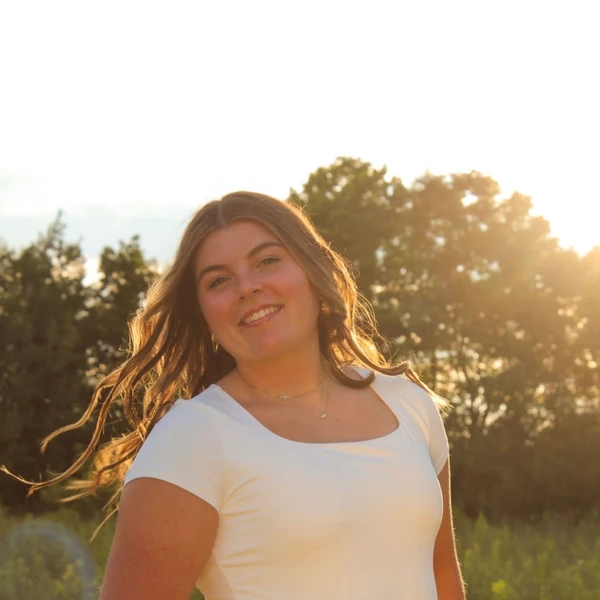
I’m a senior at Random Lake High School and a dedicated four-year varsity athlete in softball, basketball, and volleyball. I’m committed to playing Division II softball at UW–Parkside, where I plan to earn my bachelor’s degree in nursing. Beyond athletics, I’m an FBLA officer, member of NHS and Student Leadership, Class President, and a Freshman Mentor Leader. I also love performing in Honors Choir and the school musical. I’m passionate about serving others and hope to bring that dedication into a future career in nursing.
Education
Random Lake High School
High SchoolMiscellaneous
Desired degree level:
Bachelor's degree program
Majors of interest:
- Registered Nursing, Nursing Administration, Nursing Research and Clinical Nursing
Career
Dream career field:
Hospital & Health Care
Dream career goals:
CNA
The Waterford in West Bend2022 – Present4 years
Sports
Volleyball
Club2018 – 20257 years
Awards
- Catain x2
- MVP
Basketball
Varsity2018 – Present8 years
Awards
- True Blue, 2 years in a row
- Captain
Softball
Club2018 – Present8 years
Awards
- Caption
- All Conference
- Robin Muller Award
Public services
Volunteering
Silver Creek Fire Department — Serving food and cleaning tables2018 – Present
Big Picture Scholarship
The movie that has had the greatest impact on my life is Clouds, the true and deeply emotional story of Zach Sobiech. Zach was a teenager diagnosed with terminal cancer, yet he lived with a level of hope, courage, and purpose that continues to inspire me. His story affected me not just because of the tragedy of his illness, but because of the way he chose to respond to it—with strength, creativity, and an unwavering belief that life still had meaning, even in the face of something heartbreaking and uncontrollable. Watching Clouds didn’t just move me; it changed the way I think about life, faith, and the importance of using our time in meaningful ways.
What drew me most to Zach’s story was his connection to music. Like Zach, I have always had a passion for music and often turn to it as a way to cope with stress, loss, or difficult emotions. Music has always been a safe place for me, a way to express things I can’t always put into words. Seeing Zach use music to navigate the reality of his illness showed me how powerful creativity can be in times of pain. He didn’t write songs for attention or sympathy—he wrote them because music helped him stay grounded, hopeful, and connected to the people he loved. His song “Clouds” carries a message that is both beautiful and heartbreaking, reminding listeners that even when life seems unfair, there is still love, faith, and purpose to be found. Every time I hear it, I’m reminded that we have the ability to turn our struggles into something meaningful.
Another reason Clouds impacted me so deeply is that it reminded me how quickly life can change. Zach didn’t know he would have such a short life, and none of us know what tomorrow will bring. His story taught me not to take moments for granted, not to put off pursuing passions, and not to forget to appreciate the people who matter most. It made me reflect on the way I live my own life and how important it is to make choices that align with who I want to be. Watching the way Zach handled his diagnosis—with bravery, humor, and honesty—encouraged me to approach challenges with a stronger mindset and a more grateful heart.
Most importantly, Clouds strengthened my faith. Zach believed that God had a purpose for his life, even if that purpose wasn’t what he or his family wanted. He trusted that there was meaning behind his struggle, and that belief helped him live without fear. His story reminded me that God always has a reason for what we go through, even when the reason isn’t clear at the time. That lesson has stayed with me and continues to guide me in moments of uncertainty or doubt.
Clouds is more than just a sad movie; it is a celebration of life, love, and purpose. It has inspired me to live more intentionally, to follow my passions boldly, and to hold onto faith no matter what challenges I face. Zach’s story proves that one person’s courage can touch the lives of many, and his message continues to influence the way I approach each day. His journey reminds me to live with meaning, compassion, and hope—because even when life feels heavy, there is always light breaking through the clouds.
Sheila A Burke Memorial Scholarship
My vision for myself as a future nurse has been shaped by some of the hardest and most meaningful experiences of my life. Nursing, for me, is not just a career path—it is a calling rooted in empathy, advocacy, and the deep desire to help people when others won’t. I have seen firsthand what it means when vulnerable individuals don’t receive the care, compassion, or dignity they deserve. Those experiences have not only motivated me to pursue nursing, but have given me a clear vision of the kind of nurse I want to become.
My inspiration began with my grandmother, who developed early-stage Alzheimer’s that slowly progressed over the years. Watching her decline was incredibly painful, especially because my aunt and I became her primary caregivers despite both having full-time commitments. My aunt worked long hours, and I was a full-time student and athlete, yet we traded shifts caring for her because we loved her and wanted her to remain safe, comfortable, and valued. When her condition reached a point where we could no longer provide the level of care she needed, we made the heartbreaking decision to place her in a nursing home.
We hoped she would finally receive the full, professional care she deserved. Unfortunately, the reality was the opposite. During the final months of her life, when she became nonverbal and even more vulnerable, she received less attention instead of more. Many days, the staff seemed overwhelmed, detached, or simply unwilling to give her the basic human connection she needed. I still remember sitting in the dining room surrounded by residents, watching my grandmother left alone, ignored, and emotionally abandoned by the people who were supposed to care for her. I cried more times than I can count—not just because I was losing her, but because she wasn’t treated with the love, dignity, and respect she had always shown others.
This experience changed me. It ignited something inside me that I couldn’t ignore. My aunt and I were the only ones giving her the compassion she needed, and we weren’t getting paid for it—we did it out of love. That contrast made me realize that the world desperately needs nurses who genuinely care, who act with heart, and who treat every patient like they matter. That realization drove me to earn my CNA license as soon as I could. Today, I work at one of the best nursing homes in the area, and every day I walk into work with the intention of giving people the kind of care my grandmother deserved but didn’t always receive. I want my patients to feel truly seen, heard, and valued.
Looking ahead, my vision as a nurse is centered on compassion, advocacy, and excellence. I want to be the kind of nurse who fights for her patients, who notices when something isn’t right, who brings comfort to families, and who treats every elderly resident with dignity. I hope to specialize in geriatric or memory care nursing so I can support patients like my grandmother—people who rely completely on others to treat them with humanity.
Ultimately, I want to be the nurse who changes someone’s entire experience simply by caring. I want to give people the respect and love that every human being deserves. My grandmother’s journey has inspired my purpose, and I will carry her memory into every room, every shift, and every patient interaction throughout my nursing career.
Frederick J. Salone Memorial Basketball Scholarship
Basketball has been one of the most defining parts of my high school experience, shaping not only my competitive drive but also my character, leadership, and resilience. Throughout my career, I’ve worked hard to earn accomplishments that I’m proud of, and I’ve faced obstacles that pushed me to grow in ways I hadn’t expected. Looking back, the lessons basketball has taught me will continue to guide me far beyond the court.
One of my earliest challenges came during my freshman year, when I sprained my ankle and was unable to compete for a spot on varsity. At the time, it was devastating—I felt like all the work I had put in during the off-season had been wasted. But instead of letting the setback define me, I used it as motivation. I committed myself to recovery, spent countless hours strengthening my skills, and worked harder than ever to prove to myself that I could come back stronger. That effort paid off. Over the next few years, I not only worked my way up the program, but eventually earned a place as one of the starting five and was selected as team captain for two consecutive seasons. Being recognized with the “True Blue” award—an honor that reflects dedication, integrity, and commitment—remains one of the achievements I value most.
However, not all obstacles I faced were physical. Some were personal and emotional. Throughout my career, I was often labeled a “try hard” or even “rude” by people who didn’t understand my drive or the intensity I bring to the court. What they didn’t see were the early morning workouts, the late nights in the gym, and the constant effort to make myself and my team better. They didn’t see that every correction I made, every push for improvement, and every standard I held my teammates to came from wanting us to succeed. Learning to stay focused despite criticism taught me to trust my intentions and stay true to who I am. I realized that leadership sometimes means being misunderstood, because leading isn’t about being liked—it’s about doing what is best for the team.
These experiences have taught me lessons that will stay with me long after my high school basketball career ends. I’ve learned how to overcome adversity with determination instead of discouragement. I’ve learned to embrace leadership with confidence, even when it requires having tough conversations or making difficult decisions. And I’ve learned the importance of self-belief—trusting that I know my purpose, my values, and the heart behind my effort, even if others do not always see it.
Basketball has made me mentally stronger, more disciplined, and more capable of handling challenges with maturity. The resilience I built recovering from injury, the leadership skills I developed as captain, and the commitment I proved through every practice and game will help me achieve my goals in the future—both in athletics and in life. I am grateful for every obstacle, every accomplishment, and every lesson, because together, they have shaped me into the person and leader I am today.
Student Referee Scholarship
Over the past three years, my experience as a softball umpire has become one of the most unexpectedly meaningful parts of my involvement in the sport. I originally pursued officiating to stay connected to the game from a different perspective, but it has grown into something much deeper—an opportunity to lead, to grow emotionally, and to positively influence younger athletes. Among all the moments I’ve had on the field, one memory stands out as a defining point in my development as an umpire and as a person.
One afternoon, during what should have been an ordinary game, a coach strongly disagreed with several of my calls. With emotions running high, he went as far as attempting to throw me out of the game—an ironic reversal of roles. In that moment, I felt the weight of responsibility that comes with officiating. Instead of reacting defensively, I focused on staying calm, respectful, and professional. I reminded myself that my job wasn’t just to make correct calls—it was to manage the game in a way that upheld fairness, safety, and sportsmanship. I took a breath, addressed the coach with composure, and talked through the situation instead of escalating it. To my surprise, the tension dissolved, and by the end of the game, we had not only resolved our disagreement but actually formed a strong mutual respect. That coach later became one of my closest supporters during my umpiring journey. This experience taught me the power of communication, emotional control, and leadership under pressure—skills that extend far beyond the softball field.
Umpiring has also allowed me to become a role model for younger players in a way I never expected. Many of the girls I officiate look up to me, especially after hearing that I will be playing Division II softball at UW–Parkside next fall. In between innings, mound visits or even pitching changes, they often ask me for hitting tips, pitching advice, or simple encouragement. Seeing their excitement and curiosity reminds me of the players I once looked up to when I was younger. I am proud to be someone they feel comfortable approaching, and I’m grateful that my presence can inspire them as they grow in the sport. Knowing that I am contributing to their confidence and development is one of the most rewarding parts of officiating.
Through refereeing, I have gained confidence in my decision-making, learned how to stay grounded in stressful situations, and developed the leadership skills necessary to guide both players and adults. The role requires fairness, clarity, and strength—qualities that have strengthened my character and shaped me into a more patient, mature, and thoughtful person.
Looking ahead, I hope to continue officiating as I begin my collegiate softball career. Whether I am on the field as a player or behind the plate as an umpire, I want to remain involved in the game from multiple angles. My long-term goal is to move up in the umpiring world and possibly work higher-level youth tournaments or regional competitions. Above all, I aspire to continue being a positive role model for young athletes—to show them that leadership, respect, and love for the game can all coexist in one person.
Umpiring has given me a voice, a purpose, and a new lens through which to appreciate the sport I love. I look forward to growing even more as both an official and an athlete in the years ahead.
Bre Hoy Memorial Softball Scholarship
Softball has been a defining force in my life for as long as I can remember. I often say I have played since I could walk, because the game has truly grown up alongside me. What began as a childhood hobby quickly turned into a lifelong passion—one that has shaped my character, strengthened my resilience, provided me with purpose, and given me a sense of identity that I am incredibly proud of. Looking back on my journey, softball has not only developed me as an athlete, but also as a person who understands commitment, leadership, and the power of perseverance.
For the past eight years, I have played competitive club softball, including two years at the Class A national level. These years have pushed me to reach my highest potential, both physically and mentally. Competing against strong teams across the country has taught me the value of discipline, teamwork, and maintaining composure in high-pressure moments. I learned early on that success in softball doesn’t only come from talent—it comes from showing up every day ready to work, embracing challenges, and choosing to grow through adversity rather than shy away from it.
Softball has also had a profound emotional impact on my life. When I experienced the difficult loss of close family members, including my grandparents, the sport became a place where I could breathe again. The field was where I could process my grief, channel my emotions, and find strength when everything felt overwhelming. The routine of practice, the focus required in competition, and the unwavering support of my teammates helped me heal in a way nothing else could. Softball didn’t just distract me from my pain—it taught me how to move forward with it, how to stay grounded, and how to maintain hope during some of my darkest moments. In many ways, the sport saved me.
One of the greatest gifts softball has given me is the lifelong friendships I have made. My teammates have become like family, supporting me through wins, losses, and everything in between. These relationships have shown me the importance of trust, communication, and compassion, and they continue to inspire me both on and off the field. Through these bonds, I’ve learned that the strongest teams aren’t built on talent alone— they’re built on connection.
As I look toward the future, I am proud and excited to continue my athletic and academic journey at the University of Wisconsin–Parkside, where I will compete in Division II softball. Becoming a Ranger is the realization of a dream I have chased for years, and I am grateful for the opportunity to keep playing the sport that has shaped so much of who I am. Alongside softball, I plan to pursue a bachelor’s degree in nursing. My passion for helping others, combined with the resilience, empathy, and determination softball has taught me, has inspired me to enter a field where I can make a meaningful difference in people’s lives.
Softball is more than a sport to me—it is a part of my identity, a source of strength, and a foundation for my future. It has made my mental health stronger, my character deeper, and my aspirations clearer. I carry every lesson the game has taught me, and I look forward to continuing this journey with gratitude, purpose, and an open heart.
Sammy Hason, Sr. Memorial Scholarship
My goal in pursuing a career in healthcare is to improve the lives of others by providing compassionate, patient-centered care—especially for individuals with lung disease and rare medical conditions. My passion for helping others did not come from a textbook or a classroom. It began in my own home, long before I ever imagined becoming a healthcare professional.
When my grandma entered the early stages of Alzheimer’s, everyday activities became difficult for her. Tasks that once seemed simple—like getting dressed, preparing meals, or remembering daily routines—slowly became overwhelming. My family stepped in to help, and I became one of her in-home caregivers. At first, I thought I was just helping with small things, but over time I realized I was giving her comfort, safety, and dignity. Whether I was guiding her through morning routines, helping her eat, or sitting beside her when she felt confused, I learned what it meant to truly care for someone.
Eventually my grandma moved into a nursing home, but unfortunately the care she received there wasn’t what she deserved. Instead of trusting the facility to meet her needs, my aunt and I took turns visiting to ensure she was clean, fed, comfortable, and treated with respect. We weren’t doing anything extraordinary—we were simply doing the job that should have been done in the first place. That experience opened my eyes to how vulnerable people are when they depend on others for their basic needs. When my grandma passed away earlier this year, it was heartbreaking, but it also strengthened my determination. I realized that caring for others wasn’t just something I was capable of—it was something I was meant to do.
Since then, I have worked in a nursing home for six months, and I wouldn’t want it any other way. Every day I am reminded of why this work matters. Many residents have chronic health conditions, including respiratory issues, mobility limitations, and rare medical diagnoses. They rely on caregivers to monitor their symptoms, listen to their concerns, and advocate for them when they cannot advocate for themselves. My experiences have taught me that healthcare is not only about treating illnesses—it is about recognizing the whole person behind the condition.
In my future career, I hope to work closely with patients who have lung disease and rare medical conditions. These individuals often face complicated symptoms, long treatment journeys, and emotional challenges that go beyond physical health. I want to be someone who helps them breathe easier—not just medically, but emotionally. Whether it’s educating patients about their treatment options, helping families understand their loved one’s condition, or providing encouragement during difficult moments, I plan to make a positive impact on every life I touch.
My journey began by caring for my grandma, but it continues with a commitment to serve others. Healthcare, to me, is not just a career—it is a promise to treat every patient with the compassion, respect, and dedication that my grandma deserved. And that is the difference I plan to make.