user profile avatar

Alica Ford

1x

Finalist

Bio

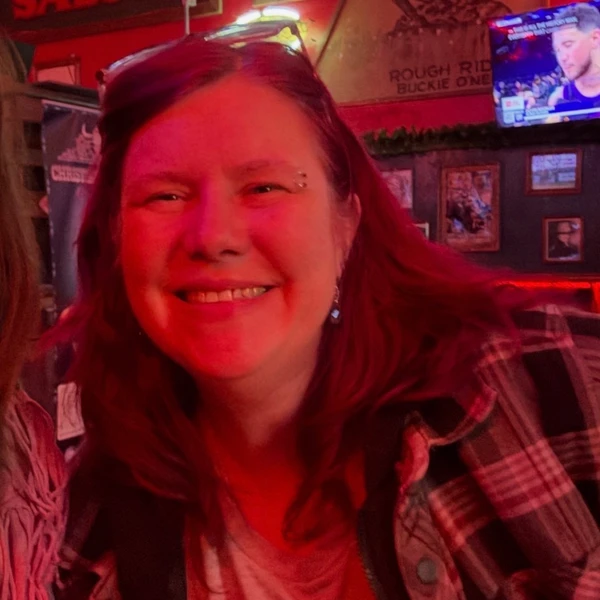
Hi, I’m Alicia. I’m a single mom with three adult children who has spent most of her adult life in the medical field. Now that my kids are all adults, I’m ready to take care of myself and go back to school to get my BSN.

Education

Brookline College-Phoenix

Bachelor's degree program
2026 - 2029
  • Majors:
    • Registered Nursing, Nursing Administration, Nursing Research and Clinical Nursing
Miscellaneous

  • Desired degree level:

    Master's degree program

  • Graduate schools of interest:

  • Transfer schools of interest:

  • Majors of interest:

  • Not planning to go to medical school
  • Career

    • Dream career field:

      Hospital & Health Care

    • Dream career goals:

    • Intermediate Health Technician

      Department of Veterans Affairs
      2025 – Present1 year

    Arts

    • Middle/High School

      Music
      1990 – 1996
    WayUp “Unlock Your Potential” Scholarship
    Christopher Charles Owan Memorial Scholarship
    Living with bipolar disorder has shaped not only my life, but also my purpose. For years, I struggled to understand the intense highs and devastating lows that seemed to control my world. Mania brought energy, ambition, and sleepless nights filled with racing thoughts. Depression followed with exhaustion, hopelessness, and isolation. Being diagnosed with bipolar disorder helped me realize that I was not “broken” or weak—I was living with a medical condition that required care, patience, and strength. Through therapy, medication management, and personal accountability, I have learned how to manage my illness rather than let it define me. Stability did not come overnight. It took courage to ask for help and humility to accept it. I had to learn routines, recognize triggers, and prioritize my mental health. In doing so, I discovered resilience within myself. I learned that strength is not the absence of struggle—it is choosing to keep moving forward despite it. My experience with bipolar disorder has given me deep empathy for others who live with mental illness. I know what it feels like to be misunderstood, to have people dismiss symptoms as personality flaws, or to feel ashamed of something beyond your control. I understand the fear of stigma and the loneliness that can come from battling an invisible illness. Because of this, I want to dedicate my life to helping the mentally ill feel seen, heard, and supported. Mental illness affects millions of individuals and families, yet stigma still prevents many from seeking treatment. I want to be part of changing that narrative. Whether through nursing, advocacy, or direct patient care, my goal is to provide compassionate, trauma-informed support. I want patients to know that their diagnosis does not define their worth or limit their potential. Recovery is not linear, but it is possible with the right support system. As someone who has experienced both vulnerability and healing, I can offer more than clinical knowledge—I can offer understanding. When a patient feels overwhelmed by racing thoughts, I will remember my own sleepless nights. When someone feels buried under depression, I will remember how hard it was for me to get out of bed. That personal insight will help me connect with patients in a way that builds trust and safety. Living with bipolar disorder has also taught me discipline. I know the importance of medication compliance, consistent therapy, healthy sleep patterns, and stress management. I understand how quickly instability can return if self-care is neglected. This awareness makes me deeply committed to maintaining my own wellness so that I can show up fully for others. Helping the mentally ill requires both compassion and stability, and I am dedicated to preserving both. Most importantly, my diagnosis has shown me that mental illness does not eliminate purpose—it can clarify it. My struggles have become my motivation. I do not see my bipolar disorder as a weakness; I see it as a source of empathy, strength, and direction. I want to stand beside those who feel lost in their symptoms and remind them that they are not alone. By using my lived experience, education, and dedication, I hope to help others navigate their mental health journeys with dignity and hope. I have walked through darkness and found light. Now, I want to help others do the same.
    Debra S. Jackson New Horizons Scholarship
    At 48 years old, I have chosen to return to school to pursue my Bachelor of Science in Nursing, not because I am beginning my journey in healthcare, but because life has profoundly reshaped it. For years, I have worked in the medical field, supporting patients and clinical teams, witnessing both the fragility and resilience of human life. Yet it was my own personal tragedy—the sudden loss of my husband—that transformed my purpose from participation to leadership in patient care. When my husband collapsed unexpectedly, I immediately began CPR. I remember every compression, every breath, the sound of sirens growing closer as paramedics arrived. Despite my efforts and theirs, he did not survive. In that moment, I experienced healthcare not as a professional, but as a wife and mother desperate to hold her family together. That day changed me. It deepened my empathy, strengthened my resilience, and clarified my calling. I understood in a way I never had before the emotional weight families carry in emergency rooms—the fear, the hope, and sometimes the heartbreak. My children are now grown, and I am in a season of life where I can fully dedicate myself to advancing my education. Returning to school at this stage is not a detour; it is a culmination. My years in the medical field have given me a strong clinical foundation, but becoming a registered nurse will allow me to take on greater responsibility, advocate more effectively for patients, and provide critical, hands-on care during their most vulnerable moments. My personal experiences have shaped my values in lasting ways. I value compassion as much as competence. I value clear communication during crisis. I value dignity for every patient, especially those who feel powerless. Most importantly, I value service. My goal is to earn my BSN and work in the Emergency Room at a VA hospital, where I can serve veterans—individuals who have given so much of themselves for our country. Veterans often carry complex medical and emotional needs, and ER nurses must act quickly while maintaining deep compassion. I am drawn to this environment because I understand crisis, and I understand loss. I want to be the steady presence for families experiencing the worst day of their lives. Earning my BSN will equip me with advanced clinical knowledge, leadership skills, and evidence-based practice strategies necessary to provide high-quality emergency care. With this education, I plan not only to treat immediate medical needs but also to advocate for trauma-informed care and family-centered communication within the ER setting. I hope to mentor younger nurses one day, especially those who may not yet understand the full emotional scope of emergency medicine. My lived experience allows me to bring both technical skill and heartfelt empathy to the bedside. This scholarship will significantly ease the financial burden of tuition, allowing me to focus fully on my studies and clinical training. As a widowed mother who has navigated life independently, financial support will reduce stress and make this transition back to school more sustainable. More importantly, it represents an investment in a nurse who is deeply committed to serving her community with dedication, maturity, and purpose. My journey has been marked by love, loss, perseverance, and service. Becoming a nurse is not simply a career goal—it is a promise to honor my husband’s memory by caring for others with the same urgency and compassion I showed him. At this point in my life, I am not just pursuing a degree. I am answering a calling.
    Maxwell Tuan Nguyen Memorial Scholarship
    I began my journey in healthcare as a medical assistant, driven not only by a desire to care for others, but by necessity. As a single mother of three young children, providing stability and security for my family was my greatest responsibility. Long days and even longer nights became my norm, but through every challenge, I held onto one belief: caring for others is both a privilege and a calling. Working as a medical assistant gave me my first true glimpse into the impact compassionate healthcare can have on a person’s life. I saw how a reassuring voice could ease anxiety, how careful attention to detail could prevent complications, and how dignity and respect could restore hope. In exam rooms and hallways, I learned that medicine is not just about procedures or diagnoses—it is about people. It is about meeting individuals in vulnerable moments and reminding them they are not alone. As I grew in my role, I felt a pull toward greater responsibility and deeper involvement in patient care. I wanted to be at the forefront—making critical decisions, advocating fiercely, and providing comfort during life’s most urgent moments. This calling led me toward nursing, and ultimately toward emergency care. My desire to work as an ER nurse at the VA hospital is deeply personal. Veterans have given selflessly in service to our country, often carrying invisible wounds long after their uniforms are folded away. Many face complex physical conditions, mental health challenges, and barriers to accessing consistent care. They deserve not only clinical excellence but also understanding, patience, and respect. In the emergency room, moments matter. It is where fear is raw, pain is immediate, and trust must be built quickly. I believe my background has uniquely prepared me for this environment. As a single mother balancing work, school, and family, I developed resilience, time management, and calm under pressure. I learned to prioritize what truly matters, to think clearly in chaos, and to advocate fiercely for those who depend on me. These same qualities are essential in emergency nursing. More importantly, my experiences have shaped my empathy. I understand what it feels like to struggle quietly while still showing up every day. I understand the strength it takes to keep going when circumstances are overwhelming. Many veterans carry similar burdens—silent battles that require both skilled hands and a compassionate heart. I want to be the nurse who listens without judgment, who honors their service, and who ensures they feel seen and valued. Becoming an ER nurse at the VA is not simply a career goal; it is a commitment to service. Just as our veterans answered the call to serve our nation, I am answering a call to serve them. I want to make a difference not only in moments of crisis, but in the trust and healing that follow. My journey began with the simple goal of providing for my children. It has grown into something far greater: a mission to give back, to stand beside those who have sacrificed so much, and to deliver care that reflects gratitude, excellence, and compassion
    John Acuña Memorial Scholarship
    I served as a Private First Class (PFC) in the United States Army, stationed at Fort Riley in Kansas. My time in the military shaped me in ways I never could have imagined. It instilled in me resilience, discipline, and most importantly, the confidence to pursue goals that once felt out of reach. Today, my goal is to earn my Bachelor of Science in Nursing (BSN) and work in the Emergency Room at a VA hospital, continuing my service to those who have worn the uniform. Being a female soldier came with unique challenges. While I was proud to serve, I often felt that I had to work twice as hard to prove I belonged. Some of the men I served alongside did not want women in their ranks. There was bullying, isolation, and an unspoken pressure to constantly validate my presence. For many women in the military, including myself, the challenges went beyond professional obstacles. Military Sexual Trauma (MST) remains a painful reality for far too many female service members. I am among those who carry that experience. As a result of MST, I developed Post-Traumatic Stress Disorder (PTSD). The invisible wounds of service can be just as life-altering as physical ones. I required extensive therapy to begin healing. There were moments when the weight of it all felt overwhelming. However, through counseling, support systems, and my own determination, I found strength I did not know I possessed. Healing has not been linear, but it has been transformative. Despite these hardships, I refuse to let my trauma define my future. Instead, I have chosen to let it shape my purpose. I currently work at my local VA hospital, where I serve fellow veterans. Every day, I see reflections of strength, sacrifice, and struggle in the patients I care for. Many carry stories similar to mine—stories of courage intertwined with pain. My experiences allow me to connect with them in a deeply empathetic way. I understand the importance of being seen, heard, and treated with dignity. Pursuing my BSN is the next step in my journey of service. Working in the Emergency Room at a VA hospital will allow me to combine my military background, personal resilience, and passion for healthcare into meaningful action. The ER requires quick thinking, composure under pressure, and compassion in moments of crisis—qualities the Army helped me develop. I know what it feels like to face fear and uncertainty, and I want to be a steady presence for veterans during their most vulnerable moments. The military gave me confidence, but my challenges gave me purpose. I am not only pursuing a nursing degree to advance my career; I am doing so to honor the resilience of those who serve and to advocate for those who may feel unseen. My journey has not been easy, but it has prepared me to make a difference. I am proud of my service, proud of my growth, and determined to continue serving—this time in scrubs instead of a uniform.
    Bryent Smothermon PTSD Awareness Scholarship
    Living with service-related PTSD has been one of the most challenging experiences of my life, but it has also been one of the most transformative. Through this journey, I have learned that I am far stronger than I ever realized. I have faced fear, anger, hypervigilance, and moments of deep isolation, yet I am still standing. That resilience did not come easily; it was forged through long nights, difficult memories, and the daily decision to keep moving forward. PTSD tested me in ways military service never did, but it also revealed an inner strength I did not know I possessed. I have also learned that it is okay not to trust people easily. Trust, once broken or shaken by trauma, cannot be forced back into place. For me, caution has become a form of protection. Hyperawareness and guardedness are often labeled as symptoms, but they are also survival skills developed in response to real experiences. I have learned to respect those instincts while also working toward balance. Understanding that mistrust does not make me weak or broken has been empowering. It simply means I am healing at my own pace. PTSD has changed the way I see the world. I now recognize how invisible wounds can be just as painful and debilitating as physical injuries. I understand how quickly someone can feel alone, even in a crowded room. I have learned that strength does not always look like confidence or composure; sometimes it looks like showing up despite anxiety, asking for help despite fear, or surviving one more difficult day. These lessons have deepened my empathy, not just for fellow veterans, but for anyone fighting unseen battles. As I prepare to work at a VA hospital as a Registered Nurse, I hope to use my lived experience to support other veterans who are suffering from PTSD. I know firsthand how intimidating medical environments can feel and how difficult it is to open up to someone who “doesn’t get it.” My experience allows me to offer something beyond clinical knowledge: authenticity. When I care for veterans, I will not just see symptoms or diagnoses; I will see individuals carrying stories that shaped them. I will meet them with patience, respect, and understanding. I also hope to help create a safe and steady presence for veterans who struggle with trust. Healing does not happen through pressure or judgment. It happens through consistency, compassion, and being treated with dignity. By combining my professional training with my personal insight, I can advocate for trauma-informed care and ensure that veterans feel heard rather than dismissed. Most importantly, I want other veterans to see that PTSD does not define the end of their story. It is part of our experience, but it does not erase our strength, value, or ability to serve in new ways. If my journey can show even one veteran that healing is possible and that they are not alone, then my struggles will have gained deeper meaning. Through service-related PTSD, I have learned resilience, self-awareness, and compassion. As an RN at the VA hospital, I will use those lessons to stand beside fellow veterans—not just as a nurse, but as someone who truly understands.
    Women in Healthcare Scholarship
    I began my journey in healthcare as a medical assistant, driven not only by a desire to care for others, but by necessity. As a single mother of three young children, providing stability and security for my family was my greatest responsibility. Long days and even longer nights became my norm, but through every challenge, I held onto one belief: caring for others is both a privilege and a calling. Working as a medical assistant gave me my first true glimpse into the impact compassionate healthcare can have on a person’s life. I saw how a reassuring voice could ease anxiety, how careful attention to detail could prevent complications, and how dignity and respect could restore hope. In exam rooms and hallways, I learned that medicine is not just about procedures or diagnoses—it is about people. It is about meeting individuals in vulnerable moments and reminding them they are not alone. As I grew in my role, I felt a pull toward greater responsibility and deeper involvement in patient care. I wanted to be at the forefront—making critical decisions, advocating fiercely, and providing comfort during life’s most urgent moments. This calling led me toward nursing, and ultimately toward emergency care. My desire to work as an ER nurse at the VA hospital is deeply personal. Veterans have given selflessly in service to our country, often carrying invisible wounds long after their uniforms are folded away. Many face complex physical conditions, mental health challenges, and barriers to accessing consistent care. They deserve not only clinical excellence but also understanding, patience, and respect. In the emergency room, moments matter. It is where fear is raw, pain is immediate, and trust must be built quickly. I believe my background has uniquely prepared me for this environment. As a single mother balancing work, school, and family, I developed resilience, time management, and calm under pressure. I learned to prioritize what truly matters, to think clearly in chaos, and to advocate fiercely for those who depend on me. These same qualities are essential in emergency nursing. More importantly, my experiences have shaped my empathy. I understand what it feels like to struggle quietly while still showing up every day. I understand the strength it takes to keep going when circumstances are overwhelming. Many veterans carry similar burdens—silent battles that require both skilled hands and a compassionate heart. I want to be the nurse who listens without judgment, who honors their service, and who ensures they feel seen and valued. Becoming an ER nurse at the VA is not simply a career goal; it is a commitment to service. Just as our veterans answered the call to serve our nation, I am answering a call to serve them. I want to make a difference not only in moments of crisis, but in the trust and healing that follow. My journey began with the simple goal of providing for my children. It has grown into something far greater: a mission to give back, to stand beside those who have sacrificed so much, and to deliver care that reflects gratitude, excellence, and compassion.
    Community Health Ambassador Scholarship for Nursing Students
    I began my journey in healthcare as a medical assistant, driven not only by a desire to care for others, but by necessity. As a single mother of three young children, providing stability and security for my family was my greatest responsibility. Long days and even longer nights became my norm, but through every challenge, I held onto one belief: caring for others is both a privilege and a calling. Working as a medical assistant gave me my first true glimpse into the impact compassionate healthcare can have on a person’s life. I saw how a reassuring voice could ease anxiety, how careful attention to detail could prevent complications, and how dignity and respect could restore hope. In exam rooms and hallways, I learned that medicine is not just about procedures or diagnoses—it is about people. It is about meeting individuals in vulnerable moments and reminding them they are not alone. As I grew in my role, I felt a pull toward greater responsibility and deeper involvement in patient care. I wanted to be at the forefront—making critical decisions, advocating fiercely, and providing comfort during life’s most urgent moments. This calling led me toward nursing, and ultimately toward emergency care. My desire to work as an ER nurse at the VA hospital is deeply personal. Veterans have given selflessly in service to our country, often carrying invisible wounds long after their uniforms are folded away. Many face complex physical conditions, mental health challenges, and barriers to accessing consistent care. They deserve not only clinical excellence but also understanding, patience, and respect. In the emergency room, moments matter. It is where fear is raw, pain is immediate, and trust must be built quickly. I believe my background has uniquely prepared me for this environment. As a single mother balancing work, school, and family, I developed resilience, time management, and calm under pressure. I learned to prioritize what truly matters, to think clearly in chaos, and to advocate fiercely for those who depend on me. These same qualities are essential in emergency nursing. More importantly, my experiences have shaped my empathy. I understand what it feels like to struggle quietly while still showing up every day. I understand the strength it takes to keep going when circumstances are overwhelming. Many veterans carry similar burdens—silent battles that require both skilled hands and a compassionate heart. I want to be the nurse who listens without judgment, who honors their service, and who ensures they feel seen and valued. Becoming an ER nurse at the VA is not simply a career goal; it is a commitment to service. Just as our veterans answered the call to serve our nation, I am answering a call to serve them. I want to make a difference not only in moments of crisis, but in the trust and healing that follow. My journey began with the simple goal of providing for my children. It has grown into something far greater: a mission to give back, to stand beside those who have sacrificed so much, and to deliver care that reflects gratitude, excellence, and compassion.
    Ella's Gift
    Mental health and addiction have profoundly shaped my life, not only through my own diagnoses of bipolar disorder and PTSD, but also through the devastating loss of my husband to alcoholism. These experiences have tested my resilience, reshaped my identity, and ultimately strengthened my commitment to pursuing a Bachelor of Science in Nursing (BSN). What once felt like insurmountable pain has become the foundation of my purpose: to provide compassionate, informed care to individuals navigating mental health challenges and addiction. Being diagnosed with bipolar disorder and PTSD forced me to confront realities about myself that were difficult to accept. Mood instability, anxiety, and trauma-related symptoms disrupted my sense of stability and self-confidence. At times, I struggled with feelings of shame and isolation, believing that my diagnoses defined me. However, through therapy, medication management, and consistent self-reflection, I began to understand that mental illness is not a personal failing but a medical condition requiring care, patience, and accountability. Learning to recognize my triggers, establish routines, and advocate for my own health has been a transformative process. The loss of my husband to alcoholism compounded these challenges. Loving someone with addiction is a complex and painful experience. I witnessed firsthand how substance use disorder can erode physical health, mental well-being, relationships, and hope. His death was devastating, and grief intertwined with trauma in ways that felt overwhelming. I wrestled with guilt, anger, sadness, and the haunting question of what more I could have done. Through grief counseling and support groups, I came to understand the nature of addiction as a disease rather than a moral failing. This understanding helped me release misplaced blame and begin healing. These experiences, while painful, have fostered deep personal growth. I have developed resilience by learning to sit with discomfort rather than avoid it. I have cultivated empathy through suffering, recognizing that many individuals silently carry burdens that are invisible to others. I have strengthened my communication skills by participating in therapy and peer support, learning how to express emotions in healthy and constructive ways. Most importantly, I have learned that recovery is not linear; it requires daily commitment, humility, and self-awareness. My journey has directly influenced my educational goal of obtaining a BSN. Nursing represents more than a career path; it is a calling rooted in compassion and advocacy. As someone who has navigated the healthcare system from both personal and family perspectives, I understand how critical it is for patients to feel seen, heard, and respected. Mental health and addiction are often accompanied by stigma, and I am committed to being a nurse who approaches every patient without judgment. My lived experience allows me to connect authentically with individuals facing psychiatric conditions, trauma, or substance use disorders. I hope to work in a setting where I can integrate medical care with mental health awareness, whether in psychiatric nursing, community health, or emergency care. Pursuing a BSN will provide me with the clinical knowledge, critical thinking skills, and evidence-based foundation necessary to deliver safe and effective care. I am particularly motivated to understand the physiological and psychological interplay between mental illness and substance use, as I have witnessed how intertwined they can be. Education will empower me to not only care for patients but also advocate for improved resources and compassionate treatment practices. As I continue my recovery, I remain committed to maintaining stability and balance in my life. I prioritize consistent mental health care, including medication adherence and regular therapy appointments. I maintain structured routines that support sleep, nutrition, and stress management—essential components in managing bipolar disorder. I participate in support communities that provide accountability and encouragement. Additionally, I practice self-awareness, recognizing early warning signs of mood shifts or trauma responses so I can intervene proactively. Grief remains part of my story, but it no longer defines my future. I honor my husband’s memory by choosing growth over despair and service over silence. My experiences with mental health and addiction have given me insight, resilience, and compassion that cannot be taught in a classroom alone. They have shaped me into a person who understands suffering not as weakness, but as a catalyst for empathy and strength. Earning my BSN represents both professional advancement and personal triumph. It symbolizes my commitment to healing—my own and that of others. Through continued recovery, education, and service, I am determined to transform adversity into purpose and become a nurse who embodies understanding, competence, and hope.
    Online Education No Essay Scholarship
    Skin, Bones, Hearts & Private Parts Scholarship for Nurse Practitioners, Physician Assistants, and Registered Nurse Students
    From a young age, I have been drawn to helping others in meaningful and tangible ways. This passion has shaped my decision to pursue higher education in nursing, with the ultimate goal of becoming a flight nurse. Nursing, to me, is more than a profession; it is a commitment to compassion, resilience, and service in moments when patients are at their most vulnerable. My motivation to become a nurse stems from a deep desire to make a direct impact on people’s lives. Nurses are often the steady presence during times of uncertainty, fear, and pain. They provide not only medical care but also emotional support to patients and families. I want to be that source of reassurance and strength. The fast-paced, high-pressure environment of healthcare challenges me to grow, think critically, and remain calm in difficult situations. These qualities are essential for nursing, and even more so for a future career as a flight nurse. Becoming a flight nurse represents the pinnacle of my professional aspirations. Flight nurses deliver critical care to patients in emergency situations, often in helicopters or airplanes, where quick thinking and advanced clinical skills are essential. They must remain composed while making life-saving decisions in unpredictable environments. The opportunity to provide advanced care to patients during transport, potentially making the difference between life and death, is both humbling and inspiring. I am motivated to work hard in my education so that I can one day serve in this highly specialized role. Pursuing a nursing degree requires dedication, perseverance, and significant financial investment. Tuition, textbooks, clinical supplies, and certification exams create a substantial financial burden. While I am fully committed to investing my time and effort into achieving my goals, financial assistance through this scholarship would alleviate much of the stress associated with funding my education. Instead of worrying about how to cover expenses, I would be able to focus more fully on excelling academically, gaining hands-on clinical experience, and preparing for the rigorous demands of nursing practice. This scholarship would not only ease the financial strain but also serve as a powerful encouragement to continue striving toward my goals. It would represent an investment in my future and in the patients I will one day care for. With the support provided, I will be able to dedicate myself wholeheartedly to my studies, graduate with strong clinical competence, and eventually pursue the advanced training necessary to become a flight nurse. Higher education is the foundation upon which I will build my career in nursing. Through hard work, compassion, and determination, I am committed to becoming a skilled nurse who provides exceptional care in any setting—whether at a bedside or in the air. This scholarship would bring me one step closer to achieving that dream and serving communities in their most critical moments of need
    Sammy Hason, Sr. Memorial Scholarship
    Working in the medical field gives me the opportunity to improve lives at their most vulnerable moments—when health, identity, and hope are often intertwined. I plan to do this not only by treating disease, but by advocating, educating, and innovating so that patients with lung diseases and rare medical conditions feel seen, heard, and supported. For individuals with lung diseases such as chronic obstructive pulmonary disease (COPD), asthma, pulmonary fibrosis, and cystic fibrosis, daily life can be shaped by breathlessness, fatigue, and uncertainty. Conditions like Chronic obstructive pulmonary disease and Cystic fibrosis affect not just the lungs but the emotional and social well-being of patients and their families. My goal is to practice patient-centered pulmonary care that emphasizes early detection, individualized treatment plans, and preventative strategies. This includes promoting smoking cessation, improving access to pulmonary rehabilitation, and educating patients on inhaler technique and environmental triggers. Beyond clinical care, I aim to empower patients with knowledge. Many lung diseases require long-term management, and patients who understand their condition are better equipped to advocate for themselves. I plan to take the time to explain diagnoses in accessible language, discuss treatment options transparently, and involve patients in shared decision-making. This approach fosters trust and improves adherence to treatment plans. When it comes to rare medical conditions, the challenges are often even greater. Patients with rare diseases frequently experience delayed diagnoses, limited treatment options, and feelings of isolation. I hope to contribute to shortening the diagnostic journey by remaining intellectually curious and attentive to atypical presentations. Listening carefully to patients’ histories and validating their concerns can make a profound difference, especially for those who have previously felt dismissed. In addition, I am deeply interested in research and innovation. Many rare diseases lack effective therapies because they are underfunded and underrepresented in clinical studies. By participating in or supporting research initiatives, I hope to contribute to the development of targeted treatments and improved diagnostic tools. Advances in genetic testing, precision medicine, and immunotherapy hold significant promise for both rare disorders and certain pulmonary conditions. Bridging the gap between laboratory discoveries and clinical practice can dramatically alter patient outcomes. Equally important is advocacy. Patients with rare diseases often struggle to obtain insurance coverage for specialized treatments or access to experts. I plan to work collaboratively with multidisciplinary teams—including social workers, respiratory therapists, genetic counselors, and patient advocacy organizations—to ensure comprehensive care. Advocating at institutional and policy levels for better funding and awareness can amplify the voices of those who are often overlooked. Finally, I believe compassion is as critical as competence. Living with chronic lung disease or a rare condition can be isolating and frightening. By approaching each patient with empathy, cultural sensitivity, and humility, I hope to create a safe space where individuals feel respected and supported. Small actions—such as acknowledging fears, celebrating small health milestones, or checking in on mental health—can significantly improve quality of life. Through clinical excellence, education, research, and advocacy, I aim to improve not just survival, but the lived experience of patients with lung diseases and rare conditions. By combining scientific rigor with human connection, I hope to help patients breathe easier—physically and emotionally—and to ensure that even the rarest voices are heard.
    Second Chance Scholarship
    I want to make a change in my life because I need better pay, but more importantly, I need greater purpose and stability for my future. While financial security is a major motivation, this career shift is also about growth, service, and creating a meaningful impact. I have reached a point where I understand that in order to build the life I want—for myself and my family—I must pursue a profession that offers both sustainability and fulfillment. To move closer to this goal, I have taken concrete steps toward becoming a nurse. I researched programs, completed the necessary prerequisites, and committed to the application process. I am proud to say that I have been accepted into nursing school. This was not an easy journey. It required discipline, sacrifice, and careful planning. Balancing responsibilities while preparing for this next chapter has strengthened my determination and confirmed that I am ready for the challenge. However, nursing school comes with significant financial demands. Tuition, books, clinical supplies, and living expenses add up quickly. This scholarship will help relieve the financial burden, allowing me to focus fully on my studies and clinical training rather than worrying about how to cover every cost. By reducing financial stress, this support will directly impact my academic performance and overall success in the program. It will also reduce the amount of debt I may need to take on, giving me a stronger start in my nursing career. My long-term goal is to work in the Emergency Room at a VA hospital, serving veterans—especially those who, like me, understand the unique physical and emotional challenges that can come with military service. Veterans often face complex health issues, and many struggle with feeling understood or supported. As someone who shares that background, I will bring empathy, patience, and a deep sense of connection to the care I provide. I want to be the kind of nurse who not only treats injuries and illnesses but also listens, reassures, and advocates. Paying it forward is central to my plan. This scholarship is an investment not just in my education, but in the countless patients I will serve throughout my career. By working in the ER at a VA hospital, I will give back to a community that has given so much to this country. I also plan to mentor other veterans who are considering careers in healthcare, encouraging them to pursue education and showing them that this transition is possible. Receiving this scholarship will allow me to focus on becoming the best nurse I can be. In return, I will dedicate my skills, compassion, and work ethic to caring for those who have served. This opportunity is not just about better pay—it is about building a future where I can support my family, honor my fellow veterans, and make a meaningful difference every single day.
    Veterans Next Generation Scholarship
    Growing up, the word “father” carried more questions than comfort. My father, an Air Force veteran, left shortly after he and my mother divorced. His absence shaped my childhood in ways I did not fully understand at the time. While other children learned lessons from a steady voice at the dinner table or guidance from the sidelines, I learned mine from silence, uncertainty, and the need to stand on my own. For years, I wrestled with feelings of abandonment. I wondered why serving his country had come easier to him than staying for his family. Yet, as I grew older, I began to see that adversity can either define you or refine you. Without a father to lean on, I developed resilience out of necessity. I learned to solve problems independently, to accept responsibility early, and to push through disappointment without waiting for someone to rescue me. My mother worked tirelessly to provide stability, and watching her perseverance instilled in me a deep respect for commitment and sacrifice. I realized that strength is not loud or boastful; it is steady, consistent, and rooted in responsibility. In many ways, growing up without my father forced me to become the steady presence in my own life. Ironically, it was my father’s service in the Air Force that planted the seed of my own desire to serve. Despite his absence, I was proud that he had worn the uniform. I admired the discipline, honor, and purpose associated with military service. I did not want to follow in his footsteps to earn his approval; instead, I wanted to create my own legacy—one defined by commitment not only to my country, but to the people who depend on me. At 19, I joined the Army. It was not an impulsive decision but a deliberate one. I sought structure, challenge, and the opportunity to be part of something greater than myself. The Army provided the mentorship and sense of belonging I had missed in my early years. Through demanding training and high expectations, I discovered that perseverance is not simply enduring hardship—it is choosing to grow from it. Every early morning formation, every physically exhausting exercise, and every moment that required mental toughness reinforced lessons I had begun learning as a child. When situations felt overwhelming, I reminded myself that I had already overcome years of uncertainty and self-doubt. Compared to that, no obstacle seemed insurmountable. Serving has also reshaped my understanding of leadership. I have learned that true leadership means showing up consistently, especially when it is difficult. It means being accountable and dependable. In many ways, I strive to be the kind of leader I once needed—someone who does not walk away when circumstances become challenging. My father’s absence could have left me bitter. Instead, it fueled my determination. Growing up without him taught me resilience; joining the Army transformed that resilience into purpose. I serve not to escape my past, but to honor the values I chose to build from it: perseverance, responsibility, and unwavering commitment. Adversity did not break me—it strengthened me. And through service, I have turned personal hardship into a foundation for growth, leadership, and dedication to something far greater than myself.
    Organic Formula Shop Single Parent Scholarship
    Balancing the responsibilities of being a single parent while pursuing higher education is one of the most demanding challenges I have ever faced. Each role alone requires commitment, resilience, and sacrifice. Combined, they demand a level of strength and determination that tests me daily. Yet, within these challenges lies the very reason I continue forward: my children. They are both my motivation and my measure of success. The most challenging aspect of being both a single parent and a student is time. Time feels like a limited resource that is constantly slipping through my fingers. My days begin early and end late. I wake up not only responsible for myself, but for preparing my children for school, ensuring they are fed, supported, and emotionally secure. Once they are settled, I shift into student mode—attending classes, studying, completing assignments, and meeting deadlines. When the school day ends, my focus shifts back to parenting—homework help, dinner, household responsibilities, and being present for their needs. Unlike students who may have partners or family members to share responsibilities, I carry both roles alone. If a child becomes sick, there is no backup. If a school project is due the same day as an exam, I must navigate both without compromise. Emergencies do not pause academic deadlines. Exhaustion does not excuse missed assignments. The mental load of constantly planning, budgeting, scheduling, and anticipating every need—academic and parental—is immense. Financial strain is another significant challenge. As a single parent, I am solely responsible for providing housing, food, clothing, childcare, and every other necessity. Pursuing higher education often means reducing work hours or taking on debt, which can feel like a risk when children depend on financial stability. Every tuition payment represents not just a personal investment, but a calculated decision that affects my entire household. There are moments when I must choose between immediate needs and long-term goals, and that weight is heavy. Beyond logistics and finances, there is the emotional challenge. I sometimes struggle with guilt—guilt when I must study instead of play, guilt when I am too tired to give my children my full energy, guilt when academic stress affects my patience. At the same time, I carry the fear of failure more intensely because the stakes are higher. I am not just building my own future; I am shaping theirs. Yet, despite these challenges, being a single parent has also strengthened me as a student. I have learned discipline because I have no choice but to manage my time effectively. I have developed resilience because giving up is not an option. I have gained perspective—understanding that education is not simply about grades, but about creating stability, opportunity, and generational change. This scholarship would significantly ease the burden I carry and allow me to focus more fully on both my education and my children. Financial support would reduce the constant stress of tuition and related expenses, freeing mental energy currently consumed by worry. Instead of working additional hours to bridge financial gaps, I could dedicate more time to studying and more meaningful time to my children. More importantly, this scholarship represents more than financial relief—it represents belief. It signals that someone recognizes the determination it takes to pursue education under these circumstances. That validation would strengthen my confidence and reaffirm that my sacrifices are seen and valued. For my children, this scholarship would have a lasting impact. They witness my late nights studying and my early mornings preparing for class. They see perseverance in action. By completing my education, I am not only improving our financial stability; I am modeling resilience, discipline, and ambition. I am teaching them that obstacles do not define us—our response to them does. Education has the power to change the trajectory of a family. With this scholarship, I will be better positioned to graduate with less debt, secure meaningful employment, and provide long-term stability. That stability means safer housing, better educational opportunities for my children, and the ability to support their own dreams without financial limitations becoming barriers. In the long term, the impact extends beyond finances. It creates a legacy. My children will grow up knowing that even in the face of difficulty, their parent chose growth over limitation. They will understand that education is not just a personal achievement but a tool for empowerment. The foundation I build today will shape the choices available to them tomorrow. Being a single parent and a student simultaneously is undeniably challenging. It requires sacrifice, resilience, and unwavering commitment. However, it has also sharpened my purpose. I am not pursuing education solely for personal advancement; I am building a bridge toward opportunity for my children. This scholarship would strengthen that bridge—allowing me to move forward with greater focus, reduced financial strain, and renewed determination to create a future defined not by struggle, but by possibility.
    James T. Godwin Memorial Scholarship
    Growing up, the word “father” carried more questions than comfort. My father, an Air Force veteran, left shortly after he and my mother divorced. His absence shaped my childhood in ways I did not fully understand at the time. While other children learned lessons from a steady voice at the dinner table or guidance from the sidelines, I learned mine from silence, uncertainty, and the need to stand on my own. For years, I wrestled with feelings of abandonment. I wondered why serving his country had come easier to him than staying for his family. Yet, as I grew older, I began to see that adversity can either define you or refine you. Without a father to lean on, I developed resilience out of necessity. I learned to solve problems independently, to accept responsibility early, and to push through disappointment without waiting for someone to rescue me. My mother worked tirelessly to provide stability, and watching her perseverance instilled in me a deep respect for commitment and sacrifice. I realized that strength is not loud or boastful; it is steady, consistent, and rooted in responsibility. In many ways, growing up without my father forced me to become the steady presence in my own life. Ironically, it was my father’s service in the Air Force that planted the seed of my own desire to serve. Despite his absence, I was proud that he had worn the uniform. I admired the discipline, honor, and purpose associated with military service. I did not want to follow in his footsteps to earn his approval; instead, I wanted to create my own legacy—one defined by commitment not only to my country, but to the people who depend on me. At 19, I joined the Army. It was not an impulsive decision but a deliberate one. I sought structure, challenge, and the opportunity to be part of something greater than myself. The Army provided the mentorship and sense of belonging I had missed in my early years. Through demanding training and high expectations, I discovered that perseverance is not simply enduring hardship—it is choosing to grow from it. Every early morning formation, every physically exhausting exercise, and every moment that required mental toughness reinforced lessons I had begun learning as a child. When situations felt overwhelming, I reminded myself that I had already overcome years of uncertainty and self-doubt. Compared to that, no obstacle seemed insurmountable. Serving has also reshaped my understanding of leadership. I have learned that true leadership means showing up consistently, especially when it is difficult. It means being accountable and dependable. In many ways, I strive to be the kind of leader I once needed—someone who does not walk away when circumstances become challenging. My father’s absence could have left me bitter. Instead, it fueled my determination. Growing up without him taught me resilience; joining the Army transformed that resilience into purpose. I serve not to escape my past, but to honor the values I chose to build from it: perseverance, responsibility, and unwavering commitment. Adversity did not break me—it strengthened me. And through service, I have turned personal hardship into a foundation for growth, leadership, and dedication to something far greater than myself.
    Enders Scholarship
    I lost my husband at 35 to alcoholism. Even writing that sentence still feels surreal. At an age when we were supposed to be building our future, I was instead learning how to survive without him. His passing forced me into a world I never imagined I would have to navigate so soon — one filled with grief, despair, anger, and questions that will never have clear answers. Grief came in waves. Some days it was heavy and suffocating; other days it was quiet but persistent, like a shadow that followed me everywhere. I grieved not only the man I loved, but also the life we were building — the plans, the milestones, the simple routines that suddenly disappeared. Despair settled in during the quiet moments, when the house felt too still and the future felt too uncertain. And anger — anger at alcoholism, at the unfairness of it all, at the helplessness I felt watching someone I loved struggle with something that ultimately took him from us. For a long time, I wrestled with those emotions, unsure of where to put them. I learned that grief is not linear. It does not move politely from one stage to the next. It circles back. It surprises you. It softens and then sharpens again. But in facing it — truly facing it — I began to discover a strength in myself that I didn’t know I possessed. Journaling became my anchor. When my thoughts felt chaotic and overwhelming, writing them down helped me untangle them. Putting pen to paper gave my emotions somewhere to go. It allowed me to process my anger without letting it consume me, to sit with my sadness without drowning in it. Over time, journaling became more than an outlet — it became a mirror. Through my own words, I could see growth. I could see resilience forming in the spaces where pain once lived. This journey has changed me. It has made me more compassionate toward others who are fighting silent battles. It has made me more aware of how fragile and precious life truly is. Most of all, it has made me stronger. Not in a hardened way, but in a steady, grounded way. I have learned that strength is not the absence of pain — it is the decision to keep going despite it. Throughout all of this, my mother has been a steady light. As a single mother, she raised me with resilience, independence, and unwavering love. I grew up watching her face challenges with quiet determination. She showed me that hardship does not define you — how you respond to it does. Now, in my own season of loss, I see her lessons reflected in my life more clearly than ever. Her example reminds me that I come from strength. Losing my husband at such a young age reshaped my world, but it did not break me. If anything, it revealed the depth of my capacity to endure, to heal, and to grow. I carry my grief with me, but I also carry gratitude — for the love we shared, for the lessons I have learned, and for the strong women, especially my mother, who helped shape the woman I am today.
    Jeune-Mondestin Scholarship
    I began my journey in healthcare as a medical assistant, driven not only by a desire to care for others, but by necessity. As a single mother of three young children, providing stability and security for my family was my greatest responsibility. Long days and even longer nights became my norm, but through every challenge, I held onto one belief: caring for others is both a privilege and a calling. Working as a medical assistant gave me my first true glimpse into the impact compassionate healthcare can have on a person’s life. I saw how a reassuring voice could ease anxiety, how careful attention to detail could prevent complications, and how dignity and respect could restore hope. In exam rooms and hallways, I learned that medicine is not just about procedures or diagnoses—it is about people. It is about meeting individuals in vulnerable moments and reminding them they are not alone. As I grew in my role, I felt a pull toward greater responsibility and deeper involvement in patient care. I wanted to be at the forefront—making critical decisions, advocating fiercely, and providing comfort during life’s most urgent moments. This calling led me toward nursing, and ultimately toward emergency care. My desire to work as an ER nurse at the VA hospital is deeply personal. Veterans have given selflessly in service to our country, often carrying invisible wounds long after their uniforms are folded away. Many face complex physical conditions, mental health challenges, and barriers to accessing consistent care. They deserve not only clinical excellence but also understanding, patience, and respect. In the emergency room, moments matter. It is where fear is raw, pain is immediate, and trust must be built quickly. I believe my background has uniquely prepared me for this environment. As a single mother balancing work, school, and family, I developed resilience, time management, and calm under pressure. I learned to prioritize what truly matters, to think clearly in chaos, and to advocate fiercely for those who depend on me. These same qualities are essential in emergency nursing. More importantly, my experiences have shaped my empathy. I understand what it feels like to struggle quietly while still showing up every day. I understand the strength it takes to keep going when circumstances are overwhelming. Many veterans carry similar burdens—silent battles that require both skilled hands and a compassionate heart. I want to be the nurse who listens without judgment, who honors their service, and who ensures they feel seen and valued. Becoming an ER nurse at the VA is not simply a career goal; it is a commitment to service. Just as our veterans answered the call to serve our nation, I am answering a call to serve them. I want to make a difference not only in moments of crisis, but in the trust and healing that follow. My journey began with the simple goal of providing for my children. It has grown into something far greater: a mission to give back, to stand beside those who have sacrificed so much, and to deliver care that reflects gratitude, excellence, and compassion.
    Curtis Holloway Memorial Scholarship
    One of the most profound sources of support in my educational journey has been my late husband, Dillon. Although he passed away on our wedding anniversary—a date that forever carries both love and loss—his belief in me continues to shape every step I take toward my dreams. As a child raised by a single mother, I grew up understanding sacrifice, resilience, and perseverance. My mother carried the weight of our household with strength and quiet determination. Watching her balance responsibility and love taught me that success is rarely handed to you; it is built through commitment and courage. However, being raised by a single mother also meant I often felt the pressure to succeed—not just for myself, but for our family. I carried a deep desire to prove that her sacrifices were worth it. When Dillon came into my life, he didn’t just love me—he invested in my future. He understood the unspoken pressure I carried and gently reminded me that my worth was not tied solely to achievement. He encouraged me to pursue my education not out of obligation, but out of passion and purpose. On days when I doubted myself, he was my voice of reassurance. When coursework felt overwhelming or when balancing responsibilities seemed impossible, he reminded me why I started. He believed in my abilities even when I struggled to see them in myself. Dillon’s support shaped me in ways that go beyond academics. He taught me to approach challenges with confidence rather than fear. He showed me that strength can coexist with vulnerability, and that asking for help is not weakness. Because of him, I learned to set higher goals, speak more boldly about my ambitions, and trust that I am capable of achieving them. His passing on our wedding anniversary was a heartbreak I could never have prepared for. Yet even in grief, his encouragement remains a guiding force. I honor him by refusing to give up. Every assignment completed, every milestone reached, and every goal accomplished is done with his memory in mind. I strive for excellence not only for myself and my family, but also as a reflection of the faith he placed in me. As I work toward achieving my goals, I build on his support by embodying the qualities he nurtured in me—resilience, confidence, and determination. I seek mentorship, surround myself with positive influences, and remain committed to growth. I remind myself that success is not about proving anything to the world; it is about fulfilling the potential he always saw in me. Being raised by a single mother instilled in me a deep understanding of responsibility and sacrifice. Dillon’s support added another dimension: belief. Together, those influences created a foundation that is unshakable. My mother showed me how to survive; Dillon showed me how to dream bigger. That combination has been instrumental in shaping who I am today. Though Dillon is no longer physically here, his encouragement lives on in my actions. I carry his love into every classroom, every challenge, and every achievement. By continuing my educational journey with perseverance and purpose, I honor both the sacrifices of my mother and the unwavering support of my husband. Their belief in me is the driving force behind my success—and the legacy I will carry forward.
    VNutrition and Wellness Nursing Scholarship
    A nursing career plays a vital role in improving people’s nutrition and overall health because nurses are often the first and most consistent point of contact in healthcare. Through education, assessment, advocacy, and compassionate care, nurses influence patients’ daily habits and long-term wellness. By promoting proper nutrition, nurses help prevent chronic diseases, support recovery, and improve quality of life. One of the primary ways my nursing career will improve people’s nutrition is through nutrition assessment. During patient evaluations, I will assess dietary habits, weight history, medical conditions, and lifestyle factors. Poor nutrition is closely linked to conditions such as diabetes, heart disease, hypertension, and obesity. By identifying nutritional risks early, I can collaborate with healthcare providers to create personalized care plans that address specific dietary needs. Education is another critical step. Many patients lack accurate information about healthy eating. As a nurse, I will provide clear, culturally sensitive education about balanced diets, portion control, hydration, and reading food labels. I will explain the importance of nutrients such as protein for healing, fiber for digestion, and vitamins and minerals for immune support. When patients understand how food directly affects their bodies, they are more motivated to make healthier choices. Encouraging healthier eating habits requires practical and achievable steps. First, I will help patients set realistic, measurable goals. Instead of advising drastic changes, I will encourage small adjustments, such as replacing sugary drinks with water, increasing vegetable intake, or reducing processed foods. Gradual changes are more sustainable and less overwhelming. Second, I will use motivational interviewing techniques. This involves listening actively, asking open-ended questions, and supporting patients in identifying their own reasons for change. For example, if a patient wants more energy to play with their children, we can connect improved nutrition to that goal. Empowering patients increases their commitment to healthier habits. Third, I will collaborate with interdisciplinary teams, including dietitians and community health workers. Referrals to registered dietitians provide patients with detailed meal planning and specialized nutrition therapy when needed. Working together ensures comprehensive care and reinforces consistent messages about healthy eating. Fourth, I will address barriers to healthy eating. Many patients face challenges such as limited income, lack of access to fresh foods, cultural preferences, or time constraints. I will connect patients to community resources such as food assistance programs, local food banks, and nutrition workshops. Providing practical solutions helps patients overcome obstacles that prevent healthy choices. Fifth, I will model healthy behaviors. Nurses serve as role models within healthcare settings and communities. By demonstrating healthy lifestyle habits and speaking positively about balanced nutrition, I can inspire patients and colleagues alike. Additionally, prevention will be a central focus. Through community outreach programs, health fairs, and school education initiatives, I can teach families about healthy meal planning and the importance of early nutritional habits. Preventive education reduces the risk of chronic disease and promotes long-term wellness. Ultimately, my nursing career will contribute to improved nutrition and overall health by combining knowledge, compassion, and advocacy. By assessing needs, providing education, setting achievable goals, addressing barriers, and collaborating with other professionals, I will empower patients to make informed dietary choices. Encouraging healthier eating habits not only improves physical health but also enhances emotional well-being and quality of life. Through consistent support and patient-centered care, I can help individuals and communities build healthier futures.
    Tawkify Meaningful Connections Scholarship
    In a world increasingly driven by technology, the nature of human connection is being transformed at a pace never before experienced. From social media platforms to artificial intelligence and virtual reality, technology shapes how we communicate, build relationships, and understand one another. While some argue that this shift weakens genuine interaction, technology itself is not the enemy of connection. Rather, the challenge lies in how we choose to use it. To strengthen, preserve, and reimagine human connection in the digital age, we must practice intentional use of technology, cultivate digital empathy, and create spaces—both online and offline—that prioritize authentic interaction. First, strengthening human connection requires intentionality. Technology offers unprecedented access to others, but constant connectivity does not automatically result in meaningful relationships. Endless scrolling, superficial likes, and fragmented conversations can create the illusion of closeness while fostering isolation. To counter this, individuals must consciously choose depth over breadth. This might mean scheduling video calls with loved ones instead of relying solely on text messages, setting boundaries around screen time during family meals, or using digital platforms to organize in-person gatherings. When technology becomes a tool rather than a distraction, it can enhance rather than erode connection. For example, long-distance friendships and relationships that once struggled to survive can now thrive through instant communication and shared digital experiences. Second, preserving human connection demands the cultivation of digital empathy. Online communication often strips away tone, facial expression, and body language—elements that are essential to understanding one another. This absence can lead to misunderstandings, polarization, and hostility. Practicing digital empathy means pausing before responding, considering the humanity behind each screen, and engaging in respectful dialogue even when disagreements arise. It also involves recognizing the emotional impact of our digital presence: a supportive comment, a thoughtful message, or a simple check-in can profoundly affect someone’s well-being. In a world where algorithms often amplify outrage, choosing empathy becomes an act of resistance and care. At the same time, we must reimagine human connection rather than cling rigidly to past forms. Technology opens possibilities for community that transcend geography, culture, and physical limitations. Online forums, virtual classrooms, and collaborative platforms allow people with shared interests, identities, or challenges to find one another. Individuals who once felt isolated—whether due to disability, niche interests, or marginalized identities—can now build supportive networks across continents. Virtual reality and immersive technologies are even redefining presence, enabling shared experiences that simulate physical proximity. While these interactions may differ from traditional face-to-face encounters, they are not inherently less meaningful. Instead, they expand the ways humans can connect. However, reimagining connection also requires addressing digital inequities. Access to reliable internet, digital literacy, and safe online spaces is not universal. Strengthening connection on a global scale means ensuring that technological advancements do not deepen existing divides. Education systems, communities, and policymakers must work to equip individuals with both the skills and ethical frameworks necessary to navigate digital spaces responsibly and compassionately. Ultimately, technology reflects human values. If used passively, it can fragment attention and dilute relationships. If used intentionally, it can amplify understanding and bring people closer together. The goal is not to retreat from technology but to humanize it—to design platforms that encourage meaningful conversation, to prioritize quality over quantity in our interactions, and to remember that behind every device is a person seeking recognition and belonging. In this rapidly evolving digital landscape, the future of human connection is not predetermined. It depends on our collective choices. By embracing intentionality, practicing empathy, and creatively expanding our understanding of community, we can ensure that technology serves not as a barrier, but as a bridge—linking hearts and minds across distances once thought insurmountable.