Hobbies and interests
Artificial Intelligence
Child Development
Crafting
Reading
Animals
Anthropology
American Sign Language (ASL)
Archaeology
Anatomy
Art
4-H
Astrology
Art History
Babysitting And Childcare
Baking
Board Games And Puzzles
Camping
Cleaning
Coffee
Psychology
Geology
Cosmetology
Mental Health
Mythology
Witchcraft
Volunteering
True Crime
Tattooing
Teaching
STEM
Sociology
Sewing
Self Care
Shooting
Reading
Horror
History
Fantasy
Adult Fiction
Biography
Classics
Education
Thriller
Sociology
Psychology
Gothic
Folk Tales
Historical
I read books daily
Alexandra Case
2x
FinalistAlexandra Case
2x
FinalistBio
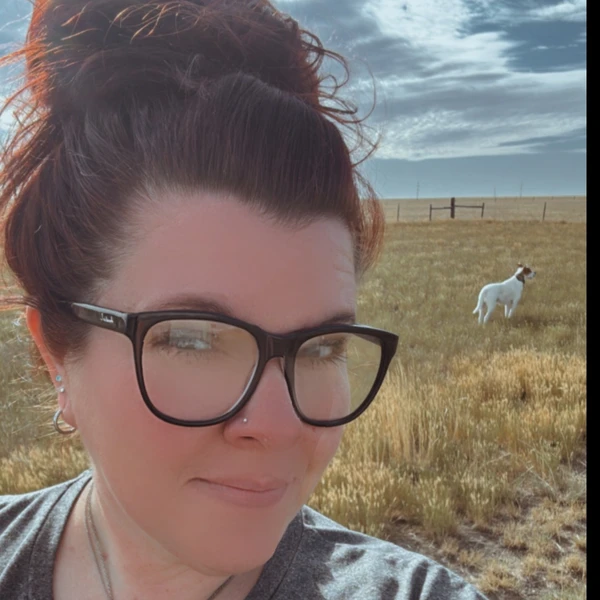
I am a dedicated rural educator working toward a Bachelor's in Elementary Education, set to graduate in May 2026. Teaching in a one-room schoolhouse in Montana, I wear many hats—educator, counselor, advocate, and lifelong learner. With a heart for underprivileged students and a flair for creativity, I bring compassion, adaptability, and a touch of magic to every lesson. Passionate about inclusive education, social-emotional learning, and equity in rural schools, I am committed to making education accessible, engaging, and empowering for all.
Education
Western Governors University
Bachelor's degree programMajors:
- Education, General
McHenry County College
Associate's degree programMajors:
- Education, General
Minors:
- Education, General
Crystal Lake South High School
High SchoolMiscellaneous
Desired degree level:
Master's degree program
Graduate schools of interest:
Transfer schools of interest:
Majors of interest:
- Education, General
Career
Dream career field:
Education
Dream career goals:
Preschool owner and teacher
Transcription
Appen2020 – 20222 yearsTeacher
Galata Elementary School2022 – Present4 yearsCustomer Service Representative - in Store
Verizon Wireless2002 – 20064 years
Public services
Advocacy
NISRA — Program Leader1998 – 2001Volunteering
Bountiful Baskets — site coordinator2021 – PresentVolunteering
Shelby Carousel — cleaning lady2022 – 2023
Future Interests
Advocacy
Volunteering
Entrepreneurship
Ella's Gift
When I was a teenager, my inner world felt like a storm you couldn’t predict: sudden, loud, and impossible to shelter from. For years that storm showed up as deep depression, severe anxiety, and behaviors I’m not proud of — including self-harm and periods when substance use felt like an emergency exit that led nowhere good. Those years taught me brutal lessons about vulnerability, shame, and how easily a person’s hope can be chipped away. They also taught me, more slowly and more stubbornly, how resilience is built: not from heroic leaps, but from tiny acts of survival repeated until they add up.
The turning point wasn’t a single cinematic moment. It was a series of small, stubborn decisions — I answered a phone call from a crisis line, sat down in my first therapy session and didn’t run, and accepted a referral to a psychiatrist when panic felt like it might physically break me. I started to learn that asking for help was not a sign of weakness; it was a strategy. With professional support, a medication plan that made everyday life possible again, and a community of people who would listen (sometimes badly, sometimes beautifully), the storm moved from an unrelenting hurricane to a heavy but manageable weather pattern.
School became my lifeline. Teaching children — tiny humans with enormous emotions and genuine curiosity — reminded me why I wanted to be well. I saw in their first attempts and their unfiltered wonder the very reasons I wanted to show up for life: to model patience, to build classroom spaces where kids feel safe, and to transform trauma into something useful. That purpose motivated me to reapply myself academically, to commit to completing my degree, and to translate my lived experience into empathy-driven teaching practice.
My educational goals are both practical and heart-led. I am finishing a Bachelor’s in Elementary Education and aim to specialize in trauma-informed instruction and social-emotional learning for early grades. I want to create classrooms where students who feel different, frightened, or overwhelmed can still learn and thrive. Long-term, I see myself coaching other teachers on how to embed mental health supports into everyday lessons and advocating for rural schools that lack resources. Education saved my days; I want to help it save others’.
Managing recovery is an ongoing plan, not a box to check. My strategy balances professional care, community, and day-to-day habits that keep me steady:
• Continued professional care — Regular appointments with a licensed therapist and psychiatrist ensure I stay on track with evidence-based treatment and medication adjustments as needed. I attend therapy consistently and use DBT/CBT techniques we practice in sessions.
• Peer and community support — I’m active in a local support group and maintain close, honest connections with a small circle of trusted friends and colleagues who know my triggers and celebrate my milestones. When I’m struggling, I reach out; when I’m stable, I show up for others.
• School-based routines — I structure my days with predictable routines, planning breaks and boundaries so that work doesn’t become overwhelm. As a teacher, I also build classroom systems that prevent burnout: clear schedules, delegation when possible, and a focus on slowing down rather than doing everything fast.
• Healthy coping tools — Movement, sleep hygiene, music, creative outlets (I love arts and crafts — it’s surprisingly therapeutic!), and grounding exercises are part of my daily toolkit. When cravings or old habits resurface, I employ grounding techniques and a relapse plan that includes immediate contact with a clinician and my support people.
• Advocacy & learning — I continue to learn about trauma-informed practices through professional development and plan to bring those skills back to my rural community where mental health services can be scarce.
My story is not one of perfection; it’s proof that recovery is possible and worth pursuing. I am not “fixed,” but I am more skilled at noticing when the weather patterns are changing and more proactive about tending my mental health. This scholarship would not only support my academic goals but also help deepen the practical skills I’ll bring back to students who need more than instruction — they need someone who understands what it looks like to keep going when the storm is loud. I plan to repay that investment by creating classrooms and resources that amplify compassion, teach coping skills, and normalize asking for help.
I don’t pretend the road ahead will be easy. But I do know the shape of steady work: the small, courageous steps — one therapy appointment, one lesson plan, one patient conversation with a kid — that build a life worth teaching from. I’m ready to keep doing that work.
Debra S. Jackson New Horizons Scholarship
My life journey has been anything but linear, and that is what has led me to pursue higher education at this stage in my life. I was not the traditional eighteen-year-old heading straight to college with a clear plan. Instead, my path was filled with challenges and detours that gave me valuable experience long before I returned to the classroom as both a student and a teacher. Each step has shaped my values, strengthened my resilience, and deepened my commitment to education and service.
One of the most defining experiences of my journey has been teaching in a rural one-room schoolhouse. Unlike most teachers, I often work with only a handful of students, spread across multiple grade levels, all under one roof. I wear many hats—educator, counselor, mentor, and advocate. Teaching in this environment has taught me patience, adaptability, and resourcefulness. It has also highlighted the inequities rural students face: limited access to resources, technology, and even basic educational opportunities. These realities lit a fire in me to continue my own education, not just to improve my career prospects, but to better serve children and communities that too often go overlooked.
Through these experiences, I have developed values rooted in empathy, resilience, and service. I believe in meeting people where they are, seeing the best in others, and in the transformative power of education. My career aspiration is not simply to be a teacher but to be the kind of teacher who advocates for underrepresented voices, makes education accessible, and inspires students to see themselves as capable of greatness regardless of circumstance. Earning my degree in Elementary Education is not only a personal goal; it is the key to amplifying my impact.
My commitment to community service extends beyond the classroom. Teaching itself is service, but I also connect families to resources, attend community events, and partner with organizations that support rural schools. I know firsthand how much difference one committed person can make, especially in a small community where resources are stretched thin. Higher education equips me with more than knowledge—it gives me tools and credibility to widen my reach and deepen my service.
Looking forward, I plan to use my education to advocate for equity in rural education. I want to mentor new teachers who may feel isolated, create programs that bring opportunities to underprivileged students, and continue to share resources that highlight the challenges of rural teaching. My vision is not only to teach children how to read and write, but to empower them to dream beyond the limits of their circumstances. If I can plant even one seed of belief in a student—that they are capable, worthy, and full of potential—then I will have succeeded.
This scholarship would play a pivotal role in helping me achieve these goals. As a teacher completing my degree, finances are a constant concern. While I am deeply committed to my education, tuition and expenses create a significant barrier. Receiving this scholarship would relieve some of that burden, allowing me to focus more fully on my studies and my classroom. It would not just be an investment in me, but in the countless students and communities I will serve in the years to come.
In reflecting on my journey, I see clearly how every challenge and opportunity has led me here. My pursuit of higher education is not simply about earning a degree; it is about honoring the values I’ve built, achieving the career I aspire to, and serving my community in meaningful ways. This scholarship represents not just assistance, but a chance to turn that vision into reality.
Audra Dominguez "Be Brave" Scholarship
When confronted with adversity, I have discovered that perseverance, creativity, and reflection are my greatest tools. My path to becoming a teacher has not been simple. Living with PTSD and anxiety while teaching in a rural one-room schoolhouse, balancing my coursework toward a bachelor’s degree, and working without administrative support have all tested my resolve. Yet rather than allowing these challenges to discourage me, I have used them to strengthen my determination to achieve my career aspirations.
One of my earliest obstacles was teaching under an emergency license while also completing college classes. Managing long school days followed by late nights of studying was overwhelming, and I often questioned if I could continue. To cope, I created structured routines, broke large tasks into manageable steps, and relied on therapy and coping strategies to maintain balance. These habits helped me move forward academically and professionally while also building empathy for students who face invisible struggles of their own.
The isolation of teaching in a rural community posed another challenge. With no principal or HR department to turn to, I often had to solve problems independently, from addressing student needs to handling board conflicts. Instead of becoming discouraged, I leaned into resourcefulness. I applied for and received grants to bring much-needed supplies and opportunities to my students, ensuring they had access to hands-on, creative learning. I also sought out professional development beyond my classroom. Being selected to collaborate with Montana PBS and PBS KIDS on the show Weather Hunters remains one of my proudest accomplishments. This experience allowed me to grow as an educator, connect with peers nationwide, and see how innovative educational tools can inspire children.
My struggles with anxiety and the stress of working in difficult environments have reshaped the way I view teaching. They have taught me patience, compassion, and the importance of meeting students where they are. I understand what it feels like to be underestimated or overlooked, and I never want a child to experience that in my classroom. When one of my students with special needs proudly read a full sentence aloud for the first time, I was reminded that perseverance, not perfection, is the real victory.
Adversity has also pushed me to become an advocate—for myself, for my profession, and most importantly for my students. I have spoken up in school board meetings, fought for fair treatment in contracts, and remained committed to my education even when the weight of responsibility felt heavy. Each challenge has prepared me to create classrooms where every child feels valued and capable of success.
The adversities I have faced have not been setbacks, but stepping stones. They have made me more resilient, empathetic, and determined. My ultimate goal is not only to teach but to inspire children to believe in themselves, no matter what challenges they face. If I can show them through my own journey that adversity can be overcome, then every obstacle I have faced will have had a purpose.
College Connect Resilience Award
Resilience, to me, is the decision to rise again and again, even when life keeps handing you reasons to stay down. It is not the absence of struggle, but the refusal to let struggle have the final say.
Living with a chronic condition while pursuing my college degree has taught me that resilience often happens in quiet, unseen moments. It’s the 5 a.m. mornings when I push through fatigue to prepare lesson plans before my own classes start. It’s the nights when I rewrite essays between doctor’s appointments and grading papers for my students. It’s the times I’ve had to sit in my car and collect myself because my body feels heavy, but my responsibilities still call.
One of the most defining moments for me came during a semester when my symptoms flared unexpectedly. I was teaching full-time under an emergency license in a rural one-room schoolhouse while taking a full course load for my degree. My health made every task feel twice as heavy, but I learned to adapt — rearranging my schedule, reaching out for help when needed, and giving myself grace on the days my body demanded rest. Instead of letting those challenges derail me, I treated them as training for the kind of educator I want to be: flexible, compassionate, and deeply aware that every student carries an unseen story.
Resilience has also shaped my relationships. I’ve learned to surround myself with people who understand that I can be strong and struggling at the same time. I value authenticity and openness, and I carry that same mindset into my classroom. My students know I see them not just for their academic abilities, but for who they are as whole people. I know firsthand how one caring adult can make a difference, and I strive to be that person — not just on the good days, but especially on the hard ones.
As a college student, resilience means honoring my health as part of my success, not a hindrance to it. It means managing my time with intention, advocating for myself without guilt, and refusing to let setbacks steal my goals. It’s knowing that every step I take toward my education — no matter how slow — is proof of my determination.
My hope is that my journey will inspire others facing their own battles to keep going. Resilience is not about never falling; it’s about building the courage to stand up each time you do. And that is exactly how I choose to live.
Ethel Hayes Destigmatization of Mental Health Scholarship
My experience with mental health has been both a challenge and a teacher. Living with anxiety and PTSD has shaped the way I see the world — it’s taught me that strength isn’t always loud, and that resilience is often built in the quiet moments when no one is watching. I’ve learned to navigate each day with self-awareness, patience, and an understanding that everyone carries struggles we may not see.
These experiences have influenced my goals as an educator. I’m committed to creating a safe, trauma-informed classroom where every child feels seen, valued, and supported — not just academically, but emotionally. I know firsthand how one caring adult can make a difference, and I strive to be that person for my students.
My mental health journey has also deepened my relationships. I’ve learned to value authenticity and open communication, and I surround myself with people who encourage growth instead of perfection. It’s taught me to listen without judgment, to offer grace, and to set healthy boundaries when needed.
Above all, my experiences have shaped my understanding of the world: kindness is never wasted, and empathy is a form of strength. I believe that by sharing our stories and supporting one another, we can break the stigma around mental health and build communities where everyone has the chance to thrive.
RonranGlee Special Needs Teacher Literary Scholarship
Part I: Why I’m Passionate About the Special Education Profession
I didn’t come to special education because it was convenient or glamorous. I came because it was real. Because I saw the gaps. Because I was one of the kids quietly falling through the cracks, misunderstood, and masking to survive. And I vowed, the moment I realized I could be a teacher, that I would build a classroom where no child ever felt like they were too much or not enough.
I currently teach in a one-room schoolhouse in rural Montana. I work with students ranging from kindergarten to eighth grade—all academic levels, all emotional needs, all neurotypes. Some have IEPs. Others should, but don’t. Many have experienced trauma, poverty, grief, or the quiet isolation that comes from growing up in a place where services are limited and understanding is scarcer still.
Special education, to me, isn’t a box on a student’s file or a checklist of accommodations. It’s a lifeline. It’s how we level the playing field when life has already thrown curveballs. It’s how we say to a student: “I see you. You belong here. You are not broken.”
I’ve witnessed the transformative power of individualized support. A nonverbal student whispering their first word during a read-aloud. A child with executive functioning delays finally mastering a visual schedule. A student with PTSD sitting through an entire lesson, regulated and safe. These victories are rarely loud—but they are revolutionary.
I’m passionate about special education because I believe every child deserves to be met with curiosity, not judgment. I believe in proactive strategies, in strength-based approaches, in the science of learning and the art of love. And I believe rural students and teachers deserve the same access to resources, training, and support as anyone else. I’ve chosen this path because it’s hard—and because it’s worth it.
Part II: Defining Presence and My Mission as a Special Education Teacher
Harold Bloom once said, “I have learned that the purpose of teaching is to bring the student to his or her sense of his or her own presence.”
To me, Bloom’s idea of “presence” is about identity and agency. It’s the moment a student realizes: “I am here. I matter. I exist not as a shadow of expectations, but as a whole person—with my own thoughts, feelings, needs, and dreams.” In special education, this concept is profound. So many students with disabilities are defined by what they can’t do. They’re pulled out, held back, or held down. The world around them sends a constant message: you are less than. Helping them find their sense of presence means guiding them back to a truth that counters that lie: You are more.
How do I accomplish this?
1. Through relationships. I build trust first. No learning can happen until safety is felt. My students know they can cry, laugh, meltdown, ask questions, and still be welcome the next day. I validate their experiences. I listen. I learn their triggers, their joys, their sensory preferences, and their humor.
2. Through access. I scaffold every lesson, accommodate without shame, and adapt in real time. Whether it’s using visual timers, social stories, fidgets, AAC tools, or alternative assessments, I make sure my students can participate fully—not just observe.
3. Through voice. I teach self-advocacy as early as possible. “What do you need right now?” “How can I help you feel safe?” I teach them that asking for help isn’t weakness—it’s wisdom. I want every student to eventually say, “This is who I am. This is how I learn. And I deserve to be included.”
4. Through celebration. In my classroom, we cheer for the tiniest victories. A complete sentence. A calm morning. A brave moment. A shared snack. I help my students see their growth. I mirror back their brilliance.
To bring a student to their own sense of presence is to hand them the pen and say: You get to write this story now. I’ll be right here—just in case you need help turning the page.
Part III (Optional Bonus): A Fairy Tale of Presence
“The Little School at the Edge of the World”
As told by Miss Alex, the Witch of the Windswept Plains
Once upon a time, in a faraway land with no stoplights and more cows than people, there stood a crumbling little schoolhouse on the edge of the world. The wind howled year-round. The heater wheezed like an old dragon. And inside its four walls, chaos reigned.
The students came from all walks of life—some tiny, some tall, some loud, some silent. Some carried invisible storms in their backpacks. Some had never been seen for who they truly were. Others had learned long ago to disappear entirely.
That’s when she arrived. A strange, hopeful woman with bright eyes, messy buns, and a black cardigan that had at least three mysterious holes in it. They called her Miss Case. Some whispered she was a witch. (She never denied it.)
Miss Case didn’t try to change her students. She brought in fidgets and weighted blankets and whisper corners and weird storybooks about emotional werewolves. She spoke in affirmations, not punishments. She saw meltdowns not as misbehavior, but as clues. She looked every child in the eye—even the ones who looked away—and said, “You belong here.”
One by one, the children began to bloom.
The boy who never spoke began humming. The girl who couldn’t sit still led yoga stretches. The child who used to throw books now read to them. They learned their differences weren’t flaws—they were magic. And Miss Case reminded them, every single day: “You have power. You take up space. You are not invisible here.”
The villagers didn’t understand what she was doing. “Why not just teach the regular way?” they’d mutter.
But Miss Case knew. She had been invisible once too. And so, she stayed. She taught. She listened. And the little school on the edge of the world became something else entirely.
A place of presence.
And no one ever disappeared again.
Final Thoughts
Special education is where my heart lives. It’s a field that requires not only patience and training, but unrelenting love. Professor Bloom reminds us that teaching is not about control, or even content—it’s about awakening something inside a student that says, I am here.
That’s what I strive to do every day. Whether I’m helping a student communicate their needs, cope with sensory overload, or advocate for themselves in an IEP meeting, I’m teaching them presence. I’m reminding them of their value—not someday when they’re “caught up” or “less different,” but right now, as they are.
With your support through this scholarship, I can continue earning my teaching degree, deepen my understanding of neurodivergent learning, and bring more tools to a classroom that already runs on love and laminated visuals. I want to help reimagine special education—not as a corner of the school, but as the heart of it.
Because when every child feels their presence—really feels it—we don’t just change a classroom.
We change the world.
Eitel Scholarship
My name is Alex, and I am currently pursuing my Bachelor’s Degree in Elementary Education with a strong focus on rural and special education practices. I am working toward full licensure while actively teaching in a one-room schoolhouse in rural Montana. It’s a job that demands everything I’ve got—and it’s also the reason I’m committed to finishing my degree.
This scholarship would provide essential financial support in helping me continue my studies, complete my certification, and eventually expand the quality of education I can offer my students. I’m not just earning this degree for me. I’m earning it for them.
My students range from kindergarteners learning their letters to middle schoolers tackling fractions and science labs. Some are neurodivergent. Many face significant trauma. All of them deserve a teacher who is equipped—fully, formally, and fearlessly. But as it stands now, I’m doing the work of a certified teacher on an emergency license while going to school part-time, paying tuition out-of-pocket, and managing every detail of a multi-grade classroom by myself.
It’s a lot.
And while I have no shortage of passion or determination, what I do have is financial stress. Between student loans, basic classroom needs, and the rising cost of living in my rural area, paying for college sometimes feels like a puzzle I’m trying to solve with missing pieces. This scholarship would give me breathing room—not just financially, but emotionally. It would allow me to focus more deeply on my coursework, continue my hands-on teaching, and move closer to graduation without sacrificing my own well-being in the process.
I didn’t always know I’d be a teacher. But somewhere between being the “classroom helper” in first grade and creating spooky bulletin boards for my own students, it became crystal clear that education is my purpose. I am especially passionate about supporting under-resourced, rural communities—because I’ve lived in them, and I teach in one now. I know what it feels like to be the forgotten school on the edge of the map. And I want to be the kind of teacher who makes sure those kids don’t get left behind.
Earning this degree is about more than checking a box. It’s about becoming the teacher I needed as a child—the one who stays, the one who sees you, the one who shows up even when it’s hard.
My classroom may be small, but the impact is big. I dream of using what I learn to create a trauma-informed, inclusive, and joyful classroom. I plan to continue growing my skills in literacy, behavior support, and differentiated instruction—so that every student, no matter their learning style, feels safe and successful in my care.
This scholarship would help me turn that dream into something sustainable. It would help me finish what I started. And it would send a powerful message: that rural educators matter, that children in remote towns deserve qualified teachers, and that someone out there believes in what we’re building—even out here at the end of the gravel road.
Thank you for your time and for believing in future educators like me.
Live From Snack Time Scholarship
Early childhood is where everything begins—not just academically, but emotionally, socially, and developmentally. It’s the season of sticky fingers, wild imaginations, and big feelings in tiny bodies. And it’s the time when students are the most vulnerable, the most curious, and the most in need of nurturing support. That’s why I chose this field—because I believe the early years are the most important ones, and I want to be one of the adults who helps get it right.
My plan to support early childhood development is rooted in one simple goal: make every child feel safe, seen, and celebrated. That means building consistent routines, using trauma-informed practices, creating sensory-friendly spaces, and using play as the foundation for learning. I want to teach young children not just their letters and numbers, but how to take turns, express their emotions, and trust the grown-ups around them.
As a rural educator in a one-room schoolhouse, I’ve seen the unique challenges many early learners face—especially those impacted by poverty, trauma, or isolation. Some children come to school with limited vocabulary, delayed social-emotional development, or unmet basic needs. Others are overstimulated, misunderstood, or already carrying the emotional weight of adult-sized problems. I want to be the kind of teacher who meets them with patience and curiosity, not punishment.
In my current classroom, I incorporate sensory tools, movement breaks, visual schedules, and social-emotional storybooks daily. I believe that supporting regulation is just as important as teaching phonics. When children feel calm, supported, and understood, they are much more likely to learn and engage. I plan to continue growing in this area through professional development in early intervention strategies, inclusive education, and trauma-informed care.
I also believe deeply in the power of play. Through dramatic play, art, music, nature walks, and storytelling, young children develop communication skills, problem-solving abilities, empathy, and confidence. A well-designed early learning environment doesn’t just prepare children for school—it helps them feel a sense of agency and belonging.
What made me choose this path? Honestly, it was a mix of lived experience and love. I’ve always had a soft spot for the underdog—the child hiding under the table, the one struggling to zip their coat, the student who’s already learned not to raise their hand. I see them because I was them. And I know how much a calm, consistent adult can change everything.
If we pour into children when they are young—truly invest in their emotional well-being, communication skills, and sense of identity—we won’t just see better students down the road. We’ll see better humans. And that’s the kind of future I want to help create—one full of children who know they are safe, strong, and ready to thrive.
That’s why I’m here. To give little ones the strong start they deserve. To be the safe space, the steady voice, and the warm presence who helps them grow into everything they’re meant to be.
Reimagining Education Scholarship
If I could create a class that every student, from kindergarten to twelfth grade, was required to take, it wouldn’t be a test prep bootcamp, a high-stakes STEM lab, or even an art class—though I love all of those. It would be something we’re missing at the core of education: a class simply called Humanity.
This wouldn’t be your typical social studies class. Humanity would focus on the stuff that doesn’t always make it into the curriculum—but shapes every single part of our lives: empathy, conflict resolution, emotional regulation, compassion, communication, grief, resilience, and cultural literacy. It would evolve as students grow, starting in kindergarten with simple lessons like recognizing emotions in themselves and others, and developing into real-world roleplays, activism, and self-reflection by high school.
Why? Because while we teach students how to multiply fractions and diagram sentences, we often forget to teach them how to handle big emotions, work through conflict, or connect with people who are different from them. We expect them to show up ready to learn without teaching them how to be human in a complex world.
I’ve seen firsthand in my one-room schoolhouse how deeply students need this kind of instruction. My students come to me carrying invisible weights: anxiety, trauma, grief, overstimulation, and uncertainty. Some of them haven’t yet learned how to name their feelings, let alone how to handle them. Others lash out, shut down, or withdraw—not because they’re “bad,” but because they don’t yet have the tools.
This class would give them those tools.
In Humanity, students would learn how to calm their bodies after stress, how to express needs without shame, and how to hold space for someone else’s pain without needing to fix it. They’d study diverse stories and voices, exploring how culture, identity, and history shape the human experience. They’d practice empathy through service projects, storytelling, and real dialogue. And just like we do fire drills, they’d do mental health check-ins, learning when and how to ask for help.
The impact? Profound.
I believe this class would reduce bullying, improve classroom culture, and support mental health in every school. It would teach students how to work through hard things together, rather than alone. It would create a generation of not just smarter kids—but kinder ones. The kind of people who listen before they speak, who stand up instead of scroll past, and who believe that compassion isn’t weakness—it’s strength.
Imagine a school where students are just as proud of their emotional growth as their GPA. Where kindness earns just as many gold stars as spelling tests. Where kids learn that being human is messy, beautiful, and worth doing well.
I want to help build that school. I want to teach that class.
Because the truth is, the world doesn’t need more perfect test-takers. It needs more good humans—and we can start building them right here, right now, one lesson at a time.
Marie Humphries Memorial Scholarship
I didn’t always plan on becoming a teacher. In fact, for a long time, I wasn't even sure I was smart enough for college. Growing up in a small, rural town, I often felt like my dreams were too big for the map I lived on. The world felt impossibly far away, and I didn’t have the words yet to ask for more than what I saw around me. That changed the day I walked into Mrs. Henley’s fifth grade classroom.
Mrs. Henley was the kind of teacher who made you feel like you mattered the second you stepped through the door. She didn’t just teach spelling or long division—she taught us. She knew which students had lost someone, who didn’t have lunch, and who just needed an extra smile. I remember her pulling me aside one day, after I had struggled to read aloud in class. I was embarrassed and ready to give up. But she gently said, “You don’t have to be perfect to be important. You just have to keep trying.” That one sentence changed me. Suddenly, I wasn’t just the quiet, awkward kid in the back—I was someone worth believing in.
That belief planted a seed.
Years later, I found myself in a one-room schoolhouse, teaching students who remind me a lot of my younger self—bright, kind, and full of potential, but facing challenges far beyond their years. Many of them come from homes impacted by poverty, trauma, or isolation. Some are neurodivergent, some are second-language learners, and all of them deserve a teacher who sees them clearly. I want to be that teacher.
I’m pursuing a career in education because I know what it feels like to be overlooked. I know the power of one adult who shows up consistently, who sees beyond the grades and behaviors, and who simply refuses to give up on a child. I want to be the reason a student keeps showing up. I want to be the voice that tells them, “You matter.”
Teaching isn’t just a job for me—it’s a calling. I love the chaos, the creativity, the “aha” moments, and even the tough ones. I love building a classroom that feels like a second home, where we celebrate weirdness, laugh loudly, cry safely, and grow together. I love turning every day into an opportunity to help kids feel braver, kinder, and more capable than they did the day before.
My goal is to become the kind of teacher Mrs. Henley was for me. The kind who changes the way a child sees themselves. The kind who lights a spark that keeps burning—even in the dark. I know how it feels to have your life changed by a single sentence, and I want to spend the rest of my life giving that feeling away.
Because sometimes, one person really can change everything.
B.R.I.G.H.T (Be.Radiant.Ignite.Growth.Heroic.Teaching) Scholarship
If I could change one thing in education, I would bring sustainable support, visibility, and compassion to rural schools like mine—before they disappear entirely.
I teach in a one-room schoolhouse on the windswept plains of Montana. The kind you read about in history books—except mine isn’t a relic. It’s very real. I teach every subject, every day, to every grade level from kindergarten through eighth grade. I’m the art teacher, the PE teacher, the lunch lady, the IT department, the therapist, and the janitor. Some days, it feels like I’m holding the whole school together with binder clips, hope, and sheer willpower.
But what we lack in resources, we make up for in heart.
If I could change one thing in education, it would be this: that rural schools like mine aren’t just seen—but supported. That policymakers and communities recognize the unique challenges we face and the extraordinary potential we hold. Because right now? We’re vanishing. Slowly. Quietly. And no one seems to notice.
Rural schools are the lifeblood of their communities. They are more than buildings—they are safe havens, community centers, and often, the only consistent source of care some children receive. And yet, we are underfunded, under-resourced, and too often, completely overlooked. Teachers in these environments are expected to perform miracles with next to nothing—and then smile politely when asked why test scores aren’t higher or enrollment is dropping.
In my district, schools are closing due to low enrollment. Entire families are moving away because there’s no access to mental health services, no extracurriculars, no specialists, no nurses, and very little economic opportunity. The message sent to rural children is this: your education matters less.
That’s what I want to change.
I want to be a voice for the forgotten. A light for the last schoolhouse on the map.
If rural students had access to the same resources as their urban and suburban peers—counseling, special education support, broadband internet, enrichment opportunities—their outcomes would drastically improve. These students are brilliant, curious, creative, and resilient. They shouldn’t have to leave their community to access the education they deserve.
If I could wave a wand (probably spooky and sparkly), I would create a network of traveling support teams—mental health professionals, special education experts, behavior coaches—who rotate between rural schools regularly. I’d invest in mentorship programs to prevent teacher burnout and isolation. I’d fund community-school partnerships that provide food, clothing, and health care to students who need it. I’d create scholarships specifically for rural teacher candidates who commit to staying in their hometowns after college. And I’d prioritize the repair and modernization of aging rural school buildings, many of which—like mine—have no security system, outdated plumbing, and still rely on ancient heaters and chalkboards.
But most of all, I would change the narrative.
Rural education isn’t less than—it’s different. It’s intimate, creative, adaptable, and deeply relational. My students learn empathy because they know every classmate’s story. They learn accountability because they can’t blend into a crowd. They learn flexibility because sometimes the “science lab” is also the cafeteria table and the art station and the printer hub. We aren’t behind—we’re just asked to run the same race barefoot.
When I think about what I want to give my students, it’s not just academics—it’s dignity. It’s opportunity. It’s the belief that where they come from doesn’t limit where they can go.
One day, a student of mine asked me, “Why do you stay if it’s so hard?” I thought about it. And I told him the truth: “Because you matter. And someone has to stay and say that out loud until everyone believes it.”
That’s what I’d change. That rural kids wouldn’t have to wonder if they’re worth the fight. That rural teachers wouldn’t feel like an afterthought in education reform. That instead of watching these schools shut down, we pour into them—not just to preserve tradition, but to invest in the future of every single child brave enough to bloom in the middle of nowhere.
The solutions aren’t impossible. They just require attention, intention, and a shift in priorities. Right now, too many policies are designed with only large schools in mind. Funding formulas that punish low enrollment hurt rural schools the most. The assumption that a one-size-fits-all curriculum works for every classroom crumbles when you’re teaching five grades in one room. And the idea that test scores alone define a school’s success erases the very real victories happening every day in places like mine—like a student reading fluently for the first time, or a child with trauma trusting an adult again.
I want to be a teacher who not only adapts to this reality, but who changes it. Who brings light, color, and consistency to a system that often feels grey and crumbling. I want my classroom to be the place where rural kids realize they’re not invisible—that their future is just as vibrant and valuable as anyone else’s.
And maybe that’s the real heart of what I’d change. I wouldn’t just fight for more services or better funding or safer buildings—though we desperately need all of those. I would fight for rural education to be respected. Celebrated. Cherished. I’d tell every rural teacher that their work is not small, even if their classroom is. I’d tell every student in a town with no stoplight and one gas station that their story is still worth writing—and that someone will read it.
I can’t fix everything. But I can start here, in this little schoolhouse, with my ghost-themed bulletin boards and my mismatched bookshelves and my one working laptop. I can make a difference by staying, showing up, and teaching with love—even when no one’s watching.
And if I can change the life of one student in a forgotten town, then maybe, just maybe, I can help change education too.
Hearts to Serve, Minds to Teach Scholarship
Teaching isn’t just a profession—it’s a calling. For me, it’s never been about delivering information; it’s always been about delivering care. Growing up in a rural area and now teaching in one, I’ve learned that service doesn’t always look like grand gestures. It often shows up in quiet, consistent ways: shoveling a neighbor’s snowy driveway before sunrise, bringing a hot meal to a grieving family, or sitting with a student long after the bell rings to help them navigate more than just homework.
In my community, the needs are often deep and personal. Many of my students face poverty, isolation, trauma, or neurodivergence. They come to school carrying invisible weights, and it’s my job to help them carry it—or at the very least, make the classroom a place where they can set it down for a while. I’ve volunteered at food banks and holiday gift drives, donated school supplies from my own stash, and helped organize community literacy nights that bring families together. I’ve also mentored new teachers, offering support and humor when burnout threatens to take over.
But the most important service I’ve offered hasn’t come with a sign-up sheet or a thank-you card. It’s come from being the steady, caring adult my students can count on—especially when life outside the classroom feels uncertain. I try to lead by example, showing up authentically, treating others with compassion, and reminding students that they are more than their circumstances.
In my classroom, kindness is celebrated just as loudly as correct answers. I want my students to walk away not only knowing how to read, write, and solve equations, but also how to regulate emotions, solve conflicts peacefully, and see the world through someone else’s eyes. We learn about history and science, yes—but we also learn how to listen, how to forgive, and how to stand up for what’s right.
My dream is for each of my students to leave my classroom feeling seen and empowered. I hope they gain a sense of belonging, confidence in their unique gifts, and the courage to be themselves—even when it’s hard. I want them to understand that their voices matter, and that education is a tool not just for personal success, but for lifting others up.
I believe in planting seeds. Sometimes, I don’t get to see the flowers bloom—but I plant them anyway. I hope my students carry those seeds of empathy, resilience, and curiosity into their futures, planting their own wherever they go. Whether they grow up to be doctors, artists, farmers, or parents, I want them to remember that someone believed in them, and that they have the power to create change.
Teaching in a one-room schoolhouse has only deepened this mission. With students of multiple grade levels, abilities, and backgrounds learning together, I’ve seen how powerful a small, supportive community can be. We celebrate each other’s wins, hold space for hard days, and learn that it’s okay to be both a work in progress and a masterpiece at the same time.
At the end of the day, I don’t just want to teach content—I want to teach humans. I lead with heart, think with purpose, and believe education can be the spark that lights even the darkest corners. My students deserve nothing less.
And if they learn anything from me that isn’t in a textbook, I hope it’s this: the world needs more good humans. Let’s be them—together.