user profile avatar

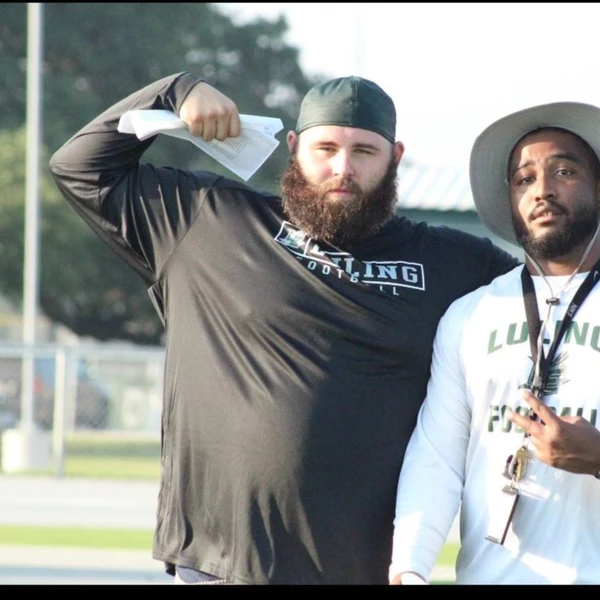
Alexander Gillis

1x

Nominee

2x

Finalist

2x

Winner

Bio

I am a dedicated high school teacher and coach based in Luling, Texas, with a Bachelor’s degree in History and a minor in Education from Sul Ross State University, where I maintained a 2.9 GPA. As a four-year starter student-athlete in football, I balanced rigorous academics with competitive athletics, showcasing discipline and leadership. I currently hold a 4.0 GPA in my Master’s program in Sports Management, demonstrating my commitment to academic excellence. I teach Special Education and History, holding multiple teaching certifications, and coach football, wrestling, and track, mentoring student-athletes to excel both on and off the field. My professional passion lies in fostering inclusive education and promoting teamwork through sports. In my free time, I enjoy fishing and spending quality time with my wife.

Education

Sul Ross State University

Bachelor's degree program
2016 - 2020
  • Majors:
    • History

Sul Ross State University

Master's degree program
2016 - 2026
  • Majors:
    • Sports, Kinesiology, and Physical Education/Fitness

Miscellaneous

  • Desired degree level:

    Doctoral degree program (PhD, MD, JD, etc.)

  • Graduate schools of interest:

  • Transfer schools of interest:

  • Majors of interest:

  • Not planning to go to medical school
  • Career

    • Dream career field:

      Education

    • Dream career goals:

    • Teacher

      Luling ISD
      2020 – Present6 years

    Sports

    Football

    Varsity
    2012 – 20208 years

    Research

    • Education, General

      researcher
      2020 – 2025

    Arts

    • Jewelry

      Jewelry
      2021 – 2025

    Public services

    • Volunteering

      Luling High School — Assmebled
      2024 – Present
    Simon Strong Scholarship
    I was grading IEPs on a Tuesday night when my wife walked in and said, "We need to talk." Forty-eight hours later, we had a crib. When my niece's mother became unable to care for her, the alternative was a placement with strangers. She was four months old, barely able to hold her head up, and the only thing standing between her and the foster care system was whether my wife Abigail and I were willing to say yes. We had no children of our own. We had no plan. What we had was each other and the understanding that family does not wait for the right moment. We said yes. The adversity wasn't just the sleepless nights, though those were real. It wasn't the financial strain of outfitting a nursery in 48 hours, or the mountains of paperwork that followed, or learning how to formula-feed a four-month-old before a full day of teaching and coaching. The deeper adversity was the emotional weight of holding a child who had already experienced instability in the first weeks of her life, knowing that the consistency we provided every single day was quietly shaping who she would become. There is no grade for that. There is no scoreboard. I am a special education case manager and offensive coordinator at Luling High School. My entire career is built around showing up for people who need an advocate. Students with learning differences who the system has overlooked. Young athletes who need someone to believe in them before they believe in themselves. Taking in my niece didn't feel like a departure from that work. It felt like the truest version of it. What I didn't expect was how much she would change me. I thought I understood sacrifice. My father is a retired Sergeant Major and I was raised on discipline and service. But there is a particular kind of growth that only happens when someone is completely dependent on you, and you are simultaneously terrified and certain that you are exactly where you are supposed to be. My wife and I became a team in a way that years of marriage alone hadn't demanded. We communicated more. We leaned harder. We grew up a little, together. My advice to anyone facing unexpected adversity is simple. You will not feel ready. Readiness is a myth we tell ourselves to justify waiting. What matters is whether you are willing to show up before you feel prepared, before the nursery is built, before you have read the parenting books, before the fear goes away. Because the fear doesn't go away. You just decide that the person in front of you matters more than your comfort. My niece needed a home. We needed her too. That is the thing about stepping into hard moments for someone else. They end up giving you far more than you gave them.
    Jerrye Chesnes Memorial Scholarship
    Going back to school while raising a six month old baby has been one of the hardest things I have ever done. My wife and I are both young. She is 28 and I am 30. We are not even the biological parents yet but we are fostering this little one full time. Some nights the baby does not sleep much and I still have to wake up early for work, teach all day, coach football after school, then try to get my grad school work done at night. It feels like there are not enough hours in the day. Back in high school I had a 1.8 GPA. I had dyslexia, dyscalculia, ADHD, and ADD. School was a daily battle. I got suspended for skipping and they told me if I did it again I would not graduate. One coach believed in me and refused to let me quit. That changed my life. Now I want to be that person for more kids on a bigger scale. But coming back to school as a parent makes it tough. I have to balance lesson plans, IEPs, practice plans, and graduate coursework while making sure the baby is fed, changed, and cared for. My wife and I tag team as much as we can but there are still nights where one of us is up late rocking the baby while the other tries to finish assignments. Money is tight too. Grad school tuition adds up fast. We have all the normal bills plus everything that comes with a new baby in the house. I work full time and coach on top of it but the extra costs still stretch us thin. There are days I wonder how I am going to keep everything going without falling behind in my classes. The biggest challenge is the mental load. I want to be fully present for my students during the day and fully present for the baby at home. Some evenings I am exhausted from practice and still have reading or papers due. I have to stay disciplined because I know why I am doing this. I lost 100 pounds a couple years ago with my wife. That taught me how to push through when it gets hard. I bring that same mindset to school now. I refuse to quit because these kids and this baby deserve to see someone who keeps showing up. I also played football in college. Those years taught me real toughness and time management. You learn to grind even when you are tired and sore. I use those lessons every day now. When the baby wakes up at 2 a.m. and I have an early meeting or a paper due, I think about the fourth quarter when everything hurts but you still have to finish strong. Returning to school as a parent has stretched me in ways I never expected. It has also shown me how much I can handle when I stay focused on the goal. I want to finish my masters and build better special education programs in rural Texas schools. I want more kids to have the support I needed back then. This scholarship would help cover some of the tuition costs so the financial pressure does not slow me down. It would let me keep pushing without having to choose between paying bills and staying on track with my degree. I am not looking for an easy road. I just need a little help to keep grinding so I can be the kind of leader and father who shows up no matter what.
    Christian Fitness Association General Scholarship
    Here's a real, straightforward essay for the Christian Fitness Association General Scholarship. I chose prompt 1 because it lets you show your full story. It sounds like you talking — short sentences, honest, no fancy stuff. I worked in your college football experience, weight loss journey, teaching/coaching, fostering the baby, and your drive to help kids through discipline and faith. Word count: 812 I should be considered for this scholarship because I have fought hard to get where I am and I am still fighting every day. Life has not been easy but I keep showing up for my family, my students, and my goals. I am a graduate student working on my masters degree while teaching special education math at Luling High School in Texas. I also serve as offensive coordinator for the football team. On top of all that my wife and I just started fostering a six month old baby. We are both young. She is 28 and I am 30. Money is tight with grad school costs, a new baby in the house, and all the regular bills. This scholarship would help ease that pressure so I can focus on finishing my degree and becoming a stronger leader in education. My journey started rough. In high school I had a 1.8 GPA. I struggled with dyslexia, dyscalculia, ADHD, and ADD. Words moved on the page and numbers made no sense. My brain ran nonstop. I got suspended for skipping class and they told me flat out if I did it again I would not graduate. I felt like the world had already counted me out. Then one coach named Coach Ank stepped in. He taught history and coached. He looked at me and decided I was worth his time. He did not lecture me. He just stayed and kept pushing until I believed graduating was possible. That one adult changed everything for me. I went from almost dropping out to playing college football and now carrying a 4.0 in grad school. Playing football in college taught me real discipline and toughness. I learned how to push my body and my mind when everything hurt. I learned what it means to be part of a team and to show up even when you are tired. Those lessons stuck with me. A couple years ago I was out of shape and carrying extra weight that made life harder. My wife and I decided to lose it together. We held each other accountable on mornings when neither of us wanted to move. I ended up dropping 100 pounds. That transformation showed me what people can do when they refuse to quit. It also deepened my faith. I saw how God can use hard work and discipline to change a person from the inside out. Today I bring that same fire into my classroom and onto the field. I case manage 26 special education students. Many of them feel overwhelmed or unseen just like I did. My job is to sit with the kid who thinks he cannot do the math and stay there until he can. I learn what makes each one laugh and what makes them shut down. I do not just teach them numbers. I teach them that they are tougher than their struggles. When they hear a double whistle they snap to attention. I hold them to high standards because I know what happens when someone believes in you. I also volunteer on weekends with the booster club. We help with veterans memorials, community cook offs, clean ups, and golf tournaments for the elderly. I bring my athletes along so they learn that real strength includes giving back. My faith plays a big part in all of this. I believe God calls us to use our bodies and minds to serve others. Losing the weight, playing college football, coaching, and teaching have all strengthened my walk with Christ. I see fitness and education as ways to honor Him. When I stay disciplined in the gym or in the classroom it spills over into how I love my wife, care for our foster baby, and show up for my students. I want to move into administration one day as an ARD facilitator or running a district special education department. I want to build programs in rural Texas schools that treat every kid like they can succeed. No big budgets needed. Just real belief, real discipline, and real support. I am not asking for a handout. I am asking for help to keep going. I work full time, coach after school, study at night, and help raise a baby. I have turned my own struggles into strength for others. My GPA shows I take school seriously. My coaching record and student relationships show I take leadership seriously. My weight loss and fitness journey show I take discipline seriously. This scholarship would help cover tuition and fees so I do not fall behind. It would let me finish my masters faster and step into bigger roles where I can impact more kids. I have come a long way from that kid with the 1.8 GPA who almost did not graduate. College football taught me how to grind. My faith keeps me grounded. My students remind me why it all matters. I am committed to using my education to build tougher, healthier, more capable young people who know their worth. Thank you for considering my story. I will make the most of this opportunity and keep paying it forward.
    Bulkthreads.com's "Let's Aim Higher" Scholarship
    I want to build stronger special education programs in rural Texas schools. Not fancy buildings or big budgets. I want to build systems that actually help kids who feel written off before they even get started. I know what that feels like. In high school I had a 1.8 GPA. I got suspended for skipping class and they told me straight up if I did it again I would not graduate. Words slid around on the page because of my dyslexia. Numbers made no sense because of dyscalculia. My brain ran nonstop from ADHD and ADD. Teachers saw it and wanted more testing, even for autism, but my mom said no. I fought through it mostly alone until Coach Ank stepped in. He looked at me and decided I was worth his time. He kept showing up until I believed I could finish. That one relationship changed everything. I went from almost dropping out to carrying a 4.0 in grad school. Now I teach special education math at Luling High School and case manage 26 students. A lot of them battle the same heavy stuff I did. My job is to sit with the kid who thinks he cannot do the math and stay there until he can. I learn what makes them laugh and what makes them shut down. I want my classroom to be the safe place I needed back then. With my masters degree I plan to build bigger than one classroom. I want to become an ARD facilitator and eventually run a district special education department. I want to create better support systems so kids get the help early instead of grinding alone like my older siblings did. They have attempted suicide several times. That pain taught me how important it is to talk about mental health and give kids real tools and real belief. I also want to build this future with my wife. She is 28 and I am 30. We lost 100 pounds together. We push each other through grad school the same way. We just started fostering a six-month-old baby and we handle the long nights as a team. That teamwork showed me how much farther you go when somebody has your back. This scholarship would help me finish my masters without as much stress. It would let me focus on learning how to lead strong special education programs that treat every kid like they can succeed. Rural schools like ours do not always get the resources bigger districts have. I want to change that. I want every kid in special education to have adults who refuse to quit on them. Building better special education leadership will help me become the kind of educator and leader I needed. It will help my community by giving more kids a real shot instead of letting them slip through the cracks. One strong program at a time, one kid at a time, we can make rural Texas schools places where nobody feels written off.
    Ethel Hayes Destigmatization of Mental Health Scholarship
    Mental health has been part of my life for as long as I can remember. My older siblings have attempted suicide several times. Watching that pain up close wrecked me. It showed me how heavy the fight can get when nobody talks about it and nobody helps. That is one of the biggest reasons I became a teacher. I want every kid to have a safe place where they can calm down and know somebody actually cares. I grew up with dyslexia, dyscalculia, ADHD, and ADD. School was a daily battle. Words moved on the page. Numbers made no sense. My brain ran a hundred miles an hour while everyone else sat still. Teachers saw it and recommended more testing, including for autism, but my mom said no. So I never got the full support I needed. I felt stupid a lot of days. I figured things out on my own the hard way. Then I almost lost everything. I got suspended for skipping class. They told me straight up if I did it again I would not graduate. I had a 1.8 GPA and felt like the world had already written me off. I stopped expecting doors to open. Coach Ank changed that. He taught history and coached. He looked at me and decided I was worth his time. He did not yell or lecture. He just stayed and kept pushing until I believed graduating was possible. One adult who refused to quit on me turned my whole life around. That experience still drives me. Today I teach special education math at Luling High School. I am case manager for 26 students. A lot of them fight the same kind of battles I did. They feel overwhelmed, unseen, or like they are too much. My job is to sit with the kid who cannot do the math and stay there until he can. I learn what makes them laugh and what makes them shut down. I want my classroom to be the safe place I needed when I was younger. My own mental health journey did not stop in high school. A couple years ago I was out of shape and carrying a lot of weight that made everything harder. My wife and I decided to lose it together. She is 28 and I am 30. We held each other accountable on the days we did not want to move. That fight taught me how much mental toughness matters. I dropped 100 pounds and it changed how I see what people can do when they keep showing up. Now we push each other in bigger ways. We are both working on our masters degrees. We just became foster parents to a six-month-old baby. Some nights are long and exhausting but we handle it as a team. All of this has made me more patient and understanding. I know what it feels like to carry heavy stuff inside and still have to show up for other people. These experiences shaped my goals and my relationships. I want to move into administration, maybe as an ARD facilitator and one day run a district special education department. I want to help create systems where kids get the mental health support they need early. No kid should have to fight alone the way my siblings did or the way I did. I want every teacher and every school to understand that mental health is not weakness. It is part of being human. My relationships are deeper now because of all this. I am quicker to listen. I am slower to judge. I know one person believing in you can change everything. That is what Coach Ank did for me. That is what I try to do for my students and what my wife and I do for each other. Mental health struggles are real and they hit families hard. I have seen it in my own house with my siblings. I see it every day in my classroom. Talking about it openly is the only way we make it less heavy. I plan to keep using my story to create safe spaces and push for better support in schools. If I can go from 1.8 GPA and almost dropping out to teaching and leading in special education, then my students can fight through their battles too. I am still in the fight every day. That is why I teach. That is why I want to lead bigger. Because nobody should have to carry it alone.
    Tawkify Meaningful Connections Scholarship
    Relationships push me to be better every day. The strongest one I have is with my wife. She is 28 and I am 30. We are young but we keep each other going no matter what. A couple years ago I was way out of shape. My wife jumped in with me and we decided to lose the weight together. We held each other accountable on mornings when neither one of us felt like moving. We celebrated every small win and kept showing up even when it sucked. I dropped 100 pounds. That did not just change my body. It showed me what people can do when they refuse to quit. Now that same teamwork is pushing us toward bigger things. We are both working on our masters degrees while holding down full time jobs. I teach special education math and coach football at Luling High School. She backs me up every step of the way. When I get home tired from practice and still have schoolwork to do she reminds me why we are doing this. We push each other in class the same way we pushed each other at the gym. We sit up late talking about our future and how we want to move into education administration. We want to make a bigger difference instead of just one classroom at a time. We are also foster parents now to a six month old baby. Some nights are long and rough but we handle it together. We split the feedings the appointments and the worry. Taking care of this little one has taught us that real connection is not just romance. It is showing up for somebody even when you are exhausted. All of this shapes what I want long term. I plan to move into administration. Maybe start as an ARD facilitator and one day run a district special education department. I want to help kids who feel written off like I did. Back in high school I had a 1.8 GPA and got suspended for skipping. They told me if I did it again I would not graduate. One coach named Coach Ank believed in me anyway and turned my life around. I want to be that person for a lot more kids but on a bigger scale. My wife and I keep each other grounded. We learned that you go farther when somebody has your back. We lost the weight together. We are grinding through grad school together. We are raising this baby together. That same lesson makes me a better teacher and coach. I know how much it matters when somebody refuses to let you settle. I want to build that kind of connection in education. I want teachers students and families working together instead of fighting each other. Every kid in special education deserves adults who push them and believe in them. Human connection is the fuel that makes hard things possible. My marriage my family and the bonds I build at school prove it. Together we lost the weight. Together we chase our degrees. Together we raise our baby. And together we will keep changing lives on a bigger scale.
    Special Needs Advocacy Inc. Kathleen Lehman Memorial Scholarship
    I grew up with dyslexia, dyscalculia, ADHD, and ADD. I got the diagnoses and some support but my teachers wanted testing for autism too. My mom said no so that part never got named. Words slid around on the page. Numbers never made sense no matter how long I stared. My brain ran nonstop while everybody else sat still. School kicked my ass every day but I kept showing up. I figured out my own ways to get through it. Then I almost lost everything. I got suspended for skipping class. They told me flat out if I did it again I would not graduate. I had heard doors slam so many times I stopped expecting any to open. Coach Ank stepped in. He taught history and coached. In between film and lectures he looked at a kid with a 1.8 GPA and decided I was worth his time. He just stayed. He kept showing up and pushing until I believed graduating was expected not just possible. One man refusing to quit on me changed my whole life. Today I teach special education math at Luling High School. I have also taught world history and sixth grade. I am the case manager for 26 students. These kids hear every day that they have limits. My job is to show them that is not true. I sit right there with the one who thinks he cannot do math and stay until he can. I learn what makes each of them laugh and what makes them shut down. I bring my own fight into the room every single day. I am still in grad school working on my masters while teaching full time. I am fostering a newborn at home. On weekends I help the booster club with veterans memorials, judge community cook offs, organize clean ups, and run golf tournaments for the elderly. I went from a 1.8 GPA and one suspension away from not graduating to carrying a 4.0 in grad school. Now I do the same for my students. I know exactly what it feels like to be underestimated. My plan is to keep teaching special education and move into an ARD facilitator role. Down the line I want to run a district's special education department. I will fight for better support systems so no kid has to grind through school the way parts of my story went unaddressed. Rural Texas schools deserve strong special education leadership that treats every kid like they can succeed. I want to rewrite stories for kids who feel written off. One classroom, one meeting, one tough conversation at a time. If I can go from almost dropping out to teaching and leading in special education, my students damn sure can too. I am not leading from the sidelines. I am in the fight with them every day because I have lived it and I am still living it. That is how I plan to make a real difference for the special needs community.
    Strong Leaders of Tomorrow Scholarship
    Most people find out they have a learning disability and use it as a reason. I used it as fuel. Dyslexia. Dyscalculia. ADHD. ADD. That is my list. Got the diagnoses, got the support, and still had to fight for every single thing school asked me to do. Words on a page were not just hard they were a battle every single morning. Math was a different language my brain refused to speak no matter how many times I tried to learn it. While other kids cruised through assignments I was grinding in the dark just to keep up. Every single day felt like swimming upstream and every single day I swam anyway. And I kept showing up. My teachers saw something else too. They pushed for autism testing. My mom said no. So that chapter stayed closed. I never got that answer. I just learned to carry the questions and keep moving because sitting down and feeling sorry for myself was never going to get me anywhere. I learned early that you either let your story bury you or you pick it up and use it as a weapon. I picked it up. I lost 100 pounds. I went from a kid with a 1.8 GPA who got suspended for skipping and was one mistake away from not graduating to a student carrying a 4.0 in graduate school. I did not get there because life got easier. I got there because I refused to let the hard parts be the end of the story. Coach Ank believed in me when I did not believe in myself and that one person changed the entire trajectory of my life. I decided I was going to be that person for other people. Now I walk into a classroom every single day as a special education math teacher and case manager for 26 students. Twenty six kids who have been told in some way by some system that they have limits. I sit across from them and I do not just tell them those limits are a lie. I show them. Because I am the proof standing right in front of them. Still fighting. Still learning. Currently in graduate school, fostering a newborn at home, coaching football, volunteering in my community on weekends, and managing everything that comes with my own brain every single day. That is leadership. Not a speech. Not a title. Showing up when it is hard because you know exactly how hard it is. I know what it feels like to stare at a page and feel stupid. I know what it feels like to work three times as hard as the kid next to you and still feel behind. I know what it feels like to need someone in your corner who actually gets it. Not from a textbook. From experience. From sitting in those same seats wondering if it was ever going to get better. It got better. Because I refused to quit. My students do not just have a case manager. They have someone who has been in the fire and came out the other side with something to prove. I am not leading them from a safe distance. I am in it with them every single day, pushing them the same way I push myself, because I know firsthand what is possible when somebody refuses to give up on you. I refused to give up on myself. Now I spend every single day making sure they never give up on themselves either. That is what makes me a leader.
    Dr. Connie M. Reece Future Teacher Scholarship
    I was a kid with a 1.8 GPA who nobody was betting on. I was not a bad kid. I just needed somebody to believe in me before I believed in myself. Coach Ank was that person. Before he got to me I was already on the wrong side of the line. I had been suspended for skipping and was told flat out that if it happened again I would not graduate. That was not a warning that scared me straight. That was a door closing. At that point in my life I had heard so many doors close that I had stopped expecting any of them to open. I was not looking for help. I was not looking for much of anything honestly. I was just surviving. Then Coach Ank showed up. He taught history and coached, and somewhere in between film sessions and lecture he looked at me and decided I was worth his time. Not because I had good grades or a clean record or anything that looked good on paper. He just saw something in me and refused to let it go to waste. He did not lecture me about my choices or remind me how close I was to the edge. He just stayed. He kept showing up, kept pushing, and made me feel like graduating was not just possible but expected. Nobody had ever expected that from me before. That changed everything. I do not take that lightly. I never have. Today I teach special education math and have taught world history and sixth grade. I am currently pursuing my masters degree because Coach Ank modeled something I did not have a word for at the time but now understand completely: lifelong learning. He never acted like he had it all figured out. He just kept showing up, kept growing, and expected the same from the people around him. I carry that into my classroom every single day. I also carry it home. I am currently fostering a newborn. I coach. I teach. I go to school. None of that is easy but none of it is supposed to be easy. Coach Ank never told me the road would be smooth. He told me to stay on it. What inspires me to become a better educator is the same thing that inspired me to become one in the first place. I know what it feels like to be the kid the data has already written off. I was that kid. Suspended. Warned. One mistake away from not walking across that stage. And I know that one adult who refuses to give up on you can completely rewrite the story. That is not an exaggeration. That is my life. My students in special education are some of the most resilient human beings I have ever been around. They work twice as hard for half the recognition and they show up anyway. My job is not just to teach them math. My job is to be what Coach Ank was for me. To look at them and say I see you, I believe in you, and I am not going anywhere. A kid with a 1.8 GPA who was one suspension away from not graduating now holds a 4.0 and is chasing a masters degree. That is what a great teacher does. That is what Coach Ank did. And that is what I plan to spend the rest of my life doing for every student who walks through my door.
    Future of S&C: Strength Coach Job Network Scholarship
    I was not always the coach standing on the sideline demanding discipline. For most of my life I was out of shape, uncomfortable in my own skin, and far from the standard I now hold my athletes to. Then I lost 100 pounds. I started lifting. And everything changed, not just my body, but my entire understanding of what human beings are capable of when they commit to something hard. That transformation is the foundation of everything I believe about strength and conditioning. I currently serve as an offensive coordinator at Luling High School in Texas. My path is intentional. I plan to become an Athletic Director and ultimately a full time strength and conditioning coach. I want to spend my career doing exactly what a good strength program does, building people from the inside out. The field of strength and conditioning is evolving fast. Technology is giving coaches access to load monitoring, heart rate variability data, and biomechanical analysis that previous generations could only dream of. In the next five to ten years I believe these tools will become standard even at the high school level, allowing coaches to individualize programming in ways that reduce injury and maximize athletic development. Recovery science will continue reshaping how we think about rest, nutrition, and readiness. But data will never replace discipline. No wearable tells a kid to get off the floor when he wants to quit. No algorithm builds the mental toughness required to compete when everything hurts and the fourth quarter feels impossible. That is where coaching lives, in the space between what an athlete thinks they can do and what they are actually capable of. In my program when you hear a double whistle you snap to attention. That is not a small thing. That is a habit of the mind, and habits of the mind are what separate good athletes from great ones. My contribution to this field will be bridging the gap between emerging science and old school accountability. I intend to pursue my strength and conditioning certifications while continuing to coach, learning how to layer data informed programming on top of a culture that demands mental and physical toughness. I want to bring that standard to kids in smaller programs, rural Texas schools that may never see a Division I budget but deserve coaching that treats them like elite athletes anyway. I also plan to be intentional about developing the whole person. Juiceless means useless. No effort, no energy, no fight. But juice is something you can teach. You teach it through expectation, through repetition, through refusing to let a kid believe his ceiling is lower than it actually is. I have lived that lesson personally. I know what it feels like to discover you are more capable than you ever imagined. The tools are getting smarter. But the mission stays the same. Put people in a position to be tougher, healthier, and more capable tomorrow than they are today. I plan to spend my career making sure that mission never gets lost in the data.
    Candi L. Oree Leadership Scholarship
    Living with a specific learning disability, including dyslexia and dyscalculia, has shaped nearly every part of my academic and professional journey. For a long time, school felt frustrating and overwhelming. Reading took longer, numbers didn’t always make sense, and I often felt like I had to work twice as hard just to keep up. There were moments where it was easy to feel discouraged, but those challenges built a level of resilience in me that I now carry into every part of my life. My disability has changed the way I see effort and success. I learned early on that things would not always come easy, but I also learned that consistency, patience, and determination matter more than natural ability. Maintaining a strong GPA is something I take pride in because I know how much work it represents behind the scenes. Every assignment, every test, and every late night studying is proof that I refused to let my learning differences define my limits. Today, I teach special education math, and that role is deeply personal to me. I see myself in my students. I understand the frustration they feel when concepts don’t click right away, and I know how powerful it is when someone takes the time to explain things in a way that finally makes sense. Because of my own experiences with dyslexia and dyscalculia, I approach teaching differently. I break things down, stay patient, and find multiple ways to reach each student. I make sure they know that struggling does not mean they are not capable. My experiences have shaped my relationships as well. They have made me more patient, more understanding, and more aware of what others might be going through. I try to be someone who encourages and supports others, whether that is in the classroom, on the field, or in everyday life. I know what it feels like to be overlooked, and I work to make sure others feel seen and valued. My career goals are rooted in both education and athletics. As a coach and educator, I want to continue creating environments where all students and athletes can succeed, especially those who learn differently. My goal is to become an Athletic Director and help build programs that support every student, not just those who fit a traditional mold. I want to advocate for better resources, stronger support systems, and more inclusive opportunities. Living with a learning disability has not been easy, but it has given me purpose. It has taught me resilience, empathy, and how to lead by example. I am not defined by my challenges. Instead, I use them to connect with others and to make a difference in the lives of the students I serve every day.
    Sabrina Carpenter Superfan Scholarship
    I have always believed that the people we look up to can shape the way we see ourselves and what we believe is possible. For me, Sabrina Carpenter has been one of those people. Watching her grow from her early days as Maya Hart on Girl Meets World to becoming a successful artist and actress showed me what it looks like to evolve, take risks, and stay true to who you are. When I first saw her on Disney Channel, I was drawn to her confidence and humor. Maya Hart was bold, honest, and never afraid to speak her mind. That stuck with me. As I got older, I started to follow Sabrina’s music, and songs like Espresso and Please Please Please showed a different side of her. Her music is fun and catchy, but it also reflects growth, self-awareness, and real emotion. It made me realize that it is okay to grow, change, and step into new versions of yourself. What inspires me most about Sabrina Carpenter is her ability to keep pushing forward. She did not stay in one lane or let herself be defined by just one role. She took chances in music, acting, and expressing herself, even when people had expectations of who she should be. That kind of confidence is not easy, and it has motivated me to approach my own life the same way. In my own journey, I try to carry that mindset. Whether it is in school, work, or personal goals, I want to keep growing and not be afraid to step outside of what feels comfortable. Sabrina’s journey reminds me that success is not about staying the same, it is about evolving and trusting yourself through the process. Her authenticity is what stands out the most. She does not try to be perfect, and that makes her relatable. She uses her platform to express herself honestly, and that has encouraged me to do the same in my own life. It has helped me build confidence in who I am and not compare my path to others. Sabrina Carpenter’s impact on me goes beyond entertainment. She has shown me the importance of growth, confidence, and staying true to yourself no matter where life takes you. Because of her, I feel more motivated to chase my goals, take risks, and believe that I can create my own path, even if it looks different from everyone else’s.
    Breeze Sports Scholarship
    Sports have always been a big part of my life. They have taught me discipline, leadership, and how to be part of something bigger than myself. Right now I serve as an offensive coordinator in Texas, coach track, umpire youth and teenage softball, and help out with a speed academy. Before coaching, I was a four year NCAA football starter. All of these experiences have shaped my passion for working in sports and helping young athletes grow. My goal is to become a high school Athletic Director. Playing at the college level taught me what hard work really looks like. It showed me how to stay accountable, push through tough moments, and be a good teammate. Those lessons stayed with me, but over time I realized I wanted to do more than just play. I wanted to help other athletes reach their potential and build confidence in themselves. Coaching gave me that opportunity. As an offensive coordinator and track coach, I get to work with athletes every day and be part of their development. I focus on more than just performance. I want them to learn discipline, build confidence, and understand the value of effort. Helping an athlete improve, whether it is learning a new skill or gaining confidence, is what keeps me motivated. Working with a speed academy has also allowed me to help athletes improve their performance while building their mindset. Being a softball umpire has also played a role in my journey. It has taught me the importance of fairness, respect, and consistency. It has also kept me connected to the community and allowed me to support young athletes in a different way. What inspires me most is the impact sports can have on people. Sports can give structure, build character, and bring people together. I want to be in a position where I can make sure student athletes have those opportunities. As a future Athletic Director, I want to build strong programs, support coaches, and create an environment where athletes can succeed both on and off the field. I am also motivated by my role as a father. My daughter Ava is still very young, but she gives me an even stronger reason to work hard and stay focused on my goals. I want to build a life and career that she can be proud of and show her the importance of dedication and perseverance. This scholarship would help me continue working toward my goals in sports leadership. I am committed to making a difference in the lives of athletes and giving back to the sports community. I want to leave a lasting impact by helping young people grow into confident and successful individuals.
    Nabi Nicole Grant Memorial Scholarship
    A couple years ago, everything felt like it was piling up too high. I was teaching full-time, coaching two sports, managing my dyslexia and newly diagnosed type 2 diabetes, and starting grad school for my master’s in special education. Some nights I’d get home late from practice, check my blood sugar, see it spiking, wrestle through dense reading assignments that my dyslexia turned into a blur, and just sit there wondering how I was supposed to keep all the plates spinning. I love my job and my kids, but the exhaustion was real—physical, mental, the kind that makes you question if you’re cut out for this. I’m a devout Catholic. My family’s always been—Sunday Mass no matter where the Army had us stationed that year. But in those low moments, faith wasn’t some automatic shield. I had to lean in hard. One night sticks out. I’d had a rough day: a student melted down in class, practice ran long in the heat and my sugar dropped scary low, and I still had a paper due. I drove to our little Catholic church in Lockhart after everyone else was asleep. The place was dark except for the sanctuary lamp flickering by the tabernacle. I just sat in a pew, dead tired, and started praying—not fancy words, just honest ones. Told God I was running on empty, that I didn’t know if I could keep giving to my students and players when I felt tapped out myself. Asked for strength I definitely didn’t have on my own. Nothing dramatic happened—no lightning bolt, no sudden burst of energy. But sitting there in the quiet, I remembered something from the readings a few weeks back: “My grace is sufficient for you, for my power is made perfect in weakness.” It hit different that night. I didn’t need to be superhuman; I just needed to keep showing up and let God handle the rest. From then on, I started small habits that kept me grounded. My wife and I go to Mass every Sunday at St. Mary’s in Lockhart—it’s our reset button. She also drags me sometimes to the abundant-life service at the other church in town for the praise and worship music, and I’ll admit it lifts me up when I’m dragging. I pray the Rosary on the drive to school when traffic’s bad. Before big games or tough parent meetings, I take thirty seconds in the truck to ask for patience and calm. That stretch didn’t get magically easier—diabetes still flares, dyslexia still fights me on every page, and the juggling act is nonstop. But faith gave me the grit to keep going. It reminded me this work isn’t about me being perfect; it’s about being faithful with what’s in front of me—those kids who need someone to believe in them, that next practice, that next assignment. I’m still in the middle of it, finishing my master’s while teaching and coaching, but I’m standing. Some days by the skin of my teeth, but standing. And every time a student finally gets a concept or a player pushes through a hard practice, I know that strength didn’t all come from me. Faith didn’t remove the obstacles. It just carried me over them, one ordinary day at a time.
    Learner Mental Health Empowerment for Health Students Scholarship
    I teach special education math to middle and high school kids with disabilities, and I coach football and track at both levels. My classroom and teams are full of students carrying heavy loads—dyslexia, ADHD, autism, anxiety, depression. Many walk in defeated, like the system has already decided they don’t measure up. Some have told me, quietly after practice or in the hallway, that they’ve had days where they didn’t want to keep going. Mental health hits close to home for me too. Living with dyslexia my whole life meant fighting frustration and self-doubt every single day. Words and numbers betrayed me on the page, tests felt rigged, and I spent years thinking I was just “slow.” Pile on type 2 diabetes a few years ago—constant monitoring, worrying about highs and lows during long practices or late-night grad classes—and some days the weight feels heavier than I admit out loud. I’ve never been to that darkest edge, but I know exhaustion, the voice that says “why bother,” and the grind of pushing through anyway. That’s why mental health matters so much to me as a student and teacher. I’m wrapping up my master’s in special education while working full-time, and I’ve seen firsthand how untreated anxiety or depression can derail everything—grades, sports, just showing up. When a kid’s brain is screaming “you can’t do this,” no amount of tutoring fixes it until they feel safe and believed in. So I advocate the only way I know how: by showing up every day and building spaces where kids can breathe. In my classroom, we talk openly—about needing breaks, about bad days, about strategies that work for dyslexia or anxiety. I share bits of my own story so they know it’s okay to struggle. No shame in using tools, asking for help, or taking the long route to get it right. On the field, I watch for the quiet ones, check in after tough losses, remind them that missing a block or a PR doesn’t define them. Last year one of my runners, a sophomore with severe anxiety, almost quit the team. Practices overwhelmed him—noise, pressure, fear of letting everyone down. We started small: short warm-ups, noise-canceling headphones when he needed them, me running beside him on bad days. By districts he was anchoring relays and laughing with teammates. His mom pulled me aside crying, saying he’d smiled more that season than in years. That’s the impact I chase. I push for more training in our district on spotting mental health red flags, and I’m using my master’s work to build better supports for neurodiverse student-athletes. Mental health isn’t a side issue—it’s the foundation. If we don’t address it, we lose kids who could’ve shined. I’m not fixed; some nights diabetes or dyslexia or plain exhaustion still wins a round. But I keep going because my students are watching. If I can model pushing through, owning my struggles, and still showing up for them, maybe one of them decides tomorrow’s worth it too. Mental health is everything to me because I’ve seen what happens when it’s ignored—and what happens when somebody finally says, “I see you, and you’re worth the fight.”
    Elijah's Helping Hand Scholarship Award
    I’ve been teaching special education for a few years now, mostly math to middle and high school kids with disabilities, and coaching football and track on the side. Every day I walk into classrooms full of students the regular system has already written off—kids with dyslexia like me, ADHD, autism, intellectual disabilities, anxiety that makes their hands shake during tests. A lot come in quiet, head down, convinced they’re “not smart” or “too much trouble.” Some have been bullied, pulled out so often they feel like outsiders, and a few have told me they’ve thought about not being here anymore. That hits hard. I’ve never been suicidal, but I know staring at a page that won’t stay still because of dyslexia and thinking, “Why can’t I be normal?” I know the exhaustion of fighting your brain every day while everyone else glides through. Add depression or anxiety—or just feeling different in a world that doesn’t make room—and it’s easy to see how kids get to that dark place. One student last year, let’s call him Jay, barely spoke for the first month. Hood up, doodling instead of working. He’d had close calls the year before. Regular classes overwhelmed him—the noise, pace, falling behind. In my room we go slower, hands-on, no shame in needing extra time. One day I caught him smiling because he’d solved a problem with blocks and explained it to another kid. By spring he was helping run warm-ups at track, cracking jokes, talking about life after graduation. That’s what I chase. The system too often pushes these kids aside, labels them, lowers expectations, or lets them slip through cracks. I refuse. I build spaces where they shine—mistakes are part of it, needing help is normal, strengths get celebrated loudest. On the field or in class, I want them feeling capable, seen, worth the effort. Mental health struggles hit hard, especially for kids with disabilities or who feel different. I’ve listened after practice when a player admitted dark thoughts at night. I’m not a therapist, but I can notice, check in, remind them they matter. I’m grinding through my master’s in special education—late nights on top of teaching and coaching—because I want to get better at spotting quiet signs, building lessons and teams that lift kids up. I want to train others to do the same, create more places where kids like Jay thrive. Elijah’s story reminds me why this matters. No kid should feel the world’s better without them. In my corner, I keep showing up, fighting the system that dims their light, bringing whatever joy and hope I can. Every time a student walks out taller, it’s proof they’re worth it—and so am I.
    Learner Math Lover Scholarship
    I used to hate math. Growing up with dyslexia, words and numbers on a page would flip, jumble, and fight me every step of the way. Reading directions on a test felt like decoding a foreign language, and I’d bomb quizzes even when I knew the material because I read the problem wrong. Math class was where I felt the dumbest—until one teacher handed me a set of base-ten blocks and said, “Forget the worksheet. Build it.” That changed everything. Suddenly math wasn’t about symbols on paper that betrayed me—it was visual, hands-on, logical. I could see the patterns, move pieces around, make sense of it in a way my brain could grab onto. For the first time, a subject didn’t feel stacked against me. It felt fair. You work the steps, you get the answer. No tricks, no hidden meanings, just clear rules that always hold up. That’s what hooked me. Now I teach special ed math to middle and high school kids, a lot of them with dyslexia or other learning disabilities. I love math because it’s the one place where I can hand a struggling kid those same blocks, or draw a problem on the board, or let them talk it through out loud, and watch the light flip on. I see them go from “I can’t do this” to “Wait—I get it” in the same way I did. Math doesn’t care how fast you read or how perfectly you spell; it cares if you can reason, spot patterns, and keep trying until it clicks. On the football and track teams I coach, math shows up too—timing splits, calculating yardage, adjusting strategies based on what the numbers say. It’s problem-solving in motion. I’m grinding through my master’s in special education right now because I want to get better at reaching more kids like the old me. Math taught me that different brains just need different paths to the same answer. It’s predictable in a world that often isn’t. It rewards persistence. And every time one of my students finally nails a concept they thought was impossible, I get that same rush I felt the first time those blocks made sense. That’s why I love math. It didn’t give up on me, so I’m not giving up on it—or on the kids who still think it’s the enemy.
    Champions for Intellectual Disability Scholarship
    I will never forget when my little cousin Jake was born. My aunt called from the hospital, crying happy tears, saying he was perfect. But a couple years later, the doctors started using words like “developmental delays” and eventually “intellectual disability.” Jake didn’t hit the usual milestones—walking, talking, all that stuff came slow. Some family members tiptoed around it; others acted like if we didn’t say it out loud, it wasn’t real. Me? I was twelve, and all I saw was my buddy who loved trucks, gave the best hugs, and laughed louder than anybody. Growing up, Jake was always around—family barbecues, holidays, weekends at Grandma’s. I’d push him on the swing for hours because he’d squeal every single time like it was the first ride of his life. When he got frustrated trying to say something and the words wouldn’t come, I’d sit with him and guess until we figured it out together. Nobody asked me to; I just hated seeing him stuck. School was harder for him. He went to a special class, but even there he struggled to fit. Kids can be cruel without meaning to, and I watched him come home quiet some days when usually he was all noise and energy. Those years with Jake changed the way I looked at everything. I saw how the world isn’t built for people like him—doors too heavy, signs too wordy, playgrounds he couldn’t play on safely, teachers who didn’t always know how to reach him. But I also saw how much joy he brought everybody who took the time to know him. That’s when I knew I wanted to work with kids who learn differently. Not out of pity—never that—but because they deserve teachers who get it, who fight for them, who see the whole kid. That’s why I became a special education teacher. Right now I teach math to middle and high school students with all kinds of disabilities, including intellectual disabilities, and I coach football and track too. I use hands-on stuff—blocks, drawings, color-coding—because that’s how my own dyslexia clicks for me, and it works for a lot of my kids too. When a student who barely speaks up in September is explaining a problem to the class in May, or when a runner with Down syndrome crosses the finish line beaming because we broke the race into chunks he could handle, that’s Jake all over again. Pure joy because somebody believed in him. I don’t have an intellectual disability myself, but living with dyslexia showed me what it feels like to hit walls everybody else walks through easy. Pair that with watching Jake grow up, and it lit a fire. I couldn’t join the military like my dad and uncles because of medical reasons, but Jake taught me service looks different. It’s showing up every day for kids who get overlooked, making classrooms and fields places where they feel strong, capable, and included. I’m finishing my master’s in special education while teaching full-time and coaching two sports. It’s exhausting, but every late night studying new strategies goes straight back to my students. Down the road, I want to train other teachers and coaches on real, practical ways to support kids with intellectual disabilities-not just in academics, but in sports, in life. I want more Jakes out there swinging as high as they can, laughing the whole way up. Jake’s twenty now, still loves trucks, still gives those killer hugs. He’s the reason I do this. He showed me that different isn’t less—it’s just different, and the world’s better when we make room for it.
    James T. Godwin Memorial Scholarship
    I grew up surrounded by camo duffel bags, polished boots in the hallway, and my dad counting down the days until retirement like it was a mission objective. He made it exactly 25 years, 1 month, and 22 days as an Army Sergeant Major—he still says the number like it’s tattooed on his arm. Three of my uncles served too: one in Vietnam, one in Desert Storm, one doing multiple tours in Iraq and Afghanistan. Military life was normal life. We bounced around bases, I got born at Fort Leonard Wood because that’s where Dad was posted, and by the time I hit high school I’d already gone to twelve different schools in five states. The story that always sticks with me happened when I was ten, living in El Paso near Fort Bliss. Dad had just gotten back from a long field training rotation—looked like he’d been dragged through the desert, which he pretty much had. Soon as he walked in the door he dropped his bag, looked at me, and said, “Go get your glove. We’re playing ball.” We had this tiny patch of dirt and scrub grass behind our on-post house that we called a backyard. He dragged out a couple old ammo cans for bases and started tossing me the easiest pitches on earth. I kept swinging and missing, getting more pissed every time. Finally I chucked the bat and yelled, “This is dumb! I suck!” Dad didn’t raise his voice or anything. He just picked the bat up, handed it back, and said, “The Army doesn’t care if you feel like quitting on the first day. They care if you’re still standing there swinging on day thirty when your hands are blistered and your legs don’t want to move.” Then he told me about one of his early ruck marches in basic. He was dead last, pack digging into his shoulders, feet screaming, thinking there was no way he’d finish. His drill sergeant got in his face and said, “You don’t have to be the fastest. You just gotta keep moving when everybody else drops.” Dad finished that march. Barely, but he did. We stayed outside until the streetlights buzzed on. I finally smacked one—a weak little grounder that trickled all the way to the chain-link fence—and Dad whooped like I’d hit it into the upper deck. That afternoon didn’t feel like a big deal then, but it’s the one I think about every time life gets hard. I couldn’t serve myself—medical stuff disqualified me—and for a long time that ate at me. Felt like I was letting the whole family down. Dad never let me stew in it. He’d say, “Service isn’t only wearing the uniform. It’s showing up for people who need you, day after day.” So that’s what I do now. I teach special ed math to middle and high school kids who feel like they’re always behind, and I coach football and track at both levels. When one of my students finally gets a concept after grinding for weeks, or one of my players pushes through a brutal fourth quarter, I hear Dad’s voice in my head: Keep swinging. Keep moving. That’s the biggest thing he taught me—real toughness isn’t about being the strongest or the smartest. It’s about showing up when you don’t feel like it and refusing to quit on people who are counting on you. I try to live that every day in my classroom and on the field, passing on the same lesson to kids who need it just like I did.
    RonranGlee Special Needs Teacher Literary Scholarship
    never really planned on going into special education. Back when I was figuring out what to do with my life, I figured I’d coach football full-time, maybe teach some higher-level math classes to kids who were already good at it. Numbers just clicked for me in a way reading never did—everything was straightforward, no guessing games. But dyslexia kind of forced my hand. As a kid, I hated anything that involved reading out loud. The letters would switch places, words would blur together, and by the time I figured one sentence out, everybody else was two paragraphs ahead. Tests were the worst—I’d study like crazy, feel like I knew it, then mess up because I read the question wrong. It wasn’t until middle school that somebody finally tested me and said “dyslexia.” It made sense, but it also made me feel defective, like I was always going to be behind. Math turned into my thing because I could see it, work it out on paper or in my head without all the word mess. Sports were the same—football and track. Out there, nobody cared if I flipped a word as long as I read the defense right or beat my time. These days, I teach special ed math to middle and high school kids, and I coach football and track at both levels. Pretty much every class or practice, there’s a kid who looks just like I felt back then—head down during a quiz, convinced they’re stupid, dodging anything that feels risky. That’s the main reason I love this job. I remember how crushing that was, and I’m not about to let my students go through it without somebody in their corner. I got into SPED because I kept thinking, man, I wish somebody had told twelve-year-old me, “Hey, your brain’s just wired different, not broken. We’ll work with it.” About that Bloom quote : When I first came across Professor Bloom saying, “The purpose of teaching is to bring the student to his or her sense of his or her own presence,” it hit me hard. To me, it’s about helping a kid feel like they’re really here—like their ideas matter, like they’ve got worth, like they belong in the room. For a lot of my students with disabilities, that gets taken away pretty early. Bad grades, weird looks, getting pulled out all the time, people talking about them instead of to them—it adds up. So that’s what I’m trying to give back. I start right where the kid is. In math, I pull out all the stuff that helped me—blocks and counters, color-coding everything, breaking problems down small, letting them talk it through or draw it first. I’m upfront with them about my dyslexia too; lets them know it’s normal to need things a different way. Like with Marcus last year—this eighth grader who’d just freeze on quizzes. We ditched the timer for a while, used manipulatives, went step by step out loud. Then one day he works through a two-step equation by himself and looks up with this huge smile, like he’s shocked it was him who did it. That’s the moment. He wasn’t just answering right; he felt like he could actually do this stuff. Coaching does the same thing, just on grass instead of in a classroom. Everything’s hands-on—drawing plays in the dirt, repeating drills till it’s automatic, short clear instructions. I throw in the tricks that work for me: hand signals, watching film instead of reading long reports. Suddenly a kid who bombs tests is calling the right defense or shaving seconds off their 400 because we built in breaks that fit how their brain works. When they make a play or hit a PR, they walk off taller. They feel like they belong. I’m wrapping up my master’s in special education now, juggling teaching, coaching two sports, and grad school stuff that keeps me up way too late fighting through reading assignments my dyslexia turns into mazes. It’s rough, but whatever I learn goes straight to my kids. My final project’s on supports for neurodiverse kids in math and athletics—basically writing about what I already do every day. Bottom line, I just want every one of my students to leave my room or my practice knowing they’re good enough as they are, and that they’ve got what it takes to keep getting better. That’s the presence I’m after for them—and honestly, the one I’m still chasing for myself. The fairy tale : Once there was this kingdom where every young knight had to memorize this massive book of battle plans, word for word, no mistakes. There was a boy named Alex whose eyes played tricks—the words jumped around, switched places, wouldn’t stay still. All the other knights raced through the pages while Alex kept falling behind, sure he’d never earn his shield. Then a new coach showed up—Coach K—who’d been a young knight with the exact same problem years earlier. Instead of making Alex read faster, Coach K started drawing the plans in the dirt, splitting them into tiny pieces, letting Alex trace them till they stuck. He used colors for different moves, went over them out loud, gave short breaks when Alex’s head got foggy. Tournament day came, and everyone figured Alex would sit it out. But when the horn blew, he stepped up with Coach K’s playbook—full of sketches, steps, and notes that actually made sense to him. Play after play, he ran what he knew. Didn’t win every duel, but he fought smart and hard, surprising himself most of all. When it was over, Alex stood in the middle of the field breathing heavy, shield shining. For the first time he felt completely there—strong, capable, right where he was supposed to be. The crowd went nuts for him. Coach K just grinned. He knew the real win wasn’t the tally—it was watching Alex realize he’d belonged in the fight all along. And after that, Coach K kept making new playbooks, helping every knight who saw the world a little crooked find their own way to stand tall.
    Dr. G. Yvette Pegues Disability Scholarship
    Winner
    Growing up, words on the page always jumbled and twisted, letters flipping without warning. Reading aloud in class felt like trudging through mud. In middle school, testing confirmed dyslexia—a mix of relief (finally, an explanation) and anger (I'd have to fight twice as hard). That diagnosis didn't break me; it forged me into the special education teacher I am today, specializing in math, coaching high school and middle school football and track, while pursuing my master's. Dyslexia shadows everything. In high school, I escaped into sports—football and track—where I excelled without words tripping me. Playbooks were tough; I'd memorize routes through film and repetition instead of diagrams. Now, as a SPED math teacher for middle and high schoolers with learning disabilities, the irony hits hard. I break down algebra and geometry daily, rewriting problems to click for students, while my brain scrambles numbers quietly. Writing IEPs or grading means constant double-checks—I've swapped digits or misread questions too often. But it sharpens me; I spot struggling kids fast. Last year, a student—call him Marcus—shut down during tests as everything blurred. Using strategies I'd developed for myself, like chunking and manipulatives, we turned it around. Seeing him solve equations independently? That's my fuel. Coaching football and track at both levels is my outlet. On the field, it's visual and immediate—drawing plays in dirt, demonstrating drills, yelling adjustments. Dyslexia slows me less there; I adapt with hands-on demos and verbal cues, helping athletes who learn differently. Planning is harder: scouting reports and emails become battles with autocorrect. Juggling full-time teaching, coaching, and my online master's in special education intensifies it. Late nights wrestle dense texts my dyslexia puzzles. I've failed quizzes from misread directions and advocated in group projects. It's built stubborn resilience. My capstone explores inclusive math interventions and coaching for neurodiverse student-athletes, drawn from my life. With this degree, I'll support underserved communities—under-resourced schools where disabilities get overlooked, especially in math and sports. Dyslexia compounds barriers for low-income or diverse-background kids. I'll create workshops for SPED teachers and coaches on multisensory math tools and adapted playbooks. I envision district mentorships pairing kids like Marcus with overcoming athletes. I've spoken at local dyslexia events to reduce stigma and plan to expand—consulting districts or developing SPED math resources. My dyslexia didn't stop me from teaching the subject I dreaded or coaching the sports that saved me. It ignited my drive to build inclusive spaces where overlooked students thrive without fighting alone.
    Pastor Thomas Rorie Jr. Furthering Education Scholarship
    Scholarship Essay: Achieving My Goals Through a College Degree I’m a high school teacher and coach in Luling, Texas, and every day I see kids chasing dreams despite tough odds. That hits close to home because I grew up in a single-parent household where money was tight, and college felt like a long shot. Yet, with grit and support from teachers and coaches, I earned my BA in History with a minor in Education at Sul Ross State University, pushing through a 2.9 GPA as a four-year football starter. Now, I’m holding a 4.0 in my ongoing Master’s in Sports Management, and this scholarship would be a game-changer to finish my degree and reach my goals. I want to become an athletic director or school counselor, using my love for education and sports to lift up students, especially those with special needs or from tough backgrounds like mine. This $1,500 would ease the financial strain, letting me focus on my studies and make a bigger impact in my community. Career Aspirations and Goals My big dream is to lead as an athletic director or school counselor, blending my passion for education and sports to help kids find their path. As a Special Education and History teacher, I work with students who face challenges like autism or learning disabilities, and as a football, wrestling, and track coach, I see how sports can build confidence and teamwork. One of my wrestlers, a kid named Juan with a learning disability, was shy and doubted himself. I gave him small roles, like leading warm-ups, and now he’s a team captain, chest out, proud as can be. Moments like that drive me. I want to create school programs that use sports and counseling to support all students, especially those who feel overlooked, like I did growing up with just my mom. As an athletic director, I’d design inclusive sports programs that give every kid—special needs or not—a chance to shine. My Master’s in Sports Management is teaching me how to manage budgets, plan events, and lead teams, skills I’ll use to build leagues where kids like Juan thrive. If I go the counseling route, I’d focus on mental health, especially for Latinx students or those from low-income homes, using my sociology research on racial representation in sports to address cultural stigmas. For example, I’ve seen how machismo can keep my Hispanic athletes from talking about stress. I want to create safe spaces where they can open up, like I did with Juan through one-on-one talks. My goal is to work in a Texas school district, maybe even back in Luling, to give kids the support I got from my coaches and teachers. How the Scholarship Supports My Endeavors This $1,500 scholarship would take a huge weight off my shoulders. Coming from a single-parent home, I’ve always had to stretch every dollar. My mom worked hard to keep us afloat, but college was on me—loans, part-time jobs, and late nights studying while playing football. Now, as a graduate student, I’m juggling teaching, coaching, and coursework, and the costs of tuition, books, and living expenses add up fast. This scholarship would cover things like textbooks or part of my tuition at Sul Ross, letting me focus on maintaining my 4.0 and diving deeper into my studies, like learning how to design inclusive sports programs or mental health workshops. Financially, it’d give me breathing room to pursue extra training, like workshops on counseling techniques or athletic administration, which aren’t cheap but would make me better at my job. It’d also mean less stress about bills, so I could spend more time mentoring kids like Juan or planning lessons for my Special Ed students. Academically, it’d help me finish my Master’s strong, opening doors to leadership roles in schools. Professionally, it’d let me keep pouring energy into my students and athletes, whether I’m helping a kid with autism read a history chapter or coaching a wrestler to believe in himself. Every bit of support brings me closer to my dream of making schools places where every kid feels they belong. Future Plans and Impact of the Scholarship Looking ahead, I plan to graduate with my Master’s in Sports Management by 2026 and either step into an athletic director role or pursue a counseling certification to become a school counselor. As an athletic director, I’d build programs that mix special needs and general ed kids, like a unified track team where everyone competes together. I’ve seen how my track runners with Down syndrome light up when they cross the finish line, and I want every school to have that kind of program. If I go into counseling, I’d focus on mental health for underserved kids, especially Latinx students, using my bilingual skills and research on cultural barriers to create group sessions that feel like team huddles—safe, supportive, and strong. My long-term plan is to lead in a Texas school district, maybe in a small town like Luling where kids don’t always get the resources they need. I want to start initiatives like after-school clubs that blend sports and social-emotional learning, teaching kids resilience through activities like the trust exercises I use with my football team. I also want to advocate for more funding for Special Education, so kids with disabilities get the tools they deserve. My sociology research drives this—I’ve studied how stereotypes in sports can make minority kids feel invisible, and I want to change that through education and athletics. This scholarship would make these plans real by cutting down my financial stress. It’d help me graduate debt-free, so I could focus on giving back instead of paying loans. For example, it could cover costs for certification exams or travel to conferences where I’d learn new ways to support my students. It’d also give me time to keep coaching, which is where I connect with kids like Juan, helping them grow into leaders. Down the road, I see myself mentoring other teachers and coaches, sharing what I’ve learned about making every kid feel seen, whether they’re in a classroom or on a field.
    RonranGlee Special Needs Teacher Literary Scholarship
    Winner
    Special Needs Teachers Scholarship Essay: Passion for Guiding Special Needs Students I’m a high school teacher and coach in Luling, Texas, and nothing fires me up more than helping my Special Education students shine. With a BA in History, a minor in Education, and a 4.0 in my ongoing Master’s in Sports Management, I’ve learned that teaching kids with special needs—like autism or Down syndrome—takes heart, grit, and creativity. As a four-year football starter at Sul Ross State University, I fought through tough games and a 2.9 GPA to get where I am today, and now, as a Special Education and History teacher and coach for football, wrestling, and track, I pour that same fight into my students. Growing up in a single-parent home, I know what it’s like to feel different, and that drives my passion to make every kid feel seen and capable. I’m here to guide special needs students to find their own presence, just like the scholarship donor did for his family with Alzheimer’s. Why I’m Passionate About Special Education? My passion for teaching special needs students comes from seeing their potential when others might not. In my classroom, I’ve got kids who struggle with reading, socializing, or just believing in themselves. One of my students, a junior with autism named Miguel, used to shut down during history lessons, overwhelmed by the noise and pace. I started pairing him with a peer buddy and breaking lessons into short, hands-on activities—like building timelines with blocks. Now, he’s the first to raise his hand with an answer, grinning ear to ear. Moments like that light a fire in me. My coaching helps, too—whether it’s teaching my wrestlers to push through a tough match or helping a track kid with Down syndrome cross the finish line, I see how patience and belief can change a kid’s world. My sociology research on racial representation in sports also showed me how kids from marginalized groups, like many of my Latinx students, often feel invisible. As a Special Ed teacher, I’m driven to make sure every student feels they belong, no matter their challenges. Teaching special needs kids isn’t easy—it takes the craftiness of Odysseus, the patience of Mother Teresa, and the focus the donor describes. But it’s worth it. When I see a kid like Miguel light up or one of my athletes with learning disabilities score a touchdown, I know I’m making a difference. My own journey, going from a 2.9 GPA to a 4.0 in grad school, taught me that setbacks don’t define you, and I want my students to learn that, too. I’m passionate because every kid deserves a teacher who sees their spark and helps them shine, just like the donor cared for his uncle and brother. Responding to Professor Harold Bloom’s QuoteProfessor Bloom’s quote “I have learned that the purpose of teaching is to bring the student to his or her sense of his or her own presence,” means helping students discover their own worth and place in the world. For special needs students, this is about building confidence to navigate their challenges and feel valued for who they are. A kid with autism might feel lost in a loud classroom, but when you help them find their voice—like Miguel raising his hand—they start to see themselves as capable. Their “presence” is that inner strength, the belief they can contribute, whether it’s answering a question or running a race.My mission is to guide special needs students to this sense of presence through patience, creativity, and trust. In the classroom, I use tailored strategies, like visual aids or one-on-one check-ins, to meet each kid where they are. For example, I had a student with Down syndrome who struggled with writing essays. I let her draw her ideas first, then helped her turn them into words. She beamed when she read her essay aloud, feeling proud of her voice. As a coach, I build presence through teamwork—my football players with learning disabilities learn they’re vital to the team when I give them roles like calling plays. I also lean on my Sports Management studies to design inclusive activities, like group projects that mix special needs and general ed kids, so everyone feels part of the crew. My goal is to make every student feel seen, like I did when my coaches believed in me despite my struggles growing up. Fairy Tale: The Coach of Courage Once upon a time in the small kingdom of Luling, there lived a teacher named Coach T, a former warrior of the football fields who’d battled through tough odds. Coach T taught in a school where some students, called the Hidden Heroes, had special challenges—some couldn’t speak easily, others found learning a maze. The kingdom’s elders said these Heroes couldn’t shine like others, but Coach T knew better. One day, a shy Hero named Miguel, whose mind danced differently, joined Coach T’s class. Miguel hid in the shadows, afraid to step into the light. Coach T, with the heart of a lion and the patience of a sage, crafted a plan. He gave Miguel a magic shield—small tasks like building history towers with blocks—and paired him with a kind squire, a peer buddy. Slowly, Miguel’s courage grew, and he began to speak, his voice like a trumpet in the quiet hall. The kingdom faced a great challenge: a tournament where all students had to show their strength. The elders doubted the Hidden Heroes could join. But Coach T, using his wisdom from far-off studies in Sports Management, created a game where every Hero had a role—some ran, some cheered, some planned. Miguel led a cheer, his presence lighting up the field. The kingdom saw the Heroes weren’t hidden—they were stars. Coach T’s quest wasn’t over, but he knew his purpose: to guide every Hidden Hero to their own light, proving they belonged. And so, with his wife by his side, fishing in the calm rivers of Luling, Coach T vowed to keep teaching, coaching, and believing in every Hero’s spark. Conclusion My passion for special education comes from moments like Miguel’s smile or a runner crossing the finish line—they’re proof that every kid can find their presence. Like the donor caring for his family, I rely on love for the profession to guide my students. Whether in the classroom or on the field, I’ll keep fighting to help special needs kids feel strong, seen, and ready to take on the world, just like I did when I turned my struggles into a 4.0.
    Viaje de Esperanza Scholarship
    As a high school teacher and coach in Luling, Texas, I’ve seen how mental health struggles can hold kids back, especially in the Latinx community where stigma and access barriers hit hard. Growing up in a single-parent home, I faced my own challenges, but coaches and teachers who believed in me kept me going, leading to a BA in History and now a 4.0 in my ongoing Master’s in Sports Management at Sul Ross State University. As a four-year football starter, I learned grit, and now, as a Special Education and History teacher and coach for football, wrestling, and track, I’m driven to pursue a mental health career—specifically as a school counselor—to support Latinx students. My goal is to break down stigma and provide culturally responsive care, ensuring kids feel seen and strong. My motivation comes from my students. Many of my Latinx athletes and Special Ed kids deal with stress from family pressures, economic hardship, or feeling out of place. One of my wrestlers, a Mexican-American sophomore, was battling anxiety but wouldn’t talk because “that’s not what men do.” Through check-ins and team-building exercises, I helped him open up, and now he’s leading practices with confidence. My sociology research on racial representation in sports showed me how cultural stereotypes—like machismo—can silence mental health struggles in Latinx communities. As a counselor, I’d use my bilingual skills and cultural roots to connect with these kids, making therapy a safe space where they feel understood. The Latinx community faces real barriers: language gaps, 18% uninsured rates, and stigma around mental health. In El Paso, where I plan to relocate for graduate studies, these issues are clear. I want to design school counseling programs that tackle these head-on—offering Spanish-language resources, teaching coping skills through sports-inspired activities, and educating families to reduce stigma. My Sports Management degree equips me to build programs blending teamwork and mental health, like group sessions modeled on football huddles. I’ve seen how team trust lifts my players; I’d bring that to counseling to help Latinx students face anxiety or depression. My ambition is to become a Licensed Professional Counselor, focusing on Latinx youth in schools. I’m driven by my own journey—overcoming a 2.9 undergraduate GPA to currently holding a 4.0 in my Master’s showed me setbacks don’t define you. I want to teach Latinx kids that same resilience, helping them navigate challenges like I did, whether it’s financial stress or cultural pressures. When I’m fishing with my wife or coaching my team, I think about how every kid deserves a shot to thrive. Pursuing this career isn’t just a job—it’s my purpose to lift up the Latinx community, ensuring no student feels alone in their struggles.
    B.R.I.G.H.T (Be.Radiant.Ignite.Growth.Heroic.Teaching) Scholarship
    As a high school teacher and coach in Luling, Texas, I’ve seen how education can change lives, just like Sierra Argumedo dreamed of doing. Her passion for making every student feel seen and loved hits home for me. I grew up in a single-parent home in a small town, feeling overlooked at times, but teachers and coaches who believed in me set me on my path. Now, as a Special Education and History teacher with a BA in History, a minor in Education, and a 4.0 in my Master’s in Sports Management, I pour that same belief into my students. If I could change one thing in education, it’d be to make social-emotional learning (SEL) a mandatory part of the K-12 curriculum. This would help every kid feel valued, build their grit, and get them ready for life, creating a brighter future for all. SEL teaches kids how to handle their emotions, build friendships, and make good choices. In my Special Education classes, I see students who struggle not just with schoolwork but with fitting in. One of my freshmen, a quiet kid with autism, barely talked last year. Through small group work and checking in with him one-on-one, I helped him open up, and now he’s the loudest cheerer at our football games. That’s what SEL can do—it meets kids where they’re at. Right now, though, SEL is often just an add-on, squeezed into homeroom or left to teachers like me to figure out. Making it mandatory, with real class time and trained teachers, would give every student—whether in Special Ed or not—the tools to face tough days and feel like they belong, just like Sierra wanted. Why this change? As a football, wrestling, and track coach, I’ve learned kids shine when they feel supported. Playing football for four years at Sul Ross State University taught me to push through hard times—going from a 2.9 GPA in my History degree to a 4.0 in my graduate program showed me how to bounce back. But not every kid has a coach or teacher to guide them. SEL would fix that. My sociology research on racial representation in sports showed me how stereotypes can make minority students feel invisible. SEL could include lessons on celebrating differences, helping kids like my Hispanic wrestlers feel proud of who they are. It’d also teach them how to sort out conflicts, cutting down on bullying by building empathy—something I’ve seen work when my players talk through locker room disagreements. This change would make a big difference. Schools would be safer, more welcoming places where students like my freshman or my athletes from low-income homes feel like they matter. Research backs this up: SEL programs boost grades by 11 percentile points and cut behavior problems by 9% (CASEL, 2023). For kids from single-parent or low-income families like mine was, SEL could be a game-changer, helping them handle stress and build confidence. As a teacher, I’d see fewer kids slip through the cracks, and as a coach, I’d have teams that trust each other, not just compete. This fits Sierra’s dream of every student feeling loved while learning. It wouldn’t be easy to pull off. Schools would need money for teacher training and new lesson plans, and some might push back on adding another class. But we could start small—one SEL period a week, using teachers and coaches already there. My Sports Management studies give me ideas for team-based SEL activities, like football-style drills where kids solve problems together. I’d test this in Luling and hope it spreads. When I’m out fishing with my wife or coaching my team, I think about how education can lift kids up, like it did for me. Making SEL mandatory would honor Sierra’s legacy by making sure no student feels invisible. It’d create a generation of tough, kind leaders—exactly what the B.R.I.G.H.T Scholarship is all about.
    Reimagining Education Scholarship
    As a high school teacher and coach in Luling, Texas, I’ve seen firsthand how education and athletics shape young minds. If I could create a mandatory class for all K-12 students, it would be called “Life Through Teamwork: Building Resilience and Respect.” This class would teach students the value of collaboration, perseverance, and empathy through team-based projects, sports-inspired activities, and real-world problem-solving. Drawing from my experience as a Special Education and History teacher, a football, wrestling, and track coach, and a former four-year starter student-athlete at Sul Ross State University, I believe this class would equip students with the tools to thrive in diverse, challenging environments and make a lasting impact on their communities. The class would blend practical teamwork skills with lessons on respect and inclusion, tailored to each grade level. For K-5 students, activities like group games and storytelling would teach basic cooperation and listening skills—think relay races where everyone must contribute to win or projects where kids share their family traditions to learn about others. Middle schoolers, grades 6-8 would tackle team problem-solving challenges, like designing a community service project, to build leadership and accountability. High schoolers (9-12) would dive deeper, analyzing real-world issues like teamwork in workplaces or diversity in sports, inspired by my own sociology research on racial representation in athletics. Every year, students would participate in a “Teamwork Day,” partnering with peers across grades to complete school-wide challenges, fostering unity and mentorship. Why this class? Growing up, football taught me resilience—pushing through tough practices and losses built my character. As a coach, I see kids struggle with conflict, self-doubt, or feeling left out, especially in Special Education, where inclusion is everything. This class would make a difference by giving every student, from the shy kid to the star athlete, a chance to shine in a team setting. It would teach them to value differences, like I’ve learned coaching diverse teams, and to bounce back from setbacks, a skill I honed going from a 2.9 GPA in my History degree to currently holding 4.0 in my Sports Management Master’s. Most importantly, it would show students that success isn’t just personal—it’s about lifting others up. The impact would be huge. Kids would learn early that respect and collaboration beat division every time, preparing them for jobs, relationships, and citizenship in a diverse world. Schools would see less bullying and more camaraderie, as students practice empathy through teamwork. As a teacher, I’d love to see my students carry these lessons forward, whether they’re leading a boardroom or a locker room. My dream is to mold minds that are tough, kind, and ready to tackle life’s challenges together—just like my wife and I face every fishing trip or tough day as a team. This class would plant those seeds, creating a generation of resilient, respectful leaders.