user profile avatar

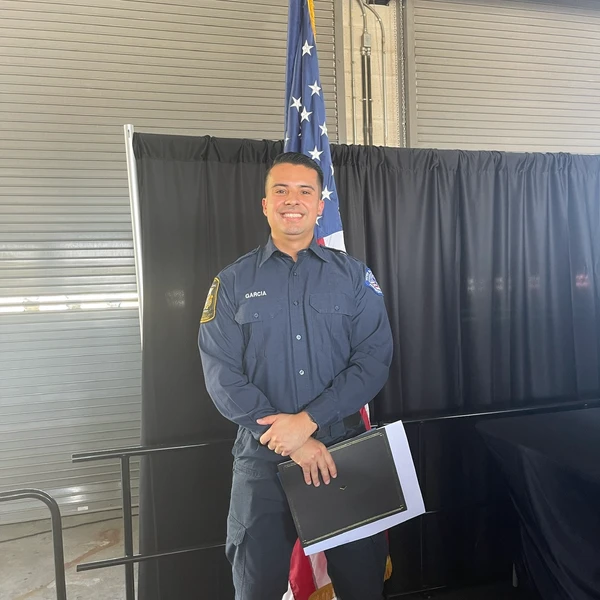
Alessandro Garcia

1x

Finalist

General information

Hobbies & Interests

  • Jiu Jitsu
  • Music Composition
  • Weightlifting
  • Electric Guitar

Reading

  • History

I read books multiple times a week.

Bio

I’m a full-time paramedic in Los Angeles County with over a decade of experience in emergency medicine, including six years as an EMT and time spent as an ER Technician. I currently attend Chamberlain College of Nursing at the Irwindale campus and balance school with work and fatherhood. I’m passionate about providing compassionate, high-quality care to underserved communities. Outside of healthcare, I’m a proud father to a newborn son and an avid practitioner of Brazilian Jiu Jitsu, which keeps me grounded, disciplined, and focused.

Education

Chamberlain University-California

Bachelor's degree program

2024 – 2027

Majors:
  • Registered Nursing, Nursing Administration, Nursing Research and Clinical Nursing
Victor Valley College

Associate's degree program

2021 – 2022

Majors:
  • Health/Medical Preparatory Programs

Mark Keppel High

High School

2008 – 2012

Miscellaneous

Desired degree level:
Master's degree program
Graduate schools of interest:
University of Southern California, Loma Linda University
Majors of interest:
Registered Nursing, Nursing Administration, Nursing Research and Clinical Nursing

Career

  • Lead Emergency Department Technician

    Hospital & Health Care · Martin Luther King Jr Community Hospital

    Jan 2018 – Jan 2021

  • Paramedic

    Hospital & Health Care · Torrance Memorial Medical Center

    Jan 2021 – Jan 2022

  • Paramedic

    Hospital & Health Care · Symbiosis Ambulance

    Jan 2022 – Present

Miscellaneous

Dream career field:
Hospital & Health Care
Dream career goals:
CRNA
Has nursing license:
No

Future Interests

  • Advocacy
  • Volunteering
  • Entrepreneurship
Skin, Bones, Hearts & Private Parts Scholarship for Nurse Practitioners, Physician Assistants, and Registered Nurse Students
My motivation for pursuing further education comes from wanting to build on the work I have already done in healthcare and expand the ways I can care for others. I have been a paramedic for eight years, including five years as a firefighter paramedic with Riverside County Fire Department/CAL FIRE. Before becoming a paramedic, I worked as an EMT and emergency room technician. Those experiences gave me a strong sense of purpose, and they also showed me how much more I want to learn. As a paramedic, I often meet people during an emergency, begin treatment, and transfer their care to a hospital team. Working alongside nurses made me interested in what happens beyond that handoff. I want to understand how patients respond to treatment over time, recognize changes in their conditions, and help them and their families navigate recovery. Pursuing my Bachelor of Science in Nursing at Chamberlain University is how I am preparing for that responsibility. My goal is to become an adult critical care nurse. I am drawn to the careful assessments, teamwork, and clinical judgment involved in caring for seriously ill patients. I want to develop the knowledge to care for someone who cannot communicate their needs and the patience to support a family facing uncertainty. My emergency care experience provides a foundation, but I know becoming a capable nurse requires me to remain open to feedback and willing to learn. My family has also influenced my commitment to education. My grandfather died after living with Alzheimer’s disease and Parkinson’s disease, and my grandmother now has dementia. These experiences have reminded me how vulnerable illness can make an entire family feel. They have strengthened my desire to become a nurse who listens carefully and treats patients as people with lives and relationships beyond their diagnoses. Today, I balance nursing school with full-time work as a paramedic and raising my one-and-a-half-year-old son. Each responsibility matters to me. I want to provide for him, be present as he grows, and complete the education that will help me build a stable future for our family. Managing these commitments takes planning, and there are times when finding enough time and energy is difficult. My son gives me another reason to keep working toward graduation. Receiving this scholarship would help cover tuition, books, and other educational expenses. It would ease the financial pressure of attending nursing school while meeting my family’s needs. Having that support would give me more flexibility to manage school expenses and dedicate time to studying, preparing for clinical experiences, and strengthening areas where I need more practice. This scholarship would support my transition from an experienced paramedic to a beginning nurse who still has much to learn. I would bring the same commitment to that opportunity that I bring to my work and my family. My goal is to graduate prepared to keep learning, earn my patients’ trust, and become a dependable member of a critical care team.
Eddie Hankins Medical Service Scholarship
After eight years as a paramedic, I still believe that showing up for someone during a difficult moment is a privilege. People call for help when their lives feel uncertain, painful, or frightening, and they trust us to respond with both skill and compassion. That responsibility has shaped my career and is now motivating me to become a nurse. The values of dedication, service, and compassion described in Paramedic Eddie Hankins’s legacy reflect the kind of healthcare professional I am working to become. One of my greatest current challenges is balancing full-time work as a paramedic, nursing school, and being a father to my one-and-a-half-year-old son. Each responsibility requires time and energy, and there are days when meeting all three feels overwhelming. After a demanding shift, there is still coursework to complete, material to study, and a little boy who deserves my attention. I want to succeed in school without losing sight of why I am doing it or missing the everyday moments that matter to my family. I am learning to manage those demands through planning, consistency, and accepting support. Some days, progress means completing an assignment after work. Other days, it means putting schoolwork aside long enough to be fully present with my son, then returning to it when I can focus. This season of my life has taught me that determination requires realistic decisions about how to keep going. I want my son to see that meaningful goals take effort and that asking for help is part of following through. My commitment to service developed through my work as an EMT, emergency room technician, firefighter paramedic, and paramedic. I spent five years with Riverside County Fire Department/CAL FIRE, serving people whose circumstances and needs varied from call to call. Working in emergency services taught me to approach each person with respect and to remember that a situation familiar to me may be one of the worst experiences of their life. The way I speak, listen, and explain what happens next can influence how safe they feel. During the COVID-19 pandemic, I also worked as a personal protective equipment coach. I responded to every rapid response and code blue to ensure staff wore their PPE correctly and removed it safely afterward. It required me to remain attentive while others focused on the patient and to speak up respectfully when safety needed attention. That experience strengthened my understanding of teamwork. Looking out for a coworker meant helping protect that person, their family, and their ability to continue caring for others. Illness in my own family has deepened my compassion. My grandfather died after living with Alzheimer’s disease and Parkinson’s disease, and my grandmother now has dementia. These experiences remind me that families carry concerns that may not be obvious during a brief interaction. Medical knowledge does not remove the fear of having someone you love become ill. I want to remember that whenever a patient or family member needs another explanation or a little more patience. I am currently pursuing my Bachelor of Science in Nursing at Chamberlain University, with the goal of becoming an adult critical care nurse. My first responder experience has given me a foundation in assessment and responding under pressure. Nursing will allow me to build on that foundation and participate in patients’ ongoing care. I hope to become skilled at recognizing changes, advocating for patients who cannot speak for themselves, and helping families understand an unfamiliar environment. Honoring Eddie Hankins’s legacy means considering how I put dedication and compassion into practice each day. I hope to contribute by being prepared, treating people with dignity, and supporting my coworkers. As I move from paramedicine into nursing, I want to carry forward the lesson that service requires both competence and kindness. My goal is to become someone others can count on, whether they need urgent treatment, a clear explanation, or a person willing to stay and listen.
Rose Browne Memorial Scholarship for Nursing
My decision to become a nurse has grown from years of working in healthcare, experiences with illness in my family, and becoming a father. Each has given me a different understanding of what it means to care for someone. Together, they have made nursing a career I am committed to pursuing. I have been a paramedic for eight years, including five years as a firefighter paramedic with Riverside County Fire Department/CAL FIRE. Before becoming a paramedic, I spent much of my time as an EMT working as an emergency room technician. These roles taught me to remain calm under pressure, recognize urgent needs, and communicate with people during frightening moments. They also made me curious about what happened after I transferred a patient’s care. I wanted to understand their progress, the challenges they faced, and how their treatment would change over time. Working alongside nurses in the emergency department helped me see a path toward that kind of involvement. I watched nurses reassess patients, recognize changes, coordinate treatment, and answer questions from worried families. Their work required both clinical judgment and the patience to help people understand what was happening. I wanted to develop that combination of skills. During the COVID-19 pandemic, I also served as a personal protective equipment coach. I responded to every rapid response and code blue to ensure staff wore their PPE correctly and removed it safely afterward. While others focused on the immediate emergency, I remained attentive to their protection. That responsibility taught me to speak up respectfully, stay focused on details, and recognize how much healthcare workers depend on one another. It strengthened my desire to become a dependable member of a nursing team. Illness within my own family has added another layer to that goal. My grandfather died after living with Alzheimer’s disease and Parkinson’s disease, and my grandmother now has dementia. These experiences have reminded me that understanding an illness professionally does not take away the sadness or uncertainty of facing it personally. They have made me more aware of what families bring with them into a hospital room: concern, memories, questions, and the hope that someone will care about their loved one as a person. Becoming a father has also influenced my decision. My son is one and a half, and raising him while working full time as a paramedic and attending nursing school requires planning and sacrifice. He motivates me to keep moving forward. I want to build a stable future for him and show him the value of following through on a meaningful goal. I am currently pursuing my BSN at Chamberlain University, with the goal of becoming an adult critical care nurse. I want to care for patients who need close assessment and strong advocacy, especially when they cannot communicate their needs. My experiences have taught me to value careful decisions, clear explanations, and small acts of patience. Nursing will allow me to bring those lessons together while continuing to grow into someone patients, families, and coworkers can trust.
Henry Respert Alzheimer's and Dementia Awareness Scholarship
Alzheimer’s disease and dementia have become deeply personal to my family. My grandfather died after living with Alzheimer’s disease and Parkinson’s disease, and now my grandmother has dementia. These illnesses were once conditions I learned about through healthcare. Having them affect people I love has changed what they mean to me. Behind every diagnosis is someone with a lifetime of memories, relationships, and experiences, along with a family trying to understand what comes next. Losing my grandfather taught me that illness can change a family’s life long before a loved one passes away. Alzheimer’s and Parkinson’s affected the final chapter of his life, but they do not define who he was to us. He was my grandfather before he was a patient, and remembering that matters to me. His life deserves to be remembered for more than the conditions he lived with. His death also changed the way I think about time with family. It is easy to assume there will always be another visit or another opportunity to ask a question. Losing someone makes those opportunities feel different. I cannot change what happened to my grandfather, but I can carry that awareness into the relationships I still have. Now that my grandmother has dementia, our family faces another experience with uncertainty. Knowing what my grandfather went through makes her diagnosis especially difficult. It brings back the sadness of losing him while raising concerns about her future. I have learned that knowing about an illness does not make it easy to face when it affects someone you love. As a full-time paramedic and nursing student, I am used to looking for problems I can assess and actions I can take. Dementia challenges that instinct. There is no quick intervention that can give a family back everything the disease may take away. That can feel helpless, especially when caring for someone matters so much to you. What I am learning is that there is still value in what we can offer: patience, reassurance, respect, and time. These experiences have made me think more carefully about communication. Someone living with dementia deserves to be included in conversations and treated as a person whose feelings still matter. Difficulty remembering or expressing something does not erase the need to feel safe, respected, and connected. I want to remember that when a conversation takes longer or when understanding does not come easily. My response can either add frustration or help make that moment gentler. I have also gained a deeper appreciation for families and caregivers. A diagnosis affects more than the person receiving it. Loved ones must process their own emotions while thinking about safety, daily needs, and future decisions. They may be grieving changes while continuing to show up and care. My family’s experience has reminded me that healthcare professionals often meet people during only a small part of a much larger struggle. A family member’s worry or repeated question may come from exhaustion, fear, or love. This understanding will shape the nurse I become. I am currently pursuing my Bachelor of Science in Nursing at Chamberlain University, and I hope to work in adult critical care. Whatever unit I work in, I will encounter patients whose illnesses affect their memory, communication, or ability to advocate for themselves. I want to look beyond the diagnosis, learn what matters to them, and listen to the people who know them best. I also want to be thoughtful about how I support families. Clear explanations and a patient response cannot remove the pain of dementia, but they can help someone feel less alone. My own experience reminds me that a person can understand medical information and still need compassion when that information concerns a loved one. As the father of a one-and-a-half-year-old son, I now think about family across generations. I want him to know about his great-grandfather as a person, rather than knowing only that he was ill. I want him to grow up seeing that we continue to value and care for people as their needs change. My grandfather’s death and my grandmother’s dementia have taught me that care does not lose its purpose when we cannot fix an illness. There is meaning in protecting someone’s dignity, being patient, and continuing to show up. Those lessons are personal to my family, and they are lessons I will carry with me into nursing.
Losinger Nursing Scholarship
**1. Tell us about yourself. Why do you want to be a nurse?** My name is Alessandro S. Garcia, and I am a nursing student, a full-time paramedic, and the father of a one-and-a-half-year-old son. Outside of work and school, I enjoy spending time with my family and training and competing in jiu-jitsu. Balancing these parts of my life takes discipline, but each gives me something I value: purpose, connection, and the motivation to keep improving. I want to become a nurse because my years in healthcare have made me want to do more for patients beyond the initial emergency. As a paramedic, I assess patients, begin treatment, and help them reach the next level of care. Nursing will allow me to build on that foundation while taking part in their ongoing treatment, recognizing changes over time, and supporting their recovery. Working alongside nurses has shown me how much their presence matters. They combine clinical judgment with the ability to help people understand what is happening during frightening situations. I want to develop that same balance of knowledge, patience, and compassion. Becoming a father has also strengthened my commitment to this goal. I want to provide a stable future for my son and be someone he can look to as an example of perseverance. I hope he grows up seeing that caring for others is a responsibility worth taking seriously. **2. Describe your experiences working or volunteering as a nurse, or in any other job that made you want to pursue nursing.** I have been a paramedic for eight years, including five years working as a firefighter paramedic with Riverside County Fire Department/CAL FIRE. Before becoming a paramedic, I spent much of my time as an EMT working as an emergency room technician. These experiences introduced me to different parts of patient care and helped shape my decision to pursue nursing. In emergency services, I learned to stay calm, prioritize needs, and communicate clearly when time matters. Working in the emergency department allowed me to see how nurses continued that care. I watched them reassess patients, respond to changes, coordinate treatment, and help families understand unfamiliar situations. Their work made me interested in developing a deeper understanding of what patients need throughout their hospitalization. During the COVID-19 pandemic, I also served as a personal protective equipment coach. I responded to every rapid response and code blue to ensure staff wore their PPE correctly and removed it safely afterward. That role required close attention, respectful communication, and the willingness to speak up about safety during stressful moments. It taught me that patient care depends on people looking out for one another. Protecting staff helped protect their ability to continue caring for patients and return home safely to their families. These experiences strengthened my desire to become a nurse who is clinically prepared, attentive, and dependable. **3. Describe your plans for pursuing a career in nursing, including whether you have applied, have been accepted, or are currently enrolled in a nursing program.** I am currently enrolled in the Bachelor of Science in Nursing program at Chamberlain University’s Irwindale campus, with an expected graduation date of August 2027. I attend school while working full time as a paramedic and raising my young son. Managing these responsibilities requires careful planning and support, and I remain committed to completing my education. My immediate priorities are to strengthen my nursing knowledge, make the most of clinical experiences, and prepare for the NCLEX-RN. Although my emergency care background gives me useful experience, I understand that nursing involves responsibilities and perspectives I am still learning. I want to approach each clinical day with questions, accept feedback, and become more confident through preparation and practice. After graduation and licensure, I plan to apply to new-graduate RN residency programs that offer ICU placements. A structured orientation and supportive preceptors would help me build a strong foundation as I transition into nursing. I currently hold BLS, ACLS, PALS, and NIH Stroke Scale certifications. As I progress, I plan to pursue additional critical care education and, once I meet the experience requirements, CCRN certification. My goal is to grow steadily into a nurse whose judgment is supported by knowledge, experience, and a willingness to keep learning. **4. Describe your dream job.** My dream job is to work as an adult ICU nurse on a team that values communication, education, and mutual support. I am drawn to caring for critically ill adults because their conditions can change quickly, and careful nursing assessment can make a meaningful difference. I want to develop the skills to care for patients who require mechanical ventilation, complex medications, and close monitoring. I also understand that these patients need attention to comfort, dignity, and everyday needs, especially when they cannot speak for themselves. I want to be the nurse who recognizes a subtle change and follows through when something needs attention. Supporting families would be an equally meaningful part of that job. The ICU can feel overwhelming, and I want to explain what I can clearly, listen without rushing, and help loved ones feel included. Even when I cannot remove their uncertainty, I can be honest, patient, and present. As I gain experience, I would also like to help newer nurses and students feel comfortable asking questions. I know how much a dependable teammate matters during a difficult shift. My dream is to become that person for others while continuing to improve my own practice. I would find fulfillment in knowing that patients received thoughtful care, families felt heard, and my coworkers could count on me.
Shaunterrio Hudson Memorial Scholarship
During the COVID-19 pandemic, part of my job was to look out for the people who were looking out for everyone else. I worked as an emergency room technician and a personal protective equipment (PPE) coach. In that role, I responded to every rapid response and code blue to make sure staff wore their protective equipment correctly and removed it safely afterward. When I think about showing up for someone, I think about those moments after an emergency, when staff still needed someone paying attention to their safety. During a code blue, everyone has a responsibility, and the focus is understandably on the patient. My responsibility was to remain aware of the people providing that care. Their safety mattered throughout the response, including when they were ready to remove their equipment and return to their other responsibilities. There was nothing glamorous about checking protective equipment or watching each step as someone removed it. But those steps mattered. A person who had just given their attention and energy to a critically ill patient deserved that same attention from someone else. Being there meant staying focused until the task was safely finished. That work asked me to be patient, observant, and willing to speak up. It required me to approach experienced healthcare professionals respectfully while still taking my responsibility seriously. I had to remember that someone could be highly skilled at caring for patients and still need support protecting themselves during an exhausting shift. The experience revealed how closely our well-being is connected. Helping protect a coworker also meant thinking about the people waiting for them at home. At a time when healthcare workers faced so much uncertainty, I could contribute by being consistent and dependable. I learned that meaningful care often happens through ordinary actions performed carefully, over and over again. Reflecting on Shaun’s legacy through this question makes me consider what I want my presence to mean to others. I hope people feel that I notice them, take their concerns seriously, and stay engaged when they need help. The lasting value of showing up comes from what another person receives from us: attention, reassurance, practical support, or simply the knowledge that they are not carrying something alone. Today, I work full time as a paramedic while pursuing my nursing degree and raising my one-and-a-half-year-old son. These responsibilities continue to teach me about patience, commitment, and being present even when I am tired. I hope to become a critical care nurse, caring for adults who may be too ill to communicate their needs and supporting families facing frightening uncertainty. My experience as a PPE coach will stay with me because it taught me to look beyond the most visible task. A patient’s subtle change, a family member’s unanswered question, or a coworker who needs assistance all deserve attention. I want to become a nurse who follows through on those needs and understands that a quiet act of care can make someone feel safer, supported, and less alone.
EverGreen Trails of Service Scholarship
My decision to pursue nursing grew from years of caring for people as an EMT, emergency room technician, firefighter paramedic, and now a full-time paramedic. These roles have taught me how to respond during emergencies, make decisions under pressure, and communicate with people who are frightened or in pain. They have also made me want to take a greater role in the care that follows those first critical moments. Nursing offers the opportunity to combine those skills with ongoing assessment, patient advocacy, and meaningful relationships with patients and families. Working alongside nurses in the emergency department helped me see the kind of nurse I want to become. I watched them recognize subtle changes in patients, coordinate treatment, and explain complicated information to worried families. Their ability to manage clinical responsibilities while helping people feel heard left a lasting impression on me. During the COVID-19 pandemic, I also served as a personal protective equipment coach, responding to every rapid response and code blue to ensure staff wore and removed their PPE safely. That experience reinforced the importance of attention to detail, speaking up, and protecting the team providing patient care. Those are lessons I will carry into nursing. My planned specialty is adult critical care. I want to work with critically ill adults because they often depend on nurses to recognize changes they cannot communicate themselves. A patient who is sedated, mechanically ventilated, or too ill to speak needs someone who pays close attention and advocates for their needs. My emergency care background has drawn me toward this population, and I want to develop the nursing knowledge needed to care for these patients throughout their ICU stay. I am also drawn to supporting their families. Critical illness can leave loved ones overwhelmed by unfamiliar equipment, medical language, and uncertainty. I want to explain what I can clearly, listen to their concerns, and help them remain involved in their loved one’s care. Although I have not completed specialized stoma care training, I recognize its importance for patients recovering from serious illness or surgery. I am interested in developing these skills through nursing education, clinical experience, and continuing education. I want to help patients protect their skin, learn to manage their ostomy, and feel comfortable asking questions about changes that affect their daily lives. I am currently pursuing my BSN at Chamberlain University while working full time as a paramedic and raising my one-and-a-half-year-old son. Balancing these responsibilities takes sacrifice, but my goal remains clear: to become a knowledgeable, dependable critical care nurse who treats patients and families with patience, dignity, and compassion.
Penny Nelk Nursing Scholarship
My decision to pursue nursing grew from years of working in healthcare and seeing how much a nurse can mean to a patient and their family. As an EMT, emergency room technician, firefighter paramedic, and now a full-time paramedic, I have cared for people during some of the hardest moments of their lives. Those experiences taught me to stay calm, think critically, and take responsibility for others. They also made me want to be involved in what happens after the initial emergency, when patients continue to need close attention, explanations, and support. Working as an emergency room technician gave me the opportunity to work alongside nurses and see their responsibilities up close. I watched them assess patients, recognize changes, coordinate care, and answer questions from worried families while managing several competing needs. What stood out to me was how they built trust while doing all of those things. A nurse who took a moment to explain the next step could help someone feel less overwhelmed. Seeing that combination of clinical knowledge and personal connection helped me recognize the kind of career I wanted. My experience during the COVID-19 pandemic strengthened that decision. In addition to working as an emergency room technician, I served as a personal protective equipment coach. I responded to every rapid response and code blue to make sure staff wore their PPE correctly and removed it safely afterward. While the team focused on the patient, I had to remain aware of the safety of everyone involved. That responsibility taught me to pay attention to details and speak up, even in stressful situations. It also showed me how deeply healthcare workers depend on one another. Protecting a staff member meant helping protect the family they would return home to. I came away with a stronger understanding that good patient care requires a team whose members look out for each other. Today, I am pursuing my Bachelor of Science in Nursing at Chamberlain University while working full time as a paramedic and raising my one-and-a-half-year-old son. Balancing those responsibilities is challenging. There are days when I am tired and still have studying to do, but I know why I started. I want to build a stable future for my family, do work that matters to me, and show my son what it looks like to keep working toward a meaningful goal. I hope to become a critical care nurse. I enjoy the careful assessments and decision-making that come with caring for seriously ill patients, and I want to develop the knowledge to support them throughout their recovery. My background has given me a foundation, but nursing school continues to challenge me to think more deeply about each patient’s needs. What inspires me most is the opportunity to be someone people can depend on when they are vulnerable. I want to be the nurse who notices a change, listens to a concern, explains what is happening, and follows through. That is the responsibility I am working toward, and it is what keeps me committed to becoming a nurse.
Ellen Randolph Memorial Nursing Scholarship
During the COVID-19 pandemic, I worked as an emergency room technician and a personal protective equipment (PPE) coach. As a PPE coach, I responded to every rapid response and code blue to help keep staff safe. My responsibility was to make sure everyone wore their protective equipment correctly and removed it safely afterward. During emergencies, when everyone’s attention was on saving a patient’s life, I had to stay focused on protecting the people providing that care. That experience changed how I understood caring for others. During a code blue, every person has a responsibility, and the team depends on each member to follow through. My role required me to pay attention, speak up, and remain calm while others worked under intense pressure. Making sure someone safely removed contaminated equipment might seem like a small task, but during the pandemic, those steps mattered to staff members and the families they went home to. What stayed with me was the responsibility we had for one another. I saw how much healthcare workers gave of themselves during an uncertain and exhausting time. Being able to help protect them gave my work a deeper purpose. It taught me that caring extends beyond the patient’s bedside and includes supporting the team that makes patient care possible. As a future nurse, I want to carry that same awareness into my practice. I hope to become a critical care nurse who stays calm during emergencies, notices details, and speaks up when something needs attention. I also want patients and families to feel comfortable asking me questions and trusting me during difficult moments. My experience taught me that being dependable means doing the small things consistently, even when the situation around you feels overwhelming. Today, I work full time as a paramedic while pursuing my Bachelor of Science in Nursing at Chamberlain University and raising my one-and-a-half-year-old son. Balancing shifts, coursework, clinical rotations, and time with him takes planning and sacrifice. I want to be present for my son while building a future that he can be proud of. He gives me another reason to keep going when I am tired or school feels challenging. Receiving this scholarship would help cover tuition, books, and other educational expenses while easing the financial pressure of continuing my education. Working full time while attending nursing school is demanding, and this support would give me more breathing room to focus on learning and preparing for clinical practice. It would help me move closer to becoming the nurse I hope to be: someone patients, families, and coworkers can count on.
Leading Through Humanity & Heart Scholarship
For me, empathy is more than just acknowledging someone else's pain; it's being able to put myself in their shoes, experience what they're going through, and respond with compassion and understanding. This is not only a good quality in healthcare; it is also necessary. Empathy closes the gap between patient and provider, turning a medical visit into a personal connection. It makes patients feel heard, respected, and cherished, even when they are at their most vulnerable. As I have worked in emergency medicine, I have learned more and more how important it is to be kind to others. I have worked as a paramedic for five years and as an EMT and ER technician for six years before that. I have seen patients at some of their most terrifying times, such when they are gasping for air, waiting for important test results, or dealing with the loss of control that disease brings. Technical skill saved lives, but empathy made people believe you. I found that when patients knew I really cared about them, they were calmer, more willing to work with me, and often stronger. Families also took solace in the fact that I could not only explain what was going on, but also acknowledge their dread and sadness. These events showed me that empathy and clinical brilliance are not two different things; they work together to make each other better. I know that empathy will be the most important part of my nursing practice as I work toward my BSN and look forward to a career in nursing. Nursing is not just about doing things; it's about caring for the full person—body, mind, and spirit. Patients are not defined solely by their diagnosis or condition; they are persons with unique histories, cultures, and values that influence their experience of sickness. A practitioner who doesn't care about their patients runs the risk of only treating their symptoms and not the person behind them. When you care with empathy, your care becomes whole and healing goes beyond the body. To make sure my job stays focused on people, I promise to be there and listen carefully. This means that you shouldn't speed through conversations; instead, you should take the time to listen to a patient's worries, fears, or inquiries, even if you're busy. It entails respecting cultural differences and changing how you talk to patients to fit their needs. This means knowing that my patients know more about their own lives than I do and taking their values and preferences into account when making decisions about their care. I will try to find a balance between the need for efficiency and the duty of compassion, remembering that even small acts of kindness can have a big effect. I am deciding to become a nurse since it requires both technical skill and emotional intelligence. Empathy helps me remember why I went into healthcare: to care for individuals when they are at their most vulnerable with respect, compassion, and dignity. It is not simply an ideal; it is how I want to see every patient, family, and encounter.
Jase Davidsaver RN Memorial Scholarship
As a future nurse, I want to make a difference in the lives of individual patients and the nursing profession as a whole by providing compassionate care, mentoring others, and speaking up for communities that don't get enough help. I've worked in emergency medicine for more than ten years, first as an EMT, then as an ER tech, and now as a paramedic. I have real-world experience, a strong grasp of frontline care, and a desire to keep learning. I've seen what good nursing can achieve, especially when the pressure is on. Nurses are frequently the ones who are always there for a patient, comforting, teaching, advocating, and taking action when no one else can. I want to take on that responsibility with dignity and professionally, providing empathy and strong clinical abilities to every patient I see. I have learnt how to handle stress, talk to people from other fields, and give care with honesty. I will keep building on these skills as a nurse. Mentoring is one of the most important things I aim to do for the profession. I've had the honor of working with rookie EMTs and paramedics, assisting them through tough calls and helping them get better. As a nurse, I want to do the same thing: help new nurses get started by giving them support, perspective, and encouragement. Nursing is hard work, therefore it's important that we support one other and create a strong feeling of community and shared purpose. I also care deeply about making healthcare fair for everyone. Working in Los Angeles County has showed me the genuine differences that many patients experience, not just in getting care but also in how they are treated and understood. As a nurse, I will speak up for those whose voices are frequently ignored. I will do this by teaching patients, reaching out to the community, or just treating everyone with the respect they deserve. Becoming a nurse is more than just a job; it's a promise to serve, grow, and raise the profession as I move up.
Rose Browne Memorial Scholarship for Nursing
As a child in a working-class Mexican-American household, I learned early on how important it is to work hard, stick with it, and help others. These ideals became even more essential to me when I started working in emergency care more than ten years ago. I started off as an EMT answering 911 calls in Los Angeles County. Later, I worked as an ER Technician in two different hospitals. These jobs let me see the real, unvarnished world of healthcare up close. I saw the mayhem of trauma bays, the heartbreak of chronic sickness, and how strong both patients and providers are. My desire to become a nurse started to take shape in these intense, unpredictable situations. The clinical side of nursing wasn't the only thing that drew me to it; it was the human connection. I often encountered people when they were at their most vulnerable, afraid, and in pain as an EMT and then as a paramedic. I found significance in being the calm in the storm and giving comfort while giving care. But I also realized what I couldn't do in my capacity. I wanted to do more: follow a patient's path, be a constant advocate, and have a wider range of practice that would let me have an effect on outcomes outside of the hospital. Nursing was the way to go. The many nurses I've worked with in emergency rooms have also helped me decide to become a nurse. I was really impressed by how they could combine knowledge, competence, and compassion. Nurses often stayed with patients long after other staff members had left. They fought for their needs, managed complicated care, and taught families. I knew I wanted to be a part of that field, which requires expertise, sensitivity, and ongoing growth. Going to Chamberlain College of Nursing's Irwindale campus has been both hard and rewarding. Working full-time as a paramedic while doing clinical rotations and taking classes has been hard on my body, but it has also made me appreciate the nursing profession more. Nursing school has changed the way I think, making me more analytical and holistic. It has also renewed my love for medicine in new and important ways. Becoming a father may have been the most life-changing thing that has made me want to be a nurse. Two months ago, my son Oliver was born, and his birth has given me a new sense of purpose. I want to develop a job that not only supports my family but also provides an example for him by teaching that service to others, resilience, and compassion are the keys to a happy life. I do Brazilian Jiu Jitsu when I'm not at work or school. It has taught me to be patient, humble, and mentally strong, which are all things I use in my work as a healthcare professional. Jiu Jitsu teaches me that improvement often comes from hard work, which is something that both nurses and patients go through. In every part of my life, from being a father to working in emergency medicine to growing as a person, I've always wanted to help others. Nursing is the road that lets me accomplish so fully and meaningfully, and I am proud to walk it.
Alessandro Garcia Student Profile | Bold.org