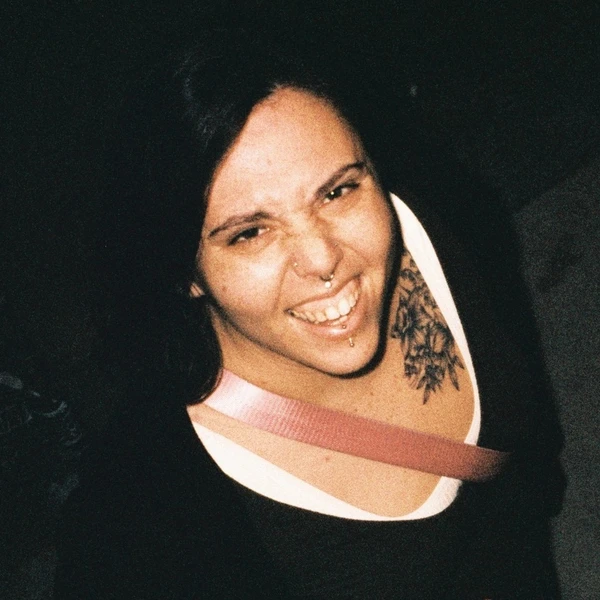
Mental illness has been a constant presence in my life and in my family. I have lived with anxiety and depression for as long as I can remember. They shape how I experience the world and how I relate to myself. These struggles are familiar across generations. My mother and maternal grandmother have also lived with anxiety, depression, and restrictive eating patterns. Watching them navigate these challenges helped me understand that mental health is not about weakness or willpower but about care, compassion, and understanding.
My relationship with my body and food has been deeply influenced by both mental health and gender identity. For most of my life, I was considered obese. Growing up in that body brought judgment and discomfort from the outside world and from within myself. As a non-binary person assigned female at birth, being in a larger and curvier body intensified my gender dysphoria. I often felt that the more feminine my body appeared, the further I was from being seen and understood for who I truly am.
When I was twenty, I lost a significant amount of weight because I could not always afford enough food. The change happened quickly and unintentionally. After living in a body that had been judged for so long, the sudden difference brought a complicated mix of feelings. I was afraid that if I regained the weight, I would once again be perceived in ways that did not align with my identity. That fear, along with underlying anxiety, led to restrictive eating habits that I struggled to let go of.
Later, during a difficult time in my life, I did regain much of the weight I had lost. It was discouraging, and it triggered the same fears and dysphoria that had driven my earlier restriction. Eventually, with the support of my doctor, I began a healthier and more sustainable approach to managing my weight and well-being. This time, the focus was not on control but on care. I learned to prioritize balance, nourishment, and self-acceptance over fear.
Living with anxiety, depression, and gender dysphoria has taught me how layered mental health can be. It is not only emotional, but also physical and deeply tied to one's identity. Some days bring overthinking and restlessness; others bring exhaustion and sadness. I have learned to recognize these cycles and respond with patience rather than judgment. Healing is an ongoing process, but it is a genuine reality.
Watching my mother and grandmother face similar struggles taught me that living with mental illness takes strength. Their resilience and honesty showed me that progress is possible, even when it is slow.
These experiences have shaped who I am and motivated me to pursue a career in social work. They have given me empathy for people living with complex intersections of identity, mental health, and survival. I want to help others feel seen, supported, and empowered to heal on their own terms. My journey has not been easy, but it has given me clarity, compassion, and purpose that I carry into every part of my life.