user profile avatar

Akeelah Duffy

1x

Finalist

Bio

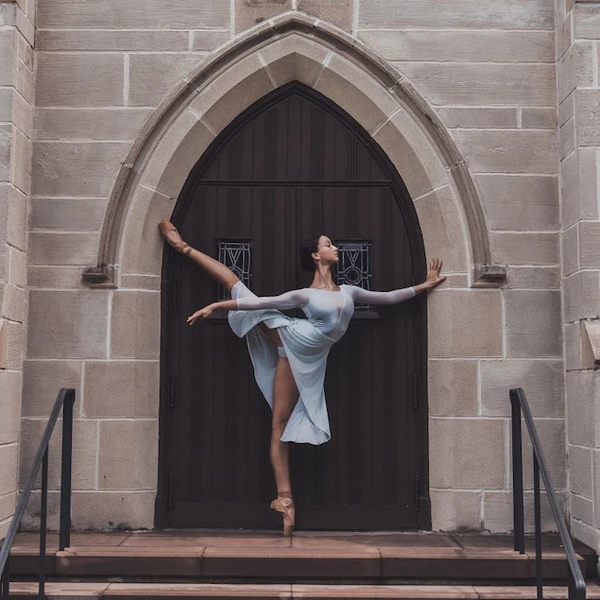
I am passionate about the transformative power of the arts, especially classical ballet and the way it can shape confidence, identity, and community. Growing up as a Black ballerina in spaces where I was often the only one who looked like me taught me resilience, intentionality, and the importance of representation. Those experiences didn’t discourage me, they fueled my commitment to make the dance world more inclusive for the next generation. My goals are rooted in both artistry and impact. I want to continue developing my craft while creating spaces where young BIPOC dancers feel seen, supported, and empowered. Through teaching, mentoring, and choreography, I aim to expand what ballet can look like and who gets to feel at home in it. My long-term vision is to build programs that merge rigorous classical training with cultural affirmation, giving students the tools to thrive both technically and emotionally. I believe I am a strong candidate because I bring not only passion, but purpose. I understand the discipline and dedication required in the arts, and I’ve learned how to turn challenges into leadership. My experiences have shaped me into someone who leads with empathy, creativity, and determination. I am committed to using my voice and my artistry to uplift others and to leave a positive, lasting impact on the communities I serve.

Education

Chapman University

Bachelor's degree program
2026 - 2029
  • Majors:
    • Visual and Performing Arts, General
    • Visual and Performing Arts, Other

California State University-Long Beach

Bachelor's degree program
2025 - 2026
  • Majors:
    • Visual and Performing Arts, General
  • Not planning to go to medical school
  • Career

    • Dream career field:

      Real Estate

    • Dream career goals:

    • Dance Teacher

      The Dance Co
      2025 – Present1 year

    Sports

    Dancing

    Varsity
    2011 – Present15 years

    Awards

    • Nationals Finalist

    Arts

    • The Houston Ballet

      Dance
      The Nutcracker, The Sleeping Beauty, Paquita
      2023 – 2025
    Curtis Holloway Memorial Scholarship
    Throughout my entire educational journey, the person who has supported me the most is my mom. Growing up in a single-parent household meant that life was never easy, but it was always filled with strength, resilience, and unconditional love. My mom became a parent at eighteen, an age when most people are just beginning to imagine their futures. Instead of going to college or exploring her own dreams, she worked tirelessly to provide for me and my sister. Every opportunity I have now exists because she sacrificed her own. Watching her navigate life with that level of determination has shaped the core of who I am. She taught me that limitations do not define you, and that circumstances can be overcome through hard work, faith, and perseverance. When she encouraged me to pursue dance, to chase my education, and to imagine a life bigger than what we had, she wasn’t just supporting me, she was giving me the chance to experience things she never could. Her belief in me became the foundation of my confidence, especially on the days when I doubted myself. Growing up without a second parent meant that we relied on each other deeply. There was no backup plan, no financial safety net, no one to share the load. My mom managed everything, bills, childcare, school forms, rehearsals, emergencies, while still finding the strength to cheer me on in every performance, quiz, and milestone. She celebrated every win as if it were her own, because in many ways, it was. She helped build the person I am today through her resilience, her compassion, and her unwavering support. As I strive toward my dreams, I honor my mom by refusing to waste the sacrifices she made for me. I carry her lessons into everything I do: work hard, stay grounded, and never stop believing in yourself. When I push through difficult classes, demanding dance training, or the challenges of managing my disability, I think about how hard she fought for me to have these opportunities. Her strength pushes me forward, and her story motivates me to write a different one for myself, one where education, achievement, and possibility aren’t out of reach. Her support has shaped my drive to succeed because I know what it cost her to give me this chance. I want to build a future that honors her sacrifices: a career where I can support myself, uplift others, and make her proud. As I continue working toward my goals, I plan to build on her support by staying committed to my education, pursuing opportunities that lead to stability and fulfillment, and eventually giving back to her in ways she once gave to me. Being raised by a single parent has made me more independent, grateful, and determined. It has taught me to value every accomplishment, because nothing was ever guaranteed. My mom’s support has been instrumental in shaping not only my ambitions, but my character. She showed me what strength looks like, and now I aim to reflect that strength in everything I do. I am pursuing higher education not just for myself, but for her, for the dreams she had to set aside, and for the future she worked so hard to give me. Everything I achieve will be a testament to her sacrifice, her love, and her belief that I am capable of anything.
    Robert and Suzi DeGennaro Scholarship for Disabled Students
    My journey as a student and young artist has been shaped by both passion and challenge. Alongside my dedication to dance and my commitment to serving the next generation of BIPOC dancers, I live with a disability that affects nearly every part of my daily life. Being diagnosed with rheumatoid arthritis at eighteen, a time when most people feel invincible, has reshaped my schooling, my career path, and my perspective on what it means to keep moving forward. There are days when my body simply will not cooperate. The joint pain and stiffness can be so severe that I physically cannot get out of bed, let alone walk to class, participate fully, or complete the tasks expected of me. Missing school is never something I choose lightly, but my disability makes it unavoidable at times. It’s incredibly difficult to balance academic expectations with a condition that can flare up without warning, forcing me to prioritize my health even when I want nothing more than to show up and succeed. My career path in dance has also been impacted. As someone whose life revolves around movement, facing a condition that limits mobility is not just physically challenging, it can be emotionally devastating. Yet it has also made me more intentional, more adaptive, and more empathetic as both a dancer and a teacher. My disability has pushed me to understand my body differently and has motivated me to use my experience to support students who may also face barriers, seen or unseen. It has shaped me into someone who leads with compassion and who values progress over perfection. However, with the physical challenges come financial ones. Living with a chronic illness at such a young age means managing treatments, medications, doctor visits, and specialist appointments that quickly become overwhelming. My medical bills are growing faster than I can keep up with, and they are beginning to affect my ability to remain in school. As costs rise, I am increasingly uncertain about whether I will be able to afford the next three years of my education, despite how hard I am working and how deeply committed I am to my goals. Additional funding would make a tremendous difference in my life. It would allow me to stay enrolled without the constant fear of choosing between school expenses and medical care. It would provide stability during times when rheumatoid arthritis limits the amount I can work. Most importantly, it would give me the opportunity to continue pursuing a higher education that will allow me to expand my impact as a teacher, artist, and advocate for young dancers who deserve representation and support. I am determined to earn my degree, continue uplifting underrepresented dancers, and build a career grounded in empathy, accessibility, and creative leadership. I know I am capable of achieving these goals, but I cannot do it alone. Financial support would not only alleviate the burden of my medical bills, it would give me the chance to move forward with hope instead of fear. Despite the challenges, I remain committed to my education and to the community I aim to serve. I want to show others living with chronic disabilities that their dreams are still possible. With the right support, I know I can continue toward the future I envision—one where I turn my struggles into purpose and use my voice to create a more inclusive world.
    Harry & Mary Sheaffer Scholarship
    I believe that empathy is built through the stories we tell, the art we create, and the spaces we nurture for others. My unique talents as a dancer, teacher, and young leader allow me to contribute to a more understanding global community by bridging differences through creativity, representation, and compassion. Dance has always been my language, and I plan to use it not only for artistic expression but as a tool to foster connection, cultural awareness, and healing. Growing up as a Black ballerina, I learned early that art is not neutral. It reflects the world we are part of, including its beauty and its inequities. Navigating an art form that was not originally built for dancers who look like me gave me firsthand experience with exclusion, resilience, and the importance of representation. These challenges shaped a core part of who I am: someone who refuses to let tradition become a barrier and who believes deeply in expanding what is possible for others. This lived experience has become one of my strongest assets. Because I have felt the impact of being unseen, I am committed to making others feel seen. As a dance teacher, I work closely with young BIPOC dancers who are often stepping into studios where they may still be the “only one.” I use my skills to create classrooms rooted in belonging, spaces where students can express themselves freely, celebrate their culture, and feel proud of their individuality. By affirming their identities, I am teaching them not just technique, but self-worth and self-expression. That sense of safety and confidence is the foundation of empathy: when people feel valued, they are more likely to value others. Dance is also a universal language. It crosses borders, cultures, and spoken languages, allowing people to connect through movement and emotion. I plan to use my artistic voice to tell stories that highlight the experiences of marginalized communities, challenge assumptions, and build bridges between people who might never otherwise encounter one another’s realities. Whether through choreography, performances, or community workshops, my goal is to make dance an accessible avenue for dialogue and understanding. Beyond performance, I aim to create programs and initiatives that intentionally bring diverse groups of dancers together. Exposure is one of the most powerful tools for empathy; when people witness each other’s stories, especially through art, they see beyond stereotypes and assumptions. My vision is to help build a global dance community where cultural differences are not obstacles, but strengths that enrich the art form and deepen mutual respect. Finally, my own journey with mental health and disability has strengthened my ability to approach others with compassion, patience, and insight. Living with anxiety, depression, and rheumatoid arthritis has taught me the importance of meeting people where they are, not where we expect them to be. I use these experiences to model vulnerability, normalize struggle, and remind others that empathy begins with listening. My unique talents and skills allow me not only to teach dance, but to teach connection, courage, and understanding. By sharing my story and uplifting others, I hope to contribute to a global community grounded in empathy, one movement, one classroom, and one generation of dancers at a time.
    Sunflowers of Hope Scholarship
    Being diagnosed with rheumatoid arthritis at only eighteen years old has been one of the most difficult realities I’ve had to face. Most people expect someone my age to be full of energy, flexibility, and physical ease, but my body often tells a different story. There are days when pain and stiffness make it hard to get out of bed, let alone dance. Waking up each morning not knowing how your joints will feel is frightening, especially when you are someone who has always relied on movement as your form of expression. But instead of letting my diagnosis take ballet away from me, I have learned to use art as my anchor, my coping mechanism, and my source of motivation. When the flare-ups first started, I felt betrayed by my own body. I wondered why something so serious could happen at such a young age, at a time when I was just beginning to step into adulthood and into my future as a dancer and teacher. There were moments of fear, frustration, and grief, grief for the ease of movement I used to have, and fear that I would lose the art that has shaped my life. But over time, I discovered that dance could still be mine, just in a different way. Art, especially ballet, helps me cope with my disability by giving me a new relationship with my body. Instead of pushing myself toward perfection, I’ve learned to celebrate any motion I can create. On days when my joints are too inflamed for grand allegro or deep pliés, I focus on smaller, intentional movements that carry just as much artistry, soft port de bras, gentle balances, or stretching in a way that feels healing instead of painful. Dance has taught me that expression does not depend on physical extremes, and that beauty often lives in simplicity. Having rheumatoid arthritis at eighteen has forced me to slow down and listen to my body more than most people my age ever have to. But it has also strengthened my mental resilience. Ballet became a form of therapy, a place where I could move through emotions I didn’t have words for. Even marking choreography or feeling music guide my breath reminds me that my body still holds power and purpose, even when it hurts. My disability has also shaped the teacher I am becoming. I know what it feels like to work through limitation, to adapt movement, and to struggle with feeling “different” in a very physical art form. This has made me more empathetic and intentional in the studio. When I teach young dancers, especially BIPOC dancers, I make sure they feel seen, supported, and understood. I show them that dance belongs to every body, and that strength is measured in more ways than technique. Art keeps me motivated because it reminds me that my diagnosis does not define me. Yes, living with rheumatoid arthritis at eighteen is challenging. Yes, there are days when my body feels older than it should. But dance gives me purpose, grounding, and the freedom to express myself in ways that transcend pain. Ballet helps me honor both my limitations and my possibilities. It keeps me engaged with my body, connected to my community, and hopeful about my future. And even when movement looks different than it used to, art still makes me feel alive, and that is what keeps me going.
    Ruthie Brown Scholarship
    As I continue my education and prepare for a future in the arts, I am deeply aware of the reality of student loan debt and the weight it can carry. Coming from a background where opportunities in dance were limited and often financially demanding, I know firsthand how overwhelming the financial side of pursuing a passion can be. That awareness has shaped both my current approach to managing debt and my long-term plan to ensure that I can continue my work in the dance world without being held back by financial stress. Right now, I am actively addressing my future student loan debt by working as a dance teacher. Teaching not only allows me to support myself and save money, but it also gives me the opportunity to build a career foundation while I’m still in school. Every class I teach strengthens my skills, expands my resume, and builds a community of families and students who believe in my work. This work is meaningful in ways that go beyond finances, but it still plays an important role in helping me prepare to manage my loans responsibly. My teaching focuses specifically on supporting the next generation of BIPOC dancers. I grew up navigating an art form that wasn’t built with dancers like me in mind, an art form where representation was rare, expectations were rigid, and many students of color felt out of place before they even began. By teaching, I am not only earning income to support myself; I am building a career that aligns with my passion for making ballet more equitable and accessible. Creating this foundation early allows me to step into the workforce after graduation with experience, income stability, and a clear professional direction. Looking ahead, I plan to address my student loan debt through a combination of disciplined budgeting, continued teaching, and long-term career development. I intend to expand my teaching opportunities, including summer intensives, workshops, and private coaching. These roles not only increase my earning potential but also deepen my impact within the community I care about. I am also exploring scholarship opportunities, grant-funded programs, and potential loan assistance options for educators and arts professionals, resources I plan to use to lessen the amount I need to borrow and reduce my repayment burden. Financial responsibility is important to me, not just for my own stability but for my ability to continue serving BIPOC dancers without interruption. My dream is to create programs and spaces that give young dancers the encouragement and training I didn’t always have access to. To build that future, I need to be grounded in financial health, and that means planning now, not later, for the reality of my student loans. By combining my passion for dance with practical steps toward financial stability, I am creating a path that supports both my education and my long-term goals. Teaching is not just a job for me; it is the foundation of the career and community I want to build. It allows me to invest in myself while investing in the next generation. And with that balance, I am confident that I will be able to take on my student loan debt thoughtfully, sustainably, and with purpose.
    Ethel Hayes Destigmatization of Mental Health Scholarship
    For much of my life, I have lived with severe anxiety and depression, conditions that often felt like shadows I couldn’t escape. There were moments when the weight of those feelings became so overwhelming that I struggled to see a future for myself. I found myself in a place where the pain felt constant and unbearable, and I didn’t know how to cope. Admitting that I needed help was one of the hardest things I have ever done, but it was also the beginning of my turning point. Therapy became the first space where I allowed myself to unravel honestly. Learning to speak openly about the emotions I had buried for so long was uncomfortable and vulnerable, but necessary. My therapist helped me understand that healing isn’t linear, and that struggling doesn’t mean I’m weak, it means I’m human. Little by little, I learned how to identify my triggers, challenge intrusive thoughts, and build healthier coping mechanisms. I began to understand that the way I was feeling wasn’t my fault, and that my life didn’t have to be defined by the worst moments of my mental health. At the same time, dance became more than an art form, it became a form of therapy. Movement gave me a way to express emotions I didn’t yet know how to articulate. When anxiety left my mind racing, dance slowed me down. When depression made me feel disconnected from the world, dance reconnected me to my body, my breath, and my purpose. The studio became a place where I could release everything I held inside without needing to explain it. In many ways, dance gave me back to myself. Being a dancer also reminded me that I am capable of discipline and growth, even when life feels chaotic. Ballet taught me how to push through challenges while still honoring my limits. It taught me that progress is built on consistency, not perfection. On days when getting out of bed felt impossible, having something to move for, something to create, something to feel proud of helped me keep going. Dance became a lifeline, a grounding force that kept me tethered to hope. My journey hasn’t been easy, and it isn’t over. I still have hard days. I still attend therapy. I still work every day to manage my mental health with compassion rather than shame. But I am no longer afraid of acknowledging my struggles. Instead, I see them as part of my story, one that has taught me strength, empathy, and resilience. I’ve also learned how much power there is in sharing my experience with others. Mental health challenges can feel incredibly isolating, especially in communities where these conversations are stigmatized or misunderstood. By speaking openly about my journey, I hope to help others feel less alone and more willing to reach out for help. Healing is not something that happens in silence; it happens in community, in honesty, and in the willingness to choose yourself again and again, even on the hardest days. Dance has given me the tools to keep choosing myself. It has taught me that I can build beauty from pain, discipline from chaos, and expression from silence. Therapy has given me the understanding and support to move forward with clarity rather than fear. Together, they have helped me shape a life that feels meaningful and worth fighting for. Today, I am not defined by my anxiety or my depression. I am defined by my commitment to healing, my courage in seeking support, and the way I channel my experiences into art, movement, and growth. I am actively working to be better, not perfect, but healthier, more grounded, and more connected to myself. And every day, I am proud of the person I am becoming.
    Sleep Deez Legacy Scholarship: For the Visionaries Who Shape Culture
    Art has always been more than entertainment to me, it has been a lifeline, a language, and a mirror. They have shaped the way I move through the world and the way I understand myself, especially as a young Black ballerina navigating spaces that were not built with me in mind. Art has given me the courage to take up space, even when I felt unseen, and the clarity to recognize that my voice, my story, and my presence were not only valid, but necessary. Ballet was my first artistic home, even though it often felt like a home where I had to keep proving that I belonged. Growing up, being one of the only Black dancers in the room meant I was constantly confronted with unspoken expectations: to blend in but also exceed, to be grateful but never demanding, to shrink myself to fit an aesthetic that was historically narrow and exclusive. I remember the sting of being told my body and hair was “different,” the frustration of never seeing myself reflected in the posters on the studio walls, and the quiet weight of knowing that mistakes I made weren’t always interpreted the same way as those of my peers. But art also gave me the strength to transform that struggle into purpose. Music carried me through moments when words weren’t enough. Film showed me worlds where Black girls could lead, shine, and redefine expectations. And ballet, despite its challenges, became the place where I learned discipline, resilience, and the power of making beauty out of pain. These art forms shaped my sense of identity and taught me to find meaning in perseverance. As I got older, I realized that the very obstacles that once made me feel small were giving me the tools to uplift others. Teaching ballet became the doorway to a new chapter of my artistic journey. When I step into a studio now, surrounded by young dancers who look like me, something I rarely experienced, I understand the impact of representation in a way that is deep and personal. I see the way their eyes light up when they realize ballet is not an art form they have to mold themselves to fit; it is one they can shape with their own presence, their own culture, and their own artistry. Working with the next generation of BIPOC dancers has become one of the greatest opportunities of my life. I strive to create a space where they are affirmed, challenged, and celebrated. I want them to know that technique and tradition matter, but so does bringing their whole selves into the studio. In my classes, I make it clear that they do not have to apologize for their hair, their skin tone, their curves, or their cultural background. Their existence enriches the art form, not the other way around. Art, to me, is both a reflection of humanity and an engine for change. It reveals what we value, who we honor, and who we overlook. It challenges us to imagine better. And my goal, moving forward, is to use my creativity to expand what ballet, and art as a whole, can look like. I want to choreograph pieces that center diverse stories, collaborate with other artists who are pushing boundaries, and create programs that give marginalized dancers the training and confidence they deserve. I want to build a legacy that stretches beyond my own achievements, one that grows through the dancers who come after me. Ultimately, art has taught me that transformation happens when courage meets creativity. My journey has been shaped by struggle, but also by beauty, by the music that steadied me, the films that inspired me, and the dance that grounded me. Now, I intend to use my artistry not just for self-expression, but as a platform to uplift others. My hope is that the work I do, both in the studio and in the broader artistic community, will open doors, stir imagination, and remind others that their stories deserve to be seen. Art gave me a voice. Now, I plan to use it to help others find theirs.