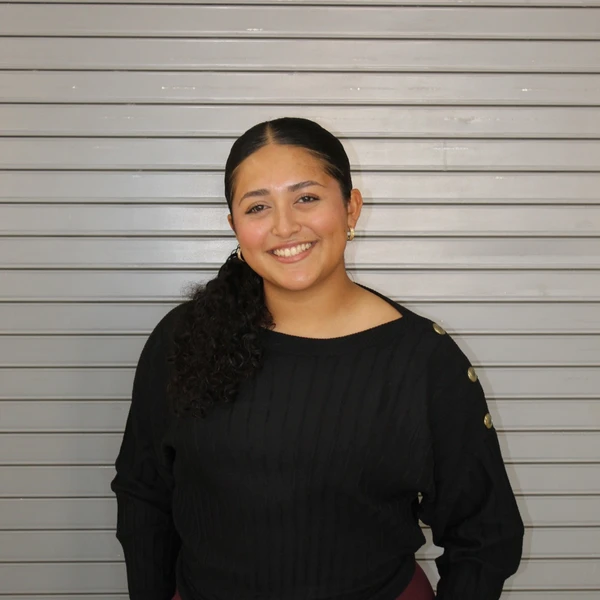
Growing up, I've always aspired to be an attorney. My passion for law was instilled the moment I was born in the borderland. El Paso, Texas, a minority-majority city where roughly a third of our people are immigrants, has always felt like a privilege, a community so connected to culture that we carry it across the border weekly. I remember throughout childhood feeling so "perfect American family"-esque, but as I grew in my comprehension, that reality shifted.
“Queríamos vivir a lo grande, darte todo lo que necesitabas. Y, aun así, nunca parece suficiente.”
"We wanted to live bigger than we were, provide for you. It still never feels like enough."
My heart broke as my grandpa recounted his immigration story while considering the possibility of retirement in late 2021, just two years before he passed. That was the first vocalization of struggle I understood. For much of my childhood, I missed the sacrifices right before me. As the children of immigrant families, my cousins and I grew up navigating systems not built with us in mind as translators and representatives for our greater family. I had always believed we embodied the American Dream, my grandpa above all, in pursuing opportunity and letting determination alone dictate our success. Until his passing, he worked manual labor in construction, driven by his commitment to his family's prosperity, despite a depth of intellect that far exceeded the opportunities available to him. But my belief was far different from his reality. As red, white, and blue as his blood ran, he remained limited financially and structurally by a system that never fully recognized his contributions. His story was what first sparked my interest in immigrant advocacy, rooted in addressing the sacrifices families like mine make in communities like mine.
As a young, aspiring advocate, I began doing my own research on immigrants in El Paso, specifically on our access to equal opportunity, our place in political discussions, and our representation. That research quickly amounted to frustration within the system I was brought up in, but also inspiration from individuals like Ira Kurzban, who carved out space for meaningful immigration advocacy. I found myself returning to the case McNary v. Haitian Refugee Center (1991) that I stumbled upon in research for a student congress debate where Kurzban served as lead counsel for the respondents and where his victory was critical in protecting the due process rights of Haitian asylum seekers, and, by extension, immigrants alike. His voice, serving on one of the most important immigration decisions in a quarter-century, was the first time I saw the law as a living mechanism capable of giving people like my family a voice in exclusionary spaces.
Research aside, my interest became something far more personal as I competed in state-level policy debates and yearly mock trial tournaments at the El Paso County courthouse through high school, where I learned how the law breathes. I'm blessed to have made strong connections with life-changing attorneys in my area and to sit through hearings as I've grown closer to the law in real time. Those proceedings reflected my community, highlighting El Pasoans actively asserting their presence.
My passion today lies in providing legal aid in detention centers like the El Paso and Otero County Processing Centers, and in working alongside organizations like the Hope Border Institute that advocate for the human impact of immigration policy. But beyond that, I am drawn to the law itself.
I aspire to grow through immigration, government law, or public policy and become the advocate that individuals like my grandfather needed, on the largest scale possible.