user profile avatar

Addison Deason

1x

Finalist

Bio

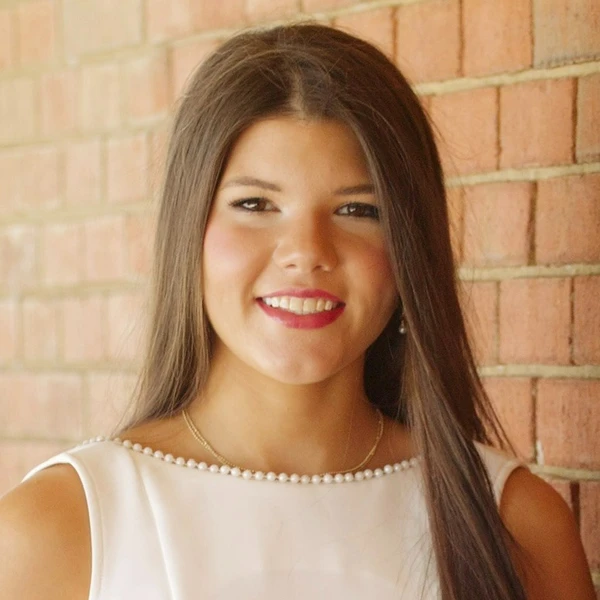
My name is Addison, a high school senior who believes that challenges can shape purpose. I currently maintain a 4.16 GPA and rank in the top ten of my graduating class. Throughout middle and high school, I have been actively involved in athletics, playing both volleyball and softball from seventh through twelfth grade. These experiences have taught me discipline, teamwork, and perseverance. I have also participated in several school clubs and have been honored to serve in leadership positions, which helped me grow in confidence and responsibility. One of the experiences that has most shaped who I am is being a traumatic brain injury (TBI) survivor. That challenge strengthened my determination and deepened my appreciation for learning and personal growth. It also helped inspire my desire to serve others. In the fall, I plan to attend Huntingdon College where I will pursue a degree in Elementary Education with a collaborative certification in Special Education. My goal is to return to a rural community and make a difference in the lives of students who may need extra encouragement and support. I believe every child deserves a teacher who believes in them. Outside of school, my faith in Jesus is the foundation of my life. I also enjoy staying active and exercising, which helps me stay focused and disciplined. I am passionate about learning, helping others succeed, and becoming the kind of teacher who makes a lasting impact on students and their communities.

Education

Horseshoe Bend High School

High School
2013 - 2026

Miscellaneous

  • Desired degree level:

    Bachelor's degree program

  • Majors of interest:

    • Education, General
  • Not planning to go to medical school
  • Career

    • Dream career field:

      Education

    • Dream career goals:

    • Teacher

      Church organized daycare
      2025 – 20261 year

    Sports

    Volleyball

    Varsity
    2023 – 20263 years

    Public services

    • Volunteering

      KeyClub — Served in many roles, i.e. serving individuals breakfast/lunch
      2025 – 2026

    Future Interests

    Volunteering

    Patricia Lindsey Jackson Foundation - Eva Mae Jackson Scholarship of Education
    Faith has always been an important foundation in my life. It has given me strength during difficult moments, guidance when making decisions about my future, and a sense of purpose that shapes the goals I have set for myself. As I have grown, I have come to realize that faith is not only something you believe in during the good times, but something that sustains you when life becomes challenging. For me, my faith has helped me develop perseverance, gratitude, and a desire to serve others. One of the most significant moments where my faith became especially meaningful was after a serious car accident left me with a traumatic brain injury and paralysis on the left side of my body. In an instant, I lost the ability to do things most people take for granted, including speaking clearly, walking, and performing basic daily tasks. My life changed dramatically, and the road to recovery was long and difficult. I spent months in physical and occupational therapy relearning basic skills that once came naturally. During that time, there were moments when progress felt slow and discouraging. However, my faith helped me stay hopeful and reminded me that difficult circumstances do not mean that God has abandoned you. Instead, they can become opportunities to grow stronger and develop resilience. Prayer, encouragement from my church community, and the support of my family helped me keep pushing forward when the process felt overwhelming. Looking back, I believe that my faith helped me maintain the determination needed to continue working toward recovery. It also helped me develop a deeper sense of empathy for others who may be facing struggles of their own. Those experiences helped shape the direction I want my life to take. Faith has also influenced my academic goals and the career path I hope to pursue. I believe that everyone has been given unique talents and opportunities that can be used to serve others. Because of the encouragement I received during my recovery from teachers, mentors, and therapists, I developed a strong desire to help others overcome challenges and believe in their own potential. After high school, I plan to attend Huntingdon College to pursue a degree in elementary education with a collaborative certification in special education. My goal is to return to a rural school community and become a teacher who supports students who may face academic, physical, or personal challenges. I want to create a classroom environment where students feel encouraged, valued, and confident in their abilities. In many ways, my faith motivates me to pursue this path because it encourages me to serve others and help make a positive difference in their lives. Teaching is more than just helping students learn academic material—it is about helping them develop confidence, resilience, and a belief in their own potential. In addition to my faith, several people have played an important role in pushing me to pursue higher education. My family has been one of my greatest sources of encouragement. They supported me throughout my recovery and have always emphasized the importance of education and perseverance. Their belief in my abilities has helped me stay focused on my goals. Teachers and mentors have also had a tremendous impact on my decision to pursue college and a career in education. Their patience and encouragement showed me how powerful teachers can be in shaping a student’s life. They helped me see that education is not only about gaining knowledge but also about helping others grow and succeed. Faith, family, and the support of mentors have all helped guide me toward my future goals. Together, they have shown me that challenges can lead to growth and that perseverance can create opportunities that once seemed impossible. As I continue my education, I hope to use the lessons I have learned to encourage others and help students discover their own strengths. Through faith, hard work, and a commitment to serving others, I hope to make a meaningful difference in the lives of my future students and the community around me. Social Media Handles (optional): Instagram: @graciedeason12
    Learner Mental Health Empowerment for Health Students Scholarship
    Why Mental Health Is Important to Me as a Student Mental health is an important part of a student’s overall well-being, yet it is often something that people hesitate to talk about. For me, mental health matters because I have experienced how difficult life’s challenges can be and how important encouragement, support, and understanding are during those times. As a student, maintaining a healthy mindset has helped me stay motivated, overcome obstacles, and continue working toward my goals even when situations felt overwhelming. One of the experiences that most shaped my understanding of mental health occurred after a serious car accident that left me with a traumatic brain injury and paralysis on the left side of my body. In an instant, my life changed. I lost the ability to do things that most people take for granted, including talking clearly, walking, and performing basic daily tasks. I had to spend months in physical and occupational therapy relearning skills that once came naturally. While the physical recovery was challenging, the emotional and mental aspects of recovery were just as difficult. There were moments when progress felt slow and discouraging, and it would have been easy to lose confidence in myself. During those times, the support of my family, friends, teachers, and therapists played a critical role in helping me maintain a positive outlook. Their encouragement reminded me that challenges do not define a person’s future and that perseverance can lead to growth. Because of this experience, I understand how important it is for students to feel supported and encouraged when they are struggling. Many students face pressures related to academics, athletics, personal challenges, or expectations they place on themselves. Without the right support system, these pressures can affect a student’s confidence and mental well-being. In my school and community, I try to advocate for mental health by being someone who encourages others and listens when they need support. Through athletics, especially volleyball and softball, I have learned how important it is to create an environment where teammates feel comfortable encouraging one another rather than placing unnecessary pressure on each other. A simple word of encouragement can make a big difference when someone is feeling frustrated or discouraged. I also try to lead by example by reminding others that setbacks and mistakes are part of learning and growth. My own experiences taught me that progress often happens slowly and that it is important to remain patient with yourself. By sharing that perspective, I hope to help others feel less alone when they are facing their own challenges. In addition, I believe that advocating for mental health means creating spaces where people feel comfortable talking about their struggles without fear of judgment. Sometimes advocacy is not about large actions but about small everyday moments—checking in on a friend, encouraging a teammate, or simply listening when someone needs to talk. Mental health is important to me because I have seen how resilience, encouragement, and support can help people overcome difficult moments. As I continue my education and eventually pursue a career in teaching, I hope to carry these lessons with me. My goal is to create classroom environments where students feel supported not only academically but emotionally as well. When students know that their well-being matters, they are more likely to develop confidence, perseverance, and a belief in their ability to succeed. By promoting positive mental health and encouraging open conversations, we can help students grow into stronger and more confident individuals.
    Dream BIG, Rise HIGHER Scholarship
    How Education Has Shaped My Goals and Given Me Direction Education has played a powerful role in shaping both the direction of my life and the goals I have set for my future. Through my experiences in school and the challenges I have faced outside of it, I have come to understand that education is much more than learning information from textbooks. It is a pathway to growth, confidence, and opportunity. It has helped me discover who I want to become and how I hope to make a positive difference in the lives of others. One of the most defining moments of my life occurred when I was involved in a serious car accident that left me with a traumatic brain injury and paralysis on the left side of my body. In an instant, abilities I had always taken for granted disappeared. I lost the ability to speak clearly, swallow normally, walk, and perform many everyday tasks. Things that once seemed simple suddenly required intense focus and effort. My life quickly shifted from the normal routine of school and activities to months of physical and occupational therapy. Recovery was not easy. Progress came slowly and often required repeating the same exercises over and over again. Something as basic as lifting my arm, forming clear words, or taking steps independently took patience and determination. At times, the process was frustrating and discouraging. However, I learned that real progress often comes through persistence and the willingness to keep trying even when improvement feels slow. During this time, the encouragement and support of the people around me made a tremendous difference. My family, therapists, and teachers played a major role in helping me regain confidence in my abilities. Teachers in particular helped remind me that my challenges did not define my potential. They showed patience and understanding when learning felt more difficult and encouraged me to keep pushing forward. Through their support, I began to see education in a new way. Education was not just about earning good grades or completing assignments. It was about growth, resilience, and discovering the abilities within myself that I might not have otherwise recognized. Education became a source of motivation that helped guide me forward during a time when life felt uncertain. One of the lessons I learned during recovery was the importance of focusing on small goals. When faced with a long and difficult road ahead, it can feel overwhelming to think about the final destination. Instead, I learned to focus on the next step forward. Each small improvement—taking a few steps on my own, speaking more clearly, or regaining strength—became an important victory. Over time, those small victories added up and allowed me to regain abilities I once feared I had lost permanently. Eventually, I was able to return to activities that I loved, including playing softball again. Because of my injury, I had to relearn how to throw a softball. In fact, throughout my recovery I had to relearn how to throw not once, but three different times as my body continued to heal and adapt. Each time required patience, determination, and the willingness to start again from the beginning. Standing back on the softball field after everything I had gone through was one of the most meaningful accomplishments of my life. These experiences shaped the goals I have for my future. Through my recovery and my education, I developed a deep appreciation for the teachers who encourage and support students through difficult moments. I realized that teachers have the power to influence students not only academically but personally. Their encouragement can help students build confidence, overcome challenges, and believe in their own potential. Because of this, I plan to pursue a career in education. After high school, I hope to attend Huntingdon College to earn a degree in elementary education with a collaborative certification in special education. My goal is to return to a rural school community and become a teacher who helps students overcome obstacles and recognize their abilities. Many students face challenges that others may not immediately see. Some struggle academically, while others face physical, emotional, or personal difficulties that make learning more complicated. My own experiences have given me a strong sense of empathy for students who may feel discouraged or overlooked. I want to create a classroom environment where students feel supported, encouraged, and confident in their ability to learn and grow. Education has the power to transform lives, and I hope to use my education to make a positive difference in the lives of my future students. I want to help them understand that setbacks do not determine their future and that perseverance can lead to incredible growth. Just as teachers helped guide me through one of the most challenging times of my life, I hope to one day provide that same encouragement and guidance to others. Looking back, the challenges I faced could have easily discouraged me from pursuing my goals. Instead, they helped give me direction and purpose. My experiences taught me resilience, determination, and the importance of believing in yourself even when the path forward seems difficult. Through education, I discovered not only how to overcome obstacles but also how I can help others do the same.
    Our Destiny Our Future Scholarship
    How I Plan to Make a Positive Impact on the World I believe that making a positive impact on the world often begins in small places—within classrooms, communities, and the lives of individuals who need encouragement and support. My goal is to make that impact through a career in education, specifically as an elementary teacher with a collaborative certification in special education. My passion for this path comes largely from my own experiences overcoming adversity. When I was younger, I was involved in a serious car accident that left me with a traumatic brain injury and paralysis on the left side of my body. In an instant, I lost the ability to do things that most people take for granted, including talking clearly, swallowing normally, and walking. I spent months in physical and occupational therapy relearning basic skills that once came naturally. Recovery was slow and challenging, but the encouragement and patience of my family, teachers, therapists, and friends helped me push forward. That experience changed the way I see the world. It taught me perseverance and gave me a deep sense of empathy for others who face challenges in their own lives. I realized how powerful encouragement and support can be when someone is struggling. Because of this, I developed a strong desire to help others overcome obstacles and recognize their own potential. After high school, I plan to attend Huntingdon College to pursue a degree in elementary education with a collaborative certification in special education. My goal is to return to a rural school community and work with students who may face learning difficulties, physical challenges, or personal obstacles. Many students struggle silently, feeling as though they are not capable of succeeding. I want to be the kind of teacher who helps them realize that their challenges do not define them. As a teacher, I hope to create a classroom environment where every student feels valued, supported, and capable of growth. I want my students to understand that learning happens at different speeds and that making mistakes is part of the process. By providing patience, encouragement, and individualized support, I hope to help students build both confidence and resilience. In addition to teaching academic skills, I want to help my students develop a belief in themselves that will carry them far beyond the classroom. When students believe in their abilities, they are more likely to pursue their goals, overcome challenges, and contribute positively to their communities. While my impact may begin in a single classroom, I believe the effects of education reach much further. Teachers help shape the confidence, curiosity, and character of future generations. By encouraging students to believe in themselves and supporting them through challenges, I hope to help create individuals who will go on to make positive contributions in their own communities. My own journey taught me that even difficult experiences can lead to purpose. By becoming a teacher, I hope to use the lessons I have learned to inspire, encourage, and empower others. Through patience, compassion, and dedication, I plan to make a positive impact—one student at a time.
    Mark Caldwell Memorial STEM/STEAM Scholarship
    One of the greatest challenges I have faced in my life began with a serious car accident that left me with a traumatic brain injury and paralysis on the left side of my body. In an instant, abilities I had always taken for granted disappeared. I lost the ability to speak clearly, swallow normally, walk, and perform many everyday tasks. The life I knew suddenly changed, and the road ahead was filled with uncertainty. My recovery required months of physical and occupational therapy and an incredible amount of patience. At the beginning, progress felt painfully slow. Simple movements that once required no thought now demanded intense concentration and effort. Something as basic as forming clear words or taking a few steps could take hours of practice. There were many moments when the process felt overwhelming, but I knew that giving up was not an option. One of the most important strategies I learned during recovery was focusing on small, achievable goals. Instead of concentrating on everything I had lost, I learned to focus on the next step forward. Therapists helped me break large goals into smaller ones—lifting my arm, taking a few steps, speaking a sentence clearly. Each small victory built confidence and helped me stay motivated to keep improving. Another key part of my recovery was persistence and repetition. Many of the skills I had lost had to be relearned through constant practice. Physical therapy required repeating the same movements over and over again until my body began to respond the way it once had. Although it was frustrating at times, I learned that progress often comes through consistent effort and determination. The support of my family, teachers, and therapists also played a huge role in helping me overcome these obstacles. They encouraged me when progress felt slow and celebrated the smallest improvements. Their belief in me helped strengthen my own belief that I could regain the abilities I had lost. One of my biggest personal goals during recovery was returning to the softball field. Softball had always been a huge part of my life, and the thought of playing again gave me something to work toward. Because of my injury, I had to relearn how to throw a softball. In fact, throughout my recovery I had to relearn how to throw not once, but three different times. Each time required patience, determination, and the willingness to start again from the beginning. Standing on the softball field again after everything I had gone through was one of the most meaningful accomplishments of my life. It reminded me that perseverance and hard work can help overcome even the most difficult obstacles. This experience taught me valuable skills that continue to guide my life today: perseverance, patience, goal setting, and resilience. More importantly, it showed me that challenges do not define a person’s future. With determination, support, and the willingness to keep trying, even the most difficult setbacks can lead to personal growth and achievement. Overcoming this hardship did more than help me regain physical abilities—it helped shape the person I have become. It taught me to face challenges with determination and to appreciate every opportunity to continue growing and helping others do the same.
    Kalia D. Davis Memorial Scholarship
    My name is Gracie, and I am a high school senior who has worked hard to grow both academically and personally while preparing for my future career in education. I currently have a 4.16 GPA and rank in the top ten of my graduating class. Throughout middle and high school, I have been involved in volleyball and softball, sports that have played an important role in shaping my character. Being part of a team has taught me discipline, perseverance, and the importance of encouraging others to do their best. In addition to athletics, I have also participated in school organizations and leadership opportunities that allowed me to serve my school and community. One experience that has had the greatest impact on who I am today was overcoming a traumatic brain injury after a serious car accident when I was younger. The injury caused paralysis on the left side of my body and took away many abilities that most people take for granted. I lost the ability to do basic things such as talk clearly, swallow normally, and walk. I spent months in physical and occupational therapy relearning skills that once came naturally. The process was long and often frustrating, but it taught me perseverance and determination. Throughout my recovery, I was surrounded by incredible support from my family, friends, therapists, and teachers. Their encouragement helped me continue pushing forward even when progress felt slow. Over time, I was able to regain those abilities and return to the activities I loved, including playing softball again. My experience taught me that challenges do not define a person’s future. With patience, support, and hard work, it is possible to overcome obstacles that once seemed impossible. Because of what I went through, I developed a deep appreciation for teachers and mentors who help guide students through difficult moments. Their encouragement can make a lasting difference in a young person’s life. This realization inspired me to pursue a career in education. After graduation, I plan to attend Huntingdon College to pursue a degree in elementary education with a collaborative certification in special education. My goal is to return to a rural school community and become a teacher who helps students overcome challenges and believe in their own abilities. Many students face academic or personal obstacles, and I want to be the kind of teacher who provides patience, encouragement, and individualized support so that every student has the opportunity to succeed. Receiving this scholarship would greatly help me continue pursuing my educational goals. While my family and I are committed to making college possible, scholarships will help reduce the financial burden of tuition and allow me to focus on my studies and future career. More importantly, this scholarship would support my goal of becoming an educator who gives back to the community and helps students realize their own potential. My experiences have taught me the value of perseverance, compassion, and encouragement. I hope to carry those lessons into my future classroom and make a meaningful difference in the lives of my students, just as others once did for me.
    David Foster Memorial Scholarship
    A Teacher Who Changed My Perspective Throughout high school, I have had several teachers who have supported and encouraged me, but one teacher in particular made a lasting impact on my life: Mrs. Ford. Her influence went far beyond the classroom and helped shape the way I approach challenges, learning, and my future. When I was younger, I experienced a serious car accident that left me with a traumatic brain injury and paralysis on the left side of my body. In an instant, I lost the ability to do many basic things that most people take for granted, including speaking clearly, swallowing, walking, and performing simple everyday tasks. My life quickly became focused on recovery. I spent months in physical and occupational therapy relearning skills that once came naturally. Returning to school after such a life-changing experience was not easy. Even though I had made significant progress in therapy, I still faced challenges and moments of self-doubt. It was during this time that Mrs. Ford played a critical role in helping me regain confidence in myself. Mrs. Ford never treated me as though my injury defined who I was. Instead, she saw my potential and reminded me of it often. She showed patience when learning felt more difficult and always encouraged me to keep pushing forward. When I felt discouraged or frustrated, she helped me focus on progress rather than setbacks. Her belief in me helped rebuild the confidence that I had lost during my recovery. What made Mrs. Ford so impactful was not just her ability to teach academic content, but her ability to truly care about her students as individuals. She created an environment where I felt supported and capable of success. Her encouragement reminded me that challenges do not define a person’s future and that perseverance can lead to growth. Because of Mrs. Ford’s influence, I began to see obstacles in a different way. Instead of viewing them as limitations, I started to see them as opportunities to grow stronger and learn more about myself. Her example showed me that teachers can have an incredible impact on students not only through what they teach, but through the encouragement and belief they provide. Mrs. Ford’s influence has also shaped the path I plan to pursue after high school. I hope to become an elementary teacher with a collaborative certification in special education. My goal is to return to a rural school community and help students who may face learning challenges or other obstacles. Just as Mrs. Ford believed in me during a difficult time in my life, I want to be the kind of teacher who encourages students to believe in themselves. The lessons Mrs. Ford taught me extended far beyond the classroom. She helped me understand the power of resilience, encouragement, and perseverance. Because of her, I approach life’s challenges with greater confidence and a desire to help others do the same.
    RonranGlee Special Needs Teacher Literary Scholarship
    Helping Students Discover Their Own Presence There are moments in life that change not only what we do, but who we become. For me, that moment came after a serious car accident that left me with a traumatic brain injury and paralysis on the left side of my body. In a single instant, abilities I had always taken for granted disappeared. I lost the ability to speak clearly, swallow normally, walk, and perform simple tasks that most people never think about. My life suddenly shifted from the routines of school and sports to hospital rooms, therapy sessions, and the slow process of relearning how to live. Recovery was not immediate. It took months of physical and occupational therapy and countless hours of practice to regain the skills that once came naturally. I had to relearn how to move my body, how to communicate clearly, and even how to throw a softball again. There were many days when progress felt slow and frustrating. Something as simple as lifting my arm or forming a clear sentence could take tremendous effort. But during those moments of difficulty, something powerful happened. The people around me—therapists, teachers, family members, and mentors—refused to let me believe that my injury defined my potential. They celebrated the smallest steps forward. They encouraged me when progress felt impossible. They believed in my abilities long before I could fully believe in them myself. That experience shaped the person I am today and sparked my passion for becoming a special education teacher. Professor Harold Bloom once wrote, “The purpose of teaching is to bring the student to his or her sense of his or her own presence.” At its core, this statement speaks to one of the most profound responsibilities a teacher carries. Teaching is not simply about transferring knowledge from one person to another. It is about awakening a student’s awareness of who they are, what they can become, and why their voice matters. To experience one’s “own presence” means to understand that you exist with purpose, value, and potential. It means recognizing that your ideas, abilities, and struggles are all part of the story that makes you uniquely capable of contributing to the world. For many students, especially those with special needs, that sense of presence can be difficult to find. Students who struggle academically, physically, or emotionally often feel invisible. They may sit in classrooms believing that their challenges make them less capable or less important than others. When students begin to see themselves through the lens of their limitations, they risk losing the confidence needed to grow. A great teacher helps students see beyond those limitations. My mission as a future special education teacher is to help students discover their own presence by creating an environment where they feel seen, valued, and capable of success. This begins with recognizing that every student learns differently. Some students require more time. Others need instruction presented in new ways. Some simply need encouragement to try again after failure. When I was relearning how to walk, talk, and throw again, progress did not happen all at once. It happened through small victories—one step, one word, one movement at a time. Those small victories mattered because they showed me that improvement was possible. In the same way, students with special needs often make progress through incremental growth. A teacher who recognizes and celebrates those moments can transform a student’s confidence. Helping students discover their presence also means helping them find their voice. Students should feel comfortable asking questions, sharing ideas, and advocating for themselves. Many special education students hesitate to speak up because they fear being judged or misunderstood. By creating a classroom culture built on patience, respect, and encouragement, teachers can help students develop the confidence to express themselves. Beyond academics, special education teachers help students develop independence and resilience. Life will always include challenges, but students who believe in their ability to overcome obstacles will approach those challenges with determination rather than fear. My own experience recovering from a traumatic brain injury taught me that perseverance grows when someone believes in you. During my recovery, there were moments when I felt discouraged and unsure if I would regain the abilities I once had. Yet the encouragement of others kept pushing me forward. That support gave me the confidence to continue working until I regained those abilities. I want to provide that same encouragement for my future students. I plan to pursue a degree in elementary education with a collaborative certification in special education and return to serve a rural school community. Rural schools play a vital role in shaping the future of their communities, yet they sometimes lack the resources needed to fully support students with special needs. My goal is to ensure that every student I work with receives the patience, understanding, and individualized support necessary to succeed. Education has the power to transform lives, not only by teaching knowledge but by helping individuals recognize their own worth. When students begin to understand that they are capable of growth and achievement, they develop the confidence to pursue goals they once believed were impossible. This belief leads me to imagine my mission in the form of a story. A Short Fairy Tale Once upon a time, in a quiet village surrounded by rolling hills and tall trees, there lived a young girl who loved to run, laugh, and play in the open fields. One day, a great storm swept through the village. When the storm passed, the girl discovered that she could no longer move the way she once had. Her voice felt different, her steps were uncertain, and the world around her seemed unfamiliar. Many people feared that the storm had taken away her strength forever. But the girl refused to believe that the storm had written the end of her story. Each day she practiced small movements, slowly learning again how to walk, speak, and move through the world. Along the way, wise mentors reminded her that storms often reveal strengths we never knew we possessed. Years passed, and the girl grew stronger. But she noticed something else in the village. Some children wandered through life feeling invisible. They struggled to read, to speak clearly, or to understand the lessons others seemed to grasp easily. Because of this, they began to believe that their voices did not matter. The girl remembered the storm that once made her feel the same way. So she built a small classroom in the center of the village. It was not a classroom filled with fear of mistakes, but one filled with patience, laughter, and perseverance. Each child who entered that classroom was greeted with the same message: You matter, and your voice belongs here. Some children learned slowly. Others learned differently. But with time, patience, and encouragement, they began to see something they had never noticed before—the light of their own potential. And as the children discovered their voices and confidence, something remarkable happened. The village grew brighter. The girl who once struggled to find her own strength had become the guide who helped others discover theirs. And the greatest lesson she taught them was this: sometimes the storms we face do not take away our purpose. Sometimes they reveal it.
    Marie Humphries Memorial Scholarship
    My interest in pursuing a career in teaching comes from both my love of learning and the people who helped guide me through one of the most difficult experiences of my life. I have always enjoyed school and being involved in my community, but my perspective on education changed after a serious car accident left me with a traumatic brain injury and paralysis on the left side of my body. In an instant, I lost the ability to do things that most people take for granted—talk clearly, swallow normally, walk, and perform many everyday tasks. I had to spend months in physical and occupational therapy relearning basic skills that once came naturally. Recovery was not easy. Progress often came slowly, and there were times when I felt frustrated and discouraged. However, the encouragement and patience of the people around me helped me keep pushing forward. My family, friends, therapists, and teachers all played an important role in helping me rebuild both my abilities and my confidence. One teacher in particular, Mrs. Ford, had a profound impact on my recovery and on the person I am today. Mrs. Ford never treated me as though my injury defined me. Instead, she focused on my strengths and believed in my potential, even when I struggled to believe in myself. She showed incredible patience during times when learning was more difficult for me, and she constantly encouraged me to keep trying even when progress felt slow. Mrs. Ford created an environment where I felt supported and capable of success. Her encouragement helped me regain confidence in my abilities and reminded me that challenges do not define a person’s potential. She showed me that a teacher’s role goes far beyond teaching lessons from a textbook. Teachers can inspire, motivate, and help students believe in themselves during the moments when they need it most. Experiencing that kind of support changed the way I view education and inspired me to pursue a career in teaching. I want to be the kind of teacher who encourages students to persevere through challenges and recognize their own potential. After high school, I plan to attend Huntingdon College to pursue a degree in elementary education with a collaborative certification in special education. My goal is to return to a rural school community and help students who may face learning or physical challenges. Just as Mrs. Ford believed in me during one of the hardest times in my life, I hope to one day provide that same encouragement, patience, and support to my own students and help them believe in themselves.
    Valerie Rabb Academic Scholarship
    am a high school senior who has worked hard to balance academics, athletics, and service while preparing for a future in education. I currently have a 4.16 GPA and rank in the top 10 of my class. Throughout middle and high school, I have been involved in volleyball and softball, and I have also participated in several clubs and leadership roles. These experiences have helped me develop discipline, teamwork, and a desire to serve others. One of the experiences that has shaped me the most was overcoming a traumatic brain injury after a serious car accident when I was younger. The injury caused paralysis on the left side of my body and took away many abilities that most people take for granted, including talking clearly, swallowing, and walking. I spent months in physical and occupational therapy relearning basic skills that once came naturally. The process was slow and often frustrating, but it taught me perseverance, patience, and the importance of encouragement from the people around me. The support of my family, friends, and therapists played a huge role in helping me recover. They celebrated small victories and reminded me to keep pushing forward even when progress felt slow. Because of their support and my determination, I was eventually able to regain those abilities and return to the activities I loved, including playing softball again. Overcoming that adversity changed the way I see the world. It gave me a deep sense of empathy for people who face physical, learning, or personal challenges. It also helped me realize how powerful teachers, mentors, and supportive adults can be in a young person’s life. After high school, I plan to attend Huntingdon College to pursue a degree in elementary education with a collaborative certification in special education. My goal is to return to a rural school community and become a teacher who helps students overcome obstacles and believe in their own abilities. In many rural areas, resources can be limited, and students with special needs sometimes struggle to receive the individualized support they deserve. I want to help bridge that gap by creating a classroom environment where every student feels encouraged, supported, and capable of success. Through my career in education, I hope to make a positive impact by helping students build confidence and develop the skills they need to succeed both in school and in life. My own journey taught me that challenges do not define a person’s potential. With patience, encouragement, and perseverance, people are capable of overcoming incredible obstacles. I hope to pass those lessons on to my future students and help them believe in themselves just as others once believed in me.
    Aserina Hill Memorial Scholarship
    I am Gracie Deason, currently a high school senior at Horseshoe Bend School, who has worked hard to balance academics, athletics, and community involvement while preparing for my future career in education. Throughout my high school, I have maintained a 4.16 GPA and rank in the top 10 of my class. I have been actively involved in volleyball and softball since seventh grade, and sports have played a major role in shaping my work ethic, discipline, and leadership skills. In addition to athletics, I have participated in several school clubs and have held leadership roles that allowed me to work alongside my peers to serve our school and community. One of the experiences that has most shaped who I am today was overcoming a traumatic brain injury after a car accident when I was younger. The injury caused paralysis on the left side of my body and took away many abilities most people take for granted, including talking clearly, swallowing, and walking. I spent months in physical and occupational therapy relearning basic skills that once came naturally. That experience taught me perseverance, patience, and the importance of encouragement from others. It also gave me a deep sense of empathy for people who face physical or learning challenges. Because of these experiences, I plan to attend Huntingdon College after graduation to pursue a degree in elementary education with a collaborative certification in special education. My goal is to return to a rural school and become a teacher who helps students overcome obstacles and believe in their own abilities. Growing up in a rural community has shown me how important dedicated teachers are in shaping the future of young students. If I could start my own charity, its mission would be to support children who are recovering from traumatic injuries or learning to overcome physical or neurological challenges. The goal would be to help these children regain confidence, stay active, and feel supported as they work through recovery. The charity would serve children and families who may not always have access to the resources or encouragement they need during difficult times. Volunteers in this organization would help by mentoring children, assisting with adaptive sports programs, and organizing activities that encourage confidence and social connection. They could also help families navigate resources for therapy and recovery while providing encouragement and community support. Having experienced the challenges of recovery myself, I understand how important encouragement and support can be. My goal would be to create a community where children facing difficult obstacles feel understood, supported, and empowered to keep moving forward. Through both my career in education and this type of service, I hope to make a lasting difference in the lives of others.
    Ava Wood Stupendous Love Scholarship
    Kindness in Action One of the most meaningful ways I have shown kindness to others comes from my own experience overcoming a traumatic brain injury. When I was younger, I was involved in a serious car accident that left me with a traumatic brain injury and paralysis on the left side of my body. In an instant, I lost the ability to do things that most people take for granted, including talking clearly, swallowing normally, and walking. I had to spend months in physical and occupational therapy relearning basic skills that once came naturally. During that time, the kindness and encouragement I received from my family, friends, teachers, and therapists meant everything to me. They celebrated small victories that others might not have noticed, like taking a few more steps on my own or speaking more clearly than the day before. Their patience and belief in me helped rebuild my confidence during a time when everything felt uncertain. That experience taught me how powerful kindness can be, especially when someone is struggling. Because of what I went through, I try to be aware when others around me may be facing challenges of their own. One moment that stands out was when I noticed a younger student who seemed frustrated and embarrassed during practice. They were struggling with a skill that others seemed to pick up quickly, and it was clear they felt discouraged. I remembered how it felt to struggle with something that once seemed simple, so I took the time to work with them, encouraging them and breaking the skill down step by step. What may have seemed like a small act meant a lot in that moment. I could see their confidence begin to grow as they improved and realized they were capable of doing it. More importantly, they no longer felt alone in the process. That moment was important to me because it reminded me that kindness often comes from understanding what someone else might be going through. The encouragement I received during my recovery helped shape who I am today, and it showed me how much a few supportive words or a little extra patience can impact someone’s life. My experiences have taught me that kindness does not always have to be a grand gesture. Sometimes it is simply being patient, encouraging someone who feels discouraged, or helping someone believe in themselves again. Those lessons continue to guide how I treat others, and they are a big reason why I hope to become an elementary teacher with a collaborative certification in special education. I want to help students overcome their challenges, just as so many people once helped me overcome mine.
    Teaching Like Teri Scholarship
    My passion for early childhood education comes from overcoming challenges at a young age that changed the way I view learning and perseverance. When I was younger, I was involved in a serious car accident that left me with a traumatic brain injury and paralysis on the left side of my body. In an instant, I lost the ability to do many things most people take for granted, including talking clearly, swallowing normally, and walking. I had to relearn many of the most basic skills that children usually develop during early childhood. My recovery required months of physical and occupational therapy. During that time, I worked hard to retrain my body and mind to do things that once came naturally. The process was slow and sometimes frustrating, but every small improvement felt like a huge victory. Through that experience, I learned the value of patience, perseverance, and encouragement. The therapists, teachers, family members, and friends who supported me during that time played an incredible role in helping me regain confidence and strength. Because of what I experienced, I developed a deep appreciation for the importance of early learning and support. Early childhood is a critical time when children build the foundation for their future education and confidence. I understand firsthand how difficult learning can be when obstacles are present, but I also know how powerful encouragement and support can be in helping someone overcome those challenges. My experience has given me a strong sense of empathy for students who may struggle academically, physically, or emotionally. I know what it feels like to face challenges that make learning more difficult, and that perspective has shaped my desire to help others. I want to be the kind of teacher who is patient, encouraging, and willing to meet each student where they are in their learning journey. After high school, I plan to attend Huntingdon College and pursue a degree in elementary education with a collaborative certification in special education. My goal is to return to a rural school community like the one that shaped me and help students who may need extra support. Rural schools often have fewer resources, and I want to be someone who helps ensure that every child receives the attention and encouragement they need to succeed. Overcoming a traumatic brain injury at a young age taught me that growth often comes through challenges. It also showed me how powerful teachers and mentors can be in a child’s life. My experiences have shaped not only who I am today but also the path I want to follow in the future. I want to use what I have learned to help young students build confidence, overcome obstacles, and believe in their ability to succeed. Early childhood education is where those foundations are built, and I am passionate about being part of that process. By supporting and encouraging students during those important early years, I hope to make a meaningful difference in their lives just as others once did for me.
    Sandy Jenkins Excellence in Early Childhood Education Scholarship
    My passion for early childhood education comes from overcoming challenges at a young age that changed the way I view learning and perseverance. When I was younger, I was involved in a serious car accident that left me with a traumatic brain injury and paralysis on the left side of my body. In an instant, I lost the ability to do many things most people take for granted, including talking, swallowing, and even walking. I had to relearn many of the most basic skills that children usually develop during early childhood. My recovery required months of physical and occupational therapy. During that time, I worked hard to retrain my body and mind to do things that once came naturally. The process was slow and sometimes frustrating, but every small improvement felt like a huge victory. Through that experience, I learned the value of patience, perseverance, and encouragement. The therapists, teachers, family members, and friends who supported me during that time played an incredible role in helping me regain confidence and strength. Because of what I experienced, I developed a deep appreciation for the importance of early learning and support. Early childhood is a critical time when children build the foundation for their future education and confidence. I understand firsthand how difficult learning can be when obstacles are present, but I also know how powerful encouragement and support can be in helping someone overcome those challenges. My experience has given me a strong sense of empathy for students who may struggle academically, physically, or emotionally. I know what it feels like to face challenges that make learning more difficult, and that perspective has shaped my desire to help others. I want to be the kind of teacher who is patient, encouraging, and willing to meet each student where they are in their learning journey. After high school, I plan to attend Huntingdon College and pursue a degree in Elementary Education with a collaborative certification in Special Education. My goal is to return to a rural school community like the one that shaped me and help students who may need extra support. Rural schools often have fewer resources, and I want to be someone who helps ensure that every child receives the attention and encouragement they need to succeed. Overcoming a traumatic brain injury at a young age taught me that growth often comes through challenges. It also showed me how powerful teachers and mentors can be in a child’s life. My experiences have shaped not only who I am today but also the path I want to follow in the future. I want to use what I have learned to help young students build confidence, overcome obstacles, and believe in their ability to succeed. Early childhood education is where those foundations are built, and I am passionate about being part of that process. By supporting and encouraging students during those important early years, I hope to make a meaningful difference in their lives just as others once did for me.